
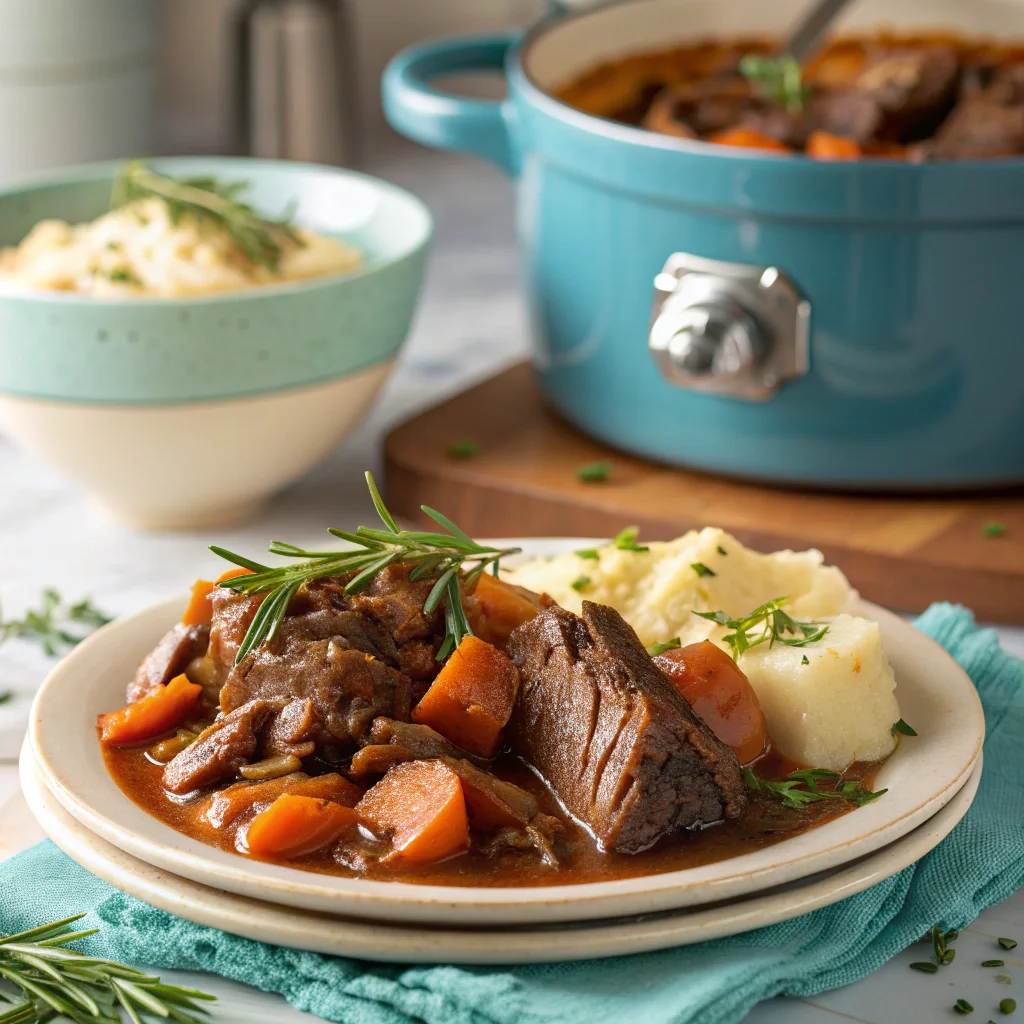
Slow Cooker Sweet and Savory Pot Roast
There’s something magical about coming home to the rich, comforting aroma of a perfectly cooked pot roast that’s been simmering all day. A Slow Cooker Sweet and Savory Pot Roasttransforms an affordable cut of beef into a tender, flavorful centerpiece that practically melts in your mouth. This classic comfort dish combines the deep, savory notes of beef with subtle sweetness from ingredients like brown sugar and root vegetables, creating layers of flavor that satisfy everyone at the table. Whether you’re feeding a busy family on a weeknight or preparing Sunday dinner, this hands-off cooking method delivers restaurant-quality results with minimal effort.
What Makes This Pot Roast Special
The Perfect Balance of Flavors
This slow cooker sweet and savory pot roast achieves something truly special. It balances rich, meaty flavors with gentle sweetness. The natural sugars caramelize during the long cooking process. This creates depth that elevates the entire dish.
Traditional pot roasts rely solely on savory elements. This version incorporates brown sugar and sweet vegetables. The result is a more complex flavor profile. Each bite offers multiple taste sensations.
Why the Slow Cooker Method Works
Slow cooking transforms tough cuts of beef into tender perfection. The low, steady heat breaks down collagen and connective tissue. This process takes hours but requires almost no attention from you.
The sealed environment traps moisture and flavor. Nothing escapes during cooking. The beef essentially braises in its own juices combined with your seasonings. This method is nearly foolproof.
Modern slow cookers maintain consistent temperatures. You don’t need to monitor or adjust anything. Simply set it and forget it. Your pot roast cooks while you work, run errands, or relax.
Ideal for Busy Households
Morning preparation takes just 15-20 minutes. You’ll brown the meat and combine ingredients. Then the slow cooker handles everything else. By dinnertime, your meal is ready.
This recipe feeds a crowd affordably. A single roast serves 6-8 people easily. The ingredients are budget-friendly and accessible. You probably have most items in your pantry already.
Leftovers taste even better the next day. The flavors continue developing overnight. You can repurpose them into sandwiches, tacos, or hash. One cooking session provides multiple meals.
Ingredients You’ll Need
For the Pot Roast
-
3-4 pound chuck roast (well-marbled)
-
2 tablespoons vegetable oil (for searing)
-
1 large yellow onion, quartered
-
4 cloves garlic, minced
-
4 large carrots, cut into 2-inch pieces
-
4 medium russet potatoes, quartered
-
3 celery stalks, cut into 2-inch pieces
-
2 cups beef broth (low-sodium preferred)
-
1/4 cup brown sugar (packed)
-
3 tablespoons tomato paste
-
2 tablespoons balsamic vinegar
-
2 tablespoons Worcestershire sauce
-
1 tablespoon Dijon mustard
-
2 bay leaves
-
1 teaspoon dried thyme
-
1 teaspoon dried rosemary
-
1 teaspoon smoked paprika
-
1 teaspoon salt
-
1/2 teaspoon black pepper
-
2 tablespoons cornstarch (for thickening)
-
2 tablespoons cold water
Ingredient Selection Tips
Choose a chuck roast with good marbling. The fat renders during cooking and creates tenderness. Look for meat with white streaks throughout.
Fresh vegetables provide the best flavor and texture. However, frozen options work in a pinch. Avoid canned vegetables as they become mushy.
Quality beef broth makes a noticeable difference. Check out our guide on [selecting the best cooking broths] for more information. Low-sodium versions let you control salt levels better.
Brown sugar adds essential sweetness to balance savory elements. Light or dark brown sugar both work. Dark brown sugar provides slightly deeper molasses notes.
Step-by-Step Instructions
Preparation Phase
Step 1: Prepare the Vegetables
Wash and peel your carrots and potatoes. Cut them into uniform 2-inch pieces. This ensures even cooking. Chop the celery similarly.
Quarter the onion and mince the garlic. Set all vegetables aside. Having everything ready streamlines the cooking process.
Step 2: Season the Roast
Pat the chuck roast completely dry with paper towels. Moisture prevents proper browning. Season all sides generously with salt and pepper.
Let the seasoned meat sit at room temperature for 15 minutes. This helps it cook more evenly. Meanwhile, prepare your other ingredients.
Searing the Meat
Step 3: Heat Your Pan
Select a large, heavy-bottomed skillet. Cast iron works exceptionally well. Heat it over medium-high heat for 2-3 minutes.
Add the vegetable oil once the pan is hot. Swirl it to coat the entire surface. Wait until the oil shimmers slightly.
Step 4: Brown the Roast
Carefully place the roast in the hot pan. Let it sear undisturbed for 4-5 minutes. A deep brown crust should form.
Flip the roast using tongs. Brown the second side for another 4-5 minutes. Don’t skip this step. Browning creates complex flavors through the Maillard reaction.
If your roast has sides, brown them too. Aim for color on all surfaces. Total browning time should be 12-15 minutes.
Step 5: Transfer to Slow Cooker
Move the browned roast to your slow cooker. Place it fat-side up if there’s a distinct fat cap. The melting fat bastes the meat naturally.
Building the Flavor Base
Step 6: Create the Sauce
In a medium bowl, combine beef broth and tomato paste. Whisk until smooth. Add brown sugar, balsamic vinegar, Worcestershire sauce, and Dijon mustard.
Stir in thyme, rosemary, and smoked paprika. Mix thoroughly. This sauce provides both liquid for cooking and concentrated flavor.
Step 7: Add Aromatics and Vegetables
Scatter the minced garlic over the roast. Tuck bay leaves into the liquid. These aromatics infuse everything with fragrance.
Arrange carrots, potatoes, celery, and onion around the roast. Try to submerge vegetables partially in liquid. They’ll cook in the flavorful juices.
Pour the prepared sauce over everything. The liquid should come about halfway up the roast. Don’t worry if vegetables poke above the surface.
The Cooking Process
Step 8: Set and Forget
Cover your slow cooker with its lid. Resist the urge to peek. Every time you lift the lid, you release heat and extend cooking time.
Set to LOW for 8-10 hours or HIGH for 5-6 hours. The longer, slower method produces more tender results. However, the high setting works when you’re pressed for time.
Step 9: Check for Doneness
After the minimum cooking time, check your roast. Insert a fork into the thickest part. It should slide in easily and twist without resistance.
The internal temperature should reach at least 190°F. At this point, collagen has broken down completely. The meat will be fall-apart tender.
Vegetables should be soft but not disintegrated. If they need more time, cook for another 30-60 minutes.
Finishing Touches
Step 10: Rest the Meat
Transfer the roast to a cutting board. Tent it loosely with aluminum foil. Let it rest for 10-15 minutes.
Resting allows juices to redistribute throughout the meat. If you slice immediately, those juices run out. Patience yields moister results.
Step 11: Thicken the Gravy
Remove bay leaves from the slow cooker. Switch the setting to HIGH if it isn’t already.
Mix cornstarch with cold water in a small bowl. Stir until no lumps remain. This creates a slurry.
Pour the slurry into the slow cooker liquid. Stir continuously. The gravy will thicken within 5-10 minutes.
Taste and adjust seasonings as needed. Add more salt, pepper, or a pinch of sugar if desired.
Step 12: Slice and Serve
Slice the rested roast against the grain. This shortens muscle fibers and increases tenderness. Aim for slices about 1/2-inch thick.
Arrange meat on a serving platter. Surround it with the cooked vegetables. Ladle the thickened gravy generously over everything.
Tips for Perfect Results Every Time
Selecting the Right Cut
Chuck roast is ideal for this recipe. It contains enough marbling to stay moist during long cooking. Other good options include shoulder roast or bottom round.
Avoid lean cuts like eye of round. They dry out during extended cooking. The lack of fat means less flavor too.
Look for a roast between 3-4 pounds. Larger roasts need additional cooking time. Smaller ones might overcook and become stringy.
Searing Secrets
Never skip searing your meat. This step develops deep, caramelized flavors. It creates a crust that adds textural contrast.
Make sure your pan is genuinely hot. If the oil isn’t shimmering, it’s not ready. Cold pans cause meat to stick and steam rather than brown.
Don’t move the meat while searing. Let it sit undisturbed. Movement prevents crust formation. You’ll know it’s ready to flip when it releases easily.
Liquid Level Management
Your liquid should cover about one-third to one-half of the roast. Too much liquid dilutes flavors. Too little risks burning.
The roast releases moisture as it cooks. This adds to the liquid level. Start conservatively. You can always add more broth if needed.
Don’t fill your slow cooker more than two-thirds full. Overfilling prevents proper heat circulation. It also risks spillage.
Temperature and Timing
LOW and slow produces the most tender results. Plan for 8-10 hours on the LOW setting. This is perfect for workday cooking.
HIGH setting works for faster meals. Expect 5-6 hours of cooking time. The results are nearly identical to low cooking.
Older slow cookers run hotter than newer models. Check your roast at the minimum suggested time. You can always cook longer if needed.
Preventing Common Issues
Dry meat typically results from cooking too long or using too-lean cuts. Stick with chuck roast and minimum cooking times initially.
Mushy vegetables happen when cooking too long on HIGH. Add heartier vegetables like carrots early. Reserve delicate ones for the last hour.
Bland flavor often means insufficient seasoning or skipping the browning step. Don’t be shy with salt and spices. Brown your meat thoroughly.
Thin gravy needs cornstarch slurry or additional reduction. Make the slurry at the end of cooking. Let it simmer for full thickening.
Nutritional Information
Per Serving (Based on 8 Servings)
-
Calories: 425
-
Protein: 42g
-
Carbohydrates: 28g
-
Dietary Fiber: 4g
-
Sugars: 10g
-
Fat: 16g
-
Saturated Fat: 6g
-
Cholesterol: 125mg
-
Sodium: 580mg
-
Potassium: 1,150mg
-
Vitamin A: 180% DV
-
Vitamin C: 45% DV
-
Calcium: 6% DV
-
Iron: 35% DV
Health Benefits
This slow cooker sweet and savory pot roast provides substantial protein. Protein supports muscle maintenance and keeps you satisfied longer. Each serving delivers over 40 grams.
Beef supplies essential nutrients like iron and B vitamins. Iron prevents anemia and supports energy production. B vitamins aid metabolism and brain function.
The vegetables add important vitamins and minerals. Carrots provide beta-carotene for eye health. Potatoes offer potassium for blood pressure regulation.
This one-pot meal delivers balanced nutrition. You get protein, complex carbohydrates, and vegetables together. No need for multiple side dishes.
Making It Lighter
Trim visible fat from the roast before cooking. This reduces overall fat content. However, leave some marbling for tenderness.
Use only 1/8 cup brown sugar instead of 1/4 cup. The dish remains balanced with less sweetness. You’ll save about 50 calories per serving.
Increase vegetables and reduce meat portion sizes. Serve smaller slices with more carrots and celery. This boosts fiber while lowering calories.
Choose low-sodium beef broth always. Regular broth contains excessive sodium. You can better control salt levels with low-sodium versions.
Serving Suggestions
Classic Presentations
Serve your slow cooker sweet and savory pot roast family-style. Arrange sliced meat on a large platter. Surround it with colorful vegetables.
Pour the thickened gravy into a separate gravy boat. Let diners add as much as they want. This prevents the meat from becoming soggy.
Garnish with fresh herbs like parsley or thyme. The bright green color adds visual appeal. Fresh herbs provide a pop of fresh flavor too.
Perfect Side Dishes
Mashed potatoes are the ultimate comfort pairing. The creamy texture complements tender beef perfectly. Make them extra smooth and buttery.
Crusty bread soaks up delicious gravy wonderfully. Choose a hearty sourdough or French baguette. Warm it slightly before serving.
Roasted green beans add fresh contrast to rich pot roast. Toss them with garlic and lemon. The brightness balances heavy elements.
Simple green salad provides refreshing crunch. Use mixed greens with light vinaigrette. This cleanses the palate between bites.
Buttered egg noodles offer another classic option. Their neutral flavor showcases the gravy. Wide noodles work best.
Creative Leftover Ideas
Pot roast sandwiches make incredible next-day lunches. Pile meat high on crusty rolls. Add caramelized onions and horseradish sauce.
Beef and vegetable hash transforms leftovers into breakfast. Dice everything and crisp in a skillet. Top with fried eggs.
Pot roast tacos bring fusion flair to your table. Shred the beef and warm in tortillas. Add fresh cilantro and lime.
Shepherd’s pie uses leftovers in a new casserole. Layer meat and vegetables in a dish. Top with mashed potatoes and bake until golden.
Beef and barley soup stretches leftovers further. Add broth, barley, and extra vegetables. Simmer until grains are tender.
Storage and Reheating
Refrigerator Storage
Allow the pot roast to cool to room temperature first. This prevents condensation inside storage containers. However, don’t leave it out longer than 2 hours.
Separate meat from vegetables if possible. Store them in different airtight containers. This prevents vegetables from becoming mushier.
Keep the gravy in its own container. Label everything with the date. Properly stored pot roast lasts 3-4 days refrigerated.
Store sliced meat rather than large chunks. Smaller pieces reheat more evenly. They also cool faster initially.
Freezer Storage
Freeze pot roast in portion-sized containers. This lets you thaw only what you need. Individual portions reduce waste.
Remove as much air as possible from containers. Air causes freezer burn over time. Vacuum-sealed bags work best.
Freeze meat and gravy together for best results. The gravy prevents meat from drying out. Add frozen vegetables separately when reheating.
Label containers with contents and date. Frozen pot roast maintains quality for 2-3 months. Use within this timeframe for best flavor.
Reheating Methods
Microwave reheating works for quick meals. Place portions in microwave-safe dishes. Cover and heat on 50% power in 2-minute intervals. Stir between intervals for even heating.
Stovetop reheating preserves texture better. Place meat and gravy in a saucepan. Heat over medium-low, stirring occasionally. Add a splash of broth if needed.
Oven reheating works for larger portions. Preheat to 325°F. Cover the dish with foil. Heat for 20-30 minutes until warmed through.
Never reheat pot roast more than once. Multiple reheating cycles dry out meat. They also increase food safety risks.
Common Mistakes to Avoid
Overcrowding the Slow Cooker
Filling your slow cooker more than two-thirds full affects cooking. Heat doesn’t circulate properly. The center may remain undercooked while edges overcook.
Leave space for steam to circulate. This ensures even temperature throughout. If you have extra vegetables, save them for another meal.
Using a larger slow cooker than needed also causes problems. The shallow layer of food cooks too quickly. Choose a size appropriate for your recipe quantity.
Opening the Lid Repeatedly
Each lid removal releases accumulated heat and steam. This extends cooking time by 15-30 minutes. Resist the temptation to check constantly.
Modern slow cookers have glass lids for a reason. You can monitor progress without opening. Only lift the lid when absolutely necessary.
Trust the process and follow recipe timing. Your slow cooker sweet and savory pot roast doesn’t need constant supervision.
Using the Wrong Cooking Temperature
Starting on HIGH then switching to LOW doesn’t save time. This method cooks unevenly. Stick with one temperature setting throughout.
Extremely lean cuts require lower, longer cooking. They need extra time to break down. Always choose LOW for the most tender results.
Don’t cook pot roast on HIGH for more than 6 hours. Extended high-heat cooking makes meat stringy. It also breaks down vegetables completely.
Skipping the Browning Step
Some recipes suggest skipping browning for convenience. However, this compromises flavor significantly. The Maillard reaction creates essential taste compounds.
Browning takes only 15 extra minutes. The flavor improvement is worth every second. Your pot roast will taste notably better.
If you’re truly pressed for time, brown the night before. Refrigerate the seared meat overnight. Add it to the slow cooker in the morning.
Adding Dairy Too Early
Never add cream, milk, or sour cream at the beginning. Long cooking curdles dairy products. They separate and become grainy.
Stir in dairy during the last 30 minutes of cooking. Or add it just before serving. This preserves smooth, creamy texture.
This recipe doesn’t call for dairy. However, remember this rule for other slow cooker dishes.
Neglecting to Slice Against the Grain
Meat grain refers to the direction muscle fibers run. Cutting parallel to these fibers makes meat chewy.
Always slice perpendicular to the grain. This shortens the fibers. Your meat becomes easier to chew and more tender.
Examine your roast before slicing. Identify which direction fibers run. Rotate your knife accordingly.
Variations and Substitutions
Meat Alternatives
Pork shoulder works beautifully in this recipe. It has similar marbling to chuck roast. The cooking time remains the same.
Lamb shoulder creates a more distinctive flavor profile. The slight gamey taste pairs well with sweet elements. Some diners love this variation.
Venison roasts offer a leaner option for game meat enthusiasts. Add extra oil to prevent dryness. Consider reducing cooking time slightly.
Beef brisket produces excellent results too. Choose the point cut for more marbling. Flat cut tends to be drier.
Vegetable Substitutions
Sweet potatoes replace regular potatoes nicely. They add extra sweetness naturally. The orange color makes the dish more vibrant.
Parsnips provide earthy sweetness beyond carrots alone. Cut them the same size as carrots. They cook at similar rates.
Turnips or rutabagas add subtle peppery notes. These root vegetables stand up to long cooking. They maintain texture well.
Pearl onions can replace quartered regular onions. They look more elegant on the plate. Use fresh rather than frozen for best results.
Mushrooms introduce umami depth to the dish. Add them during the last 2 hours. Longer cooking makes them too soft.
Flavor Profile Changes
Asian-inspired version uses soy sauce instead of Worcestershire. Add ginger, five-spice powder, and a touch of honey. Include bok choy in the final hour.
Mediterranean twist incorporates oregano, basil, and sun-dried tomatoes. Use olive oil for browning. Add olives in the last hour.
BBQ-style pot roast features smoked paprika and chipotle powder. Add BBQ sauce to the liquid mixture. Serve on buns with coleslaw.
Herb garden version showcases fresh herbs abundantly. Double the thyme and rosemary. Add fresh sage and oregano too.
Dietary Modifications
Paleo-friendly adaptation eliminates brown sugar and Worcestershire sauce. Substitute coconut aminos and add extra dates for sweetness. Use arrowroot instead of cornstarch.
Low-carb version replaces potatoes with additional low-carb vegetables. Use cauliflower, radishes, or turnips instead. They satisfy without excess carbohydrates.
Gluten-free preparation checks all packaged ingredients for gluten. Most slow cooker pot roast recipes are naturally gluten-free. Verify your broth and Worcestershire sauce specifically.
Whole30 compliant requires omitting brown sugar and checking sauce labels. The Whole30 official website provides approved ingredient lists. Focus on compliant seasonings and broths.
Frequently Asked Questions
Can I make slow cooker sweet and savory pot roast without browning the meat first?
Technically yes, but the results won’t taste the same. Browning develops complex flavors through the Maillard reaction. These flavors cannot develop in the slow cooker’s moist environment. The 15 minutes spent browning dramatically improves the final dish. However, if you’re extremely pressed for time, you can skip it. Just understand the flavor will be less developed and more one-dimensional.
Why is my pot roast tough instead of tender?
Tough pot roast usually means insufficient cooking time. Chuck roast needs the full recommended duration to break down collagen. Check that your slow cooker maintains proper temperatures. Older units sometimes run cooler than they should. Also verify you’re using a well-marbled cut. Lean meat never becomes as tender regardless of cooking time. Finally, make sure you’re slicing against the grain when serving.
How much liquid should I add to my slow cooker?
Add enough liquid to come one-third to one-half up the side of your roast. The meat releases additional moisture as it cooks. Too much liquid dilutes flavors and creates watery gravy. Too little risks burning and uneven cooking. Remember that slow cookers trap all moisture inside. Unlike stovetop cooking, nothing evaporates. Start conservative since you can always add more broth later if needed.
Can I cook frozen pot roast in the slow cooker?
Food safety experts recommend against cooking frozen meat in slow cookers. The meat spends too long in the temperature danger zone. This allows bacterial growth. Always thaw your roast completely in the refrigerator first. Plan ahead and move it to the fridge 24-48 hours before cooking. For faster thawing, submerge sealed meat in cold water. Change the water every 30 minutes until thawed.
What’s the difference between cooking on LOW versus HIGH?
Both settings eventually bring food to the same safe temperature. However, LOW reaches that temperature more gradually. This gentler process yields more tender, fall-apart results. HIGH heat cooks faster but can make meat stringy. Vegetables may also become mushy on HIGH. Choose LOW whenever your schedule allows. Use HIGH only when you need dinner in 5-6 hours instead of 8-10.
How do I prevent vegetables from turning to mush?
Cut vegetables into larger, uniform pieces around 2 inches. Smaller pieces break down faster. Place hardier vegetables like carrots and potatoes at the bottom. They need more cooking time. Add quicker-cooking vegetables like celery during the last 3-4 hours. Avoid cooking on HIGH for extended periods. This overcooks vegetables rapidly. Finally, check vegetables at minimum cooking time and remove them if tender.
Can I make this recipe in an Instant Pot instead?
Absolutely! Pressure cookers work wonderfully for pot roast. Brown the meat using the sauté function first. Add all ingredients and lock the lid. Cook on high pressure for 60-75 minutes depending on roast size. Allow natural pressure release for 15 minutes. Then quick release remaining pressure. The meat will be equally tender in a fraction of the time. However, flavors meld slightly less than slow cooking.
Why does my gravy taste bland?
Bland gravy typically needs more salt. Season gradually, tasting between additions. The gravy may also need acidity. Add a splash of balsamic vinegar or a squeeze of lemon juice. Browning the meat properly prevents bland gravy too. Those caramelized bits add depth. Also check that your beef broth has good flavor. Some brands taste watery. Finally, reducing the gravy by simmering uncovered concentrates flavors.
How can I make the recipe sweeter or more savory?
For extra sweetness, increase brown sugar to 1/3 cup. Add diced sweet potatoes or carrots. A tablespoon of molasses deepens sweet notes. For more savory flavor, add extra Worcestershire sauce and tomato paste. Include umami-rich ingredients like mushrooms or soy sauce. Double the garlic and herbs. Taste the gravy before thickening. Adjust seasonings to match your preference. Balance is personal, so customize freely.
What should I do with leftover gravy?
Leftover gravy stores separately from the meat and vegetables. Refrigerate it in an airtight container for up to 4 days. Freeze it for up to 3 months. Use the gravy over mashed potatoes or egg noodles. Add it to beef vegetable soup for extra richness. Make shepherd’s pie using the gravy as sauce. Mix it with leftover shredded pot roast for incredible sandwiches. The concentrated flavors enhance many dishes.
Conclusion
This slow cooker sweet and savory pot roast delivers exceptional comfort food with minimal hands-on effort. The combination of tender, flavorful beef and perfectly cooked vegetables creates a complete meal in one pot. By balancing sweet and savory elements thoughtfully, you’ll achieve restaurant-quality results at home. The beauty of this recipe lies in its simplicity and reliability—brown the meat, combine the ingredients, and let time work its magic.
Whether you’re new to slow cooking or an experienced home chef, this pot roast succeeds every time. The long, gentle cooking transforms an economical cut of beef into something truly special. Your family will gather eagerly around the dinner table when this dish is on the menu. The leftovers provide bonus meals throughout the week, making this recipe both practical and delicious.
Master this slow cooker sweet and savory pot roast, and you’ll have a go-to recipe for busy weeknights, Sunday dinners, and casual entertaining. The technique applies to countless variations, so experiment with different vegetables and seasonings once you’ve perfected the basics.
Slow Cooker Sweet and Savory Pot Roast
Description
Slow Cooker Sweet and Savory Pot Roast
Ingredients:
-
3–4 lb beef chuck roast
-
Salt and black pepper, to taste
-
2 tbsp olive oil
-
1 large onion, sliced
-
4 cloves garlic, minced
-
1 cup beef broth
-
½ cup soy sauce
-
½ cup brown sugar
-
¼ cup balsamic vinegar
-
2 tbsp Worcestershire sauce
-
1 tbsp Dijon mustard
-
1 tsp dried thyme
-
1 tsp dried rosemary
-
4 large carrots, cut into chunks
-
4 potatoes, cut into chunks
Instructions:
-
Season the chuck roast generously with salt and pepper.
-
In a large skillet, heat olive oil over medium-high heat. Sear the roast on all sides until browned, about 3–4 minutes per side.
-
Transfer the roast to the slow cooker. Add onions, garlic, carrots, and potatoes around it.
-
In a bowl, whisk together beef broth, soy sauce, brown sugar, balsamic vinegar, Worcestershire sauce, Dijon mustard, thyme, and rosemary. Pour the mixture over the roast.
-
Cover and cook on LOW for 8–9 hours or HIGH for 4–5 hours, until the meat is tender and falls apart easily.
-
Remove the roast and vegetables, shred or slice the beef, and drizzle with the rich sweet-savory sauce from the slow cooker before serving.