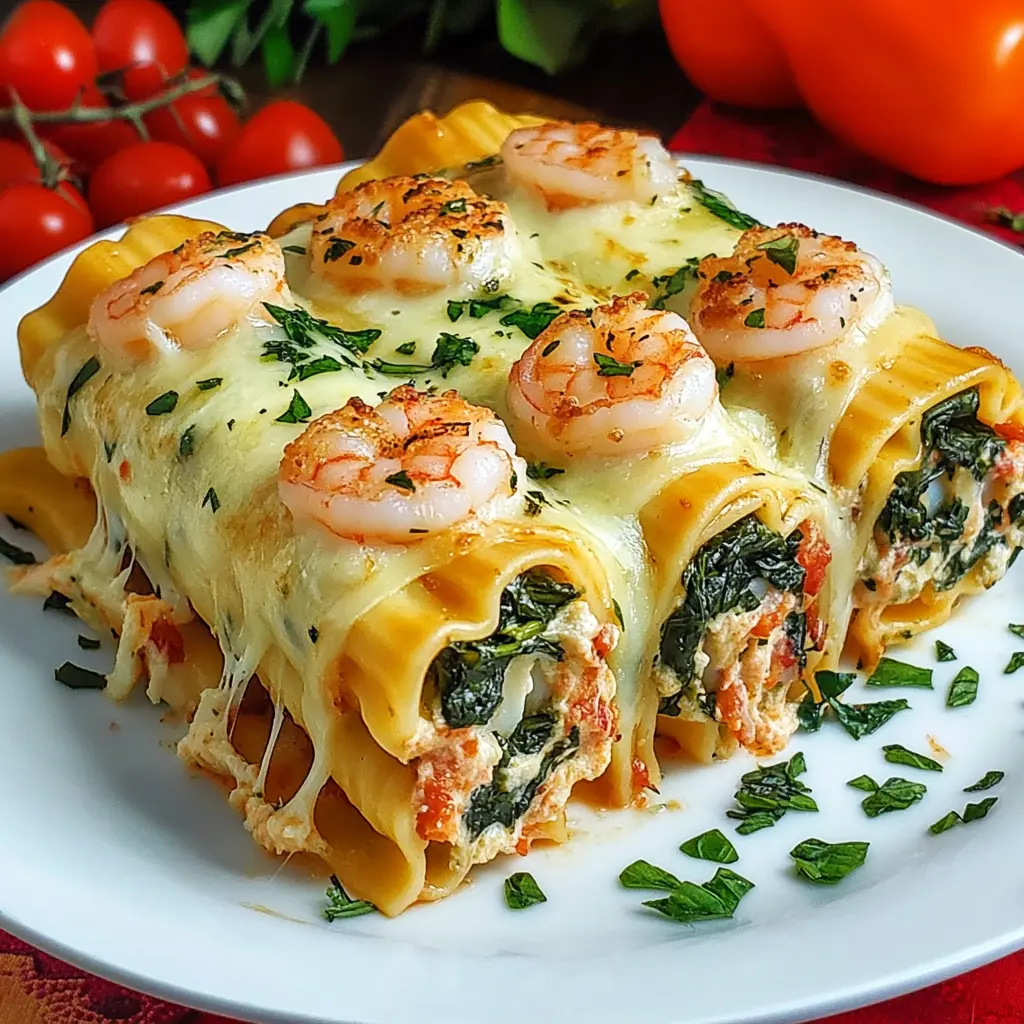
Shrimp and Spinach Stuffed Pasta Rolls
Imagine tender pasta shells cradling a luxurious filling of succulent shrimp and vibrant spinach, all bathed in a creamy sauce that brings comfort to your dinner table. Shrimp and spinach stuffed pasta rolls transform ordinary ingredients into an elegant meal that looks restaurant-worthy but comes together in your own kitchen. This recipe delivers impressive flavors through fresh herbs, garlic, and quality cheeses—no compromises needed. Whether you’re hosting a special dinner or simply elevating your weeknight routine, these stuffed pasta rolls promise to become a cherished addition to your recipe collection.
What Makes Shrimp and Spinach Stuffed Pasta Rolls Special
Stuffed pasta rolls stand out as a culinary masterpiece that combines elegance with approachability. Unlike traditional layered pasta dishes, these individual rolls offer portion control and stunning presentation. Each roll becomes its own perfect serving, making plating effortless for gatherings.
The shrimp and spinach combination creates a nutritional powerhouse. Shrimp provides lean protein and essential minerals like selenium and vitamin B12. Meanwhile, spinach contributes iron, vitamins A and K, and folate. This pairing delivers both taste and wellness benefits.
These pasta rolls also offer remarkable versatility. You can prepare them ahead of time, making them ideal for busy schedules. They freeze beautifully and reheat without losing their appeal. This convenience factor makes shrimp and spinach stuffed pasta rolls perfect for meal prep enthusiasts.
The visual appeal cannot be overlooked. When you slice through a perfectly rolled pasta shell, the spiral of colors—creamy white ricotta, pink shrimp, and green spinach—creates an Instagram-worthy cross-section that impresses every guest.
Essential Ingredients Breakdown
For the Pasta Base
The foundation starts with large pasta shells or lasagna noodles. Jumbo shells work wonderfully because their natural curve accommodates generous filling. Lasagna noodles offer more surface area and create tighter spirals. Choose quality pasta made from durum wheat for the best texture and structural integrity.
You’ll need about 20-24 jumbo shells or 12-15 lasagna noodles for a standard recipe serving 6-8 people. Cook them according to package directions from reputable pasta manufacturers but reduce cooking time by 2 minutes since they’ll continue cooking during baking.
For the Filling
Shrimp Selection:
-
1 pound medium to large shrimp, peeled and deveined
-
Fresh shrimp offers superior flavor and texture
-
Pre-cooked shrimp works in a pinch but reduces cooking time
Cheese Components:
-
15 ounces whole milk ricotta cheese
-
1 cup shredded mozzarella cheese
-
½ cup freshly grated Parmesan cheese
-
4 ounces cream cheese, softened
Vegetable Base:
-
2 cups fresh spinach, chopped
-
3 cloves garlic, minced
-
¼ cup fresh basil, chopped
-
2 tablespoons fresh parsley
Seasonings:
-
1 teaspoon Italian seasoning
-
½ teaspoon red pepper flakes
-
½ teaspoon black pepper
-
¾ teaspoon sea salt
-
Zest of 1 lemon
For the Sauce
Choose between marinara, Alfredo, or a hybrid rose sauce. You’ll need approximately 3-4 cups of sauce total. Check out our guide on [insert link: homemade pasta sauces] for detailed sauce recipes.
Kitchen Tools You’ll Need
Essential Equipment
A large stockpot for boiling pasta becomes your first requirement. You’ll need at least an 8-quart capacity to prevent shells from sticking together. A slotted spoon or spider strainer helps retrieve pasta without breaking delicate shells.
Your mixing station requires a large bowl for combining filling ingredients. A sturdy spatula helps fold ingredients without crushing the shrimp. Consider using a medium sauté pan for cooking the shrimp and wilting the spinach.
Baking Essentials
A 9×13-inch baking dish serves as the standard vessel for most recipes. However, having two smaller dishes allows you to freeze one batch while serving the other. Choose ceramic or glass for even heat distribution.
Aluminum foil becomes crucial for the initial baking phase. It traps moisture and prevents the tops from browning too quickly. Remove it during the final minutes for a golden, bubbly finish.
Optional but Helpful
A piping bag makes filling shells cleaner and faster. Alternatively, a large zip-top bag with a corner snipped works perfectly. A kitchen scale ensures accurate shrimp portioning. A microplane grater creates perfectly fine Parmesan and lemon zest.
Step-by-Step Preparation Guide
Phase 1: Preparing Components
Cooking the Pasta:
Start by bringing a large pot of salted water to a rolling boil. Add shells or lasagna noodles and cook for 2 minutes less than package instructions suggest. This prevents overcooking during baking. Drain carefully and lay flat on a parchment-lined baking sheet. Drizzle lightly with olive oil to prevent sticking.
Preparing the Shrimp:
Pat shrimp completely dry with paper towels. Moisture creates steam that dilutes the filling. Chop shrimp into roughly ½-inch pieces. This size ensures even distribution throughout each roll without creating lumps.
Heat 1 tablespoon olive oil in a skillet over medium-high heat. Add shrimp and cook for 2-3 minutes until just pink. Season with salt, pepper, and garlic. Transfer to a plate and let cool for 10 minutes. Never add hot shrimp directly to cheese as it causes separation.
Handling the Spinach:
Fresh spinach requires wilting before adding to the filling. Heat a pan with minced garlic and add spinach in batches. Cook until completely wilted, about 3 minutes total. Squeeze out excess moisture using a clean kitchen towel. This step prevents watery filling that compromises texture.
Phase 2: Creating the Filling
Combine ricotta, cream cheese, mozzarella, and Parmesan in a large bowl. Mix until smooth and creamy. The cream cheese adds richness while helping bind everything together.
Fold in cooled shrimp, spinach, fresh herbs, and all seasonings. Taste and adjust seasoning as needed. The filling should taste slightly overseasoned at this stage since pasta dilutes flavors during baking.
Add lemon zest at the very end. This brightness cuts through the richness and enhances the shrimp’s natural sweetness. Mix gently to distribute evenly without crushing shrimp pieces.
Phase 3: Assembly Process
Preheat your oven to 375°F. Spread 1 cup of sauce across the bottom of your baking dish. This prevents sticking and adds moisture during cooking.
For Shells:
Using a spoon or piping bag, fill each shell with approximately 2-3 tablespoons of filling. Pack it in but don’t overstuff as shells may crack. Place filled shells seam-side up in the prepared dish. Nestle them close together but not touching.
For Lasagna Noodles:
Lay a noodle flat on your work surface. Spread 3-4 tablespoons of filling evenly across the entire surface, leaving a ½-inch border on one short end. Roll tightly from the opposite end toward the border. Place seam-side down in the dish.
Phase 4: Baking Instructions
Pour remaining sauce over the assembled rolls. It should coat tops but not completely submerge them. Sprinkle additional mozzarella and Parmesan across the top.
Cover tightly with foil and bake for 25 minutes. Remove foil and continue baking for 15-20 minutes until cheese turns golden and bubbly. The internal temperature should reach 165°F for food safety.
Let the dish rest for 10 minutes before serving. This settling period allows the sauce to thicken and the rolls to firm up for cleaner plating.
Sauce Options for Your Pasta Rolls
Classic Marinara Approach
A tomato-based marinara brings brightness that complements rich seafood. Use San Marzano tomatoes for authentic Italian flavor. Simmer crushed tomatoes with garlic, olive oil, basil, and oregano for 30 minutes. The acidity cuts through creamy cheese while enhancing shrimp’s natural sweetness.
Season your marinara with red pepper flakes for subtle heat. Add a pinch of sugar only if tomatoes taste overly acidic. Fresh basil added at the end provides aromatic lift.
Creamy Alfredo Variation
Alfredo sauce creates indulgent comfort that seafood lovers adore. Start with butter and garlic as your base. Add heavy cream and simmer until slightly thickened. Stir in Parmesan cheese off heat to prevent graininess.
Season with nutmeg, white pepper, and salt. The nutmeg adds complexity without overwhelming delicate shrimp. Keep the sauce loose as it thickens during baking.
Rose Sauce Hybrid
Combining marinara and Alfredo creates a balanced rose sauce. Mix equal parts of each for a creamy yet tangy result. This option pleases diverse palates and adds visual appeal with its pink hue.
The tomato component provides acidity while cream adds richness. This balance prevents the dish from feeling too heavy. Add fresh basil and a squeeze of lemon juice before serving.
Pesto Alternative
For something different, try a spinach or basil pesto base. Blend fresh herbs with garlic, pine nuts, Parmesan, and olive oil. Thin with pasta cooking water for proper consistency.
Pesto brings herbaceous notes that highlight the spinach in your filling. It creates a cohesive flavor profile throughout the dish. Top with extra Parmesan for added richness.
Pro Tips for Perfect Results
Preventing Common Issues
Avoiding Mushy Pasta:
Undercooking pasta initially prevents mushiness after baking. Test a piece before draining—it should still have significant bite. Remember that residual heat continues cooking even after draining.
Oil your drained pasta immediately to create a barrier against sticking. Arrange shells carefully so they don’t nest inside each other. For noodles, separate them on your work surface.
Achieving Creamy Filling:
Room temperature cheese mixes more smoothly than cold. Remove ricotta and cream cheese from refrigeration 30 minutes before starting. This simple step prevents lumps and creates silky texture.
Don’t skip squeezing moisture from spinach. Excess water turns filling watery and prevents proper binding. Use a clean kitchen towel and wring forcefully over the sink.
Preventing Soggy Bottoms:
The sauce layer underneath should be thin—just enough to prevent sticking. Too much sauce creates a swimming pool effect that makes pasta soggy. Save extra sauce for serving at the table.
Ensure your baking dish isn’t overcrowded. Air circulation helps moisture evaporate during baking. Leave small gaps between rolls for optimal results.
Flavor Enhancement Techniques
Toasting Garlic:
Before adding to your filling, toast minced garlic in a dry pan for 30 seconds. This removes harsh bite and adds nutty sweetness. Watch carefully as garlic burns quickly.
Fresh Herb Impact:
Never substitute dried herbs for fresh in this recipe. The moisture and oils in fresh basil and parsley provide irreplaceable flavor. Chop herbs just before adding to prevent oxidation and browning.
Citrus Brightness:
Lemon zest transforms the entire dish. Use a microplane for the finest zest that distributes evenly. Avoid the white pith underneath as it tastes bitter. Consider adding a squeeze of fresh lemon juice to the sauce before baking.
Cheese Selection:
Splurge on authentic Parmigiano-Reggiano rather than pre-grated Parmesan. The aged, complex flavor significantly impacts the final result. Grate it fresh for maximum impact and proper melting.
Presentation Excellence
Plating Individual Servings:
Use a wide spatula to lift rolls without breaking. Place 2-3 rolls per plate, slightly overlapping for visual interest. Spoon extra sauce around the base rather than on top to showcase the golden cheese crust.
Garnishing Strategically:
Fresh basil leaves, a light dusting of Parmesan, and lemon wedges elevate presentation. Add a drizzle of quality olive oil for restaurant polish. Consider microgreens for an upscale touch.
Serving Suggestions and Pairings
Complementary Side Dishes
Simple Green Salad:
A crisp salad with mixed greens, cherry tomatoes, and a light vinaigrette balances the richness of stuffed pasta rolls. The acidity refreshes the palate between bites. Keep dressing light to avoid overwhelming the main dish.
Garlic Bread or Breadsticks:
Crusty bread serves dual purposes—it soaks up extra sauce and provides textural contrast. Brush with garlic butter and toast until golden. Alternatively, serve warm breadsticks with herbs.
Roasted Vegetables:
Asparagus, zucchini, or bell peppers roasted with olive oil and herbs add color and nutrition. Their slight char brings smokiness that complements seafood beautifully. Season simply with salt and pepper.
Caesar-Style Vegetables:
Roasted romaine or broccolini with a Caesar-inspired dressing creates an interesting twist. The umami notes pair excellently with shrimp while adding visual appeal to your plate.
Beverage Pairings
Consider sparkling water with lemon or lime for a refreshing non-alcoholic option. The effervescence cleanses the palate between rich bites. Alternatively, try iced tea with fresh mint for herbal notes that complement spinach.
For something special, serve Italian sodas or fruit-infused sparkling waters. These provide festivity without competing with the dish’s complex flavors.
Storage and Reheating Instructions
Refrigeration Guidelines
Store leftover shrimp and spinach stuffed pasta rolls in an airtight container for up to 3 days. Keep them in the original baking dish covered tightly with plastic wrap and aluminum foil. The combination prevents moisture loss while blocking odors.
Separate individual portions into smaller containers for easier reheating. This prevents repeatedly heating the entire batch, which degrades quality with each cycle.
Freezing for Later
These pasta rolls freeze exceptionally well, making them perfect for meal prep. Prepare the dish completely but stop before baking. Cover tightly with plastic wrap followed by two layers of aluminum foil. Label with the date and freeze for up to 3 months.
Alternatively, freeze individual portions in single-serving containers. This allows you to thaw only what you need. Remove as much air as possible to prevent freezer burn.
Reheating Methods
From Refrigerated:
Preheat oven to 350°F. Add a splash of water or extra sauce to the dish. Cover with foil and heat for 20-25 minutes until warmed through. Remove foil for the last 5 minutes to crisp the top.
For individual portions, microwave on medium power in 1-minute intervals. Cover loosely with a microwave-safe lid to trap moisture. Total heating time should be 2-3 minutes depending on your microwave.
From Frozen:
Thaw overnight in the refrigerator before baking. This ensures even heating and prevents cold centers. If baking from frozen, increase cooking time to 45-50 minutes at 375°F, keeping foil on for the first 35 minutes.
Nutritional Benefits
Protein Powerhouse
Shrimp and spinach stuffed pasta rolls deliver impressive protein content. A typical serving provides 25-30 grams of protein from shrimp and cheese. This macronutrient supports muscle maintenance, satiety, and overall health according to nutritional research from the USDA.
Shrimp specifically offers complete protein with all essential amino acids. It’s also remarkably low in calories compared to other proteins. The 4-ounce serving provides about 120 calories while delivering substantial nutrition.
Micronutrient Density
Spinach contributes significant vitamins A and K, both crucial for immune function and bone health. One serving of this dish provides approximately 30% of your daily vitamin A needs. The iron content supports oxygen transport throughout your body.
The combination of seafood and leafy greens creates a nutrient synergy. Vitamin C from spinach enhances iron absorption from both the greens and shrimp. This pairing maximizes nutritional benefits.
Healthy Fats and Minerals
Cheese provides calcium essential for bone health. The dish contains approximately 300mg of calcium per serving. Shrimp contributes selenium, a powerful antioxidant that supports thyroid function and immune health.
The olive oil and cheese fats help absorb fat-soluble vitamins A and K from spinach. This makes the nutrients more bioavailable to your body. Consider these healthy fats an integral part of the dish’s nutrition profile.
Balancing Indulgence
While rich, this dish can fit into a balanced diet when portioned appropriately. Serve alongside vegetables to increase fiber and reduce overall calorie density. The protein and fat content promote satiety, preventing overeating.
Consider using part-skim ricotta and reduced-fat mozzarella to lower saturated fat without sacrificing flavor. These simple swaps can reduce calories by 100-150 per serving while maintaining creaminess.
Common Mistakes to Avoid
Overcooking the Shrimp
Raw shrimp needs mere minutes to cook. Overcooked shrimp becomes rubbery and loses its sweet flavor. Cook just until pink and opaque, remembering it continues cooking during baking. Pull shrimp off heat slightly early rather than late.
For pre-cooked shrimp, reduce sauté time to 30 seconds just to warm through. Better yet, add them directly to the filling without additional cooking. The baking process provides enough heat to warm them thoroughly.
Skipping the Cheese Rest
Adding ingredients at improper temperatures causes problems. Hot shrimp melts cheese prematurely, creating a greasy separation. Always let cooked components cool to room temperature before mixing. This patience ensures creamy, cohesive filling.
Similarly, cold cheese straight from the refrigerator refuses to blend smoothly. Plan ahead by removing cheese 30 minutes before starting. Room temperature ingredients incorporate effortlessly.
Sauce Errors
Too much sauce turns pasta rolls into soup. Use restraint when pouring sauce over assembled rolls. They should be lightly coated, not swimming. Save extra sauce for passing at the table.
Conversely, too little sauce causes dried edges and burnt spots. The thin layer underneath prevents sticking while adding necessary moisture. Find the balance between extremes.
Improper Baking Technique
Skipping the foil during initial baking dries out the top prematurely. The covering traps steam that keeps everything moist. Only remove foil near the end when you want golden browning.
Cutting into rolls immediately after baking creates a mess. The 10-minute rest allows everything to set properly. Use this time to prepare sides or set the table.
Variations and Customizations
Protein Alternatives
Crab Instead of Shrimp:
Substitute lump crab meat for an upscale twist. The sweet, delicate flavor pairs beautifully with spinach. Use the same quantity and preparation method. Crab creates a more elegant presentation for special occasions.
Mixed Seafood Medley:
Combine shrimp with scallops or lobster for a seafood extravaganza. Chop all seafood to similar sizes for even distribution. This variation transforms the dish into a truly special occasion meal.
Vegetarian Version:
Replace shrimp entirely with mushrooms, zucchini, or artichoke hearts. Sauté vegetables until golden before adding to filling. This creates satisfying umami notes that compensate for missing seafood.
Cheese Variations
Goat Cheese Addition:
Replace half the ricotta with creamy goat cheese for tangy depth. The assertive flavor stands up beautifully to garlic and spinach. This variation appeals to those who enjoy bold, sophisticated tastes.
Fontina and Gruyere:
Swap mozzarella for fontina or Gruyere cheese. These options melt beautifully while adding nutty complexity. The sophisticated flavor profile elevates the entire dish.
Vegetable Modifications
Kale Instead of Spinach:
Substitute baby kale for a heartier texture and earthier flavor. Chop finely and massage with olive oil before wilting. Kale holds up better during baking without becoming too soft.
Sun-Dried Tomatoes:
Add ½ cup chopped sun-dried tomatoes for concentrated tomato flavor and chewy texture. This creates interesting pops of intense flavor throughout each bite. Reduce salt slightly to compensate for their saltiness.
Roasted Red Peppers:
Dice roasted red peppers and fold into filling for sweet, smoky notes. They add visual appeal with their bright red color. This variation works especially well with marinara sauce.
Spice Level Adjustments
Extra Heat:
Increase red pepper flakes or add diced jalapeños for those who enjoy spice. A pinch of cayenne in the filling brings subtle warmth without overwhelming. Adjust gradually and taste as you go.
Mild Version:
Omit red pepper flakes entirely for family-friendly appeal. Focus on herbs and lemon zest for flavor complexity. This approach ensures everyone enjoys the dish comfortably.
Frequently Asked Questions
Can I make shrimp and spinach stuffed pasta rolls ahead of time?
Absolutely. Assemble the entire dish up to 24 hours in advance. Cover tightly and refrigerate until ready to bake. Add 10 extra minutes to baking time since you’re starting with a cold dish. This make-ahead feature makes these rolls perfect for entertaining.
What’s the best way to prevent pasta shells from breaking?
Undercook pasta by 2 minutes and handle gently when draining. Lay shells on an oiled surface immediately after draining to prevent sticking. Fill shells carefully without forcing too much filling inside. Jumbo shells are sturdier than lasagna noodles if breaking concerns you.
Can I use frozen spinach instead of fresh?
Yes, frozen spinach works perfectly well. Thaw completely and squeeze out every drop of moisture using a clean kitchen towel. Use about 10 ounces of frozen spinach to equal 2 cups fresh. The flavor remains excellent though texture differs slightly.
How do I know when shrimp and spinach stuffed pasta rolls are fully cooked?
The cheese should be golden and bubbling around edges. An instant-read thermometer inserted into the center should read 165°F. The sauce around the edges will bubble vigorously. These visual and temperature cues ensure safe, perfectly cooked results.
Can I use different pasta shapes?
While jumbo shells and lasagna noodles work best, you could try manicotti tubes. Avoid smaller pasta shapes as they won’t hold enough filling. The key is finding pasta with sufficient surface area to wrap around generous amounts of filling.
What makes the filling watery and how do I fix it?
Excess moisture from spinach or shrimp causes watery filling. Always squeeze spinach thoroughly and pat shrimp completely dry. If filling seems loose, add an extra tablespoon of Parmesan or breadcrumbs to absorb moisture. The filling should hold its shape when spooned.
Conclusion
Shrimp and spinach stuffed pasta rolls represent the perfect marriage of elegance and comfort food satisfaction. This dish delivers restaurant-quality results in your home kitchen without requiring professional skills. The combination of tender pasta, creamy cheese filling, succulent shrimp, and nutritious spinach creates a meal that nourishes both body and soul.
The versatility of these pasta rolls makes them suitable for any occasion. Serve them at holiday gatherings, dinner parties, or casual weeknight meals. Their make-ahead and freezer-friendly nature accommodates busy lifestyles while maintaining impressive quality. The preparation ensures everyone at your table can enjoy this delicious creation without compromise.
By following the detailed instructions and pro tips outlined in this guide, you’ll achieve perfect results every time. The filling stays creamy, the pasta maintains ideal texture, and the flavors harmonize beautifully. Remember that quality ingredients make a significant difference in the final result.
Whether you choose classic marinara sauce or creamy Alfredo, these shrimp and spinach stuffed pasta rolls will become a cherished recipe in your collection. The dish combines impressive presentation with straightforward preparation, proving that sophisticated food doesn’t require complicated techniques.
Start gathering your ingredients today and experience the satisfaction of creating this stunning dish. Your family and guests will request these pasta rolls repeatedly, making all your effort absolutely worthwhile.
Print