
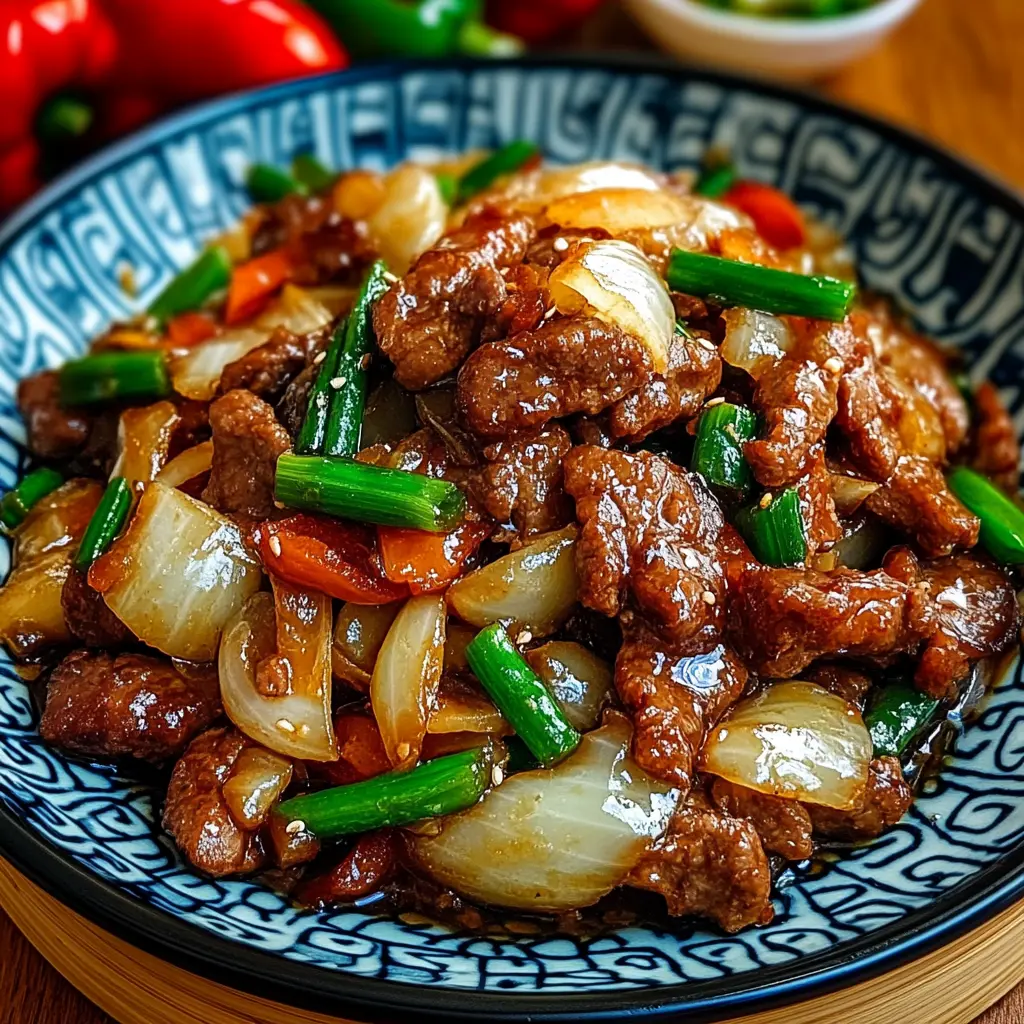
Chinese Beef and Onion Stir Fry: A Quick, Flavorful Weeknight Dinner
There’s something magical about a sizzling hot wok, tender strips of beef, and the sweet aroma of caramelized onions filling your kitchen. Chinese Beef and Onion Stir Fry is one of those dishes that delivers restaurant-quality flavor in under 30 minutes, making it perfect for busy weeknights when you crave something delicious without the hassle. This recipe celebrates the pure flavors of quality beef, sweet onions, and a savory sauce that clings to every bite. Whether you’re new to stir-frying or looking to perfect your technique, this guide will walk you through everything you need to create this classic Chinese takeout favorite at home.
What Makes Chinese Beef and Onion Stir Fry Special
Chinese beef and onion stir fry stands out among Asian dishes for its simplicity and depth of flavor. The combination of tender beef strips and sweet, caramelized onions creates a perfect balance of textures and tastes. Unlike more complex stir-fries with multiple vegetables, this dish focuses on just two main ingredients, allowing their flavors to shine through.
The beauty of this dish lies in its versatility. You can adjust the sauce to be sweeter, spicier, or more savory depending on your preferences. The high-heat cooking method creates a slight char on the beef and onions, adding complexity to every bite. This technique, known as “wok hei” or “breath of the wok,” gives stir-fried dishes their distinctive smoky flavor that’s nearly impossible to replicate in Western cooking.
Additionally, this recipe offers incredible nutritional value. Beef provides high-quality protein and essential nutrients like iron and B vitamins, while onions contribute antioxidants and fiber. It’s a complete meal when served over rice or noodles, making it both satisfying and nourishing.
Essential Ingredients for Perfect Beef Stir Fry
Creating an authentic Chinese beef and onion stir fry requires quality ingredients and the right pantry staples. Here’s what you’ll need:
Main Ingredients
-
1 pound flank steak or sirloin, thinly sliced against the grain
-
2 large yellow onions, cut into thick wedges
-
3 tablespoons vegetable oil or peanut oil
-
3 cloves garlic, minced
-
1 tablespoon fresh ginger, minced
-
2 green onions, cut into 1-inch pieces
Marinade Components
-
2 tablespoons soy sauce
-
1 tablespoon cornstarch
-
1 teaspoon sesame oil
-
½ teaspoon baking soda (optional, for extra tenderness)
-
2 tablespoons water
Stir Fry Sauce
-
3 tablespoons soy sauce
-
2 tablespoons oyster sauce
-
1 tablespoon dark soy sauce
-
2 tablespoons brown sugar
-
1 teaspoon cornstarch
-
½ cup beef broth or water
-
1 teaspoon sesame oil
-
½ teaspoon white pepper
The quality of your soy sauce matters significantly. According to The Spruce Eats, using naturally brewed soy sauce enhances the overall flavor profile compared to chemically processed varieties. Similarly, fresh ginger and garlic provide much more aromatic punch than their powdered counterparts.
Choosing the Right Cut of Beef
The cut of beef you select dramatically impacts the final texture and taste of your stir fry. Not all beef cuts work equally well for quick, high-heat cooking.
Best Cuts for Stir Frying
Flank steak tops the list for stir-frying. This lean cut has visible grain lines, making it easy to slice against the grain for maximum tenderness. It absorbs marinades beautifully and cooks quickly without becoming tough.
Sirloin offers another excellent option. It’s slightly more tender than flank steak naturally and remains juicy when cooked properly. Look for top sirloin rather than bottom sirloin for best results.
Ribeye works wonderfully if you prefer richer flavor. While more expensive, the marbling throughout the meat ensures incredible tenderness and taste. Trim excess fat before slicing.
Cuts to Avoid
Stay away from tough cuts like chuck roast or brisket. These require long, slow cooking to break down connective tissue. Similarly, avoid pre-ground beef, which lacks the texture necessary for proper stir-frying.
Slicing Technique
Always slice beef against the grain. The grain refers to the direction of muscle fibers. Cutting perpendicular to these fibers shortens them, making each bite more tender. Aim for slices about ¼-inch thick and 2-3 inches long. Partially freezing the beef for 30 minutes makes slicing easier and more uniform.
The Secret to Tender Beef: Velveting Technique
Velveting transforms ordinary beef into restaurant-quality tender meat. This traditional Chinese technique involves marinating meat in a mixture that changes its texture at a molecular level.
How Velveting Works
The process combines cornstarch, soy sauce, and sometimes baking soda to create a protective coating around beef pieces. The cornstarch forms a barrier that seals in moisture during cooking. The alkaline baking soda raises the meat’s pH level, preventing proteins from bonding too tightly. This keeps beef tender even when exposed to high heat.
Basic Velveting Steps
First, combine sliced beef with soy sauce, cornstarch, sesame oil, and a pinch of baking soda. Mix thoroughly until each piece is coated. Let it marinate for at least 20 minutes, or up to 2 hours in the refrigerator. The longer marination time allows deeper flavor penetration.
Some recipes call for briefly blanching the velveted beef in oil or boiling water before the final stir-fry. However, for home cooking, marinating alone provides excellent results without the extra step.
Science Behind Tenderness
According to research from Serious Eats, the cornstarch slurry creates a physical barrier between meat proteins and heat. This prevents excessive moisture loss while allowing the exterior to develop a slight crisp. The combination ensures beef stays juicy inside while achieving perfect texture outside.
Step-by-Step Cooking Instructions
Mastering beef and onion stir fry requires proper preparation and timing. Follow these detailed steps for success.
Preparation Phase
Start by preparing all ingredients before heating your wok. This concept, called “mise en place,” ensures smooth cooking since stir-frying happens quickly. Slice the beef thinly against the grain. Cut onions into thick wedges, separating layers slightly. Mince garlic and ginger. Mix your sauce ingredients in a small bowl. Have everything within arm’s reach of your stove.
Marinating the Beef
Combine beef slices with soy sauce, cornstarch, sesame oil, baking soda, and water in a bowl. Mix well, ensuring every piece is coated. Cover and refrigerate for 20-30 minutes. This step cannot be rushed; it’s essential for tender results.
Cooking Process
Heat your wok or large skillet over high heat until smoking hot. Add 2 tablespoons of oil and swirl to coat. When oil shimmers, add half the beef in a single layer. Let it sear undisturbed for 45 seconds. Flip and cook another 30 seconds until just browned. Remove to a plate. Repeat with remaining beef. Don’t overcrowd the pan; cooking in batches ensures proper searing.
Add remaining tablespoon of oil to the wok. Toss in onion wedges. Stir-fry for 3-4 minutes until edges start caramelizing but onions remain slightly crisp. Push onions to the sides, creating a well in the center.
Add garlic and ginger to the well. Cook for 30 seconds until fragrant, stirring constantly to prevent burning. Return beef to the wok along with any accumulated juices. Pour sauce mixture over everything. Toss continuously for 1-2 minutes until sauce thickens and coats beef and onions evenly.
Add green onions in the final 30 seconds. Give everything a final toss. Remove from heat immediately to prevent overcooking.
Timing Is Everything
Total cooking time from the moment beef hits the pan should be under 10 minutes. High heat and constant movement prevent sticking while developing that coveted char flavor. Check out our guide on [insert link to stir-fry techniques] for more tips on perfecting your stir-fry skills.
Sauce Variations and Flavor Profiles
The sauce defines your beef and onion stir fry’s character. Small adjustments create entirely different taste experiences.
Classic Savory Sauce
The base recipe uses soy sauce, oyster sauce, and brown sugar for balanced savory-sweet flavor. Dark soy sauce adds rich color without excessive saltiness. This version appeals to most palates and resembles traditional Chinese restaurant preparations.
Spicy Black Pepper Version
Add 1-2 teaspoons of coarsely ground black pepper to the sauce for a bold, peppery kick. Some recipes incorporate whole black peppercorns, crushed just before cooking. The heat from black pepper differs from chili peppers, offering a sharp, immediate sensation rather than lingering burn.
Sweet and Tangy Style
Increase brown sugar to 3 tablespoons and add 2 tablespoons of rice vinegar. This creates a sweet-and-sour profile that pairs beautifully with caramelized onions. A touch of ketchup (1 tablespoon) adds depth without making the dish taste Western.
Garlic Lover’s Option
Triple the garlic for an intensely aromatic sauce. Add 1 teaspoon of garlic powder to the marinade as well. The combination of fresh and dried garlic creates complex layers of flavor.
Ginger-Forward Version
Increase fresh ginger to 2 tablespoons for a warming, slightly spicy note. Ginger complements beef exceptionally well while aiding digestion. This variation works particularly well during colder months.
Adjusting Thickness
Control sauce consistency through cornstarch. For thicker, glossier sauce, increase cornstarch to 2 teaspoons. For lighter coating, reduce to ½ teaspoon. Always mix cornstarch with cold liquid before adding to prevent lumps.
Common Mistakes to Avoid
Even experienced cooks make errors that compromise stir-fry quality. Avoid these pitfalls for better results.
Overcrowding the Pan
This tops the list of stir-fry mistakes. When too much beef crowds the pan, temperature drops dramatically. Instead of searing, beef steams in its own juices, becoming gray and tough. Always cook in batches if necessary. Your wok or skillet should accommodate beef in a single layer with space between pieces.
Cutting Beef Incorrectly
Slicing with the grain rather than against it guarantees chewy, stringy meat. Take time to identify grain direction. It appears as parallel lines running through the meat. Your knife should cut perpendicular to these lines.
Using Low Heat
Stir-frying demands high heat. Moderate temperatures won’t achieve the characteristic sear and smoky flavor. Your pan should be smoking hot before adding oil. Don’t reduce heat during cooking unless something starts burning.
Not Prepping Ingredients
Stopping mid-stir-fry to chop garlic or mix sauce leads to burned food and uneven cooking. Complete all preparation before heating your pan. This includes having serving plates ready.
Over-Marinating
While marinating tenderizes beef, excessive time breaks down proteins too much. Limit marination to 2 hours maximum. Overnight marination creates mushy texture, especially when using baking soda.
Adding Sauce Too Early
Pour sauce only after beef is nearly cooked through. Adding it earlier dilutes the sear and prevents proper browning. The sauce should coat already-cooked ingredients, not cook with them.
Forgetting to Dry Beef
Excess marinade moisture prevents proper searing. Pat beef pieces lightly with paper towels before cooking. You want them coated but not dripping wet.
Serving Suggestions and Side Dishes
Chinese beef and onion stir fry pairs beautifully with various sides, creating complete meals.
Rice Options
Steamed white rice remains the classic accompaniment. Its neutral flavor lets the stir-fry shine. Jasmine rice adds subtle floral notes that complement the dish’s aromatics.
Fried rice turns this into an extra-special meal. Make fried rice using day-old rice for best texture. The combination of beef stir-fry over fried rice creates a restaurant-style experience.
Brown rice offers a healthier alternative with nutty flavor and chewy texture. Its robustness stands up well to the bold sauce.
Noodle Pairings
Lo mein noodles create a different but equally delicious meal. Toss cooked noodles directly into the wok with beef and onions during the final minute of cooking.
Rice noodles provide a gluten-free option that absorbs sauce wonderfully. Prepare according to package directions and serve the stir-fry on top.
Egg noodles work well for heartier appetites. Their slightly richer flavor complements beef nicely.
Vegetable Sides
Balance the meal with light vegetable dishes. Steamed bok choy with oyster sauce offers traditional Chinese pairing. Stir-fried green beans with garlic add color and crunch. Cold cucumber salad provides refreshing contrast to the rich beef.
Complete Meal Combinations
For family dinners, serve beef and onion stir fry alongside hot and sour soup and spring rolls. This creates a varied meal with different textures and temperatures. Alternatively, offer multiple stir-fries family-style, allowing everyone to sample different dishes.
According to The Woks of Life, serving stir-fries with several side dishes follows traditional Chinese dining customs where multiple dishes share the table simultaneously.
Storage and Meal Prep Tips
Proper storage maintains quality and food safety while extending this dish’s usefulness.
Refrigeration
Store leftover beef and onion stir fry in an airtight container for up to 4 days. Let it cool to room temperature before refrigerating, but don’t leave it out longer than 2 hours. Separate rice from the stir-fry if storing together, as rice continues absorbing sauce and can become mushy.
Freezing Instructions
This dish freezes reasonably well for up to 3 months. Portion into freezer-safe containers, leaving ½-inch headspace for expansion. Label with the date. Frozen stir-fry maintains best quality for 1-2 months, though it remains safe longer.
Reheating Methods
The stovetop provides the best reheating method. Heat a wok or skillet over medium-high heat with a teaspoon of oil. Add stir-fry and toss continuously until heated through, about 3-4 minutes. This method helps restore some of the original texture.
Microwave reheating works for convenience. Place stir-fry in a microwave-safe dish, cover loosely, and heat in 1-minute intervals, stirring between, until hot. Add a tablespoon of water if it seems dry.
Meal Prep Strategy
Prepare components separately for efficient meal prep. Marinate and slice beef, storing it in containers for up to 2 days. Cut onions and keep in sealed containers for 3-4 days. Mix sauce and refrigerate for up to 1 week. When ready to cook, everything comes together in minutes.
Alternatively, fully cook the stir-fry and portion it into individual containers with rice. This creates grab-and-go lunches for the week.
Maintaining Quality
Stir-fry quality deteriorates slightly with storage as vegetables release moisture and beef absorbs sauce. For best results, slightly undercook onions if planning to store and reheat. They’ll finish cooking during reheating without becoming mushy.
Nutritional Information
Understanding the nutritional profile helps fit this dish into various dietary plans.
Calorie Breakdown
One serving of beef and onion stir fry (without rice) contains approximately 320-380 calories. This breaks down to roughly 250 calories from beef, 30-40 from oil, and 40-60 from sauce ingredients and onions.
Adding steamed rice increases total calories by 200-240 per cup. Brown rice adds slightly fewer calories but more fiber.
Macronutrient Profile
Each serving provides approximately 30-35 grams of protein, making this an excellent choice for muscle building and repair. The high protein content promotes satiety, helping you feel full longer.
Fat content ranges from 15-20 grams per serving, primarily from cooking oil and natural beef fat. Using leaner cuts reduces this slightly. Most fat comes from heart-healthy unsaturated sources.
Carbohydrates total 15-20 grams per serving of stir-fry alone. Sugar from onions and sauce contributes about 8-10 grams. Adding rice significantly increases carbohydrate content.
Vitamins and Minerals
Beef provides substantial amounts of vitamin B12, zinc, and iron. These nutrients support energy production, immune function, and oxygen transport. Onions contribute vitamin C, folate, and manganese.
The dish also contains notable amounts of selenium, niacin, and vitamin B6. Together, these support various metabolic processes.
Sodium Considerations
Soy sauce makes this dish relatively high in sodium, typically 800-1200mg per serving. Those monitoring sodium intake can reduce this by using low-sodium soy sauce or decreasing sauce quantities. Alternatively, dilute regular soy sauce with extra broth.
Dietary Modifications
For lower-calorie versions, reduce oil to 1-2 tablespoons total and use leaner beef cuts. Increase onion quantity for more volume with fewer calories.
Keto dieters can skip rice entirely and increase beef portion. The stir-fry itself is relatively low-carb, containing about 15 grams per serving.
Those following paleo diets should substitute coconut aminos for soy sauce and ensure oyster sauce is gluten-free or omit it.
Equipment Essentials for Perfect Stir Fry
Having the right tools makes stir-frying easier and more successful.
Wok vs. Skillet
Traditional round-bottom woks work best over gas flames, allowing even heat distribution. They concentrate heat at the bottom while keeping sides cooler, perfect for tossing ingredients.
Flat-bottom woks suit electric stoves better, maintaining contact with heating elements. They offer similar benefits to round-bottom versions with better stability.
Large skillets serve as acceptable alternatives, especially 12-14 inch cast iron or carbon steel pans. They provide sufficient surface area for proper searing, though they lack the sloped sides that make tossing easier.
Material Matters
Carbon steel woks are ideal. They heat quickly, retain heat well, and develop natural non-stick properties with proper seasoning. They’re lightweight enough for easy tossing.
Cast iron offers excellent heat retention but weighs more. The extra weight makes tossing challenging, particularly for beginners.
Avoid non-stick pans for high-heat stir-frying. Most non-stick coatings break down at temperatures needed for proper searing. Additionally, they prevent the slight sticking that creates desirable caramelization.
Supporting Tools
A good spatula or wok scoop is essential. Look for one with a long handle to keep your hand away from heat. The curved edge should match your wok’s shape.
Keep a splatter screen handy. High-heat cooking generates significant splatter, and the screen protects your stovetop while allowing steam to escape.
Have clean kitchen towels or paper towels nearby for wiping the wok between batches. This prevents burned bits from affecting subsequent cooking.
Burner Considerations
Gas burners provide ideal heat control for stir-frying. They reach high temperatures quickly and respond immediately to adjustments.
Electric coil burners work but require patience. Preheat longer to ensure adequate temperature. Induction cooktops offer quick heating and precise control, working well with flat-bottom woks.
Consider a portable butane burner if your stove struggles to reach high enough heat. These powerful burners replicate wok cooking found in Chinese restaurants.
Advanced Techniques for Restaurant Quality
Take your stir-fry skills to the next level with these professional techniques.
Achieving Wok Hei
“Wok hei” or “breath of the wok” describes the slightly smoky, charred flavor that defines restaurant stir-fries. Achieving it at home requires intense heat and quick cooking.
Ensure your wok is smoking hot before adding ingredients. When beef or onions hit the surface, they should sizzle immediately. Don’t move ingredients constantly; allow them to rest briefly for charring.
Tilt the wok toward the flame occasionally if using gas. This creates brief flare-ups that char ingredients slightly. Always exercise caution with this technique.
Professional Tossing Method
Proper tossing distributes heat evenly and prevents sticking. Push the wok away from you while tilting it upward. Give a quick jerk backward and upward, causing contents to flip. Practice this motion with dried beans before attempting with food.
Alternatively, use your spatula to scoop ingredients from the bottom, flipping them over the top. This method offers more control for beginners.
Layering Flavors
Professional cooks build flavors in stages. Start by blooming aromatics like garlic and ginger in hot oil. Their fragrance infuses the oil, which then coats other ingredients.
Add ingredients in order of cooking time needed. Beef cooks quickly but onions need several minutes to caramelize. Timing each addition properly creates perfectly cooked results.
Finish with sesame oil drizzled around the wok’s rim, not directly on ingredients. The hot wok surface heats the oil, releasing maximum aroma just before serving.
Temperature Management
Learn to read your wok’s heat level by watching oil patterns. Properly heated oil shimmers with slight smoke. Excessive smoke indicates too-hot conditions that will burn ingredients.
Adjust heat during cooking if necessary. Reduce slightly when blooming aromatics to prevent burning. Increase again before adding beef.
Pairing With Chinese Meal Courses
Understanding Chinese meal structure helps present beef and onion stir fry appropriately.
Appetizer Options
Start meals with light appetizers that won’t overshadow the main dish. Vegetable spring rolls offer crispy texture contrast. Steamed dumplings provide satisfying bites without overwhelming palates.
Cucumber salad with rice vinegar dressing refreshes between courses. Its coolness balances the stir-fry’s heat.
Soup Courses
Serve hot and sour soup before the stir-fry. Its tangy, spicy broth awakens taste buds. Alternatively, egg drop soup offers milder, comforting flavors.
Wonton soup with light broth provides another excellent option. The delicate dumplings complement rather than compete with beef.
Vegetable Dishes
Include at least one vegetable-focused dish when serving multiple courses. Stir-fried bok choy with garlic sauce adds green color and nutrients. Buddha’s delight, featuring mixed vegetables and tofu, offers vegetarian balance.
Sichuan green beans deliver spicy, garlicky flavors that pair well with savory beef.
Dessert Ideas
Chinese meals typically end with fresh fruit rather than heavy desserts. Sliced oranges, lychee, or pineapple cleanse the palate.
For special occasions, serve almond cookies or sesame balls. These light sweets conclude the meal without causing discomfort.
Frequently Asked Questions
What is the best beef cut for Chinese stir fry?
Flank steak and sirloin are the best cuts for Chinese beef stir fry. Flank steak offers excellent flavor and texture when sliced against the grain, while sirloin provides natural tenderness. Both cuts absorb marinades well and cook quickly without becoming tough.
How do I make my beef tender in stir fry?
Velvet your beef by marinating it with cornstarch, soy sauce, and a pinch of baking soda for 20-30 minutes. Always slice beef against the grain and cook it quickly over high heat. These techniques ensure tender, restaurant-quality beef and onion stir fry every time.
Can I make beef and onion stir fry ahead of time?
Yes, you can prepare components ahead. Marinate and slice beef up to 2 days in advance, and cut onions 3-4 days ahead. Store separately in the refrigerator. However, cook the actual stir fry fresh for best texture and flavor, as it only takes 10 minutes.
Why is my stir fry watery?
Watery stir fry results from overcrowding the pan, using too much sauce, or adding wet ingredients. Cook beef in batches to maintain high heat for proper searing. Pat marinated beef dry before cooking, and add sauce only at the end after ingredients are mostly cooked.
Can I substitute chicken for beef in this recipe?
Absolutely! Chicken breast or thigh works wonderfully in this recipe. Slice chicken thinly and follow the same velveting technique. Chicken cooks slightly faster than beef, so reduce cooking time by about 30 seconds per batch.
What can I use instead of oyster sauce?
If you don’t have oyster sauce, substitute with hoisin sauce or a mixture of soy sauce and brown sugar. For vegetarian options, use mushroom-based oyster sauce or extra dark soy sauce with a touch of sugar for similar umami depth.
How do I prevent my stir fry from sticking to the pan?
Ensure your wok or skillet is properly heated before adding oil. Use sufficient oil (2-3 tablespoons) and don’t move ingredients constantly—let them sear briefly before tossing. A well-seasoned carbon steel wok naturally prevents sticking better than other cookware.
Is beef and onion stir fry gluten-free?
Traditional recipes contain gluten from soy sauce and oyster sauce. Make it gluten-free by using tamari or coconut aminos instead of regular soy sauce, and certified gluten-free oyster sauce. Check all sauce labels carefully, as many contain wheat.
Conclusion
Chinese beef and onion stir fry delivers incredible flavor with minimal effort, making it perfect for any night of the week. This complete guide covered everything from selecting the right beef cut and mastering the velveting technique to achieving restaurant-quality results at home. The combination of tender beef strips, caramelized sweet onions, and savory sauce creates a satisfying meal that rivals your favorite takeout.
Remember the key principles: slice beef against the grain, use high heat, avoid overcrowding the pan, and have all ingredients prepared before cooking begins. With these fundamentals, you’ll consistently create delicious Chinese beef and onion stir fry that impresses family and friends.
Chinese Beef and Onion Stir Fry
Description
Chinese Beef and Onion Stir Fry
Ingredients
• 1 lb flank steak, thinly sliced against the grain
• 2 tbsp soy sauce
• 1 tbsp oyster sauce
• 1 tsp cornstarch
• 2 tbsp vegetable oil, divided
• 1 large onion, sliced
• 3 garlic cloves, minced
• 1-inch piece ginger, minced
• 1/2 tsp black pepper
• 1 tsp sugar
• Optional: sliced green onions or sesame seeds for garnish
Instructions
-
In a bowl, toss sliced beef with 1 tbsp soy sauce, cornstarch, and black pepper. Let marinate 10–15 minutes.
-
Heat 1 tbsp oil in a large skillet or wok over medium-high heat. Quickly stir-fry beef until browned but still tender, about 2–3 minutes. Remove and set aside.
-
In the same pan, add remaining oil. Sauté onions until soft and slightly caramelized, about 3–4 minutes.
-
Add garlic and ginger, stir 30 seconds until fragrant.
-
Return beef to the pan. Add remaining soy sauce, oyster sauce, and sugar. Toss everything together for 1–2 minutes until glossy and heated through.
-
Garnish with green onions or sesame seeds. Serve over steamed rice or noodles.