
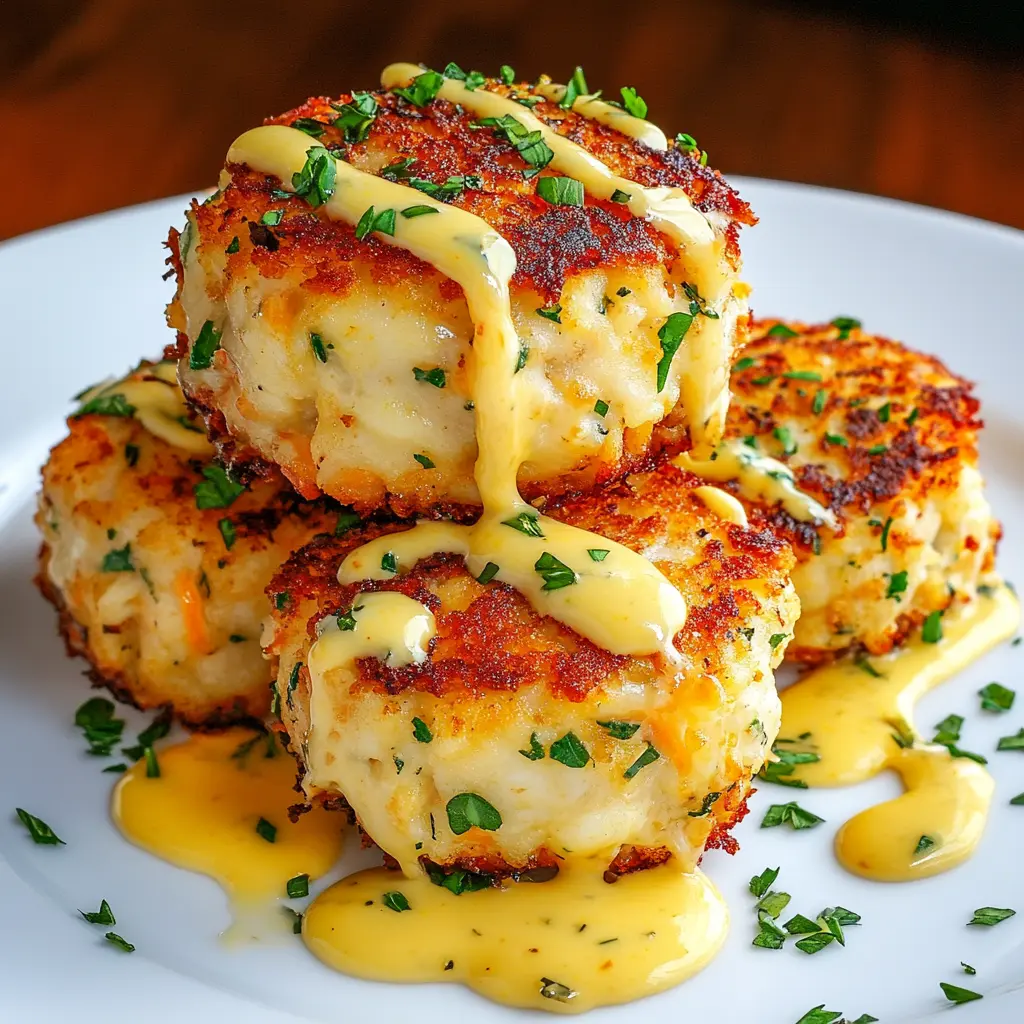
Cheddar Bay Crab Cakes with Lemon Butter Drizzle
Introduction
Imagine biting into a golden, crispy crab cake that combines the buttery richness of cheddar cheese with sweet, tender crab meat, all topped with a zesty lemon butter drizzle. These Cheddar Bay Crab Cakes with Lemon Butter Drizzlebring together the best of seafood and comfort food in one irresistible dish. Inspired by the famous biscuits from a beloved seafood restaurant chain, these crab cakes elevate the concept to new heights with fresh lump crab meat and a perfectly seasoned coating.
Whether you’re hosting a dinner party, preparing a special weekend meal, or simply craving restaurant-quality seafood at home, this recipe delivers impressive results every time. Moreover, the combination of sharp cheddar and Old Bay seasoning creates a flavor profile that’s both familiar and exciting, making these crab cakes a crowd-pleaser for all ages.
What Makes These Crab Cakes Special
Cheddar Bay Crab Cakes stand out from traditional recipes for several compelling reasons. First, the addition of sharp cheddar cheese creates a rich, savory depth that complements the delicate sweetness of crab meat beautifully. Unlike standard crab cakes that rely solely on mayonnaise for binding, these incorporate cheese that melts slightly during cooking, adding moisture and flavor.
Second, the signature Old Bay seasoning blend brings a classic Maryland-style taste. This iconic spice mix includes celery salt, paprika, and various warming spices that enhance the crab without overpowering it. Furthermore, the garlic powder and fresh parsley add aromatic complexity that makes each bite memorable.
The lemon butter drizzle serves as the perfect finishing touch. It adds brightness and acidity that cuts through the richness of the cheese and crab. This balance of flavors creates a restaurant-quality dish that feels both indulgent and refreshing.
Additionally, these crab cakes maintain a superior crab-to-filler ratio. Many recipes use excessive breadcrumbs that dilute the star ingredient. However, this version keeps the focus squarely on the crab meat, with just enough binding agents to hold everything together.
Essential Ingredients Breakdown
Primary Ingredients
Lump Crab Meat (1 pound): The foundation of exceptional crab cakes starts with quality crab meat. Lump crab meat offers large, tender pieces that provide the best texture and flavor. Fresh crab meat from your local seafood market yields superior results, though high-quality canned or pasteurized crab meat works well too. Before using, always pick through the crab meat carefully to remove any shell fragments.
Sharp Cheddar Cheese (1 cup, shredded): The cheese should be freshly shredded from a block for optimal melting and flavor. Pre-shredded varieties contain anti-caking agents that can affect texture. Sharp cheddar provides a robust flavor that stands up well to the crab and seasonings.
Mayonnaise (1/3 cup): This ingredient serves multiple purposes. It adds moisture, helps bind ingredients together, and contributes to the creamy interior texture. Use full-fat mayonnaise for the best results.
Panko Breadcrumbs (1/2 cup plus extra for coating): Japanese-style panko creates a lighter, crispier exterior than regular breadcrumbs. The larger flake size produces better texture and crunch.
Flavor Enhancers
According to The Spruce Eats, proper seasoning makes all the difference in seafood dishes. These ingredients build the distinctive flavor profile:
-
Old Bay Seasoning (2 teaspoons): This Baltimore-born blend is essential for authentic Mid-Atlantic crab cake flavor
-
Garlic Powder (1 teaspoon): Adds savory depth without the moisture fresh garlic would introduce
-
Fresh Parsley (2 tablespoons, chopped): Provides color and a fresh, herbaceous note
-
Dijon Mustard (1 tablespoon): Contributes tangy complexity and helps with binding
-
Worcestershire Sauce (1 teaspoon): Adds umami richness that enhances the overall savoriness
Lemon Butter Components
-
Unsalted Butter (4 tablespoons)
-
Fresh Lemon Juice (2 tablespoons)
-
Lemon Zest (1 teaspoon)
-
Fresh Parsley (1 tablespoon, minced)
Kitchen Tools You’ll Need
Gathering the right equipment before starting ensures smooth preparation. Here’s what you’ll need:
-
Large mixing bowl for combining ingredients
-
Small bowl for the egg mixture
-
Whisk or fork for beating eggs
-
Measuring cups and spoons
-
Sharp knife and cutting board
-
Grater for cheese and lemon zest
-
Baking sheet lined with parchment paper
-
Large skillet (preferably cast iron or nonstick)
-
Spatula for flipping
-
Small saucepan for lemon butter
-
Wire cooling rack
Having everything ready streamlines the cooking process significantly. Moreover, using quality tools like a heavy-bottomed skillet helps achieve even browning and prevents sticking.
Step-by-Step Preparation Guide
Preparing the Crab Mixture
Begin by placing the lump crab meat in your large mixing bowl. Gently pick through it once more to ensure no shell fragments remain. This step is crucial because even tiny pieces of shell can ruin the eating experience.
Next, add the shredded sharp cheddar cheese to the bowl. The cheese should be at room temperature for easier mixing. Then, incorporate the mayonnaise, Dijon mustard, Worcestershire sauce, and beaten egg. These wet ingredients bind everything together.
Now, sprinkle in the Old Bay seasoning, garlic powder, and chopped fresh parsley. Season with a pinch of salt and black pepper. However, taste the mixture before adding salt since both the Old Bay and cheddar contain sodium.
Gently fold all ingredients together using a spatula. The key word here is “gently.” Overmixing breaks down the precious lump crab meat into shreds. You want to see distinct pieces of crab throughout the mixture.
Add the panko breadcrumbs last. Fold them in just until incorporated. The mixture should be moist but hold together when formed into patties. If it seems too wet, add another tablespoon of panko.
Forming the Crab Cakes
Divide the mixture into 8 equal portions, roughly 1/3 cup each. This size creates substantial crab cakes that are neither too small nor unwieldy. Using a measuring cup ensures consistency.
Shape each portion into a patty about 3/4 inch thick. Pat them gently but firmly to compact the mixture. They should feel cohesive and hold their shape when lifted.
Place the formed patties on a parchment-lined baking sheet. Cover them with plastic wrap and refrigerate for at least 30 minutes. This chilling step is essential. It allows the ingredients to meld and firm up, which prevents the crab cakes from falling apart during cooking.
For even better results, chill them for 2 hours or up to 24 hours in advance. This makes them easier to handle and creates a sturdier structure.
Coating for Extra Crispiness
After chilling, prepare a shallow dish with additional panko breadcrumbs. Season the panko with a light sprinkle of Old Bay seasoning for extra flavor in the crust.
Gently press each chilled crab cake into the seasoned panko, coating both sides. The exterior coating creates that signature golden, crispy crust everyone loves. Press lightly to ensure the breadcrumbs adhere well.
Return the coated crab cakes to the baking sheet until you’re ready to cook them. This step can be done up to 2 hours before cooking.
Creating the Perfect Lemon Butter Drizzle
The lemon butter drizzle transforms good crab cakes into extraordinary ones. Start by melting the unsalted butter in a small saucepan over low heat. Using unsalted butter allows you to control the sodium level precisely.
Once melted, remove the pan from heat. Add the fresh lemon juice and lemon zest immediately. The citrus brightens the rich butter beautifully. Stir in the minced fresh parsley for color and freshness.
Whisk the mixture until it’s well combined and slightly emulsified. The sauce should have a smooth, glossy appearance. Season with just a pinch of salt and white pepper if desired.
Keep the lemon butter warm until serving, but don’t let it boil. Boiling causes the butter to separate. If it does separate, simply whisk in a teaspoon of cold water to bring it back together.
For serving, you can drizzle it over the crab cakes or serve it alongside in a small bowl. Either method works wonderfully. The bright, buttery sauce complements the savory crab cakes perfectly.
Cooking Methods Explained
Pan-Frying Method
Pan-frying produces the most traditional and flavorful results. Heat 2 tablespoons of vegetable oil or clarified butter in a large skillet over medium-high heat. The oil should shimmer but not smoke.
Carefully place the crab cakes in the pan, leaving space between each one. Overcrowding lowers the pan temperature and leads to steaming rather than frying. Cook 4 at a time if necessary.
Let them cook undisturbed for 4-5 minutes. This develops the golden-brown crust. Resist the urge to move them around. When the bottom is crispy and deeply golden, flip carefully using a wide spatula.
Cook the second side for another 4-5 minutes until equally golden. The internal temperature should reach 165°F. Transfer to a wire rack to drain briefly before serving.
Baking Method
For a lighter option, baking works beautifully. Preheat your oven to 425°F. Line a baking sheet with parchment paper and lightly brush with oil.
Arrange the crab cakes on the prepared sheet, leaving space between them. Brush the tops lightly with melted butter or spray with cooking spray. This helps achieve browning in the oven.
Bake for 12 minutes, then carefully flip each crab cake. Continue baking for another 10-12 minutes until golden brown on both sides. The tops should be crispy and the cakes heated through completely.
Air Fryer Method
Air frying offers convenience with excellent results. Preheat the air fryer to 375°F. Lightly spray the basket with cooking oil.
Place crab cakes in a single layer in the basket. Don’t stack them. Spray the tops lightly with oil. Cook for 10 minutes, then flip carefully.
Cook for an additional 8-10 minutes until golden and crispy. The circulating hot air creates an evenly crispy exterior without deep frying.
Serving Suggestions and Pairings
Cheddar Bay Crab Cakes with Lemon Butter Drizzle shine as both an appetizer and main course. Presentation matters, so consider these serving ideas carefully.
As an Appetizer
Serve one crab cake per person on small plates with a dollop of tartar sauce and lemon wedges. Garnish with fresh parsley sprigs and microgreens for elegance. This approach works perfectly for dinner parties or special occasions.
Alternatively, make smaller crab cakes for passed appetizers. Form them into 2-inch patties for bite-sized portions that guests can enjoy easily.
As a Main Course
For entrees, serve two crab cakes per person alongside complementary sides. A fresh arugula salad with lemon vinaigrette cuts through the richness beautifully. Roasted asparagus or green beans add color and nutrition.
Creamy coleslaw provides cool contrast to the warm, crispy cakes. The crunchy texture also complements the tender crab meat nicely. Additionally, garlic mashed potatoes or rice pilaf round out the meal satisfyingly.
Sauce Options
Beyond lemon butter, these crab cakes pair wonderfully with:
-
Homemade remoulade sauce
-
Spicy aioli
-
Tartar sauce with capers
-
Cocktail sauce for dipping
-
Lemon herb mayo
Storage and Reheating Tips
Storing Uncooked Crab Cakes
Formed but uncooked crab cakes store excellently. Place them on a parchment-lined tray and freeze until solid. Then transfer to freezer bags or airtight containers.
They’ll keep frozen for up to 3 months. This makes meal prep easy and convenient. When ready to cook, thaw in the refrigerator overnight, then proceed with your chosen cooking method.
Refrigerated uncooked crab cakes last 24 hours. Cover them tightly with plastic wrap to prevent drying.
Storing Cooked Crab Cakes
Leftover cooked crab cakes should cool completely before storage. Place them in an airtight container with parchment paper between layers. They’ll stay fresh in the refrigerator for 3-4 days.
For freezing cooked crab cakes, wrap individually in plastic wrap, then aluminum foil. They maintain quality for up to 2 months frozen.
Reheating Methods
Oven Method: Preheat to 350°F. Place crab cakes on a baking sheet and heat for 10-15 minutes until warmed through. This method maintains crispiness best.
Skillet Method: Heat a small amount of oil in a skillet over medium heat. Warm crab cakes for 3-4 minutes per side until heated through.
Air Fryer: Reheat at 350°F for 5-7 minutes. This quickly restores the crispy exterior.
Avoid microwaving as it makes the coating soggy and affects texture negatively.
Troubleshooting Common Issues
Crab Cakes Fall Apart
This frustrating problem usually stems from insufficient binding or improper chilling. Ensure you’ve added enough egg and mayonnaise to hold the mixture together. The crab cake mixture should be moist but cohesive.
Always refrigerate formed patties for at least 30 minutes before cooking. This allows ingredients to bind properly. Additionally, avoid overmixing, which breaks down the binders.
When flipping, use a wide spatula and support the entire crab cake. Flip confidently but carefully. Letting them cook undisturbed initially helps form a crust that holds everything together.
Crab Cakes Are Too Dense
Dense, heavy crab cakes result from too much filler or overworking the mixture. Use the exact amount of breadcrumbs specified. Extra breadcrumbs make crab cakes stodgy rather than light.
Fold ingredients gently just until combined. Overmixing compresses the mixture and eliminates air pockets that create lightness. Treat the mixture delicately throughout preparation.
Coating Won’t Stay On
The panko coating slides off when crab cakes are too wet or not properly chilled. Pat the formed patties dry gently before coating if they seem moist. Press the panko firmly onto each surface.
Chilling coated crab cakes for 15 minutes before cooking helps the breadcrumbs adhere better. This extra step makes a noticeable difference in coating retention.
Crab Cakes Are Dry
Dry crab cakes indicate insufficient fat or overcooking. Follow the mayonnaise measurement precisely. Don’t substitute low-fat versions, which contain less moisture.
Cook just until golden brown and heated through. Overcooking evaporates moisture rapidly. Use a meat thermometer to check doneness at 165°F rather than guessing.
Nutritional Information
Per serving (1 crab cake with lemon butter):
-
Calories: 285
-
Total Fat: 18g
-
Saturated Fat: 7g
-
Cholesterol: 95mg
-
Sodium: 580mg
-
Total Carbohydrates: 12g
-
Dietary Fiber: 1g
-
Sugars: 1g
-
Protein: 18g
These Cheddar Bay Crab Cakes provide excellent protein from the crab meat while remaining relatively moderate in calories. The cheddar cheese contributes calcium and additional protein. However, those watching sodium should note the salt content from the cheese and Old Bay seasoning.
Crab meat offers beneficial omega-3 fatty acids that support heart health. According to Healthline, seafood provides essential nutrients including vitamin B12, selenium, and zinc.
To reduce fat content, consider baking instead of pan-frying. Using reduced-fat mayonnaise can also lower calories, though it may slightly affect texture and moisture.
Recipe Variations
Spicy Cheddar Bay Crab Cakes
Add heat by incorporating diced jalapeños or serrano peppers into the mixture. Alternatively, mix cayenne pepper or hot sauce with the mayonnaise. Start with small amounts and adjust to your heat preference.
A spicy remoulade sauce complements the heat beautifully. This variation appeals to those who enjoy bolder flavors.
Gluten-Free Version
Replace panko breadcrumbs with gluten-free breadcrumbs or crushed gluten-free crackers. Ensure your Old Bay seasoning is certified gluten-free. Many brands are, but always verify.
Crushed pork rinds work surprisingly well as a coating for low-carb and gluten-free options. They create exceptional crispiness.
Extra Cheesy Crab Cakes
Increase the cheddar to 1 1/2 cups for ultra-cheesy results. You can also mix in 1/4 cup grated Parmesan for additional depth. The extra cheese creates even more richness.
Herb-Crusted Version
Mix fresh herbs like dill, chives, and tarragon into the panko coating. This creates an aromatic, flavorful crust. Fresh herbs pair exceptionally well with seafood.
Mini Crab Cake Sliders
Form smaller 2-inch patties and serve on slider buns with lettuce, tomato, and sauce. These make fantastic party food or casual dinners.
Frequently Asked Questions
Can I use imitation crab meat instead of real crab?
While real lump crab meat produces superior flavor and texture, imitation crab can work in a pinch. However, the taste will be noticeably different and less authentic. If using imitation crab, chop it finely and add extra Old Bay seasoning to boost flavor.
What’s the best type of crab meat for these crab cakes?
Lump crab meat offers the best combination of texture and flavor for Cheddar Bay Crab Cakes with Lemon Butter Drizzle. Jumbo lump crab provides the largest, most attractive pieces but costs more. Backfin crab meat also works well and offers good value. Avoid claw meat, which has a stronger flavor and stringier texture that doesn’t suit this recipe.
How can I tell when the crab cakes are done cooking?
The crab cakes should be golden brown on both sides with crispy exteriors. Internal temperature should reach 165°F when measured with a meat thermometer. Additionally, they should feel firm to gentle touch rather than soft or mushy.
Why do my crab cakes stick to the pan?
Sticking occurs when the pan isn’t hot enough or lacks sufficient oil. Ensure your skillet reaches proper temperature before adding crab cakes. The oil should shimmer. Also, let them cook undisturbed until a crust forms before attempting to flip. Using a nonstick or well-seasoned cast iron skillet helps prevent sticking.
Can I make the mixture ahead of time?
Yes, prepare the crab cake mixture up to 24 hours in advance. Form into patties, cover tightly, and refrigerate. Actually, this advance preparation improves flavor as ingredients have more time to meld together.
What should I serve with these crab cakes?
These versatile crab cakes pair beautifully with fresh salads, roasted vegetables, coleslaw, or rice. For a complete meal, add garlic bread and a light side salad. The lemon butter drizzle complements most vegetables wonderfully.
How do I prevent the cheese from oozing out during cooking?
Proper chilling solves this problem. Refrigerate formed crab cakes for at least 30 minutes before cooking. This firms up the cheese and helps it stay incorporated. Additionally, avoid using too much cheese, which increases oozing risk.
Can I substitute the cheddar with another cheese?
Absolutely, though the flavor profile will change. Monterey Jack creates a milder taste, while Gruyere adds nutty sophistication. Pepper Jack brings heat along with creaminess. Whatever cheese you choose, use freshly shredded for best melting and texture.
Conclusion
Cheddar Bay Crab Cakes with Lemon Butter Drizzle combine restaurant elegance with home cooking satisfaction. The crispy exterior gives way to tender, flavorful crab meat studded with melted cheddar cheese, while the bright lemon butter adds the perfect finishing touch. These crab cakes excel whether served as sophisticated appetizers or hearty main courses.
The recipe offers flexibility through various cooking methods and customization options. Pan-frying delivers traditional crispy perfection, while baking provides a lighter alternative. Furthermore, the make-ahead friendly nature makes these crab cakes ideal for entertaining or meal preparation.
By following these detailed instructions and tips, you’ll create memorable crab cakes that rival any seafood restaurant. The combination of quality ingredients, proper technique, and careful attention to detail ensures success every time you make this recipe.
Cheddar Bay Crab Cakes with Lemon Butter Drizzle
Description
Cheddar Bay Crab Cakes with Lemon Butter Drizzle
Ingredients
Crab Cakes
• 1 lb lump crab meat (pick for shells)
• 1 package Cheddar Bay biscuit mix (plus seasoning packet)
• ½ cup shredded cheddar cheese
• ½ cup milk
• 1 egg
• 2 tbsp mayo
• 2 tbsp finely chopped parsley
• 1 tsp Old Bay seasoning
• 1 tsp Dijon mustard
• 1 tbsp lemon juice
• 1–2 tbsp melted butter (for brushing)
Lemon Butter Drizzle
• ¼ cup melted butter
• 1 tbsp lemon juice
• ½ tsp garlic powder
• Pinch of Old Bay
• Fresh parsley for garnish
Instructions
-
Preheat the oven to 400°F (200°C). Line a baking sheet with parchment.
-
In a bowl, combine biscuit mix, seasoning packet, milk, and shredded cheddar until it forms a thick dough.
-
In another bowl, gently mix crab, egg, mayo, parsley, Old Bay, mustard, and lemon juice.
-
Add the dough mixture into the crab mixture and fold gently to avoid breaking up the crab.
-
Form into 8–10 cakes and arrange on the baking sheet. Brush tops with melted butter.
-
Bake 15–18 minutes until lightly golden and set.
-
While they bake, stir together all Lemon Butter Drizzle ingredients.
-
Once the crab cakes come out, drizzle generously and sprinkle parsley over the top.