
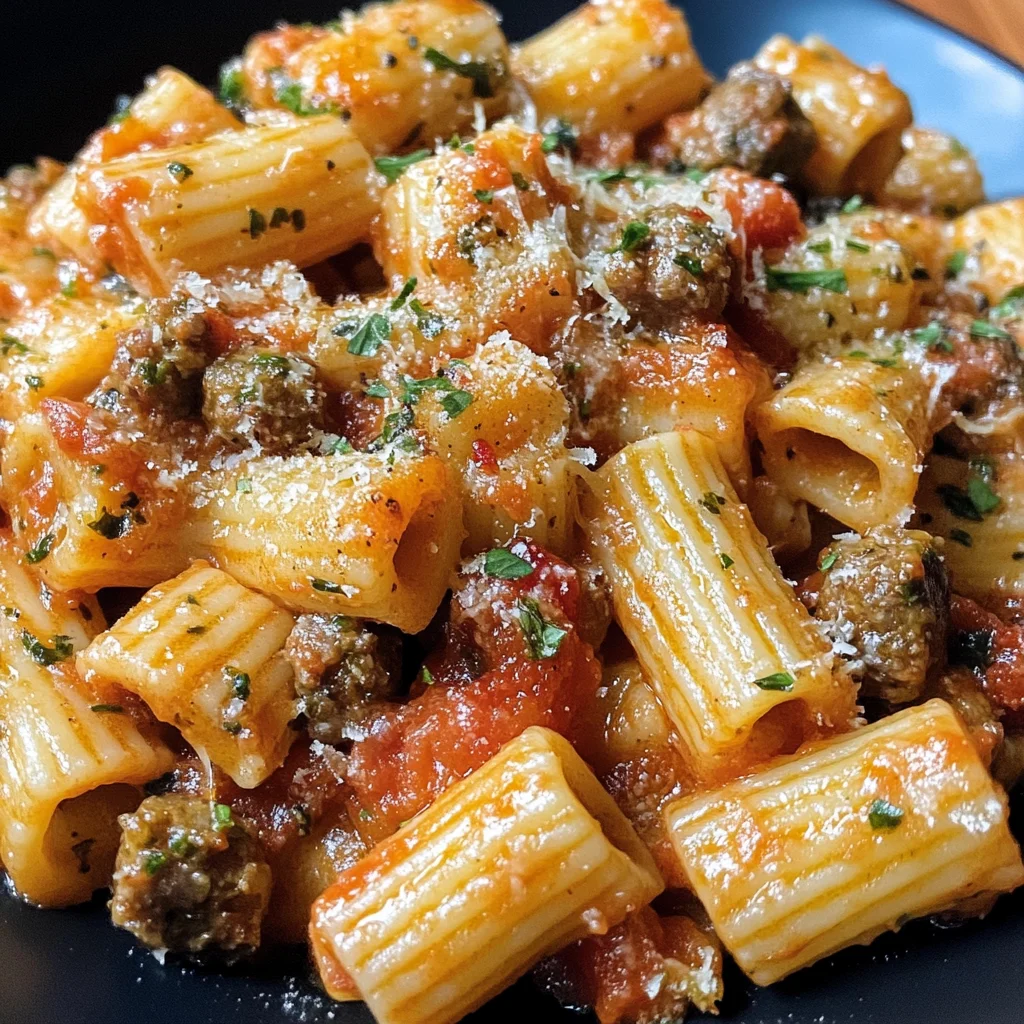
Calabrian Sausage Pasta: The Ultimate Guide to This Spicy Italian Classic
Introduction
Calabrian Sausage Pasta brings together bold Italian flavors in one delicious dish. This hearty meal combines spicy Italian sausage with fiery Calabrian chili paste and rich tomato sauce. Additionally, fresh herbs and quality pasta create a restaurant-worthy dinner you can make at home.
This guide covers everything you need to know. You’ll learn authentic techniques, ingredient choices, and cooking methods. Furthermore, you’ll discover variations that suit different taste preferences. Whether you’re new to Italian cooking or an experienced home chef, this comprehensive resource helps you master this beloved dish.
What Is Calabrian Sausage Pasta?
Calabrian Sausage Pasta is a robust Italian dish. It features spicy Italian sausage cooked with Calabrian chili peppers in tomato-based sauce. The sauce typically includes garlic, onions, and herbs. Moreover, the pasta absorbs all those incredible flavors during the final cooking stage.
The dish originates from Calabria in Southern Italy. This region is famous for its spicy cuisine and bold flavors. Calabrian chili peppers provide distinctive fruity heat and smoky undertones. The combination creates an unforgettable taste experience that balances spice, sweetness, and savory notes.
Traditional versions use simple ingredients that highlight quality. Italian sausage provides protein and richness. The chili paste adds complex heat. Fresh tomatoes contribute acidity and sweetness. Together, these elements create perfect harmony on your plate.
Origins and Cultural Significance
The Calabrian Culinary Tradition
Calabria sits at Italy’s southern tip. The region boasts Mediterranean coastline and mountainous terrain. Consequently, Calabrian cuisine reflects these diverse landscapes. Local cooking emphasizes bold spices, fresh vegetables, and hearty proteins. The region’s famous chili peppers define many traditional dishes.
Historically, Calabrian families preserved peppers in oil. This practice allowed them to enjoy spicy flavors year-round. The chili paste became a staple ingredient. Today, it remains essential in authentic Calabrian cooking.
From Tradition to Modern Tables
Italian immigrants brought these recipes worldwide. Now, Calabrian Sausage Pasta appears on restaurant menus globally. Home cooks appreciate its straightforward preparation and impressive results. The dish successfully bridges traditional and contemporary cooking styles. It honors heritage while adapting to modern kitchens.
Key Ingredients Breakdown
Italian Sausage Selection
Quality sausage makes tremendous difference in this dish. Look for Italian sausage with visible seasonings and good fat content. Spicy varieties contain red pepper flakes and paprika. Sweet Italian sausage works for milder preferences. Either way, choose sausage with fennel seeds for authentic flavor.
Ground sausage cooks faster and integrates better with sauce. However, link sausage provides excellent texture when crumbled. Remove casings before cooking for best results. Brown the meat properly to develop rich, caramelized flavors.
Calabrian Chili Paste
This ingredient defines the dish’s character. Calabrian chili paste combines ground peppers with olive oil and salt. The peppers have medium heat and fruity, smoky notes. The paste differs from standard crushed red pepper flakes. It offers more complex flavor and smoother consistency.
You can find Calabrian chili paste in specialty stores or online. Alternatively, make your own using dried Calabrian peppers. The paste keeps well in the refrigerator when stored properly.
Tomato Components
San Marzano tomatoes work exceptionally well in this recipe. These Italian tomatoes have sweet flavor and low acidity. Crushed tomatoes create smooth sauce, while diced tomatoes add texture. Tomato paste intensifies the tomato flavor and helps thicken the sauce.
Fire-roasted tomatoes add smoky depth to the dish. This variation complements the Calabrian peppers beautifully. Choose high-quality canned tomatoes for consistent results year-round.
Aromatic Vegetables
Fresh garlic is absolutely essential. Use several cloves for robust flavor. Yellow onions or shallots provide sweetness and depth. Fennel adds anise notes that complement the sausage. These aromatics form the flavor foundation of your sauce.
Mince garlic finely for even distribution. Dice onions uniformly so they cook evenly. Sauté these ingredients until fragrant and translucent. This step develops their natural sugars and creates better flavor.
Fresh Herbs and Seasonings
Fresh basil brightens the finished dish. Add it at the end to preserve its vibrant flavor. Oregano works well either fresh or dried. Flat-leaf parsley adds color and fresh taste. Red pepper flakes boost heat if desired.
Salt and black pepper are fundamental seasonings. Taste your sauce before serving and adjust accordingly. A pinch of sugar balances acidity in tomato-based sauces.
Dairy Additions
Heavy cream creates luxurious, velvety sauce. Add it after tomatoes to prevent curdling. Parmesan cheese enriches the sauce and adds umami depth. Grate it fresh for superior flavor and texture. Some recipes include butter for extra richness.
Reserve some cheese for garnishing individual servings. The combination of cream and cheese creates restaurant-quality results. However, you can make lighter versions without cream if preferred.
Health Benefits and Nutritional Information
Macronutrient Profile
One serving of Calabrian Sausage Pasta contains approximately 360 calories. The dish provides about 12 grams of protein per serving. Protein supports muscle maintenance and keeps you satisfied. The meal includes roughly 40 grams of carbohydrates from pasta.
Fat content ranges from 13 to 16 grams per serving. This includes both saturated and unsaturated fats from sausage and olive oil. The fat helps absorb fat-soluble vitamins and provides lasting energy.
Micronutrients and Vitamins
Tomatoes provide vitamin C and potassium. They also contain lycopene, a powerful antioxidant. Garlic offers immune-supporting compounds and anti-inflammatory properties. Fresh herbs contribute additional vitamins and minerals.
Pasta made from enriched flour provides B vitamins and iron. Whole-grain pasta options increase fiber content significantly. This helps with digestion and blood sugar regulation.
Making It Healthier
Choose turkey or chicken sausage to reduce fat content. Increase vegetable quantities for added nutrients and fiber. Spinach works particularly well in this dish. Use whole-wheat pasta for more fiber and nutrients.
Reduce cream quantity or substitute Greek yogurt for lighter versions. Add extra vegetables like bell peppers or zucchini. These modifications maintain flavor while improving nutritional value.
Choosing the Right Pasta Shape
Best Shapes for Sausage Sauce
Tubular pasta shapes work exceptionally well with chunky sausage sauce. Rigatoni features ridges that catch sauce beautifully. Penne offers similar benefits with smaller size. Conchiglie shells cradle sauce in their curves.
These shapes have enough surface area to hold sauce. Their structure supports chunks of sausage and vegetables. Additionally, their size makes them easy to eat. The hollow centers trap sauce for maximum flavor in every bite.
Alternative Pasta Options
Pappardelle provides wide ribbons perfect for hearty sauces. The broad surface area showcases rich, meaty preparations. Orecchiette resembles little ears that cup the sauce. This traditional Southern Italian shape works wonderfully.
Spaghetti can work but isn’t ideal for chunky sausage sauce. The sauce tends to separate from long, thin strands. If you use spaghetti, chop sausage very finely for better distribution.
Cooking Pasta Properly
Always use abundant salted water for cooking pasta. The water should taste like the sea. Boil pasta until al dente, which means slightly firm to the bite. Check package directions and test two minutes early.
Reserve at least one cup of pasta water before draining. This starchy liquid helps sauce adhere to pasta. Never rinse cooked pasta unless making cold salad. The surface starch helps sauce cling properly.
Step-by-Step Cooking Instructions
Preparation Phase
Gather all ingredients before starting. Chop onions and garlic in advance. Remove sausage from casings if using links. Measure tomato products and prepare herbs. This organization makes cooking smoother and faster.
Fill your pasta pot with water and begin heating it. Meanwhile, set up your large skillet or Dutch oven. Having everything ready prevents rushing during cooking. Read the entire recipe before beginning.
Cooking the Sausage
Heat olive oil in a large skillet over medium-high heat. Add sausage meat and break it into chunks with a wooden spoon. Cook for 5-7 minutes until browned. The meat should develop golden-brown color and crispy edges.
Don’t overcrowd the pan, which causes steaming instead of browning. Work in batches if necessary. Once browned, transfer sausage to a plate using a slotted spoon. Keep some fat in the pan for building sauce.
Building the Sauce Base
Reduce heat to medium and add butter if using. Sauté diced onions until soft and translucent. This takes about 4-5 minutes. Add minced garlic and cook for 30 seconds until fragrant. Be careful not to burn the garlic, which creates bitter flavor.
Stir in tomato paste and cook for 2-3 minutes. The paste should darken to brick red color. This step removes raw taste and concentrates tomato flavor. Add Calabrian chili paste and stir to combine.
Adding Tomatoes and Simmering
Pour in crushed or diced tomatoes with their juice. Add oregano, red pepper flakes, salt, and black pepper. Stir everything together thoroughly. Bring the mixture to a simmer over medium-high heat.
Reduce heat to medium-low and simmer for 10 minutes. The sauce should thicken slightly and flavors should meld. Stir occasionally to prevent sticking. Return browned sausage to the sauce.
Finishing with Cream and Cheese
Pour in heavy cream and stir gently. Continue simmering for 5 minutes until sauce reaches desired consistency. The cream creates rich, velvety texture. Add freshly grated Parmesan cheese gradually while stirring.
The cheese should melt smoothly into the sauce. If sauce becomes too thick, add reserved pasta water gradually. Taste and adjust seasonings as needed. The sauce should balance spicy, salty, sweet, and savory notes.
Combining Pasta and Sauce
When pasta is one minute shy of al dente, transfer it to the sauce. Use tongs or a spider to move pasta directly from pot to pan. This brings some pasta water along naturally. Toss pasta in sauce over medium heat for 2-3 minutes.
The pasta will finish cooking while absorbing sauce flavors. Add pasta water as needed to achieve perfect consistency. The sauce should coat pasta evenly without pooling. Continue tossing until everything is well combined.
Plating and Garnishing
Divide pasta among warmed serving bowls. Drizzle each portion with quality extra virgin olive oil. Sprinkle with additional Parmesan cheese and fresh herbs. Torn basil leaves add beautiful color and fresh flavor.
Freshly cracked black pepper enhances the dish further. Serve immediately while hot. The pasta continues absorbing sauce as it sits, so prompt serving ensures best texture.
Recipe Variations to Try
Creamy Calabrian Sausage Pasta
This version emphasizes rich, velvety sauce. Increase heavy cream to one and a half cups. Add extra Parmesan for more umami depth. The result is luxurious comfort food perfect for special occasions.
Some recipes blend part of the sauce for smoother consistency. This creates restaurant-style presentation. The blended vegetables integrate seamlessly while maintaining robust flavor.
Vegetable-Enhanced Version
Add spinach, kale, or Swiss chard for extra nutrition. Stir leafy greens into hot sauce just before serving. They wilt quickly and add color and vitamins. Bell peppers and zucchini also work wonderfully.
Roasted fennel provides sweet, anise-forward notes. Slice it thinly and caramelize with onions. Sun-dried tomatoes intensify the tomato flavor beautifully. These additions create more complex, satisfying dish.
Lighter Preparations
Replace heavy cream with half-and-half or milk. The sauce will be thinner but still flavorful. Use turkey or chicken sausage instead of pork. This significantly reduces fat content.
Choose whole-wheat or legume-based pasta for more fiber. Reduce cheese quantity and increase herbs instead. These modifications maintain satisfying flavor while cutting calories.
Regional Italian Variations
Fileja alla Silana represents traditional Calabrian preparation. This version uses handmade fileja pasta and local sausage. The sauce often includes fewer ingredients for purer flavors.
Some regions add white beans for protein and texture. Cannellini beans complement the spicy sausage beautifully. Others incorporate mushrooms for earthy depth.
Common Mistakes to Avoid
Overcooking the Pasta
Mushy pasta ruins even the best sauce. Always cook to al dente stage. Test pasta two minutes before package instructions indicate. Remember that pasta continues cooking in hot sauce.
Never let pasta sit in drained state. Move it immediately to sauce or toss with olive oil. This prevents sticking and maintains optimal texture.
Insufficient Seasoning
Taste your sauce before adding pasta. Adjust salt, pepper, and spices as needed. The sauce should taste slightly over-seasoned before pasta joins it. The pasta will dilute flavors somewhat.
Season in layers throughout cooking. Salt the pasta water generously. Season the sausage while browning. Add more seasoning to finished sauce if necessary.
Wrong Heat Levels
High heat burns garlic and creates bitter flavors. Use medium heat when sautéing aromatics. Simmer sauce gently rather than boiling vigorously. This develops better flavor and prevents splashing.
Don’t rush the cooking process. Proper browning and simmering take time. These steps build complex, layered flavors. Patience creates superior results.
Sauce Consistency Problems
Too-thick sauce won’t coat pasta properly. Add pasta water gradually to reach perfect consistency. The starch in pasta water helps sauce adhere. Too-thin sauce won’t cling and will pool in the bowl.
Simmer sauce longer to reduce and thicken naturally. Alternatively, add more tomato paste or cheese. The finished sauce should be creamy and coat pasta evenly.
Storage and Reheating Tips
Proper Storage Methods
Cool leftovers to room temperature before refrigerating. Store in airtight containers for up to three days. The pasta may absorb sauce during storage. This is normal and doesn’t affect quality significantly.
Separate sauce from pasta if possible for better reheating results. Store them in different containers. This prevents pasta from becoming overly soft.
Reheating Techniques
Reheat on the stovetop for best results. Add splash of water, broth, or cream to loosen sauce. Heat over medium-low, stirring frequently until warmed through. Microwave reheating works but may create uneven heating.
Add fresh herbs and cheese after reheating. This refreshes flavors and improves presentation. Avoid overheating, which makes pasta mushy.
Freezing Guidelines
This dish freezes reasonably well for up to two months. Cool completely before transferring to freezer containers. Leave headspace for expansion during freezing. Label containers with date and contents.
Thaw overnight in refrigerator before reheating. Never refreeze previously frozen pasta dishes. The texture deteriorates with repeated freezing.
Pairing Suggestions
Side Dishes
Garlic bread is classic accompaniment. The bread soaks up extra sauce beautifully. Simple green salad provides fresh contrast to rich pasta. Dress it lightly with lemon vinaigrette.
Roasted vegetables complement the meal wonderfully. Try Brussels sprouts, broccoli, or asparagus. Their slight bitterness balances the rich, spicy sauce. Caprese salad offers refreshing Mediterranean flavors.
Garnishes and Toppings
Fresh basil is essential garnish. Tear leaves by hand rather than cutting. This prevents browning and releases better aroma. Additional Parmesan cheese always enhances pasta dishes. Offer freshly grated cheese at the table.
Toasted pine nuts add pleasant crunch. Lemon zest brightens heavy cream-based sauces. Extra virgin olive oil drizzled before serving adds fruity notes.
Ingredient Substitutions
Calabrian Chili Alternatives
Red pepper flakes work in a pinch. Use slightly more than the chili paste quantity. Mix them with olive oil to approximate paste consistency. Sambal oelek provides similar heat with different flavor profile.
Harissa paste offers comparable spice and depth. It includes North African spices for unique twist. Sriracha works but creates sweeter, less complex heat. Fresh Fresno or serrano peppers provide excellent alternative.
Sausage Substitutions
Ground beef or pork replaces Italian sausage effectively. Add extra Italian seasoning and fennel seeds. Ground turkey creates lighter version with less fat. Season it generously since it’s milder than pork.
For vegetarian option, use plant-based sausage or crumbled tempeh. Add extra spices to compensate for less flavor. Mushrooms provide meaty texture without actual meat.
Dairy Alternatives
Coconut cream substitutes for heavy cream in dairy-free versions. It provides similar richness with tropical undertones. Cashew cream offers neutral flavor and creamy texture. Nutritional yeast replaces Parmesan for vegan preparations.
Regular milk thickened with cornstarch creates lighter sauce. This significantly reduces calories and fat. Greek yogurt stirred in at the end adds creaminess and tang.
Frequently Asked Questions
Can I make Calabrian Sausage Pasta ahead of time?
Yes, you can prepare components in advance. Cook the sauce up to two days ahead and refrigerate. Boil pasta just before serving for best texture. Combine them while reheating the sauce thoroughly. This approach saves time while maintaining quality.
What makes Calabrian peppers special?
Calabrian peppers have unique flavor profile combining heat with fruity, smoky notes. They’re less sharp than cayenne but spicier than paprika. The peppers grow in Calabria’s specific climate and soil. This creates distinctive taste you can’t replicate exactly with substitutes.
How spicy is this dish?
Heat level varies based on ingredient quantities. Traditional Calabrian Sausage Pasta has moderate to medium-high spice. Adjust chili paste amount to match your tolerance. Start with less and add more gradually. The cream and cheese help temper the heat.
Can I use sweet Italian sausage instead of spicy?
Absolutely, sweet sausage works perfectly fine. Add extra red pepper flakes to compensate for milder meat. The Calabrian chili paste still provides plenty of heat. Sweet sausage creates more balanced, less aggressive spice level.
What pasta shape works best?
Rigatoni and penne are top choices for this sauce. Their ridges and tubes catch sausage chunks and thick sauce. Orecchiette and conchiglie also perform excellently. Avoid very thin pasta like angel hair, which doesn’t support chunky sauce.
How do I know when the sauce is done?
The sauce is ready when it coats the back of a spoon. It should be thick enough to cling without being pasty. Flavors should taste balanced and well-developed. Usually this takes 15-20 minutes of total simmering.
Conclusion
Calabrian Sausage Pasta delivers restaurant-quality results at home with straightforward techniques. This spicy Italian classic combines robust sausage, fiery Calabrian peppers, and rich tomato sauce. The dish honors Southern Italian culinary traditions while adapting to modern kitchens.
Master the key techniques covered in this guide. Choose quality ingredients and don’t rush the cooking process. Season thoughtfully and taste frequently. These practices ensure consistently delicious results every time you make Calabrian Sausage Pasta.
Print
Calabrian Sausage Pasta
Description
Calabrian Sausage Pasta
Bold, spicy Calabrian sausage with a garlicky tomato cream sauce tossed with pasta — a flavor-packed dinner in under 30 minutes!
📝 Ingredients
-
12 oz Calabrian sausage (spicy Italian sausage), sliced or crumbled
-
10 oz pasta (penne, rigatoni, or spaghetti)
-
1 cup heavy cream
-
1 cup cherry tomatoes, halved
-
3 cloves garlic, minced
-
1 tbsp olive oil
-
½ tsp red pepper flakes (optional, for extra heat)
-
½ cup grated Parmesan cheese
-
Salt & black pepper, to taste
-
Fresh basil or parsley, chopped, for garnish
👩🍳 Instructions
-
Cook the pasta — Boil in salted water until al dente. Reserve ½ cup pasta water, then drain.
-
Cook the sausage — In a skillet, heat olive oil over medium heat. Add sausage and cook until browned and cooked through. Remove and set aside.
-
Make the sauce — In the same skillet, sauté garlic for 30 seconds. Add cherry tomatoes and red pepper flakes. Cook until tomatoes soften.
-
Creamy goodness — Stir in heavy cream and Parmesan. Simmer until sauce thickens slightly.
-
Combine — Add pasta and sausage back into the skillet. Toss to coat, adding reserved pasta water if needed for a silky sauce.
-
Serve — Garnish with fresh basil or parsley and extra Parmesan.