
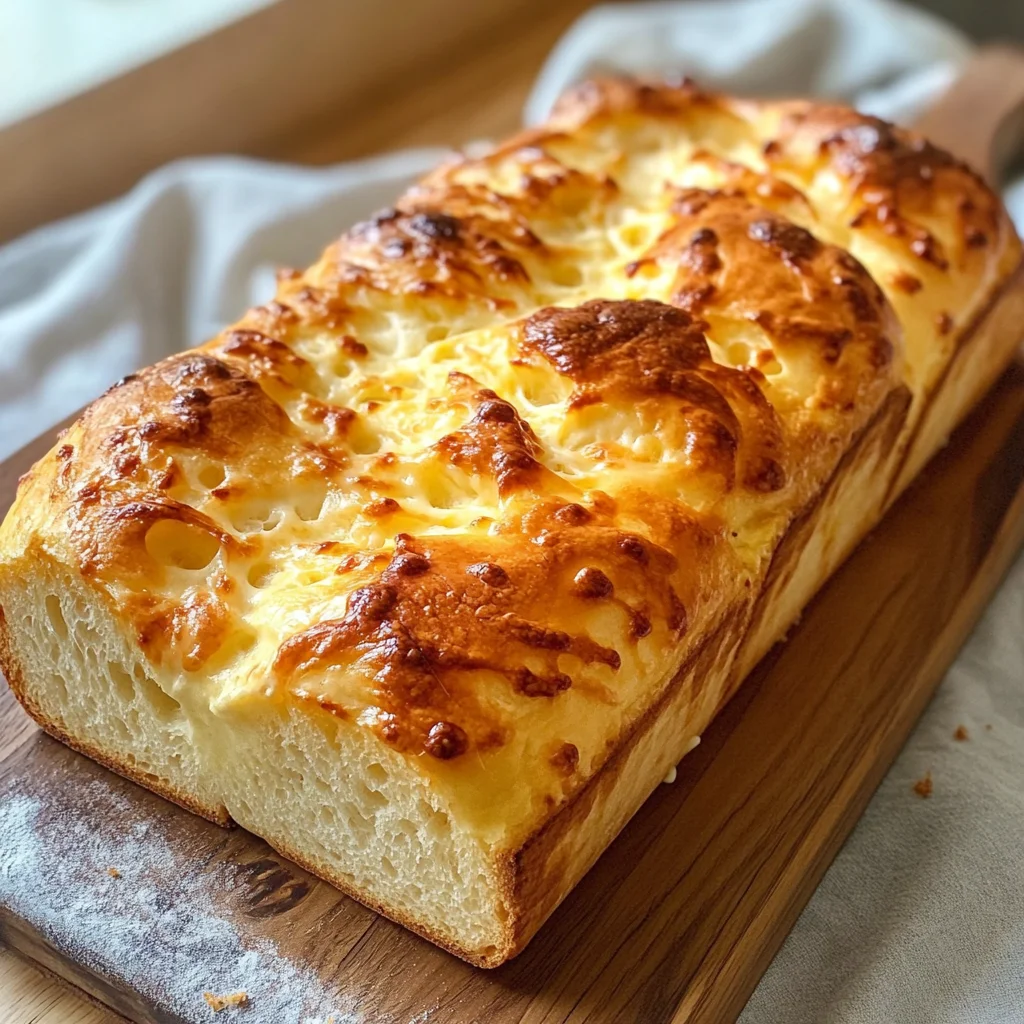
2-Ingredient Cottage Cheese Bread: The Ultimate High-Protein, Easy Homemade Loaf
Introduction
Imagine creating fresh homemade bread using only two simple ingredients. 2-ingredient cottage cheese bread has become one of the most viral recipes of 2024 and 2025, captivating home bakers everywhere with its simplicity and impressive nutritional profile. This revolutionary bread requires no yeast, no kneading, and minimal prep time, making it perfect for busy weekdays or last-minute meal planning. Whether you’re seeking a high-protein breakfast option or a wholesome snack, this recipe delivers exceptional results every single time.
The beauty of cottage cheese bread lies in its versatility. You can enjoy it as flatbread, dinner rolls, or a traditional loaf. Additionally, the recipe is incredibly forgiving, making it ideal for beginners and experienced bakers alike. Let’s dive into everything you need to know about this game-changing recipe.
What Is 2-Ingredient Cottage Cheese Bread?
2-ingredient cottage cheese bread is a minimalist baking creation that combines cottage cheese with self-rising flour to produce a tender, protein-rich bread. Unlike traditional bread recipes that require yeast, proofing time, and extensive kneading, this version comes together in minutes. The cottage cheese provides moisture, protein, and a subtle tangy flavor, while the self-rising flour contributes structure and rise.
This bread can take several forms. Some bakers create flatbread by rolling the dough thin and baking it into a rectangular shape. Others form individual rolls or bake it in a loaf pan for sliceable bread. The fundamental recipe remains the same regardless of shape.
The concept originated from the growing trend of simplified, health-conscious recipes. Nutritionists and food bloggers embraced cottage cheese bread because it addresses multiple dietary goals simultaneously. It’s naturally high in protein, relatively low in calories, and incredibly satisfying.
Why This Bread Is Taking Over Social Media
The viral success of cottage cheese bread stems from several compelling factors. First, the recipe’s extreme simplicity appeals to modern cooks seeking quick solutions. You don’t need specialized equipment, rare ingredients, or advanced baking skills to achieve excellent results.
Second, health-conscious consumers appreciate the nutritional benefits. Each slice contains approximately 9-11 grams of protein, making it substantially more nutritious than conventional bread. This high protein content supports muscle building, weight management, and sustained energy levels throughout the day.
Third, the visual appeal of cottage cheese bread photographs beautifully. Social media users share images of golden-brown loaves topped with melted cheese or fresh herbs, creating an aspirational aesthetic that drives engagement. The bread’s rustic appearance communicates homemade authenticity, which resonates strongly with audiences seeking genuine food experiences.
Finally, the recipe’s flexibility encourages creativity. Bakers experiment with different cheese toppings, seasonings, and shapes, generating endless variations that keep the trend fresh and exciting. This adaptability ensures the recipe remains relevant across different dietary preferences and taste preferences.
Health Benefits of Cottage Cheese
Understanding the nutritional powerhouse behind this bread helps explain its widespread popularity. Cottage cheese delivers impressive health benefits that extend far beyond basic nutrition.
High Protein Content
Cottage cheese contains approximately 11 grams of protein per 100-gram serving, exceeding both eggs and Greek yogurt in protein density. This high protein concentration makes cottage cheese bread an exceptional choice for those seeking to increase their daily protein intake. Protein supports muscle repair, immune function, and satiety.
The protein in cottage cheese is primarily casein, which digests slowly compared to other protein types. This slow digestion promotes sustained fullness and helps control appetite throughout the day. For weight management goals, this extended satiety proves invaluable.
Weight Management Support
With only 84 calories per 100-gram serving of low-fat cottage cheese, this ingredient supports weight management without sacrificing nutrition. The combination of high protein and low calories creates an ideal macronutrient profile for those monitoring caloric intake. Research demonstrates that high-protein diets enhance feelings of fullness and satisfaction, reducing the likelihood of overeating.
Blood Sugar Control
Plain cottage cheese contains only 4.3 grams of carbohydrates and no added sugar, making it excellent for blood sugar management. The high protein content further helps prevent blood sugar spikes by slowing glucose absorption. This steady energy release keeps you balanced and focused after eating.
Bone Health
Cottage cheese provides critical minerals including calcium, phosphorus, and potassium, all essential for maintaining strong bones. Adequate protein and dairy consumption correlate with lower fracture risk as we age. These nutrients help maintain bone mineral density, reducing osteoporosis risk.
Gut Health
Many cottage cheese varieties contain live and active cultures that function as probiotics. These beneficial bacteria support a healthy gut microbiome and protect against harmful bacterial overgrowth. However, not all brands include these cultures, so check labels specifically for this feature.
Essential Ingredients
The beauty of 2-ingredient cottage cheese bread lies in its minimalism. Here’s what you need and why each component matters.
Cottage Cheese
Type: Full-fat small curd cottage cheese delivers the best texture and flavor results. The full-fat version provides superior moisture and richness compared to low-fat alternatives. However, low-fat and fat-free varieties still work if you prefer reduced calories.
Brand: While any brand produces acceptable results, many bakers recommend Good Culture or similar high-quality brands for optimal taste. Fresh cottage cheese performs better than older products approaching expiration dates.
Temperature: Room temperature cottage cheese mixes more easily than refrigerated cheese. Remove it from the refrigerator 15 minutes before mixing, or microwave it for 10 seconds to take off the chill.
Amount: Most recipes call for 1 cup of cottage cheese, which balances moisture and structure perfectly.
Self-Rising Flour
What it is: Self-rising flour contains all-purpose flour combined with baking powder and salt. This pre-mixed flour simplifies the recipe by eliminating the need for separate leavening agents.
Substitution: If you lack self-rising flour, use regular all-purpose or bread flour instead. Simply add 1.5 teaspoons of baking powder and 0.25 teaspoons of salt per cup of regular flour to replicate self-rising flour’s properties.
Amount: Use 1 cup of self-rising flour to match 1 cup of cottage cheese. This 1:1 ratio creates the ideal dough consistency.
Optional Third Ingredient: Cheese
While technically making it a 3-ingredient recipe, adding shredded cheddar cheese on top transforms the bread dramatically. A handful of shredded cheddar, mozzarella, Monterey Jack, or Parmesan cheese adds incredible flavor and extra protein. This topping creates a golden, crispy crust that elevates the entire experience.
Additional Flavor Enhancers
Many bakers incorporate seasonings directly into the dough without compromising the recipe’s simplicity. Popular additions include:
-
Garlic powder for savory depth
-
Italian seasoning for Mediterranean flair
-
Fresh herbs like rosemary or thyme
-
Everything bagel seasoning for variety
These seasonings enhance flavor without significantly increasing preparation complexity or ingredient count.
Step-by-Step Instructions
Creating perfect cottage cheese bread requires following a straightforward process. Here’s exactly how to make it from start to finish.
Preparation Phase
Step 1: Preheat and Prep
Set your oven to 350°F (175°C) for flatbread or rolls, or 375°F (190°C) for loaf-style bread. Line a baking sheet with parchment paper for flatbread or rolls. For loaf bread, grease an 8×4-inch loaf pan thoroughly with butter or cooking spray, paying special attention to corners. Consider lining the pan bottom with parchment paper for foolproof release.
Step 2: Gather Ingredients
Measure 1 cup of cottage cheese and 1 cup of self-rising flour. Have additional flour available for dusting hands and surfaces. Prepare any optional toppings or seasonings you plan to include.
Mixing Phase
Step 3: Combine Ingredients
Place cottage cheese in a large mixing bowl. Add self-rising flour directly to the cottage cheese. Using a wooden spoon, stir the mixture until a shaggy dough begins forming. The dough will appear rough and slightly sticky initially.
Step 4: Form the Dough
When the spoon becomes ineffective, switch to using clean hands. Lightly coat your hands with flour if the dough feels too sticky. Knead gently within the bowl until the dough comes together into a cohesive ball. Avoid over-mixing, as this can create tough bread.
The dough should feel soft but manageable. If it’s excessively wet, add small amounts of additional flour (one tablespoon at a time) until reaching the right consistency. Conversely, if the dough seems too dry, add a teaspoon of cottage cheese or water.
Shaping Phase
For Flatbread:
Transfer the dough to the parchment-lined baking sheet. Using a floured rolling pin, roll the dough into a large rectangle approximately 1/4 to 1/2 inch thick. The exact dimensions matter less than achieving even thickness throughout.
For Rolls:
Divide the dough into 6-8 equal portions. Roll each portion into a ball using floured hands. Place the balls on the parchment-lined baking sheet, leaving 2 inches of space between each roll.
For Loaf:
Transfer the dough directly into the prepared loaf pan. Press it down evenly and smooth the top with your hands or a spatula. The dough should fill the pan about halfway.
Topping and Baking
Step 5: Add Toppings
Sprinkle shredded cheese over the shaped dough if desired. Add any seasonings like garlic salt or herbs at this stage. Press toppings gently into the surface so they adhere during baking.
Step 6: Bake
Place the bread in the preheated oven. Baking times vary by shape:
-
Flatbread: 20-25 minutes at 350°F
-
Rolls: 18-22 minutes at 350°F
-
Loaf: 30-35 minutes at 375°F
The bread is done when golden brown on top and firm in the middle. For loaves, insert a skewer into the center; it should emerge clean. The internal temperature should reach approximately 190°F.
Step 7: Cool
Remove the bread from the oven and let it rest. Flatbread and rolls can cool directly on the baking sheet for 5-10 minutes before serving. Loaf bread should remain in the pan for 10 minutes, then transfer to a wire rack to cool completely. Resist the temptation to slice loaf bread while hot, as it needs time to firm up.
Baking Tips for Perfect Results
Mastering cottage cheese bread becomes easier when you understand key techniques and insider tips.
Use Full-Fat Cottage Cheese
Full-fat cottage cheese produces the most flavorful and moist bread. While lower-fat versions work, they may yield slightly drier results. The fat content contributes to tender crumb structure and rich taste.
Don’t Skip the Preheat
Always preheat your oven completely before baking. Placing dough in a cold oven results in uneven rising and dense texture. The immediate heat exposure activates the baking powder properly, ensuring good lift.
Flour Your Hands Liberally
Cottage cheese dough naturally feels sticky due to its moisture content. Keep a small bowl of flour nearby and dust your hands frequently when handling the dough. This prevents sticking without requiring excessive flour incorporation into the dough itself.
Room Temperature Matters
Allow cottage cheese to reach room temperature before mixing. Cold ingredients require more mixing effort and may not combine as smoothly. The 15-minute rest period makes a noticeable difference in dough handling.
Line Your Pans
Parchment paper eliminates sticking problems and makes cleanup effortless. For baking sheets, parchment ensures easy removal of flatbread and rolls. For loaf pans, parchment lining the bottom provides insurance against stubborn sticking. Consider misting parchment lightly with cooking oil for extra security.
Test for Doneness
Visual cues help determine when bread finishes baking. Look for golden-brown coloring on top and firm texture when gently pressed. For loaves, the skewer test proves most reliable—a clean skewer indicates fully baked bread. Under-baked bread appears doughy in the center and collapses when sliced.
Be Patient with Cooling
Hot cottage cheese bread, especially loaves, requires patience. The structure firms considerably as it cools. Cutting too early results in squished, gummy slices that don’t hold their shape. Wait at least 10 minutes for flatbread and rolls, and 30 minutes minimum for loaves.
Experiment with Confidence
This recipe tolerates variation remarkably well. Don’t fear experimenting with different cheeses, herbs, or seasonings. The basic structure remains reliable even with creative modifications. Each batch teaches you something new about your preferences and oven’s characteristics.
Texture and Taste
Understanding what to expect helps you appreciate cottage cheese bread’s unique qualities.
Texture Profile
Cottage cheese bread delivers a soft, tender crumb quite different from traditional yeast bread. The texture resembles biscuits or scones more than conventional sandwich bread. You’ll notice a slightly dense but pleasant mouthfeel that feels substantial and satisfying.
Flatbread versions have a chewy, flexible texture perfect for wraps or dipping. The thinner preparation creates some crispy edges while maintaining soft centers. Rolls offer a fluffy exteriorwith moist interiors. Loaves present a firmer structure suitable for slicing and toasting.
The cottage cheese curds mostly disappear during baking, integrating seamlessly into the bread structure. However, some bakers notice occasional small pockets that add textural interest rather than detracting from the experience.
Flavor Characteristics
The taste profile features mild, slightly tangy notes from the cottage cheese. This subtle tanginess reminds some people of sourdough without the same intensity. The flavor remains neutral enough to work with both sweet and savory applications.
When topped with cheddar or other cheeses, the bread develops a rich, savory character that pairs beautifully with soups and salads. The cheese topping adds depth and complexity that elevates simple ingredients into something special.
Plain versions without cheese toppings taste wholesome and clean, making them versatile bases for spreads, sandwiches, or standalone snacking. The lack of sweetness differentiates this bread from many commercial varieties, offering a more sophisticated profile.
Comparison to Traditional Bread
Cottage cheese bread differs significantly from yeast-based bread in several ways. Traditional bread develops complex gluten networks through kneading and rising, creating elastic, airy textures. Cottage cheese bread relies instead on chemical leavening from baking powder, producing quicker rise but different structure.
The protein content stands as the most dramatic difference. Standard white bread contains approximately 2-3 grams of protein per slice. Cottage cheese bread delivers 9-11 grams per slice, nearly quadrupling the protein content. This difference impacts satiety dramatically.
Cottage cheese bread also lacks yeast flavor, which some people prefer. The absence of fermentation creates cleaner taste without the characteristic yeast notes that define traditional bread.
Popular Variations
The basic recipe serves as a canvas for countless creative adaptations.
Herb and Garlic Version
Incorporate 1-2 teaspoons of garlic powder and 1 tablespoon of Italian seasoning directly into the dough. Alternatively, press fresh minced garlic and chopped rosemary into the surface before baking. This creates aromatic bread perfect alongside pasta dishes.
Everything Bagel Bread
Sprinkle everything bagel seasoning generously over the shaped dough before baking. The combination of sesame seeds, poppy seeds, dried garlic, and dried onion transforms the bread into a savory breakfast favorite. Serve with cream cheese for authentic bagel experience.
Cheddar Jalapeño
Mix 1/2 cup of shredded cheddar cheese into the dough along with 2 tablespoons of diced jalapeños. Top with additional cheddar before baking. This spicy variation pairs wonderfully with chili or as sandwich bread for turkey or chicken.
Mediterranean Style
Add 1/4 cup of sun-dried tomatoes, 2 tablespoons of chopped kalamata olives, and 1 teaspoon of dried oregano to the dough. Top with crumbled feta cheese. This version brings bold Mediterranean flavors to every bite.
Sweet Cinnamon Version
Although less common, you can create sweet cottage cheese bread by adding 2 tablespoons of sugar and 1 tablespoon of cinnamon to the dough. Reduce or eliminate salt in this version. The result resembles cinnamon rolls without the effort.
Seed-Topped Bread
Press a mixture of sunflower seeds, pumpkin seeds, and sesame seeds into the surface before baking. This adds crunch, visual appeal, and additional nutrients. The seeds toast beautifully during baking, creating nutty flavor.
Cloud Bread Style
For an ultra-light variation, separate eggs and whip the whites to stiff peaks. Blend cottage cheese with egg yolks, then carefully fold in the whites. This creates airy, cloud-like bread with even higher protein content.
Multi-Cheese Blend
Experiment with cheese combinations like mozzarella, Parmesan, and Gruyère. Each cheese contributes unique flavor characteristics. The blending creates complex taste profiles that rival artisan breads.

Storage and Shelf Life
Proper storage extends your cottage cheese bread’s freshness and quality.
Room Temperature Storage
Cottage cheese bread stays fresh at room temperature for 2-3 days maximum. Store it in an airtight container or wrap it tightly in plastic wrap to prevent drying. Keep the bread away from direct sunlight and heat sources.
The moisture content from cottage cheese makes this bread more perishable than standard bread. Watch for signs of mold or off-odors, which indicate spoilage. When in doubt, refrigerate instead of keeping at room temperature.
Refrigeration
Refrigerating cottage cheese bread extends shelf life to 5-7 days. Wrap the bread tightly in plastic wrap, then place it in an airtight container or resealable bag. The cold environment slows bacterial growth and maintains freshness.
Before eating refrigerated bread, let it come to room temperature for 10-15 minutes. Alternatively, toast slices directly from the refrigerator for warm, crispy results. Refrigeration may firm the texture slightly, but toasting restores pleasant texture.
Freezing
Freezing preserves cottage cheese bread for up to 3 months. Slice the bread before freezing if possible, allowing you to remove individual portions as needed. Wrap slices or whole loaves tightly in plastic wrap, then place them in freezer bags with excess air removed.
To thaw, transfer frozen bread to the refrigerator overnight. For faster results, use the defrost setting on your microwave or toast frozen slices directly. Frozen and thawed bread maintains most of its original texture and flavor when properly stored.
Reheating Tips
Toasting represents the best reheating method for cottage cheese bread. The heat crisps the exterior while warming the interior perfectly. You can also reheat bread in a 300°F oven for 5-10 minutes, wrapped in foil to prevent over-browning.
Microwave reheating works in a pinch but may create rubbery texture. If microwaving, use short 10-second bursts and check frequently. Wrapping the bread in a slightly damp paper towel helps maintain moisture during microwaving.
Nutritional Information
Understanding the nutritional profile helps you incorporate cottage cheese bread into your dietary goals.
Macronutrient Breakdown
Per slice of basic 2-ingredient cottage cheese bread (approximate values):
-
Calories: 90-110
-
Protein: 9-11 grams
-
Carbohydrates: 12-15 grams
-
Fat: 2-4 grams
-
Fiber: 0.5-1 gram
These values vary based on cottage cheese fat content and slice thickness. Adding cheese toppings increases calories, protein, and fat proportionally.
Micronutrient Content
Cottage cheese bread provides significant micronutrients inherited from its primary ingredient:
-
Calcium: Approximately 60-80mg per slice, supporting bone health
-
Phosphorus: Essential for bone and teeth health
-
Potassium: Supports heart and muscle function
-
Vitamin B12: Critical for nerve function and red blood cell formation
-
Selenium: Acts as an antioxidant
The self-rising flour contributes small amounts of iron and B vitamins as well.
Protein Comparison
The protein content distinguishes cottage cheese bread dramatically from alternatives:
-
Regular white bread: 2-3g protein per slice
-
Whole wheat bread: 4-5g protein per slice
-
Cottage cheese bread: 9-11g protein per slice
-
Protein bread (commercial): 5-7g protein per slice
This makes cottage cheese bread exceptional for high-protein diets, muscle building, or weight management.
Dietary Considerations
Cottage cheese bread fits several dietary patterns:
-
High-Protein Diet: Excellent choice with superior protein density
-
Low-Carb: Moderate carbohydrates, lower than regular bread
-
Vegetarian: Completely vegetarian-friendly
-
Gluten-Containing: Contains wheat flour; not suitable for gluten-free diets
-
Lactose-Containing: Not appropriate for lactose-intolerant individuals
For those monitoring sodium, note that cottage cheese and self-rising flour both contain salt. Choose low-sodium cottage cheese varieties if sodium concerns you.
Serving Suggestions
Cottage cheese bread’s versatility makes it suitable for numerous meal occasions and pairings.
Breakfast Ideas
Toast with Toppings: Slice and toast cottage cheese bread, then top with mashed avocado, sliced tomatoes, and everything bagel seasoning. The protein content keeps you satisfied until lunch.
Breakfast Sandwiches: Use toasted slices as the base for egg sandwiches. Add scrambled eggs, cheese, and fresh vegetables for a complete meal.
Sweet Spread: Spread almond butter or peanut butter on cottage cheese bread and top with sliced banana or berries. The protein combination sustains energy throughout the morning.
Lunch Options
Sandwich Base: Create hearty sandwiches using cottage cheese bread slices. The bread holds up well to turkey, chicken, lettuce, tomato, and condiments.
Panini: Press cottage cheese bread with sandwich fillings for warm, crispy panini. The bread’s structure tolerates pressing without becoming soggy.
Soup Companion: Serve warm cottage cheese bread alongside soups or stews. The bread’s texture makes it perfect for dipping.
Dinner Pairings
Pizza Base: Roll cottage cheese bread dough thin and top with tomato sauce, cheese, and vegetables for quick personal pizzas. Bake until toppings melt and bubble.
Garlic Bread: Brush flatbread with olive oil, sprinkle with garlic and herbs, then bake until crispy. Serve alongside Italian dishes.
Wrap Alternative: Use thin flatbread versions as wraps for grilled vegetables, hummus, and protein. The flexibility works beautifully for this application.
Snack Applications
Cheese and Crackers: Cut flatbread into squares and serve with additional cheese and grapes. The bread functions like crackers but with more substance.
Dipping Bread: Tear cottage cheese bread into pieces for dipping in hummus, guacamole, or tzatziki. The neutral flavor complements various dips.
Simple Butter: Sometimes the best approach involves simply spreading butter on warm cottage cheese bread. This highlights the bread’s subtle flavor perfectly.
Common Mistakes to Avoid
Learning from common errors helps you achieve better results consistently.
Over-Mixing the Dough
Excessive mixing develops gluten strands that create tough, chewy bread. Mix only until ingredients combine and dough forms. Some lumps or rough texture in the dough are acceptable and even beneficial.
Adding Too Much Flour
When dough feels sticky, the temptation to add extra flour is strong. However, too much flour produces dry, crumbly bread. Flour your hands instead of adding more to the dough. The dough should feel tacky but manageable.
Skipping the Cooling Period
Cutting into hot bread releases steam and moisture needed for proper structure. Hot bread squishes and tears rather than slicing cleanly. Exercise patience and wait for adequate cooling time.
Using Old Cottage Cheese
Cottage cheese approaching or past its expiration date produces inferior results. Fresh cottage cheese tastes better and has proper moisture content. Check dates before purchasing and using.
Incorrect Oven Temperature
Baking at temperatures too high or too low affects texture dramatically. Too high creates burned exteriors with raw centers. Too low results in pale, dense bread that never browns properly. Use an oven thermometer to verify accuracy.
Not Greasing Pans Adequately
Insufficient greasing causes sticking problems that ruin bread appearance and waste product. Coat every surface that touches dough generously. When uncertain, use parchment paper as backup protection.
Expecting Yeast Bread Texture
Cottage cheese bread deliberately differs from traditional yeast bread. Setting unrealistic texture expectations leads to disappointment. Appreciate the bread for its unique characteristics rather than comparing it directly to yeast varieties.
Ignoring Visual Cues
Every oven bakes slightly differently, so stated baking times serve as guidelines rather than absolutes. Watch for golden-brown coloring and firm texture. Trust your observations over the clock.
FAQs
Can I make 2-ingredient cottage cheese bread without self-rising flour?
Yes, you can substitute regular all-purpose flour by adding leavening agents. For every cup of all-purpose flour, add 1.5 teaspoons of baking powder and 0.25 teaspoons of salt to replicate self-rising flour’s properties. Mix these dry ingredients thoroughly before combining with cottage cheese.
How long does cottage cheese bread stay fresh?
Cottage cheese bread remains fresh at room temperature for 2-3 days when stored in an airtight container. Refrigeration extends shelf life to 5-7 days. For longest storage, freeze the bread for up to 3 months wrapped tightly in plastic wrap and freezer bags.
Can I blend the cottage cheese to make it smoother?
Blending cottage cheese before mixing is optional. The curds largely disappear during baking regardless of whether you blend them first. However, blending creates smoother dough if you prefer working with less textured mixtures. A blender works best for this purpose.
Is cottage cheese bread suitable for weight loss?
Cottage cheese bread supports weight loss goals effectively due to its high protein and relatively low calorie content. Each slice contains 9-11 grams of protein that promotes satiety and reduces overall calorie consumption. The protein also helps preserve muscle mass during weight loss.
What can I use instead of cottage cheese?
While cottage cheese defines this recipe, Greek yogurt can substitute in some versions. However, the texture and taste will differ significantly from traditional cottage cheese bread. Ricotta cheese might also work but hasn’t been tested as extensively.
Does 2-ingredient cottage cheese bread contain yeast?
No, cottage cheese bread contains no yeast whatsoever. The bread relies on baking powder within self-rising flour for leavening. This eliminates rising time and simplifies the process considerably.
Can I make this bread vegan?
The traditional recipe is not vegan due to dairy content. Creating a vegan version would require substituting both cottage cheese and any cheese toppings with plant-based alternatives. This has not been widely tested and would fundamentally change the recipe’s character.
Why did my bread turn out dense?
Dense cottage cheese bread typically results from over-mixing, old baking powder, or insufficient oven temperature. Ensure your self-rising flour is fresh, mix gently, and verify your oven reaches proper temperature. Dense bread is still edible and nutritious, just different in texture.
Conclusion
2-ingredient cottage cheese bread represents a revolutionary approach to homemade baking that combines simplicity, nutrition, and delicious results. This protein-packed bread requires no yeast, minimal ingredients, and less than 30 minutes from start to finish. Whether you’re managing weight, building muscle, or simply seeking convenient homemade bread, this recipe delivers exceptional value.
The versatility of cottage cheese bread ensures it fits seamlessly into any meal occasion. Enjoy it as breakfast toast, lunch sandwiches, dinner accompaniment, or afternoon snack. The basic recipe welcomes countless variations, from herb-infused flatbreads to cheese-topped loaves, keeping your meals interesting and satisfying.
Print
2-Ingredient Cottage Cheese Bread
Description
2-Ingredient Cottage Cheese Bread
📝 Ingredients
-
1 cup cottage cheese
-
2 large eggs
-
Optional: pinch of salt or herbs for flavor
👩🍳 Instructions
-
Preheat oven — to 350°F (175°C) and grease a small loaf pan or line with parchment paper.
-
Mix ingredients — In a bowl, whisk the eggs, then stir in cottage cheese until smooth. Add salt or herbs if desired.
-
Bake — Pour mixture into the pan and bake 25–30 minutes until golden and set.
-
Cool & slice — Let the bread cool slightly before slicing. Serve as toast, sandwich bread, or with your favorite toppings.