
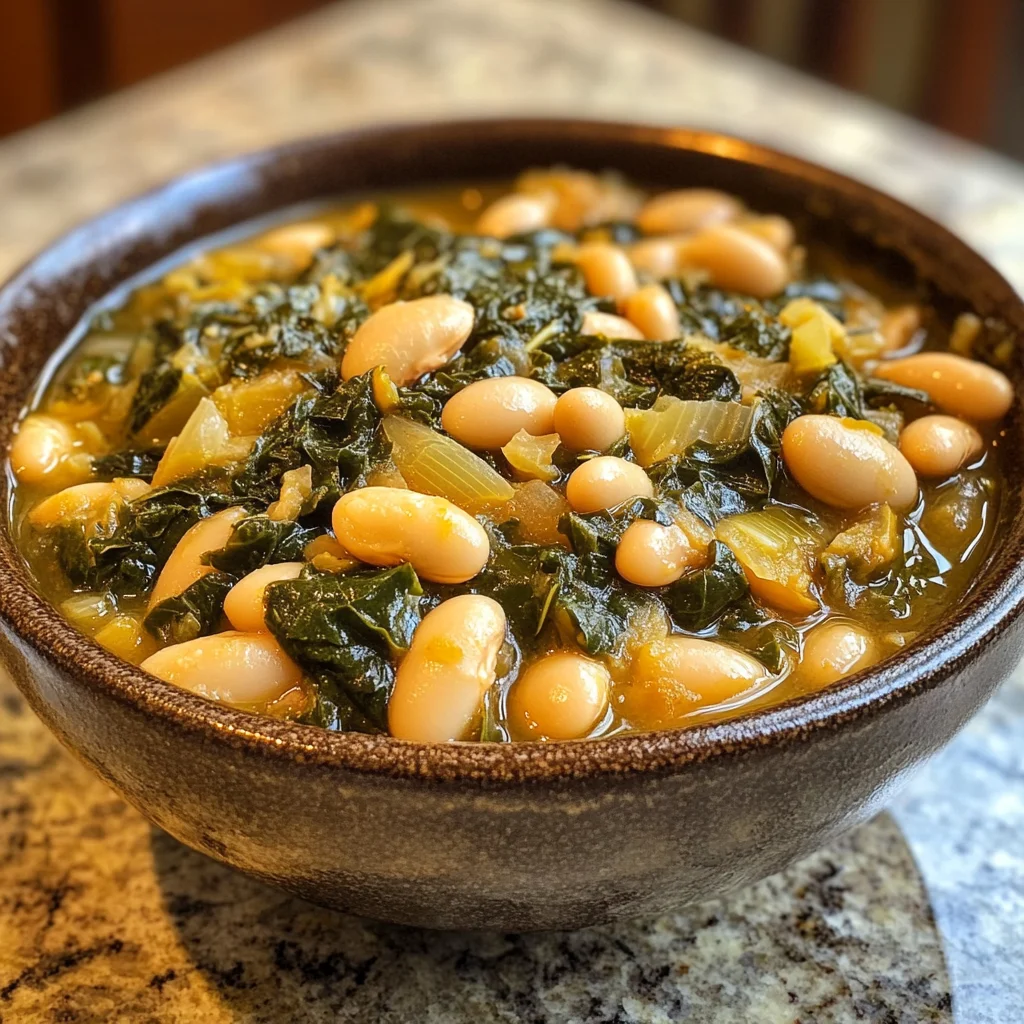
Mediterranean White Beans and Greens: A Complete Guide to This Heart-Healthy Dish
Introduction
Looking for a simple yet nourishing meal that delivers comfort and flavor? Mediterranean white beans and greens is the answer. This timeless dish combines creamy cannellini beans with nutrient-dense leafy greens in a garlicky tomato broth, creating a one-pan wonder that’s ready in under 30 minutes.
Mediterranean white beans and greens represents the essence of Mediterranean cuisine—wholesome ingredients, minimal processing, and maximum nutrition. This plant-forward meal has been enjoyed for generations across Southern Italy and the Mediterranean region. It’s a perfect option for anyone seeking healthy, satisfying dinners without complicated techniques. The beauty of this dish lies in its simplicity and flexibility. Whether you’re preparing a quick weeknight dinner or planning meal prep for the week, Mediterranean white beans and greens delivers consistent, delicious results.
This comprehensive guide explores everything you need to know. From nutritional benefits to step-by-step preparation methods, you’ll discover why this humble recipe has become a modern favorite for health-conscious home cooks.
What Are Mediterranean White Beans and Greens?
Mediterranean white beans and greens is a classic Mediterranean dish featuring cannellini beans simmered with fresh leafy greens. The dish originates from Southern Italy, particularly Tuscany, where beans and greens remain dietary staples.
The core components include:
-
White beans (typically cannellini beans)
-
Fresh greens (escarole, kale, spinach, or chard)
-
Garlic and olive oil
-
Tomato base
-
Aromatic seasonings
Unlike many complex recipes, Mediterranean white beans and greens celebrates ingredient quality over technique. The white beans provide creamy texture and plant-based protein. Meanwhile, the greens contribute fiber, vitamins, and minerals essential for optimal health. Together, they create a perfectly balanced, nourishing meal.
This dish is entirely plant-based, making it suitable for vegetarian and vegan diets. Additionally, it’s naturally free from processed additives and artificial ingredients, aligning perfectly with clean-eating principles.
Nutritional Benefits of White Beans
White beans stand out as nutritional powerhouses in Mediterranean cuisine. A single 1-cup serving of cooked white beans delivers impressive nutritional value.
Key Nutritional Profile of White Beans
According to nutritional research, one cup of cooked white beans contains:
-
Protein: 17 grams
-
Fiber: 11 grams
-
Calories: 242
-
Carbohydrates: 44 grams
-
Fat: 0.6 grams (minimal)
Essential Micronutrients
White beans provide substantial amounts of crucial micronutrients. The most notably abundant minerals include copper (55% DV), folate (36% DV), and iron (36% DV). These micronutrients support energy production and oxygen transport throughout your body.
Additional beneficial nutrients found in white beans include:
-
Magnesium (26% DV) for muscle function
-
Zinc (22% DV) for immune support
-
Potassium (21% DV) for heart health
-
Phosphorus (28% DV) for bone strength
-
Calcium (16% DV) for skeletal integrity
Antioxidant and Digestive Benefits
White beans are rich in polyphenol antioxidants. These compounds combat oxidative stress and may protect against chronic illnesses. Furthermore, the substantial fiber content promotes healthy digestive function. Studies suggest regular bean consumption reduces heart disease risk and supports overall wellness.
Health Advantages of Leafy Greens
Combining white beans with leafy greens amplifies the nutritional impact significantly. Mediterranean white beans and greens typically features greens like escarole, kale, spinach, or Swiss chard, each offering unique health benefits.
Why Greens Matter
Leafy greens provide virtually no calories yet deliver exceptional nutrient density. They’re rich in vitamins A, C, and K, supporting eye health, immune function, and bone strength. The greens in Mediterranean white beans and greens contribute beneficial phytonutrients that promote cellular health.
Fiber and Digestive Support
The combination of beans and greens creates exceptional fiber content. This dual-source fiber approach supports healthy digestion, maintains stable blood sugar levels, and promotes feelings of fullness. For anyone prioritizing long-term wellness, this nutritional synergy makes Mediterranean white beans and greens an excellent dietary choice.
Essential Ingredients You’ll Need
Creating authentic Mediterranean white beans and greens requires quality ingredients, though the list remains simple. Here’s everything you’ll need to prepare this delicious dish:
Core Ingredients
-
Extra-virgin olive oil: 2–3 tablespoons (the foundation of Mediterranean cooking)
-
Garlic: 3–4 large cloves, minced
-
White beans: Two 15-ounce cans or 3 cups cooked fresh beans
-
Fresh greens: 1.5–3 cups chopped (escarole, kale, spinach, or chard)
-
Canned tomatoes: One 28-ounce can pureed tomatoes or tomato sauce
-
Tomato paste: 2 tablespoons for concentrated flavor
-
Vegetable broth: 1.5 cups for liquid base
-
Red pepper flakes: ¼ teaspoon (adjust for heat preference)
-
Salt and black pepper: To taste
Optional Finishing Touches
-
Freshly grated Parmesan or Pecorino Romano cheese
-
Fresh lemon juice (1 tablespoon)
-
Fresh basil or parsley (¼ cup chopped)
-
Crusty Italian bread for serving
Sourcing high-quality extra-virgin olive oil truly elevates Mediterranean white beans and greens. Look for cold-pressed options from Italy or Greece for authentic flavor profiles.
Step-by-Step Cooking Instructions
Preparation (5 Minutes)
First, gather and prepare your ingredients. Wash your greens thoroughly under cold running water. For escarole, slice off the root and separate the leaves completely. Chop the greens into bite-sized pieces. Mince the garlic finely.
Some cooks prefer pre-boiling escarole for 7–10 minutes in salted water before adding it to the skillet. This step significantly reduces bitterness and creates a milder flavor profile. If using spinach or kale, this pre-boiling is optional.
Cooking Phase (20–25 Minutes)
Step 1: Begin the garlic and tomato base. Heat extra-virgin olive oil in a large skillet over medium heat. Add minced garlic and sauté for approximately 2 minutes until fragrant. Don’t rush this step—proper garlic infusion creates depth in your Mediterranean white beans and greens.
Step 2: Incorporate tomato paste. Add the tomato paste and stir constantly for 2 minutes. This allows the tomato paste to cook and deepen in color. The oil should turn slightly red. Season lightly with salt.
Step 3: Wilt the greens. Add your prepared greens to the skillet and increase heat to medium. Gently stir until the greens begin wilting, approximately 5 minutes. Initially, the mixture may appear overstuffed—this is normal, as greens cook down substantially.
Step 4: Add liquid components. Pour in your canned tomatoes and vegetable broth. Stir well to combine all ingredients. Add red pepper flakes for heat. Continue cooking uncovered, stirring occasionally, until the liquid reduces slightly—approximately 8–10 minutes.
Step 5: Incorporate the beans. Drain and rinse your canned white beans. Add them to the skillet and stir well. Allow the mixture to simmer for 10–15 minutes more. The sauce should thicken and become less runny as you approach completion.
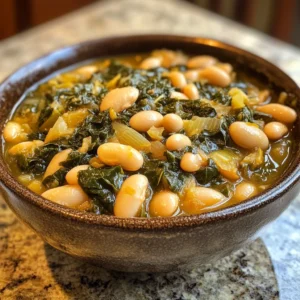
Step 6: Final seasoning. Taste your Mediterranean white beans and greens and adjust seasonings as needed. Add more salt, pepper, or red pepper flakes according to preference. Stir in lemon juice if desired for brightness.
Variations and Flavor Combinations
Mediterranean cuisine embraces flexibility, and Mediterranean white beans and greens is no exception. Here are creative variations to keep your meals exciting:
Green Options to Try
Different greens create entirely unique flavor profiles:
-
Escarole offers a mildly bitter, sophisticated taste
-
Kale provides an earthy, slightly peppery flavor
-
Spinach delivers mild, tender results
-
Swiss chard contributes a balanced flavor with nutritional density
-
Arugula adds peppery notes for advanced palates
Flavor Enhancements
Consider these additions to customize your Mediterranean white beans and greens:
-
Fresh herbs (basil, parsley, oregano, or thyme)
-
Lemon zest for brightness
-
Crushed red pepper for heat
-
Grated Parmesan or Pecorino Romano for richness
-
Fresh mozzarella for creamy texture
-
Artichoke hearts for Mediterranean authenticity
Bean Variations
While cannellini beans are traditional, Mediterranean white beans and greens works beautifully with:
-
Great Northern beans (heartier texture)
-
Navy beans (smaller, delicate)
-
Chickpeas (nutty flavor)
-
A combination of different white bean varieties
Each variation maintains the nutritional benefits while offering distinct taste experiences.
Serving Suggestions and Pairings
Mediterranean white beans and greens is incredibly versatile and works as a main course, side dish, or appetizer. Here’s how to serve it for maximum enjoyment:
As a Main Course
Serve Mediterranean white beans and greens in shallow bowls with crusty Italian bread. The bread provides textural contrast and absorbs the delicious broth beautifully. Top with freshly grated Parmesan or Pecorino Romano cheese. Add a squeeze of fresh lemon juice just before serving for brightness.
With Grains or Starches
For a heartier meal, serve Mediterranean white beans and greens over:
-
Brown rice or white rice
-
Farro for nutty flavor
-
Polenta for creamy richness
-
Quinoa for complete protein
-
Pasta for comfort-food appeal
Side Dish Presentation
Present Mediterranean white beans and greens as an accompaniment to grilled vegetables, roasted bread, or salads. This approach works perfectly for meal planning. You can prepare a large batch and portion it alongside various protein sources throughout the week.
Vegetarian Meal Pairing
Mediterranean white beans and greens stands alone as a satisfying vegetarian main course. Serve alongside crusty bread, a simple green salad with lemon vinaigrette, and perhaps roasted vegetables for complete nutrition.
Storage and Make-Ahead Tips
One of the greatest advantages of Mediterranean white beans and greens is its exceptional storage capability. Proper storage extends meal prep possibilities significantly.
Refrigerator Storage
Store Mediterranean white beans and greens in an airtight container for up to four days in the refrigerator. The flavors actually deepen and improve as the dish sits, making it ideal for meal prep. Separate the broth slightly from the greens when storing to prevent the greens from becoming mushy.
Freezing Instructions
For longer storage, freeze Mediterranean white beans and greens in freezer-safe containers for up to three months. Leave a slight gap at the top of containers to allow for expansion. When ready to enjoy, thaw overnight in the refrigerator and reheat gently over medium heat. Add a splash of vegetable broth if the consistency becomes too thick during storage.
Reheating Best Practices
Reheat Mediterranean white beans and greens slowly over medium heat. Rapid heating can break down the greens and alter the texture. Add a splash of vegetable broth or water if needed to restore the original consistency. Avoid using the microwave, as it tends to create uneven heating.
Make-Ahead Strategy
Prepare Mediterranean white beans and greens the day before serving for optimal flavor development. This approach also saves considerable time on busy weeknights. Portion into individual containers immediately after cooling for convenient grab-and-go options.
Frequently Asked Questions
What’s the Best Type of White Bean for Mediterranean White Beans and Greens?
Cannellini beans are traditionally used because they become creamy when cooked. However, Great Northern beans or navy beans work equally well. Choose based on your texture preference—cannellini beans are larger and slightly creamier, while navy beans are smaller and more delicate. Use whichever variety you have available or prefer.
Can I Use Fresh Beans Instead of Canned?
Absolutely. If using fresh beans, cook them until very tender before adding to your Mediterranean white beans and greens. Canned beans save significant time and require only draining and rinsing. Fresh beans require about 1.5–2 hours of cooking time depending on age and variety.
Is Mediterranean White Beans and Greens Suitable for Freezing?
Yes, Mediterranean white beans and greens freezes exceptionally well. Freeze in airtight containers for up to three months. The flavors remain vibrant, and the texture remains pleasant after thawing. Thaw overnight in the refrigerator before reheating gently on the stovetop.
What Greens Should I Use if I Can’t Find Escarole?
Any bitter or dark leafy green works beautifully in Mediterranean white beans and greens. Kale, spinach, Swiss chard, collard greens, or arugula all create delicious variations. Each contributes unique flavor and nutritional profiles while maintaining the dish’s Mediterranean essence.
How Can I Add More Protein to Mediterranean White Beans and Greens?
White beans already provide substantial plant-based protein—17 grams per cup. For additional protein, top with grilled tofu, tempeh, or legumes. Parmesan cheese also contributes protein. Alternatively, serve Mediterranean white beans and greens alongside a grain like quinoa for complete amino acid profiles.
Can I Make Mediterranean White Beans and Greens in a Slow Cooker?
While traditional stovetop cooking takes 25–30 minutes, slow cooker preparation works well. Combine all ingredients on high for 2–3 hours or low for 4–6 hours. Adjust liquid amounts since slow cookers require less liquid than stovetop cooking. Check out our guide on [slow cooker Mediterranean meals] for additional ideas.
Is This Dish Naturally Vegan?
Mediterranean white beans and greens is entirely plant-based when you omit the Parmesan cheese topping. The basic recipe contains only vegetables, beans, and olive oil. For vegan serving, skip the cheese or use nutritional yeast instead.
What’s the Best Way to Reduce the Bitterness of Escarole?
Pre-boiling escarole for 7–10 minutes in salted water significantly reduces bitterness. After boiling, drain thoroughly and proceed with the recipe. This optional step creates a milder, more approachable flavor profile, especially for those unaccustomed to bitter greens.
Conclusion
Mediterranean white beans and greens exemplifies the Mediterranean diet at its finest—simple ingredients prepared with care creating maximum nutrition and satisfaction. This 30-minute meal combines creamy white beans rich in protein and fiber with nutrient-dense greens brimming with vitamins and minerals.
Whether you’re seeking quick weeknight dinners, convenient meal prep options, or plant-forward nutrition, Mediterranean white beans and greens delivers consistently. The versatile recipe adapts to your pantry staples while maintaining authentic Mediterranean flavors.
Print
Mediterranean White Beans and Greens
Description
🥬 Mediterranean White Beans and Greens
Tender white beans, garlicky greens, and a drizzle of olive oil — a simple, wholesome dish full of flavor and color!
📝 Ingredients
-
2 cups cooked white beans (cannellini or great northern)
-
4 cups fresh greens (kale, spinach, or chard), chopped
-
3 cloves garlic, minced
-
2 tbsp olive oil
-
½ tsp crushed red pepper flakes (optional)
-
Juice of ½ lemon
-
Salt & black pepper, to taste
-
Optional: 2 tbsp grated Parmesan or toasted pine nuts for garnish
👩🍳 Instructions
-
Sauté garlic — Heat olive oil in a skillet over medium heat. Add garlic and red pepper flakes; cook 30 seconds until fragrant.
-
Cook the greens — Add chopped greens and cook until wilted, 3–5 minutes.
-
Add beans — Stir in white beans and cook until warmed through. Season with salt, pepper, and lemon juice.
-
Serve — Top with grated Parmesan or toasted pine nuts if desired. Serve as a side dish or a light main with crusty bread.