
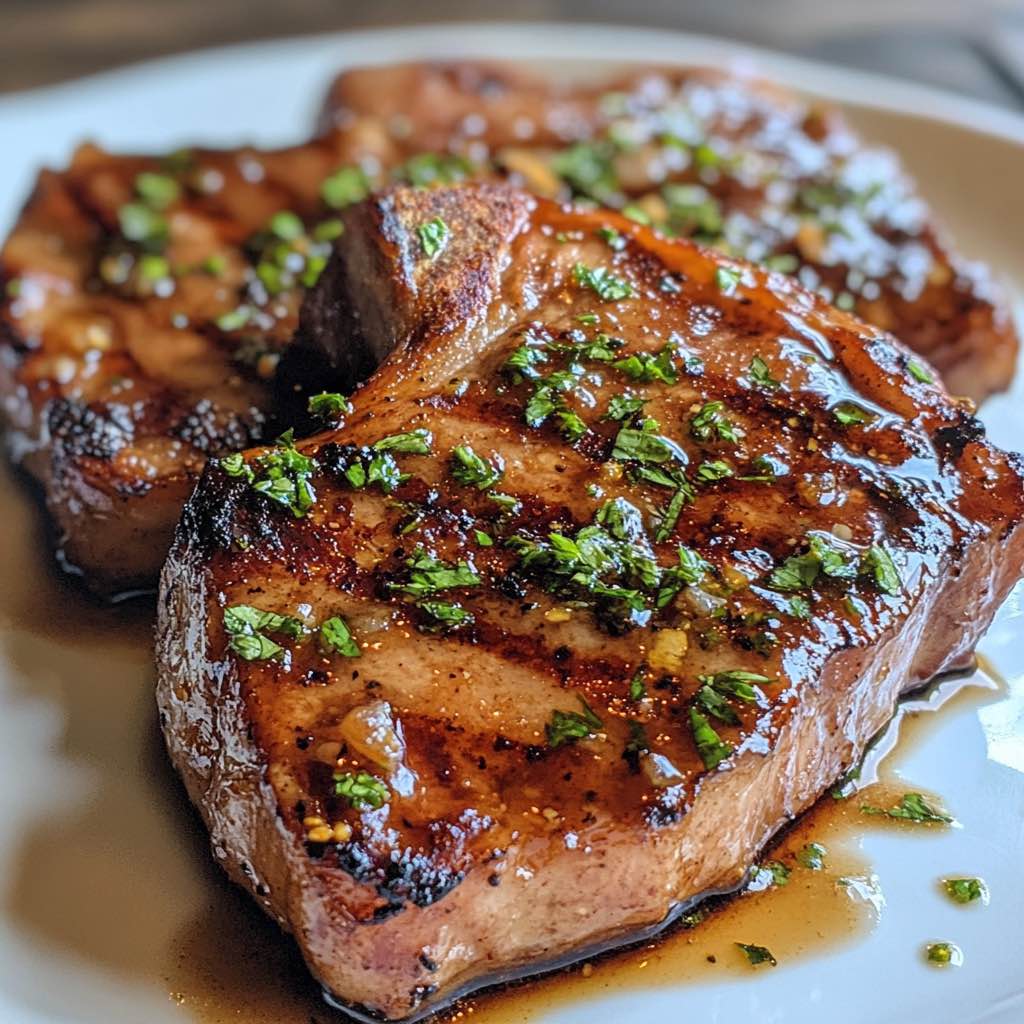
Apple Cider Glazed Pork Chops: The Perfect Fall Comfort Food
Apple cider glazed pork chops bring together the best of autumn flavors in one incredible dish. This recipe transforms ordinary pork chops into a restaurant-quality meal with a sweet and tangy glaze that caramelizes beautifully. Moreover, these apple cider glazed pork chops are surprisingly easy to make and perfect for both weeknight dinners and special occasions.
The combination of tender, juicy pork with the rich, glossy apple cider reduction creates a harmony of flavors that captures the essence of fall. Furthermore, this recipe requires simple ingredients that you likely already have in your pantry.
What Makes Apple Cider Glazed Pork Chops Special
Apple cider glazed pork chops stand out because of their perfect balance of sweet and savory elements. The apple cider reduces down to create a glossy, caramelized coating that enhances the natural flavors of the pork without overwhelming them.
Unlike other glazed pork recipes, this version uses the natural sugars in apple cider to create depth. Additionally, the acidity in the cider helps tenderize the meat while cooking. The result is pork that’s incredibly moist and flavorful.
The Science Behind the Glaze
When apple cider cooks down, the natural sugars concentrate and caramelize. This process, called the Maillard reaction, creates complex flavors and that beautiful golden-brown color. Meanwhile, the acids in the cider break down tough protein fibers, making the meat more tender.
The key to perfect apple cider glazed pork chops lies in timing. First, you sear the chops to lock in juices. Then, you add the glaze during the final cooking stage to prevent burning while achieving that perfect glossy finish.
Essential Ingredients Breakdown
Creating exceptional apple cider glazed pork chops requires quality ingredients and proper preparation. Each component plays a crucial role in the final dish.
Main Ingredients
Pork Chops (4 bone-in, 1-inch thick)
-
Choose bone-in chops for maximum flavor and juiciness
-
Look for chops with some marbling for tenderness
-
Room temperature chops cook more evenly
Apple Cider (1 cup)
-
Use fresh, unfiltered cider when possible
-
Avoid apple juice as it lacks the complex flavors needed
-
Check that your cider contains no added sugars or preservatives
Brown Sugar (3 tablespoons)
-
Adds sweetness and helps with caramelization
-
Light brown sugar works best for this recipe
-
Can substitute with maple syrup if preferred
Supporting Flavors
Dijon Mustard (1 tablespoon)
-
Provides tangy depth to balance the sweetness
-
Helps the glaze adhere to the meat
-
Adds complexity without overpowering
Apple Cider Vinegar (2 tablespoons)
-
Enhances the apple flavor profile
-
Provides acidity for tenderizing
-
Helps prevent the glaze from becoming too sweet
Fresh Thyme (1 tablespoon)
-
Adds earthy, herbaceous notes
-
Complements apple flavors beautifully
-
Can substitute with sage or rosemary
Seasoning Essentials
-
Salt (1 teaspoon)
-
Black pepper (½ teaspoon)
-
Garlic powder (½ teaspoon)
-
Onion powder (¼ teaspoon)
Step-by-Step Recipe Instructions
Follow these detailed instructions to create perfect apple cider glazed pork chops every time. Each step is designed to build flavors and ensure optimal texture.
Preparation Phase
Step 1: Prepare the Pork Chops
Remove pork chops from refrigerator 30 minutes before cooking. This allows them to reach room temperature for even cooking. Meanwhile, pat the chops completely dry with paper towels.
Season both sides generously with salt, pepper, garlic powder, and onion powder. Press the seasonings into the meat to ensure they adhere properly.
Step 2: Make the Glaze Base
In a small saucepan, combine apple cider, brown sugar, Dijon mustard, and apple cider vinegar. Whisk until the brown sugar dissolves completely.
Bring the mixture to a boil over medium-high heat. Then, reduce heat to medium-low and simmer for 15-20 minutes until reduced by half. The glaze should coat the back of a spoon.
Cooking Process
Step 3: Sear the Pork Chops
Heat a large oven-safe skillet over medium-high heat. Add a tablespoon of oil when the pan is hot.
Carefully place the pork chops in the skillet. Don’t move them for 3-4 minutes to develop a golden crust. Flip and sear the other side for another 3-4 minutes.
Step 4: Apply the Glaze
Brush half of the apple cider glaze over the top of the seared pork chops. Reserve the remaining glaze for serving.
Sprinkle fresh thyme leaves over the glazed chops. The herbs will infuse into the glaze as it cooks.
Step 5: Finish in the Oven
Preheat your oven to 400°F (200°C). Transfer the skillet to the oven and cook for 8-12 minutes, depending on thickness.
The internal temperature should reach 145°F (63°C) when measured with an instant-read thermometer. Remove from oven and let rest for 5 minutes before serving.
Pro Tips for Perfect Results
Creating restaurant-quality apple cider glazed pork chops at home requires attention to detail. These professional tips will elevate your cooking results significantly.
Selecting the Right Pork Chops
Choose bone-in pork chops that are at least 1-inch thick. Thinner chops cook too quickly and can become dry before the glaze has time to caramelize. Additionally, look for chops with some fat marbling throughout the meat.
Avoid enhanced or pre-seasoned pork, as these products often contain sodium solutions that can interfere with proper browning. Instead, select natural pork from reputable sources like USDA guidelines recommend.
Temperature Control Techniques
Use an instant-read thermometer to ensure perfect doneness. Pork should reach an internal temperature of 145°F (63°C) followed by a 3-minute rest period. This temperature ensures juicy, safe pork without overcooking.
Don’t rely on cooking times alone, as thickness variations can affect cooking duration. Furthermore, oven temperatures can vary, making a thermometer essential for consistent results.
Glaze Application Secrets
Apply the glaze in stages to prevent burning. First, brush on a thin layer during the last few minutes of stovetop cooking. Then, add the remaining glaze just before serving.
If the glaze becomes too thick while reducing, add a tablespoon of apple cider to thin it out. Conversely, if it’s too thin, continue simmering until it reaches the right consistency.
Resting and Serving
Always rest pork chops for 5 minutes after cooking. This allows juices to redistribute throughout the meat, ensuring each bite is moist and flavorful.
Serve immediately after resting for the best texture and temperature. The glaze will continue to thicken slightly as it cools, creating that perfect glossy finish.
Delicious Recipe Variations
Apple cider glazed pork chops are incredibly versatile and can be adapted to suit different tastes and dietary preferences. These variations maintain the core concept while offering exciting new flavor profiles.
Spiced Apple Cider Version
Add warming spices to your apple cider glaze for a more complex flavor profile. Include ½ teaspoon ground cinnamon, ¼ teaspoon ground nutmeg, and a pinch of ground cloves to the glaze mixture.
This spiced version pairs beautifully with roasted root vegetables. Moreover, the warm spices complement the natural apple flavors without overwhelming the pork.
Herb-Crusted Variation
Create an herb crust by mixing fresh breadcrumbs with chopped sage, rosemary, and thyme. Press this mixture onto the pork chops before applying the glaze.
The herbs add textural interest and intensify the fall flavors. Additionally, the breadcrumbs help the glaze adhere better and create an attractive presentation.
Sweet and Smoky Style
Incorporate a small amount of smoked paprika and a touch of chipotle powder into your seasoning blend. This creates a subtle smoky flavor that complements the sweet apple cider beautifully.
For extra smokiness, finish the dish with a sprinkle of smoked salt. This variation works particularly well when served with grilled vegetables.
Asian-Inspired Twist
Replace the Dijon mustard with soy sauce and add fresh ginger to the glaze. Include a pinch of five-spice powder in your seasoning blend for an Asian-inspired flavor profile.
This variation pairs excellently with steamed rice and stir-fried vegetables. The soy sauce adds umami depth while maintaining the apple cider’s sweetness.
Best Side Dishes to Serve
Apple cider glazed pork chops pair wonderfully with a variety of side dishes that complement their sweet and savory profile. Choose sides that balance the richness of the pork while enhancing the autumn flavors.
Classic Fall Sides
Roasted Brussels Sprouts with Bacon
The slight bitterness of Brussels sprouts balances the sweet glaze perfectly. Roast them with crispy bacon pieces and a drizzle of balsamic vinegar for optimal flavor.
Garlic Mashed Potatoes
Creamy, buttery mashed potatoes provide a neutral base that allows the pork’s flavors to shine. Add roasted garlic for extra depth without competing with the apple cider glaze.
Honey-Roasted Carrots
Sweet, caramelized carrots echo the glaze’s sweetness while adding color and nutrition. Toss them with fresh thyme to tie the flavors together beautifully.
Lighter Options
Mixed Green Salad with Apple Vinaigrette
A crisp salad with apples, walnuts, and dried cranberries provides freshness that cuts through the rich pork. The apple vinaigrette creates flavor harmony with the main dish.
Roasted Asparagus with Lemon
The bright, clean flavors of lemon-roasted asparagus provide an excellent counterpoint to the sweet glaze. This combination feels both elegant and satisfying.
Wild Rice Pilaf
Nutty wild rice with herbs and toasted almonds adds texture and earthiness. Moreover, it absorbs the delicious pan juices from the pork chops.
Check out our guide on [perfect fall side dishes] for more complementary options that pair beautifully with glazed pork.
Storage and Reheating Guide
Proper storage and reheating techniques ensure your apple cider glazed pork chops remain delicious for several days after cooking. Follow these guidelines to maintain quality and food safety.
Refrigerator Storage
Store leftover pork chops in the refrigerator within 2 hours of cooking. Place them in shallow, airtight containers to ensure rapid cooling and prevent bacterial growth.
Properly stored apple cider glazed pork chops will maintain their quality for 3-4 days in the refrigerator. Label containers with the date to track freshness accurately.
Store any leftover glaze separately in a small container. This prevents the meat from becoming soggy and allows you to refresh the glaze when reheating.
Freezer Storage
For longer storage, wrap individual pork chops tightly in plastic wrap, then place them in freezer bags. Remove as much air as possible to prevent freezer burn.
Frozen apple cider glazed pork chops maintain quality for up to 3 months. However, for best flavor and texture, consume them within 1 month of freezing.
Freeze the glaze separately in ice cube trays for convenient portion sizes. Once frozen, transfer the cubes to freezer bags for easy use.
Reheating Methods
Oven Method (Recommended)
Preheat oven to 325°F (163°C). Place pork chops in a baking dish with a tablespoon of apple cider or broth to prevent drying.
Cover with foil and heat for 15-20 minutes until warmed through. Brush with reserved glaze during the last 5 minutes of heating.
Stovetop Method
Heat a skillet over medium-low heat with a small amount of oil. Add pork chops and cover, heating for 3-4 minutes per side.
Add a splash of apple cider to the pan and any reserved glaze. This method helps restore moisture and refreshes the glaze.
Nutritional Information
Understanding the nutritional content of apple cider glazed pork chops helps you make informed dietary decisions. This analysis is based on one serving (one 6-oz pork chop with glaze).
Macronutrient Breakdown
Calories: 380-420 per serving
The majority of calories come from the protein-rich pork, with additional calories from the apple cider glaze’s natural sugars.
Protein: 35-40 grams
Pork chops are an excellent source of complete protein, providing all essential amino acids your body needs for muscle maintenance and growth.
Carbohydrates: 15-20 grams
Most carbohydrates come from the apple cider and brown sugar in the glaze. These provide quick energy and enhance the dish’s flavor profile.
Fat: 12-15 grams
Pork chops contain both saturated and unsaturated fats. Choosing lean cuts helps reduce the saturated fat content while maintaining flavor.
Essential Nutrients
B-Vitamins
Pork is rich in thiamine (B1), riboflavin (B2), niacin (B3), and B12. These vitamins support energy metabolism and nervous system function.
Minerals
Significant amounts of selenium, phosphorus, and zinc support immune function and bone health. Additionally, pork provides iron for healthy blood cell formation.
Antioxidants
The apple cider contributes beneficial plant compounds and antioxidants that support overall health. Fresh herbs add additional antioxidant properties.
For detailed nutritional guidelines, refer to the USDA Food Database for comprehensive information about pork nutrition.
Frequently Asked Questions
Can I use apple juice instead of apple cider for glazed pork chops?
While apple juice can work in a pinch, apple cider produces superior results for apple cider glazed pork chops. Apple cider has more complex flavors and natural sugars that create a better glaze. Additionally, cider’s slightly thicker consistency reduces more effectively than juice.
If you must use apple juice, reduce the cooking time slightly and add an extra tablespoon of brown sugar to compensate for the flavor difference.
What’s the best thickness for pork chops in this recipe?
One-inch thick bone-in pork chops work best for apple cider glazed pork chops. This thickness allows enough cooking time for the glaze to caramelize without overcooking the meat. Thinner chops cook too quickly, while thicker chops may require longer cooking that could burn the glaze.
Boneless chops can work but may cook faster and have less flavor than bone-in varieties. Adjust cooking times accordingly.
How can I tell when the glaze is properly reduced?
A properly reduced apple cider glaze should coat the back of a spoon and have a glossy, syrup-like consistency. When you draw your finger across the spoon, the glaze should hold its line briefly before flowing back together.
The glaze typically reduces to about half its original volume. If it becomes too thick, add a tablespoon of fresh apple cider to thin it out.
Can I make the glaze ahead of time?
Yes, you can prepare the apple cider glaze up to 3 days in advance. Store it covered in the refrigerator and gently reheat before using. The glaze may thicken when cold, so warm it slowly over low heat, stirring frequently.
Making the glaze ahead actually improves its flavor as the ingredients have time to meld together. This also saves time when preparing the complete dish.
What should I do if my pork chops are tough?
Tough pork chops usually result from overcooking or using low-quality meat. Always use an instant-read thermometer to avoid overcooking. Pork should reach 145°F (63°C) internally, then rest for 5 minutes.
If your chops are already tough, try slicing them thinly against the grain before serving. This breaks up the tough fibers and makes them easier to chew.
How do I prevent the glaze from burning?
Add the glaze during the final stages of cooking to prevent burning. Start with a thin layer when the pork chops are nearly done, then add more glaze just before serving.
If the glaze starts to darken too quickly, reduce the heat or move the pan to a cooler part of the stove. You can also tent the chops with foil if needed.
Conclusion
Apple cider glazed pork chops represent the perfect harmony of sweet and savory fall flavors. This recipe transforms simple ingredients into an elegant dish that’s suitable for both family dinners and special occasions. The key lies in properly reducing the apple cider to create that signature glossy glaze while maintaining perfectly cooked, juicy pork.
Remember the essential techniques: room temperature pork chops for even cooking, proper searing for flavor development, and careful glaze application to prevent burning. These apple cider glazed pork chops pair beautifully with classic fall sides and store well for future meals.
The versatility of this recipe allows for numerous adaptations while maintaining its core appeal. Whether you prefer the classic version or enjoy experimenting with spices and herbs, this dish delivers consistent, delicious results.
Apple Cider Glazed Pork Chops
Description
Ingredients
For the Pork Chops:
-
6 boneless pork loin chops (6-8 ounces each, about 3/4-inch thick)
-
Salt and freshly ground black pepper
-
2 tablespoons olive oil
For the Apple Cider Glaze:
-
2 cups apple cider
-
1/4 cup apple cider vinegar
-
3 cloves garlic, minced
-
1 tablespoon Dijon mustard
-
1 teaspoon honey
-
1/2 teaspoon dried thyme
-
1/2 teaspoon apple pie spice
-
1/4 teaspoon red pepper flakes
-
1 tablespoon cornstarch mixed with 2 tablespoons water
-
Fresh parsley for garnish
Instructions
Prepare the Pork Chops:
-
Pat pork chops completely dry with paper towels to ensure proper searing. Season both sides generously with salt and pepper.
-
Heat olive oil in a large skillet over medium-high heat. Add pork chops and cook for 4-5 minutes per side until golden brown and internal temperature reaches 145°F.
-
Transfer cooked pork chops to a plate and cover with foil to rest.
Make the Apple Cider Glaze:
-
In the same skillet, add minced garlic and sauté for 30 seconds until aromatic. Add apple cider vinegar and cook for 1 minute while scraping up any browned bits from the bottom of the pan.
-
Add apple cider, Dijon mustard, honey, thyme, apple pie spice, and red pepper flakes to the skillet. Bring mixture to a boil and cook for 25-30 minutes until reduced to about 2/3 cup of glaze.
-
In a small bowl, mix cornstarch with water to create a slurry. Stir into the simmering glaze and cook for 1-2 minutes until thickened.