
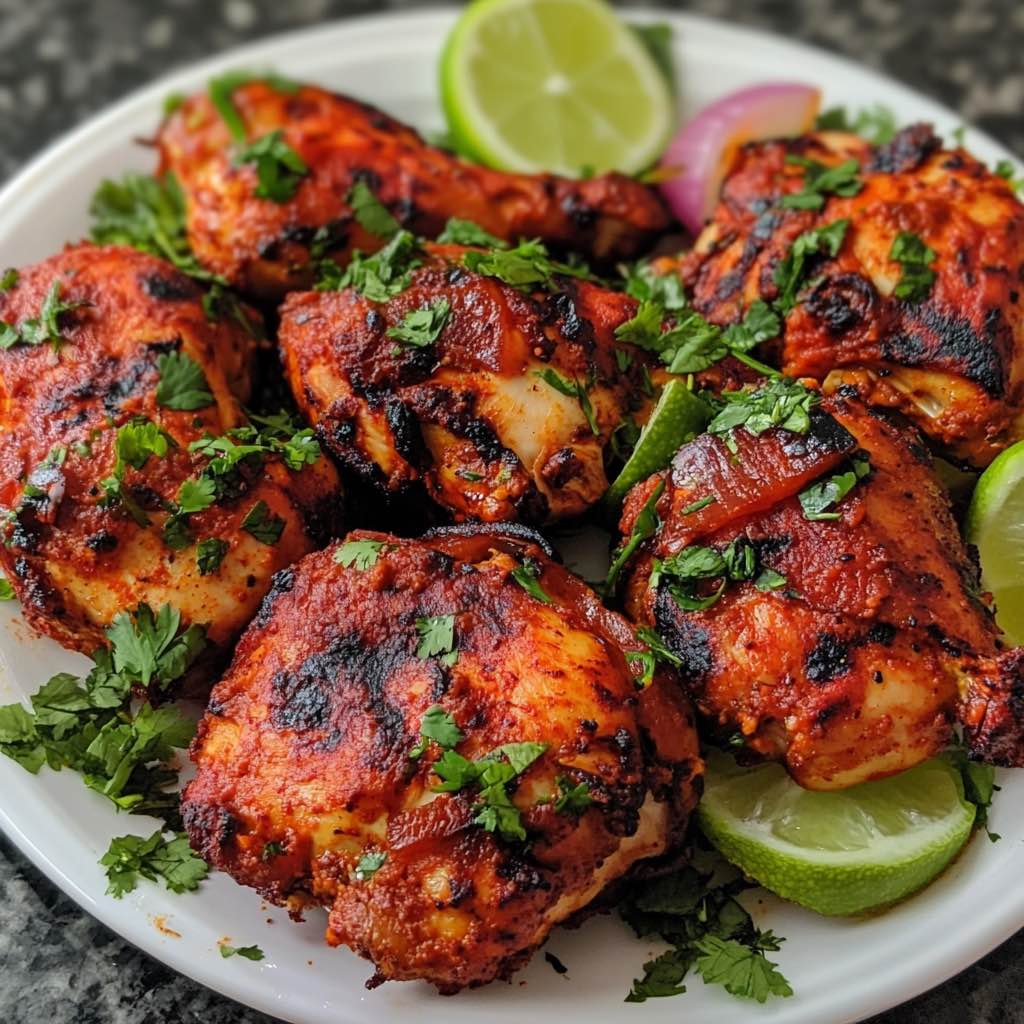
Authentic Tandoori Chicken: Master the Art of Traditional Indian Grilling
Introduction
Authentic tandoori chicken represents one of India’s most beloved culinary treasures. This vibrant, smoky dish combines aromatic spices with tender chicken in a marinade that transforms ordinary poultry into an extraordinary feast. Therefore, mastering this traditional recipe opens doors to the rich world of Indian cuisine.
The secret to genuine tandoori chicken lies in understanding its ancient cooking methods. Moreover, the distinctive red color and complex flavors come from carefully selected spices and proper marination techniques. In addition, achieving restaurant-quality results at home requires knowledge of traditional preparation methods passed down through generations.
This comprehensive guide will teach you everything about creating authentic tandoori chicken. Furthermore, you’ll discover the historical significance, essential ingredients, and step-by-step techniques that make this dish legendary.
Table of Contents
The History and Origins of Tandoori Chicken
The story of authentic tandoori chicken begins in the Punjab region of undivided India. However, its modern popularity stems from the innovative work of Kundan Lal Gujral in the 1940s. Therefore, understanding this dish’s heritage helps appreciate its cultural significance.
Traditional tandoor ovens date back thousands of years. In addition, these clay ovens reach temperatures exceeding 900°F (480°C), creating the signature charred exterior and succulent interior. Furthermore, the intense heat seals in juices while imparting a distinctive smoky flavor.
The migration of Punjabi families during partition spread tandoori chicken across India and beyond. Moreover, restaurant chains later popularized this dish globally. However, authentic preparation methods remain rooted in traditional techniques and ingredients.
Cultural Significance
Tandoori chicken holds deep cultural importance in Indian celebrations and gatherings. Therefore, families often prepare large quantities for festivals and special occasions. In addition, the communal aspect of tandoor cooking brings people together around the fire.
The dish also represents the intersection of Mughal and Punjabi culinary traditions. Furthermore, this fusion created a unique cooking style that influences modern Indian cuisine. However, maintaining authenticity requires respect for original methods and ingredients.
Essential Ingredients for Authentic Flavor
Creating authentic tandoori chicken demands high-quality, traditional ingredients. Therefore, sourcing the right spices and dairy products makes a significant difference in flavor development. Moreover, each component serves a specific purpose in the marinade chemistry.
Primary Spice Blend
The foundation of authentic tandoori chicken lies in its spice mixture:
-
Garam masala – Provides warmth and complexity
-
Cumin powder – Adds earthy depth
-
Coriander powder – Contributes citrusy notes
-
Red chili powder – Creates heat and color
-
Turmeric powder – Offers golden hue and earthiness
-
Paprika – Enhances red coloring naturally
Dairy Components
Traditional marinades rely on specific dairy products for tenderization:
-
Greek yogurt – Provides acidity for tenderizing
-
Heavy cream – Adds richness and smoothness
-
Ghee – Contributes nutty flavor and moisture
Aromatics and Acids
Essential flavor builders include:
-
Fresh ginger paste – Adds warmth and bite
-
Garlic paste – Provides pungent depth
-
Lemon juice – Tenderizes and brightens flavors
-
Fresh mint leaves – Contributes cooling freshness
Natural Coloring Options
Authentic tandoori chicken achieves its signature color naturally:
-
Kashmiri red chili powder – Mild heat with vibrant color
-
Beetroot juice – Natural red coloring
-
Tomato paste – Adds color and umami depth
Traditional Marinade Preparation
The marinade forms the heart of authentic tandoori chicken preparation. Therefore, proper technique and ingredient ratios determine the final dish’s success. Moreover, understanding the science behind marination improves results significantly.
Basic Marinade Recipe
This traditional formula serves 2-3 pounds of chicken:
First Marinade (30 minutes):
-
2 tablespoons lemon juice
-
1 teaspoon salt
-
1/2 teaspoon turmeric powder
Second Marinade (4-24 hours):
-
1 cup Greek yogurt
-
2 tablespoons ginger-garlic paste
-
2 teaspoons garam masala
-
1 teaspoon cumin powder
-
1 teaspoon coriander powder
-
1-2 teaspoons red chili powder
-
1/2 teaspoon turmeric powder
-
2 tablespoons ghee or oil
-
Salt to taste
Preparation Technique
Creating the perfect marinade requires specific steps:
-
Bloom the spices – Heat dry spices briefly to release oils
-
Create smooth paste – Blend ginger and garlic thoroughly
-
Whisk yogurt – Ensure smooth consistency without lumps
-
Combine gradually – Add spices slowly to prevent clumping
-
Strain if needed – Remove any lumps for uniform coating
Balancing Flavors
Authentic tandoori chicken marinade requires careful flavor balance:
-
Acidity – Yogurt and lemon juice tenderize proteins
-
Spice – Layer heat with multiple chili varieties
-
Aromatics – Fresh herbs and pastes add complexity
-
Fat – Ghee carries flavors and prevents drying
Proper Chicken Selection and Preparation
Selecting the right chicken cuts significantly impacts the final dish’s success. Therefore, understanding which pieces work best ensures optimal results. Moreover, proper preparation techniques maximize marinade penetration and cooking evenness.
Best Chicken Cuts
Traditional authentic tandoori chicken uses specific cuts:
-
Whole chicken pieces – Legs, thighs, and breast quarters
-
Bone-in cuts – Retain moisture and flavor better
-
Skin-on pieces – Protect meat and add richness
-
Medium-sized portions – Cook evenly without drying
Preparation Steps
Proper chicken preparation involves several crucial steps:
-
Clean thoroughly – Remove excess fat and skin
-
Make deep cuts – Score meat for marinade penetration
-
Remove moisture – Pat dry with paper towels
-
Size uniformly – Cut pieces for even cooking
-
Trim excess – Remove loose skin and cartilage
Scoring Techniques
Creating proper cuts allows marinade penetration:
-
Deep diagonal scores – Cut against muscle grain
-
Multiple directions – Create crosshatch patterns
-
Bone exposure – Score around joints and bones
-
Avoid oversizing – Maintain structural integrity
Quality Indicators
Choose chicken with these characteristics:
-
Fresh appearance – Clear color without gray tones
-
Firm texture – Springs back when pressed
-
Clean smell – No off odors or ammonia scents
-
Proper sizing – Uniform pieces for even cooking
Marination Techniques and Timing
Successful authentic tandoori chicken depends heavily on proper marination methods. Therefore, understanding timing and technique ensures maximum flavor absorption. Moreover, different marination stages serve specific purposes in flavor development.
Two-Stage Marination Process
Traditional preparation uses a dual-stage approach:
Stage One (30 minutes):
-
Apply lemon juice, salt, and turmeric
-
Allows initial tenderization
-
Removes surface moisture
-
Prepares meat for deeper penetration
Stage Two (4-24 hours):
-
Apply full spice marinade
-
Develops complex flavors
-
Completes tenderization process
-
Creates signature color
Optimal Timing Guidelines
Marination timing affects final results:
-
Minimum 4 hours – Basic flavor penetration
-
8-12 hours – Ideal for home cooking
-
24 hours maximum – Prevents over-tenderization
-
Room temperature final hour – Even cooking temperature
Marination Environment
Proper storage during marination matters:
-
Refrigerated storage – Prevents bacterial growth
-
Covered containers – Protects from contamination
-
Non-reactive bowls – Use glass or stainless steel
-
Occasional turning – Ensures even coating
Enhancement Techniques
Maximize marination effectiveness:
-
Vacuum sealing – Increases pressure and penetration
-
Gentle massage – Distributes marinade evenly
-
Puncture method – Use fork for deeper penetration
-
Enzyme additions – Pineapple or papaya for extra tenderness
Cooking Methods: Tandoor vs. Home Alternatives
While traditional tandoor ovens create the most authentic results, several home cooking methods produce excellent tandoori chicken. Therefore, understanding various techniques helps achieve restaurant-quality results. Moreover, each method offers unique advantages and considerations.
Traditional Tandoor Cooking
Authentic tandoori chicken traditionally cooks in clay tandoor ovens:
-
Extreme heat – Reaches 800-900°F temperatures
-
Radiant cooking – Clay walls distribute heat evenly
-
Smoke flavor – Wood or charcoal adds complexity
-
Quick cooking – High heat seals in juices rapidly
Oven Roasting Method
High-temperature oven roasting provides excellent results:
-
Preheat to 450°F – Use convection if available
-
Wire rack setup – Allows air circulation
-
Broil finish – Creates charred exterior
-
Rotate pieces – Ensures even browning
Grilling Techniques
Outdoor grilling closely mimics tandoor cooking:
-
High heat zones – Create temperature gradients
-
Indirect cooking – Prevents burning exterior
-
Wood chips – Add authentic smoke flavors
-
Frequent turning – Develops even color
Indoor Alternatives
Several indoor methods work effectively:
-
Cast iron skillet – High heat retention
-
Grill pan – Creates attractive marks
-
Broiler method – Intense top-down heat
-
Air fryer adaptation – Circulating hot air
Temperature Monitoring
Regardless of cooking method, monitor temperatures:
-
Internal temperature – Reach 165°F safely
-
Instant-read thermometer – Check thickest parts
-
Visual cues – Juices run clear when done
-
Rest period – Allow 5-10 minutes before serving
Temperature and Timing Guidelines
Precise temperature control and timing create perfect authentic tandoori chicken every time. Therefore, understanding these parameters prevents overcooking or undercooking. Moreover, different cuts require specific adjustments for optimal results.
Cooking Temperature Ranges
Different methods require specific temperatures:
Oven Method:
-
Preheat: 450-475°F
-
Cooking: 25-35 minutes
-
Broil: 2-3 minutes final
Grill Method:
-
High heat: 400-450°F
-
Medium zones: 300-350°F
-
Total time: 20-30 minutes
Skillet Method:
-
Medium-high heat initially
-
Reduce to medium after searing
-
Cover and cook: 15-20 minutes
Internal Temperature Targets
Food safety requires specific internal temperatures:
-
Breast meat – 165°F minimum
-
Thigh and leg – 175°F for best texture
-
Whole pieces – Check thickest portions
-
Resting temperature – Continues rising 5-10°F
Timing for Different Cuts
Various chicken pieces require adjusted cooking times:
-
Drumsticks – 25-30 minutes total
-
Thighs – 20-25 minutes total
-
Breast quarters – 30-35 minutes total
-
Wings – 15-20 minutes total
Visual Doneness Indicators
Recognize properly cooked tandoori chicken:
-
Golden-red color – Deep, even browning
-
Clear juices – No pink liquid when pierced
-
Firm texture – Springs back when pressed
-
Charred edges – Light blackening on tips
Serving Suggestions and Accompaniments
Authentic tandoori chicken traditionally pairs with specific accompaniments that complement its rich flavors. Therefore, choosing appropriate sides enhances the overall dining experience. Moreover, traditional presentation methods add visual appeal and cultural authenticity.
Traditional Indian Accompaniments
Classic pairings include:
-
Basmati rice – Absorbs flavorful juices
-
Naan bread – Perfect for scooping and wrapping
-
Raita – Cool yogurt sauce balances heat
-
Onion salad – Fresh crunch with lemon and spices
Sauce and Chutney Options
Complement tandoori chicken with traditional condiments:
-
Mint chutney – Fresh herbs with cooling effect
-
Tamarind chutney – Sweet and tangy contrast
-
Cilantro lime sauce – Bright, herbaceous notes
-
Garlic yogurt dip – Creamy, mild accompaniment
Vegetable Sides
Balance the meal with fresh vegetables:
-
Grilled vegetables – Peppers, onions, and tomatoes
-
Pickled onions – Acidic cut through richness
-
Cucumber salad – Refreshing summer option
-
Roasted cauliflower – Complementary spice flavors
Beverage Pairings
Traditional drinks enhance the tandoori experience:
-
Lassi – Sweet or salted yogurt drinks
-
Chai tea – Spiced tea complements flavors
-
Indian lagers – Light beers cleanse palate
-
Nimbu paani – Fresh lime water cools heat
Presentation Tips
Serve authentic tandoori chicken attractively:
-
Hot plates – Maintain temperature while serving
-
Garnish with herbs – Fresh cilantro and mint
-
Lemon wedges – Additional acidity option
-
Colorful arrangement – Contrast colors on plate
Common Mistakes to Avoid
Even experienced cooks make errors when preparing authentic tandoori chicken. Therefore, understanding common pitfalls helps ensure consistent success. Moreover, avoiding these mistakes produces restaurant-quality results at home.
Marination Errors
Frequent marination mistakes include:
-
Insufficient time – Rushing marination process
-
Over-marinating – Breaking down proteins excessively
-
Wrong ratios – Imbalanced acid and spice levels
-
Poor mixing – Uneven spice distribution
Temperature Control Issues
Heat management problems affect final results:
-
Too high initially – Burns exterior before interior cooks
-
Insufficient preheating – Uneven cooking throughout
-
No temperature monitoring – Overcooking or undercooking
-
Rapid temperature changes – Causes uneven textures
Preparation Mistakes
Common prep errors include:
-
Inadequate scoring – Limited marinade penetration
-
Excess moisture – Prevents proper browning
-
Wrong cut sizes – Uneven cooking times
-
Skipping steps – Compromises flavor development
Cooking Technique Errors
Avoid these cooking mistakes:
-
Overcrowding pan – Reduces cooking efficiency
-
Excessive turning – Prevents proper searing
-
No resting time – Juices escape when cut immediately
-
Wrong cooking method – Using inappropriate heat levels
Serving Mistakes
Presentation errors diminish the experience:
-
Cold serving – Food temperature drops quickly
-
Missing accompaniments – Incomplete flavor balance
-
Poor timing – Components finish at different times
-
Inadequate garnishing – Reduces visual appeal
Nutritional Benefits and Health Considerations
Authentic tandoori chicken offers numerous nutritional advantages when prepared properly. Therefore, understanding its health benefits encourages regular inclusion in balanced diets. Moreover, proper preparation methods maximize nutritional value while maintaining authentic flavors.
Protein Content and Quality
Tandoori chicken provides excellent protein nutrition:
-
Complete proteins – Contains all essential amino acids
-
Lean preparation – Excess fat drains during cooking
-
High bioavailability – Easily absorbed by body
-
Muscle maintenance – Supports healthy muscle mass
Spice Health Benefits
Traditional tandoori spices offer medicinal properties:
-
Turmeric – Anti-inflammatory compounds
-
Ginger – Digestive aid and nausea relief
-
Garlic – Cardiovascular health support
-
Cumin – Iron content and digestion support
Yogurt Advantages
Marinade yogurt contributes beneficial nutrients:
-
Probiotics – Support digestive health
-
Calcium – Essential for bone health
-
B vitamins – Energy metabolism support
-
Reduced sodium – Natural tenderizing reduces salt needs
Cooking Method Benefits
Tandoori cooking methods offer health advantages:
-
Reduced oil – High-heat cooking needs less fat
-
Retained nutrients – Quick cooking preserves vitamins
-
Natural flavors – Reduces need for artificial additives
-
Lower calories – Compared to fried alternatives
Dietary Adaptations
Modify recipes for specific dietary needs:
-
Dairy-free versions – Use coconut yogurt alternatives
-
Low-sodium options – Reduce salt and emphasize spices
-
Keto-friendly – Naturally low in carbohydrates
-
Gluten-free – Avoid wheat-based accompaniments
Regional Variations Across India
Authentic tandoori chicken varies significantly across different Indian regions. Therefore, understanding these variations enriches appreciation for the dish’s complexity. Moreover, regional differences reflect local ingredients, preferences, and cooking traditions.
Punjabi Style
The original Punjabi version features:
-
Rich marinades – Heavy use of dairy products
-
Bold spices – Generous garam masala and chili
-
Ghee finishing – Added richness and flavor
-
Charcoal smoking – Traditional tandoor preparation
Lucknowi Variation
Awadhi cuisine brings refinement:
-
Subtle spicing – Delicate flavor balance
-
Saffron addition – Aromatic and colorful enhancement
-
Cream integration – Silky smooth marinades
-
Slower cooking – Gentle heat for tenderness
South Indian Adaptations
Southern regions add regional elements:
-
Curry leaf inclusion – Distinctive aromatic touch
-
Coconut oil usage – Regional fat preference
-
Tamarind additions – Tangy flavor development
-
Mustard seed tempering – Traditional southern technique
Bengali Influence
Eastern Indian modifications include:
-
Mustard oil marinades – Pungent flavor base
-
Panch phoron spices – Five-spice blend integration
-
Fish sauce additions – Umami depth enhancement
-
Yogurt reductions – Concentrated flavor intensity
Modern Urban Variations
Contemporary adaptations feature:
-
Fusion marinades – International spice blends
-
Health-conscious modifications – Reduced fat and sodium
-
Presentation innovations – Modern plating techniques
-
Equipment adaptations – Home oven optimizations
Storage and Reheating Tips
Proper storage and reheating maintain authentic tandoori chicken’s quality and safety. Therefore, following correct procedures preserves flavors and textures. Moreover, understanding storage science prevents waste and ensures food safety.
Immediate Storage Guidelines
Store cooked tandoori chicken properly:
-
Cool quickly – Refrigerate within 2 hours of cooking
-
Airtight containers – Prevent contamination and moisture loss
-
Separate components – Store sauces and sides separately
-
Label and date – Track storage duration clearly
Refrigeration Best Practices
Maximize freshness during refrigeration:
-
Temperature control – Maintain 40°F or below consistently
-
Storage duration – Consume within 3-4 days maximum
-
Container materials – Use glass or food-safe plastic
-
Moisture management – Include paper towels to absorb condensation
Freezing Techniques
Freeze for longer storage:
-
Flash freezing – Freeze pieces individually first
-
Proper wrapping – Use freezer-safe materials
-
Air exclusion – Prevent freezer burn development
-
Maximum duration – Use within 2-3 months for best quality
Reheating Methods
Restore quality when reheating:
Oven Method:
-
Preheat to 350°F
-
Cover with foil initially
-
Heat 15-20 minutes until warm
-
Uncover briefly to crisp exterior
Microwave Option:
-
Use medium power settings
-
Cover with damp paper towel
-
Heat in 30-second intervals
-
Check temperature frequently
Stovetop Technique:
-
Use low-medium heat
-
Add small amount of water or broth
-
Cover and steam gently
-
Turn pieces occasionally
Quality Indicators
Recognize properly reheated tandoori chicken:
-
Even heating – No cold spots remain
-
Maintained moisture – Not dried out excessively
-
Safe temperature – Reaches 165°F throughout
-
Good texture – Retains tenderness and flavor
Frequently Asked Questions
What makes tandoori chicken authentic?
Authentic tandoori chicken uses traditional Indian spices, yogurt-based marinades, and high-heat cooking methods. Therefore, the combination of garam masala, turmeric, ginger-garlic paste, and proper marination creates genuine flavors. Moreover, cooking at extremely high temperatures in clay ovens produces the characteristic smoky taste and texture.
Can I make tandoori chicken without a tandoor oven?
Yes, you can create excellent authentic tandoori chicken using home ovens, grills, or even skillets. However, the key lies in achieving high temperatures and proper heat distribution. Furthermore, adding wood chips or using cast iron cookware helps replicate traditional tandoor flavors at home.
How long should I marinate the chicken?
Marinate authentic tandoori chicken for a minimum of 4 hours, with 8-12 hours being ideal. Therefore, this duration allows proper flavor penetration and meat tenderization. Moreover, avoid marinating longer than 24 hours, as excessive acid exposure can make the meat mushy.
What gives tandoori chicken its red color naturally?
Traditional red coloring comes from Kashmiri red chili powder, paprika, and sometimes beetroot juice or tomato paste. Therefore, these natural ingredients create the signature appearance without artificial food coloring. In addition, the Maillard reaction during high-heat cooking intensifies the reddish-brown hues.
Is tandoori chicken healthy?
Authentic tandoori chicken is quite healthy due to its lean protein content, beneficial spices, and low-fat cooking method. Moreover, the yogurt marinade adds probiotics, while spices like turmeric provide anti-inflammatory benefits. However, watch sodium levels and avoid excessive ghee for optimal health benefits.
What’s the difference between tandoori and tikka chicken?
Tandoori chicken typically uses larger bone-in pieces cooked whole, while chicken tikka features smaller boneless cubes. Therefore, tandoori takes longer to cook and has more intense flavors from bone marrow. Furthermore, tikka often has a slightly different spice blend and cooking time.
Conclusion
Mastering authentic tandoori chicken opens doors to the rich culinary traditions of India. This comprehensive guide provides everything needed to create restaurant-quality results at home. Therefore, with proper ingredients, techniques, and patience, anyone can prepare this beloved dish successfully.
The journey to perfect authentic tandoori chicken involves understanding traditional methods while adapting to modern kitchens. Moreover, respecting the cultural heritage behind this dish enhances both the cooking experience and final results. Furthermore, the health benefits and versatility make it an excellent addition to any home cook’s repertoire.
Remember that authentic tandoori chicken improves with practice and experimentation. Therefore, don’t hesitate to adjust spice levels and cooking methods to suit your preferences and equipment. In addition, sharing this delicious dish with family and friends creates memorable dining experiences that celebrate Indian culinary artistry.
Start your authentic tandoori chicken journey today and discover why this dish has captivated food lovers worldwide for generations. Moreover, once you master these traditional techniques, you’ll never need to order takeout tandoori chicken again.

Authentic Tandoori Chicken
Description
Ingredients
-
2 lbs (about 1 kg) chicken leg quarters or a mix of thighs and drumsticks, skinless preferred
-
1 cup plain Greek yogurt (or natural yogurt, no flavor)
-
1 tbsp ginger, freshly minced
-
2-3 cloves garlic, minced
-
1 tbsp lemon juice
-
1 tbsp Kashmiri chili powder or smoked paprika for color and mild heat
-
1 tsp garam masala
-
1 tsp ground coriander
-
1 tsp ground cumin
-
1/2 tsp turmeric powder (optional, for color)
-
1/2 tsp ground black pepper
-
1 tsp dried fenugreek leaves (kasuri methi), crushed (optional but adds authentic aroma)
-
1 tbsp olive oil or neutral oil (for marinade and cooking)
-
Salt to taste
Instructions
-
Prepare the Marinade
-
In a bowl, combine yogurt, lemon juice, ginger, garlic, Kashmiri chili powder, garam masala, coriander, cumin, turmeric, black pepper, kasuri methi (if using), salt, and olive oil. Mix well to form a smooth marinade.
-
-
Prepare Chicken
-
Pat the chicken dry. Using a sharp knife, make 3-4 deep slashes diagonally on each piece to allow the marinade to penetrate deeply.
-
-
Marinate
-
Coat the chicken thoroughly with the marinade, rubbing it into the slashes and all over the meat. Cover and marinate in the refrigerator for at least 6 hours, preferably overnight for best flavor.
-
-
Preheat Oven and Prepare for Cooking
-
Preheat oven to 470°F (240°C). Place a wire rack on a baking tray lined with foil for easy cleanup. Spray or brush the rack lightly with oil to prevent sticking.
-
-
Cook the Chicken
-
Arrange the marinated chicken pieces on the wire rack. Roast for 25-30 minutes, basting with leftover marinade or chili oil halfway through cooking. To mimic the charcoal-charred effect of a tandoor, finish by broiling for 3-5 minutes to get nice charring on edges.
-
-
Rest and Serve
-
Let the chicken rest for 5 minutes after cooking. Serve hot garnished with fresh cilantro, lemon or lime wedges, and optionally with mint or tamarind chutney, naan, and cucumber raita.
-