
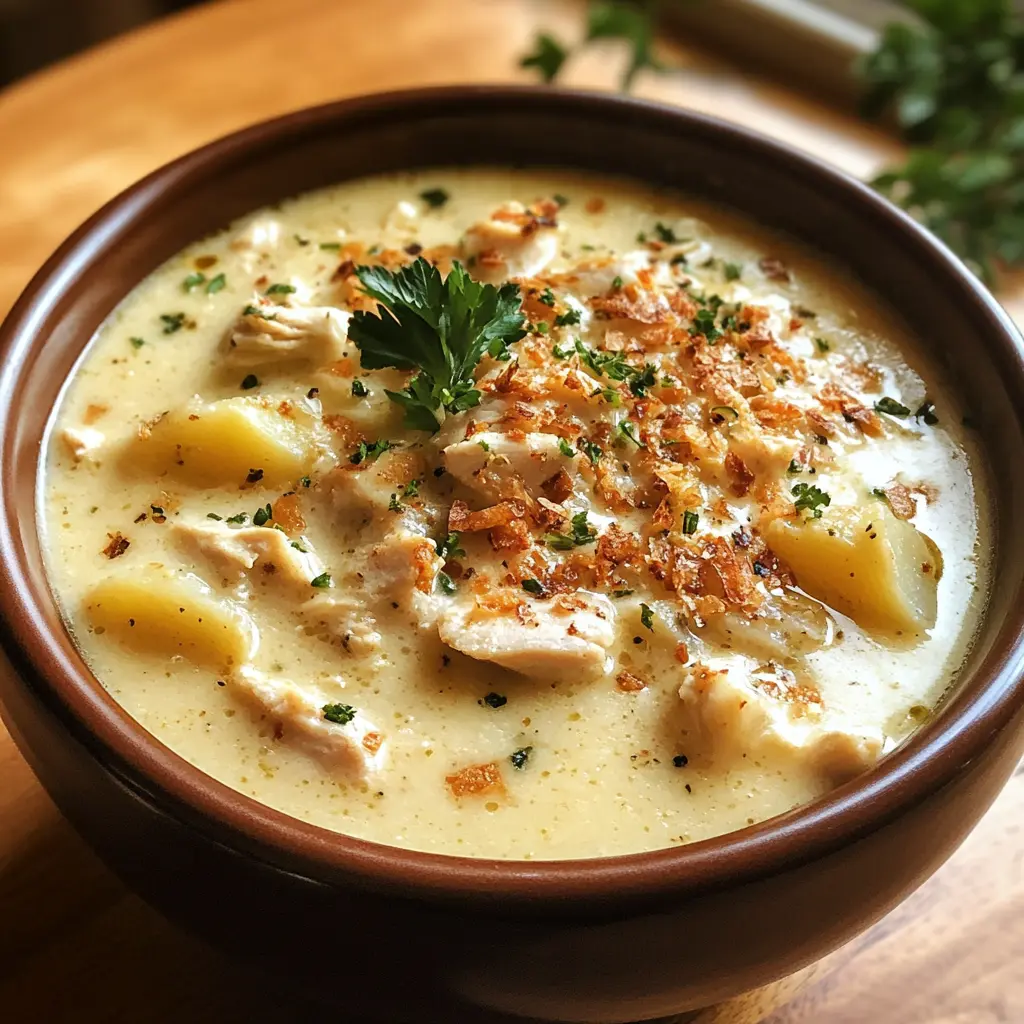
Baked Potato Soup with Rotisserie Chicken: The Ultimate Comfort Food Recipe
Baked potato soup with rotisserie chicken transforms ordinary weeknight dinners into extraordinary comfort food experiences. This hearty, creamy soup combines tender potato chunks, shredded rotisserie chicken, crispy bacon, and melted cheese in a velvety broth that tastes exactly like a loaded baked potato. Whether you’re looking for a quick family dinner or meal prep solution, this recipe delivers maximum flavor with minimal effort.
Why This Soup Is a Game-Changer
Baked potato soup with rotisserie chicken stands out as the ultimate comfort food for busy households. Using pre-cooked rotisserie chicken cuts cooking time significantly while maintaining incredible flavor. The combination of creamy potato base, savory chicken, and classic loaded baked potato toppings creates a complete meal in one bowl.
This soup recipe saves precious time during hectic weekdays. Most versions come together in under 50 minutes from start to finish. The rotisserie chicken eliminates the need for cooking and seasoning raw poultry. Additionally, this soup freezes beautifully, making it perfect for batch cooking and meal planning.
The versatility of this dish allows endless customization. You can adjust the thickness, add your favorite vegetables, or modify toppings based on dietary preferences. Furthermore, it provides substantial nutritional value with protein from chicken, potassium from potatoes, and beneficial vitamins throughout.
Essential Ingredients for Perfect Results
Base Ingredients
The foundation of exceptional baked potato soup with rotisserie chicken starts with quality core ingredients. Russet potatoes work best due to their starchy texture that creates natural creaminess when cooked. Red potatoes or Yukon Gold varieties also perform well and offer thinner skins that don’t require peeling.
Key ingredients include:
-
3-4 pounds russet potatoes, peeled and cubed into ¾-inch pieces
-
3 cups shredded rotisserie chicken
-
10 ounces bacon, diced
-
1 large onion, diced
-
2-3 garlic cloves, minced
-
5 cups chicken broth
-
½ cup heavy cream
-
1 cup sour cream
Flavor Enhancers
Building depth of flavor requires thoughtful seasoning and dairy components. Sharp cheddar cheese provides robust taste that stands up to the other bold ingredients. Monterey Jack cheese adds excellent meltability and mild flavor. Combining multiple cheese varieties creates superior texture and complexity.
Essential flavor builders:
-
2 cups shredded cheddar cheese (sharp works best)
-
4 tablespoons butter
-
¼ cup all-purpose flour
-
1½ teaspoons salt
-
½ teaspoon black pepper
-
½ teaspoon garlic powder
-
Fresh or dried thyme
Optional Add-Ins
Enhancing your baked potato soup with rotisserie chicken becomes simple with strategic additions. Celery and carrots contribute extra vegetables and nutrients while building aromatic depth. Corn kernels add sweetness and textural contrast. Green onions, chives, and fresh herbs brighten the overall flavor profile.
Consider these optional ingredients:
-
2 stalks celery, diced
-
2 medium carrots, diced
-
1 cup corn kernels
-
Sliced jalapeños for heat
-
Smoked paprika for depth
-
Cajun seasoning for spice
Step-by-Step Cooking Instructions
Preparing Your Ingredients
Proper preparation ensures smooth cooking and consistent results. Cut potatoes into uniform ¾-inch cubes so they cook evenly. Dice onions, celery, and carrots into similar-sized pieces. Shred or chop the rotisserie chicken into bite-sized pieces. Prep all ingredients before starting to cook for efficient workflow.
Building the Flavor Base
Start by cooking bacon in a large stockpot or Dutch oven over medium heat until crispy. Remove bacon with a slotted spoon and set aside on paper towels. Leave approximately 2 tablespoons of bacon grease in the pot for flavor.
Add diced onions, celery, and carrots to the bacon fat. Cook for 5-7 minutes until vegetables soften and onions become translucent. Stir in minced garlic and cook for 30 seconds until fragrant. This aromatic base creates the flavor foundation for your soup.
Creating the Roux
Melt butter in the pot with the vegetables. Sprinkle flour evenly over the mixture and stir constantly for 1-2 minutes. This cooking process removes the raw flour taste and creates a roux that thickens your soup. The mixture should look slightly golden and smell nutty.
Slowly whisk in chicken broth while stirring continuously to prevent lumps. The gradual addition ensures smooth incorporation. Pour in the heavy cream and add your cubed potatoes. Season with salt, pepper, garlic powder, and thyme.
Simmering to Perfection
Increase heat to bring the mixture to a gentle boil. Once boiling, reduce heat to low and cover the pot. Simmer for 15-20 minutes, stirring occasionally, until potatoes are fork-tender. The potatoes should pierce easily but still hold their shape.
For extra creamy texture, transfer 2 cups of cooked potatoes and 2 cups of broth to a blender. Blend until completely smooth and return to the pot. This technique creates creaminess without adding excessive dairy. Alternatively, use an immersion blender directly in the pot for partial blending.
Final Assembly
Remove the pot from heat once potatoes reach desired tenderness. Stir in the shredded rotisserie chicken, sour cream, and shredded cheese. Mix gently until cheese melts completely and incorporates throughout. Add half the cooked bacon to the soup, reserving the rest for garnish.
Taste and adjust seasonings as needed. The soup should be thick, creamy, and richly flavored. If too thick, thin with additional chicken broth. If too thin, simmer uncovered for a few more minutes to reduce.
Pro Tips for Extra Creamy Texture
Potato Selection and Cutting
Achieving the perfect creamy consistency starts with proper potato preparation. Cut all potato pieces to the same size to ensure even cooking. Pieces larger than ¾-inch take longer to cook and may remain undercooked inside. Smaller, uniform pieces create better texture distribution.
Russet potatoes contain more starch than other varieties, naturally thickening your soup as they cook. The starch releases into the broth, creating body without excessive dairy. Leave some potatoes slightly chunky for textural interest while blending others completely smooth.
Dairy Incorporation Techniques
Adding dairy products at the right time prevents curdling and separation. Always remove the pot from heat before stirring in sour cream. High heat causes sour cream to break and become grainy. Room temperature dairy incorporates more smoothly than cold ingredients straight from the refrigerator.
For ultra-rich baked potato soup with rotisserie chicken, combine heavy cream with sour cream. The heavy cream adds luxurious mouthfeel while sour cream provides tangy flavor. Whisk dairy ingredients smooth before adding to ensure even distribution throughout the soup.
Thickness Adjustments
Control soup consistency through several effective methods. A cornstarch slurry (2 tablespoons cornstarch mixed with 2 tablespoons water) quickly thickens thin soup. Stir the slurry in gradually while cooking over low heat. The soup thickens within 1-2 minutes of adding the slurry.
Blending a portion of the soup creates natural thickness without additional ingredients. Blend anywhere from one-quarter to half the soup depending on desired consistency. More blending creates smoother texture, while less blending maintains chunky, rustic character.
Delicious Topping Ideas
Classic Loaded Potato Toppings
Transform your baked potato soup with rotisserie chicken into a loaded masterpiece with traditional toppings. Crispy bacon crumbles add essential smokiness and textural contrast. Extra shredded cheddar cheese melts slightly into the hot soup, creating stringy, gooey deliciousness. Sliced green onions or fresh chives provide bright, oniony flavor and beautiful color.
Top each bowl with:
-
Crispy crumbled bacon
-
Shredded sharp cheddar cheese
-
Sliced green onions or chives
-
A dollop of sour cream
-
Freshly ground black pepper
Creative Flavor Additions
Elevate your soup beyond basics with inventive topping combinations. Roasted corn kernels add sweetness and charred flavor notes. Diced jalapeños or pickled jalapeño slices bring welcome heat for spice lovers. Smoked paprika sprinkled on top contributes vibrant color and smoky depth.
Consider these unique options:
-
Crispy fried onions for crunch
-
Fresh herbs like parsley or dill
-
Crushed crackers or croutons
-
Monterey Jack or pepper jack cheese
-
Hot sauce or sriracha drizzle
Serving Suggestions
Complete your meal with complementary side dishes. Crusty bread or Dutch oven bread provides perfect vehicles for soaking up every drop. Grilled cheese sandwiches create a classic comfort food pairing. Fresh green salads balance the richness with crisp, light vegetables. Cornbread or cheese biscuits add Southern-inspired flair.
Storage and Freezing Guidelines
Refrigerator Storage
Properly stored baked potato soup with rotisserie chicken keeps well in the refrigerator. Transfer cooled soup to airtight containers within two hours of cooking. This timeframe prevents bacterial growth and maintains food safety. Refrigerated soup stays fresh for 3-4 days when stored correctly.
Allow soup to cool to room temperature before refrigerating. Dividing into smaller portions speeds cooling and makes reheating more convenient. Label containers with the date to track freshness. Store in the coldest part of your refrigerator, typically the back of the bottom shelf.
Freezing Instructions
Freezing potato soup successfully requires specific techniques. While potato soup can be frozen, dairy-based versions may experience texture changes. Cool soup completely before freezing to prevent bacterial growth. Transfer to airtight freezer-safe containers or heavy-duty freezer bags.
Leave 1-2 inches of headspace in containers for expansion during freezing. Lay freezer bags flat for space-efficient storage and even freezing. Label with contents and date. Frozen potato soup maintains best quality for 1-2 months, though it remains safe for up to 3 months.
Reheating Methods
Thaw frozen soup in the refrigerator overnight for best results. Reheat gently on the stovetop over medium-low heat, stirring frequently. Add chicken broth or milk to restore creamy consistency if the soup appears separated. Avoid boiling, as high heat can cause dairy to break.
Microwave reheating works for individual portions. Transfer soup to a microwave-safe bowl and heat in 1-minute intervals, stirring between each. The soup may need additional liquid after freezing and reheating. Stir thoroughly to reincorporate any separated fats or dairy.

Nutritional Benefits
Protein and Energy
Baked potato soup with rotisserie chicken delivers substantial protein per serving. The rotisserie chicken provides complete protein with all essential amino acids. Cheese, bacon, and dairy products contribute additional protein. This combination supports muscle recovery and promotes satiety.
Potatoes supply complex carbohydrates that provide sustained energy. The carbohydrate-to-potassium ratio makes this soup particularly beneficial for athletes recovering from intense workouts. The combination of protein and carbohydrates creates a balanced meal that satisfies hunger for hours.
Vitamins and Minerals
This soup packs impressive micronutrient content. Potatoes are rich in vitamin C, vitamin B6, and potassium. Vitamin C enhances iron absorption from other ingredients and supports immune function. Potassium helps regulate blood pressure, making potato-based soups potentially beneficial for cardiovascular health.
Additional vegetables like carrots provide beta-carotene for eye health. Onions and garlic contain beneficial compounds with anti-inflammatory properties. The dairy components contribute calcium and vitamin D. Together, these nutrients support overall health and wellness.
Fiber and Digestive Health
Fiber from potatoes and added vegetables supports digestive health. Leaving potato skins on increases fiber content significantly. Fiber promotes feelings of fullness, potentially aiding weight management efforts. Research shows fiber-rich meals increase satiety by up to 30% compared to low-fiber alternatives.
The soluble fiber in properly prepared potato soup can regulate bowel function. For individuals managing digestive issues, the creamy texture provides gentle nutrition. Adding vegetables like celery and carrots boosts fiber content while maintaining smooth, easy-to-digest consistency.
Common Mistakes to Avoid
Overcooking Potatoes
Mushy, overcooked potatoes ruin soup texture. Monitor cooking time carefully once potatoes begin simmering. Test doneness by piercing with a fork at the 15-minute mark. Potatoes should be tender but still hold their shape.
Different potato varieties cook at different rates. Russet potatoes generally take 15-20 minutes, while red potatoes may cook faster. Cut all pieces uniformly to ensure even cooking. Remove the pot from heat immediately when potatoes reach desired tenderness.
Adding Dairy Too Early
Introducing sour cream or cheese at high temperatures causes separation and graininess. Always remove soup from heat before stirring in sour cream. Let the soup cool slightly if it’s rapidly boiling. This simple step ensures smooth, creamy texture throughout.
Add cheese gradually while stirring constantly. The residual heat melts cheese perfectly without direct flame. If cheese doesn’t melt completely, return to very low heat briefly while stirring. Never boil soup after adding dairy products.
Underseasoning
Bland potato soup disappoints even with perfect texture. Season the soup in layers throughout cooking rather than only at the end. Salt the cooking liquid generously before adding potatoes. Taste and adjust seasonings after adding dairy and before serving.
Remember that freezing can dull flavors slightly. When making soup for freezing, season slightly more assertively than usual. Add fresh herbs and final seasonings after reheating for brightest flavor. Trust your taste buds and adjust salt, pepper, and other seasonings as needed.
Frequently Asked Questions
Can I use leftover baked potatoes in baked potato soup with rotisserie chicken?
Yes, leftover baked potatoes work wonderfully and save time. Chop cooled baked potatoes into chunks and add them during the final 5 minutes of cooking. This method reduces simmering time significantly. The pre-cooked potatoes only need to heat through and absorb flavors from the broth.
How do I make this soup in a slow cooker?
Cook bacon separately and set aside. Add potatoes, onions, garlic, chicken broth, and seasonings to the slow cooker. Cook on low for 6-8 hours or high for 3-4 hours. During the last 30 minutes, stir in heavy cream, cheese, sour cream, chicken, and half the bacon. This method creates hands-off convenience.
Can I make baked potato soup with rotisserie chicken dairy-free?
Absolutely, dairy-free versions taste delicious with simple substitutions. Use coconut cream or cashew cream instead of heavy cream. Replace sour cream with dairy-free yogurt or blended soaked cashews. Substitute nutritional yeast or dairy-free cheese alternatives for regular cheese. The potato starch provides natural creaminess without dairy.
Why is my potato soup watery?
Thin soup typically results from insufficient thickening or too much liquid. Create a proper roux by cooking flour in butter before adding liquid. Blend a portion of the cooked potatoes to release starch naturally. Simmer uncovered to reduce excess liquid. Add a cornstarch slurry for quick thickening if needed.
How do I prevent my soup from curdling?
Curdling happens when dairy products encounter high heat or acidic ingredients. Remove soup from heat before adding sour cream or cream cheese. Use full-fat dairy products, which handle heat better than low-fat versions. Bring dairy to room temperature before adding. Stir dairy in gradually rather than dumping it all at once.
What’s the best way to shred rotisserie chicken for soup?
Remove skin and bones from the rotisserie chicken first. Use two forks to pull meat apart into shreds, working with the grain. Alternatively, use your hands to tear the meat into bite-sized pieces. For uniform pieces, chop shredded chicken with a knife. Remove any cartilage or tough bits before adding to soup.
Baked potato soup with rotisserie chicken represents the perfect intersection of comfort, convenience, and incredible flavor. This hearty soup delivers restaurant-quality results with straightforward techniques and accessible ingredients. The combination of creamy potato base, tender chicken, crispy bacon, and melted cheese creates an unforgettable meal that satisfies the whole family. Whether you’re meal prepping for busy weeknights or seeking the ultimate comfort food, this soup recipe delivers every time. Try this recipe today and discover why baked potato soup with rotisserie chicken has become a favorite in kitchens everywhere.
Print
Baked Potato Soup with Rotisserie Chicken
- Total Time: 45 minutes
- Yield: 4 1x
Ingredients
For the Soup:
4 medium russet potatoes, peeled and diced
1 tbsp olive oil or butter
1 small onion, finely chopped
2 cloves garlic, minced
4 cups chicken broth
1 cup milk or cream (or half-and-half)
2 cups shredded rotisserie chicken
1 tsp salt
½ tsp black pepper
½ tsp paprika (optional)
Toppings (optional but recommended):
½ cup shredded cheddar cheese
4 slices cooked bacon, crumbled
2–3 green onions, sliced
Sour cream, for serving
Instructions
-
Prep the Potatoes:
Peel and dice potatoes into small cubes. -
Cook Aromatics:
In a large pot, heat olive oil or butter over medium heat. Add onion and sauté 3–4 minutes until softened. Add garlic and cook 30 seconds until fragrant. -
Simmer Potatoes:
Add diced potatoes, chicken broth, salt, pepper, and paprika. Bring to a boil, then reduce heat and simmer 15–20 minutes until potatoes are tender. -
Mash or Blend:
Use a potato masher for a chunky texture or an immersion blender for a smooth soup. -
Add Chicken & Milk:
Stir in shredded rotisserie chicken and milk or cream. Heat gently 5 minutes until warmed through. Adjust seasoning to taste. -
Serve:
Ladle soup into bowls and top with cheddar cheese, bacon, green onions, and a dollop of sour cream.
Notes
For extra richness, use half cream and half milk.
Can make ahead and store in the fridge for 2–3 days; reheat gently.
Add extra texture with corn, diced carrots, or celery if desired.
For a lower-carb option, use cauliflower instead of potatoes.
- Prep Time: 15
- Cook Time: 30
Nutrition
- Calories: 480