
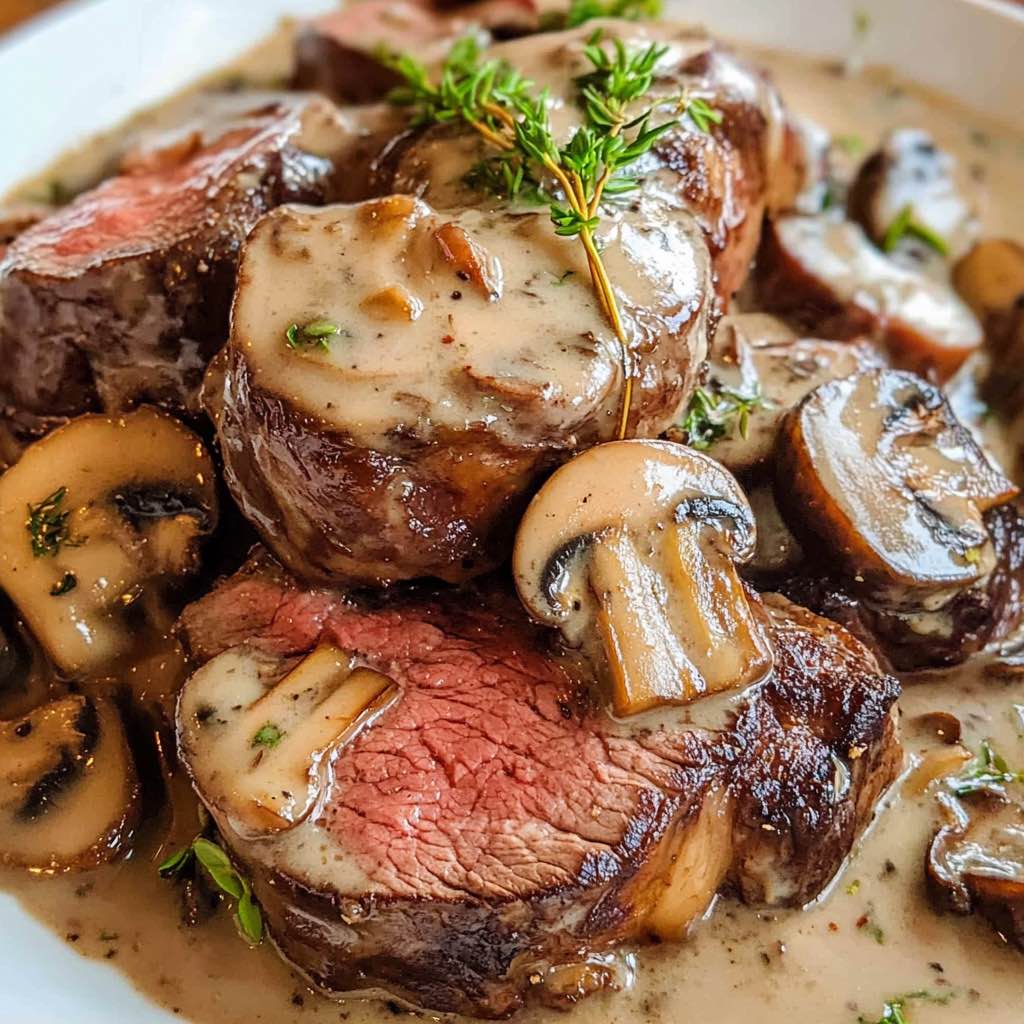
Beef Tenderloin with Mushroom Gravy: The Ultimate Guide to Perfect Preparation
Beef tenderloin with mushroom gravy represents the pinnacle of elegant home cooking. This premium cut of meat, when paired with rich, savory mushroom gravy, creates a dish that transforms any ordinary meal into a special occasion. Whether you’re planning a holiday dinner or simply want to elevate your weeknight cooking, mastering this classic combination will impress family and guests alike.
Table of Contents
Understanding Beef Tenderloin
Beef tenderloin stands as one of the most prized cuts in the culinary world. Furthermore, this muscle runs along the spine of the cow and rarely gets used, resulting in incredibly tender meat. The tenderloin’s cylindrical shape and uniform texture make it ideal for special occasions and fine dining experiences.
The cut consists of several parts, each offering unique characteristics. The head, or butt end, provides the thickest portion with consistent marbling. Meanwhile, the tail end tapers to a point and cooks faster than the center. Understanding these differences helps ensure even cooking throughout your beef tenderloin with mushroom gravy preparation.
Why Choose Tenderloin
Several factors make tenderloin the premium choice for special meals. First, its exceptional tenderness requires minimal chewing, making it accessible to all ages. Second, the mild flavor profile allows complementary ingredients, like mushroom gravy, to shine through. Third, its impressive presentation creates memorable dining experiences.
Additionally, tenderloin’s consistent texture ensures predictable cooking results. This reliability becomes especially important when preparing beef tenderloin with mushroom gravy for important occasions. The cut’s forgiving nature also makes it suitable for both novice and experienced home cooks.
Selecting the Perfect Cut
Choosing quality beef tenderloin significantly impacts your final dish’s success. Therefore, understanding what to look for ensures optimal results. Fresh tenderloin should display bright red color with minimal browning around edges. The surface should feel firm to touch while maintaining slight give under pressure.
Marbling, those thin white fat streaks throughout the meat, contributes to flavor and moisture retention. However, tenderloin naturally contains less marbling than other premium cuts. Instead, focus on overall color consistency and absence of dark spots or off odors.
Size Considerations
Whole tenderloins typically weigh between four and six pounds before trimming. For beef tenderloin with mushroom gravy, plan approximately six to eight ounces per person for main course servings. This calculation accounts for bone and fat removal during preparation.
Consider your cooking method when selecting size. Roasting whole tenderloins works best for larger groups, while individual steaks suit smaller gatherings. Furthermore, consistent thickness throughout the cut ensures even cooking and professional presentation.
Grade and Sourcing
USDA Prime grade offers the highest quality with superior marbling and tenderness. Choice grade provides excellent quality at more accessible price points. Meanwhile, grass-fed options deliver distinct flavor profiles and lean characteristics.
Local butcher shops often provide superior cuts compared to grocery stores. They can also trim and tie your tenderloin professionally, saving preparation time. Additionally, establishing relationships with quality butchers provides access to seasonal specials and expert advice.
Essential Equipment and Ingredients
Proper equipment ensures successful beef tenderloin with mushroom gravy preparation. A reliable meat thermometer becomes absolutely essential for achieving perfect doneness. Digital instant-read models provide quick, accurate temperature readings throughout the cooking process.
Heavy-bottomed pans distribute heat evenly and prevent hot spots that could overcook portions of your tenderloin. Cast iron or stainless steel options work excellently for both searing and oven finishing. Additionally, a sturdy roasting pan accommodates whole tenderloins when feeding larger groups.
Kitchen Tools Checklist
Essential tools streamline your cooking process and improve results. Sharp knives enable precise trimming and clean cuts through cooked meat. Cutting boards should be large enough to accommodate the full tenderloin length. Furthermore, kitchen twine helps secure trimmed tenderloins for even cooking.
Measuring cups and spoons ensure accurate seasoning and gravy preparation. Whisks blend ingredients smoothly while preventing lumps in your mushroom gravy. Additionally, fine-mesh strainers remove unwanted particles from finished sauces.
Ingredient Selection
Quality ingredients elevate your beef tenderloin with mushroom gravy beyond ordinary meals. Fresh herbs like thyme, rosemary, and sage complement beef’s rich flavors naturally. Kosher salt and freshly cracked black pepper provide essential seasoning without overwhelming the meat’s natural taste.
For mushroom gravy, select firm, fresh mushrooms with intact caps and stems. Button mushrooms offer mild flavor, while cremini mushrooms provide deeper, earthier notes. Shiitake mushrooms contribute umami richness that enhances overall dish complexity.
Preparation Techniques
Proper preparation sets the foundation for exceptional beef tenderloin with mushroom gravy. Begin by removing the silver skin, that tough membrane covering portions of the tenderloin. Use a sharp boning knife to carefully separate this membrane from the meat underneath.
Trimming excess fat helps prevent flare-ups during cooking while maintaining necessary moisture. Leave approximately one-quarter inch of fat cap when present, as this renders during cooking and bastes the meat naturally. Furthermore, removing excess fat ensures more even browning and better presentation.
Tying and Shaping
Tying your trimmed tenderloin creates uniform thickness for even cooking. Use kitchen twine to secure the tapered tail end underneath the main body. This technique prevents overcooking of thinner sections while ensuring the thickest portions reach proper doneness.
Space ties approximately two inches apart along the tenderloin’s length. Additionally, secure any loose pieces to maintain the roast’s structural integrity. Proper tying also improves presentation and makes carving easier after cooking.
Seasoning Strategies
Seasoning penetrates meat fibers and enhances natural flavors throughout your beef tenderloin. Salt draws moisture initially but then reabsorbs along with dissolved minerals, concentrating flavor. Apply seasoning at least forty-five minutes before cooking for optimal penetration.
Create custom spice blends using garlic powder, onion powder, dried herbs, and black pepper. These combinations complement the mushroom gravy while adding complexity to the meat itself. Moreover, avoid overseasoning, as tenderloin’s delicate flavor should remain prominent.
Cooking Methods for Beef Tenderloin
Multiple cooking methods produce excellent results with beef tenderloin, each offering unique advantages. Roasting provides even cooking for whole tenderloins while developing beautiful exterior crusts. Pan-searing creates intense flavors through caramelization before finishing in the oven.
Reverse searing, cooking slowly at low temperatures before high-heat finishing, ensures precise doneness control. This method works particularly well with thicker cuts and produces exceptionally even cooking throughout. Furthermore, the technique reduces risk of overcooking expensive meat.
Roasting Technique
Preheat your oven to 425°F for optimal roasting results. Sear the seasoned tenderloin in an oven-safe pan with high-heat oil until browned on all sides. This initial searing creates flavor compounds through the Maillard reaction while establishing the crust.
Transfer the seared tenderloin to your preheated oven immediately. Roasting times vary based on thickness and desired doneness, typically requiring fifteen to twenty-five minutes. Additionally, use your meat thermometer to monitor internal temperature progression.
Pan-Searing Method
Pan-searing works excellently for individual steaks cut from the tenderloin. Heat a heavy skillet over medium-high heat until it begins smoking slightly. Add a small amount of high-heat cooking oil to prevent sticking.
Place seasoned steaks in the hot pan without overcrowding. Cook undisturbed for three to four minutes to develop proper searing. Then, flip once and continue cooking until desired doneness is reached. Furthermore, this method allows for precise control over each individual portion.
Creating Perfect Mushroom Gravy
Exceptional mushroom gravy transforms good beef tenderloin into memorable beef tenderloin with mushroom gravy. Start with high-quality mushrooms, cleaning them gently with damp paper towels rather than washing directly. Washing can waterlog mushrooms and dilute their concentrated flavors.
Slice mushrooms uniformly for even cooking and consistent texture throughout your gravy. Thicker slices maintain more substantial texture, while thinner slices integrate more completely into the sauce. Additionally, different mushroom varieties contribute unique flavor profiles to the finished gravy.
Building Flavor Base
Sautéing mushrooms properly concentrates their flavors and removes excess moisture. Cook them in batches to avoid overcrowding, which causes steaming rather than browning. High heat initially evaporates surface moisture before browning begins.
Add aromatics like minced garlic, diced shallots, or chopped onions after mushrooms develop color. These ingredients burn easily, so timing their addition prevents bitter flavors in your finished gravy. Furthermore, fresh herbs added near the end preserve their bright flavors.
Thickening Techniques
Several methods create smooth, properly thickened mushroom gravy. Flour-based roux provides traditional thickness and helps bind flavors together. Create roux by cooking equal parts flour and fat until the raw flour taste disappears completely.
Cornstarch slurries offer gluten-free thickening options while maintaining cleaner mushroom flavors. Mix cornstarch with cold liquid before adding to prevent lumps. Additionally, reduction techniques concentrate flavors naturally while achieving desired consistency.
Step-by-Step Recipe Guide
This comprehensive recipe produces restaurant-quality beef tenderloin with mushroom gravy in your home kitchen. Plan approximately two hours total time, including preparation, cooking, and resting periods. Additionally, read through all steps before beginning to ensure smooth execution.
Ingredients for Beef Tenderloin
-
3-4 pound beef tenderloin, trimmed and tied
-
2 tablespoons olive oil
-
2 teaspoons kosher salt
-
1 teaspoon freshly ground black pepper
-
1 teaspoon garlic powder
-
1 teaspoon dried thyme
-
1/2 teaspoon dried rosemary
Ingredients for Mushroom Gravy
-
1 pound mixed mushrooms (button, cremini, shiitake), sliced
-
3 tablespoons butter
-
2 tablespoons all-purpose flour
-
2 cups beef stock
-
1 large shallot, minced
-
3 cloves garlic, minced
-
2 tablespoons fresh thyme leaves
-
Salt and pepper to taste
Preparation Steps
First, remove the beef tenderloin from refrigeration thirty minutes before cooking. This allows the meat to reach room temperature for more even cooking. Meanwhile, preheat your oven to 425°F and position the rack in the center.
Combine salt, pepper, garlic powder, thyme, and rosemary in a small bowl. Rub this mixture evenly over the entire tenderloin surface. The seasoning should coat all surfaces while avoiding excessive buildup in any single area.
Heat olive oil in a large oven-safe skillet over medium-high heat. When the oil begins shimmering, carefully place the seasoned tenderloin in the pan. Sear all sides until deeply browned, approximately two to three minutes per side.
Cooking Process
Transfer the seared tenderloin to your preheated oven immediately. Roast for fifteen to twenty-five minutes, depending on desired doneness and thickness. Use a meat thermometer to monitor internal temperature progression throughout cooking.
For medium-rare doneness, remove the tenderloin when it reaches 125°F internally. The temperature will continue rising during resting, reaching the target 130-135°F. Additionally, tent the cooked meat with foil and rest for ten minutes before carving.
While the tenderloin rests, prepare your mushroom gravy using the same skillet. The browned bits left from searing add incredible depth to the finished sauce. Furthermore, this technique maximizes flavor development while minimizing cleanup.
Mushroom Gravy Instructions
Heat butter in the reserved skillet over medium heat. Add sliced mushrooms in a single layer, cooking without stirring for four to five minutes. This initial cooking develops the browning that creates complex flavors.
Stir mushrooms once, then continue cooking until tender and golden brown. Add minced shallot and garlic, cooking for one additional minute until fragrant. Subsequently, sprinkle flour over the mushroom mixture and stir constantly for two minutes.
Gradually add beef stock while stirring continuously to prevent lumps. Bring the mixture to a simmer and cook until thickened, approximately five to seven minutes. Season with salt, pepper, and fresh thyme before serving alongside your sliced beef tenderloin.
Pro Tips for Success
Temperature control represents the most critical factor in beef tenderloin success. Invest in a quality meat thermometer and learn to trust its readings over visual cues. Additionally, remember that carryover cooking continues raising internal temperatures after removal from heat.
Allow adequate resting time before carving your beef tenderloin with mushroom gravy. This resting period redistributes juices throughout the meat, preventing them from running out during slicing. Furthermore, resting makes carving easier and improves presentation.
Timing Coordination
Coordinate cooking times to ensure both components finish simultaneously. Start the tenderloin first, as it requires the longest cooking time. Begin mushroom gravy preparation during the meat’s resting period for optimal timing.
Prepare mise en place before beginning any cooking processes. Having all ingredients measured, chopped, and ready streamlines cooking and prevents rushed mistakes. Additionally, clean equipment and organized workspace improve cooking efficiency.
Temperature Guidelines
Understanding target temperatures ensures consistent results every time you prepare beef tenderloin. Rare requires 120-125°F internal temperature, while medium-rare reaches 130-135°F. Medium doneness occurs at 135-145°F, though many consider this overcooked for premium tenderloin.
Remove meat five degrees before your target temperature to account for carryover cooking. This technique prevents overshooting desired doneness levels. Furthermore, thick cuts experience more carryover than thin cuts, so adjust accordingly.
Serving Suggestions and Pairings
Beef tenderloin with mushroom gravy pairs beautifully with various side dishes that complement without competing. Roasted vegetables like asparagus, Brussels sprouts, or carrots provide color contrast and nutritional balance. Additionally, their caramelized flavors enhance the overall meal experience.
Creamy mashed potatoes create comfort food appeal while absorbing excess gravy deliciously. Garlic mashed potatoes add aromatic complexity that bridges the beef and mushroom flavors. Furthermore, their smooth texture provides pleasant contrast to the meat’s firm bite.
Vegetable Accompaniments
Sautéed green beans with almonds contribute crunch and freshness to rich beef preparations. Steam vegetables lightly before finishing with butter and seasoning to maintain their vibrant colors. Moreover, properly cooked vegetables should retain slight firmness rather than becoming mushy.
Roasted root vegetables like parsnips, turnips, and carrots develop natural sweetness that complements savory beef flavors. Toss vegetables with olive oil, salt, and herbs before roasting at high temperatures. Additionally, cut vegetables uniformly for even cooking results.
Starch Options
Beyond traditional potatoes, consider rice pilaf or wild rice as sophisticated alternatives. These grains absorb mushroom gravy while providing different textural experiences. Furthermore, herb-infused preparations add aromatic complexity to your plate composition.
Fresh pasta, particularly egg noodles or pappardelle, creates elegant presentations while showcasing the rich gravy. Cook pasta until al dente, then toss with a small amount of gravy before plating. This technique ensures proper sauce adhesion and distribution.
Nutritional Benefits
Beef tenderloin provides exceptional protein quality with all essential amino acids in optimal proportions. A six-ounce serving delivers approximately fifty grams of complete protein, supporting muscle maintenance and growth. Additionally, this protein helps maintain satiety and supports healthy metabolism.
The cut contains significant amounts of iron, zinc, and vitamin B12, nutrients often lacking in modern diets. Iron supports oxygen transport throughout the body, while zinc aids immune function and wound healing. Furthermore, vitamin B12 becomes essential for nervous system health and energy metabolism.
Lean Protein Source
Compared to other beef cuts, tenderloin contains relatively low fat content while maintaining rich flavor. Trimmed properly, it provides lean protein without excessive saturated fat. This characteristic makes beef tenderloin with mushroom gravy suitable for health-conscious dining approaches.
Mushrooms contribute additional nutritional benefits while keeping calorie counts reasonable. They provide potassium, selenium, and various B vitamins without adding significant calories. Additionally, mushrooms contain compounds that may support immune system function.
Balanced Meal Planning
Incorporating vegetables and appropriate portions creates nutritionally balanced meals featuring beef tenderloin. Aim for half your plate filled with vegetables, one-quarter with the protein, and one-quarter with appropriate starches. This balance provides comprehensive nutrition while maintaining portion control.
Consider your overall weekly protein intake when planning beef tenderloin meals. While nutritious, beef shouldn’t dominate your protein sources. Furthermore, varying protein choices ensures comprehensive nutrient intake and prevents dietary monotony.
Storage and Reheating
Proper storage maintains quality and safety of leftover beef tenderloin with mushroom gravy. Refrigerate cooked beef within two hours of serving to prevent bacterial growth. Store sliced meat separately from gravy when possible to maintain optimal textures.
Wrap leftover tenderloin tightly in plastic wrap or aluminum foil before refrigeration. This prevents surface drying and flavor absorption from other foods. Additionally, consume refrigerated leftovers within three to four days for best quality and safety.
Reheating Techniques
Gentle reheating preserves tenderloin’s delicate texture and prevents overcooking. Low oven temperatures work best for maintaining moisture and even heating throughout. Avoid microwave reheating, which can create tough, rubbery textures in premium beef cuts.
Preheat your oven to 250°F and place sliced tenderloin in a covered baking dish. Add a small amount of beef stock or gravy to prevent drying during reheating. Furthermore, monitor internal temperature to avoid exceeding original doneness levels.
Freezing Guidelines
While possible, freezing cooked beef tenderloin affects texture quality significantly. Raw tenderloin freezes better than cooked, maintaining more of its original characteristics. If freezing becomes necessary, wrap portions individually and use within three months.
Thaw frozen beef slowly in refrigeration rather than at room temperature. This gradual process minimizes texture changes while maintaining food safety. Additionally, never refreeze previously frozen and thawed beef products.
Frequently Asked Questions
How long should I cook beef tenderloin with mushroom gravy?
Cooking times for beef tenderloin vary based on thickness and desired doneness. Generally, roast at 425°F for 15-25 minutes after searing. Use a meat thermometer for accuracy rather than relying solely on time. Additionally, remember that resting time allows carryover cooking to complete the process.
Can I prepare beef tenderloin with mushroom gravy ahead of time?
You can season and trim the tenderloin up to 24 hours in advance, storing it covered in refrigeration. However, cook it fresh for optimal texture and flavor. The mushroom gravy base can be prepared earlier and finished while the meat rests.
What’s the best way to slice cooked beef tenderloin?
Use a sharp carving knife to cut against the grain in thick slices, approximately half-inch to three-quarter-inch thick. Let the meat rest before slicing to retain juices. Furthermore, clean your knife between cuts for neater presentation.
How do I know when my beef tenderloin is done cooking?
A meat thermometer provides the most accurate doneness assessment. Target 125°F for medium-rare, remembering that temperature rises during resting. Additionally, the meat should feel firm but springy when pressed gently with your finger.
Can I substitute different mushrooms in the gravy?
Absolutely! Different mushroom varieties create unique flavor profiles in your gravy. Portobello mushrooms provide meaty texture, while oyster mushrooms offer delicate flavors. Mix varieties for complexity, and adjust cooking times based on mushroom density and size.
Mastering beef tenderloin with mushroom gravy elevates your home cooking to restaurant quality. This comprehensive guide provides all necessary techniques, tips, and knowledge for consistent success. Remember that practice improves results, so don’t hesitate to experiment with variations and personal touches.
The combination of tender beef and rich mushroom gravy creates memorable dining experiences for any occasion. Whether celebrating special events or simply treating yourself to exceptional food, this dish delivers satisfaction and elegance. Start planning your next beef tenderloin with mushroom gravy preparation and enjoy the compliments that follow!
Beef Tenderloin with Mushroom Gravy
Description
Ingredients
Beef Tenderloin:
-
2 pounds beef tenderloin, trimmed and tied
-
1½ teaspoons salt
-
1 teaspoon black pepper, freshly ground
-
2 garlic cloves, minced
-
½ tablespoon fresh thyme leaves, minced
-
2 tablespoons olive oil
Mushroom Gravy:
-
2 tablespoons unsalted butter
-
1 tablespoon olive oil
-
½ cup yellow onion, finely chopped
-
16 ounces baby bella mushrooms, thickly sliced
-
2 garlic cloves, minced
-
½ tablespoon fresh thyme leaves, minced
-
½ teaspoon salt
-
½ teaspoon black pepper
-
1 cup beef broth
-
½ cup heavy whipping cream
Instructions
Prepare the Beef
Remove the beef tenderloin from refrigeration 1-2 hours before cooking to bring to room temperature. Preheat oven to 400°F. Season the tenderloin generously with salt, pepper, minced garlic, and thyme, rubbing the seasonings into the meat.
Sear the Tenderloin
Heat olive oil in a large oven-safe skillet over medium-high heat. Sear the tenderloin on all sides until golden brown, about 2-3 minutes per side. Transfer the skillet to the preheated oven and roast for 15-20 minutes, or until internal temperature reaches 125°F for medium-rare.
Rest the Meat
Remove the tenderloin from the skillet and tent with foil, allowing it to rest for 10-15 minutes while preparing the mushroom gravy. The internal temperature will continue to rise during resting.
Make the Mushroom Gravy
Place the same skillet over medium-high heat, keeping any pan drippings. Add butter and olive oil, then add the chopped onion and sliced mushrooms. Cook for 6-8 minutes, stirring occasionally, until mushrooms release their moisture and begin to brown.
Add minced garlic and thyme, cooking for another minute until fragrant. scraping up any browned bits from the bottom. Add beef broth and bring to a simmer, cooking for 3-4 minutes to reduce slightly.
Stir in the heavy cream and season with salt and pepper to taste. Simmer for 2-3 minutes until the sauce reaches desired consistency.