
Beet and Sweet Potato Hash: A Vibrant, Nutrient-Packed Comfort Dish
Introduction
Beet and Sweet Potato Hash is a colorful, nutritious breakfast or brunch dish that combines earthy beets with naturally sweet potatoes to create a satisfying meal bursting with flavor and vitamins. This one-pan wonder has become a favorite among home cooks seeking wholesome comfort food that’s both delicious and visually stunning. Whether you’re preparing a weekend breakfast, meal prepping for the week, or hosting a brunch gathering, this vibrant hash delivers on taste, nutrition, and presentation. The combination of roasted root vegetables creates a naturally caramelized crust while maintaining tender interiors, making every bite a delightful experience.
What Is Beet and Sweet Potato Hash?
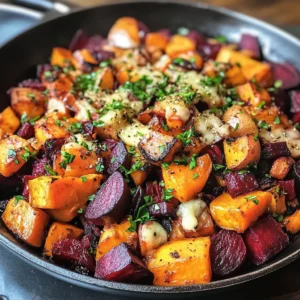
Beet and Sweet Potato Hash is a savory skillet dish featuring diced beets and sweet potatoes cooked until golden and crispy, typically seasoned with aromatic spices and served with eggs or as a standalone side. The dish originated from traditional hash recipes that utilize leftover vegetables, but this modern version elevates humble root vegetables into a gourmet experience. The natural sugars in both vegetables caramelize during cooking, creating depth of flavor and appealing texture contrasts between the crispy exterior and tender interior.
Origins and Popularity
Hash recipes have existed for centuries as practical ways to use leftover ingredients, but the beet and sweet potato variation gained prominence in recent years as plant-forward eating became more popular. This particular combination appeals to those seeking colorful, Instagram-worthy meals that also pack substantial nutritional value. The vibrant purple-red hues from beets combined with orange sweet potatoes create an eye-catching presentation that makes this dish perfect for special occasions and everyday meals alike.
Health Benefits of Beet and Sweet Potato Hash
This nutrient-dense dish offers numerous health advantages that make it more than just a tasty breakfast option. Both primary ingredients are considered superfoods packed with essential vitamins, minerals, and beneficial plant compounds.
Nutritional Powerhouses
-
Beets: Rich in folate, manganese, and nitrates that support cardiovascular health and may improve athletic performance
-
Sweet Potatoes: Loaded with beta-carotene, vitamin C, fiber, and potassium for immune support and digestive health
-
Antioxidants: Both vegetables contain powerful antioxidants that combat oxidative stress and inflammation
-
Fiber Content: This hash provides substantial dietary fiber that promotes satiety and supports healthy digestion
-
Low Calorie Density: Despite being filling, this dish remains relatively low in calories while high in volume
Blood Sugar Management
The fiber content in Beet and Sweet Potato Hash helps slow digestion and prevents rapid blood sugar spikes. Sweet potatoes have a lower glycemic index compared to regular potatoes, making this hash a better choice for maintaining stable energy levels throughout the morning. The addition of healthy fats from cooking oils and proteins from eggs further moderates the glycemic response.
Essential Ingredients for the Perfect Hash
Creating an exceptional Beet and Sweet Potato Hash requires quality ingredients and proper proportions. The simplicity of this dish means each component matters significantly.
Core Vegetables
-
2 medium beets: Choose firm, unblemished beets with deep color; red, golden, or a combination works beautifully
-
2 medium sweet potatoes: Look for sweet potatoes that feel heavy for their size with smooth, firm skin
-
1 medium onion: Yellow or red onions add sweetness and depth; choose based on your flavor preference
-
4 cloves garlic: Fresh garlic provides aromatic complexity that dried versions cannot match
Seasoning and Fats
-
2-3 tablespoons olive oil or avocado oil: High-quality cooking oil prevents sticking and aids browning
-
1 teaspoon smoked paprika: Adds smoky depth without overwhelming the natural vegetable flavors
-
½ teaspoon cumin: Provides earthy warmth that complements root vegetables perfectly
-
½ teaspoon coriander: Offers subtle citrus notes that brighten the dish
-
Salt and black pepper: Season generously to enhance natural flavors
-
Optional: cayenne pepper: Add heat according to your preference
Optional Additions
Consider incorporating beet greens, kale, or spinach for extra nutrients and color contrast. Fresh herbs like parsley, cilantro, or chives add brightness as garnishes. For protein, eggs cooked any style make traditional pairings, though this hash stands alone as a satisfying side dish.
Step-by-Step Cooking Instructions
Follow these detailed instructions to create perfectly cooked Beet and Sweet Potato Hash with ideal texture and flavor.
Preparation Method
-
Preheat your oven to 400°F if using the roasting method, or prepare your largest skillet for stovetop cooking
-
Peel and dice vegetables: Cut beets and sweet potatoes into uniform ½-inch cubes for even cooking
-
Chop aromatics: Dice onion and mince garlic cloves finely for distribution throughout the hash
-
Mix seasonings: Combine paprika, cumin, coriander, salt, and pepper in a small bowl
Roasting Method
The roasting method produces exceptionally crispy edges and concentrates flavors through caramelization. Line a large baking sheet with parchment paper and spread vegetables in a single layer. Drizzle with oil and toss with seasonings until evenly coated. Roast for 35-40 minutes, stirring halfway through, until vegetables are fork-tender with golden-brown edges. Transfer to a skillet with onions and garlic for final crisping and flavor melding.
Stovetop Method
For quicker preparation, the stovetop method works excellently. Heat oil in a large cast-iron skillet over medium-high heat. Add diced beets first as they require slightly longer cooking time, stirring occasionally for 10 minutes. Add sweet potatoes and continue cooking for another 15 minutes, stirring every few minutes to develop even browning. Push vegetables to the sides and add more oil if needed before sautéing onions and garlic until fragrant. Mix everything together and let the hash develop a crispy bottom crust for 3-5 minutes without stirring.
Final Touches
Once vegetables are tender and edges are crispy, taste and adjust seasoning as needed. Add fresh greens like kale or beet greens during the last 2 minutes of cooking, allowing them to wilt gently. Remove from heat and garnish with fresh herbs before serving immediately for best texture.
Expert Tips for Crispy, Flavorful Hash
Achieving restaurant-quality results requires attention to several key techniques that elevate your Beet and Sweet Potato Hash.
Size and Shape Consistency
Cut all vegetables to the same size for uniform cooking. Inconsistent pieces result in some vegetables turning mushy while others remain undercooked. Aim for ½-inch cubes as this size balances cooking time with surface area for browning. Use a sharp chef’s knife and take your time with prep work for the best outcome.
Don’t Overcrowd the Pan
Crowding prevents proper browning and steaming occurs instead of crisping. Use the largest skillet available or cook in batches if necessary. Vegetables should have space between pieces to allow moisture to evaporate and edges to caramelize. For oven roasting, use two baking sheets rather than cramming everything onto one.
Resist the Urge to Stir Constantly
Allow vegetables to sit undisturbed for several minutes between stirring. This patience lets the natural sugars caramelize and creates the desirable crispy crust. Constant stirring prevents browning and results in soft, less flavorful hash. Stir only every 3-5 minutes during stovetop cooking.
Choose the Right Cooking Fat
Oils with high smoke points like avocado oil or refined olive oil work best for high-heat cooking. These fats withstand the temperatures needed for proper browning without burning or developing bitter flavors. Use enough oil to lightly coat all vegetables—skimping on fat leads to sticking and uneven cooking.
Creative Variations and Customizations
Transform your basic Beet and Sweet Potato Hash into exciting new versions with these creative adaptations.
Protein Additions
-
Eggs: Top with fried, poached, or scrambled eggs for a complete breakfast
-
Chickpeas: Add roasted chickpeas for plant-based protein and extra crunch
-
Bacon or sausage: Cook meat first and use rendered fat for cooking vegetables
-
Smoked salmon: Serve hash as a base for flaked smoked salmon and fresh dill
Vegetable Variations
Incorporate additional vegetables to customize nutrition and flavor profiles. Golden beets create a milder, sweeter version compared to red beets. Add bell peppers for sweetness and color contrast. Include Brussels sprouts for nutty flavor and textural variety. Incorporate butternut squash alongside sweet potatoes for extra creaminess.
Seasoning Profiles
Experiment with different spice combinations to create globally inspired versions. Try curry powder, turmeric, and ginger for an Indian-inspired hash. Use za’atar, sumac, and lemon zest for Middle Eastern flair. Add chili powder, cumin, and lime for Mexican-style breakfast hash. Incorporate fresh rosemary and thyme for herbaceous Mediterranean notes.
Dietary Modifications
This recipe naturally accommodates various dietary preferences. The hash is already vegan when eggs are omitted, naturally gluten-free, and easily made Whole30 or paleo compliant. For low-carb diets, reduce sweet potato quantities and increase non-starchy vegetables like mushrooms and zucchini. For added richness, top with avocado slices or cashew cream.
Serving Suggestions and Pairings
Present your Beet and Sweet Potato Hash in appealing ways that enhance the eating experience.
Breakfast and Brunch Ideas
Serve the hash as the centerpiece of a hearty weekend breakfast. Top individual portions with perfectly cooked eggs—runny yolks create a luxurious sauce that coats the vegetables beautifully. Add a dollop of Greek yogurt or sour cream for tangy richness. Sprinkle with crumbled feta or goat cheese for salty contrast. Accompany with whole-grain toast or English muffins for soaking up flavors.
Lunch and Dinner Applications
This versatile hash transitions seamlessly to later meals. Serve as a colorful side dish alongside roasted chicken or grilled fish. Use as a bed for seared steak or pork chops. Incorporate into grain bowls with quinoa, tahini sauce, and leafy greens. Pack as a meal-prep lunch container with hummus and raw vegetables.
Garnishes and Toppings
Elevate presentation with thoughtful finishing touches. Fresh herbs like parsley, cilantro, dill, or chives add color and brightness. Toasted seeds like pumpkin or sunflower seeds provide crunch. A squeeze of fresh lemon juice brightens earthy flavors. Hot sauce or sriracha adds welcome heat. Microgreens create an elegant, restaurant-style appearance.
Storage and Meal Prep Guidelines
Maximize efficiency by preparing Beet and Sweet Potato Hash in advance.
Refrigeration Instructions
Store cooled hash in airtight containers in the refrigerator for up to 4 days. Separate any toppings like eggs or fresh herbs and store them separately for best quality. Allow hash to cool completely before sealing to prevent condensation and sogginess. Label containers with preparation dates for food safety tracking.
Reheating Methods
Restore texture when reheating for optimal eating quality. The best method involves reheating in a skillet over medium heat with a small amount of oil, allowing the hash to re-crisp for 5-7 minutes. Alternatively, spread on a baking sheet and reheat in a 375°F oven for 10-15 minutes. Microwave reheating works but produces softer texture—add a quick stovetop crisp afterward if possible.
Freezing and Long-Term Storage
Freeze cooked hash for up to 3 months in freezer-safe containers or bags. Portion into single servings for convenient grab-and-go meals. Thaw overnight in the refrigerator before reheating. Note that texture becomes slightly softer after freezing, but flavor remains excellent. Raw vegetables can also be prepped and frozen before cooking, though some moisture loss occurs.
Meal Prep Strategy
Prepare components in advance for quick weekday assembly. Dice and store raw vegetables separately in the refrigerator for up to 3 days. Combine and cook the night before serving, then reheat in the morning. Roast large batches on Sunday for easy breakfast throughout the week. Pre-portion with different proteins or toppings for variety.
Frequently Asked Questions
How do I prevent beets from staining everything?
Wear disposable gloves when handling raw beets to protect your hands. Peel beets under running water to minimize staining. If using golden beets alongside red ones, prepare and cook them separately to maintain distinct colors. For cutting boards, rub with lemon juice immediately after use to prevent permanent staining.
Can I make Beet and Sweet Potato Hash without eggs?
Absolutely—this hash stands alone as a delicious vegan side dish or main course. Add extra protein through chickpeas, tofu scramble, or tempeh. The vegetables themselves provide substantial nutrition and satisfaction without animal products. Top with avocado for healthy fats and creamy texture.
What’s the difference between roasting and pan-frying?
Roasting in the oven requires less attention and produces even cooking throughout. Pan-frying on the stovetop offers more control and faster cooking but requires more frequent stirring. Roasting works better for large batches, while stovetop cooking excels for quick single servings. Some cooks combine methods by roasting vegetables first then finishing in a skillet for maximum crispiness.
How can I tell when the hash is done?
Properly cooked hash features vegetables that are fork-tender inside with golden-brown, crispy edges. Pierce with a fork—vegetables should yield easily without being mushy. Visual cues include caramelized edges and some charred spots. Taste-testing ensures seasoning is correct and texture meets your preference.
What should I serve with this hash?
Pair this hash with proteins like eggs, sausage, or smoked fish for complete meals. Fresh salads with citrus vinaigrettes provide refreshing contrast. Whole-grain toast or biscuits add satisfying carbohydrates. Fresh fruit salads complement the savory flavors. For brunch gatherings, include yogurt parfaits and fresh-squeezed juice.
Can I use different types of beets?
Red, golden, and striped Chioggia beets all work beautifully. Golden beets offer milder, sweeter flavor compared to earthy red beets. Mixing varieties creates stunning visual appeal with multiple colors. Cooking times remain similar across varieties, though golden beets may cook slightly faster.
Conclusion
Beet and Sweet Potato Hash represents the perfect balance of nutrition, flavor, and visual appeal in one satisfying dish. This versatile recipe adapts to various dietary preferences, meal occasions, and flavor profiles while delivering consistent, delicious results. The combination of naturally sweet vegetables, aromatic seasonings, and crispy texture creates a memorable eating experience that works equally well for casual weekday breakfasts and special brunch gatherings. By following proper techniques for cutting, cooking, and seasoning, you’ll achieve restaurant-quality results in your own kitchen.
Transform your breakfast routine by incorporating this colorful, nutrient-packed hash into your weekly meal plan. Experiment with different variations, discover your favorite toppings, and enjoy the numerous health benefits these humble root vegetables provide. Whether you’re meal prepping for busy mornings or impressing brunch guests, Beet and Sweet Potato Hash delivers outstanding taste and nourishment in every bite.
Print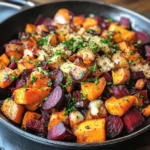
Beet and Sweet Potato Hash
Description
Beet and Sweet Potato Hash
Ingredients
-
2 medium beets, peeled and diced
-
2 medium sweet potatoes, peeled and diced
-
1 small onion, diced
-
2 cloves garlic, minced
-
2 tbsp olive oil
-
1 tsp smoked paprika
-
½ tsp ground cumin
-
Salt and pepper, to taste
-
Fresh thyme or parsley for garnish
-
Optional: 2 eggs for topping
Instructions
-
Prep the vegetables:
Peel and dice beets and sweet potatoes into small, even cubes for even cooking. -
Cook the hash:
Heat olive oil in a large skillet over medium heat. Add onions and garlic and sauté 2–3 minutes until fragrant. -
Add root vegetables:
Add beets and sweet potatoes to the skillet. Sprinkle with smoked paprika, cumin, salt, and pepper. Stir to coat evenly. -
Cook until tender:
Cover and cook for 15–20 minutes, stirring occasionally, until vegetables are tender and lightly caramelized. -
Optional eggs:
In a separate pan, fry or poach eggs to serve on top of the hash. -
Serve:
Garnish with fresh thyme or parsley. Serve warm, with eggs on top if desired.