
The Ultimate Guide to the Best Homemade Swedish Meatballs (Köttbullar)
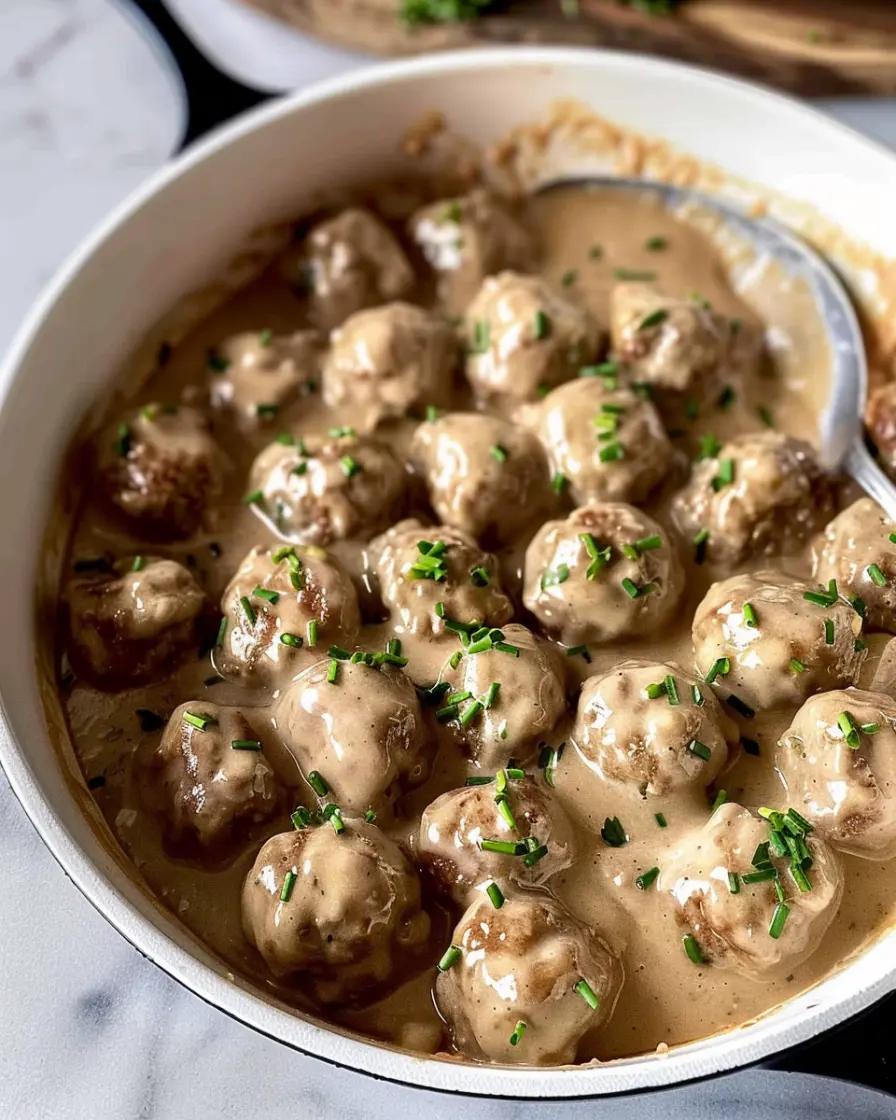
Ah, the humble meatball. It’s a global comfort food, for sure, but few versions can compete with the sheer, unadulterated joy of a perfectly made homemade Swedish meatball. Forget what you think you know from the food court; we’re talking about tender, spiced morsels of beef and pork, bathed in a luxuriously creamy gravy that demands to be sopped up with mashed potatoes. This isn’t just a recipe; it’s a masterclass in creating the ultimate comfort dish from the ground up. So, let’s roll up our sleeves and dive into the art of crafting the best homemade Swedish meatballs you’ve ever tasted.
Why This is Truly the Best Homemade Swedish Meatball Recipe
Now, you might be wondering, “What makes this recipe so special?” Well, the answer lies in a blend of authenticity and smart technique. Firstly, this isn’t just another generic meatball recipe; it’s a faithful homage to classic köttbullar, focusing on the traditional spice profile that gives these gems their soul. Furthermore, we’re leveraging a chef’s secret—a panade—to guarantee melt-in-your-mouth tenderness every single time, effectively banishing dry, hockey-puck meatballs to the past. Consequently, by following these carefully tested steps, you’re not just cooking; you’re ensuring a foolproof path to a spectacular, crowd-pleasing meal that will have everyone asking for seconds.
A Brief History of the Swedish Meatball (Köttbullar)
Believe it or not, the iconic Swedish meatball has a surprisingly international origin story. Way back in the early 18th century, King Charles XII famously brought the concept back to Sweden from his travels in the Ottoman Empire. Obviously, the recipe evolved significantly over the centuries, eventually becoming a cornerstone of husmanskost (traditional Swedish home cooking). Nowadays, of course, most people associate them with a certain global furniture store; however, their homemade version, while convenient, simply can’t hold a candle to the real deal you make from scratch in your own kitchen. This dish is a beautiful piece of culinary history, and making it yourself is a delightful way to connect with that past.
Gathering Your Ingredients: The Foundation of Flavor
Before we start mixing and rolling, let’s talk ingredients. Using high-quality components is absolutely non-negotiable for achieving the deepest, most authentic flavor. You simply can’t build a great house on a weak foundation, and the same principle applies here.
The Meat: Choosing Your Blend
The heart and soul of your meatball is, unsurprisingly, the meat. For the most traditional flavor and perfect fat content, a 50/50 blend of ground beef and ground pork is the undisputed champion. Specifically, aim for an 80/20 lean-to-fat ratio in your beef; that fat is crucial for juiciness and flavor. Meanwhile, the pork adds a subtle sweetness and helps keep the texture incredibly tender. If you’re feeling adventurous, you can even swap a portion of the pork for ground veal. For a lighter version, ground turkey or chicken works, but be aware you’ll sacrifice some of that classic richness.
The Spices: The Soul of the Dish
If the meat is the heart, then the spices are the unmistakable soul. This is where Swedish meatballsdramatically part ways with their Italian cousins. The key players here are allspice and nutmeg. These warm, aromatic spices provide that iconic flavor you know and love. Don’t even think about skipping them! Additionally, white pepper is traditionally used instead of black pepper because it provides a sharper, more distinct heat without those visible black specks. For an extra layer of authentic complexity, a tiny pinch of ground cardamom works wonders.
The Panade: Your Secret Weapon for Tenderness
Here’s the pro tip that will change your meatball game forever: the panade. This is a simple paste made from breadcrumbs soaked in milk. So, why is it so important? Well, when mixed into the meat, it acts like a moisture-retaining miracle worker. As the meatballs cook, the breadcrumbs absorb the juices and steam, preventing the meat proteins from tightening up too much and squeezing all the moisture out. Ultimately, this scientific trick is your absolute best defense against tough, dry meatballs. It’s the secret to achieving that impossibly tender, almost creamy texture inside.
The Step-by-Step Recipe
The Best Homemade Swedish Meatballs Recipe
Alright, enough talk—it’s time to get cooking! This recipe will guide you through each step with precision, ensuring your foray into traditional Swedish meatball recipe territory is a roaring success. Grab your skillet, and let’s create some magic.
Prep Time: 20 minutes | Cook Time: 25 minutes | Total Time: 45 minutes | Servings: 4-6
Ingredients for the Meatballs
-
½ cup panko or plain breadcrumbs
-
⅓ cup milk (whole or 2%)
-
1 lb ground beef (80/20)
-
½ lb ground pork
-
1 small yellow onion, finely grated or minced
-
1 large egg
-
1 tsp salt
-
½ tsp white pepper
-
¼ tsp allspice
-
¼ tsp nutmeg (freshly grated if possible)
Ingredients for the Cream Sauce
-
3 tbsp unsalted butter
-
3 tbsp all-purpose flour
-
2 cups beef broth (good quality)
-
½ cup heavy cream
-
1 tbsp soy sauce (or Worcestershire sauce for depth)
-
1 tsp Dijon mustard
-
Salt and white pepper to taste
Step-by-Step Instructions
Step 1: Create the Panade
In a large mixing bowl, combine the ½ cup of breadcrumbs with the ⅓ cup of milk. Give it a quick stir, then just walk away for about 10 minutes. This waiting period is crucial; it allows the breadcrumbs to fully absorb the milk, creating that magical, mushy paste that will be the guardian of your meatballs’ juiciness.
Step 2: Combine the Meatball Mixture
Once your panade is ready, it’s time to build the flavor. To the same bowl, add your finely grated onion, the large egg, and all the spices: salt, white pepper, allspice, and nutmeg. Mix these wet ingredients together until they’re well combined. Now, gently add the ground beef and pork on top. Here is the most critical step: using your hands or a fork, mix the meat into the panade just until everything is evenly distributed. Overmixing is the enemy of tenderness—it develops the meat’s protein and leads to a tough, dense texture. A light touch is everything!
Step 3: Form and Cook the Meatballs
First, place a large skillet over medium heat and add a tablespoon of oil and a knob of butter. Meanwhile, with slightly damp hands (this prevents sticking), pinch off portions of the mixture and roll them into small, even-sized balls—about one inch in diameter is perfect for authentic köttbullar. Working in batches to avoid crowding the pan, carefully place the meatballs in the hot skillet. Here’s a fun trick: don’t just let them sit there! Gently shake the pan to roll them around, ensuring they get a beautiful, even, brown sear on all sides. They don’t need to be cooked through at this stage; we’re just building flavor and color. This should take about 5-7 minutes per batch. As they finish, remove them to a clean plate and set aside.
Step 4: Craft the Rich Cream Sauce
Without wiping out the skillet—those browned bits are flavor gold!—melt the 3 tablespoons of butter over medium heat. Sprinkle in the 3 tablespoons of flour and immediately start whisking. Cook this roux for a good minute or two until it turns a lovely pale golden color; this cooks out the raw flour taste. Now, gradually pour in the beef broth, whisking constantly like your dinner depends on it (because it does!) to create a perfectly smooth, lump-free gravy. Let this simmer for a few minutes until it thickens noticeably. Finally, reduce the heat to low and stir in the heavy cream, soy sauce (for that umami depth), and Dijon mustard. Season with a pinch of salt and white pepper to your liking.
Step 5: Simmer and Serve
Gently nestle all the browned meatballs back into the luxurious cream sauce. Let them simmer happily together for about 10-15 minutes. This final simmer gently cooks the meatballs through without any risk of drying them out and allows the flavors to meld into something truly spectacular. The sauce will thicken to a gorgeous, creamy gravy consistency. Give one a taste—you’ve just made the best homemade Swedish meatballs.
Pro Tips, Serving, and Variations
Expert Tips for Authentic and Perfect Meatballs
Want to elevate your meatballs from great to legendary? Here are some insider secrets:
-
Chill Out: After mixing, cover the bowl and pop the meatball mixture into the fridge for 30 minutes. This firms up the fat, making the mixture much easier to handle and roll.
-
The Taste Test: Before you roll all the meatballs, fry a tiny piece of the mixture in your skillet. Taste it! This is your chance to adjust the seasoning before it’s too late.
-
Grate, Don’t Chop: Grating the onion on a box grater (watch your fingers!) creates a pulp that distributes flavor evenly throughout every single bite without any unpleasant chunks.
-
Embrace the Fond: Those dark, crispy bits left in the pan after browning are called “fond,” and they’re packed with flavor. Make sure to whisk them into your roux and broth for the most deeply flavored sauce.
What to Serve with Swedish Meatballs: The Perfect Plate
A masterpiece deserves the right frame. Here’s how to build the perfect Swedish meatball plate:
-
Creamy Mashed Potatoes: This is the non-negotiable, classic bed for your meatballs and that incredible gravy. The fluffy potatoes are the perfect vehicle for every last drop.
-
Lingonberry Jam: The essential sweet and tart contrast. If you can’t find it, cranberry sauce is a good stand-in, but seeking out a jar of the real stuff is highly recommended for an authentic experience.
-
Pickled Cucumber Salad (Pressgurka): Thinly sliced cucumbers quick-pickled in a mix of vinegar, sugar, and dill provide a sharp, refreshing crunch that cuts through the richness of the dish beautifully.
-
Buttered Egg Noodles: A fantastic alternative to potatoes if you’re looking for something a little different.
-
A Fresh Garnish: A final sprinkle of freshly chopped parsley or dill adds a pop of color and a hint of freshness.
Variations and Dietary Adaptations
Everyone should get to enjoy this wonderful dish. Here’s how to adapt it:
How to Make Gluten-Free Swedish Meatballs
It’s surprisingly simple! Firstly, use certified gluten-free breadcrumbs or even crushed gluten-free crackers for your panade. For the sauce, substitute the all-purpose flour with an equal amount of a 1:1 gluten-free flour blend. Alternatively, you can use cornstarch (make a slurry with cold broth first) to thicken the gravy at the end. Always double-check that your beef broth is certified gluten-free.
How to Make Dairy-Free Swedish Meatballs
You can still achieve creaminess! For the panade, simply use an unsweetened, unflavored plant-based milk like oat milk or almond milk. For the sauce, use a plant-based butter and replace the heavy cream with a thick, plain oat cream or cashew cream. The flavor profile will be slightly different, but it will still be rich, delicious, and satisfying.
Making Meatballs in Advance: Storage and Reheating
These meatballs are a meal-prepper’s dream. To store, let the cooked meatballs and sauce cool completely before placing them in an airtight container in the fridge for up to 3 days. To freeze, portion them out and store in freezer-safe containers or bags for up to 3 months. Honestly, they reheat like a dream. Simply thaw overnight in the fridge (if frozen) and warm them gently in a saucepan over low heat, adding a small splash of broth or milk to loosen the sauce back to its creamy glory.
FAQs and Conclusion
Frequently Asked Questions (FAQs)
What is the secret to tender meatballs?
The undisputed secret is a two-part answer: first, the panade (the milk and breadcrumb paste) acts as a moisture-retaining barrier within the meat. Second, and just as important, is avoiding overmixing. Mix the meat with the other ingredients only until combined; overworking the meat makes the proteins bind too tightly, resulting in a tough, rubbery texture.
What are traditional Swedish meatballs made of?
Traditional Swedish meatballs (köttbullar) are made from a specific blend of ground beef and pork, breadcrumbs or soaked bread, milk, finely grated onion, egg, and the key spices: allspice and nutmeg. They are always served with a creamy gravy made from the pan drippings, broth, and cream, and are accompanied by lingonberry jam and often pickled cucumber.
What is the difference between Swedish meatballs and Italian meatballs?
The differences are quite significant! Swedish meatballs are typically smaller, use a beef/pork blend, are spiced primarily with allspice and nutmeg, and are served in a rich, creamy gravy, often with potatoes. Italian meatballs are often larger, use beef or a beef/pork/veal blend, are seasoned with garlic, parsley, and oregano, and are almost always served with a tomato-based marinara sauce and pasta.
Can I bake Swedish meatballs instead of frying them?
Absolutely, you can! For a healthier method, preheat your oven to 400°F (200°C). Arrange the formed meatballs on a parchment-lined baking sheet and bake for 15-20 minutes, or until cooked through. However, pan-frying is highly recommended for the best flavor, as the browned bits left in the pan are essential for building the deeply flavorful sauce.
What can I use instead of lingonberry jam?
The best and most common substitute is cranberry sauce or redcurrant jelly. While the flavor isn’t identical, both provide the crucial sweet and tart contrast that is essential for balancing the savory, rich flavors of the meatballs and creamy gravy.
Conclusion: Your New Signature Dish
And there you have it—your comprehensive guide to creating utterly irresistible, authentic homemade Swedish meatballs. From understanding the history and science behind the perfect texture to mastering the step-by-step process and navigating dietary needs, you’re now equipped with everything you need. This dish is more than just food; it’s a warm, comforting hug on a plate, perfect for a cozy family dinner or for impressing your friends at your next gathering. So, what are you waiting for? Gather your ingredients, channel your inner Swedish chef, and get ready to enjoy the most delicious köttbullar of your life.
Print
Best Homemade Swedish Meatballs
Description
Best Homemade Swedish Meatballs
Ingredients
For the Meatballs
-
1 lb ground beef
-
1/2 lb ground pork
-
1 small onion, finely minced
-
2 garlic cloves, minced
-
1/2 cup breadcrumbs
-
1/4 cup milk
-
1 large egg
-
1/2 tsp allspice
-
1/2 tsp nutmeg
-
1 tsp salt
-
1/2 tsp black pepper
-
2 tbsp fresh parsley, chopped
-
2 tbsp butter (for frying)
For the Gravy
-
4 tbsp butter
-
1/4 cup flour
-
3 cups beef broth
-
1 cup heavy cream (or half-and-half)
-
1 tbsp Worcestershire sauce
-
1 tsp Dijon mustard
-
Salt & pepper, to taste
-
Fresh parsley, for garnish
Instructions
-
Make the meatball mixture: In a bowl, soak breadcrumbs in milk for 5 minutes. Add ground beef, pork, onion, garlic, egg, spices, salt, pepper, and parsley. Mix gently until just combined.
-
Shape & cook: Roll into 1-inch meatballs. Heat butter in a skillet over medium and brown meatballs on all sides (they don’t need to be fully cooked yet). Remove and set aside.
-
Make the gravy: In the same skillet, melt butter. Whisk in flour and cook 1–2 minutes until golden. Slowly whisk in beef broth, then add cream, Worcestershire, and Dijon. Simmer until smooth and thickened.
-
Finish cooking: Add meatballs back to the skillet. Simmer in the gravy for 10–12 minutes until cooked through.
-
Serve: Garnish with parsley and serve hot with mashed potatoes, buttered noodles, or lingonberry jam for the classic Swedish touch.