
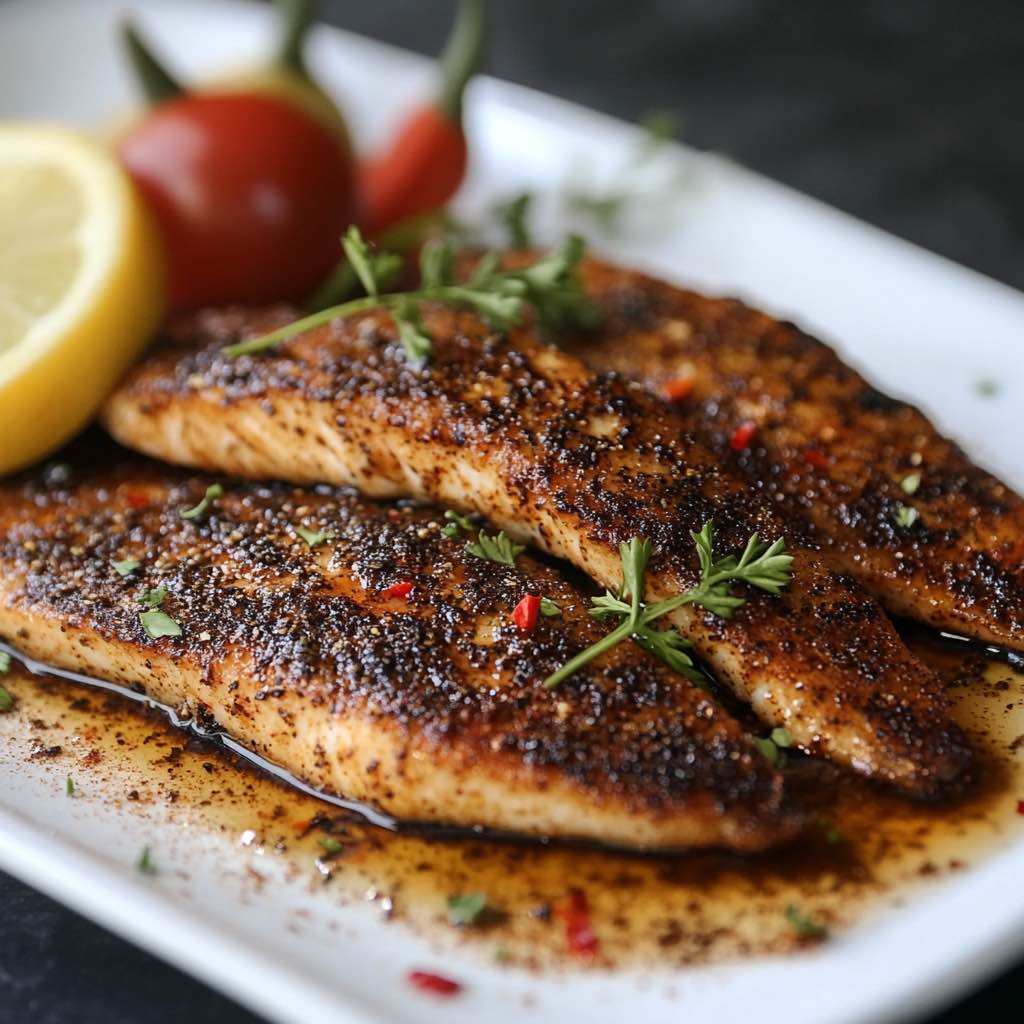
Blackened Catfish with Creole Spices
Introduction
Blackened Catfish with Creole Spices delivers a bold, flavorful meal that transforms a mild-tasting fish into a show-stopping dish bursting with authentic Southern flair. This classic Cajun cooking technique creates a beautifully charred, spice-crusted exterior while keeping the fish tender and flaky inside. Perfect for weeknight dinners or special occasions, this recipe celebrates the vibrant flavors of Louisiana cuisine without any added complexity.
What Makes Blackened Catfish Special
Blackening is a high-heat cooking method that originated in Louisiana cuisine. The technique involves coating fish in a generous layer of spice blend, then searing it in a screaming-hot skillet until the seasonings form a dark, flavorful crust. Unlike traditional fried fish, blackening requires minimal oil, making it a healthier option.
The magic happens when the spices caramelize and char slightly. This creates complex flavor profiles that combine smoky, spicy, and savory notes. Catfish works exceptionally well for blackening because its firm texture holds up to aggressive cooking. The mild, slightly sweet flesh provides the perfect canvas for bold Creole seasonings.
This cooking method delivers restaurant-quality results at home. Moreover, it takes just minutes to achieve that signature blackened appearance. The contrast between the crusty exterior and tender interior creates an irresistible texture.
Understanding Creole Spices
The Core Components
Creole seasoning is a cornerstone of Louisiana cooking. This aromatic blend typically includes paprika, garlic powder, onion powder, dried thyme, basil, oregano, salt, black pepper, white pepper, and cayenne pepper. Each spice contributes a distinct element to the overall flavor profile.
Paprika forms the foundation, providing a mild, sweet pepper flavor and vibrant color. Smoked paprika adds depth and complexity with its rich, smoky undertones. Garlic and onion powders deliver savory aromatics that enhance the other ingredients.
The herb trio of thyme, basil, and oregano brings an herbaceous freshness to the mix. These dried herbs balance the heat and add layers of flavor. Black and white peppers offer different types of heat, creating a full spectrum of peppery notes.
Heat Levels and Customization
Cayenne pepper provides the signature kick in Creole seasoning. The amount can be adjusted based on heat preference. Less cayenne creates a milder blend, while more delivers an authentic Louisiana burn.
The beauty of homemade Creole seasoning lies in its flexibility. Consequently, you can tailor the spice level to suit any palate. Many recipes include a touch of sugar to balance the heat and enhance caramelization.
Creole vs. Cajun Seasoning
While often used interchangeably, Creole and Cajun seasonings have subtle differences. Creole seasoning typically includes more herbs and smoked paprika. Cajun blends tend to be spicier with fewer aromatic herbs.
Both seasonings originated in Louisiana but from different cultural backgrounds. Creole cuisine developed in New Orleans with French influence. Cajun cooking emerged from rural areas and bayou communities.
Health Benefits of Catfish
Nutritional Profile
Catfish is a nutritional powerhouse packed with essential nutrients. A 3.5-ounce serving contains approximately 105 calories, 18 grams of protein, and only 2.9 grams of fat. This makes it an excellent choice for those watching their calorie intake.
The fish provides an impressive 121% of the Daily Value for vitamin B12 in just one serving. Vitamin B12 supports mental health, protects against heart disease, and helps prevent anemia. Catfish also contains significant amounts of selenium, phosphorus, thiamine, and potassium.
Additionally, catfish delivers both omega-3 and omega-6 fatty acids. These healthy fats support heart health, reduce inflammation, and promote brain function. The fish is also notably low in mercury compared to many other seafood options.
Cooking Methods Matter
How you prepare catfish significantly impacts its nutritional value. Blackening uses minimal oil, keeping the calorie and fat content low. This dry-heat method preserves nutrients while adding intense flavor.
Frying catfish can add up to 124 calories and over 10 grams of fat per serving. In contrast, blackening, baking, broiling, or grilling maintains the fish’s healthy profile. Pan-searing with a small amount of butter creates a crispy exterior without excessive calories.
Healthier cooking methods also reduce sodium content. Blackened catfish relies on spices for flavor rather than salt-heavy breading. Therefore, it fits well into heart-healthy eating patterns.
Essential Ingredients
For the Creole Spice Mix
Creating your own Creole seasoning ensures freshness and flavor control. Start with 2 tablespoons of smoked paprika for that signature smokiness. Add 1 tablespoon each of garlic powder and onion powder for savory depth.
Include 2 teaspoons each of dried thyme and oregano. Add 1 tablespoon of dried parsley for color and freshness. Season with 1 tablespoon of salt and 2 teaspoons of sugar.
For the pepper component, combine ½ teaspoon black pepper and 2 teaspoons cayenne pepper. Adjust the cayenne based on your heat tolerance. Some recipes include white pepper for additional complexity.
For the Fish
Choose fresh or frozen catfish fillets weighing 5-7 ounces each. Look for fillets with firm texture and mild smell. Pat them completely dry with paper towels before seasoning.
Butter is traditional for blackening catfish. Use unsalted butter to control sodium levels. You’ll need approximately 2 tablespoons per batch of fillets.
Optional ingredients include lemon wedges for serving and fresh parsley for garnish. These additions brighten the rich, spicy flavors.
Step-by-Step Cooking Instructions
Preparing the Spice Blend
Mix all dry ingredients in a shallow bowl. Whisk thoroughly to combine and eliminate any lumps. Sifting the powdered spices ensures even distribution.
Store extra seasoning in an airtight container. The blend stays fresh for several months. Having premixed Creole seasoning on hand makes future meals even faster.
Seasoning the Fish
Pat catfish fillets dry with paper towels. Moisture prevents proper browning and crust formation. Generously coat both sides of each fillet with the spice mixture.
Press the seasoning into the fish to ensure it adheres. Don’t be shy with the spices—the coating should be thick and visible. Let the seasoned fillets rest for 5-10 minutes if time allows.
The Blackening Process
Heat a large cast-iron skillet over medium-high to high heat. The pan must be extremely hot for proper blackening. Cast iron retains heat better than other materials.
Add 2 tablespoons of butter to the hot skillet. Once the butter melts and begins to smoke slightly, add the fillets. Cook for 3 minutes without moving them.
Flip carefully and cook for another 3-4 minutes. The fish is done when it flakes easily with a fork. The exterior should be deeply browned and slightly charred.
Temperature and Timing
Internal temperature should reach 145°F for safe consumption. However, visual cues work well for catfish. The flesh turns opaque and separates into flakes when fully cooked.
Cooking time varies based on fillet thickness. Thinner pieces may need only 2 minutes per side. Thicker fillets could require up to 5 minutes per side.
Tips for Perfect Results
Choosing the Right Pan
Cast iron is ideal for blackening fish. It withstands high temperatures and distributes heat evenly. A well-seasoned pan prevents sticking and develops better crust.
If cast iron isn’t available, use a heavy-bottomed stainless steel skillet. Avoid nonstick pans as they can’t handle the high heat required. The pan should be large enough to avoid crowding.
Ventilation Matters
Blackening creates substantial smoke. Turn on your exhaust fan before you start cooking. Open windows if possible to maintain air circulation.
This smoke is normal and part of the process. It results from the spices charring at high temperature. Proper ventilation prevents smoke alarms from triggering.
Don’t Overcrowd
Cook fillets in batches if necessary. Overcrowding lowers the pan temperature and causes steaming instead of searing. Leave space between fillets for best results.
Wipe out the skillet between batches if spices begin to burn. Add fresh butter for each new batch. This ensures every fillet gets a perfect crust.
Adjusting Spice Levels
Reduce cayenne pepper for milder flavor. Increase it for more heat. Add extra paprika to maintain color if reducing cayenne.
Taste the seasoning mix before coating the fish. A small pinch on your finger gives you a sense of the final flavor. Adjust salt, pepper, and cayenne to personal preference.
Serving Suggestions
Classic Accompaniments
Serve blackened catfish over rice to soak up the flavorful juices. White rice, brown rice, or dirty rice all pair beautifully. The mild grain balances the bold spices.
Creole tomato sauce is a traditional topping. This savory sauce contains bell peppers, celery, onions, tomatoes, and Cajun seasonings. It adds moisture and complementary flavors.
Fresh lemon wedges are essential for serving. The bright acidity cuts through the richness and enhances the fish. A squeeze of lemon also adds a refreshing element.
Vegetable Sides
Sautéed greens like collards or spinach complement blackened catfish. Their slight bitterness balances the spicy, savory fish. Cook them with garlic and a touch of butter.
Roasted vegetables offer another excellent option. Try bell peppers, zucchini, or green beans. Season them lightly to let the fish remain the star.
Creamy coleslaw provides textural contrast. The cool, crisp slaw refreshes the palate between bites of spicy fish. A vinegar-based slaw adds tangy brightness.
Bread and Grains
Cornbread is a Southern classic alongside blackened catfish. Its slightly sweet flavor complements the spicy fish. Serve it warm with butter.
Garlic bread works well for soaking up any sauce. French bread or crusty rolls also fit the bill. Toast them lightly for extra texture.
Recipe Variations
Blackened Catfish Tacos
Flake the cooked fish and serve in warm tortillas. Top with cabbage slaw, avocado, and lime crema. This transforms the dish into a fun, casual meal.
Add pickled jalapeños for extra heat. Fresh cilantro and diced tomatoes provide brightness. A drizzle of hot sauce brings everything together.
Creole Cream Sauce
Mix heavy cream with Creole mustard and honey for a rich sauce. Simmer until reduced by half. This creates a luxurious topping that mellows the spice.
Season with salt and pepper to taste. The creamy sauce adds decadence to the dish. It’s perfect for special occasions.
With Different Proteins
Try the blackening technique on other fish like salmon or tilapia. Chicken breasts also work wonderfully. Shrimp cooks quickly and absorbs the spices beautifully.
Adjust cooking times based on the protein’s thickness. Thicker cuts need lower heat and longer cooking. Thinner proteins cook faster at the same high temperature.
Lighter Options
Replace butter with olive oil for a lighter version. This reduces saturated fat while maintaining flavor. The oil should still be very hot for proper blackening.
Use less seasoning for a milder taste. Focus on herbs rather than cayenne. This creates family-friendly flavor profiles.
Storage and Reheating
Refrigeration
Store leftover blackened catfish in an airtight container. It keeps in the refrigerator for up to 3 days. Place parchment paper between fillets to prevent sticking.
Allow the fish to cool completely before refrigerating. This prevents condensation and sogginess. Label containers with the date for food safety.
Freezing
Freeze cooked catfish for up to 2 months. Wrap fillets individually in plastic wrap, then place in freezer bags. Remove as much air as possible to prevent freezer burn.
Thaw frozen fish overnight in the refrigerator. Never thaw at room temperature. Plan ahead for best texture and safety.
Reheating Methods
Reheat in a 350°F oven for 10-12 minutes. This method preserves the crust better than microwaving. Cover loosely with foil to prevent drying.
For quicker reheating, use a skillet over medium heat. Add a small amount of butter or oil. Heat for 2-3 minutes per side until warmed through.
Microwave only as a last resort. Use 50% power in 30-second intervals. The fish will lose some of its crispy texture.
FAQs
What is blackened catfish made of?
Blackened catfish consists of catfish fillets coated in Creole spices and seared in a hot skillet. The spice blend typically includes paprika, garlic powder, onion powder, dried herbs, and cayenne pepper. Butter is used to create the characteristic charred crust.
Can I use frozen catfish fillets?
Yes, frozen catfish works well for blackening. Thaw completely and pat very dry before seasoning. Excess moisture prevents proper crust formation.
How do I know when catfish is fully cooked?
Catfish is done when it reaches 145°F internally and flakes easily with a fork. The flesh should be opaque throughout. Cooking typically takes 6-8 minutes total.
Is blackened catfish spicy?
The heat level depends on the amount of cayenne pepper used. Standard recipes have moderate spice. Reduce cayenne for milder flavor or increase it for more heat.
What can I serve with Blackened Catfish with Creole Spices?
Rice, Creole sauce, sautéed vegetables, coleslaw, and cornbread all pair excellently. Lemon wedges are essential for serving. Choose sides that balance the bold, spicy flavors.
Can I make Creole seasoning ahead of time?
Absolutely—homemade Creole seasoning stores well in an airtight container for several months. Make a large batch to have on hand. This saves time for future meals.
What’s the difference between blackening and pan-frying?
Blackening uses high heat and minimal fat to char spices on the exterior. Pan-frying uses more oil at moderate temperature. Blackening is healthier and creates distinct flavor through caramelization.
Conclusion
Blackened Catfish with Creole Spices brings bold Louisiana flavors to any table with minimal effort and maximum impact. This healthy, protein-rich dish showcases the perfect marriage of firm, mild catfish and aromatic Creole seasonings. The high-heat cooking method creates an irresistible charred crust while keeping the interior tender and flaky.
Whether served over rice with Creole sauce or as the star of fish tacos, this versatile recipe adapts to any occasion. The customizable spice blend allows everyone to enjoy it at their preferred heat level. Plus, with just minutes of cooking time and simple ingredients, it’s accessible for cooks of all skill levels.
Print
Blackened Catfish with Creole Spices
Description
Blackened Catfish with Creole Spices
Ingredients
-
4 catfish fillets
-
2 tablespoons paprika
-
1 tablespoon garlic powder
-
1 tablespoon onion powder
-
1 teaspoon dried thyme
-
1 teaspoon dried oregano
-
1 teaspoon cayenne pepper (adjust to heat preference)
-
1 teaspoon black pepper
-
1 teaspoon salt
-
2 tablespoons olive oil or melted butter
-
Lemon wedges, for serving
-
Fresh parsley, for garnish
🔪 Instructions
1. Prepare the Spice Mix
-
In a small bowl, combine paprika, garlic powder, onion powder, thyme, oregano, cayenne, black pepper, and salt.
-
Pat catfish fillets dry and rub both sides generously with the spice mix.
2. Cook the Catfish
-
Heat a cast-iron skillet or heavy skillet over medium-high heat until very hot.
-
Add olive oil or melted butter.
-
Place fillets in the skillet and cook 3–4 minutes per side, until the exterior is dark and crispy and the fish flakes easily with a fork.
⚠️ Tip: Don’t overcrowd the pan — cook in batches if needed.
3. Serve
-
Plate the blackened catfish and garnish with fresh parsley and lemon wedges.
-
Serve with:
-
Cajun rice or dirty rice
-
Steamed or sautéed vegetables
-
Creamy coleslaw or cornbread
-