
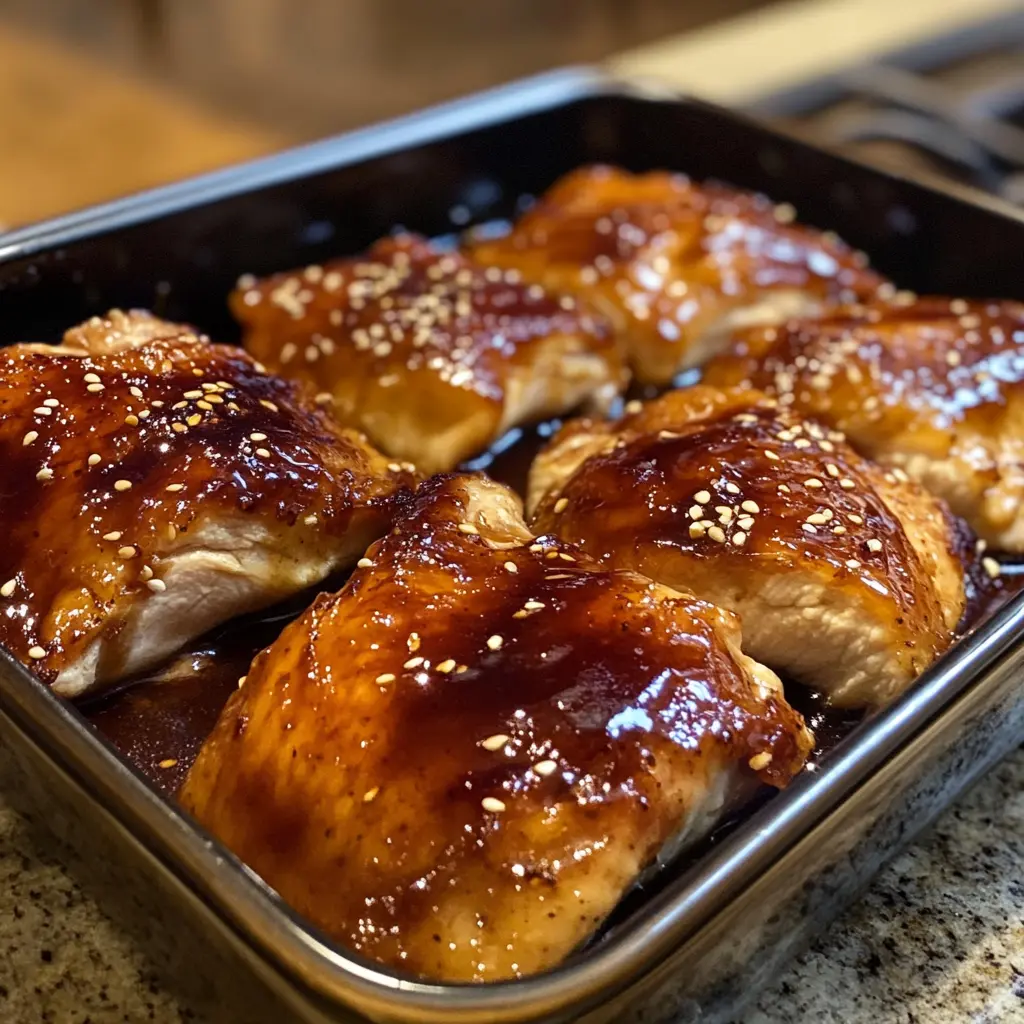
Brown Sugar Glazed Chicken: The Ultimate Sweet and Savory Dinner Recipe
Imagine biting into juicy, tender chicken coated in a rich caramelized glaze that perfectly balances sweet and savory flavors. Brown sugar glazed chicken delivers exactly that experience, transforming simple ingredients into an extraordinary meal. This versatile dish combines the natural umami richness of chicken with the deep molasses notes of brown sugar, creating a sticky, flavorful coating that caramelizes beautifully during cooking.
Whether you’re preparing a quick weeknight dinner or planning a special family gathering, this recipe offers simplicity without sacrificing flavor. The combination of brown sugar with complementary ingredients like citrus juice, mustard, and aromatic spices creates layers of taste that satisfy every palate.
What Makes Brown Sugar Glazed Chicken Special
Brown sugar brings a unique depth of flavor that white sugar simply cannot match. The molasses content in brown sugar provides complex caramel-like sweetness with subtle earthy undertones. When heated, this sugar caramelizes on the chicken surface, creating a glossy coating with irresistible texture. The glaze develops deep amber hues and sticky consistency that clings to every bite.
This cooking method works exceptionally well because sugar naturally complements the savory profile of poultry. The sweet glaze balances the umami notes inherent in chicken, resulting in harmonious flavor combinations. Additionally, the caramelization process adds visual appeal, transforming ordinary chicken into restaurant-quality presentation.
The versatility of brown sugar glazed chicken makes it suitable for various occasions. You can prepare this dish for busy Tuesday dinners or elevate it for weekend entertaining. The recipe requires minimal hands-on time, with most cooking happening in the oven, freeing you to prepare accompaniments.
Health Benefits of Chicken
Chicken serves as an excellent source of lean protein, providing essential amino acids your body needs for muscle building and tissue repair. A single boneless, skinless chicken breast contains approximately 26 grams of high-quality protein while maintaining only 2 grams of fat. This impressive protein content supports stronger bones and muscles, particularly important as we age.
Research indicates that consuming 25-30 grams of protein per meal helps increase satiety, making you feel fuller despite eating less. This property assists with weight management and can reduce risk factors associated with heart disease, including high blood pressure and elevated triglyceride levels. Chicken also contains tryptophan, an amino acid linked to serotonin production, which may contribute to improved mood.
Beyond protein, chicken provides valuable micronutrients including vitamin B12, choline, zinc, iron, and copper. These nutrients support various bodily functions from brain health to immune system performance. Chicken thighs, while slightly higher in fat than breasts, contain heart-healthy monounsaturated fats with anti-inflammatory properties. The darker meat often proves more flavorful and satisfying for many people.
Essential Ingredients for the Perfect Glaze
Brown Sugar Base
The foundation of your glaze starts with half a cup of brown sugar, either dark or light variety. Dark brown sugar contains more molasses, providing deeper flavor intensity, while light brown sugar offers milder sweetness. Both options caramelize beautifully when exposed to heat.
Liquid Components
Orange juice brings natural acidity and bright citrus notes that cut through the sweetness. Approximately one-quarter cup of freshly squeezed juice from one medium orange works perfectly. Some variations incorporate balsamic vinegar, which adds tangy complexity and helps balance the sugar content.
Flavor Enhancers
Honey contributes additional sweetness along with viscosity that helps the glaze adhere to chicken surfaces. Two tablespoons of quality raw honey work best. Whole-grain mustard or yellow mustard introduces subtle tang and slight heat, with one tablespoon being sufficient.
Aromatic Spices
Ground cinnamon adds warm, sweet notes that complement the sugar beautifully. Just half a teaspoon provides noticeable impact without overwhelming other flavors. Ground ginger contributes subtle spiciness and depth, while smoked paprika introduces earthy undertones with hint of smokiness. Black pepper provides gentle heat that rounds out the flavor profile.
Choosing the Right Chicken Cut
Chicken Thighs
Bone-in, skin-on chicken thighs represent an excellent choice for glazed preparations. The skin crisps beautifully during the initial searing phase, while the higher fat content in thigh meat ensures the chicken stays moist throughout cooking. Thighs typically require 7-8 minutes of initial browning per side, followed by oven finishing.
Chicken Breasts
Boneless, skinless chicken breasts offer lean protein with mild flavor that readily absorbs glaze. Six-ounce portions work well for individual servings. Breasts cook slightly faster than thighs and benefit from careful monitoring to prevent drying. They deliver approximately 189 calories per serving with minimal fat content.
Preparation Tips
Regardless of which cut you select, thoroughly drying the chicken before seasoning proves crucial. Pat each piece dry with paper towels to remove surface moisture. This step promotes better browning and helps the skin crisp properly rather than steaming in the pan. Season the chicken generously with salt and cracked black pepper on all sides before cooking begins.
Step-by-Step Cooking Instructions
Preparing the Glaze
Start by combining brown sugar, honey, orange juice, mustard, apple cider vinegar, and spices in a medium saucepan. Place the pan over medium-high heat and bring the mixture to a gentle simmer. Stir constantly with a wooden spoon for 2-3 minutes until the sugar completely dissolves. The glaze should thicken slightly and coat the back of your spoon when ready. Remove from heat and set aside while you prepare the chicken.
Searing the Chicken
Preheat your oven to 450 degrees Fahrenheit before beginning. Heat two tablespoons of olive oil in a 10-inch cast-iron skillet or oven-proof pan over medium-high heat. Once the oil shimmers, carefully add the seasoned chicken pieces. For skin-on pieces, place them skin-side down first.
Allow the chicken to cook undisturbed for 7-8 minutes until the skin turns golden brown and crispy. Resist the temptation to move the pieces around, as this interferes with proper browning. Flip the chicken and cook the second side for 5-6 minutes until browned.
Glazing and Baking
Pour the prepared brown sugar glaze over the chicken, ensuring each piece gets thoroughly coated. Use a silicone brush or spoon to distribute the glaze evenly. Transfer the entire skillet to your preheated oven.
Bake for 8-10 minutes, removing the pan halfway through to baste the chicken with accumulated glaze from the pan bottom. This extra basting step ensures maximum flavor penetration and glossy appearance. Check the internal temperature with an instant-read thermometer, which should read 165-170 degrees Fahrenheit when inserted into the thickest part.
Final Caramelization
Turn on your oven’s broiler setting for the final step. Broil the glazed chicken for 2-3 minutes to crisp the skin further and caramelize the glaze coating. Watch carefully during this phase, as the sugar can quickly burn under intense broiler heat. Remove from the oven and let the chicken rest for 10 minutes before serving. This resting period allows juices to redistribute throughout the meat, ensuring maximum tenderness.
Pro Tips for Perfect Glazing
Temperature Control
Managing heat properly prevents the most common glazing problem: burned sugar. Sugar caramelizes quickly and transitions from perfect golden brown to burnt in seconds. When pan-searing glazed chicken, use medium heat rather than high heat. If your glaze starts darkening too rapidly, immediately reduce the temperature or add a splash of water to cool the pan.
Timing Your Glaze Application
Apply glaze when the chicken internal temperature reaches 155 degrees Fahrenheit, not earlier. This timing prevents the sugar from burning during the cooking process. Brush the first coat over all sides using a silicone brush. When the temperature hits 160 degrees, remove from heat and apply a second glaze coat. The residual heat will set this final layer beautifully.
Using Heavy-Bottom Cookware
A heavy-bottom skillet or cast-iron pan distributes heat more evenly than lightweight pans. This even heat distribution prevents hot spots that can cause localized burning of your glaze. Cast iron also transitions seamlessly from stovetop to oven, eliminating the need to transfer chicken mid-cooking.
Finishing in the Oven
For best results with glazed chicken, sear the meat first to develop color and flavor, then finish cooking in the oven. This two-stage method prevents the sugar in your glaze from burning while ensuring the chicken cooks through completely. Some cooks apply glaze, sear briefly to create a crust, then move to gentle oven heat for the final cooking.
Glaze Consistency Matters
Your glaze should be thick enough to coat the back of a spoon but still pourable. If the mixture seems too thin, simmer it longer to evaporate excess liquid. For overly thick glaze, thin it with small amounts of water or additional citrus juice. Proper consistency ensures the glaze clings to the chicken rather than pooling in the pan.
Common Mistakes and How to Avoid Them
Burning the Glaze
The most frequent problem occurs when sugar burns, creating bitter flavors and acrid smoke. This happens because sugar caramelizes at relatively low temperatures compared to protein browning. Prevent burning by applying glaze late in the cooking process rather than at the beginning. If using stovetop methods exclusively, turn off the heat before adding glaze to hot chicken.
Insufficient Glaze Reduction
Failing to reduce your glaze liquid results in thin, runny sauce that slides off the chicken instead of coating it. Sauce texture matters enormously for proper presentation and flavor concentration. Always simmer your glaze mixture until it thickens and develops syrupy consistency. The glaze should coat your stirring spoon and slowly drip off rather than running quickly.
Not Drying the Chicken
Skipping the step of patting chicken dry leads to steamed rather than seared meat. Surface moisture prevents proper browning and keeps skin from crisping. Always use paper towels to thoroughly dry each piece before seasoning and cooking. This simple step dramatically improves final texture and appearance.
Underseasoning the Chicken
Relying solely on the sweet glaze for flavor results in one-dimensional taste. The chicken itself needs generous seasoning with salt and pepper before cooking begins. Season both sides of each piece liberally. The salt enhances the chicken’s natural flavors and creates contrast with the sweet glaze coating.
Overcrowding the Pan
Placing too many chicken pieces in your skillet at once lowers the pan temperature and creates steam instead of sear. Leave adequate space between pieces for proper browning. If necessary, work in batches rather than cramming everything into one pan. Proper spacing ensures the beautiful caramelized crust that makes glazed chicken so appealing.
Best Side Dishes to Serve
Vegetable Sides
Roasted vegetables provide colorful, nutritious accompaniments that complement the sweet glaze perfectly. Buffalo Brussels sprouts offer spicy contrast, while roasted vegetable salad brings freshness and variety to your plate. Garlic rosemary carrots deliver sweet, buttery flavor with earthy herb notes. Sautéed broccolini adds bright green color and mild bitterness that balances the chicken’s sweetness.
Cauliflower tater tots present a fun, healthier alternative to traditional fried sides. These crispy bites work wonderfully for dipping and pair naturally with glazed chicken. Grilled romaine Caesar wedge salad contributes freshness and crunch, with charred lettuce adding smoky depth. Kung Pao Brussels sprouts bring Asian-inspired flavors with spicy kick.
Grain-Based Options
Cilantro lime rice and beans create a complete meal with complementary protein sources. The bright citrus and herb flavors cut through the rich glaze beautifully. Greek quinoa salad offers Mediterranean flair with fresh vegetables, tangy dressing, and satisfying texture. Skillet cornbread provides slightly sweet, crumbly texture that soaks up glaze drippings deliciously.
Mushroom quinoa risotto delivers creamy, umami-rich comfort without the heaviness of traditional risotto. This grain-based option provides sophisticated accompaniment for special occasions. BLT pasta salad combines favorite sandwich flavors in pasta form, adding protein and vegetables to round out your meal.
Potato Preparations
Onion soup mix roasted potatoes require minimal effort while delivering maximum flavor. Simply toss potato chunks with seasoning mix and roast until golden. The savory, slightly sweet coating pairs harmoniously with brown sugar glazed chicken. Consider serving mashed potatoes, roasted potato wedges, or even carrot fries for variety.
Storage and Reheating Guidelines
Proper Storage
Allow cooked brown sugar glazed chicken to cool to room temperature before storing, but don’t leave it out longer than two hours to prevent bacterial growth. Transfer the chicken to airtight containers, separating pieces with parchment paper to prevent sticking. Store in the refrigerator for up to four days. The glaze may firm up when cold but will soften again when reheated.
Freezing Instructions
Brown sugar glazed chicken freezes reasonably well for up to three months. Wrap individual pieces tightly in plastic wrap, then place in freezer-safe bags with all air removed. Label containers with the date for easy tracking. Thaw frozen chicken overnight in the refrigerator rather than at room temperature for food safety.
Reheating Methods
For best results, reheat glazed chicken in a 350-degree Fahrenheit oven. Place pieces on a baking sheet and cover loosely with foil to prevent excessive browning. Heat for 15-20 minutes until warmed through. Remove the foil for the final five minutes to re-crisp the glaze slightly. Alternatively, microwave individual portions on medium power in 30-second intervals, though this method produces softer texture than oven reheating.
Recipe Variations to Try
Balsamic Brown Sugar Glaze
Combine brown sugar with balsamic vinegar for tangy-sweet complexity. Mix one-quarter cup balsamic vinegar, one-half cup brown sugar, one-quarter cup water, and seasonings in a saucepan. Simmer until slightly thickened, then finish with cornstarch slurry for glossy consistency. This variation adds sophisticated depth perfect for dinner parties.
Spicy Brown Sugar Chicken
Transform the basic recipe by incorporating heat through red pepper flakes, cayenne pepper, or fresh jalapeños. Start with one-quarter teaspoon of spice and adjust according to preference. The combination of sweet, spicy, and savory creates addictive flavor that keeps everyone reaching for seconds. This variation works particularly well when serving to adventurous eaters.
Italian-Seasoned Brown Sugar Chicken
Simplify the recipe by using just brown sugar and Italian seasoning blend. This three-ingredient approach delivers flavorful results with minimal effort. The herbs in Italian seasoning—typically basil, oregano, thyme, and rosemary—complement the sweet glaze beautifully. Perfect for incredibly busy weeknights when time is limited.
Citrus-Forward Version
Amplify the citrus notes by incorporating both orange and lemon juice into your glaze. Add lemon zest for extra brightness and aromatic oils. The enhanced acidity cuts through the sweetness more assertively, creating lighter overall flavor. This variation pairs especially well with spring and summer vegetables.
Asian-Inspired Glaze
Replace the mustard and vinegar with soy sauce and fresh ginger for Asian flavor profile. Add a touch of sesame oil and garnish with sliced green onions and sesame seeds. The umami-rich soy sauce intensifies the savory aspects while brown sugar maintains sweetness. This version pairs wonderfully with rice and stir-fried vegetables.
Frequently Asked Questions
What temperature should brown sugar glazed chicken reach?
The internal temperature of fully cooked chicken should reach 165-170 degrees Fahrenheit when measured with an instant-read thermometer inserted into the thickest part. This temperature ensures food safety while maintaining juiciness. Check multiple pieces if cooking several at once, as cooking times can vary.
Can I make brown sugar glazed chicken ahead of time?
Yes, you can prepare the glaze up to three days in advance and store it in the refrigerator. Season and sear the chicken earlier in the day, then complete the glazing and baking process when ready to serve. However, glazed chicken tastes best when freshly made, as reheating can slightly diminish the glaze texture.
Why does my glaze burn during cooking?
Glaze burns occur when sugar exposure to high heat lasts too long. Apply glaze later in the cooking process when chicken is nearly done. Use medium rather than high heat. Finish cooking in the oven instead of solely on the stovetop to prevent direct contact between sugar and intense heat.
Can I use chicken breasts instead of thighs for this recipe?
Absolutely, boneless skinless chicken breasts work perfectly with brown sugar glaze. They contain less fat than thighs, resulting in leaner finished dish. Breasts cook slightly faster, so monitor temperature carefully to avoid drying. Each six-ounce breast provides approximately 189 calories.
How do I prevent the chicken from drying out?
Several techniques help maintain moisture throughout cooking. First, avoid overcooking by monitoring internal temperature carefully. Second, let the chicken rest for 10 minutes after cooking to allow juice redistribution. Third, consider using chicken thighs instead of breasts, as the higher fat content naturally produces more forgiving, moist results.
What can I substitute for brown sugar in the glaze?
While brown sugar provides distinctive molasses flavor, alternatives include maple syrup, coconut sugar, or a mixture of white sugar with molasses. Each substitute creates slightly different flavor profiles but maintains the essential sweetness required for caramelization. Honey alone works in a pinch, though it produces thinner glaze without additional thickeners.
How do I know when the glaze is the right consistency?
Properly reduced glaze should coat the back of a spoon and slowly drip off rather than running immediately. When you drag your finger through the glaze on the spoon, it should leave a clear trail that doesn’t fill back in. If too thin, continue simmering to evaporate excess liquid.
Can I make this recipe on the grill?
Yes, brown sugar glazed chicken adapts well to grilling. Sear chicken over direct heat for 5-6 minutes per side to develop color. Move to indirect heat and brush with glaze when the internal temperature reaches 155 degrees. Apply multiple thin coats rather than one thick application for better caramelization.
Conclusion
Brown sugar glazed chicken represents the perfect intersection of simple preparation and impressive results. The combination of tender, juicy chicken with sweet, caramelized coating creates a dish that satisfies both weeknight dinner needs and special occasion requirements. By following proper techniques for glaze preparation, temperature control, and timing, anyone can master this versatile recipe.
The health benefits of chicken—including high-quality protein, essential amino acids, and important micronutrients—make this dish as nutritious as it is delicious. Whether you choose lean chicken breasts or flavorful thighs, proper cooking methods ensure moist, perfectly cooked results every time. Pair your brown sugar glazed chicken with complementary sides like roasted vegetables, grain salads, or potato preparations for complete, satisfying meals.
Ready to transform your dinner routine with this irresistible recipe? Gather your ingredients, preheat your oven, and prepare to impress your family with restaurant-quality brown sugar glazed chicken tonight.
Print
Brown Sugar Glazed Chicken
Description
Brown Sugar Glazed Chicken
Servings: 4
Prep Time: 10 minutes
Cook Time: 20 minutes
Total Time: 30 minutes
Ingredients
-
4 chicken breasts or thighs
-
2 tbsp olive oil
-
Salt and pepper, to taste
-
½ cup brown sugar, packed
-
2 tbsp soy sauce
-
2 tbsp Dijon mustard (or yellow mustard)
-
2 tbsp apple cider vinegar (or lemon juice)
-
1 tsp garlic powder
-
½ tsp smoked paprika (optional, for depth)
-
Fresh parsley or green onions for garnish
Instructions
1. Prep and Sear the Chicken
Season chicken with salt and pepper.
Heat olive oil in a skillet over medium-high heat.
Sear chicken 4–5 minutes per side until golden brown. Remove from skillet.
2. Make the Brown Sugar Glaze
In the same skillet, lower heat to medium.
Add brown sugar, soy sauce, Dijon mustard, apple cider vinegar, garlic powder, and smoked paprika.
Stir until smooth and slightly thickened—about 2–3 minutes.
3. Glaze the Chicken
Return chicken to the skillet.
Spoon the glaze over the chicken and simmer 5–7 minutes, turning occasionally, until fully cooked and sticky.