
Introduction
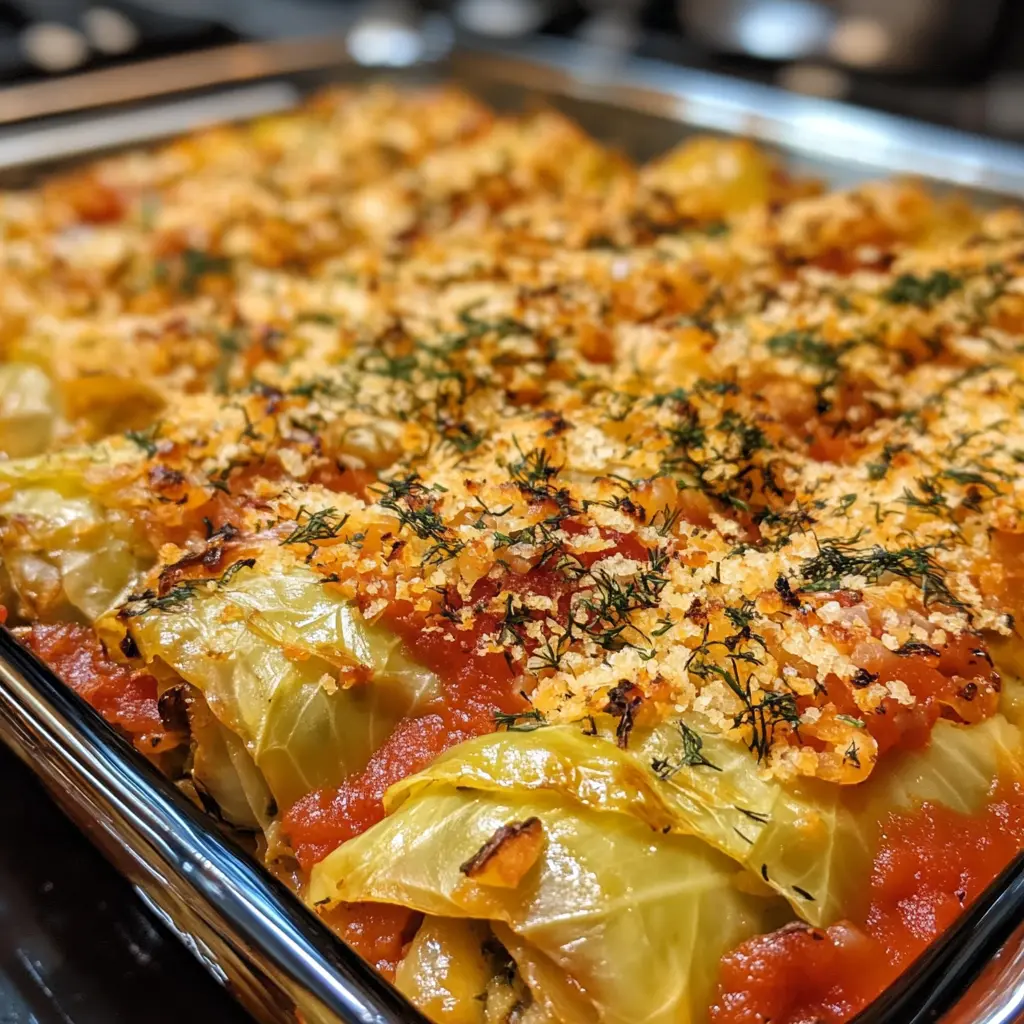
Cabbage Roll Casserole with Tomato Dill Sauce transforms traditional stuffed cabbage rolls into an easier, family-friendly dinner. This deconstructed version delivers all the comforting flavors you crave without the time-consuming task of rolling individual cabbage leaves. Moreover, the addition of fresh dill creates an aromatic tomato sauce that elevates this classic comfort food to restaurant-quality status.
This one-dish meal combines savory ground beef, fluffy rice, and tender cabbage layers in a tangy tomato dill sauce. Therefore, busy home cooks can enjoy a nutritious, satisfying dinner that feeds the whole family. Additionally, this casserole makes excellent leftovers and freezes beautifully for future meals.
What Is Cabbage Roll Casserole with Tomato Dill Sauce?
Cabbage roll casserole is an unstuffed version of traditional Eastern European cabbage rolls. Instead of wrapping seasoned meat and rice in individual cabbage leaves, all the ingredients are layered in a baking dish. Consequently, this approach saves significant preparation time while maintaining authentic flavors.
The tomato dill sauce distinguishes this version from standard cabbage roll casseroles. Fresh or dried dill adds a bright, herbaceous note that complements the sweet-tart tomato base perfectly. Furthermore, dill brings numerous health benefits including antioxidants, vitamins A and C, and minerals like calcium and iron.
This casserole typically includes ground beef, rice, chopped cabbage, tomato sauce, and seasonings. The layers bake together until bubbling and golden, creating a cohesive dish with varied textures. Additionally, melted cheese on top adds richness and visual appeal.
Why You’ll Love This Recipe
Time-Saving Simplicity
Traditional cabbage rolls require blanching cabbage leaves and carefully rolling each portion. In contrast, this casserole cuts preparation time by more than half. Simply chop the cabbage, brown the meat, and layer everything in a dish.
Budget-Friendly Ingredients
This recipe relies on affordable, accessible ingredients that most grocery stores carry year-round. Ground beef, cabbage, rice, and canned tomatoes create a hearty meal without breaking the bank. Furthermore, one casserole serves 6-8 people generously.
Customizable and Versatile
The basic recipe adapts easily to dietary preferences and ingredient availability. You can substitute ground turkey, chicken, or plant-based protein for beef. Additionally, the casserole works with brown rice, cauliflower rice, or quinoa instead of white rice.
Make-Ahead Convenience
Assemble the Cabbage Roll Casserole with Tomato Dill Sauce up to 24 hours before baking. This feature makes it ideal for meal prep, potlucks, or busy weeknight dinners. Moreover, leftovers taste even better the next day as flavors meld together.
Essential Ingredients
The Protein Base
Ground beef forms the hearty foundation of this casserole. Choose 85/15 or 90/10 lean-to-fat ratio for optimal flavor and texture. The beef should be browned until cooked through but not dry, as it continues cooking in the oven.
Alternatively, ground turkey, chicken, or pork work equally well. Each protein brings slightly different flavors and nutritional profiles. Therefore, select based on your preference and dietary needs.
The Star Vegetable
Green cabbage provides bulk, nutrition, and authentic flavor. One medium head yields approximately 6-8 cups when chopped into 1-inch pieces. The cabbage should be slightly wilted before layering to reduce excess moisture.
Cabbage contains impressive amounts of vitamin K (56% DV per cup), vitamin C (36% DV), and fiber. Additionally, it offers antioxidants that support overall health and disease prevention.
Rice for Substance
Long-grain white rice adds satisfying texture and helps absorb the flavorful tomato dill sauce. Use 2 cups of cooked rice, which equals about 2/3 cup uncooked. Parboiled rice works particularly well because it maintains structure during baking.
Brown rice provides more fiber and nutrients but requires longer cooking time. Therefore, ensure it’s fully cooked before assembling the casserole.
Tomato Dill Sauce Components
The sauce combines several tomato products for depth and richness:
-
Tomato sauce (15-24 oz) creates a smooth base
-
Diced tomatoes (14-15 oz with juice) add texture and acidity
-
Tomato paste (optional) intensifies tomato flavor
-
Fresh or dried dill (2-4 tablespoons) provides the signature herbal note
Fresh dill delivers brighter, more vibrant flavor than dried. However, dried dill works perfectly when fresh isn’t available. Use 1 tablespoon dried dill for every 3 tablespoons fresh.
Aromatics and Seasonings
Yellow onion adds sweetness and depth when sautéed until translucent. Dice one medium onion finely for even distribution throughout the casserole.
Garlic contributes savory, pungent notes that enhance the overall flavor profile. Use 2-3 cloves of fresh minced garlic or 1 teaspoon garlic powder.
Essential seasonings include:
-
Salt and black pepper to taste
-
Italian seasoning or dried thyme (1-2 teaspoons)
-
Paprika (1 teaspoon) for mild sweetness and color
-
Optional: cayenne pepper for heat
The Finishing Touch
Shredded cheese (1-2 cups) melts beautifully over the top layer. Colby Jack, mozzarella, or cheddar all work wonderfully. The cheese creates an irresistible golden crust that contrasts with the tender interior.
Worcestershire sauce (1-2 tablespoons) adds umami depth and complexity. This ingredient enhances the savory qualities of both the beef and tomato sauce.
Kitchen Equipment You’ll Need
Essential Tools
A 9×13-inch casserole dish provides ideal dimensions for layering and serving 6-8 people. Glass or ceramic dishes work best because they distribute heat evenly and present beautifully at the table.
Alternatively, a 7-quart Dutch oven allows you to create a one-pot version. This approach minimizes cleanup and works wonderfully for stovetop-to-oven cooking.
A large skillet or sauté pan browns the meat and sautés aromatics efficiently. Choose one with high sides to accommodate all ingredients without splashing.
Helpful Additions
-
Sharp chef’s knife for chopping cabbage and vegetables
-
Cutting board with grooves to catch juice
-
Wooden spoon or spatula for stirring
-
Aluminum foil for covering during baking
-
Oven mitts for safe handling of hot dishes
Step-by-Step Cooking Instructions
Preparation Phase
Preheat your oven to 350°F (175°C) and position the rack in the lower-third. This placement ensures even heating and prevents the top from browning too quickly.
Prepare the cabbage by removing outer leaves and cutting it into quarters. Remove the tough core from each quarter, then chop the cabbage into 1-inch pieces. You should have approximately 6-8 cups of chopped cabbage.
Cook the rice according to package directions until tender but not mushy. Measure 2 cups of cooked rice and set aside. Subsequently, the rice can cool slightly while you prepare other components.
Cooking the Protein
Heat 1 tablespoon olive oil in a large skillet over medium-high heat. Add the ground beef and cook for 5-7 minutes, breaking it into small crumbles with your wooden spoon. The meat should be browned and cooked through but not dry.
Drain excess fat if necessary, leaving about 1 tablespoon in the pan for flavor. This step prevents the casserole from becoming greasy while maintaining richness.
Add the diced onion to the beef and cook for 4-5 minutes until translucent. Then, add minced garlic and cook for 1-2 minutes more until fragrant. Avoid browning the garlic, as it becomes bitter.
Building the Tomato Dill Sauce
Add the tomatoes to the beef mixture, including diced tomatoes with their juice and tomato sauce. Stir everything together until well combined. The sauce should be thick but pourable.
Season generously with Italian seasoning, paprika, salt, and pepper. Add 1-2 tablespoons of Worcestershire sauce for depth. Furthermore, this is when you add 2-3 tablespoons of fresh dill or 1 tablespoon dried dill.
Stir in the cooked rice and mix thoroughly. The rice should be completely coated with the tomato dill sauce. Let this mixture simmer for 2-3 minutes to allow flavors to meld together.
Preparing the Cabbage Layer
In a separate pan, heat 1 tablespoon butter or oil over medium-high heat. Add the chopped cabbage and season with salt and pepper. Cook for 6-7 minutes, tossing frequently, until the cabbage is slightly wilted and beginning to brown.
The cabbage should still have some texture and not be completely soft. Overcooking at this stage results in mushy cabbage after baking. Therefore, aim for cabbage that’s tender but still has bite.
Assembling the Casserole
Spray your 9×13-inch baking dish with non-stick cooking spray. This prevents sticking and makes serving easier.
Create the first cabbage layer by spreading half of the cooked cabbage evenly across the bottom of the dish. Press it down gently to create a compact base.
Add half of the beef-rice mixture over the cabbage layer, spreading it to the edges. The layers should be relatively even for consistent cooking and presentation.
Sprinkle half of the shredded cheese over the beef layer if using cheese in the middle. Alternatively, save all the cheese for the top.
Repeat the layers with the remaining cabbage, then the remaining beef-rice mixture. Press down gently to compact the casserole slightly.
Top with remaining cheese, distributing it evenly across the surface. The cheese will melt and create a beautiful golden crust during baking.
Baking Process
Cover the casserole tightly with aluminum foil to trap moisture and prevent the top from drying out. Ensure the foil doesn’t touch the cheese by tenting it slightly.
Bake for 35-40 minutes until the casserole is hot and bubbly throughout. You should see sauce bubbling around the edges when it’s ready.
Remove the foil carefully using oven mitts, as steam will escape. If the cheese isn’t golden enough, return the uncovered casserole to the oven for 7-10 minutes. Alternatively, broil for 2-3 minutes for extra browning.
Let the casserole rest for 10-15 minutes before serving. This resting period allows the sauce to thicken, the flavors to settle, and prevents burns from extremely hot contents. Furthermore, the casserole will slice more cleanly after resting.
Tips for Perfect Results
Meat Cooking Guidelines
Don’t overcook the ground beef during the browning phase. The meat continues cooking in the oven, so slightly undercooked (but not pink) is better than dry. Break the beef into small, uniform crumbles for even distribution throughout each serving.
Drain excess fat appropriately based on your beef’s fat content. Leaner ground beef (90/10) may not require draining, while fattier options (80/20) should be drained to prevent greasiness.
Cabbage Preparation Secrets
Cut cabbage pieces uniformly to ensure even cooking. One-inch pieces work best because they’re substantial enough to provide texture but small enough to cook through.
Don’t skip pre-cooking the cabbage before layering. Raw cabbage releases too much water during baking and doesn’t develop the same depth of flavor. Pre-cooking removes excess moisture and adds caramelized notes.
Season the cabbage layer separately for optimal flavor distribution. This ensures every component is properly seasoned rather than relying solely on the sauce.
Rice Considerations
Use day-old cooked rice when possible because it’s drier and absorbs sauce better. Freshly cooked rice can be too moist and create a mushy casserole.
Parboiled rice maintains better texture than regular white rice during the extended baking time. However, any long-grain rice works well in this recipe.
Cheese Application
Wait until the end to add cheese for the best texture. Adding cheese too early in the baking process can cause it to separate or become rubbery.
Broil briefly for a crispy top if desired. Watch carefully during broiling to prevent burning, as it happens quickly. One to three minutes under the broiler creates an irresistible golden-brown crust.
Sauce Consistency
Adjust sauce thickness based on preference by adding broth or water if too thick, or simmering longer to reduce if too thin. The sauce should coat the back of a spoon but still flow easily.
Let the sauce simmer with rice before assembling to allow flavors to meld. This step also ensures the rice is fully coated and won’t be dry after baking.
Nutritional Benefits
Cabbage Nutrition Powerhouse
Cabbage Roll Casserole with Tomato Dill Sauce provides exceptional nutritional value thanks to its vegetable-rich composition. One cup of cabbage contains only 22 calories while delivering 56% of the daily value for vitamin K and 36% for vitamin C.
Vitamin K supports blood clotting and bone health, making cabbage particularly beneficial for skeletal strength. Additionally, cabbage provides folate, manganese, vitamin B6, calcium, potassium, and magnesium in meaningful amounts.
The antioxidants in cabbage, including flavonoids, zeaxanthin, lutein, and beta-carotene, protect cells from damage. Furthermore, these compounds may reduce the risk of chronic diseases including heart disease, cancer, and osteoarthritis.
Fiber content in cabbage (2 grams per cup) supports digestive health and helps maintain healthy blood sugar levels. This makes the casserole a smart choice for those managing blood sugar concerns.
Tomato Sauce Health Benefits
Tomatoes contain lycopene, a powerful antioxidant that gives them their red color. Lycopene protects against cellular damage and has been linked to reduced risk of certain cancers and heart disease.
Vitamin C in tomatoes supports immune function, skin health, and wound healing. The natural acids in tomato sauce also promote healthy digestion and help maintain regular bowel movements.
The fiber in tomato sauce, approximately 1.5 grams per serving, supports digestive health and helps you feel satisfied longer. This can aid in weight management by reducing overeating tendencies.
Dill’s Nutritional Contribution
Fresh dill brings more than flavor to this Cabbage Roll Casserole with Tomato Dill Sauce. Vitamins A and C in dill support immune function and maintain healthy skin. These vitamins also act as antioxidants, protecting cells from damage.
Minerals including calcium, iron, and magnesium contribute to bone health, oxygen transport, and muscle function. The calcium content particularly complements the bone-supporting nutrients already present in cabbage.
Antibacterial properties in dill’s essential oils fight potentially harmful bacteria. Additionally, early research suggests dill may help regulate blood sugar levels, though more studies are needed.
Protein and Energy
Ground beef provides complete protein with all essential amino acids needed for muscle maintenance and repair. A 3-ounce serving of 85% lean ground beef contains approximately 22 grams of protein.
Rice contributes complex carbohydrates for sustained energy throughout the day. The combination of protein, fiber, and complex carbs makes this casserole a balanced, satisfying meal.
Recipe Variations and Substitutions
Protein Alternatives
Ground turkey creates a leaner version while maintaining similar texture. Use 93/7 lean ground turkey and add an extra tablespoon of oil to prevent dryness.
Ground chicken offers the lightest option with mild flavor that lets the tomato dill sauce shine. Season slightly more assertively to compensate for chicken’s subtler taste.
Plant-based ground meat works excellently for vegetarian versions. Choose brands that brown well and hold their texture during baking. Season with extra herbs and spices for depth.
Ground pork or sausage adds richness and different flavor dimensions. Italian sausage brings built-in seasoning, so reduce added salt and herbs accordingly.
Grain Substitutions
Brown rice increases fiber and nutrients. Cook it fully before assembling, as it requires more time than white rice to become tender.
Cauliflower rice transforms this into a low-carb, keto-friendly dish. Use 3-4 cups and squeeze out excess moisture before layering to prevent watery casserole.
Quinoa provides complete protein and nutty flavor. Rinse quinoa thoroughly before cooking to remove bitter saponins.
Wild rice blend adds interesting texture and earthy notes. Mix with white rice for best results, as wild rice alone can be too chewy.
Tomato Dill Sauce Variations
Add cream for a richer, creamier sauce similar to tomato bisque. Stir in 1/2 cup heavy cream or half-and-half after removing from heat.
Increase dill for a more pronounced herbal flavor. Fresh dill can be used generously, up to 1/4 cup, without overwhelming other flavors.
Add orange zest for brightness and complexity. One tablespoon of orange zest enhances the tomato flavor and adds aromatic notes that complement dill beautifully.
Include vegetables like carrots, celery, or bell peppers for extra nutrition. Dice finely and sauté with the onions for seamless integration.
Spice Adjustments
Creole or Cajun seasoning adds Louisiana flair. Use 1-2 teaspoons for mild heat and complex flavor.
Smoked paprika instead of regular paprika creates depth and subtle smokiness. This variation pairs particularly well with the tomato dill sauce.
Red pepper flakes or cayenne add heat for those who enjoy spicy food. Start with 1/4 teaspoon and adjust to taste.
Herbs de Provence brings French-inspired flavor with lavender, thyme, and rosemary notes. Use 1 teaspoon as a substitute for Italian seasoning.
Special Dietary Adaptations
Gluten-free versions simply require confirming all ingredients are certified gluten-free. The basic recipe is naturally gluten-free when using plain rice and checking labels on seasonings.
Dairy-free options eliminate cheese or use plant-based alternatives. Nutritional yeast sprinkled on top adds cheesy flavor without dairy.
Low-sodium adaptations use no-salt-added tomato products and limit added salt. Boost flavor with extra herbs, garlic, and black pepper instead.
Serving Suggestions
Complementary Side Dishes
Crusty bread soaks up the delicious tomato dill sauce perfectly. Choose a hearty artisan loaf, sourdough, or garlic bread to complement the casserole’s flavors.
Simple green salad provides fresh, crisp contrast to the warm, savory casserole. Dress mixed greens with vinaigrette to cut through the richness.
Roasted vegetables add color and nutrition to the plate. Brussels sprouts, green beans, or asparagus work particularly well alongside this dish.
Pickled vegetables offer tangy brightness that balances the tomato-based casserole. Try pickled cucumbers, beets, or mixed vegetables in the Eastern European tradition.
Presentation Ideas
Garnish with fresh dill and parsley just before serving. The bright green herbs add visual appeal and reinforce the dill flavor in the sauce.
Serve directly from the baking dish for casual family meals. The rustic presentation suits this comfort food perfectly and simplifies serving.
Portion into individual ramekins before baking for elegant presentation. This approach works wonderfully for dinner parties or meal prep portions.
Top with sour cream or Greek yogurt at the table for added richness. The creamy, tangy topping complements the tomato dill sauce beautifully.
Meal Planning Ideas
Batch cooking this Cabbage Roll Casserole with Tomato Dill Sauce provides multiple meals. One recipe serves 6-8 people, making it ideal for families or meal prep.
Freezer-friendly portions extend the casserole’s utility. Divide into individual servings before freezing for grab-and-go lunches or quick dinners.
Potluck favorite status makes this casserole perfect for gatherings. It transports well, stays warm in the baking dish, and appeals to diverse palates.
Storage and Reheating Guidelines
Refrigerator Storage
Cool completely before covering and refrigerating. Placing hot casserole directly in the refrigerator raises the internal temperature and can compromise food safety.
Store in an airtight container or cover the baking dish tightly with plastic wrap or aluminum foil. Properly stored Cabbage Roll Casserole with Tomato Dill Sauce keeps for 3-4 days in the refrigerator.
Separate into portions for easier reheating and portion control. Individual containers make meal prep simple and prevent reheating the entire casserole multiple times.
Freezer Storage
Freeze before or after baking depending on your preference. Unbaked casserole can be assembled, covered tightly, and frozen for up to 3 months.
Wrap thoroughly to prevent freezer burn. Use heavy-duty aluminum foil or freezer-safe containers with tight-fitting lids. Double-wrapping provides extra protection for longer storage.
Label clearly with contents and date. This prevents mystery dishes in the freezer and ensures you use the casserole while it’s at peak quality.
Thaw overnight in the refrigerator before baking frozen unbaked casserole. This ensures even cooking and prevents the edges from overcooking while the center remains cold.
Reheating Methods
Oven reheating maintains the best texture. Cover with foil and bake at 350°F for 20-25 minutes until heated through. Remove the foil for the last 5 minutes to crisp the top.
Microwave portions for quick individual servings. Heat on medium power for 2-3 minutes, stirring halfway through. Add a splash of water or broth if the casserole seems dry.
Stovetop reheating works well for smaller portions. Add to a skillet with a tablespoon of water, cover, and heat over medium-low heat, stirring occasionally.
Add moisture if reheated casserole seems dry. A few tablespoons of broth, water, or additional tomato sauce refreshes leftovers perfectly.
Troubleshooting Common Issues
Watery Casserole
Excess moisture typically comes from not pre-cooking the cabbage or using too much sauce. Pre-wilting cabbage releases moisture before assembly, preventing watery results.
Solution: If your casserole is too watery after baking, remove the foil and bake for an additional 10-15 minutes to allow excess liquid to evaporate. Next time, ensure cabbage is well-drained after pre-cooking.
Dry or Tough Texture
Insufficient sauce or overbaking causes dryness. The casserole should be moist throughout, with sauce visible between layers.
Solution: Add 1/2 cup of broth or tomato sauce and continue baking covered for 10 minutes. In future preparations, ensure the beef-rice mixture is saucy before assembling.
Undercooked Rice
Hard rice results from using uncooked or undercooked rice in the assembly. All rice should be fully cooked before adding to the casserole.
Solution: If rice is crunchy after baking, add 1/2 cup of hot broth, cover tightly, and bake for 15-20 more minutes. Always use fully cooked rice in future attempts.
Burnt Top Layer
Too high oven temperature or uncovered baking causes burning. The cheese and top layer need protection during most of the cooking time.
Solution: Cover with foil immediately if you notice excessive browning. Reduce oven temperature to 325°F and continue baking. Always cover the casserole for the initial baking period.
Bland Flavor
Insufficient seasoning disappoints in what should be a flavorful dish. Both the meat mixture and cabbage layer need adequate salt and spices.
Solution: Taste the beef-rice mixture before assembling and adjust seasonings. Add more dill, garlic, or herbs as needed. Remember that flavors mellow during baking, so season slightly more than you think necessary.
Separated Cheese
Overheated cheese can become oily and grainy. High temperatures or extended baking after adding cheese causes this issue.
Solution: Add cheese only for the final 10-15 minutes of baking. Use freshly shredded cheese rather than pre-shredded, which contains anti-caking agents that affect melting.
Frequently Asked Questions
Can I make Cabbage Roll Casserole with Tomato Dill Sauce ahead of time?
Yes, this casserole is perfect for advance preparation. Assemble completely, cover tightly, and refrigerate up to 24 hours before baking. Add 10-15 minutes to the baking time if starting from cold. Alternatively, you can freeze the assembled unbaked casserole for up to 3 months.
What can I substitute for dill in the tomato sauce?
Fresh parsley, basil, or a combination of both work well. Thyme provides earthier notes, while tarragon offers a similar anise-like quality to dill. Use the same quantities as dill, adjusting to taste preferences.
Is this recipe gluten-free?
The basic Cabbage Roll Casserole with Tomato Dill Sauce is naturally gluten-free. Verify that all packaged ingredients, particularly seasonings and Worcestershire sauce, are certified gluten-free. Cross-contamination can occur in shared facilities.
Can I use savoy cabbage instead of green cabbage?
Absolutely, savoy cabbage works beautifully in this recipe. Its more delicate leaves and milder flavor create a slightly different but equally delicious result. Napa cabbage also works well, though it’s more tender and may require less pre-cooking time.
How do I prevent the casserole from being too greasy?
Choose lean ground beef (90/10 or leaner) and drain excess fat after browning. Additionally, pre-cooking and draining the cabbage removes excess moisture that could combine with fat. If greasiness appears after baking, carefully blot the surface with paper towels.
Can I double this recipe?
Yes, this recipe doubles easily for large gatherings. Use two 9×13-inch baking dishes or one very large roasting pan. Baking time may increase by 10-15 minutes for larger quantities, so check that the center is hot and bubbly before serving.
What’s the best type of rice for this casserole?
Long-grain white rice or parboiled rice work best. These varieties maintain their structure during the extended baking time. Avoid instant rice, which becomes mushy, and ensure any rice substitute is fully cooked before assembly.
Can I make this in a slow cooker?
Yes, though texture differs slightly from oven-baked versions. Layer ingredients in a slow cooker as directed, then cook on low for 4-6 hours or high for 2-3 hours. The casserole won’t develop a crispy top layer but will be tender and flavorful.
Why is my cabbage still crunchy after baking?
Insufficient pre-cooking causes crunchy cabbage. Cabbage needs to be wilted and partially cooked before layering. If the finished casserole has crunchy cabbage, cover and bake for an additional 15-20 minutes with 1/4 cup added liquid.
How can I add more vegetables to this recipe?
Dice carrots, celery, or bell peppers finely and sauté with the onions. Zucchini, mushrooms, or spinach also work well. Keep additional vegetables to no more than 2 cups total to maintain proper casserole structure.
Conclusion
Cabbage Roll Casserole with Tomato Dill Sauce delivers everything you love about traditional stuffed cabbage rolls with a fraction of the effort. This comforting one-dish meal combines savory ground beef, tender cabbage, fluffy rice, and aromatic tomato dill sauce in perfect harmony. Moreover, the recipe adapts easily to dietary preferences, makes excellent leftovers, and freezes beautifully for future meals.
The addition of fresh dill elevates the classic tomato sauce with bright, herbaceous notes while contributing valuable nutrients including vitamins A and C, calcium, and antioxidants. Combined with cabbage’s impressive vitamin K and C content, this casserole provides both comfort and nutrition in every serving.
Whether you’re feeding a hungry family on a busy weeknight, preparing for a potluck, or simply craving satisfying comfort food, this Cabbage Roll Casserole with Tomato Dill Sauce answers the call perfectly. The layered construction creates beautiful presentation, while the melted cheese topping adds irresistible richness. Therefore, add this recipe to your regular rotation and enjoy the delicious flavors of Eastern European cuisine without the traditional time investment.
Ready to create this delicious dish? Gather your ingredients, preheat your oven, and experience how simple it is to make restaurant-quality Cabbage Roll Casserole with Tomato Dill Sauce in your own kitchen. Your family will request this comforting meal again and again.
Print
Cabbage Roll Casserole with Tomato Dill Sauce
- Total Time: 1 hour 5 minutes
- Yield: 6 1x
Ingredients
For the Casserole
1 lb (450 g) ground beef, turkey, or pork
1 medium onion, diced
2 cloves garlic, minced
1 cup cooked rice
1/2 teaspoon paprika
Salt and black pepper, to taste
1 small head green cabbage, chopped or shredded
1 cup shredded carrots (optional)
Tomato Dill Sauce
1 (15-oz) can crushed tomatoes
1/2 cup tomato sauce
2 tablespoons fresh dill, chopped (or 1 tablespoon dried)
1 teaspoon sugar
Salt and black pepper, to taste
1 tablespoon olive oil
Instructions
1. Preheat Oven
-
Preheat oven to 375°F (190°C).
-
Grease a 9×13-inch baking dish lightly with olive oil.
2. Cook the Meat
-
In a skillet over medium heat, cook ground meat until browned.
-
Add onion, garlic, paprika, salt, and pepper; sauté 3–4 minutes.
-
Stir in cooked rice and shredded carrots (if using). Remove from heat.
3. Assemble the Casserole
-
Layer half of the chopped cabbage in the baking dish.
-
Spread the meat and rice mixture evenly over the cabbage.
-
Top with remaining cabbage.
4. Make the Tomato Dill Sauce
-
In a small bowl, combine crushed tomatoes, tomato sauce, dill, sugar, olive oil, salt, and pepper.
-
Pour evenly over the layered casserole.
5. Bake
-
Cover with foil and bake for 35 minutes.
-
Remove foil and bake an additional 10 minutes until cabbage is tender and sauce is bubbly.
6. Serve
-
Let sit 5 minutes before serving.
-
Garnish with additional fresh dill if desired.
Notes
Meat alternatives: Use ground turkey, chicken, or plant-based meat for a lighter version.
Rice swaps: Quinoa or cauliflower rice can be used for variation.
Extra flavor: Add a splash of apple cider vinegar to the sauce for tanginess.
Make-ahead: Assemble the casserole a day ahead and refrigerate until ready to bake.
- Prep Time: 20
- Cook Time: 45
Nutrition
- Calories: 380