
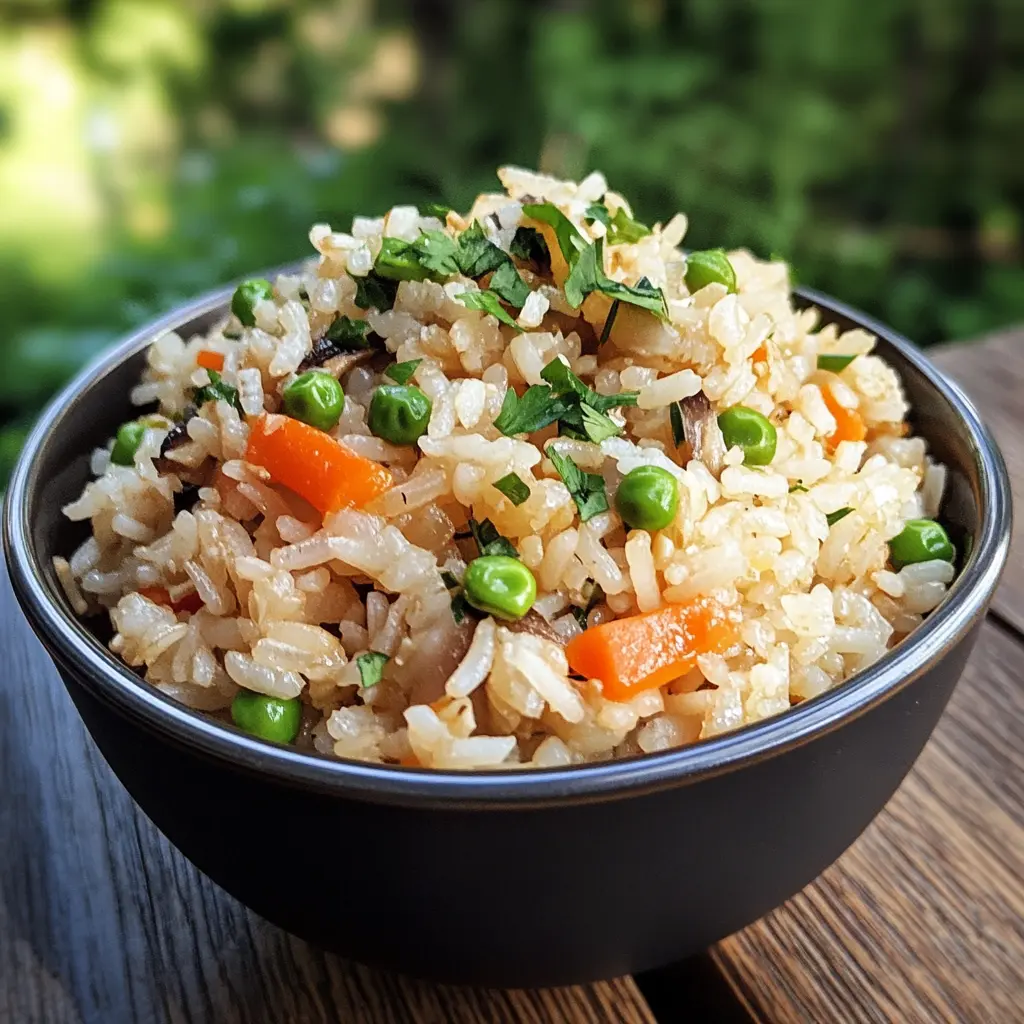
When it comes to healthy eating, the Mediterranean diet often steals the spotlight. Known for its emphasis on whole grains, fresh vegetables, healthy fats, and lean proteins, this diet has been praised for its heart-healthy benefits and overall wellness perks. But what about jasmine rice? Can this fragrant, flavorful grain find a place on your Mediterranean diet plate?
In this article, we’ll dive deep into the compatibility of jasmine rice with the Mediterranean diet. From its nutritional profile to practical tips for incorporating it into your meals, we’ll cover everything you need to know. Whether you’re a rice lover or just curious about making the most of this popular grain, let’s explore how jasmine rice fits into one of the world’s healthiest diets.
Introduction to Jasmine Rice and the Mediterranean Diet
What is Jasmine Rice?
Jasmine rice, often referred to as the “queen of fragrant rice,” is a long-grain variety native to Thailand. Its subtle floral aroma and slightly sticky texture make it a favorite in many Asian dishes. But beyond its delightful scent and taste, jasmine rice is a staple in many households due to its versatility and quick cooking time.
Nutritionally, jasmine rice is primarily a source of carbohydrates, providing energy to fuel your day. However, it’s worth noting that most jasmine rice available in stores is white rice, which means it’s been milled and polished, stripping away some of its natural nutrients. While it’s not a whole grain, it still offers essential vitamins and minerals like manganese and small amounts of B vitamins.
What is the Mediterranean Diet?
The Mediterranean diet is more than just a way of eating—it’s a lifestyle. Inspired by the traditional eating habits of countries bordering the Mediterranean Sea, this diet emphasizes fresh, minimally processed foods. Think colorful vegetables, fruits, nuts, seeds, legumes, whole grains, olive oil, and lean proteins like fish and poultry.
Unlike restrictive diets, the Mediterranean diet is flexible and sustainable. It’s not about cutting out entire food groups but rather focusing on balance and quality. Whole grains, in particular, play a starring role, providing fiber, vitamins, and minerals that support overall health.
Why the Question Arises
So, why are people wondering if jasmine rice fits into the Mediterranean diet? Well, the diet’s preference for whole grains over refined grains has sparked some debate. While jasmine rice is undeniably delicious, its refined nature raises questions about its compatibility with the diet’s principles.
On one hand, jasmine rice is a quick source of energy and pairs beautifully with Mediterranean-inspired dishes. On the other hand, its lower fiber content and higher glycemic index (GI) compared to whole grains like quinoa or farro might make it less ideal for strict adherence to the diet.
In the next section, we’ll break down the nutritional comparison and explore whether jasmine rice can earn a spot on your Mediterranean diet menu.
Nutritional Comparison and Compatibility
Nutritional Profile of Jasmine Rice
When it comes to understanding whether jasmine rice fits into the Mediterranean diet, it’s essential to start with its nutritional makeup. A single cup of cooked jasmine rice (about 158 grams) contains approximately:
- Calories: 205
- Carbohydrates: 45 grams
- Protein: 4 grams
- Fat: 0.5 grams
- Fiber: 0.6 grams
- Manganese: 37% of the Daily Value (DV)
- Magnesium: 4% of the DV
While jasmine rice provides a decent amount of energy and some essential nutrients, its low fiber content is a notable drawback. Fiber is a key component of the Mediterranean diet, as it supports digestion, helps maintain stable blood sugar levels, and keeps you feeling full longer.
Mediterranean Diet’s Stance on Grains
The Mediterranean diet places a strong emphasis on whole grains, which are grains that retain their bran, germ, and endosperm. This means they’re packed with fiber, vitamins, and minerals. Popular whole grains in this diet include:
- Quinoa
- Farro
- Bulgur
- Brown rice
- Barley
These grains are not only nutrient-dense but also have a lower glycemic index, meaning they release energy slowly and help prevent blood sugar spikes. In contrast, refined grains like white jasmine ricehave been stripped of their nutrient-rich outer layers, leaving behind mostly starchy carbohydrates.
Is Jasmine Rice a Whole Grain?
Here’s the catch: jasmine rice is typically available as white rice, which is a refined grain. However, brown jasmine rice does exist and is considered a whole grain. Brown jasmine rice retains its bran and germ, making it a healthier option with more fiber and nutrients.
If you’re committed to the Mediterranean diet, opting for brown jasmine rice over the white variety could be a smart move. It aligns more closely with the diet’s principles while still offering that signature jasmine aroma and flavor.
Glycemic Index and Jasmine Rice
The glycemic index (GI) measures how quickly a food raises blood sugar levels. Foods with a high GI, like white jasmine rice, can cause rapid spikes and crashes in blood sugar, which isn’t ideal for long-term health.
White jasmine rice has a GI of around 68-80, placing it in the medium to high range. In comparison, whole grains like quinoa and bulgur have a lower GI, making them better choices for maintaining steady energy levels.
That said, pairing jasmine rice with fiber-rich foods like vegetables, legumes, or healthy fats can help mitigate its impact on blood sugar. For example, a Mediterranean-style rice bowl with chickpeas, roasted veggies, and a drizzle of olive oil can balance out the meal.
Can Jasmine Rice Fit into the Mediterranean Diet?
The short answer? Yes, but in moderation. While jasmine rice isn’t a whole grain, it can still be enjoyed as part of a balanced Mediterranean diet. The key is to treat it as an occasional side dish rather than a staple.
Here are a few tips for incorporating jasmine rice into your Mediterranean-inspired meals:
- Pair it with fiber-rich foods: Combine jasmine rice with vegetables, beans, or lentils to boost the meal’s fiber content.
- Watch your portions: Stick to smaller servings (about ½ cup cooked) to keep your overall carbohydrate intake in check.
- Choose brown jasmine rice: If available, opt for the whole grain version to align better with the diet’s principles.
In the next section, we’ll explore the benefits and drawbacks of eating jasmine rice on the Mediterranean diet, so you can make an informed decision about including it in your meals.
Benefits and Drawbacks of Eating Jasmine Rice on the Mediterranean Diet
Benefits of Jasmine Rice in the Mediterranean Diet
While jasmine rice may not be a whole grain, it still offers some advantages that make it a viable option for the Mediterranean diet. Here’s why you might want to keep it in your pantry:
- Quick Energy Source:
Jasmine rice is rich in carbohydrates, making it an excellent source of quick energy. If you’re someone with an active lifestyle or need a pre-workout meal, a small serving of jasmine rice can provide the fuel you need. - Versatility in Cooking:
One of the standout features of jasmine rice is its versatility. Its subtle floral aroma and slightly sticky texture make it a perfect base for a variety of Mediterranean-inspired dishes. Think rice salads, grain bowls, or even stuffed peppers. - Ease of Digestion:
Unlike some whole grains that can be harder to digest, jasmine rice is gentle on the stomach. This makes it a good option for those with digestive sensitivities or anyone recovering from an illness. - Cultural Fusion:
The Mediterranean diet is all about celebrating fresh, flavorful ingredients from different cultures. Incorporating jasmine rice can add an exciting twist to traditional Mediterranean recipes, creating a fusion of flavors that keeps meals interesting.
Drawbacks of Jasmine Rice in the Mediterranean Diet
Of course, no food is perfect, and jasmine rice does come with a few drawbacks, especially when compared to the whole grains typically favored in the Mediterranean diet.
- Low Fiber Content:
As mentioned earlier, white jasmine rice lacks the fiber found in whole grains. Fiber is crucial for digestive health, weight management, and maintaining stable blood sugar levels. Without it, you might find yourself feeling hungry sooner after a meal. - High Glycemic Index:
The medium to high GI of jasmine rice means it can cause blood sugar spikes, which isn’t ideal for those managing diabetes or insulin resistance. Over time, frequent consumption of high-GI foods can also increase the risk of chronic health issues. - Nutrient Loss During Processing:
Since white jasmine rice is a refined grain, it loses many of its natural nutrients during processing. While it’s often enriched with some vitamins and minerals, it still falls short compared to the nutrient density of whole grains.
Balancing Jasmine Rice with Other Mediterranean Foods
If you’re determined to enjoy jasmine rice while sticking to the Mediterranean diet, balance is key. Here are some practical tips to make it work:
- Pair with Fiber-Rich Foods:
Combine jasmine rice with high-fiber ingredients like leafy greens, beans, or lentils. For example, a Mediterranean rice bowl with spinach, chickpeas, and a lemon-olive oil dressing can be both satisfying and nutritious. - Add Healthy Fats:
Incorporate healthy fats like olive oil, avocado, or nuts to slow down the digestion of carbohydrates and prevent blood sugar spikes. - Mix with Whole Grains:
If you’re cooking a rice-based dish, consider mixing jasmine rice with a whole grain like quinoa or bulgur. This way, you get the best of both worlds—flavor and nutrition. - Control Portion Sizes:
Stick to smaller servings of jasmine rice (about ½ cup cooked) and fill the rest of your plate with vegetables, lean proteins, and healthy fats.
By following these strategies, you can enjoy jasmine rice without compromising the principles of the Mediterranean diet.
How to Incorporate Jasmine Rice into the Mediterranean Diet
Now that we’ve explored the pros and cons of jasmine rice in the Mediterranean diet, let’s get practical. How can you include this fragrant grain in your meals without straying from the diet’s core principles? Here are some delicious and nutritious ideas to inspire you.
Mediterranean Diet-Friendly Jasmine Rice Recipes
1. Mediterranean Jasmine Rice Bowl
Ingredients:
- 1 cup cooked jasmine rice
- ½ cup chickpeas (canned or cooked)
- 1 cup chopped vegetables (e.g., bell peppers, cucumbers, cherry tomatoes)
- 2 tablespoons olive oil
- 1 tablespoon lemon juice
- 1 teaspoon dried oregano
- Salt and pepper to taste
- Optional: crumbled feta cheese or olives for garnish
Instructions:
- In a large bowl, combine the cooked jasmine rice, chickpeas, and chopped vegetables.
- In a small bowl, whisk together the olive oil, lemon juice, oregano, salt, and pepper.
- Drizzle the dressing over the rice mixture and toss to combine.
- Garnish with feta cheese or olives if desired. Serve immediately.
Why It Works:
This bowl is packed with fiber-rich chickpeas and fresh vegetables, balancing out the jasmine rice. The olive oil and lemon dressing add healthy fats and a burst of Mediterranean flavor.
2. Stuffed Bell Peppers with Jasmine Rice
Ingredients:
- 4 large bell peppers (any color)
- 1 cup cooked jasmine rice
- ½ cup cooked lentils
- ½ cup diced tomatoes
- ¼ cup chopped parsley
- 1 teaspoon cumin
- 1 teaspoon paprika
- 2 tablespoons olive oil
- Salt and pepper to taste
Instructions:
- Preheat your oven to 375°F (190°C). Cut the tops off the bell peppers and remove the seeds.
- In a mixing bowl, combine the cooked jasmine rice, lentils, diced tomatoes, parsley, cumin, paprika, olive oil, salt, and pepper.
- Stuff the mixture into the bell peppers and place them in a baking dish.
- Cover with foil and bake for 30-35 minutes, or until the peppers are tender.
Why It Works:
This recipe combines jasmine rice with protein-rich lentils and flavorful spices, creating a well-rounded meal that aligns with the Mediterranean diet.
Portion Control and Serving Suggestions
While jasmine rice can be part of a healthy diet, portion control is crucial. Here’s how to keep your servings in check:
- Stick to ½ Cup Cooked: A standard serving size for rice is about ½ cup cooked. This ensures you’re not overloading on carbohydrates.
- Fill Half Your Plate with Veggies: Pair your jasmine rice with a generous portion of non-starchy vegetables like broccoli, zucchini, or spinach.
- Add Lean Protein: Incorporate grilled chicken, fish, or tofu to make your meal more satisfying and balanced.
Alternatives to Jasmine Rice in the Mediterranean Diet
If you’re looking to reduce your intake of refined grains, there are plenty of whole grain alternatives that fit seamlessly into the Mediterranean diet. Here are a few options:
- Quinoa: A complete protein and a great source of fiber, quinoa is a versatile substitute for jasmine rice.
- Farro: This ancient grain has a chewy texture and nutty flavor, making it perfect for salads and grain bowls.
- Bulgur: Often used in tabbouleh, bulgur is quick-cooking and packed with nutrients.
- Brown Rice: If you love rice but want a healthier option, brown rice is a whole grain that retains its bran and germ.
By experimenting with these alternatives, you can enjoy the benefits of whole grains while still savoring the flavors of the Mediterranean diet.
FAQs Section
When it comes to jasmine rice and the Mediterranean diet, questions abound. To help clear up any confusion, we’ve compiled answers to some of the most frequently asked questions based on the “People Also Ask” section for this topic.
Frequently Asked Questions (FAQs)
1. Is Jasmine Rice Healthy?
Yes, jasmine rice can be part of a healthy diet, but it depends on how it’s consumed. While it provides energy and some essential nutrients like manganese, its low fiber content and higher glycemic index make it less ideal than whole grains. For a healthier option, consider brown jasmine rice, which retains more nutrients and fiber.
2. Can I Eat Jasmine Rice Every Day on the Mediterranean Diet?
While you can eat jasmine rice every day, it’s not the best choice for strict adherence to the Mediterranean diet. The diet emphasizes whole grains, which offer more fiber and nutrients. If you do choose to eat jasmine rice regularly, opt for smaller portions and pair it with fiber-rich foods like vegetables and legumes.
3. What is the Best Rice for the Mediterranean Diet?
The best rice for the Mediterranean diet is one that’s a whole grain, such as brown rice, wild rice, or black rice. These varieties are higher in fiber and nutrients compared to refined grains like white jasmine rice. If you’re looking for a fragrant option, brown jasmine rice is a great compromise.
4. Is Jasmine Rice Gluten-Free?
Yes, jasmine rice is naturally gluten-free, making it a safe choice for individuals with celiac disease or gluten sensitivity. However, always check the packaging to ensure it hasn’t been processed in a facility that handles gluten-containing grains.
5. How Does Jasmine Rice Compare to Basmati Rice?
Both jasmine rice and basmati rice are aromatic long-grain varieties, but they have some key differences:
- Glycemic Index: Basmati rice generally has a lower glycemic index than jasmine rice, making it a better option for blood sugar control.
- Texture: Jasmine rice is slightly stickier, while basmati rice tends to be fluffier.
- Flavor: Jasmine rice has a more pronounced floral aroma, whereas basmati rice has a nuttier flavor.
If you’re following the Mediterranean diet, basmati rice (especially the brown variety) might be a slightly better choice due to its lower GI.
6. Can I Substitute Jasmine Rice in Mediterranean Recipes?
Absolutely! While jasmine rice isn’t a traditional ingredient in Mediterranean cuisine, it can be used as a substitute in recipes that call for rice. Just keep in mind that its sticky texture and floral aroma may alter the dish slightly. For a more authentic Mediterranean experience, try using bulgur, farro, or quinoa instead.
7. How Can I Make Jasmine Rice Healthier?
To make jasmine rice healthier, consider the following tips:
- Choose Brown Jasmine Rice: This whole grain version retains more fiber and nutrients.
- Pair with Vegetables and Legumes: Adding fiber-rich ingredients can help balance the meal.
- Use Healthy Cooking Methods: Cook your rice in broth instead of water for added flavor, or sauté it with a bit of olive oil and garlic for a Mediterranean twist
Conclusion and Final Thoughts
Final Verdict on Jasmine Rice and the Mediterranean Diet
So, can you eat jasmine rice on the Mediterranean diet? The answer is yes—but with some caveats. While jasmine rice isn’t a whole grain and lacks the fiber and nutrient density of other grains like quinoa or farro, it can still be enjoyed in moderation. The key is to balance it with other Mediterranean diet staples like vegetables, legumes, and healthy fats.
If you’re a fan of jasmine rice, consider opting for the brown variety, which is a whole grain and aligns more closely with the diet’s principles. And remember, portion control is crucial. A small serving of jasmine rice paired with a colorful array of Mediterranean ingredients can make for a satisfying and nutritious meal.
Tips for Success on the Mediterranean Diet
Whether you’re new to the Mediterranean diet or a seasoned pro, here are some tips to help you make the most of this healthy eating pattern:
- Focus on Whole Foods: Prioritize fresh, minimally processed ingredients like fruits, vegetables, whole grains, nuts, seeds, and lean proteins.
- Experiment with Flavors: Use herbs, spices, and healthy fats like olive oil to add depth and richness to your meals.
- Embrace Variety: Don’t be afraid to try new grains, vegetables, and recipes to keep your meals exciting and nutrient-dense.
- Practice Moderation: While jasmine rice can be part of your diet, it’s best enjoyed in smaller portions alongside other nutrient-rich foods.
- Stay Active: The Mediterranean lifestyle isn’t just about food—it’s also about staying active and enjoying life. Incorporate regular physical activity and mindful eating into your routine.
By following these guidelines, you can enjoy the flavors and benefits of the Mediterranean diet while still indulging in your favorite foods, like jasmine rice, from time to time.