Carrot and Quinoa Stuffed Peppers: A Delicious and Nutritious Vegetarian Meal
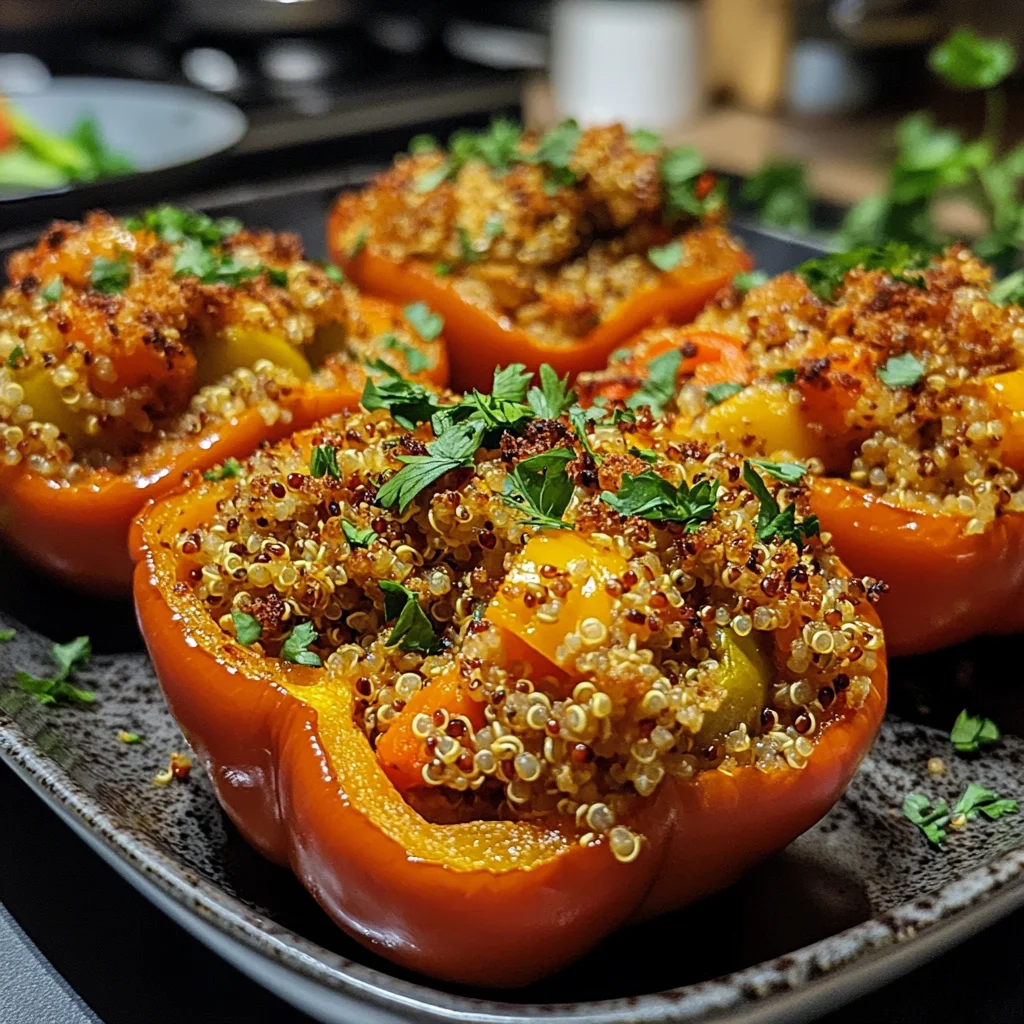
Carrot and Quinoa Stuffed Peppers are a wholesome, colorful, and budget-friendly dinner option that combines the earthy sweetness of carrots with protein-rich quinoa. This vegetarian dish transforms bell peppers into edible bowls filled with a savory mixture of vegetables, grains, and seasonings. Perfect for meal prep, weeknight dinners, or entertaining guests, these stuffed peppers deliver both visual appeal and satisfying nutrition in every bite.
Why Choose Carrot and Quinoa Stuffed Peppers
This recipe stands out as an ideal choice for health-conscious home cooks. The combination of carrots and quinoa creates a complete meal. Quinoa provides all nine essential amino acids, making it a complete protein source. Carrots add natural sweetness and vibrant color while boosting the dish’s vitamin content.
The dish requires minimal cooking skills yet delivers impressive results. Bell peppers serve as natural vessels that become tender during baking. The filling can be prepared in advance, making this recipe perfect for busy schedules. Most ingredients are pantry staples, keeping costs low without sacrificing flavor or nutrition.
Carrot and Quinoa Stuffed Peppers accommodate various dietary preferences effortlessly. The recipe is naturally vegetarian and easily adapts to vegan diets. Additionally, quinoa is gluten-free, making this dish suitable for those with gluten sensitivities. The versatility allows for endless customization based on seasonal ingredients and personal preferences.
Essential Ingredients for Success
Main Components
Creating perfect Carrot and Quinoa Stuffed Peppers requires quality base ingredients. You’ll need four to six large bell peppers, preferably a mix of colors for visual appeal. Choose peppers that can stand upright and have flat bottoms. Red, yellow, and orange varieties offer sweeter flavors compared to green peppers.
The filling features three-quarters cup of quinoa, which yields approximately two cups when cooked. Select white, red, or tricolor quinoa based on preference. Additionally, you’ll need one and a half cups of grated carrots, which add moisture and natural sweetness. Fresh carrots work best, though pre-shredded varieties save preparation time.
Aromatics form the flavor foundation for this dish. One medium yellow onion, diced, provides savory depth. Three to four cloves of minced garlic enhance the overall taste profile. Celery adds crunch and additional nutrients when included.
Seasonings and Enhancements
Spices elevate the filling from simple to spectacular. Ground cumin adds earthy warmth, while paprika contributes subtle smokiness. Chili powder brings gentle heat without overwhelming the other flavors. Salt and black pepper season to taste, balancing all components.
Liquid ingredients help bind the filling and add moisture. Vegetable broth creates depth when cooking quinoa. Fire-roasted diced tomatoes introduce acidity and complexity. A drizzle of olive oil prevents sticking and adds healthy fats.
Optional additions customize the recipe to personal preferences. Black beans increase protein content and create a heartier meal. Corn kernels add pops of sweetness throughout the filling. Fresh herbs like cilantro or parsley brighten the finished dish. Cheese provides richness for non-vegan versions.
Step-by-Step Preparation Guide
Preparing the Peppers
Start by preheating your oven to 375 degrees Fahrenheit. Wash bell peppers thoroughly under cool running water. Cut each pepper in half lengthwise, slicing through the stem. Remove seeds and white membranes completely, creating hollow shells.
Some recipes recommend pre-cooking peppers for optimal tenderness. Bring a large pot of water to boil. Submerge pepper halves and cook for four minutes. This partial cooking ensures peppers become perfectly tender during baking. Drain and set aside to cool.
Arrange pepper halves in a baking dish with cut sides facing up. Lightly brush the insides with olive oil. This prevents sticking and adds subtle flavor. Space peppers evenly to ensure uniform cooking.
Cooking the Quinoa and Vegetables
Rinse quinoa under cold water using a fine-mesh strainer. This removes the natural coating that can taste bitter. Combine quinoa with one and three-quarter cups of vegetable broth in a medium saucepan. Bring to a boil, then reduce heat to low. Cover and simmer for fifteen minutes until liquid absorbs completely.
While quinoa cooks, prepare the vegetable mixture. Heat two tablespoons of olive oil in a large skillet over medium heat. Add diced onions and sauté for five minutes until translucent. Introduce minced garlic and cook one additional minute until fragrant.
Add grated carrots to the skillet and continue cooking. Stir occasionally for six to eight minutes until vegetables soften. Incorporate seasonings including cumin, paprika, and chili powder. Mix thoroughly to coat vegetables evenly with spices.
Assembling the Filling
Combine cooked quinoa with the sautéed vegetable mixture in a large bowl. Add drained diced tomatoes, distributing them throughout. If using black beans, corn, or other additions, fold them in now. The mixture should be moist but not watery.
Taste the filling and adjust seasonings as needed. Add more salt, pepper, or spices to achieve desired flavor intensity. Fresh herbs can be mixed in at this stage. For cheese lovers, reserve half the cheese for topping and mix the remainder into the filling.
The filling should have a cohesive texture that holds together. If the mixture seems dry, add reserved tomato liquid or vegetable broth. Conversely, if too wet, cook the mixture briefly to evaporate excess moisture.
Baking and Finishing
Generously spoon the filling into prepared pepper halves. Pack the mixture firmly but avoid overstuffing, which can cause spillage. Each pepper should be filled to just below the rim. Distribute filling evenly among all peppers.
Cover the baking dish with aluminum foil to retain moisture. Bake covered for thirty minutes, allowing flavors to meld. Remove foil and sprinkle additional cheese on top if desired. Increase oven temperature to 400 degrees Fahrenheit and bake uncovered for ten more minutes. Peppers should be tender when pierced with a fork, and cheese should be melted and lightly browned.
Let Carrot and Quinoa Stuffed Peppers rest for five minutes before serving. This allows the filling to set slightly. Garnish with fresh herbs, a dollop of Greek yogurt, or your favorite toppings.
Nutritional Benefits and Health Advantages
Complete Protein and Essential Nutrients
Carrot and Quinoa Stuffed Peppers deliver exceptional nutritional value in a single dish. Quinoa contains all nine essential amino acids, making it a complete protein rare among plant-based foods. One cup of cooked quinoa provides approximately eight grams of protein. This makes the recipe ideal for vegetarians seeking adequate protein intake.
Carrots contribute significant amounts of beta-carotene, which converts to vitamin A in the body. This nutrient supports eye health, immune function, and skin integrity. Additionally, carrots provide fiber, vitamin K, and potassium. The combination of quinoa and carrots creates a nutrient-dense foundation.
Bell peppers themselves offer impressive health benefits. They rank among the richest sources of vitamin C, with one medium pepper providing more than the daily recommended intake. Peppers also contain antioxidants like capsanthin and quercetin. These compounds help reduce inflammation and protect against chronic diseases.
Dietary Fiber and Digestive Health
This dish excels in providing dietary fiber essential for digestive wellness. Quinoa contains both soluble and insoluble fiber, promoting regular bowel movements. Carrots add additional fiber that feeds beneficial gut bacteria. Bell peppers contribute their own fiber content, creating a meal that supports digestive health comprehensively.
Fiber helps regulate blood sugar levels by slowing glucose absorption. This makes Carrot and Quinoa Stuffed Peppers suitable for those managing diabetes or insulin resistance. The gradual energy release prevents blood sugar spikes and crashes. Consequently, you’ll feel satisfied longer after eating.
The high fiber content also supports weight management efforts. Fiber increases satiety, reducing overall calorie consumption throughout the day. Despite being filling, this dish remains relatively low in calories. A typical serving provides substantial nutrition without excessive energy intake.
Heart-Healthy and Anti-Inflammatory Properties
The ingredients in this recipe promote cardiovascular health through multiple mechanisms. Quinoa contains heart-healthy monounsaturated fats and omega-3 fatty acids. These fats help lower LDL cholesterol while supporting HDL cholesterol. The grain also provides magnesium, which regulates blood pressure and heart rhythm.
Carrots contain potassium, an essential mineral for maintaining healthy blood pressure levels. The antioxidants in carrots reduce oxidative stress, a contributor to heart disease. Bell peppers provide similar cardiovascular benefits through their high antioxidant content. Together, these ingredients create a heart-protective meal.
Anti-inflammatory compounds throughout the dish combat chronic inflammation linked to numerous diseases. Cumin and garlic possess natural anti-inflammatory properties. The diverse array of phytonutrients from vegetables works synergistically. Regular consumption of meals like Carrot and Quinoa Stuffed Peppers may reduce inflammation markers over time.
Flavor Variations and Customization Options
Mediterranean-Inspired Version
Transform your Carrot and Quinoa Stuffed Peppers with Mediterranean flavors and ingredients. Add diced preserved lemon for tangy brightness. Include sliced almonds for crunch and healthy fats. Dried apricots and cranberries introduce sweet-tart notes that complement the savory filling.
Incorporate crumbled feta or goat cheese for creamy richness. These cheeses melt beautifully during baking, adding luxurious texture. Fresh herbs like oregano, basil, and mint enhance the Mediterranean character. Drizzle finished peppers with extra virgin olive oil and a squeeze of lemon juice.
Sun-dried tomatoes intensify the tomato flavor while adding chewy texture. Kalamata olives contribute briny saltiness that balances the sweet carrots. Pine nuts toasted until golden provide buttery crunch. This variation pairs excellently with a side of hummus or tzatziki.
Mexican-Style Adaptation
Create a southwestern flair by adjusting spices and additions. Increase cumin and add Mexican oregano for authentic flavor. Chipotle salsa brings smokiness and moderate heat to the filling. Black beans and corn kernels are essential for this variation.
Pepper jack cheese adds both creaminess and spicy kick. Green onions provide sharp freshness throughout the filling. Top finished peppers with sliced jalapeños for extra heat. Garnish with fresh cilantro, lime wedges, and a dollop of sour cream or Greek yogurt.
Fire-roasted poblano peppers diced into the filling add depth and complexity. Substitute vegetable broth with tomato-based broth for richer color. A sprinkle of smoked paprika enhances the smoky profile. Serve alongside Spanish rice or Mexican street corn for a complete meal.
Moroccan-Spiced Alternative
Transport your taste buds to North Africa with warming Moroccan spices. Add ground cinnamon, coriander, and a pinch of cayenne to the filling. Ginger paste or freshly grated ginger provides aromatic heat. Turmeric adds golden color and anti-inflammatory benefits.
Chickpeas replace or supplement black beans in this variation. Raisins or chopped dates contribute natural sweetness that complements the spices. Toasted cumin seeds add textural interest and intensified flavor. Fresh mint and cilantro brighten the finished dish.
A drizzle of tahini sauce or yogurt-based dressing completes the Moroccan experience. Pomegranate seeds sprinkled on top add jewel-like appearance and tart flavor. Serve with couscous or flatbread for an authentic meal. This variation works beautifully for entertaining guests.
Italian-Style Interpretation
Bring Italian flavors to Carrot and Quinoa Stuffed Peppers with classic seasonings. Add dried oregano, thyme, and basil to the filling. Include diced zucchini or yellow squash for additional vegetables. Fresh tomatoes or marinara sauce replace diced tomatoes for richer flavor.
Mozzarella cheese creates stretchy, melty perfection when baked. Parmesan cheese adds salty, umami depth to the filling. Italian sausage seasoning provides authentic flavor for vegetarian versions. Fresh basil leaves torn over finished peppers add aromatic freshness.
Incorporate white beans for protein and creamy texture. Capers provide briny pops throughout the filling. A sprinkle of red pepper flakes adds gentle heat. Serve with a simple green salad dressed with balsamic vinaigrette for a complete Italian-inspired meal.

Storage and Meal Prep Tips
Preparing Components in Advance
Carrot and Quinoa Stuffed Peppers excel as a meal prep option for busy weeks. Cook quinoa up to three days ahead and store refrigerated in an airtight container. Prepare the vegetable filling simultaneously and keep separate. This approach allows quick assembly when ready to bake.
Cut and clean bell peppers the night before using them. Store prepared peppers in a sealed container lined with paper towels. The paper towels absorb excess moisture, preventing sogginess. Keep them refrigerated until assembly time arrives.
Grate carrots and dice onions ahead to streamline cooking day. Store these prepared vegetables separately in sealed containers. Pre-measured spices in small containers save time during assembly. This organizational approach makes weeknight cooking significantly faster.
Refrigeration and Reheating
Store leftover Carrot and Quinoa Stuffed Peppers in airtight containers for up to four days. Allow peppers to cool completely before refrigerating. Stack peppers carefully or store them in a single layer to maintain shape. Separate layers with parchment paper if stacking.
Reheat refrigerated peppers in a 350-degree oven for fifteen to twenty minutes. Cover with foil to prevent drying during reheating. Alternatively, microwave individual portions for two to three minutes. Add a tablespoon of water or broth before microwaving to maintain moisture.
Unbaked stuffed peppers can be refrigerated for up to twenty-four hours before cooking. Prepare completely, cover tightly with plastic wrap, and refrigerate. When ready to bake, remove from refrigerator thirty minutes prior. This allows peppers to reach room temperature, ensuring even cooking.
Freezer-Friendly Options
Carrot and Quinoa Stuffed Peppers freeze exceptionally well for long-term storage. Prepare peppers completely but do not bake them initially. Wrap each stuffed pepper individually in plastic wrap, then place in freezer-safe bags. Remove excess air to prevent freezer burn.
Label bags with contents and date, then freeze for up to three months. When ready to eat, thaw peppers overnight in the refrigerator. Bake according to recipe instructions, adding five to ten extra minutes for thorough heating. Alternatively, bake directly from frozen, increasing cooking time by twenty minutes.
For already-baked peppers, cool completely before freezing using the same wrapping method. Frozen cooked peppers maintain quality for two months. Reheat thawed peppers in the oven or microwave. The texture remains excellent, though fresh peppers have slightly crisper shells.
Serving Suggestions and Pairings
Complementary Side Dishes
Pair Carrot and Quinoa Stuffed Peppers with sides that enhance the meal’s appeal. A crisp green salad with mixed greens, cucumbers, and cherry tomatoes provides freshness. Light vinaigrette dressings complement the hearty peppers without overwhelming flavors. Consider adding nuts or seeds to the salad for extra crunch.
Roasted vegetables make an excellent accompaniment to this dish. Brussels sprouts, broccoli, or asparagus roasted with olive oil and garlic work beautifully. The caramelization from roasting adds depth that pairs well with the stuffed peppers. Season simply with salt and pepper to let natural flavors shine.
Crusty whole grain bread serves as a satisfying addition to the meal. Use it to soak up any juices from the peppers. Garlic bread or focaccia provides an indulgent option for special occasions. Alternatively, serve with warm pita or naan bread for Mediterranean variations.
Sauce and Topping Options
Enhance Carrot and Quinoa Stuffed Peppers with flavorful sauces and toppings. Greek yogurt or sour cream adds cooling creaminess that balances the spiced filling. Mix yogurt with fresh herbs and lemon juice for elevated flavor. A dollop on each pepper creates restaurant-quality presentation.
Tomato-based sauces complement the dish exceptionally well. Marinara, enchilada sauce, or fresh salsa add moisture and tangy flavor. Drizzle sauce around peppers on the plate or serve separately for dipping. Homemade sauces elevate the meal but quality store-bought versions work perfectly.
Fresh herbs scattered over finished peppers add color and freshness. Cilantro, parsley, basil, or mint work depending on the flavor variation chosen. Sliced green onions or chives provide mild onion flavor and visual appeal. A sprinkle of toasted nuts or seeds adds textural contrast.
Beverage Pairings
Choose beverages that complement the flavors in Carrot and Quinoa Stuffed Peppers. Sparkling water with lemon or lime provides refreshing simplicity. Herbal teas like mint or chamomile offer soothing accompaniment. Iced tea sweetened with honey pairs beautifully during warmer months.
Fresh vegetable juices match the healthy profile of this dish. Carrot-ginger juice echoes the main ingredients while adding spicy warmth. Tomato juice seasoned with celery salt creates a savory pairing. Green juices with cucumber and celery provide light, refreshing contrast.
For smoothie enthusiasts, fruit-based options complement the savory peppers nicely. Mango-pineapple smoothies add tropical sweetness. Berry smoothies provide antioxidant-rich accompaniment. The contrast between sweet beverages and savory food creates satisfying meal balance.
Frequently Asked Questions
How do you prevent stuffed peppers from getting soggy?
Several techniques prevent soggy Carrot and Quinoa Stuffed Peppers successfully. First, avoid adding excess liquid to the filling mixture. The quinoa should be cooked until fluffy but not waterlogged. Drain canned tomatoes thoroughly before incorporating them. Additionally, pre-cooking peppers briefly ensures they soften without releasing too much moisture during baking.
Can you make this recipe vegan?
Absolutely, Carrot and Quinoa Stuffed Peppers adapt easily to vegan diets. Simply omit cheese or use plant-based cheese alternatives. Nutritional yeast adds cheesy flavor without dairy. All other ingredients naturally fit vegan requirements. The dish remains delicious and satisfying without animal products.
What type of quinoa works best?
Any quinoa variety works excellently in this recipe. White quinoa has the mildest flavor and fluffiest texture. Red quinoa maintains its shape better and offers nuttier taste. Black quinoa provides the most striking appearance. Tricolor quinoa blends combine all three for visual interest and varied texture.
How long does it take to make stuffed peppers?
Total preparation time for Carrot and Quinoa Stuffed Peppers ranges from forty-five to sixty minutes. Quinoa cooking requires about fifteen minutes. Vegetable preparation and sautéing take approximately fifteen minutes. Assembly takes five to ten minutes. Baking requires thirty to forty minutes, depending on your oven and pepper size.
Can you use other vegetables in the filling?
Certainly, numerous vegetables work wonderfully in this filling. Zucchini, mushrooms, and spinach integrate seamlessly. Diced sweet potatoes add extra sweetness and nutrition. Kale or chard contribute greens and additional fiber. Experiment with seasonal vegetables to create unique variations throughout the year.
Are stuffed peppers healthy for weight loss?
Carrot and Quinoa Stuffed Peppers support weight loss goals effectively. They provide substantial volume with relatively few calories. High fiber content promotes satiety, reducing snacking between meals. Protein from quinoa helps maintain muscle mass during weight loss. The nutrient density ensures adequate nutrition despite calorie reduction.
What size peppers should you use?
Large bell peppers work best for stuffing, as they hold generous amounts of filling. Look for peppers that measure four to five inches tall. They should have thick walls that maintain structure during baking. Choose peppers with flat bottoms so they stand upright without tipping. Uniform size ensures even cooking across all peppers.
Can you prepare these ahead for entertaining?
Carrot and Quinoa Stuffed Peppers make excellent make-ahead dishes for entertaining. Assemble completely up to twenty-four hours before serving. Cover tightly and refrigerate until ready to bake. Remove from refrigerator thirty minutes before baking. This approach reduces stress when hosting guests while ensuring fresh, hot food.
Carrot and Quinoa Stuffed Peppers represent the perfect intersection of nutrition, flavor, and convenience. This versatile recipe adapts to countless variations while maintaining its core appeal as a wholesome, satisfying meal. Whether preparing for busy weeknights, meal prepping for the week, or entertaining guests, these colorful stuffed peppers deliver consistently delicious results. The combination of protein-rich quinoa, nutrient-dense carrots, and vibrant bell peppers creates a complete meal that nourishes body and soul.
Print
Carrot and Quinoa Stuffed Peppers
Description
Carrot and Quinoa Stuffed Peppers
Servings: 4
Prep Time: 15 minutes
Cook Time: 35–40 minutes
Calories: ~320 kcal per serving
Ingredients:
-
4 large bell peppers (any color), tops cut off and seeds removed
-
1 cup quinoa, rinsed
-
2 medium carrots, peeled and grated
-
1 small onion, finely chopped
-
2 cloves garlic, minced
-
1 tablespoon olive oil
-
1 teaspoon ground cumin
-
1/2 teaspoon smoked paprika
-
1/4 teaspoon chili flakes (optional)
-
1 can (400g) diced tomatoes
-
50g feta cheese or vegan alternative, crumbled (optional)
-
Salt and black pepper, to taste
-
Fresh parsley or coriander, chopped, for garnish
Instructions:
-
Cook the quinoa:
In a medium saucepan, cook quinoa according to package instructions. Set aside. -
Prepare the filling:
Heat olive oil in a skillet over medium heat. Add onion and garlic, sauté until soft. Add grated carrots, cumin, smoked paprika, and chili flakes. Cook for 3–4 minutes until slightly softened. Stir in the diced tomatoes and cooked quinoa. Season with salt and pepper. Cook for another 3–4 minutes until heated through. -
Stuff the peppers:
Preheat the oven to 190°C (375°F). Place the bell peppers in a baking dish. Spoon the quinoa and carrot mixture evenly into each pepper. Top with crumbled feta if using. -
Bake:
Cover the dish with foil and bake for 25–30 minutes until the peppers are tender. Remove the foil for the last 5 minutes to slightly brown the tops. -
Serve:
Garnish with fresh parsley or coriander. Serve hot as a wholesome vegetarian main or side dish.