
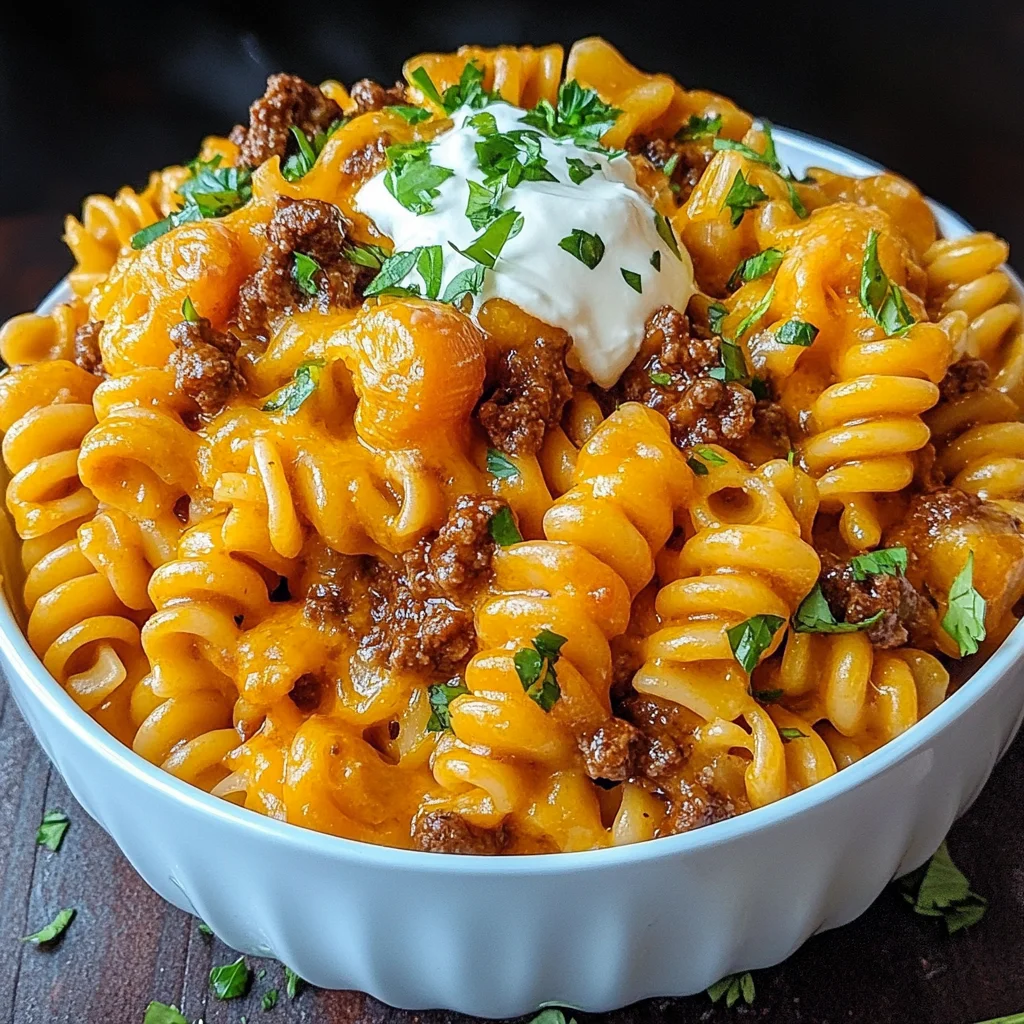
Cheesy Beef Taco Pasta: A Quick and Delicious Weeknight Dinner
Craving Tex-Mex flavors but short on time? Cheesy Beef Taco Pasta combines the best of two comfort food worlds in one skillet. This easy weeknight dinner brings together seasoned ground beef, tender pasta, and loads of melted cheese with classic taco spices. In just 30 minutes, you’ll have a family-friendly meal that satisfies even the pickiest eaters. Best of all, this recipe perfect for busy households looking for quick, flavorful dinners.
What Makes Cheesy Beef Taco Pasta Special
This beef taco pasta recipe stands out among weeknight dinners for several compelling reasons. First, it’s a complete one-pot meal that minimizes cleanup. Additionally, the combination of Mexican-inspired seasonings with Italian pasta creates a fusion dish that appeals to diverse palates.
The beauty of cheesy beef taco pasta lies in its versatility. You can adjust spice levels, swap proteins, or modify ingredients based on dietary needs. Furthermore, this dish costs less than takeout while delivering restaurant-quality flavors. Kids love the cheesy, mild spices, while adults appreciate the customizable heat level.
Why Families Love This Recipe
Busy parents consistently rate this recipe highly for multiple reasons. The cooking process takes under 30 minutes from start to finish. Moreover, it requires minimal prep work and uses common pantry staples. The dish also scales easily for larger families or meal prep purposes.
This taco pasta delivers balanced nutrition with protein, carbohydrates, and vegetables in one bowl. The familiar taco flavors make it less intimidating for picky eaters. Plus, leftovers taste even better the next day as flavors meld together overnight.
Essential Ingredients for Perfect Taco Pasta
Creating authentic cheesy beef taco pasta starts with quality ingredients. Each component plays a crucial role in building layers of flavor.
Main Components
Ground Beef: Choose 80/20 ground beef for the best flavor and moisture balance. Leaner options work but may result in drier texture. You’ll need approximately 1 pound for a standard recipe serving 4-6 people.
Pasta Selection: Short pasta shapes work best for this dish. Penne, rotini, or shells capture the sauce beautifully. Avoid long pasta like spaghetti, which doesn’t hold the chunky sauce well. Use about 12 ounces of dried pasta.
Cheese Varieties: A combination creates the ultimate cheesy experience. Sharp cheddar provides bold flavor, while Monterey Jack adds creaminess. Mexican blend cheese offers convenience with pre-mixed varieties. Plan for 2-3 cups of shredded cheese total.
Flavor Builders
Taco Seasoning: Store-bought seasoning packets offer convenience, but homemade versions taste fresher. Combine chili powder, cumin, paprika, garlic powder, onion powder, oregano, salt, and pepper. This approach also lets you control sodium levels.
Vegetables: Diced onions and minced garlic form the aromatic base. Bell peppers add sweetness and crunch. Jalapeños provide optional heat for spice lovers. Fresh or frozen corn kernels contribute sweetness and texture.
Liquid Components: Beef broth creates depth while cooking the pasta simultaneously. Tomato sauce or diced tomatoes add acidity and moisture. Some recipes benefit from a splash of heavy cream for extra richness.
Pantry Staples
Keep these essential items stocked for spontaneous taco pasta nights. Olive oil or vegetable oil for browning meat works well. Salt and black pepper remain fundamental seasonings. Red pepper flakes offer adjustable heat levels.
Step-by-Step Cooking Instructions
Follow these detailed instructions for perfect cheesy beef taco pasta every time. This method ensures properly cooked pasta and well-seasoned beef.
Preparation Phase
Start by gathering all ingredients and measuring them beforehand. This practice, called mise en place, streamlines the cooking process. Dice onions and bell peppers into uniform pieces. Mince garlic cloves finely for even distribution. Shred cheese if using block cheese rather than pre-shredded.
Cooking Process
Step 1: Heat a large skillet or Dutch oven over medium-high heat. Add one tablespoon of oil once the pan is hot. This prevents food from sticking initially.
Step 2: Add ground beef to the hot pan. Break it apart with a wooden spoon or spatula. Cook for 5-7 minutes until no pink remains. Drain excess fat if necessary, leaving about one tablespoon for flavor.
Step 3: Push meat to the side of the pan. Add diced onions and peppers to the cleared space. Sauté for 3-4 minutes until vegetables soften. Mix in minced garlic and cook for 30 seconds until fragrant.
Step 4: Sprinkle taco seasoning over the meat and vegetables. Stir thoroughly to coat everything evenly. Toast the spices for 1-2 minutes to enhance their flavors.
Step 5: Pour in beef broth and tomato sauce. Stir to combine all ingredients. Bring the mixture to a gentle boil over medium heat.
Step 6: Add uncooked pasta directly to the skillet. Ensure pasta is submerged in liquid. Reduce heat to medium-low and cover the pan. Simmer for 12-15 minutes, stirring occasionally to prevent sticking.
Step 7: Check pasta for doneness around the 12-minute mark. It should be al dente with most liquid absorbed. If too much liquid remains, continue cooking uncovered for 2-3 minutes.
Step 8: Remove pan from heat. Stir in half the shredded cheese until melted and creamy. The residual heat will melt it perfectly.
Step 9: Sprinkle remaining cheese over the top. Cover the pan for 2-3 minutes to melt the cheese layer.
Final Touches
Garnish with fresh cilantro, sliced green onions, or diced tomatoes. Add a dollop of sour cream for extra creaminess. Serve immediately while hot and cheesy.
Pro Tips for the Best Results
Mastering cheesy beef taco pasta requires understanding a few key techniques. These professional tips elevate the dish from good to exceptional.
Meat Preparation Secrets
Season ground beef with salt before browning. This enhances flavor penetration. Break meat into small, even pieces for consistent cooking. Don’t overcrowd the pan, which causes steaming instead of browning.
For deeper flavor, consider browning beef in batches. This technique creates better caramelization. Remove excess fat strategically—some adds flavor, but too much makes the dish greasy.
Pasta Cooking Wisdom
Choose pasta with ridges or hollows that trap sauce effectively. Add pasta when liquid boils to ensure even cooking. Stir every 3-4 minutes to prevent clumping and sticking.
If pasta absorbs liquid too quickly, add broth in quarter-cup increments. Conversely, if too much liquid remains, remove the lid and increase heat slightly. The goal is creamy consistency without being soupy.
Cheese Integration Methods
Use freshly shredded cheese for superior melting. Pre-shredded varieties contain anti-caking agents that affect texture. Mix different cheese types for complex flavor profiles.
Add cheese in stages rather than all at once. This method prevents clumping and ensures smooth incorporation. Save some cheese for topping to create an appealing presentation.
Seasoning Balance
Taste and adjust seasonings before adding cheese. Cheese adds saltiness, so season conservatively initially. Balance heat levels by starting mild and adding spice gradually.
Fresh lime juice brightened at the end enhances all flavors. A small amount of sugar counteracts acidity if tomatoes taste too sharp.
Nutritional Information and Health Benefits
Understanding the nutritional profile helps you make informed dietary choices. One serving of cheesy beef taco pasta provides substantial nutrients.
Macronutrient Breakdown
A typical serving (approximately 1.5 cups) contains:
-
Calories: 450-550
-
Protein: 28-32 grams
-
Carbohydrates: 45-50 grams
-
Fat: 18-22 grams
-
Fiber: 3-4 grams
These numbers vary based on specific ingredients and portion sizes. Using lean ground beef reduces overall fat content. Whole wheat pasta increases fiber substantially.
Vitamin and Mineral Content
Ground beef provides essential B vitamins, particularly B12 and niacin. These vitamins support energy metabolism and nervous system function. Additionally, beef supplies iron and zinc, crucial minerals for immune health.
Cheese contributes calcium and phosphorus for bone health. Tomatoes offer vitamin C and lycopene, a powerful antioxidant. Bell peppers add vitamin A for eye health and immune function.
Making Healthier Modifications
Several simple swaps create a lighter version without sacrificing flavor. Replace regular pasta with whole grain varieties for extra fiber. Use 93/7 ground beef or ground turkey to reduce fat calories.
Reduce cheese quantity by one-third and add Greek yogurt for creaminess. Increase vegetable content with zucchini, mushrooms, or spinach. These modifications maintain satisfaction while improving nutritional density.
Creative Variations to Try
Transform basic cheesy beef taco pasta into exciting new dishes with simple modifications. These variations keep the recipe fresh and interesting.
Protein Alternatives
Ground Turkey Version: Substitute ground turkey for a leaner option. Season more aggressively since turkey tastes milder than beef. Add extra cumin and chili powder for depth.
Chicken Taco Pasta: Use diced chicken breast or rotisserie chicken. Reduce cooking time since chicken cooks faster than ground beef. This variation works beautifully with cream-based sauces.
Vegetarian Option: Replace meat with black beans, pinto beans, or plant-based crumbles. Add extra vegetables like zucchini and corn for bulk. Season generously to compensate for missing meat flavors.
Spice Level Adjustments
Mild Family-Friendly: Omit jalapeños and reduce chili powder by half. Use mild salsa instead of medium or hot varieties. Top with cooling ingredients like avocado and sour cream.
Extra Spicy: Add diced jalapeños, serrano peppers, or chipotle in adobo sauce. Include cayenne pepper in the seasoning blend. Top with hot sauce and pepper jack cheese.
Sauce Variations
Creamy White Version: Replace tomato sauce with heavy cream and cream cheese. Use white cheddar and Monterey Jack exclusively. Add a squeeze of lime juice for brightness.
Verde Style: Substitute salsa verde for tomato-based sauces. Use chicken instead of beef traditionally. Top with queso fresco and fresh cilantro.
Smoky Chipotle: Add chipotle powder and smoked paprika to seasoning. Use fire-roasted tomatoes for depth. Finish with a drizzle of chipotle crema.
Add-In Ideas
Enhance the basic recipe with these delicious additions:
-
Black olives for briny contrast
-
Corn kernels for sweetness and texture
-
Black beans for extra protein and fiber
-
Diced green chiles for mild heat
-
Roasted red peppers for smoky sweetness
Check out our guide on [Mexican-inspired pasta dishes] for more fusion recipe ideas.
Serving Suggestions and Side Dishes
Presenting cheesy beef taco pasta attractively enhances the dining experience. Thoughtful accompaniments create a complete, satisfying meal.
Topping Bar Concept
Create a DIY topping station for customizable servings. This approach accommodates different preferences and dietary needs. Offer various options in small bowls for easy access.
Fresh Toppings: Diced tomatoes, shredded lettuce, sliced avocado, chopped cilantro, sliced green onions, diced red onions, and lime wedges.
Creamy Elements: Sour cream, Greek yogurt, guacamole, and shredded cheese varieties.
Crunchy Additions: Crushed tortilla chips, crumbled bacon, and toasted pepitas.
Complementary Side Dishes
Salads: A crisp green salad with lime vinaigrette balances the rich pasta. Caesar salad offers classic appeal. Mexican street corn salad provides thematic consistency.
Bread Options: Warm flour tortillas work wonderfully for scooping. Cornbread adds Southern comfort vibes. Garlic bread provides familiar Italian-American appeal.
Vegetable Sides: Roasted bell peppers and onions complement taco flavors. Steamed broccoli adds nutritional value. Mexican rice creates a more substantial meal.
Beverage Pairings
Choose beverages that complement without overwhelming the dish. Iced tea with lime offers refreshing contrast. Fresh limeade enhances citrus notes. Sparkling water with fruit adds sophistication.
For kids, chocolate milk provides familiar comfort. Fruit smoothies contribute nutrition and fun colors. Traditional sodas remain popular choices for casual family dinners.
Storage and Reheating Guidelines
Proper storage extends the life of your cheesy beef taco pasta. Following food safety protocols prevents waste and maintains quality.
Refrigeration Methods
Cool pasta completely before refrigerating to prevent condensation. Transfer to airtight containers within two hours of cooking. Divide large batches into smaller portions for faster cooling.
Store in the refrigerator for up to 4 days maximum. Label containers with the preparation date for tracking. Keep at 40°F or below consistently for food safety.
Freezing Instructions
This dish freezes reasonably well with minor texture changes. Cool completely before freezing to maintain quality. Use freezer-safe containers or heavy-duty freezer bags.
Remove as much air as possible to prevent freezer burn. Freeze for up to 3 months for best quality. Label clearly with contents and date.
Slightly undercook pasta if planning to freeze. This prevents mushiness after reheating. Reserve some cheese to add fresh after reheating.
Reheating Techniques
Stovetop Method: Heat a skillet over medium-low heat. Add pasta with a splash of broth or water. Stir frequently until heated through completely. This method preserves texture best.
Microwave Option: Place portion in a microwave-safe dish. Add one tablespoon of water or broth. Cover loosely and heat in 1-minute intervals. Stir between intervals for even heating.
Oven Reheating: Preheat oven to 350°F. Place pasta in an oven-safe dish. Cover with foil to prevent drying. Heat for 20-25 minutes until bubbly.
Common Mistakes to Avoid
Learning from common errors helps you achieve perfect results consistently. Awareness of potential pitfalls prevents frustration and disappointment.
Pasta Problems
Overcooking: Mushy pasta ruins the dish’s texture. Check doneness two minutes before the package suggests. Remember pasta continues cooking in residual heat.
Insufficient Liquid: Pasta needs adequate liquid to cook properly. Add broth gradually if mixture looks dry. Pasta absorbs liquid during cooking and while sitting.
Sticky Clumps: Forgetting to stir regularly causes pasta to stick together. Stir every few minutes during cooking. Use enough liquid to keep pasta moving freely.
Seasoning Issues
Under-seasoning: Bland taco pasta disappoints expectations. Taste and adjust seasonings before serving. Remember cheese adds saltiness, so account for that initially.
Spice Timing: Adding spices at the wrong time affects flavor development. Toast dried spices briefly before adding liquids. This step releases essential oils and deepens flavors.
Cheese Catastrophes
Grainy Texture: Adding cheese over high heat causes separation. Remove from heat before stirring in cheese. Let residual heat melt cheese gently.
Clumpy Distribution: Dumping all cheese at once creates uneven melting. Add cheese gradually while stirring constantly. Work in batches for smoother incorporation.
Meat Mishaps
Greasy Results: Not draining excess fat makes the dish unpleasantly oily. Tilt pan and spoon out visible fat. Leave just enough for flavor without greasiness.
Dry Ground Beef: Overcooking or using too-lean beef creates dryness. Choose 80/20 ground beef for moisture balance. Don’t overcook past the point of no pink remaining.
Frequently Asked Questions
Can I make cheesy beef taco pasta ahead of time?
Yes, prepare this dish up to 24 hours in advance for convenience. Cook completely and store in the refrigerator. Reheat gently on the stovetop or in the oven before serving. Add fresh cheese on top for the best presentation. However, pasta texture improves when served immediately after cooking.
What’s the best pasta shape for taco pasta?
Short, sturdy shapes work best for this recipe. Penne, rotini, shells, and cavatappi all capture sauce effectively. Avoid delicate pasta like angel hair or spaghetti. Choose shapes with ridges or curves that hold chunky ingredients well.
How do I thicken cheesy beef taco pasta if it’s too watery?
Several methods fix overly thin consistency. Continue cooking uncovered to evaporate excess liquid. Alternatively, mix one tablespoon of cornstarch with two tablespoons of cold water. Stir this slurry into the pasta and simmer for 2 minutes. Adding extra cheese also thickens sauce naturally.
Can I use pre-cooked pasta instead of cooking it in the sauce?
Yes, but the flavor profile changes significantly. Cooking pasta directly in the sauce allows it to absorb seasonings. If using pre-cooked pasta, reduce liquid quantities by half. Add cooked pasta during the final five minutes of cooking.
What cheese melts best in taco pasta?
Cheddar, Monterey Jack, and Colby Jack melt smoothly and taste delicious. Mexican cheese blends offer convenience with pre-mixed varieties. Avoid pre-shredded cheese when possible since anti-caking agents affect melting. Freshly grated cheese from blocks melts more smoothly and tastes better.
How can I make this recipe dairy-free?
Replace cheese with dairy-free alternatives like cashew cheese or nutritional yeast. Use coconut milk or almond milk instead of cream. Dairy-free sour cream tops the dish nicely. Many plant-based cheese brands melt surprisingly well nowadays.
Is cheesy beef taco pasta kid-friendly?
Absolutely, kids typically love this combination of familiar flavors. Reduce spice levels by using mild taco seasoning. Let children customize their portions with preferred toppings. The cheesy, slightly sweet profile appeals to young palates naturally.
Can I double this recipe for a crowd?
Yes, this recipe scales beautifully for large gatherings. Use a very large skillet or split between two pans. Alternatively, prepare in a large stockpot or Dutch oven. Cooking times remain essentially the same when doubling ingredients.
Conclusion
Cheesy beef taco pasta delivers everything busy families need in a weeknight dinner. This fusion recipe combines convenience, affordability, and crowd-pleasing flavors in one pot. The simple preparation process requires minimal skills while producing restaurant-quality results.
Whether you’re cooking for picky kids or hosting casual gatherings, this versatile dish adapts to various preferences. The customizable nature allows everyone to personalize their serving with favorite toppings. Plus, leftovers taste delicious for quick lunches throughout the week.
Ready to try this delicious recipe tonight? Gather your ingredients and follow these straightforward instructions for a satisfying meal.
Cheesy Beef Taco Pasta
Description
Cheesy Beef Taco Pasta
Ingredients:
-
1 lb ground beef
-
1 small onion, diced
-
2 cloves garlic, minced
-
1 packet taco seasoning
-
2 cups beef broth
-
1 can (14.5 oz) diced tomatoes (with juices)
-
1 cup salsa (your favorite heat level)
-
10 oz pasta shells or rotini
-
1 cup shredded cheddar cheese
-
1 cup shredded Monterey Jack cheese
-
Salt and pepper to taste
-
Optional toppings: sour cream, sliced green onions, chopped fresh cilantro, jalapeños
Instructions:
-
Brown the ground beef and onion in a large skillet over medium heat until beef is cooked through. Drain excess grease.
-
Stir in garlic and taco seasoning. Cook 1 minute until fragrant.
-
Add beef broth, diced tomatoes, and salsa. Bring to a simmer.
-
Add pasta and stir well. Cover and cook 12 to 15 minutes, stirring occasionally, until pasta is tender.
-
Turn off heat and stir in both cheeses until melted and creamy.
-
Season with salt and pepper. Let it sit 5 minutes to thicken.
-
Serve topped with sour cream, green onions, cilantro, or jalapeños for extra taco greatness