
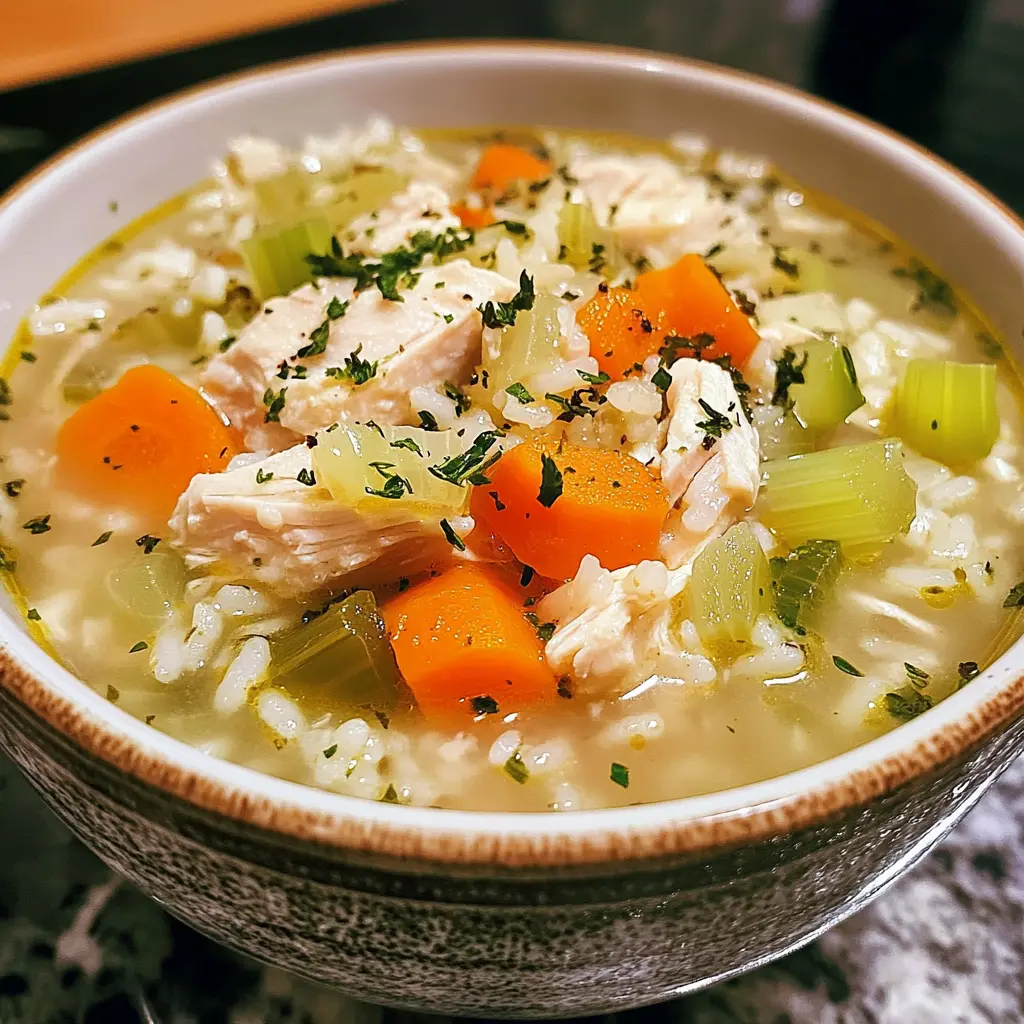
Chicken and Rice Soup with Carrots and Celery: The Ultimate Comfort Food Guide
Nothing beats the comfort of a steaming bowl of Chicken and Rice Soup with Carrots and Celery on a chilly evening. This timeless recipe combines tender chicken, fluffy rice, and crisp vegetables in a savory broth that warms both body and soul. Moreover, this soup delivers impressive health benefits while remaining simple enough for weeknight cooking.
Families have passed down variations of this recipe for generations. The combination works because each ingredient contributes distinct flavors and textures. Additionally, the soup provides complete nutrition in a single bowl, making it ideal for busy households.
Why This Soup Is So Popular
A Universal Comfort Food
Chicken and rice soup appears in cuisines worldwide because it offers universal appeal. The mild flavors satisfy diverse palates while providing substantial nourishment. Furthermore, the ingredients remain affordable and accessible year-round.
The soup’s versatility makes it perfect for various occasions. It serves equally well as a light lunch, hearty dinner, or recovery meal during illness. Parents appreciate how children readily accept this wholesome dish.
Quick and Budget-Friendly
This recipe requires minimal preparation time and uses economical ingredients. A single batch typically costs less than dining out while feeding multiple people. The basic components—chicken, rice, carrots, and celery—are pantry staples in most homes.
Additionally, the soup freezes beautifully for meal prep. Busy cooks can prepare large batches and store portions for convenient future meals.
Nutritional Benefits and Health Properties
Immune System Support
Research demonstrates that chicken soup provides genuine immune-boosting properties. Studies show that chicken soup helps improve peripheral blood levels and increases immune cell activity. The warm broth also soothes respiratory discomfort during cold season.
The protein from chicken supports antibody production. Meanwhile, the vegetables contribute essential vitamins that strengthen natural defenses. Therefore, this soup truly deserves its reputation as healing food.
Digestive Health Advantages
Rice soup specifically benefits digestive wellness. The gelatinized starch in properly cooked rice forms a protective layer in the digestive tract. This property makes the soup gentle on sensitive stomachs.
Moreover, the broth keeps you hydrated while providing electrolytes. The easy-to-digest ingredients make this soup ideal during recovery periods. Consequently, doctors often recommend similar soups for gastrointestinal distress.
Vitamin and Mineral Content
Carrots deliver exceptional vitamin A content, providing 325% more than celery. This vitamin supports eye health, skin integrity, and immune function. One serving supplies substantial daily vitamin A requirements.
Celery contributes valuable minerals and fiber despite lower calorie content. The combination creates a nutritionally balanced meal. Additionally, the soup provides protein, carbohydrates, and minimal fat.
Essential Ingredients Breakdown
Choosing the Right Chicken
Boneless, skinless chicken breasts or thighs both work excellently. Breasts provide lean protein while thighs offer more flavor and moisture. For maximum flavor, some cooks use bone-in chicken pieces and remove bones after cooking.
The chicken should be fresh and properly stored. Plan for approximately 1.5 to 2.5 pounds for a family-sized batch. This quantity ensures generous protein in every serving.
Rice Selection Matters
Different rice varieties create distinct textures:
-
Long-grain white rice: Stays separate and fluffy
-
Brown rice: Adds nutty flavor and extra fiber
-
Wild rice: Provides hearty texture and visual appeal
-
Jasmine or basmati: Contributes aromatic qualities
White rice cooks fastest, requiring 15-20 minutes. Brown rice needs longer cooking time but delivers superior nutritional value. Therefore, choose based on your time constraints and dietary preferences.
Fresh Vegetables Are Key
Quality carrots and celery make noticeable differences. Select firm carrots with bright orange color and no soft spots. The celery should snap crisply when bent.
Plan for approximately one cup each of sliced carrots and celery. These proportions create balanced vegetable presence without overwhelming the soup. Additionally, dice vegetables uniformly for even cooking.
Broth Foundation
Chicken broth forms the flavor base for this soup. Homemade broth offers superior taste and nutrition. However, quality store-bought low-sodium broth works perfectly well.
Most recipes call for 8-10 cups of broth. This amount creates proper soup consistency while accommodating rice absorption. Furthermore, using low-sodium varieties allows better seasoning control.
Step-by-Step Cooking Instructions
Preparation Phase
Start by gathering all ingredients and equipment. You’ll need a large stockpot, cutting board, sharp knife, and measuring cups. Proper preparation streamlines the cooking process significantly.
Prep your ingredients as follows:
-
Dice the chicken into bite-sized pieces
-
Chop onions finely for even distribution
-
Slice carrots into uniform rounds or half-moons
-
Cut celery stalks into similar-sized pieces
-
Mince garlic cloves thoroughly
This organization prevents scrambling during cooking. Additionally, having everything ready ensures nothing burns while you’re chopping.
Sautéing Vegetables
Heat oil in your stockpot over medium heat. Add onions first and cook until they become translucent. This process typically takes 3-4 minutes.
Next, add carrots and celery to the pot. Sauté these vegetables until they begin softening, approximately 8 minutes. The vegetables should develop slight browning for enhanced flavor.
Finally, stir in minced garlic and cook for one additional minute. Be careful not to burn the garlic as it turns bitter quickly. Therefore, watch the pot closely during this stage.
Building the Soup Base
Pour the chicken broth into the pot with the sautéed vegetables. Increase heat to high and bring the mixture to a boil. This step infuses the broth with vegetable flavors.
Season the liquid with salt, pepper, and preferred herbs. Common additions include thyme, bay leaves, and parsley. These aromatics deepen the soup’s flavor profile considerably.
Add the chicken pieces once the broth reaches boiling. Immediately reduce heat to maintain a gentle simmer. This prevents the chicken from becoming tough and rubbery.
Adding Rice and Finishing
Stir the uncooked rice into the simmering soup. The rice absorbs liquid while releasing starch that naturally thickens the broth. Maintain the simmer throughout rice cooking.
Cook uncovered for 15-20 minutes until rice becomes tender. Stir occasionally to prevent sticking at the bottom. The chicken should reach 165°F internal temperature for food safety.
Taste and adjust seasonings as needed. Add fresh lemon juice for brightness if desired. Finally, stir in fresh herbs just before serving to preserve their vibrant color.
Expert Tips for Perfect Results
Cook Rice Separately for Leftovers
Rice continues absorbing liquid as soup sits. For meal prep, cook rice separately and add it to individual bowls. This technique keeps leftovers from becoming overly thick.
Ladle the hot soup over fresh rice in each serving bowl. This method maintains ideal consistency throughout the week. Additionally, you can adjust rice quantity per serving.
Layer Your Flavors
Building flavors in stages creates depth. Start by browning the chicken pieces before adding liquids. This develops rich, savory notes throughout the soup.
Don’t rush the vegetable sautéing process. Allowing proper browning time intensifies natural sweetness. These small steps significantly impact final taste.
Season Gradually
Add salt in stages rather than all at once. Taste frequently and adjust incrementally. This approach prevents over-salting while ensuring balanced seasoning.
Remember that broth concentration intensifies as liquid reduces. Therefore, err on the side of underseasoning initially. You can always add more at serving time.
Use Fresh Herbs
Fresh herbs provide superior flavor compared to dried versions. Add hardy herbs like thyme early in cooking. Conversely, stir in delicate herbs like parsley just before serving.
This timing preserves the herbs’ bright flavors and colors. The visual appeal enhances the eating experience considerably.
Variations and Customizations
Anti-Inflammatory Version
Boost health benefits by adding turmeric and fresh ginger. These ingredients provide powerful anti-inflammatory properties. Use one tablespoon turmeric and one inch of peeled, minced ginger.
This variation helps reduce inflammation throughout the body. Moreover, the warm spices add pleasant depth without overwhelming traditional flavors.
Creamy Style Adaptation
Create a creamy version using dairy-free coconut milk or cashew cream. Add these ingredients during the final five minutes of cooking. The result is rich and satisfying without heaviness.
This adaptation suits those avoiding dairy products. Additionally, the creaminess appeals to children who prefer milder soups.
Vegetable-Packed Option
Increase vegetables by adding diced potatoes, peas, or green beans. These additions boost fiber content and nutritional density. They also create a more substantial meal.
Add quicker-cooking vegetables like peas during the final five minutes. Longer-cooking options like potatoes should go in with the rice.
Global Flavor Profiles
Adapt the base recipe with international ingredients:
-
Asian-inspired: Add ginger, soy sauce, and sesame oil
-
Mediterranean: Include lemon, dill, and oregano
-
Mexican: Use cumin, cilantro, and lime juice
-
Italian: Add tomatoes, basil, and Italian herbs
These variations demonstrate the recipe’s remarkable versatility. Each adaptation creates entirely different flavor experiences.
Storage and Reheating Guidelines
Refrigerator Storage
Cool the soup to room temperature before refrigerating. Transfer to airtight containers within two hours of cooking. Properly stored soup lasts 3-4 days in the refrigerator.
Store rice separately if possible to maintain better texture. This practice prevents the rice from absorbing all the liquid overnight.
Freezer Storage
Chicken and rice soup freezes well for up to three months. Use freezer-safe containers and leave headspace for expansion. Label containers with contents and date for organization.
Freeze the soup without rice for best results. Add freshly cooked rice when reheating the thawed soup. This maintains ideal consistency and texture.
Reheating Methods
Reheat refrigerated soup gently on the stovetop over medium heat. Stir frequently to ensure even heating throughout. Add extra broth if the soup has thickened excessively.
For frozen soup, thaw overnight in the refrigerator first. Then reheat slowly on the stovetop until steaming hot. Microwave reheating works but may create uneven temperatures.
Common Mistakes to Avoid
Overcooking the Chicken
Chicken becomes dry and stringy when overcooked. Monitor cooking time carefully and remove chicken when it reaches 165°F. The residual heat continues cooking it slightly.
Using chicken thighs instead of breasts reduces this risk. Thighs remain juicy even with slightly longer cooking. Therefore, they’re more forgiving for beginner cooks.
Using High Heat
Rapid boiling toughens chicken and can cause vegetables to disintegrate. Maintain a gentle simmer throughout cooking. This creates tender chicken and properly cooked vegetables.
High heat also causes excessive liquid evaporation. The soup may become too concentrated or require adding more broth.
Forgetting to Adjust Liquid
Rice absorbs significant liquid as it cooks and when stored. Keep extra broth available for adjustments. This ensures proper consistency every time.
Add liquid gradually while reheating leftovers. The soup should be brothy rather than stew-like for best results.
Neglecting to Taste
Many cooks forget to taste and adjust seasonings before serving. The final taste check allows perfecting salt, pepper, and herb levels. This simple step dramatically improves results.
Remember that cold dulls flavors. Soups served hot require adequate seasoning to taste vibrant.
Frequently Asked Questions
Can I make Chicken and Rice Soup with Carrots and Celery in a slow cooker?
Yes, this soup adapts perfectly to slow cooker preparation. Add all ingredients except rice to the slow cooker. Cook on low for 6 hours until chicken becomes tender. Shred the chicken and return it to the pot. Cook rice separately and add to individual servings for best texture.
What’s the best way to shred chicken for soup?
Remove cooked chicken pieces from the soup using tongs or a slotted spoon. Place them on a cutting board and use two forks to pull the meat apart. Alternatively, use a stand mixer on low speed for quick shredding. Return the shredded chicken to the soup before serving.
How do I prevent rice from getting mushy?
Cook rice separately and add it to individual bowls when serving. This prevents overcooked, mushy rice in leftovers. Alternatively, slightly undercook the rice in the soup since it continues softening as it sits.
Can I use rotisserie chicken to save time?
Absolutely, rotisserie chicken works excellently for this recipe. Remove the meat from the bones and shred it. Add the shredded chicken during the final 10 minutes of cooking. This shortcut significantly reduces preparation time while maintaining great flavor.
Is this soup suitable for freezing?
Yes, chicken and rice soup freezes well for up to three months. For best results, freeze the soup without rice. Add freshly cooked rice when reheating. This maintains proper texture and prevents mushy rice.
What can I substitute for celery?
Fennel bulb provides similar texture with slightly sweeter flavor. Alternatively, use additional carrots or add diced parsnips. Some cooks prefer bok choy or cabbage for different nutritional profiles. These substitutions maintain the soup’s character.
How can I make this soup more filling?
Increase the rice quantity or add potatoes for extra heartiness. Additional protein from beans or extra chicken also boosts satiety. These adjustments transform the soup into a complete meal requiring no sides.
Can I use chicken stock instead of broth?
Yes, chicken stock and broth work interchangeably in this recipe. Stock typically has richer flavor due to longer cooking with bones. However, both create delicious results. Choose based on availability and personal preference.
Conclusion
Chicken and Rice Soup with Carrots and Celery stands as a timeless recipe that delivers comfort, nutrition, and flavor in every spoonful. This versatile dish supports immune health, aids digestion, and provides complete nutrition for the whole family. Furthermore, the simple preparation process makes it accessible to cooks of all skill levels.
The combination of tender chicken, fluffy rice, and crisp vegetables creates satisfying texture contrasts. Meanwhile, the savory broth ties everything together beautifully. The recipe adapts easily to dietary preferences and ingredient availability.
Whether you’re seeking a healing meal during recovery or simply craving wholesome comfort food, this soup delivers consistently excellent results. The budget-friendly ingredients and freezer-friendly nature make it perfect for meal planning. Start making this nourishing Chicken and Rice Soup with Carrots and Celery today and discover why families have cherished similar recipes for generations. Your kitchen will smell amazing, and your body will thank you for the nutritious meal.
Print
Chicken and Rice Soup with Carrots and Celery
- Total Time: 40
- Yield: 4-6 1x
Ingredients
-
2 tbsp olive oil
-
1 medium onion, diced
-
2 cloves garlic, minced
-
3 medium carrots, diced
-
2 celery stalks, diced
-
1 tsp dried thyme
-
1/2 tsp dried rosemary
-
Salt and black pepper to taste
-
6 cups chicken broth
-
2 cups cooked shredded chicken (rotisserie or poached)
-
1 cup long-grain white rice
-
2 tbsp fresh parsley, chopped
-
Optional: squeeze of lemon juice for brightness
Instructions
-
Heat olive oil in a large pot over medium heat. Sauté onion, garlic, carrots, and celery for 5–6 minutes until softened.
-
Add thyme, rosemary, salt, and pepper. Cook 1 minute to release the aromas.
-
Pour in chicken broth and bring to a boil.
-
Stir in rice, reduce heat, and simmer for 15–20 minutes until rice is tender.
-
Add shredded chicken and cook 5 more minutes until heated through.
-
Adjust seasoning with salt and pepper. Stir in chopped parsley and optional lemon juice before serving.
Notes
-
Use brown rice for a nuttier flavor, but increase cooking time by 10–15 minutes.
-
Leftovers can be stored in the fridge for up to 3 days.
-
For a creamier version, stir in 1/4 cup heavy cream at the end.
- Prep Time: 10
- Cook Time: 30
Nutrition
- Calories: 280