
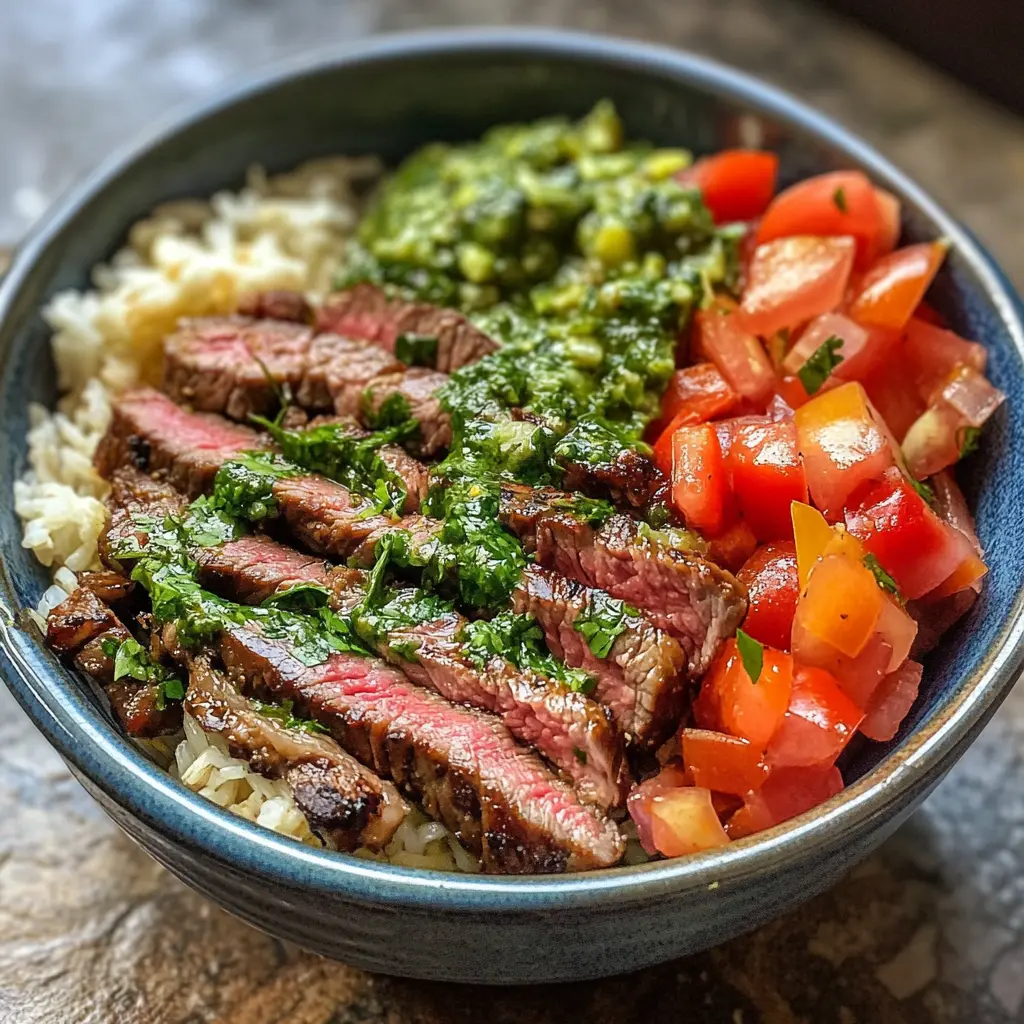
Chimichurri Steak Fajita Bowls: A Complete Guide to This Flavorful Recipe
Introduction
Imagine a bowl filled with perfectly seasoned steak, colorful sautéed peppers, and a vibrant green chimichurri sauce that brings everything together with fresh, herbaceous flavors. Chimichurri Steak Fajita Bowls combine the best elements of traditional fajitas with the convenience of a customizable bowl meal, topped with Argentina’s famous herb sauce. This dish offers restaurant-quality taste in the comfort of your home, making it perfect for weeknight dinners or meal prep. Whether you’re looking for a high-protein option or simply want to explore new flavor combinations, these bowls deliver on taste, nutrition, and satisfaction.
What Are Chimichurri Steak Fajita Bowls
Chimichurri Steak Fajita Bowls are a fusion dish that merges Mexican fajita flavors with Argentinian chimichurri sauce. The foundation consists of seasoned steak strips paired with sautéed bell peppers and onions, served over a base like rice, quinoa, or lettuce. What sets these bowls apart is the bright, tangy chimichurri sauce made from fresh parsley, cilantro, garlic, and olive oil. This combination creates a complete meal that balances protein, vegetables, and carbohydrates while offering bold, complex flavors. The bowl format allows for easy customization based on dietary preferences and makes portion control simple.
Health Benefits of Chimichurri Sauce
Nutrient-Rich Herb Base
Chimichurri sauce provides exceptional health benefits through its fresh herb ingredients. Parsley contains high levels of vitamin C, calcium, iron, and vitamin A, supporting immune function and bone health. Cilantro offers natural detoxification properties and helps bind toxins in the body.
Cardiovascular Support
Garlic, a main ingredient in chimichurri, promotes heart health and may help prevent atherosclerosis. The sauce’s combination of herbs, garlic, and citrus creates a powerful antioxidant load that supports major organs and immune function. Additionally, the high-quality olive oil slows digestion and aids in blood sugar control.
Anti-Inflammatory Properties
The chili flakes often added to chimichurri provide vitamin A and beta-carotene. These compounds support cellular health and reduce inflammation throughout the body.
Essential Ingredients You’ll Need
For the Steak
You’ll need 1.5 to 2 pounds of flank steak or skirt steak for optimal texture. Quality beef ensures tenderness and rich flavor. The marinade requires 3 tablespoons olive oil, 2 tablespoons soy sauce, fresh lime juice, and minced garlic cloves.
For the Chimichurri Sauce
Fresh herbs form the foundation: 1 cup each of cilantro and parsley, finely chopped. You’ll need 4 cloves of minced garlic, 1-2 jalapeños or serrano chiles, and 1/2 cup olive oil. Add 2-3 tablespoons of red wine vinegar and salt to taste.
For the Fajita Vegetables
Select 1 red bell pepper, 1 yellow pepper, and 1 poblano pepper, all seeded and sliced. Include 1 red onion or white onion, thinly sliced. These vegetables provide color, nutrition, and authentic fajita flavor.
For the Bowl Base
Choose from white rice, brown rice, quinoa, or cauliflower rice depending on your dietary needs. Cilantro lime rice adds extra flavor. For low-carb options, use lettuce as the base.
How to Make the Perfect Chimichurri Sauce
Food Processor Method
Place parsley, oregano, cilantro, red onion, and garlic in a food processor. Pulse 3-4 times until the herbs are minced but not pureed. Add red pepper flakes, olive oil, red wine vinegar, and fresh lemon juice. Pulse 2-3 additional times to combine.
Hand-Chopped Method
Finely mince all fresh herbs with a sharp knife for more texture. Combine minced ingredients in a bowl with olive oil, vinegar, and citrus. Whisk thoroughly or shake in a covered glass jar.
Flavor Development
Season with kosher salt and adjust to taste. Let the sauce rest in the refrigerator for at least one hour before serving. The flavors intensify over time, making it even better when prepared ahead.
Preparing the Steak Marinade
Creating the Marinade
Combine olive oil, chili powder, smoked paprika, cumin, lime zest, and lime juice in a large bowl. Add salt and pepper to season. For deeper flavor, include the juice of one orange and minced garlic.
Marinating Process
Place the flank steak in a large ziplock bag with half of the chimichurri mixture. Massage the marinade into the meat to ensure even coating. Refrigerate for at least one hour or overnight for maximum flavor penetration. Reserve the remaining chimichurri for serving.
Marinade Variations
Add brown sugar for a hint of sweetness that caramelizes during cooking. Include extra garlic powder and cumin for bolder seasoning. The acid from lime juice helps tenderize the meat while infusing flavor.
Cooking the Steak to Perfection
Grilling Method
Preheat your grill to medium-high heat. Remove the steak from the marinade and let excess drip off. Grill for 4 minutes on each side for medium doneness. This method creates beautiful char marks and smoky flavor.
Pan-Searing Technique
Heat a large skillet over medium-high heat with a tablespoon of olive oil. Sear the steak for 3-4 minutes per side. The high heat creates a flavorful crust while keeping the interior tender.
Resting and Slicing
Remove the steak from heat and let it rest for 10 minutes. This allows juices to redistribute throughout the meat. Slice thinly against the grain for maximum tenderness. Cut the steak into strips perfect for bowl assembly.
Making the Fajita Vegetables
Sautéing Technique
Add 1 tablespoon of olive oil to the same pan used for the steak. Immediately add sliced red onion, red pepper, yellow pepper, and green pepper. Sauté on medium-high heat for 5-10 minutes until vegetables are tender but still slightly crisp.
Seasoning the Vegetables
Season with salt and pepper during cooking. The residual flavors from the steak pan enhance the vegetable taste. For extra depth, sprinkle with fajita seasoning made from chili powder, cumin, paprika, garlic powder, and onion powder.
Grilling Alternative
Toss vegetables in olive oil and season with salt. Grill alongside the steak for a smokier flavor. Cook until vegetables develop grill marks and begin to soften.
Base Options for Your Bowl
Rice Varieties
White rice provides a neutral base that absorbs flavors well. Prepare cilantro lime rice by cooking rice according to package directions, then stirring in fresh lime juice and chopped cilantro. Brown rice offers more fiber and a nuttier taste.
Quinoa Base
Use 1/2 cup of cooked quinoa per bowl for a protein-rich foundation. Quinoa provides all nine essential amino acids. Season with lime juice and cilantro for complementary flavors.
Low-Carb Options
Cauliflower rice keeps the bowl light and keto-friendly. Sauté 2 cups of cauliflower rice with a drizzle of olive oil and season with salt. Alternatively, use green leaf lettuce or mixed greens as a fresh, crunchy base.
Topping Ideas and Garnishes
Fresh Vegetables
Add diced tomatoes or pico de gallo for freshness and acidity. Include corn kernels, either grilled or roasted, for sweetness and texture. Sliced jalapeños provide extra heat for those who enjoy spice.
Creamy Elements
Slice fresh avocado or add a scoop of guacamole for healthy fats. Crumble queso fresco or cotija cheese over the bowl for salty, tangy flavor. These additions create richness that balances the bright chimichurri.
Additional Garnishes
Prepare pickled onions by soaking thinly sliced red onion in lime juice with salt for 30 minutes. Sprinkle fresh cilantro leaves over the finished bowl. Add lime wedges on the side for extra citrus.
Step-by-Step Assembly Instructions
Building Your Bowl
Start with your chosen base: add 1/2 to 1 cup of rice, quinoa, or greens to each bowl. Layer 1 cup of lettuce if using additional greens. This creates the foundation for all other ingredients.
Adding Protein and Vegetables
Arrange equal portions of sliced steak over the base. Add the sautéed fajita peppers and onions alongside the meat. Include corn and any additional vegetables you’ve prepared.
Finishing Touches
Drizzle chimichurri sauce generously over the steak and vegetables. Add your selected toppings like avocado, cheese, and pickled onions. Garnish with fresh cilantro and serve with lime wedges.
Meal Prep and Storage Tips
Preparing Components Ahead
Cook all components separately and store in airtight containers. The chimichurri sauce keeps in the refrigerator for up to one week and actually improves with time. Marinate the steak overnight for deeper flavor.
Storage Guidelines
Store cooked steak, vegetables, and rice separately in the refrigerator for up to 4 days. Keep toppings like avocado and cheese separate until serving to maintain freshness. This method allows for quick assembly throughout the week.
Reheating Instructions
Reheat rice and vegetables in the microwave for 1-2 minutes. Warm the steak separately to prevent overcooking. Add fresh chimichurri and cold toppings after reheating for the best texture and flavor.
Nutritional Information
Macronutrient Breakdown
Each Chimichurri Steak Fajita Bowl contains approximately 350-550 calories depending on ingredients. The bowls provide 28-33 grams of protein per serving, making them excellent for muscle maintenance. Carbohydrates range from 31-68 grams based on your chosen base.
Vitamins and Minerals
These bowls deliver high amounts of vitamin C from peppers and chimichurri herbs. You’ll get significant vitamin A, calcium, and iron from the parsley and vegetables. The meal provides 3-6 grams of fiber per bowl.
Healthy Fats
Chimichurri sauce contributes heart-healthy monounsaturated fats from olive oil. Avocado adds additional beneficial fats. Total fat content ranges from 13-16 grams per serving.
Variations and Customizations
Protein Alternatives
Substitute chicken breasts or thighs for steak using the same marinade. Season with 2 tablespoons of fajita seasoning for authentic flavor. Fish or shrimp also work beautifully with chimichurri.
Spice Level Adjustments
Reduce jalapeños in the chimichurri for milder heat. Omit cayenne pepper from the fajita seasoning. Conversely, add extra chili flakes or cayenne for more spice.
Dietary Modifications
Make the bowl keto-friendly by using cauliflower rice and loading up on vegetables. For vegetarian versions, replace steak with portobello mushrooms or extra-firm tofu. Add black beans for additional fiber and plant-based protein.
Common Mistakes to Avoid
Overcooking the Steak
Monitor cooking time carefully to prevent tough, dry meat. Use a meat thermometer for accuracy. Remember that the steak continues cooking during the resting period.
Skipping the Marinade
Marinating tenderizes the meat and infuses essential flavors. Even 30 minutes makes a difference, though overnight is ideal. Don’t skip this crucial step for best results.
Improper Slicing
Always slice steak against the grain to break up muscle fibers. Cutting with the grain results in chewy, stringy meat. Take time to identify the grain direction before slicing.
Frequently Asked Questions
How long does chimichurri sauce last in the refrigerator?
Chimichurri sauce stays fresh in an airtight container for up to one week when refrigerated. The flavors actually develop and improve over the first few days. Always store in a clean, sealed container to prevent spoilage.
Can I make Chimichurri Steak Fajita Bowls ahead of time?
Yes, these bowls are perfect for meal prep. Cook all components separately and store them in individual containers for up to 4 days. Assemble just before eating for the freshest taste and texture.
What’s the best cut of steak for fajita bowls?
Flank steak and skirt steak are ideal choices because they’re flavorful and become tender when properly marinated and sliced. Both cuts work well with high-heat cooking methods. Always slice against the grain for maximum tenderness.
How can I make this recipe higher in protein?
Add an additional 1/2 pound of steak to the recipe. Include black beans or chickpeas for plant-based protein. Double the meat portion while keeping other ingredients the same.
Can I use store-bought chimichurri sauce?
While homemade chimichurri tastes fresher and allows you to control ingredients, quality store-bought versions work in a pinch. Look for brands with natural ingredients and no preservatives. Enhance store-bought sauce with fresh herbs and extra lime juice.
Conclusion
Chimichurri Steak Fajita Bowls offer a perfect combination of bold flavors, nutritional benefits, and meal prep convenience. The vibrant chimichurri sauce elevates simple ingredients into a restaurant-quality meal that supports your health goals while satisfying your taste buds. These customizable bowls work for various dietary needs and preferences, from high-protein to low-carb options. The key to success lies in properly marinating the steak, slicing against the grain, and allowing the chimichurri flavors to develop.
