
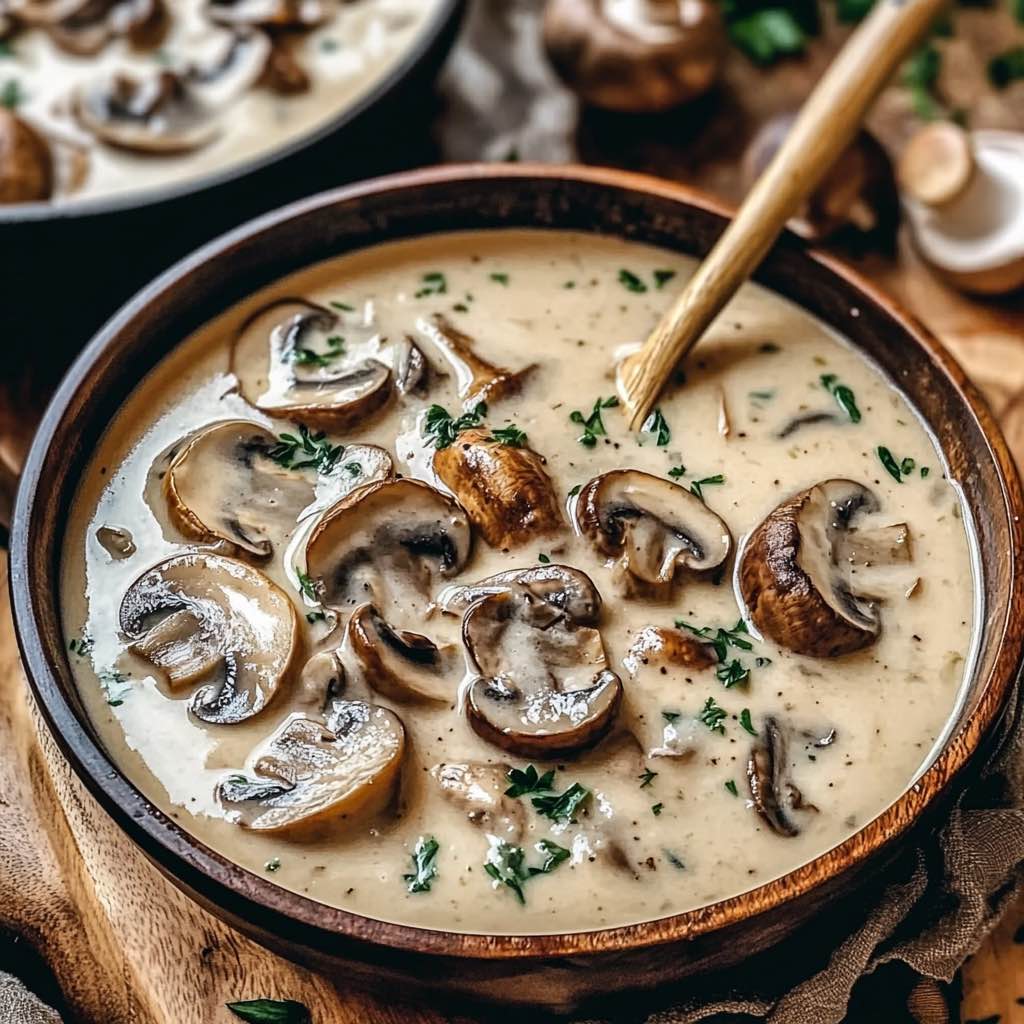
The Ultimate Guide to Cream of Mushroom Soup: Rich, Creamy, and Irresistibly Delicious
Cream of mushroom soup stands as one of the most beloved comfort foods worldwide. This velvety, rich soup combines earthy mushroom flavors with smooth, creamy textures that warm the soul. Whether you’re seeking a quick weeknight dinner or an elegant starter for entertaining, cream of mushroom soup delivers satisfying results every time.
Furthermore, this versatile soup serves as both a standalone meal and a cooking ingredient. Additionally, it’s surprisingly easy to make from scratch, requiring just a few simple ingredients and basic cooking techniques.
What Makes Perfect Cream of Mushroom Soup
Perfect cream of mushroom soup balances several key elements. First, it showcases deep, earthy mushroom flavors without overwhelming richness. Second, it maintains a smooth, velvety texture that coats the spoon beautifully. Third, it offers proper seasoning that enhances rather than masks the natural ingredients.
The Foundation: Quality Mushrooms
The mushroom selection significantly impacts your soup’s final flavor profile. Fresh mushrooms provide the best taste, though high-quality frozen options work well too. Moreover, combining different mushroom varieties creates complex, layered flavors that elevate your cream of mushroom soup beyond ordinary.
Common mushroom choices include button mushrooms for mild flavor, cremini for earthiness, and shiitake for umami depth. Meanwhile, portobello mushrooms add substantial texture and robust taste.
Texture Considerations
Achieving the perfect texture requires careful attention to cooking methods and ingredient ratios. Some cooks prefer completely smooth soup, while others enjoy small mushroom pieces for textural interest. Additionally, the cream-to-broth ratio determines the final consistency and richness level.
Properly prepared cream of mushroom soup should flow smoothly from a ladle. However, it shouldn’t be so thin that it lacks body or so thick that it becomes gluey.
Essential Ingredients and Equipment
Creating exceptional cream of mushroom soup requires specific ingredients and basic kitchen equipment. Fortunately, most items are readily available in standard grocery stores.
Primary Ingredients
Fresh Mushrooms (2 pounds): Choose a mix of varieties for complex flavor. Button mushrooms provide mildness, while cremini add earthiness. Similarly, shiitake mushrooms contribute umami depth that enhances the overall taste profile.
Butter (4 tablespoons): High-quality butter creates the aromatic base for sautéing vegetables. Additionally, butter adds richness and helps develop the roux for thickening.
Yellow Onion (1 medium): Finely diced onions provide sweetness and depth. They also create the aromatic foundation that supports the mushroom flavors beautifully.
Garlic (3 cloves): Fresh garlic adds pungent warmth that complements mushrooms perfectly. Moreover, it provides aromatic complexity that elevates the soup’s overall flavor profile.
All-Purpose Flour (3 tablespoons): Flour creates the roux that thickens the soup naturally. It also helps bind the ingredients together for smooth consistency.
Liquid Components
Vegetable or Chicken Broth (4 cups): High-quality broth forms the soup’s liquid base. Low-sodium versions allow better control over final seasoning levels.
Heavy Cream (1 cup): Heavy cream provides richness and creates the signature smooth texture. Alternatively, half-and-half works for lighter versions.
Whole Milk (½ cup): Milk adds creaminess without excessive heaviness. It also helps achieve the perfect consistency balance.
Seasonings and Herbs
Fresh Thyme (2 teaspoons): Thyme complements mushrooms beautifully with its earthy, slightly minty flavor. Dried thyme works as a substitute using half the quantity.
Bay Leaves (2): Bay leaves add subtle depth during cooking. Remember to remove them before serving.
Salt and Black Pepper: Season to taste, starting conservatively and adjusting as needed.
Essential Equipment
A heavy-bottomed pot prevents scorching and ensures even heat distribution. Additionally, a wooden spoon works best for stirring without scratching your cookware. Furthermore, an immersion blender allows easy blending directly in the pot.
A fine-mesh strainer helps achieve ultra-smooth texture if desired. Meanwhile, sharp knives ensure proper ingredient preparation and safety.
Step-by-Step Recipe Instructions
This detailed recipe creates approximately 6 servings of rich, creamy mushroom soup. Follow these steps carefully for consistently excellent results.
Preparation Phase
Begin by cleaning and slicing all mushrooms into uniform pieces. This ensures even cooking and consistent texture throughout your cream of mushroom soup. Additionally, dice the onion finely and mince the garlic fresh for optimal flavor release.
Measure all ingredients before starting to cook. This preparation method, called mise en place, prevents mistakes and ensures smooth cooking flow.
Cooking Process
Step 1: Sauté the Mushrooms
Heat 2 tablespoons of butter in a large, heavy-bottomed pot over medium-high heat. Add the sliced mushrooms in a single layer, avoiding overcrowding. Cook without stirring for 3-4 minutes, allowing proper browning to develop.
Subsequently, stir the mushrooms and continue cooking for another 3-4 minutes until golden brown. This browning process creates deep, complex flavors essential for exceptional cream of mushroom soup. Transfer the cooked mushrooms to a plate and set aside.
Step 2: Build the Aromatic Base
Reduce heat to medium and add the remaining 2 tablespoons of butter to the same pot. Add the diced onion and cook, stirring occasionally, for 5-6 minutes until softened and translucent.
Next, add the minced garlic and cook for 30 seconds until fragrant. Be careful not to burn the garlic, as this creates bitter flavors.
Step 3: Create the Roux
Sprinkle the flour over the onion mixture and stir constantly for 2-3 minutes. This cooking process eliminates the raw flour taste while creating a smooth thickening base. The mixture should bubble gently without browning.
Step 4: Add Liquids Gradually
Slowly whisk in the broth, adding it gradually to prevent lumps from forming. Continue whisking until the mixture is completely smooth. Then, add the cooked mushrooms back to the pot along with the thyme and bay leaves.
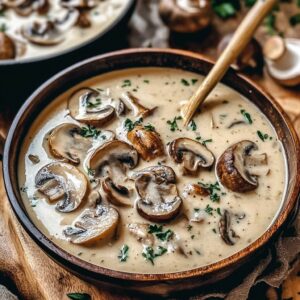
Bring the mixture to a gentle boil, then reduce heat and simmer for 15-20 minutes. This simmering time allows flavors to meld and develop complexity.
Finishing Touches
Step 5: Add Cream Components
Remove the bay leaves from the pot. If you prefer smooth cream of mushroom soup, use an immersion blender to puree until desired consistency is reached. Alternatively, leave some mushroom pieces for texture.
Gradually stir in the heavy cream and milk, heating gently without boiling. Boiling can cause the cream to curdle, ruining the soup’s smooth texture.
Step 6: Final Seasoning
Taste and adjust seasoning with salt and black pepper as needed. Remember that flavors intensify as the soup cools slightly, so season conservatively initially.
Professional Tips and Techniques
Professional chefs employ specific techniques to create restaurant-quality cream of mushroom soup consistently. These methods ensure optimal flavor development and perfect texture every time.
Mushroom Selection and Preparation
Choose mushrooms with firm texture and no dark spots or sliminess. Fresh mushrooms should smell earthy and pleasant, never sour or ammonia-like. Additionally, different mushroom varieties contribute unique flavors and textures.
Clean mushrooms with a damp paper towel rather than washing them under running water. Mushrooms absorb water quickly, which dilutes their natural flavors and affects browning capability.
Heat Management
Proper temperature control prevents common problems like curdled cream or burnt ingredients. Medium heat works best for most cooking stages, while high heat helps achieve proper mushroom browning initially.
Never boil cream of mushroom soup after adding dairy components. Instead, maintain gentle heat that warms without creating vigorous bubbles.
Flavor Development Techniques
Layered Seasoning: Season ingredients at different cooking stages rather than only at the end. This technique builds complex, integrated flavors throughout the soup.
Mushroom Searing: Proper browning creates deep, caramelized flavors through the Maillard reaction. Don’t rush this step, as it significantly impacts the final taste.
Herb Timing: Add hardy herbs like thyme early in cooking, while delicate herbs should be added just before serving to preserve their bright flavors.
Texture Mastery
Achieve your preferred texture through various techniques. For completely smooth soup, strain the mixture through a fine-mesh sieve after blending. Meanwhile, leaving some mushroom pieces creates pleasant textural contrast.
Control thickness by adjusting liquid ratios or cooking time. If your cream of mushroom soup becomes too thick, thin it with additional broth or cream. Conversely, simmer uncovered to reduce excess liquid.
Delicious Variations and Adaptations
Cream of mushroom soup adapts beautifully to different dietary needs and flavor preferences. These variations maintain the soup’s essential character while offering exciting new experiences.
Dietary Adaptations
Dairy-Free Version: Replace dairy components with coconut cream and unsweetened plant-based milk. Cashew cream also creates excellent richness and smooth texture. Additionally, nutritional yeast adds savory depth that complements the mushrooms.
Lower-Fat Alternative: Use low-fat milk and reduce butter quantity while maintaining flavor through enhanced seasoning and mushroom variety. Furthermore, vegetable purees can add body without excessive calories.
Gluten-Free Option: Substitute all-purpose flour with rice flour, cornstarch, or gluten-free flour blends. These alternatives thicken effectively while maintaining smooth texture.
Flavor Variations
Wild Mushroom Medley: Incorporate exotic mushrooms like chanterelles, morels, or oyster mushrooms for gourmet appeal. These varieties add complex flavors and interesting textures that elevate ordinary cream of mushroom soup.
Herb-Enhanced Version: Fresh herbs like tarragon, sage, or rosemary create aromatic complexity. However, use restraint to avoid overwhelming the delicate mushroom flavors.
Roasted Garlic Addition: Roasted garlic provides sweet, mellow depth compared to raw garlic’s sharpness. Roast whole garlic bulbs until soft, then squeeze the creamy cloves into your soup.
International Inspirations
French-Style Preparation: Add fresh chervil and a touch of Dijon mustard for classic French flavoring. Similarly, finishing with crème fraîche instead of heavy cream creates tangy richness.
Italian Influence: Incorporate fresh basil and oregano with a hint of lemon zest. Additionally, using porcini mushrooms provides authentic Italian earthiness.
Asian Fusion: Ginger, lemongrass, and coconut milk transform cream of mushroom soup into an Asian-inspired delight. Moreover, shiitake and enoki mushrooms provide authentic flavors and textures.
Nutritional Benefits and Health Information
Cream of mushroom soup offers surprising nutritional benefits despite its indulgent reputation. Understanding these health aspects helps you make informed dietary choices while enjoying this comfort food classic.
Mushroom Nutrition
Mushrooms provide excellent nutritional value with relatively few calories. They’re rich in B vitamins, particularly riboflavin and niacin, which support energy metabolism and nervous system function. Additionally, mushrooms contain significant amounts of selenium, an important antioxidant mineral.
Furthermore, mushrooms offer plant-based protein and fiber that contribute to satiety and digestive health. They also contain potassium, which supports heart health and proper muscle function.
Protein and Satiety
The combination of mushrooms, dairy, and broth provides complete proteins essential for muscle maintenance and repair. Moreover, the soup’s rich, creamy texture promotes feelings of satisfaction that can help prevent overeating.
Studies suggest that starting meals with soup can reduce overall calorie consumption by promoting early satiety signals. This makes cream of mushroom soup an excellent choice for weight management when consumed in appropriate portions.
Antioxidant Properties
Mushrooms contain various antioxidant compounds, including ergothioneine and glutathione. These substances help protect cells from oxidative stress and may support immune system function. Additionally, the selenium content provides additional antioxidant benefits.
Bone Health Support
The dairy components in cream of mushroom soup provide calcium and vitamin D essential for bone health. Furthermore, the phosphorus content works synergistically with calcium to maintain strong bones and teeth.
Moderation and Balance
While cream of mushroom soup offers nutritional benefits, it’s also relatively high in calories and saturated fat due to the cream content. Therefore, enjoy it as part of a balanced diet rather than a daily staple.
Consider serving smaller portions as an appetizer rather than a main course to control calorie intake while still enjoying the comfort and satisfaction it provides.
Serving Suggestions and Pairings
Cream of mushroom soup pairs beautifully with various accompaniments that complement its rich, earthy flavors. These serving suggestions help create memorable meals for any occasion.
Bread Accompaniments
Crusty Artisan Bread: Fresh sourdough or French bread provides textural contrast and helps absorb the soup’s rich flavors. Additionally, the bread’s tangy notes complement the mushrooms’ earthiness perfectly.
Garlic Bread: Buttery garlic bread creates a classic pairing that enhances the soup’s savory elements. Moreover, the crispy texture contrasts beautifully with the smooth soup consistency.
Herb Focaccia: Rosemary or thyme focaccia echoes the soup’s herbal notes while providing satisfying substance. Furthermore, the olive oil in focaccia complements the butter flavors in the soup.
Protein Additions
Transform cream of mushroom soup into a complete meal by adding protein sources. Rotisserie chicken pieces create a hearty, satisfying version perfect for dinner. Similarly, cooked turkey or ham work well for post-holiday meals.
Seafood options like cooked shrimp or crab meat add luxury and elegance. Additionally, these proteins complement the mushrooms’ umami flavors beautifully.
Vegetable Enhancements
Roasted Vegetables: Caramelized carrots, parsnips, or Brussels sprouts add sweetness and textural interest. These vegetables also provide additional nutrients and fiber.
Fresh Greens: Wilted spinach or kale stirred in just before serving adds color, nutrition, and freshness. Moreover, these greens provide textural contrast to the smooth soup base.
Garnish Options
Fresh Herbs: Chopped chives, parsley, or thyme provide color and bright flavors that balance the soup’s richness. Additionally, these garnishes add visual appeal for presentation.
Cream Drizzle: A artistic drizzle of heavy cream or crème fraîche creates elegant presentation for special occasions. Furthermore, this technique allows flavor customization for individual preferences.
Croutons: Homemade or store-bought croutons add delightful crunch and help make cream of mushroom soup more filling. Additionally, seasoned croutons can introduce complementary flavors.
Storage and Reheating Guidelines
Proper storage and reheating techniques ensure your cream of mushroom soup maintains quality and safety for future enjoyment. Following these guidelines prevents waste while preserving flavors and textures.
Refrigeration Storage
Cool cream of mushroom soup completely before refrigerating to prevent temperature fluctuations that encourage bacterial growth. Store the soup in airtight containers to maintain freshness and prevent absorption of other flavors.
Properly stored cream of mushroom soup stays fresh in the refrigerator for 3-4 days. Label containers with preparation dates to track freshness and ensure food safety.
Freezing Instructions
Cream of mushroom soup freezes reasonably well, though the texture may change slightly upon thawing. Freeze in portion-sized containers for convenient reheating of individual servings.
Leave headspace in freezing containers to accommodate expansion during the freezing process. Additionally, use freezer-safe containers or bags specifically designed for soup storage.
Frozen cream of mushroom soup maintains quality for 2-3 months when properly stored. However, consume it sooner for optimal flavor and texture.
Reheating Methods
Stovetop Reheating: Transfer soup to a saucepan and heat over low-medium heat, stirring frequently to prevent scorching. This method provides the best texture control and even heating.
Add small amounts of broth or cream if the soup has thickened during storage. Additionally, taste and adjust seasoning as needed, since flavors may have mellowed during storage.
Microwave Method: Use microwave-safe containers and heat in 30-second intervals, stirring between heating cycles. This prevents overheating and maintains smooth texture.
Cover containers with microwave-safe lids or plastic wrap to prevent splattering. However, ensure proper ventilation to allow steam to escape safely.
Texture Restoration
If your reheated cream of mushroom soup separates or appears curdled, use an immersion blender to re-emulsify the ingredients. Alternatively, whisk vigorously while heating to restore smooth consistency.
Strain the soup through a fine-mesh sieve if texture issues persist. This technique removes any lumps while maintaining the soup’s essential flavors.
Common Mistakes to Avoid
Understanding common mistakes helps ensure consistent success when preparing cream of mushroom soup. These pitfalls can affect flavor, texture, and overall quality significantly.
Ingredient-Related Errors
Using Pre-Packaged Sliced Mushrooms: These mushrooms often lack freshness and release excess moisture during cooking. Fresh, whole mushrooms provide better flavor and texture control.
Washing Mushrooms Under Running Water: This practice causes mushrooms to absorb water, diluting their natural flavors and preventing proper browning. Instead, clean them with damp paper towels.
Using Low-Quality Broth: Poor broth quality directly impacts the soup’s final taste. Choose high-quality, low-sodium broths that complement rather than compete with the mushroom flavors.
Cooking Technique Mistakes
Rushing the Mushroom Browning: Proper browning requires patience and proper heat management. Rushing this step results in pale mushrooms with underdeveloped flavors.
Boiling After Adding Cream: High heat causes dairy products to curdle, creating unpleasant texture and appearance. Maintain gentle heat throughout the finishing process.
Adding All Liquid at Once: Gradual liquid incorporation prevents lumps and ensures smooth consistency. Additionally, this technique allows better control over final thickness.
Seasoning and Flavor Issues
Over-Seasoning Early: Flavors concentrate as liquids reduce during cooking. Season conservatively initially, then adjust toward the end of cooking.
Ignoring Herb Timing: Different herbs require different cooking times for optimal flavor release. Add hardy herbs early and delicate ones near the end.
Forgetting Bay Leaf Removal: Bay leaves become bitter if left too long and pose choking hazards if served. Remove them before final seasoning and serving.
Storage and Reheating Problems
Improper Cooling: Rapid cooling prevents bacterial growth and maintains quality. Cool soup to room temperature before refrigerating or freezing.
Overheating During Reheating: Excessive heat damages texture and can cause separation. Use gentle heat and stir frequently during reheating process.
Ignoring Texture Changes: Frozen and reheated soup may require texture adjustments. Have additional broth or cream available for consistency corrections.
Frequently Asked Questions
Can I make cream of mushroom soup ahead of time?
Yes, cream of mushroom soup can be prepared 1-2 days in advance. However, store it without the cream components and add them during reheating for best texture. This method prevents separation and maintains smooth consistency.
Additionally, the flavors often improve overnight as ingredients meld together. Therefore, advance preparation can actually enhance your soup’s overall taste profile.
What’s the best way to thicken thin cream of mushroom soup?
Several methods effectively thicken thin soup. First, create a slurry by mixing equal parts flour and cold water, then whisk it into the simmering soup. Alternatively, simmer the soup uncovered to reduce excess liquid naturally.
Moreover, you can blend a portion of the soup and stir it back in for natural thickening. This technique maintains the soup’s integrity while improving consistency.
How can I prevent my cream of mushroom soup from curdling?
Prevent curdling by maintaining gentle heat throughout cooking. Never boil soup after adding dairy components, and add cream gradually while stirring constantly. Additionally, tempering the cream by mixing it with small amounts of hot soup before adding it all helps prevent temperature shock.
If curdling occurs, remove the soup from heat and blend with an immersion blender to re-emulsify the ingredients.
Can I substitute different types of mushrooms in the recipe?
Absolutely! Different mushroom varieties create unique flavor profiles in cream of mushroom soup. Button mushrooms provide mildness, while shiitake adds umami depth. Furthermore, combining multiple varieties creates complex, layered flavors.
However, adjust cooking times based on mushroom density and moisture content. Denser mushrooms like portobello require longer cooking times than delicate varieties like oyster mushrooms.
Is it possible to make dairy-free cream of mushroom soup?
Yes, several dairy-free alternatives work excellently. Coconut cream provides richness similar to heavy cream, while cashew cream offers neutral flavor and smooth texture. Additionally, unsweetened plant-based milks can replace dairy milk effectively.
Furthermore, nutritional yeast adds savory depth that complements mushroom flavors in dairy-free versions. These substitutions maintain the soup’s essential character while accommodating dietary restrictions.
How long does homemade cream of mushroom soup last in the refrigerator?
Properly stored cream of mushroom soup stays fresh for 3-4 days in the refrigerator. Use airtight containers and cool the soup completely before storing to maintain quality and safety.
Additionally, always smell and visually inspect stored soup before consuming. If it develops off odors or unusual appearance, discard it for safety reasons.
This comprehensive guide empowers you to create exceptional cream of mushroom soup that rivals restaurant quality. Remember that practice improves technique, so don’t hesitate to experiment with different mushroom varieties and flavor combinations. Furthermore, this versatile soup adapts beautifully to various dietary needs and preferences.
The key to outstanding cream of mushroom soup lies in quality ingredients, proper technique, and patience during cooking. Moreover, understanding the science behind each step helps you troubleshoot issues and achieve consistent results every time.
Cream of Mushroom Soup
Description
Cream of Mushroom Soup
Ingredients
Base ingredients:
-
2-3 tablespoons unsalted butter
-
1 large yellow onion, diced OR 2 shallots, chopped
-
3-4 cloves garlic, minced
-
1-2 lbs fresh mushrooms, sliced (white button, cremini, or mixed varieties)
-
2-3 tablespoons olive oil
For the soup base:
-
1/4 to 1/2 cup all-purpose flour
-
3-4 cups chicken broth or vegetable broth
-
1/2 to 1 1/2 cups heavy cream or whole milk
Seasonings:
-
1/4 teaspoon onion powder
-
1/8 teaspoon garlic powder
-
2-3 tablespoons fresh parsley, minced
-
1 tablespoon fresh thyme, minced
-
Salt and freshly ground black pepper to taste
Instructions
Step 1: Prepare vegetables
Melt butter in a large pot or saucepan over medium heat. Add diced onions and cook until softened and lightly caramelized, about 5-10 minutes. Add minced garlic and cook for 1-2 minutes until fragrant.
Step 2: Cook mushrooms
Add olive oil to the pot, then add sliced mushrooms in batches to avoid overcrowding. Cook mushrooms over medium-high to high heat for 15-20 minutes, stirring frequently, until they release their liquid and become golden brown.
Step 3: Add flour
Sprinkle flour over the mushroom mixture and stir constantly for 1-2 minutes to cook out the raw flour taste. This creates a roux base for thickening.
Step 5: Simmer and blend
Reduce heat and simmer for 10-15 minutes. For a smoother texture, use an immersion blender to partially blend the soup, or transfer half the soup to a regular blender, blend until smooth, then return to pot.
Step 6: Finish soup
Stir in heavy cream and fresh herbs. Season with salt and pepper to taste. Simmer for 2-3 more minutes to heat through and meld flavors. Serve hot with optional garnishes like fresh herbs or a drizzle of cream.