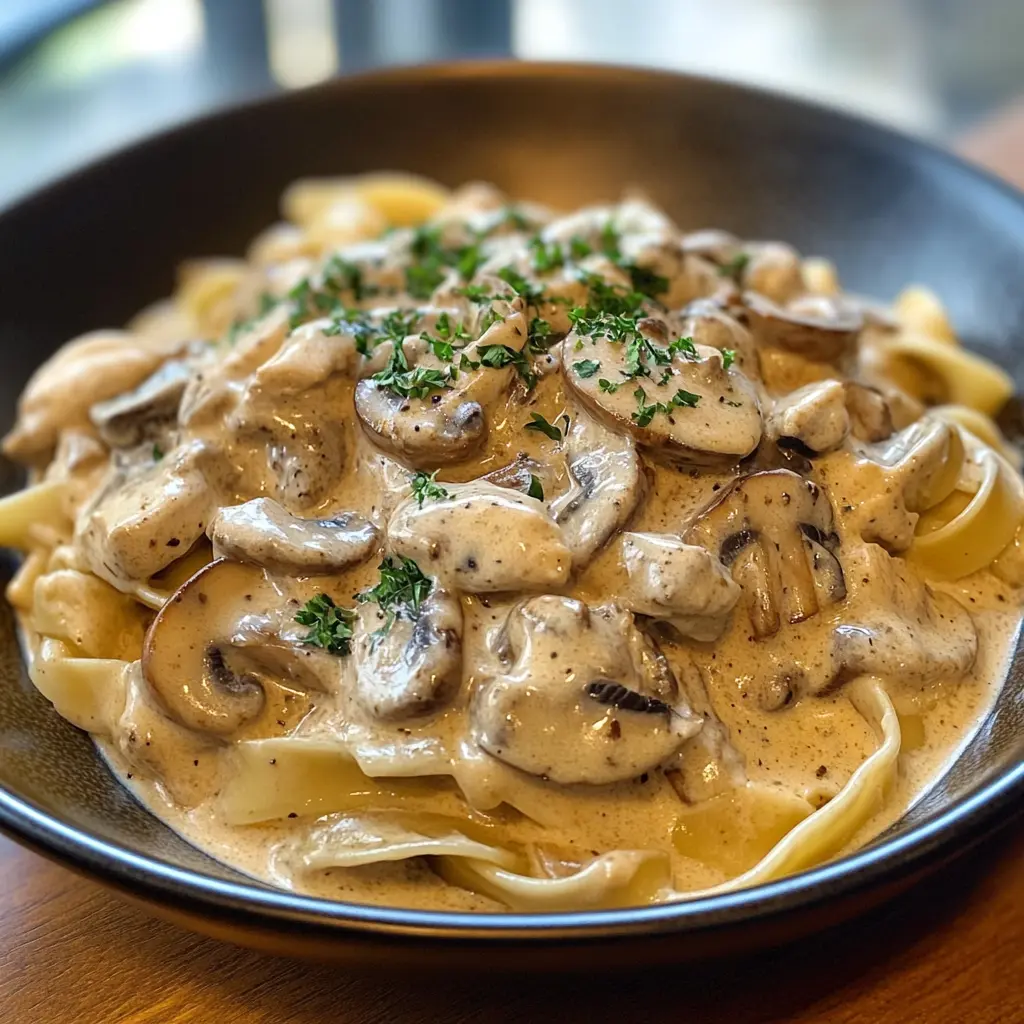
Creamy Chicken and Mushroom Stroganoff: The Ultimate Comfort Food Recipe
Introduction
Creamy Chicken and Mushroom Stroganoff delivers restaurant-quality comfort food right to your dinner table in just 30 minutes. This beloved dish combines tender chicken pieces with earthy mushrooms, all enveloped in a luxuriously creamy, tangy sauce that transforms simple ingredients into something truly extraordinary. Whether you’re feeding hungry family members on a busy weeknight or impressing dinner guests with minimal effort, this stroganoff recipe offers the perfect balance of convenience and indulgence.
What is Chicken and Mushroom Stroganoff?
Chicken and mushroom stroganoff is a lighter variation of the classic Russian dish that traditionally features beef. This version showcases bite-sized chicken pieces and sliced mushrooms sautéed until golden, then simmered in a savory sauce made with sour cream, Dijon mustard, and Worcestershire sauce. The result is a rich, slightly tangy coating that clings beautifully to every morsel. Most recipes call for serving this comforting dish over egg noodles, rice, or mashed potatoes to soak up every drop of the delectable sauce.
The Rich History Behind Stroganoff
The name stroganoff traces back to 19th century tsarist Russia, where it was created for the prominent Stroganov family, whose lineage dates to 1500. According to culinary historians, the original recipe contained pieces of meat, sour cream, onion, and salt, prepared specifically for Count Pavel Alexandrovich Stroganov. Legend suggests the Count had lost his teeth, so his chef developed this tender dish requiring minimal chewing effort. The respected Larousse Gastronomique encyclopedia notes that the name may also derive from the Russian verb “strogat,” meaning to cut into pieces. French cook Thierry Costet is credited with adding mushrooms, paprika, and mustard to the recipe during his time in Russia in the late 1800s.
Essential Ingredients for Perfect Stroganoff
Protein Component
The foundation starts with boneless, skinless chicken breasts cut into bite-sized pieces, typically requiring about one pound for four servings. Additionally, some cooks prefer chicken thighs for their richer flavor and juicier texture.
Mushroom Selection
Cremini mushrooms, also called baby bella mushrooms, work exceptionally well because they offer deeper flavor than standard white button varieties. You’ll need approximately eight ounces of sliced mushrooms for optimal mushroom-to-sauce ratio.
Aromatic Vegetables
One medium onion, finely chopped, provides essential sweetness and depth. Three cloves of minced garlic add aromatic complexity that elevates the entire dish.
Sauce Components
Full-fat sour cream creates the signature tangy creaminess, with most recipes calling for half to two-thirds cup. Heavy cream can be added alongside sour cream for extra richness. Dijon mustard brings sharp, sophisticated flavor while Worcestershire sauce contributes savory umami notes. Chicken broth forms the liquid base, allowing the sauce to achieve perfect consistency.
Seasonings and Spices
Sweet paprika adds mild pepper flavor and beautiful color. Garlic powder, salt, and black pepper season the chicken before cooking. Some variations include tomato paste for subtle acidity and depth.
Serving Base
Traditional egg noodles serve as the classic accompaniment, though pasta, rice, mashed potatoes, or cauliflower rice all work beautifully.
Nutritional Benefits of This Dish
High-Quality Protein Content
Each serving provides approximately 32-35 grams of protein from the chicken, making this dish excellent for muscle maintenance and satiety. Chicken breast offers lean protein with relatively low fat content compared to other meat options.
Mushroom Nutritional Power
Mushrooms contribute valuable nutrients despite their low calorie count. They contain all nine essential amino acids, making them a rare complete protein among plant foods. Dried mushrooms can provide up to 30 grams of protein per 100 grams, rivaling meat sources. Furthermore, mushrooms offer high levels of branched-chain amino acids (BCAAs) including leucine, isoleucine, and valine, which support muscle growth and repair.
Additional Nutritional Elements
Mushrooms provide fiber, antioxidants, vitamins, and minerals that may improve digestion, heart health, and reduce chronic disease risk. Fresh mushrooms contain approximately 2.25 grams of protein per 100 grams, along with glutamic acid, aspartic acid, leucine, and valine. The dish also delivers calcium, iron, potassium, and various vitamins from the combination of ingredients.
Caloric Information
A typical serving contains approximately 450-730 calories depending on portion size and ingredients used. The dish provides balanced macronutrients with 38-47 grams of carbohydrates and 13-47 grams of fat per serving.
Step-by-Step Cooking Instructions
Preparing the Chicken
Start by cutting chicken breasts into bite-sized pieces, approximately one to one-and-a-half inches. Pat the pieces dry with paper towels to remove excess moisture, which helps achieve better browning. Season the chicken with salt, pepper, and garlic powder, then lightly dredge in flour if desired for extra coating.
Cooking the Chicken
Heat three tablespoons of olive oil in a large skillet over medium-high heat. Once the oil shimmers, add the chicken pieces in a single layer without crowding. Cook for five to seven minutes, turning occasionally, until the chicken develops golden-brown color on all sides. Transfer the browned chicken and any accumulated juices to a plate and set aside.
Sautéing the Vegetables
Add one tablespoon of butter to the same pan along with remaining olive oil. Add the sliced mushrooms and cook until they release their moisture and develop golden-brown edges, approximately five minutes. Season with salt and pepper, then remove to a bowl. Add the chopped onion to the pan and sauté for 10-15 minutes until soft, translucent, and lightly caramelized. During the final minute, add minced garlic and stir constantly to prevent burning.
Building the Sauce
Mix in one tablespoon each of Dijon mustard and Worcestershire sauce, along with one teaspoon of paprika. If using tomato paste, add one tablespoon now and cook for one minute. Pour in two-thirds cup of chicken broth while scraping the bottom of the pan with a spatula to release flavorful browned bits. Bring the mixture to a boil while whisking until smooth, approximately three minutes.
Combining and Finishing
Lower the heat to a gentle simmer and return the mushrooms and chicken with their juices to the pan. Allow everything to simmer together for five to ten minutes until the chicken cooks through completely and the sauce thickens slightly. Remove the pan from direct heat before adding the sour cream to prevent curdling. Stir in half cup of sour cream and, if desired, half cup of heavy cream. Return to very low heat and simmer for two more minutes, stirring constantly. Taste and adjust seasoning with additional salt and pepper if needed. If the sauce becomes too thick, thin it with reserved pasta water or additional chicken broth.
Plating and Serving
Divide cooked egg noodles or your chosen base among serving bowls. Ladle the creamy chicken and mushroom stroganoff generously over each portion. Garnish with freshly chopped parsley for color and freshness.
Pro Tips for the Creamiest Sauce
Temperature Control Matters
The most critical factor in preventing sauce separation is temperature management. Always remove the pan from direct heat before adding sour cream, as high temperatures will break the emulsion. Sour cream contains approximately 20 percent fat and 80 percent water, and extreme temperatures cause these components to separate, with fat clumping at the surface and water mixing into the broth.
Gradual Incorporation Technique
When reheating or if your sauce begins to break, heat the stroganoff to just under a simmer, then remove from heat. Stir in one spoonful of sour cream at a time, allowing each addition to incorporate fully before adding more. Because cold sour cream lowers the sauce temperature, you’ll need to return the pan briefly to the burner between additions, stirring constantly.
Proper Browning Techniques
Ensure chicken pieces are completely dry before cooking to achieve optimal browning rather than steaming. Avoid overcrowding the pan, which traps moisture and prevents proper searing. Cook in batches if necessary to maintain proper spacing.
Sauce Consistency Adjustments
If your sauce becomes too thick during cooking, add pasta water a few ounces at a time rather than more broth, as the starchy pasta water helps maintain silky texture. Conversely, if the sauce seems thin, allow it to simmer uncovered for a few additional minutes until it reaches desired consistency.
Best Side Dishes to Serve
Traditional Starch Options
Egg noodles remain the classic choice, as their wide, flat shape perfectly captures the creamy sauce. Other pasta shapes work equally well for variety. Creamy mashed potatoes provide another traditional accompaniment that complements the rich sauce beautifully. White rice, brown rice, or quinoa offer lighter alternatives that still soak up the delicious sauce.
Low-Carb Alternatives
For those watching carbohydrate intake, cauliflower rice and cauliflower mash provide excellent substitutes that maintain the comfort-food experience. Polenta also works wonderfully as a base suitable for capturing all that fabulous sauce.
Vegetable Accompaniments
Fresh garden salads dressed with balsamic vinegar and olive oil provide refreshing contrast to the rich stroganoff. Roasted garlic asparagus brings elegant sophistication to the meal. Garlic butter green beans add color and a slight crunch. Steamed broccoli, cauliflower, or mixed vegetables lighten the overall meal while adding important nutrients. A simple iceberg lettuce and dill salad offers crisp, fresh contrast.
Creative Serving Ideas
Consider serving the stroganoff in bowls with crusty homemade bread or no-knead rolls for mopping up every drop of sauce. This approach transforms the dish into a more casual, interactive dining experience that feels especially comforting.
Storage and Reheating Guidelines
Refrigerator Storage
Store leftover chicken and mushroom stroganoff in an airtight container in the refrigerator for up to three days. Allow the dish to cool to room temperature before sealing and refrigerating to prevent condensation buildup.
Freezer Storage
While stroganoff can be frozen, the sour cream-based sauce may separate slightly upon thawing. For best results, freeze the dish without the sour cream if planning ahead, then add fresh sour cream when reheating. Properly stored in freezer-safe containers, stroganoff maintains quality for up to three months.
Reheating Methods
Reheat stroganoff gently on the stovetop over low heat, stirring frequently to prevent scorching. Add a splash of chicken broth or cream if the sauce has thickened too much during storage. Microwave reheating works for individual portions, using 50-percent power in 30-second intervals with stirring between each cycle. Never bring reheated stroganoff to a full boil, as this can cause the sauce to separate.
Common Mistakes to Avoid
Overcooking the Chicken
Adding chicken too early or cooking at excessively high temperatures results in dry, tough meat. Cook chicken just until it loses its pink color, then remove it from the pan to finish cooking gently in the sauce later.
Using Low-Fat Dairy
Substituting low-fat or fat-free sour cream creates thin, separated sauce that lacks the signature richness. Full-fat sour cream contains the necessary fat content to create proper emulsion and luxurious texture.
Boiling the Sauce
Allowing the sauce to reach a full boil after adding sour cream causes immediate separation. Maintain gentle simmering temperatures throughout the final cooking stage.
Skipping the Fond
Those browned bits stuck to the pan bottom after cooking chicken contain concentrated flavor. Deglazing the pan with broth and scraping up the fond adds essential depth to the finished sauce.
Underseasoning
Stroganoff requires generous seasoning at multiple stages. Taste the sauce before serving and adjust salt, pepper, mustard, or Worcestershire sauce as needed for balanced flavor.
Recipe Variations to Try
Healthier Adaptations
Replace sour cream with thick Greek yogurt for a protein boost and reduced fat content. This substitution maintains creaminess while cutting calories significantly. Use cauliflower rice instead of noodles for a low-carb version that still satisfies.
Different Protein Options
Substitute chicken thighs for breasts to achieve richer, more succulent results. The slightly higher fat content in thighs prevents drying during cooking. Leftover rotisserie chicken works wonderfully for quick preparation, requiring only gentle heating in the finished sauce.
Mushroom Varieties
Experiment with shiitake, oyster, or portobello mushrooms instead of cremini for different flavor profiles and increased protein content. Mix multiple mushroom types for complex, earthy depth. Button mushrooms work perfectly well as an economical everyday option.
Sauce Variations
Add tomato paste or sun-dried tomatoes for subtle acidity and color. Incorporate fresh herbs like thyme or tarragon for sophisticated flavor. Increase the Dijon mustard for sharper tang, or add a pinch of nutmeg for warmth.
Global Twists
Stir in fresh lemon juice and dill for a brighter, more Mediterranean character. Add smoked paprika instead of sweet paprika for deeper, more complex flavor. Include chopped pickles or pickle juice for extra tangy punch, as suggested in some traditional preparations.
Frequently Asked Questions
Can I make Creamy Chicken and Mushroom Stroganoff ahead of time?
You can prepare stroganoff up to one day in advance, but for best results, cook the chicken and vegetables, then stop before adding the sour cream. Store the base sauce in the refrigerator, then reheat gently and add fresh sour cream just before serving. This prevents the sauce from breaking during storage and reheating.
What can I substitute for sour cream?
Greek yogurt works as a healthier alternative with similar tangy flavor and creamy texture. Crème fraîche provides a sophisticated French twist with slightly milder flavor. Heavy cream alone creates richness without the characteristic tang. For dairy-free versions, use coconut cream with a splash of lemon juice, though the flavor profile will differ noticeably.
How do I prevent the sauce from curdling?
Always remove the pan from direct heat before adding sour cream or other dairy products. Add sour cream gradually while stirring constantly, and never allow the sauce to boil after dairy addition. Tempering the sour cream by mixing a small amount of hot sauce into it first before adding to the pan also helps prevent curdling.
Can I use dried mushrooms instead of fresh?
Dried mushrooms work beautifully and actually provide more concentrated flavor and higher protein content than fresh varieties. Rehydrate them in hot water for 20 minutes before use, then chop and add to the recipe. Reserve the soaking liquid as a flavorful substitute for some of the chicken broth.
Is chicken stroganoff gluten-free?
The basic recipe can be made gluten-free by omitting the flour dredge on the chicken and using gluten-free Worcestershire sauce, as some brands contain malt vinegar. Serve over gluten-free pasta, rice, or potatoes instead of traditional egg noodles. Always check all condiment labels to ensure they’re certified gluten-free if serving someone with celiac disease.
How can I make this dish spicier?
Add cayenne pepper or red pepper flakes when sautéing the vegetables for background heat. Incorporate hot paprika instead of sweet paprika for moderate spice. Finish with a dash of hot sauce or include sliced fresh jalapeños for those who enjoy significant heat.
What makes chicken stroganoff different from beef stroganoff?
Chicken stroganoff uses lighter protein that cooks more quickly than beef, making it ideal for weeknight meals. The cooking method differs slightly since chicken requires less time to become tender. Flavor-wise, chicken provides milder taste that allows the mushrooms and tangy sauce to shine more prominently.
Can I freeze Creamy Chicken and Mushroom Stroganoff?
While freezing is possible, the sour cream-based sauce may separate and become grainy upon thawing. For best results when meal-prepping, freeze the cooked chicken and mushroom mixture without the sour cream, then add fresh sour cream when reheating. Properly packaged, the base freezes well for up to three months.
Conclusion
Creamy Chicken and Mushroom Stroganoff stands as a timeless comfort food classic that delivers impressive flavor with straightforward preparation. This versatile dish combines tender chicken, earthy mushrooms, and luxuriously tangy sauce in a meal ready in just 30 minutes. Whether you serve it over traditional egg noodles, fluffy mashed potatoes, or healthy cauliflower rice, stroganoff adapts beautifully to your dietary preferences and time constraints. The nutritional benefits from high-quality protein in both chicken and mushrooms make this indulgent-tasting dish surprisingly wholesome. With proper technique for creating silky, unbroken sauce and careful attention to temperature control, you’ll achieve restaurant-quality results every time.
Print