
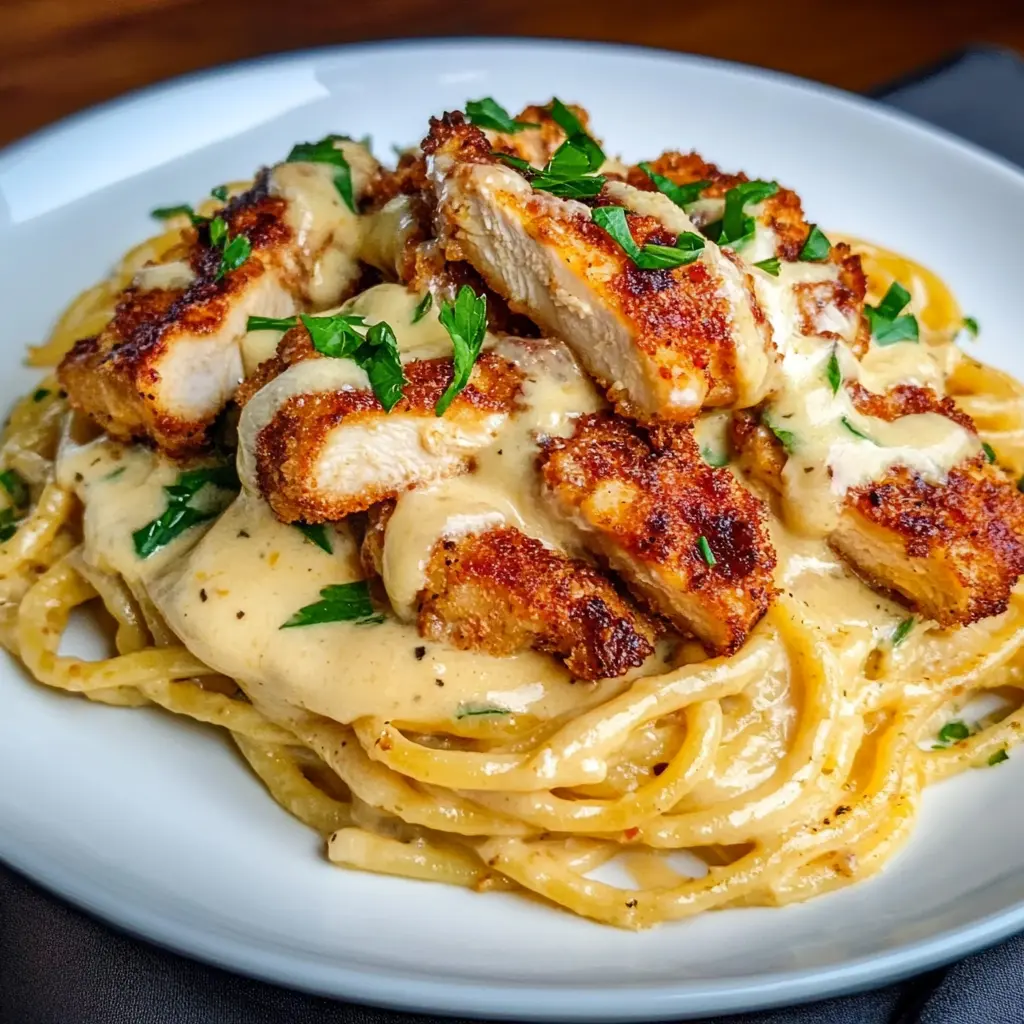
Creamy Chicken Carbonara: The Ultimate Comfort Food Recipe
There’s something magical about a plate of Creamy Chicken Carbonara that makes any evening feel special. This classic Italian-inspired dish combines tender chicken, crispy bacon, and silky pasta in a rich, velvety sauce that coats every strand perfectly. Whether you’re looking for a quick weeknight dinner or planning a special meal, this version delivers authentic flavors without compromising on taste.
What Makes Chicken Carbonara Special
Creamy chicken carbonara stands out as a beloved comfort food for good reason. This dish transforms simple ingredients into restaurant-quality magic.
Traditional carbonara hails from Rome, Italy. The original recipe features pasta, eggs, cheese, and cured pork. Our version adds chicken for extra protein and creates a creamy sauce that’s both indulgent and satisfying.
The beauty of this dish lies in its simplicity. You don’t need fancy ingredients or complex techniques. Instead, you’ll rely on proper timing and temperature control to create that signature silky texture.
Many home cooks appreciate how quickly this meal comes together. From start to finish, you can have dinner on the table in about 30 minutes. This makes it perfect for busy weeknights when you want something special without spending hours in the kitchen.
The combination of textures sets this dish apart. Crispy bacon provides crunch, tender chicken adds substance, and the creamy sauce brings everything together. Each bite offers a perfect balance of flavors and mouthfeel.
Why This Recipe Works
This chicken carbonara recipe succeeds because it follows proven cooking principles. The sauce emulsifies properly when you add hot pasta to the egg mixture. This creates a smooth, velvety coating rather than scrambled eggs.
The addition of chicken makes this a complete meal. You get protein, carbohydrates, and rich flavors all in one bowl. This eliminates the need for multiple side dishes.
Furthermore, this recipe uses ingredients you likely already have. No specialty items or hard-to-find components required. This accessibility makes it a go-to recipe for many households.
Essential Ingredients for Perfect Carbonara
Creating exceptional creamy chicken carbonara starts with selecting quality ingredients. Each component plays a crucial role in the final dish.
Main Ingredients
Pasta: Choose long pasta like spaghetti, fettuccine, or linguine. These shapes hold the creamy sauce beautifully. You’ll need about 1 pound for 4-6 servings.
Chicken Breasts: Use 1.5 pounds of boneless, skinless chicken breasts. Cut them into bite-sized pieces for even cooking and easy eating.
Bacon: Select thick-cut bacon for the best flavor and texture. You’ll need 8-10 slices. The rendered fat adds depth to the dish.
Eggs: Use 4 large eggs at room temperature. They form the base of your creamy sauce.
Parmesan Cheese: Freshly grated Parmesan is essential. You’ll need 1.5 cups. Pre-grated versions don’t melt as smoothly.
Heavy Cream: Adding 1 cup of heavy cream creates extra richness. This ensures a consistently creamy texture.
Garlic: Fresh garlic cloves (4-5 minced) provide aromatic depth. Avoid garlic powder for this recipe.
Seasonings and Aromatics
Black pepper deserves special mention in carbonara. Use freshly cracked black pepper generously. It’s a signature flavor component.
Salt enhances all the other flavors. However, remember that bacon and Parmesan are already salty. Season carefully and taste as you go.
Fresh parsley adds a bright finish. Chop about 1/4 cup for garnishing. This provides color and freshness.
Olive oil helps cook the chicken evenly. Use 2-3 tablespoons of extra virgin olive oil for the best flavor.
Ingredient Quality Matters
The quality of your ingredients directly impacts the final result. Fresh Parmesan cheese melts smoothly and provides authentic flavor. Pre-grated varieties often contain anti-caking agents that prevent proper melting.
Room temperature eggs incorporate more easily into hot pasta. Cold eggs can create lumps or curdle when mixed with hot ingredients.
High-quality bacon provides better flavor and texture. Look for bacon without added sugar or unnecessary preservatives.
According to the USDA FoodData Central, proper ingredient selection ensures optimal nutritional value and taste in your finished dish.
Kitchen Tools You’ll Need
Having the right equipment makes cooking creamy chicken carbonara much easier. You don’t need professional-grade tools, but a few key items help ensure success.
Essential Equipment
Large Pot: Use an 8-quart pot for cooking pasta. This size allows pasta to move freely and cook evenly.
Large Skillet: A 12-inch skillet provides enough space to cook chicken and bacon without crowding. Cast iron or stainless steel works best.
Mixing Bowl: Choose a large, heat-safe bowl for combining eggs and cheese. Glass or ceramic bowls work perfectly.
Tongs: Long-handled tongs help you toss pasta with sauce efficiently. They also make transferring hot pasta easier.
Grater: A box grater or microplane ensures freshly grated Parmesan. Fresh grating makes a noticeable difference in texture.
Sharp Knife: A quality chef’s knife cuts chicken into uniform pieces. Uniform pieces cook evenly.
Helpful But Optional Tools
A pasta fork makes serving easier and more elegant. However, regular tongs work just fine.
A meat thermometer ensures chicken reaches safe internal temperature. This eliminates guesswork and prevents overcooking.
A colander with handles simplifies draining pasta. The handles prevent accidents with hot, heavy pots.
Step-by-Step Cooking Instructions
Follow these detailed instructions to create perfect creamy chicken carbonara every time. Proper technique ensures smooth, creamy sauce without scrambled eggs.
Preparation Phase
Start by gathering all ingredients and equipment. This makes the cooking process smoother and faster.
Cut chicken breasts into 1-inch cubes. Pat them dry with paper towels. Dry chicken browns better and develops more flavor.
Grate Parmesan cheese fresh. You’ll need 1.5 cups total. Set aside 1/4 cup for garnishing.
Crack eggs into your large mixing bowl. Add 1.25 cups of grated Parmesan. Whisk vigorously until well combined. The mixture should be smooth and pale yellow.
Mince garlic cloves finely. Chop fresh parsley and set aside for finishing.
Cooking the Bacon
Place bacon strips in a cold skillet. This allows fat to render slowly for crispy results.
Turn heat to medium. Cook bacon for 8-10 minutes, flipping occasionally. The bacon should be crispy but not burnt.
Transfer cooked bacon to a paper towel-lined plate. Once cooled, crumble or chop into bite-sized pieces.
Pour off most bacon fat, leaving about 2 tablespoons in the skillet. This fat adds flavor when cooking chicken.
Cooking the Chicken
Return the skillet to medium-high heat. Add 2 tablespoons olive oil to the reserved bacon fat.
Season chicken pieces with salt and pepper. Don’t oversalt, as bacon and cheese add plenty of sodium.
Add chicken to the hot skillet in a single layer. Avoid overcrowding, which causes steaming instead of browning.
Cook chicken for 6-8 minutes, stirring occasionally. The pieces should be golden brown and cooked through. Internal temperature should reach 165°F.
Add minced garlic during the last minute of cooking. Stir constantly to prevent burning.
Remove skillet from heat. Add crumbled bacon back to the chicken. Toss to combine.
Cooking the Pasta
While chicken cooks, bring a large pot of salted water to boil. Use about 4 quarts of water and 2 tablespoons of salt.
Add pasta to boiling water. Cook according to package directions, usually 8-10 minutes. Aim for al dente texture.
Before draining, reserve 2 cups of pasta cooking water. This starchy water helps create silky sauce.
Drain pasta but don’t rinse. The surface starch helps sauce adhere better.
Creating the Creamy Sauce
This step requires careful attention. Timing and temperature are crucial for avoiding scrambled eggs.
Add 1 cup of heavy cream to the egg and cheese mixture. Whisk until completely smooth.
Add hot, drained pasta directly to the mixing bowl with egg mixture. Toss immediately and vigorously. The heat from the pasta will gently cook the eggs.
Continue tossing for 2-3 minutes. Add reserved pasta water gradually, 1/4 cup at a time, until you achieve desired consistency. The sauce should coat pasta evenly without pooling at the bottom.
Add the chicken and bacon mixture to the pasta. Toss everything together gently but thoroughly.
Final Touches
Taste and adjust seasoning. Add freshly cracked black pepper generously. This is a signature carbonara flavor.
If sauce seems too thick, add more reserved pasta water. If too thin, let it sit for a minute to thicken naturally.
Transfer to serving plates or a large serving bowl. Garnish with remaining Parmesan and fresh parsley.
Serve immediately while hot. Carbonara sauce continues to thicken as it cools.
Pro Tips for Creamy Perfection
These expert tips ensure your creamy chicken carbonara turns out perfect every time. Small details make big differences.
Temperature Control
Room temperature eggs mix more easily with hot pasta. Take eggs out of the refrigerator 30 minutes before cooking.
Never add eggs to pasta while it’s still in the hot pot. The residual heat from the pot can scramble eggs.
Similarly, don’t let the pasta cool completely. The heat from hot pasta gently cooks the eggs into a smooth sauce.
Achieving Silky Sauce
The key to creamy carbonara lies in constant tossing. Keep the pasta moving as you add the egg mixture.
Reserved pasta water is your secret weapon. The starch in this water helps emulsify the sauce. Add it gradually until you achieve perfect consistency.
Work quickly but calmly. Speed prevents eggs from scrambling, but rushing leads to mistakes.
Cheese Selection
Always use freshly grated Parmesan cheese. Pre-grated cheese contains cellulose to prevent clumping. This prevents smooth melting.
Parmigiano-Reggiano offers the most authentic flavor. However, any quality aged Parmesan works well.
Grate cheese finely. Smaller pieces melt faster and more evenly into the sauce.
Bacon and Chicken Tips
Cut chicken into uniform pieces. This ensures even cooking and prevents dry or undercooked spots.
Don’t overcrowd the pan when cooking chicken. Cook in batches if necessary. Crowding causes steaming instead of browning.
Use thick-cut bacon for better texture. Thin bacon becomes too crispy and can burn easily.
Cook bacon slowly over medium heat. This renders fat properly and creates crispier results.
Pasta Selection and Cooking
Long pasta shapes work best for carbonara. Spaghetti, fettuccine, and linguine are traditional choices.
Cook pasta until al dente. Slightly firm pasta holds up better when tossed with sauce.
Salt pasta water generously. It should taste like seawater. This is your only chance to season the pasta itself.
Don’t drain pasta too thoroughly. A little clinging water helps create sauce.
Timing Considerations
Have all ingredients prepared before you start cooking. Carbonara comes together quickly at the end.
Coordinate pasta cooking with chicken cooking. Both should finish around the same time.
Serve immediately after combining everything. Carbonara waits for no one. The sauce continues to thicken as it sits.
Common Mistakes to Avoid
Understanding common pitfalls helps you avoid them. Learn from these frequent carbonara mistakes.
Scrambled Eggs
The most common mistake is scrambled eggs instead of creamy sauce. This happens when eggs meet excessive heat.
Never pour eggs into the hot pot. Always transfer pasta to a separate bowl for mixing.
Similarly, don’t return sauced pasta to the hot stove. Residual heat will scramble eggs.
Toss pasta vigorously and constantly. Movement prevents eggs from settling and cooking in one spot.
Dry or Clumpy Sauce
Insufficient pasta water creates dry, clumpy carbonara. Always reserve at least 2 cups of cooking water.
Add pasta water gradually. You can always add more, but you can’t remove it.
Cold eggs won’t emulsify properly. Ensure eggs reach room temperature before mixing.
Overcooked Chicken
Dry, tough chicken ruins otherwise perfect carbonara. Monitor cooking time carefully.
Use a meat thermometer for accuracy. Chicken is done at 165°F internal temperature.
Cut chicken into uniform pieces. This ensures even cooking throughout.
Don’t cook chicken on excessively high heat. Medium-high heat browns without drying out the meat.
Bland Flavor
Underseasoning is common when cooking with salty ingredients. However, you still need proper seasoning.
Taste before serving. Adjust salt and pepper to your preference.
Use freshly cracked black pepper generously. It’s a defining carbonara flavor.
Don’t skip garlic. It adds essential aromatic depth.
Wrong Cheese
Using the wrong cheese affects texture and flavor significantly. Pre-shredded cheese contains anti-caking agents.
These agents prevent smooth melting. Your sauce will be grainy instead of creamy.
Always grate cheese fresh. This small step makes a huge difference.
Timing Issues
Poor timing leads to cold pasta or overcooked components. Plan your cooking sequence carefully.
Start pasta water heating first. It takes the longest to boil.
Cook chicken and bacon while pasta cooks. This ensures everything finishes together.
Have your egg mixture ready before draining pasta. You need to work quickly once pasta is hot.
According to The Kitchn, proper timing and technique are essential for achieving restaurant-quality pasta dishes at home.
Nutritional Information
Understanding the nutritional content helps you make informed dietary choices. Here’s what you’ll find in creamy chicken carbonara.
Per Serving Breakdown
One serving of creamy chicken carbonara (about 2 cups) contains approximately:
-
Calories: 680
-
Protein: 45g
-
Carbohydrates: 52g
-
Fat: 32g
-
Saturated Fat: 14g
-
Cholesterol: 245mg
-
Sodium: 890mg
-
Fiber: 2g
-
Sugar: 3g
These values are estimates based on standard ingredients. Your actual values may vary depending on specific products and portion sizes.
Protein Content
This dish provides excellent protein from multiple sources. Chicken breast offers lean protein, while eggs and cheese add more.
The high protein content makes this meal satisfying and filling. It helps maintain muscle mass and promotes satiety.
Athletes and active individuals benefit from this protein-rich meal. It supports muscle recovery and sustained energy.
Macronutrient Balance
Creamy chicken carbonara provides a balanced mix of macronutrients. Carbohydrates from pasta provide energy.
Protein from chicken, eggs, and cheese supports muscle maintenance. Fat from cream, bacon, and cheese adds richness and satisfaction.
This balance helps prevent energy crashes. You’ll feel satisfied longer after eating.
Vitamins and Minerals
Eggs provide vitamin B12, selenium, and vitamin D. These support metabolism and immune function.
Parmesan cheese offers calcium for bone health. It also provides phosphorus and vitamin A.
Chicken supplies B vitamins, especially niacin and B6. These vitamins support energy metabolism.
Garlic provides manganese and vitamin C. It also contains beneficial compounds with potential health properties.
Making It Healthier
You can modify this recipe to reduce calories and fat. Use turkey bacon instead of regular bacon.
Substitute half-and-half for heavy cream. This cuts fat content while maintaining creaminess.
Use whole wheat pasta for extra fiber. This adds nutrients and promotes digestive health.
Increase the chicken portion and reduce pasta. This boosts protein while lowering carbohydrates.
Add vegetables like spinach or peas. These increase fiber, vitamins, and minerals without significantly increasing calories.
Creative Variations to Try
Once you master the basic recipe, experiment with these delicious variations. Each adds unique flavors while maintaining the creamy carbonara essence.
Vegetable Additions
Spinach and Mushroom Carbonara: Add 2 cups fresh spinach and 8 ounces sliced mushrooms. Sauté mushrooms with chicken. Wilt spinach at the end.
Peas and Asparagus Version: Include 1 cup frozen peas and 1 pound trimmed asparagus. Add peas to pasta water during the last minute of cooking. Sauté asparagus separately.
Roasted Red Pepper Carbonara: Chop 1 cup roasted red peppers and fold them into the finished dish. This adds sweetness and color.
Broccoli Chicken Carbonara: Steam 2 cups broccoli florets until tender-crisp. Toss with pasta and sauce. This boosts nutrition significantly.
Protein Variations
Turkey Bacon Version: Replace pork bacon with turkey bacon. This reduces fat content while maintaining smoky flavor.
Ham and Chicken Carbonara: Use diced ham instead of bacon. This creates a milder, less smoky version.
Shrimp Carbonara: Replace chicken with 1.5 pounds large shrimp. Cook shrimp just until pink. This creates a seafood variation.
Double Meat Carbonara: Include both chicken and Italian sausage. Brown 1 pound crumbled sausage with the chicken.
Cheese Variations
Pecorino Romano Version: Replace Parmesan with Pecorino Romano. This creates a sharper, more traditional flavor.
Mixed Cheese Carbonara: Combine Parmesan with Asiago or Gruyere. This adds complexity to the cheese flavor.
Extra Creamy Version: Increase heavy cream to 1.5 cups. Add 4 ounces cream cheese for ultra-rich texture.
Herb and Spice Variations
Spicy Carbonara: Add red pepper flakes to taste. Start with 1/2 teaspoon and adjust according to preference.
Lemon Herb Version: Add 2 tablespoons fresh lemon juice and 2 teaspoons lemon zest. Include fresh basil and thyme.
Garlic Lovers Carbonara: Double the garlic amount. Add roasted garlic for deeper flavor.
Italian Seasoning Blend: Include 2 teaspoons Italian seasoning blend. This adds oregano, basil, and other herbs.
Pasta Alternatives
Fettuccine Carbonara: Use fettuccine instead of spaghetti. The wider noodles hold more sauce.
Penne Carbonara: Short pasta works well for easier eating. The tubes catch pockets of creamy sauce.
Rigatoni Version: Large rigatoni tubes create hearty portions. The ridges hold sauce beautifully.
Low-Carb Option: Replace pasta with zucchini noodles or spaghetti squash. This significantly reduces carbohydrates.
Seasonal Variations
Summer Carbonara: Add fresh cherry tomatoes and basil. The bright flavors complement the rich sauce.
Fall Version: Include butternut squash cubes and sage. Roast squash separately before adding.
Winter Carbonara: Add kale and caramelized onions. These hearty additions suit cold weather.
Spring Edition: Feature fresh peas, asparagus, and lemon zest. Light and fresh flavors celebrate spring produce.
Pairing Suggestions
The right accompaniments elevate your creamy chicken carbonara meal. Consider these pairing options for a complete dining experience.
Salad Pairings
Caesar Salad: The classic combination works perfectly. Crisp romaine lettuce provides textural contrast to creamy pasta.
Arugula Salad: Peppery arugula with lemon vinaigrette cuts through rich sauce. Add shaved Parmesan for cohesion.
Caprese Salad: Fresh mozzarella, tomatoes, and basil offer light, fresh flavors. This balances the heavy main dish.
Mixed Green Salad: Simple mixed greens with balsamic vinaigrette complement without competing. Keep it light and simple.
Bread Options
Garlic Bread: Classic garlic bread is always welcome. Toast thick slices with butter and fresh garlic.
Focaccia: Soft, olive oil-rich focaccia soaks up extra sauce beautifully. Choose rosemary or plain varieties.
Breadsticks: Crispy breadsticks provide satisfying crunch. They’re perfect for catching every last drop of sauce.
Crusty Italian Bread: A rustic loaf adds authentic Italian character. Slice thick and serve warm.
Vegetable Side Dishes
Roasted Brussels Sprouts: Caramelized Brussels sprouts add nutty flavor. Season with balsamic glaze for extra depth.
Sautéed Green Beans: Almondine-style green beans provide elegant contrast. Keep them crisp and bright green.
Roasted Asparagus: Simple roasted asparagus with lemon complements rich carbonara. Don’t overcook them.
Grilled Zucchini: Lightly charred zucchini adds smoky notes. Season with herbs and olive oil.
Beverage Pairings
Sparkling Water: Flavored sparkling water cleanses the palate. Lemon or lime varieties work especially well.
Iced Tea: Unsweetened iced tea refreshes between bites. Add fresh lemon for extra brightness.
Lemonade: Fresh lemonade balances rich, creamy flavors. Keep it tart rather than too sweet.
Italian Soda: Fruit-flavored Italian sodas add fun to the meal. Choose complementary flavors like blood orange or lemon.
Dessert Options
Tiramisu: Classic tiramisu continues the Italian theme. The coffee flavor provides nice contrast.
Lemon Sorbet: Light, refreshing sorbet cleanses the palate. It won’t weigh you down after a rich meal.
Panna Cotta: Silky panna cotta with berry sauce offers elegant simplicity. Keep portions small.
Biscotti: Crunchy biscotti with coffee creates a perfect ending. They’re not too heavy after carbonara.
Storage and Reheating Tips
Proper storage preserves quality and ensures food safety. Follow these guidelines for leftover creamy chicken carbonara.
Storing Leftovers
Allow carbonara to cool to room temperature before storing. However, don’t leave it out longer than 2 hours.
Transfer leftovers to an airtight container. Glass containers work best as they don’t absorb flavors or odors.
Refrigerate promptly within 2 hours of cooking. Proper refrigeration prevents bacterial growth.
Store carbonara for up to 3 days in the refrigerator. Mark the container with the date for easy tracking.
The sauce may thicken considerably when cold. This is normal and expected.
Freezing Guidelines
Carbonara doesn’t freeze particularly well due to the egg-based sauce. The texture changes significantly upon thawing.
However, if you must freeze, use freezer-safe containers. Remove as much air as possible.
Freeze for up to 1 month maximum. Label containers clearly with contents and date.
Thaw frozen carbonara overnight in the refrigerator. Never thaw at room temperature.
Expect texture changes after freezing. The sauce may separate or become grainy.
Reheating Methods
Stovetop Method: This produces the best results. Heat a skillet over medium-low heat.
Add 2-3 tablespoons of milk or cream to the pasta. This helps reconstitute the sauce.
Stir frequently and heat gently. High heat will further cook the eggs and make sauce grainy.
Heat until warmed through, about 5-7 minutes. Add more liquid if needed.
Microwave Method: This works for quick reheating but yields less ideal texture.
Place carbonara in a microwave-safe bowl. Add 2 tablespoons of milk or cream.
Cover loosely with a damp paper towel. This prevents drying out.
Microwave in 1-minute intervals at 50% power. Stir between intervals.
Heat until warm throughout, usually 3-4 minutes total. Let stand for 1 minute before eating.
Preventing Dryness
Leftover carbonara often becomes dry. Combat this by adding liquid when reheating.
Milk, cream, or even pasta cooking water works well. Add small amounts gradually.
Stir gently but thoroughly. This distributes moisture evenly throughout the dish.
Don’t overheat. Just warm until heated through, not piping hot.
Food Safety Considerations
Always refrigerate leftovers within 2 hours. Bacteria multiply rapidly at room temperature.
Reheat only once. Repeated heating and cooling creates food safety risks.
Heat leftovers to 165°F internal temperature. Use a food thermometer to verify.
Discard any carbonara left at room temperature longer than 2 hours. Safety comes first.
According to the USDA Food Safety and Inspection Service, proper storage and reheating practices are essential for preventing foodborne illness.
Frequently Asked Questions
Can I make chicken carbonara ahead of time?
Carbonara tastes best when served immediately. However, you can prepare components ahead. Cook and refrigerate chicken and bacon up to 1 day before. Grate cheese and store it separately. Mix the egg and cream mixture right before combining with hot pasta. This ensures the best texture and prevents scrambled eggs.
How do I prevent the eggs from scrambling?
Remove pasta from heat before adding the egg mixture. The residual heat from hot pasta gently cooks the eggs. Toss constantly and vigorously. Movement prevents eggs from sitting in one spot and cooking too quickly. Add reserved pasta water gradually to control temperature. Work in a bowl, never in the hot pot.
Can I use milk instead of heavy cream?
Yes, but the sauce will be less rich and creamy. Whole milk works better than low-fat varieties. For best results, increase the egg yolks to 6 while using only 2 whole eggs. This maintains richness despite using milk. Add an extra 1/4 cup of Parmesan to enhance creaminess.
What if my carbonara sauce is too thick?
Add reserved pasta water gradually, one tablespoon at a time. The starchy water thins sauce while maintaining silky texture. Warm the pasta gently while stirring if it has cooled. You can also add a splash of cream or milk. Toss thoroughly to incorporate liquid evenly.
Can I use pre-cooked chicken?
Yes, pre-cooked rotisserie chicken works well. Shred or cube the chicken and add it with the bacon. This significantly reduces cooking time. Heat the chicken through with the bacon before adding to pasta. Store-bought rotisserie chicken adds convenience without sacrificing flavor.
Why is my sauce watery?
You may have added too much liquid. Use reserved pasta water sparingly. Start with 1/4 cup and add more only if needed. Alternatively, the pasta may have been too wet when added. Drain pasta thoroughly before combining with sauce. Let watery sauce sit for 2-3 minutes to thicken naturally.
Can I make this dish vegetarian?
Replace chicken and bacon with plant-based alternatives. Use vegetarian bacon or omit it entirely. Add mushrooms, sun-dried tomatoes, or other vegetables for substance. Keep the eggs and cheese for authentic carbonara flavor. The cooking method remains the same.
How do I reheat creamy chicken carbonara without drying it out?
Add liquid before reheating. Use 2-3 tablespoons of milk, cream, or reserved pasta water. Heat gently over medium-low heat on the stovetop. Stir frequently to distribute moisture evenly. Never microwave at full power. Use 50% power in short intervals instead.
What’s the best pasta shape for carbonara?
Traditional carbonara uses long pasta shapes. Spaghetti, linguine, and fettuccine all work excellently. The long strands coat beautifully with creamy sauce. However, penne and rigatoni also work well. Choose shapes with ridges or tubes that catch sauce.
Can I add vegetables to chicken carbonara?
Absolutely! Peas, asparagus, spinach, and mushrooms all complement carbonara. Add quick-cooking vegetables like peas during the last minute of pasta cooking. Sauté heartier vegetables like mushrooms with the chicken. Fold in delicate greens like spinach at the very end.
Conclusion
Creamy chicken carbonara delivers comfort, flavor, and satisfaction in every bite. This version maintains all the richness and depth of traditional carbonara while adding protein-rich chicken. Master the basic technique, and you’ll have a reliable weeknight dinner that feels special.
The key to perfect carbonara lies in temperature control and timing. Hot pasta gently cooks the egg mixture into silky sauce. Constant tossing prevents scrambled eggs. Reserved pasta water adjusts consistency. These simple techniques ensure success every time.
This versatile dish accepts many variations and additions. Add your favorite vegetables, experiment with different proteins, or adjust the richness to suit your preferences. The basic method remains constant while flavors change.
Whether you’re cooking for family dinner or entertaining guests, creamy chicken carbonara impresses. The combination of tender chicken, crispy bacon, and velvety sauce creates restaurant-quality results at home. With practice, you’ll develop confidence and your own signature touches.
Now it’s time to gather your ingredients and start cooking. Follow the step-by-step instructions, remember the pro tips, and avoid common mistakes. Soon you’ll be serving up plates of creamy, dreamy chicken carbonara that everyone will love.
Creamy Chicken Carbonara
Description
Creamy Chicken Carbonara
Ingredients:
-
12 oz pasta (spaghetti, fettuccine, or penne)
-
1 lb boneless skinless chicken breasts, diced
-
Salt and pepper to taste
-
2 tablespoons olive oil
-
4 oz pancetta or bacon, diced
-
3 cloves garlic, minced
-
1 cup heavy cream
-
1/2 cup grated Parmesan cheese
-
2 large eggs
-
1 teaspoon Italian seasoning
-
Fresh parsley for garnish
Instructions:
-
Cook pasta according to package directions. Drain, reserving 1/2 cup pasta water.
-
Season chicken with salt and pepper. In a large skillet, heat olive oil over medium heat and cook chicken until golden and cooked through. Remove and set aside.
-
In the same skillet, cook pancetta/bacon until crispy. Add garlic and sauté 1 minute.
-
Reduce heat to low. Whisk together heavy cream, Parmesan, eggs, and Italian seasoning in a bowl. Slowly add to the skillet, stirring constantly to prevent scrambling.
-
Toss cooked pasta and chicken in the creamy sauce. Add reserved pasta water a little at a time if needed to thin the sauce.
-
Serve immediately, garnished with fresh parsley and extra Parmesan.