
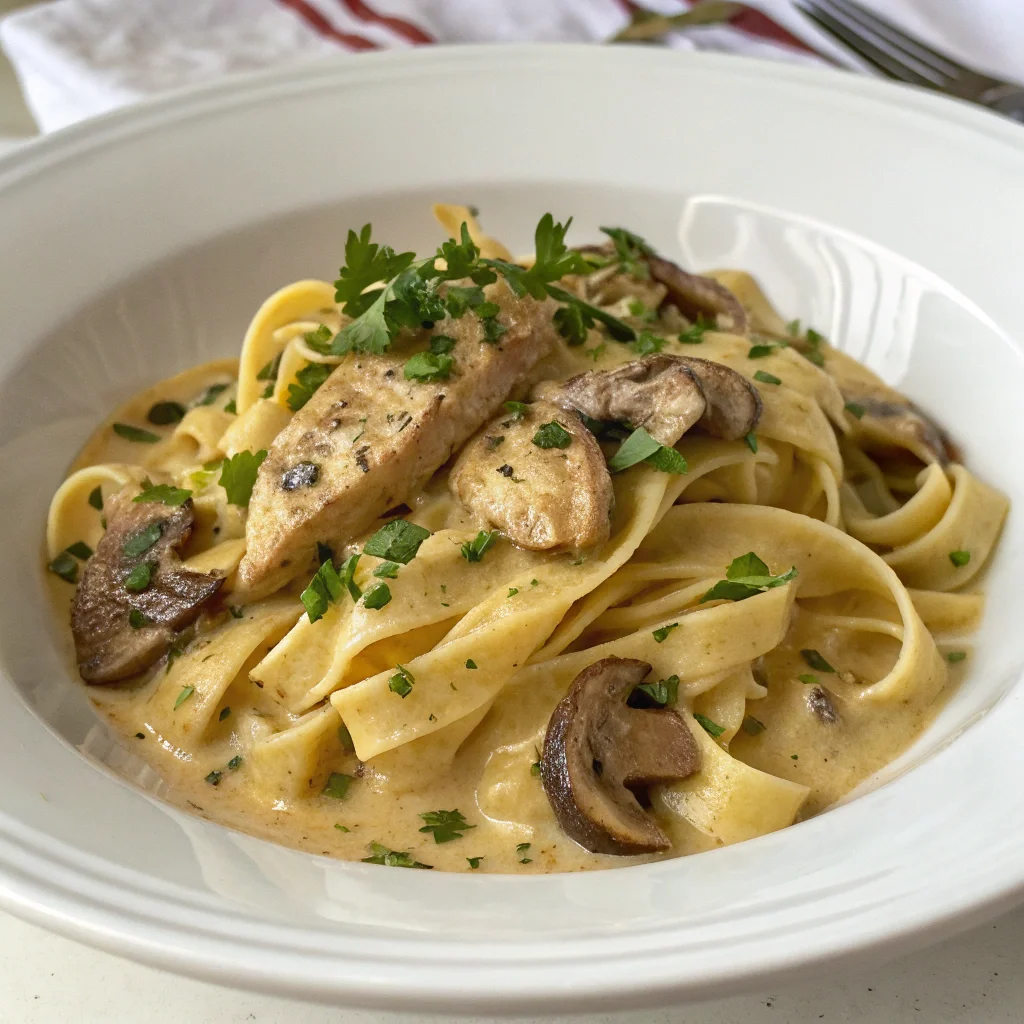
Creamy Chicken Marsala Pasta: A Rich, Savory Dinner Made Easy
Imagine a dinner that combines tender chicken, earthy mushrooms, and perfectly cooked pasta in a creamy, savory sauce that tastes like it came from an Italian restaurant. Creamy Chicken Marsala Pasta delivers exactly that—a comforting, flavor-packed meal that’s surprisingly simple to make at home. This dish transforms classic Italian-American flavors into a satisfying one-pan wonder that’s perfect for busy weeknights or special occasions. Best of all, this version uses savory broth and cream to create that signature rich sauce without any compromise on taste.
What Makes Creamy Chicken Marsala Pasta Special
Origins of the Dish
Traditional Marsala dishes originated in Sicily, known for their rich, complex flavors. This pasta variation takes those beloved taste profiles and transforms them into a complete meal. The combination of tender chicken, earthy mushrooms, and a velvety sauce creates a harmonious blend that satisfies on every level.
Why This Recipe Works
Several factors make this dish a consistent winner:
-
One-pan convenience minimizes cleanup time
-
Balanced flavors from savory broth and aromatic herbs
-
Versatile ingredients allow for easy customization
-
Quick preparation takes under 45 minutes total
-
Crowd-pleasing appeal works for family dinners or entertaining
The creamy sauce clings perfectly to pasta while the chicken stays moist and flavorful. Meanwhile, mushrooms add an umami depth that elevates the entire dish beyond ordinary weeknight fare.
Flavor Profile Breakdown
The dish features multiple taste layers working together. First, you’ll notice the savory richness from the sauce base. Then, earthy mushroom notes come through. Additionally, aromatic herbs like thyme and garlic provide brightness. Finally, cream adds luxurious body that ties everything together beautifully.
Essential Ingredients for Perfect Results
Protein Component
Chicken breast serves as the primary protein. Choose boneless, skinless pieces for easier preparation. Cut them into uniform strips or bite-sized pieces for consistent cooking. Furthermore, you can substitute chicken thighs if you prefer darker meat with more natural moisture.
Pasta Selection
Fettuccine works wonderfully because its flat surface catches the sauce. However, other pasta shapes perform equally well:
-
Penne holds sauce in its tubes
-
Rigatoni offers similar benefits
-
Linguine provides elegant presentation
-
Farfalle adds visual interest
Choose pasta based on personal preference and what you have available.
Mushroom Varieties
Cremini mushrooms provide the best balance of flavor and texture. Nevertheless, other varieties work beautifully:
-
White button mushrooms offer mild taste
-
Baby bella mushrooms add deeper flavor
-
Portobello mushrooms create meatier texture
-
Shiitake mushrooms contribute Asian-inspired notes
Slice mushrooms uniformly for even cooking throughout the dish.
Sauce Foundation
The sauce base combines several key components:
Chicken broth provides savory depth. Use low-sodium versions to control salt levels. Additionally, beef broth creates darker, richer results if preferred.
Heavy cream adds luxurious texture. You can substitute half-and-half for lighter results. Moreover, coconut cream works for dairy-free versions.
Dijon mustard contributes tangy complexity without overpowering other flavors. Just one tablespoon makes a significant difference.
Aromatics and Seasonings
Garlic forms the aromatic foundation. Use fresh minced cloves rather than powdered for best results. Typically, four to six cloves provide sufficient flavor.
Fresh thyme adds herbaceous notes. Strip leaves from stems before adding. Alternatively, dried thyme works at one-third the amount.
Black pepper provides gentle heat. Freshly ground pepper tastes noticeably better than pre-ground varieties.
Salt enhances all other flavors. Add gradually and taste frequently to avoid oversalting.
Optional Flavor Enhancers
Consider these additions for extra depth:
-
Sun-dried tomatoes add sweet-tart contrast
-
Capers contribute briny brightness
-
Red pepper flakes provide gentle heat
-
Fresh parsley offers color and freshness
Kitchen Tools You’ll Need
Essential Equipment
Large skillet or sauté pan serves as your primary cooking vessel. Choose one with at least 3-inch sides to accommodate all ingredients. Cast iron or stainless steel work better than nonstick for developing fond.
Large pot cooks the pasta. Use at least 6-quart capacity for proper water circulation.
Sharp chef’s knife makes ingredient preparation faster and safer. Keep it properly sharpened for clean cuts.
Cutting board provides stable work surface. Use separate boards for raw chicken and vegetables.
Helpful Tools
Meat tenderizer helps flatten chicken to uniform thickness. This ensures even cooking throughout each piece.
Wooden spoon scrapes up flavorful browned bits from the pan bottom. Additionally, it won’t scratch your cookware surface.
Tongs make turning chicken and tossing pasta much easier. Spring-loaded versions reduce hand fatigue.
Measuring cups and spoons ensure accurate proportions. Precision matters for consistent results every time.
Step-by-Step Cooking Instructions
Preparation Phase
First, gather all ingredients and equipment. This mise en place approach streamlines the actual cooking process significantly.
Prepare the chicken: Pat pieces dry with paper towels. Then, season both sides generously with salt and pepper. Next, pound thicker sections to uniform thickness using a meat tenderizer.
Slice the mushrooms: Cut them approximately ¼-inch thick for optimal texture. Moreover, avoid washing mushrooms directly under water. Instead, wipe them clean with damp paper towels.
Mince the garlic: Peel and finely chop fresh garlic cloves. Let them rest briefly to activate beneficial compounds.
Measure liquids: Have chicken broth and cream measured and ready. This prevents scrambling during cooking.
Cooking the Chicken
Heat the skillet: Place your pan over medium-high heat. Add two tablespoons of olive oil or butter. Wait until the oil shimmers before proceeding.
Sear the chicken: Add chicken pieces in a single layer. Avoid overcrowding, which causes steaming instead of browning. Cook for 4-5 minutes per side until golden brown develops. However, the chicken doesn’t need to cook through completely at this stage.
Remove and rest: Transfer chicken to a clean plate. Cover loosely with foil to keep warm. Meanwhile, the residual heat continues cooking the meat gently.
Building the Sauce
Sauté mushrooms: Add remaining butter to the same pan. Then, add sliced mushrooms in an even layer. Cook without stirring for 3-4 minutes to develop browning. Afterward, stir and cook for another 3-4 minutes until tender.
Add aromatics: Push mushrooms to the pan edges. Add minced garlic to the center and cook for 30 seconds until fragrant. Be careful not to burn the garlic.
Deglaze the pan: Pour in chicken broth gradually. Use your wooden spoon to scrape up all the browned bits stuck to the pan bottom. These bits, called fond, contain concentrated flavor that enriches the sauce.
Reduce the liquid: Let the broth simmer for 5-7 minutes. It should reduce by approximately one-third. This concentrates flavors and creates proper sauce consistency.
Add cream: Pour in heavy cream and stir to combine. Then, add Dijon mustard and fresh thyme. Stir everything together thoroughly.
Season carefully: Taste the sauce and adjust seasoning. Add salt and pepper gradually until the flavor balance tastes right to you.
Cooking the Pasta
While the sauce simmers, prepare your pasta in a separate pot.
Boil water: Fill a large pot with water and add salt generously. The water should taste like the ocean. Bring to a rolling boil over high heat.
Cook pasta: Add pasta to boiling water. Stir immediately to prevent sticking. Cook for 2 minutes less than package directions indicate. This slight undercooking is intentional.
Reserve pasta water: Before draining, scoop out one cup of starchy cooking liquid. This water helps adjust sauce consistency later if needed.
Drain pasta: Pour pasta into a colander. However, don’t rinse it. The surface starch helps sauce adhere better.
Final Assembly
Return chicken: Slice the rested chicken into strips if desired. Then, add it back to the skillet with the sauce. Let it simmer gently for 2-3 minutes to finish cooking through.
Add pasta: Transfer drained pasta directly to the skillet. Toss everything together using tongs. The pasta should be well-coated with sauce.
Adjust consistency: If the sauce seems too thick, add reserved pasta water one tablespoon at a time. Conversely, if it’s too thin, let it simmer briefly to thicken.
Finish with herbs: Sprinkle fresh parsley over the top. Additionally, add freshly grated Parmesan cheese if desired.
Pro Tips for Restaurant-Quality Results
Chicken Preparation Secrets
Pound for evenness: Uneven chicken cooks unevenly. Therefore, spend time tenderizing thicker portions to match thinner sections.
Don’t skip drying: Wet chicken won’t brown properly. Pat it thoroughly dry before seasoning.
Season aggressively: Chicken needs more salt than you think. Season both sides generously for best flavor penetration.
Use high heat: Proper browning requires adequate temperature. Don’t reduce heat too quickly or chicken will steam.
Mushroom Mastery
Don’t overcrowd: Mushrooms release moisture as they cook. Overcrowding creates steam instead of browning. Cook in batches if necessary.
Let them sit: Resist the urge to stir constantly. Letting mushrooms sit undisturbed develops better browning.
Season separately: Add salt to mushrooms after they brown. Salt draws out moisture, which prevents proper browning.
Sauce Perfection
Build fond: Those browned bits stuck to the pan contain concentrated flavor. Make sure to scrape them up when deglazing.
Reduce properly: Don’t rush the reduction step. Concentrating the broth creates deeper flavor in the finished sauce.
Taste frequently: Season gradually and taste often. It’s easier to add more salt than to fix an oversalted dish.
Control heat: Once you add cream, reduce heat to medium-low. High heat can cause cream to break and separate.
Pasta Cooking Excellence
Use plenty of water: Pasta needs room to move freely. Use at least 4 quarts of water per pound of pasta.
Salt generously: Properly salted pasta water seasons the pasta from within. The water should taste pleasantly salty.
Undercook slightly: Pasta continues cooking in the sauce. Therefore, drain it when it’s almost but not quite al dente.
Save that water: Starchy pasta water is liquid gold. It helps bind sauce to pasta better than plain water.
Timing Coordination
Work efficiently: Start boiling pasta water first since it takes longest. Then, begin cooking chicken while water heats.
Plan your finish: Time everything so pasta finishes just as sauce reaches perfect consistency.
Keep ingredients warm: If something finishes early, cover it loosely with foil. This maintains temperature without continuing to cook.
Nutritional Information and Dietary Modifications
Standard Recipe Nutrition
One serving of Creamy Chicken Marsala Pasta (approximately 2 cups) contains:
-
Calories: 650-750
-
Protein: 42-48 grams
-
Carbohydrates: 58-65 grams
-
Fat: 28-35 grams
-
Fiber: 3-4 grams
-
Sodium: 650-850 milligrams
These values vary based on specific ingredients and portion sizes used.
Making It Lighter
Reduce cream: Use half-and-half instead of heavy cream. This cuts approximately 100 calories per serving. Alternatively, try whole milk thickened with a cornstarch slurry.
Choose lean protein: Chicken breast contains less fat than thighs. Furthermore, removing visible fat before cooking reduces calories further.
Increase vegetables: Add spinach, zucchini, or bell peppers. These additions boost nutrition while reducing calorie density.
Control portions: Serve smaller pasta portions alongside a large salad. This maintains satisfaction while reducing overall calories.
Gluten-Free Adaptation
Choose gluten-free pasta: Many excellent options exist including rice-based, corn-based, or legume-based varieties. Cook according to package directions as timing differs.
Check broth labels: Some broths contain gluten-containing additives. Look for certified gluten-free versions.
Verify all ingredients: Even seemingly safe ingredients can contain hidden gluten. Read labels carefully.
Dairy-Free Version
Replace heavy cream: Full-fat coconut cream provides similar richness. Alternatively, cashew cream offers neutral flavor.
Skip the cheese: The dish remains delicious without Parmesan. However, nutritional yeast adds cheesy flavor if desired.
Use dairy-free butter: Many plant-based butter alternatives work perfectly for sautéing.
Low-Carb Modifications
Swap the pasta: Use spiralized zucchini, spaghetti squash, or shirataki noodles. These alternatives significantly reduce carbohydrate content.
Increase protein: Add more chicken to compensate for reduced pasta. This maintains satisfaction and fullness.
Add more mushrooms: Their meaty texture helps fill the void left by reduced pasta.
Serving Suggestions and Pairings
Side Dish Options
Simple green salad provides fresh contrast. Dress it with lemon vinaigrette for brightness. Additionally, include mixed greens, cherry tomatoes, and cucumber.
Roasted vegetables complement the creamy pasta beautifully. Try asparagus, green beans, or broccoli seasoned with garlic and olive oil.
Crusty bread soaks up extra sauce wonderfully. Warm it in the oven before serving. Furthermore, garlic bread adds extra flavor dimension.
Steamed vegetables offer lighter accompaniment. Season simply with butter, salt, and pepper.
Beverage Pairings
Sparkling water with lemon provides palate-cleansing refreshment. The carbonation cuts through the rich cream nicely.
Iced tea offers subtle flavor that doesn’t compete. Try unsweetened black tea or herbal varieties.
Italian soda adds festive touch for special occasions. Choose flavors like lemon, raspberry, or peach.
Fresh lemonade brings brightness that balances cream. Make it with real lemons for best results.
Garnishing Ideas
Fresh herbs elevate presentation significantly. Sprinkle chopped parsley, basil, or chives over finished dishes.
Grated cheese adds salty, umami notes. Use Parmesan, Pecorino Romano, or aged Asiago.
Lemon zest brightens rich flavors. Grate it directly over plated servings just before serving.
Red pepper flakes provide optional heat. Let diners add their own according to preference.
Portion Guidelines
For main course: Serve 2 cups per person alongside salad and bread. This creates satisfying, complete meal.
For side dish: Reduce portions to 1 cup per person. This works well when serving multiple courses.
For meal prep: Divide into 1.5-cup portions. These portions reheat perfectly for easy lunches.
Check out our guide on [meal prep strategies for busy families] for more portion planning tips.
Storage and Reheating Guidelines
Refrigerator Storage
Cool completely first: Let the dish reach room temperature before refrigerating. However, don’t leave it out for more than 2 hours.
Use proper containers: Transfer to airtight containers. Glass containers work particularly well for cream-based dishes.
Label clearly: Mark containers with contents and date. This prevents mystery meals in your refrigerator.
Storage duration: Properly stored Creamy Chicken Marsala Pasta keeps for 3-4 days refrigerated.
Freezer Storage
Cream-based sauces can separate when frozen. Nevertheless, the dish freezes reasonably well with proper technique.
Cool thoroughly: Let the dish cool completely before freezing. This prevents ice crystal formation.
Use freezer-safe containers: Choose containers designed for freezer use. Leave some headspace for expansion.
Freeze in portions: Individual portions thaw faster and reduce waste. This also prevents repeated freeze-thaw cycles.
Storage duration: Frozen Creamy Chicken Marsala Pasta maintains quality for 2-3 months.
Reheating Methods
Stovetop method: This produces the best results. Add the pasta to a skillet over medium-low heat. Then, add a splash of broth or cream to refresh the sauce. Stir frequently until heated through.
Microwave method: Place portion in microwave-safe bowl. Cover loosely with damp paper towel. Heat in 1-minute intervals, stirring between each, until hot throughout.
Oven method: Transfer to oven-safe dish and cover with foil. Bake at 350°F for 20-25 minutes. Add extra liquid if needed.
Maintaining Quality
Add fresh elements: Stir in fresh herbs or grated cheese after reheating. This brightens flavors that may have dulled.
Refresh the sauce: Add small amounts of cream or broth while reheating. This restores proper consistency.
Avoid overcooking: Heat only until warmed through. Overheating makes chicken rubbery and pasta mushy.
Common Mistakes to Avoid
Cooking Errors
Overcrowding the pan prevents proper browning. This creates steamed, gray chicken instead of golden, caramelized pieces. Cook in batches if necessary.
Using too much heat burns garlic and scorches cream. Medium to medium-high heat works best for most steps.
Skipping the fond wastes concentrated flavor. Always deglaze properly to capture those browned bits.
Overcooking chicken makes it dry and tough. Remove it from heat when just cooked through. Remember, it continues cooking while resting.
Ingredient Issues
Using low-quality broth results in bland sauce. Choose brands with rich flavor or make homemade stock.
Substituting milk for cream creates thin, watery sauce. If you must use milk, thicken it with cornstarch or flour first.
Adding cream to boiling liquid can cause breaking. Reduce heat before incorporating cream for smooth results.
Forgetting to season leaves the dish bland. Taste frequently and season at multiple stages.
Timing Problems
Not having everything ready causes stress and mistakes. Complete all prep work before you start cooking.
Overcooking pasta results in mushy texture. Cook it slightly under and finish it in the sauce.
Letting sauce sit too long causes it to thicken excessively. Add pasta promptly after sauce reaches proper consistency.
Serving Mistakes
Plating cold dishes diminishes enjoyment. Warm serving plates in a low oven before adding food.
Forgetting fresh garnish makes presentation dull. Always finish with fresh herbs or cheese.
Not providing serving utensils creates awkward moments. Set out appropriate tools before calling guests to eat.
Frequently Asked Questions
Can I make Creamy Chicken Marsala Pasta ahead of time?
Yes, though it tastes best fresh. Cook everything except the pasta ahead of time. Store the sauce and chicken separately from the pasta. When ready to serve, reheat the sauce while cooking fresh pasta. Then, combine them just before serving. This prevents pasta from becoming soggy.
What can I substitute for heavy cream?
Several alternatives work depending on your needs. Half-and-half creates lighter sauce but may be thinner. Coconut cream offers dairy-free richness. Greek yogurt stirred in at the end provides tangy creaminess. Cashew cream blended until smooth gives neutral flavor. Each option changes the final taste slightly.
How do I prevent the sauce from being too thick?
Add liquid gradually to adjust consistency. Reserved pasta water works best because its starch helps sauce cling. Additionally, chicken broth thins without diluting flavor. Add one tablespoon at a time while stirring. Stop when the sauce reaches desired consistency. Remember, sauce thickens as it cools.
Can I use chicken thighs instead of breasts?
Absolutely. Chicken thighs offer more flavor and stay moist more easily. They contain more fat, which adds richness to the sauce. However, they also take slightly longer to cook through. Check that internal temperature reaches 165°F before serving. Many people actually prefer thighs in this dish.
What’s the best pasta shape for this recipe?
Fettuccine works wonderfully because its flat surface catches sauce. Nevertheless, several shapes work equally well. Penne holds sauce inside its tubes. Rigatoni offers similar benefits with larger size. Linguine provides elegant presentation. Farfalle adds visual interest. Choose based on personal preference and availability.
Why does my sauce separate?
Cream separates when heated too quickly or too high. Always add cream to reduced-heat sauce, not boiling liquid. Additionally, don’t let cream-based sauce boil vigorously. Gentle simmering maintains smooth texture. If separation occurs, remove from heat and whisk in small amounts of cold cream to re-emulsify.
How do I know when the chicken is done?
Use an instant-read thermometer for accuracy. Chicken reaches safe temperature at 165°F measured at the thickest part. Additionally, juices should run clear when pierced. The meat should feel firm but not hard when pressed. Visual doneness can be deceiving, so temperature checking works best.
Can I add other vegetables to this dish?
Definitely. Spinach wilts beautifully into the sauce. Cherry tomatoes add bright acidity. Bell peppers contribute sweet crunch. Asparagus offers elegant presentation. Add heartier vegetables like peppers earlier with mushrooms. Stir in delicate greens like spinach at the very end. Adjust cooking times accordingly.
Is there a vegetarian version of Creamy Chicken Marsala Pasta?
Yes, several options exist. Replace chicken with extra mushrooms for hearty texture. Add white beans for protein. Include chickpeas for substance. Tofu cubes work when pressed and browned properly. Seitan provides meaty texture. The sauce itself is easily adaptable to vegetarian diets with these simple swaps.
How can I make the dish spicier?
Add heat at various stages. Red pepper flakes in the sauce provide background warmth. Fresh jalapeños sautéed with mushrooms add distinct heat. Cayenne pepper mixed into chicken seasoning creates even distribution. Hot sauce stirred in at the end allows customization. Start with small amounts and increase gradually.
Conclusion
Creamy Chicken Marsala Pasta combines comfort, elegance, and practicality in one delicious dish. The tender chicken, earthy mushrooms, and velvety sauce come together beautifully over perfectly cooked pasta. Moreover, this recipe proves that restaurant-quality meals are entirely achievable at home. The savory broth-based sauce delivers rich, complex flavors without compromising taste.
This versatile recipe adapts easily to various dietary needs and preferences. Whether you’re cooking for weeknight family dinners or entertaining guests, it consistently impresses. Furthermore, the straightforward technique builds confidence in the kitchen while producing reliably excellent results.
Print
Creamy Chicken Marsala Pasta
Description
Creamy Chicken Marsala Pasta
Ingredients:
-
12 oz fettuccine, linguine, or penne
-
1 lb boneless, skinless chicken breasts, cut into bite-sized pieces
-
1 teaspoon salt
-
1/2 teaspoon black pepper
-
2 tablespoons olive oil
-
3 cloves garlic, minced
-
8 oz mushrooms, sliced
-
1 cup chicken broth
-
1 cup heavy cream
-
1/2 teaspoon dried thyme or Italian seasoning
-
1/2 cup grated Parmesan cheese
-
Fresh parsley, chopped, for garnish
Instructions:
-
Cook the pasta:
Bring a large pot of salted water to a boil. Cook pasta according to package directions until al dente. Drain and set aside. -
Cook the chicken:
Heat olive oil in a large skillet over medium-high heat. Season chicken with salt and pepper. Cook until golden and cooked through, about 5–6 minutes. Remove chicken and set aside. -
Sauté mushrooms and garlic:
In the same skillet, add mushrooms and cook until browned, about 4–5 minutes. Add garlic and sauté for 30 seconds until fragrant. -
Make the creamy sauce:
Add chicken broth, heavy cream, and thyme. Simmer 3–4 minutes until sauce thickens slightly. Stir in Parmesan cheese until smooth. -
Combine everything:
Return cooked chicken to the skillet. Toss in cooked pasta until evenly coated in the sauce. -
Serve:
Garnish with fresh parsley and extra Parmesan. Serve hot and creamy.