
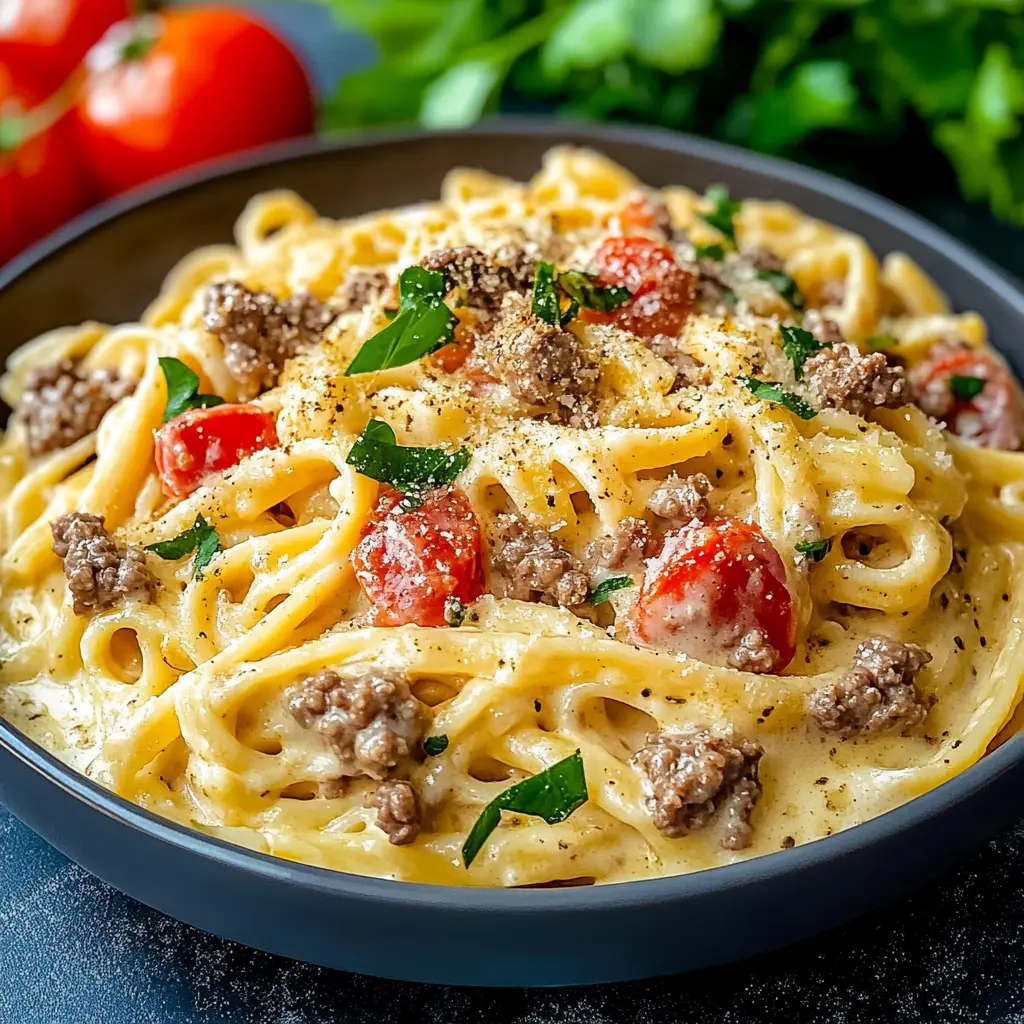
The Ultimate Guide to Creamy Ground Beef Alfredo Pasta: A Rich and Satisfying Comfort Food Recipe
Introduction
Picture this: tender ground beef simmering in a velvety alfredo sauce, coating perfectly cooked pasta in layers of creamy, savory goodness. Creamy Ground Beef Alfredo Pasta represents the pinnacle of comfort food dining, transforming simple ingredients into an extraordinary meal that satisfies both body and soul. This hearty dish combines the rich umami flavors of seasoned ground beef with the luxurious texture of homemade alfredo sauce, creating a restaurant-quality experience right in your own kitchen.
Furthermore, this recipe ensures everyone can enjoy this decadent pasta dish without any concerns. Whether you’re feeding a hungry family on a busy weeknight or preparing an impressive dinner for guests, this creamy ground beef alfredo pasta delivers consistent results every single time.
Moreover, the beauty of this recipe lies in its versatility and simplicity. Additionally, you can have this satisfying meal ready in just 30 minutes using basic pantry staples and fresh ingredients. Consequently, it’s become a favorite among home cooks seeking both convenience and indulgence.
What Makes Creamy Ground Beef Alfredo Pasta Special
The Perfect Protein Foundation
Ground beef serves as the cornerstone of this magnificent dish. Unlike traditional alfredo preparations that rely solely on cheese and cream, adding seasoned ground beef transforms this pasta into a complete, protein-rich meal. Furthermore, the beef provides substantial texture contrast against the smooth alfredo sauce.
The key lies in properly browning the ground beef to develop deep, caramelized flavors. Additionally, this browning process creates fond in the pan, which later enhances the overall sauce complexity. Moreover, using quality ground beef with appropriate fat content ensures juiciness without excess grease.
Rich and Velvety Alfredo Sauce
Traditional alfredo sauce combines butter, heavy cream, and Parmesan cheese to create its signature silky texture. However, when preparing creamy ground beef alfredo pasta, the sauce must be robust enough to complement the hearty meat. Consequently, this recipe employs specific techniques to achieve the perfect consistency and flavor balance.
The sauce development process involves careful temperature control and gradual ingredient incorporation. Furthermore, using freshly grated Parmesan cheese instead of pre-packaged varieties significantly improves the final result. Additionally, proper emulsification techniques prevent the sauce from breaking or becoming grainy.
Pasta Selection and Preparation
Choosing the right pasta shape dramatically impacts the overall dining experience. Moreover, certain pasta varieties hold alfredo sauce better than others, ensuring every bite delivers maximum flavor. Additionally, proper cooking techniques guarantee the perfect al dente texture that complements both the sauce and ground beef.
Short, sturdy pasta shapes like penne, rigatoni, or fusilli work exceptionally well with this creamy ground beef alfredo pasta recipe. Furthermore, their ridged surfaces and hollow centers trap the sauce effectively. Consequently, each forkful delivers the ideal ratio of pasta, beef, and creamy sauce.
Essential Ingredients for Perfect Results
Primary Ingredients
For the Ground Beef:
-
1 pound lean ground beef (85/15 ratio recommended)
-
1 medium yellow onion, finely diced
-
3 garlic cloves, minced
-
1 teaspoon Italian seasoning
-
1/2 teaspoon garlic powder
-
1/2 teaspoon onion powder
-
Salt and black pepper to taste
-
2 tablespoons olive oil
For the Alfredo Sauce:
-
1/2 cup unsalted butter
-
1 1/2 cups heavy whipping cream
-
1 1/4 cups freshly grated Parmesan cheese
-
1/4 teaspoon garlic powder
-
1/4 teaspoon white pepper
-
Pinch of nutmeg
-
Salt to taste
For the Pasta:
-
1 pound penne or rigatoni pasta
-
1 tablespoon salt (for pasta water)
Quality Considerations
Selecting high-quality ingredients significantly impacts the final result of your creamy ground beef alfredo pasta. Therefore, invest in fresh Parmesan cheese from the deli counter rather than pre-grated varieties. Additionally, choose ground beef with consistent marbling for optimal flavor development.
Heavy whipping cream with at least 35% fat content creates the richest alfredo sauce texture. Moreover, using unsalted butter allows better control over the final seasoning. Furthermore, fresh garlic provides more robust flavor than powdered alternatives.
Italian seasoning should contain a balanced blend of oregano, basil, thyme, and rosemary. However, you can substitute with individual herbs if preferred. Additionally, white pepper offers a more refined heat than black pepper for cream-based sauces.
Optional Enhancements
Consider these ingredients to elevate your creamy ground beef alfredo pasta:
-
Fresh parsley for garnish and color contrast
-
Red pepper flakes for subtle heat
-
Sun-dried tomatoes for tangy sweetness
-
Mushrooms for earthy depth
-
Bell peppers for additional vegetables
-
Fresh basil for aromatic finish
Step-by-Step Recipe Instructions
Preparation Phase
Step 1: Mise en Place
Before beginning, gather and prepare all ingredients. Consequently, this approach ensures smooth cooking without interruptions. Additionally, bring a large pot of salted water to boil for the pasta. Moreover, grate the Parmesan cheese if not already prepared.
Step 2: Pasta Water Preparation
Fill a large pot with water and add salt generously. Furthermore, the water should taste slightly salty like seawater. Additionally, this seasoning penetrates the pasta during cooking, enhancing the overall flavor of your creamy ground beef alfredo pasta.
Cooking the Ground Beef
Step 3: Initial Browning
Heat olive oil in a large skillet over medium-high heat. Additionally, add the ground beef and break it into small, uniform pieces using a wooden spoon. Moreover, avoid stirring too frequently during the initial browning phase.
Allow the beef to develop a golden-brown crust before stirring. Furthermore, this caramelization process typically takes 3-4 minutes. Consequently, the beef develops complex flavors that enhance the final dish significantly.
Step 4: Vegetable Integration
Once the beef is mostly browned, add diced onions to the skillet. Additionally, continue cooking until the onions become translucent and fragrant. Moreover, the onions should release their moisture and begin to caramelize slightly.
Next, add minced garlic and cook for an additional 30 seconds. However, be careful not to burn the garlic as it becomes bitter quickly. Furthermore, the garlic should become fragrant but not darkly colored.
Step 5: Seasoning Application
Sprinkle the Italian seasoning, garlic powder, onion powder, salt, and pepper over the beef mixture. Additionally, stir thoroughly to distribute the seasonings evenly. Moreover, cook for another minute to bloom the spices and integrate flavors.
Pasta Cooking Process
Step 6: Pasta Timing
Start cooking the pasta according to package directions when the beef is nearly finished. However, cook it for 1-2 minutes less than the recommended time to achieve perfect al dente texture. Additionally, reserve 1 cup of starchy pasta water before draining.
The pasta will finish cooking in the sauce, absorbing flavors while maintaining ideal texture. Furthermore, the starchy pasta water helps bind the sauce components together. Consequently, this technique produces superior results compared to fully cooking pasta separately.
Alfredo Sauce Creation
Step 7: Butter Foundation
In the same skillet with the cooked ground beef, reduce heat to medium-low. Additionally, add butter and allow it to melt completely without browning. Moreover, the butter creates the foundation for the alfredo sauce while incorporating the beef drippings.
Step 8: Cream Integration
Slowly pour the heavy cream into the skillet while stirring continuously. Furthermore, maintain gentle heat to prevent the cream from curdling. Additionally, the mixture should begin to thicken slightly as it heats.
Step 9: Cheese Emulsification
Gradually add the freshly grated Parmesan cheese in small handfuls. Moreover, stir constantly to ensure smooth melting without clumping. Additionally, if the sauce appears too thick, add small amounts of reserved pasta water.
Continue stirring until the cheese completely melts and the sauce becomes silky smooth. Furthermore, season with garlic powder, white pepper, and nutmeg. Additionally, taste and adjust seasoning with salt as needed.
Final Assembly
Step 10: Pasta Integration
Add the partially cooked pasta directly to the skillet with the creamy ground beef alfredo sauce. Additionally, toss everything together using pasta tongs or a large spoon. Moreover, the pasta should finish cooking in the sauce within 2-3 minutes.
If the sauce appears too thick, gradually add reserved pasta water until reaching desired consistency. Furthermore, the sauce should coat the pasta beautifully without being watery. Additionally, the starches from the pasta water help bind everything together perfectly.
Step 11: Final Seasoning Check
Taste the completed creamy ground beef alfredo pasta and adjust seasonings as necessary. Additionally, consider adding fresh black pepper or red pepper flakes for heat. Moreover, fresh herbs like parsley or basil make excellent finishing touches.
Pro Tips for Restaurant-Quality Results
Beef Preparation Secrets
Temperature Control
Maintaining proper heat throughout the cooking process ensures optimal results. Additionally, too high heat can cause the ground beef to become tough and dry. Moreover, consistent medium-high heat during browning creates perfect caramelization without overcooking.
Moisture Management
If excess liquid accumulates during beef cooking, drain it before proceeding with sauce preparation. Furthermore, excess moisture dilutes flavors and prevents proper sauce consistency. However, save some drippings for added flavor depth.
Texture Considerations
Break ground beef into uniform, bite-sized pieces for consistent texture. Additionally, overly large chunks can overwhelm individual pasta pieces. Moreover, very small pieces might disappear into the sauce entirely.
Sauce Perfection Techniques
Temperature Stability
Alfredo sauce requires gentle heat to prevent breaking or curdling. Additionally, if the sauce separates, remove from heat and whisk vigorously while adding small amounts of pasta water. Furthermore, returning separated sauce to proper consistency is possible with patience and technique.
Cheese Quality Impact
Pre-grated Parmesan contains anti-caking agents that can affect sauce texture. Therefore, grating fresh cheese produces superior results for creamy ground beef alfredo pasta. Additionally, aged Parmesan provides more complex flavors than younger varieties.
Consistency Control
The perfect alfredo sauce should coat pasta without being thick or gluey. Additionally, it should flow smoothly but not run off completely. Moreover, using pasta water strategically helps achieve ideal consistency while adding beneficial starches.
Timing Coordination
Synchronized Cooking
Start pasta water heating first, then begin ground beef preparation. Additionally, time the sauce creation to coincide with pasta doneness. Moreover, having all components ready simultaneously prevents any element from cooling or overcooking.
Service Preparation
Warm serving bowls in a low oven or with hot water before plating. Furthermore, hot bowls help maintain optimal serving temperature. Additionally, creamy ground beef alfredo pasta tastes best when served immediately after preparation.
Nutritional Benefits and Information
Macronutrient Breakdown
This hearty creamy ground beef alfredo pasta provides substantial nutrition in each serving. Additionally, the combination of protein, carbohydrates, and healthy fats creates a balanced meal. Moreover, understanding the nutritional content helps with meal planning and dietary considerations.
Per Serving (serves 6):
-
Calories: approximately 650-750
-
Protein: 28-32 grams
-
Carbohydrates: 45-50 grams
-
Fat: 38-42 grams
-
Fiber: 2-3 grams
-
Sodium: varies based on seasoning
Protein Content Analysis
Ground beef serves as an excellent source of complete protein, containing all essential amino acids. Additionally, one serving provides roughly 40-50% of daily protein requirements for average adults. Moreover, protein supports muscle maintenance and provides lasting satiety.
The high-quality protein from beef combines with protein from Parmesan cheese and pasta. Furthermore, this combination creates a more complete amino acid profile. Consequently, this creamy ground beef alfredo pasta supports various fitness and health goals.
Calcium and Dairy Benefits
Heavy cream and Parmesan cheese contribute significant calcium content to this dish. Additionally, calcium supports bone health and various metabolic functions. Moreover, dairy products provide vitamin D and other fat-soluble vitamins when consumed as part of balanced meals.
The fermentation process used in Parmesan cheese production creates beneficial compounds. Furthermore, aged cheeses often contain probiotics that support digestive health. However, individuals with lactose sensitivity should consider these factors when enjoying creamy ground beef alfredo pasta.
Carbohydrate Considerations
Pasta provides complex carbohydrates that fuel both brain and muscle function. Additionally, these carbohydrates offer sustained energy release compared to simple sugars. Moreover, choosing whole grain pasta varieties increases fiber content and nutritional density.
The combination of protein and carbohydrates in this dish helps stabilize blood sugar levels. Furthermore, the fat content slows digestion, providing longer-lasting satiety. Consequently, this creamy ground beef alfredo pasta can fit various dietary approaches when consumed in appropriate portions.
Creative Variations and Substitutions
Meat Alternatives
Ground Turkey Variation
Substitute ground turkey for a leaner version of creamy ground beef alfredo pasta. Additionally, turkey requires slightly different cooking techniques to prevent dryness. Moreover, season more generously as turkey has milder flavor than beef.
Use ground turkey with some fat content (85/15 or 90/10) rather than extra-lean varieties. Furthermore, cook over medium heat and avoid overcooking to maintain juiciness. Additionally, consider adding extra herbs and spices to enhance flavor complexity.
Ground Chicken Option
Ground chicken creates a lighter version while maintaining protein content. Additionally, chicken pairs beautifully with alfredo sauce flavors. Moreover, the neutral taste allows other seasonings to shine through prominently.
Season ground chicken more heavily than beef due to its mild flavor profile. Furthermore, consider adding paprika for color and depth. Additionally, ensure thorough cooking while preventing dryness through careful temperature control.
Sausage Integration
Italian sausage adds robust flavors and spices to this creamy ground beef alfredo pasta. Additionally, remove casings and crumble like ground beef during cooking. Moreover, reduce additional seasonings as sausage contains built-in spice blends.
Choose mild or spicy sausage based on heat preferences. Furthermore, sweet Italian sausage provides different flavor notes than hot varieties. Additionally, chicken or turkey sausage offers leaner alternatives without sacrificing taste.
Pasta Shape Variations
Long Pasta Options
Fettuccine represents the classic alfredo pasta choice and works beautifully with ground beef additions. Additionally, the wide, flat surface area holds sauce effectively. Moreover, twirling fettuccine creates elegant presentation for special occasions.
Linguine offers similar benefits to fettuccine but with a slightly different texture experience. Furthermore, the narrower width provides different sauce-to-pasta ratios. Additionally, linguine works well for those preferring less heavy pasta dishes.
Stuffed Pasta Possibilities
Tortellini or ravioli filled with cheese or spinach complement this creamy ground beef alfredo pasta beautifully. Additionally, stuffed pasta reduces cooking time while adding texture interest. Moreover, the filling provides additional flavor dimensions.
Choose tortellini with complementary fillings like ricotta, spinach, or mushroom. Furthermore, adjust sauce quantities as stuffed pasta requires less sauce coverage. Additionally, fresh tortellini cooks faster than dried varieties.
Vegetable Additions
Classic Vegetable Integration
Broccoli florets add color, nutrition, and texture contrast to creamy ground beef alfredo pasta. Additionally, steam broccoli separately and fold in during final assembly. Moreover, crisp-tender broccoli provides pleasant textural variation.
Mushrooms enhance umami flavors while adding earthy depth. Furthermore, sauté mushrooms with the onions for integrated flavors. Additionally, various mushroom types offer different taste profiles and textures.
Bell Pepper Enhancement
Colorful bell peppers provide sweetness and crunch to balance rich alfredo flavors. Additionally, dice peppers and cook with onions for even distribution. Moreover, different colored peppers create visually appealing presentations.
Red bell peppers offer sweetness while green peppers provide slight bitterness. Furthermore, yellow and orange peppers fall between these flavor extremes. Additionally, roasted bell peppers contribute smoky undertones.
Spinach Integration
Fresh baby spinach wilts quickly when stirred into hot creamy ground beef alfredo pasta. Additionally, spinach adds iron, vitamins, and beautiful color contrast. Moreover, the mild flavor doesn’t compete with existing tastes.
Add spinach during the final minute of cooking to prevent overcooking. Furthermore, frozen spinach requires thorough draining before incorporation. Additionally, spinach provides nutritional benefits without significantly altering flavor profiles.
Sauce Modifications
Lighter Cream Alternatives
Half-and-half creates a lighter version of alfredo sauce while maintaining creaminess. Additionally, this substitution reduces calories and fat content significantly. However, the sauce may be slightly thinner than traditional versions.
To compensate for reduced richness, add extra Parmesan cheese gradually. Furthermore, a small amount of cream cheese helps achieve proper consistency. Additionally, pasta water becomes more important for achieving ideal texture.
Cheese Variety Experiments
Romano cheese offers sharper, more assertive flavors than Parmesan alone. Additionally, combining both cheeses creates complex flavor development. Moreover, the saltier Romano enhances overall taste depth.
Asiago cheese provides nutty undertones that complement beef flavors beautifully. Furthermore, aged Asiago melts smoothly while contributing distinctive taste notes. Additionally, Pecorino Romano adds Mediterranean authenticity.
Herb and Spice Enhancements
Fresh herbs transform creamy ground beef alfredo pasta from comfort food to gourmet dining. Additionally, basil, oregano, and thyme each contribute unique flavor dimensions. Moreover, adding herbs at different cooking stages creates layered complexity.
Red pepper flakes provide gentle heat without overwhelming other flavors. Furthermore, start with small amounts and adjust to preference. Additionally, white pepper maintains the sauce’s appearance while adding warmth.
Storage and Reheating Guidelines
Proper Storage Techniques
Refrigerator Storage
Cool creamy ground beef alfredo pasta to room temperature before refrigerating to prevent condensation. Additionally, divide into shallow containers for faster cooling and even temperature distribution. Moreover, proper storage extends freshness and maintains food safety.
Store in airtight containers to prevent odor absorption and moisture loss. Furthermore, label containers with preparation dates for tracking freshness. Additionally, consume within 3-4 days for optimal quality and safety.
Freezer Considerations
While possible to freeze, cream-based sauces may separate during thawing. Additionally, pasta texture can become mushy after freezing and reheating. However, proper techniques minimize these issues for acceptable results.
Freeze in portion-sized containers for convenient single servings. Furthermore, leave headspace for expansion during freezing. Additionally, consume frozen portions within 2-3 months for best quality maintenance.
Reheating Methods
Stovetop Reheating
Gentle stovetop reheating produces the best results for creamy ground beef alfredo pasta. Additionally, add small amounts of cream or milk to restore sauce consistency. Moreover, low heat prevents sauce breaking and pasta overcooking.
Stir frequently during reheating to ensure even temperature distribution. Furthermore, add liquid gradually to achieve desired consistency. Additionally, taste and adjust seasonings as needed after reheating.
Microwave Techniques
Microwave reheating offers convenience but requires careful technique. Additionally, use medium power settings to prevent hot spots and sauce separation. Moreover, stir every 30 seconds during heating process.
Cover containers loosely to prevent splattering while allowing steam escape. Furthermore, add small amounts of liquid if sauce appears too thick. Additionally, let stand for 1-2 minutes after heating to allow temperature equalization.
Oven Method
Covered oven reheating at 350°F provides gentle, even warming. Additionally, add extra liquid before covering with foil. Moreover, this method works well for larger quantities.
Stir halfway through heating time for even temperature distribution. Furthermore, remove foil during final minutes to prevent excess moisture. Additionally, check internal temperature reaches 165°F for food safety.
Quality Maintenance Tips
Sauce Separation Solutions
If reheated sauce appears separated or grainy, remove from heat immediately. Additionally, whisk vigorously while adding small amounts of warm cream or pasta water. Moreover, returning to gentle heat while whisking can restore smooth texture.
Sometimes adding fresh Parmesan cheese helps re-emulsify broken sauces. Furthermore, a small amount of butter can help bind separated components. Additionally, patience and gentle technique usually restore acceptable consistency.
Texture Preservation
Slightly undercook pasta initially if planning to reheat later. Additionally, the pasta continues cooking during reheating, potentially becoming mushy. Moreover, proper initial cooking prevents texture degradation.
Add fresh herbs and seasonings after reheating to brighten flavors. Furthermore, freshly ground black pepper enhances reheated dishes significantly. Additionally, a sprinkle of fresh Parmesan cheese improves presentation.
Serving Suggestions and Pairings
Complementary Side Dishes
Bread Accompaniments
Garlic bread provides the perfect vehicle for capturing extra alfredo sauce. Additionally, the crispy texture contrasts beautifully with creamy pasta. Moreover, homemade garlic bread elevates the entire dining experience.
Prepare garlic bread using butter, minced garlic, and fresh parsley on crusty Italian bread. Furthermore, broil until golden and fragrant. Additionally, serve immediately while hot and crispy.
Caesar salad breadsticks offer a lighter bread option. Additionally, the herbs and seasonings complement alfredo flavors perfectly. Moreover, breadsticks provide satisfying crunch without excessive richness.
Vegetable Sides
Roasted asparagus spears provide elegant color and nutritional balance. Additionally, the slight bitterness cuts through rich alfredo flavors effectively. Moreover, asparagus cooks quickly and requires minimal seasoning.
Drizzle asparagus with olive oil and season with salt and pepper. Furthermore, roast at 425°F for 10-12 minutes until crisp-tender. Additionally, finish with lemon zest for brightness.
Steamed broccoli offers classic Italian-American pairing with creamy ground beef alfredo pasta. Additionally, the green color creates appealing visual contrast. Moreover, broccoli provides essential vitamins and fiber.
Salad Pairings
Caesar salad remains the quintessential choice for alfredo dishes. Additionally, the crisp romaine and tangy dressing balance rich pasta perfectly. Moreover, homemade Caesar dressing surpasses store-bought versions significantly.
Mixed green salad with Italian vinaigrette provides lighter accompaniment. Furthermore, the acidic dressing cuts through cream sauce richness. Additionally, colorful vegetables add visual appeal and nutrition.
Spinach salad with warm bacon vinaigrette complements beef flavors beautifully. However, ensure the dressing doesn’t overpower the pasta dish. Moreover, fresh spinach provides iron and other essential nutrients.
Presentation Ideas
Plating Techniques
Warm serving bowls enhance the dining experience significantly. Additionally, hot bowls help maintain optimal serving temperature longer. Moreover, proper presentation elevates home cooking to restaurant quality.
Use pasta tongs or a large spoon to create neat portions. Furthermore, twirl long pasta shapes for elegant presentation. Additionally, avoid overcrowding plates which can make serving appear messy.
Garnish Options
Fresh parsley chopped finely provides color contrast and fresh flavor. Additionally, parsley adds brightness without competing with main flavors. Moreover, the herbaceous notes complement both beef and cream elements.
Freshly ground black pepper enhances both flavor and visual appeal. Furthermore, coarse pepper provides textural interest. Additionally, table-side grinding allows guests to customize spice levels.
Extra Parmesan cheese for serving allows individual customization. Additionally, provide a quality grater for freshly grated cheese. Moreover, aged Parmesan offers superior flavor compared to pre-grated varieties.
Beverage Pairings
Sparkling water with lemon cleanses the palate between bites. Additionally, the effervescence cuts through rich cream sauce effectively. Moreover, lemon adds bright citrus notes without competing flavors.
Italian sodas provide festive alternatives to traditional beverages. Furthermore, flavors like blood orange or lemon complement pasta dishes beautifully. Additionally, the sweetness balances savory alfredo flavors.
Iced tea with fresh herbs offers refreshing contrast to rich creamy ground beef alfredo pasta. Additionally, mint or basil-infused tea provides complementary flavors. Moreover, unsweetened varieties prevent overwhelming the palate.
Troubleshooting Common Issues
Sauce Problems and Solutions
Grainy or Separated Sauce
Overheating causes alfredo sauce to break and become grainy. Additionally, adding cheese too quickly can create lumps. However, several techniques can rescue separated sauce effectively.
Remove from heat immediately when separation occurs. Furthermore, whisk vigorously while gradually adding warm cream or pasta water. Additionally, return to very low heat while continuing to whisk until smooth.
If whisking alone doesn’t work, strain the sauce through fine mesh. Moreover, this removes any solid particles causing graininess. Furthermore, reheat the strained sauce gently while whisking continuously.
Thin or Watery Sauce
Insufficient reduction creates thin alfredo sauce that doesn’t coat pasta properly. Additionally, too much pasta water can dilute sauce consistency. However, several methods can thicken watery sauce effectively.
Continue cooking over low heat to reduce excess liquid. Furthermore, stir frequently to prevent scorching during reduction. Additionally, the sauce should coat the back of a spoon when properly thickened.
Mix a small amount of cornstarch with cold cream to create slurry. Moreover, add gradually while stirring to achieve desired thickness. Furthermore, cook for 2-3 minutes to eliminate raw starch taste.
Overly Thick Sauce
Sauce that’s too thick won’t distribute evenly throughout the pasta. Additionally, thick sauce can become gummy and unappetizing. However, thinning techniques restore proper consistency easily.
Add reserved pasta water gradually while stirring constantly. Furthermore, pasta water contains starches that help bind the sauce. Additionally, warm water integrates more smoothly than cold liquid.
Small amounts of warm cream can also thin overly thick sauce. Moreover, add incrementally to avoid making sauce too thin. Furthermore, taste and adjust seasonings after adding liquid.
Ground Beef Issues
Dry or Tough Meat
Overcooking ground beef creates dry, tough texture that detracts from the dish. Additionally, using too-lean beef can result in dryness. However, proper technique prevents these issues.
Choose ground beef with adequate fat content (80/20 or 85/15). Furthermore, fat provides flavor and maintains moisture during cooking. Additionally, avoid pressing down on meat while cooking.
Cook over medium-high heat initially for browning, then reduce temperature. Moreover, this prevents overcooking while developing proper flavors. Furthermore, remove from heat once meat is just cooked through.
Greasy Results
Excess fat from ground beef can make the dish unappealingly greasy. Additionally, the fat can interfere with sauce consistency. However, proper drainage prevents greasy results.
Drain excess fat after browning but before adding other ingredients. Furthermore, save a small amount of drippings for flavor enhancement. Additionally, pat cooked meat with paper towels if necessary.
Choose appropriately lean ground beef (85/15 ratio works well). Moreover, this provides sufficient fat for flavor without excess grease. Furthermore, very lean beef may become dry and tough.
Uneven Cooking
Large chunks of ground beef may cook unevenly. Additionally, uneven pieces create textural inconsistency in the final dish. However, proper breaking technique ensures even cooking.
Break meat into uniform, bite-sized pieces during browning. Furthermore, use a wooden spoon or spatula to create consistent sizes. Additionally, avoid making pieces too small or too large.
Stir occasionally during cooking to ensure even heat exposure. Moreover, this prevents some pieces from overcooking while others remain underdone. Furthermore, proper heat control maintains consistent cooking temperature.
Pasta Complications
Overcooked Pasta
Mushy pasta ruins the texture contrast in creamy ground beef alfredo pasta. Additionally, overcooked pasta can break apart during sauce integration. However, careful timing prevents overcooking issues.
Cook pasta 1-2 minutes less than package directions indicate. Furthermore, the pasta continues cooking when added to the hot sauce. Additionally, taste-test pasta frequently during cooking.
Use plenty of salted water and maintain rolling boil throughout cooking. Moreover, this ensures even cooking and prevents sticking. Furthermore, stir occasionally to prevent pasta from clumping.
Pasta Sticking Together
Sticky pasta creates unappetizing clumps that don’t integrate well with sauce. Additionally, stuck pasta cooks unevenly. However, proper technique prevents sticking issues.
Use adequate water (at least 4 quarts per pound of pasta). Furthermore, maintain vigorous boiling throughout cooking process. Additionally, stir pasta immediately after adding to water.
Add pasta gradually to maintain water temperature. Moreover, this prevents temperature drops that can cause sticking. Furthermore, never add oil to pasta water as it prevents sauce adhesion.
Incorrect Timing
Poor timing coordination results in components finishing at different times. Additionally, this can lead to cold pasta or overcooked beef. However, proper planning ensures synchronized completion.
Start pasta water heating first, then begin ground beef preparation. Furthermore, time sauce creation to coincide with pasta doneness. Additionally, keep components warm if timing becomes misaligned.
Prepare mise en place completely before beginning cooking. Moreover, this prevents delays that can throw off timing. Furthermore, practice the recipe to understand proper timing sequences.
Frequently Asked Questions
Can I make creamy ground beef alfredo pasta ahead of time?
While best served immediately, you can prepare components separately ahead of time. Additionally, cook the ground beef mixture and store refrigerated for up to 2 days. Moreover, prepare fresh alfredo sauce when ready to serve for optimal texture.
The complete dish can be assembled and refrigerated for up to 24 hours. However, the pasta may absorb sauce and require thinning during reheating. Furthermore, expect slight texture changes compared to freshly prepared versions.
What’s the best pasta shape for this recipe?
Penne, rigatoni, and fusilli work exceptionally well with creamy ground beef alfredo pasta. Additionally, their shapes hold sauce effectively while providing good surface area. Moreover, the tubular or spiral shapes complement the chunky beef pieces.
Long pasta like fettuccine or linguine also works beautifully. Furthermore, these shapes provide classic alfredo presentation. However, they may be slightly more challenging to eat with ground beef pieces.
How do I prevent the alfredo sauce from breaking?
Maintain gentle heat throughout sauce preparation to prevent breaking. Additionally, add cheese gradually in small amounts while stirring constantly. Moreover, remove from heat if the sauce begins to separate.
Use freshly grated Parmesan cheese rather than pre-packaged varieties. Furthermore, pre-grated cheese contains anti-caking agents that can affect sauce texture. Additionally, aged Parmesan melts more smoothly than younger varieties.
Can I substitute the heavy cream with lighter alternatives?
Half-and-half creates a lighter but still creamy sauce. Additionally, you may need to add extra cheese to compensate for reduced richness. Moreover, the sauce will be slightly thinner than traditional versions.
Milk alternatives generally don’t provide sufficient fat content for proper alfredo sauce. However, combining milk with cream cheese can create acceptable results. Furthermore, coconut cream offers dairy-free richness but changes flavor profile.
How long does leftover creamy ground beef alfredo pasta keep?
Properly stored leftovers keep for 3-4 days in the refrigerator. Additionally, store in airtight containers to prevent odor absorption. Moreover, consume within this timeframe for optimal quality and safety.
Freezing is possible but may affect texture quality. Furthermore, cream-based sauces can separate during thawing. Additionally, pasta may become mushy after freezing and reheating.
What ground beef fat percentage works best?
An 85/15 fat ratio provides the ideal balance of flavor and leanness. Additionally, this ratio offers sufficient fat for taste without excess grease. Moreover, the fat helps keep the meat moist during cooking.
80/20 ground beef offers more flavor but may be too greasy. Furthermore, 90/10 or leaner may become dry and tough. Additionally, the moderate fat content in 85/15 integrates well with alfredo sauce.
Can I add vegetables to this recipe?
Many vegetables complement creamy ground beef alfredo pasta beautifully. Additionally, broccoli, spinach, and bell peppers are popular choices. Moreover, mushrooms add umami depth that enhances the overall flavor profile.
Add quick-cooking vegetables like spinach during final assembly. Furthermore, longer-cooking vegetables should be prepared separately and folded in. Additionally, maintain vegetable texture to provide pleasant contrast.
Is this recipe suitable for meal prep?
The components can be prepared separately for easier meal prep assembly. Additionally, cook ground beef mixture and store refrigerated. Moreover, prepare fresh alfredo sauce when ready to serve.
Complete assembled portions reheat reasonably well with proper technique. However, texture quality may be slightly compromised compared to fresh preparation. Furthermore, add liquid during reheating to restore proper consistency.
Conclusion
This comprehensive guide to creamy ground beef alfredo pasta provides everything needed to create restaurant-quality comfort food at home. Moreover, the combination of perfectly seasoned ground beef with rich alfredo sauce creates an unforgettable dining experience that satisfies both casual family dinners and special occasion meals.
The versatility of this recipe allows for endless customization while maintaining the essential character that makes creamy ground beef alfredo pasta so beloved. Additionally, proper technique ensures consistent results every time you prepare this indulgent dish. Furthermore, understanding the science behind sauce creation and pasta cooking elevates your culinary skills beyond this single recipe.
Whether you’re a beginner cook seeking comfort food success or an experienced chef exploring new variations, this creamy ground beef alfredo pasta recipe delivers exceptional results. Moreover, the detailed instructions and troubleshooting guide ensure success regardless of your current skill level.
The nutritional benefits of combining quality protein, complex carbohydrates, and calcium-rich dairy make this dish both satisfying and nourishing. Additionally, the various modification options allow adaptation to different dietary preferences and restrictions while maintaining the essential comfort food appeal.

Creamy Ground Beef Alfredo Pasta
Description
Creamy Ground Beef Alfredo Pasta
Ingredients
For the pasta:
-
8-12 oz fettuccine or shell pasta
-
1 tablespoon olive oil
For the beef mixture:
-
1 lb lean ground beef
-
1 small onion, diced
-
3-4 cloves garlic, minced
-
1 teaspoon Italian seasoning
-
Salt and pepper to taste
For the alfredo sauce:
-
1 1/2 cups heavy cream
-
1/2 cup cream cheese, softened
-
1/2 cup grated Parmesan cheese
-
2 teaspoons garlic powder
-
1/2 cup reserved pasta water
-
Fresh parsley for garnish
Instructions
Step 1: Cook pasta
Bring a large pot of salted water to a boil. Add pasta and cook according to package directions until al dente. Reserve 1/2 cup pasta water before draining.
Step 2: Brown the beef
Heat olive oil in a large skillet over medium heat. Add ground beef and cook, breaking it apart with a wooden spoon, until browned and fully cooked, about 5-7 minutes. Drain excess grease if necessary.
Step 3: Add aromatics
Add diced onion to the beef and cook for 2-3 minutes until softened. Stir in minced garlic and Italian seasoning, cooking for another 1-2 minutes until fragrant.
Step 4: Create alfredo sauce
Reduce heat to low and add heavy cream and cream cheese to the skillet. Stir continuously until cream cheese melts and mixture becomes smooth. Add garlic powder, salt, and pepper.
Step 5: Combine and finish
Add grated Parmesan cheese and stir until fully melted and incorporated. Add the cooked pasta to the skillet and toss everything together until pasta is well-coated in the creamy sauce. If sauce is too thick, add reserved pasta water gradually until desired consistency is reached.
Step 6: Serve
Garnish with fresh chopped parsley and extra Parmesan cheese if desired. Serve immediately while hot.