
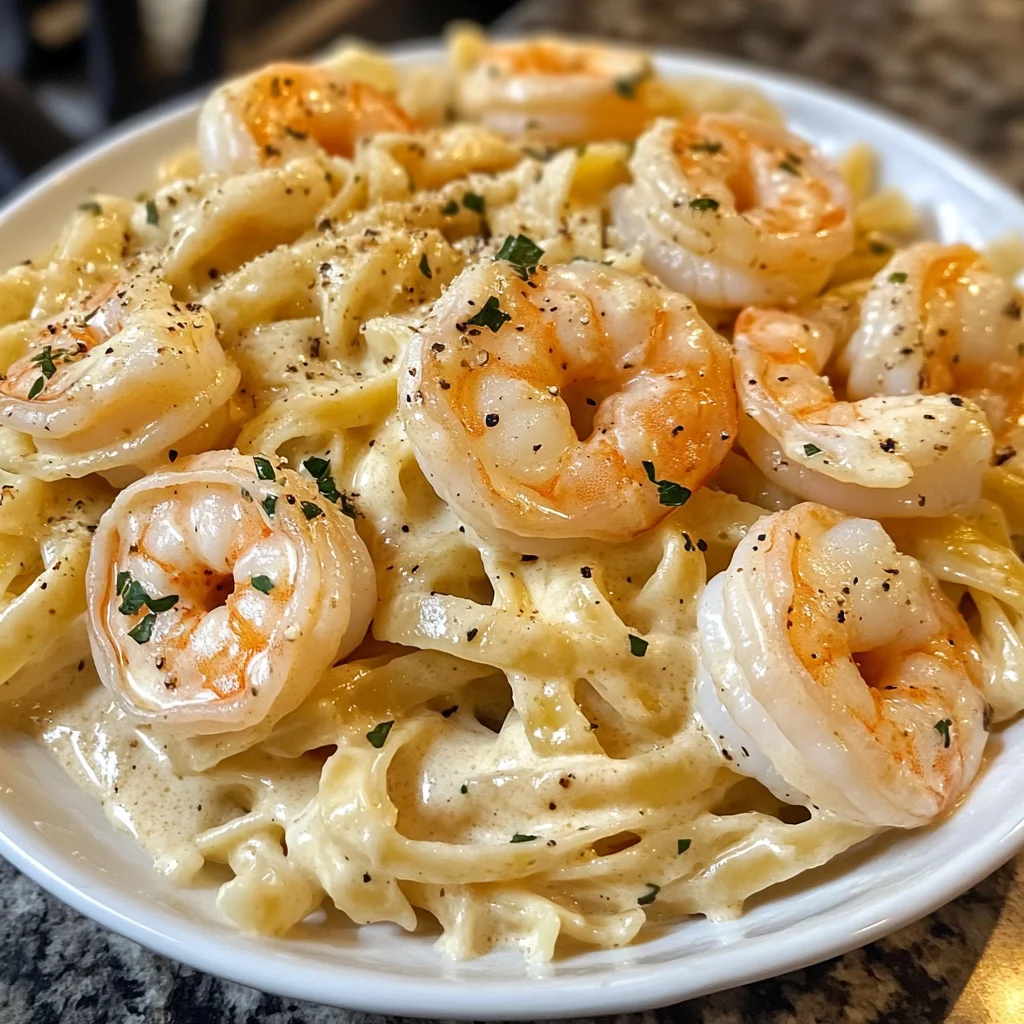
Creamy Lemon Garlic Shrimp Pasta
Introduction
Creamy Lemon Garlic Shrimp Pasta transforms simple ingredients into an elegant restaurant-quality meal in just 30 minutes. This dish combines tender, perfectly cooked shrimp with al dente pasta, all coated in a luxurious lemon-garlic cream sauce. The bright citrus notes balance the richness of the cream, while fresh garlic adds aromatic depth to every bite.
This recipe delivers impressive results without complicated techniques. You’ll create a satisfying dinner that works equally well for busy weeknights or special occasions. The combination of protein-rich shrimp and hearty pasta makes this a complete meal in one bowl.
Whether you’re a beginner cook or experienced home chef, this Creamy Lemon Garlic Shrimp Pasta offers foolproof success. The straightforward method ensures consistently delicious results every time.
What Makes This Dish Special
Perfect Flavor Balance
The sauce achieves remarkable harmony between tangy lemon and savory garlic. Fresh lemon juice and zest provide bright, citrusy notes that cut through the richness of heavy cream. Meanwhile, minced garlic infuses the sauce with aromatic warmth.
Quick Preparation Time
This Creamy Lemon Garlic Shrimp Pasta comes together in approximately 30 minutes from start to finish. The pasta and sauce cook simultaneously, making efficient use of your time. Additionally, shrimp requires only about 5 minutes to cook through completely.
Restaurant-Quality Results
The velvety cream sauce coats each strand of pasta beautifully. Furthermore, the dish presents elegantly with minimal effort. You’ll achieve professional-looking results that taste as impressive as they appear.
Essential Ingredients
For the Pasta
You’ll need 8 to 16 ounces of pasta, depending on serving size. Spaghetti, linguine, or fettuccine work exceptionally well for this dish. These long pasta shapes hold the creamy sauce perfectly.
For the Shrimp
Use 1 pound of raw shrimp, preferably sized 31-40 count per pound. Fresh or properly thawed frozen shrimp both deliver excellent results. Make sure the shrimp are peeled and deveined before cooking.
For the Sauce
The sauce requires these key components:
-
3 tablespoons butter for richness
-
4-6 cloves of fresh minced garlic
-
1 cup heavy cream or whipping cream
-
Juice and zest from 1-2 fresh lemons
-
1/2 to 1 cup freshly grated Parmesan cheese
-
1-2 teaspoons all-purpose flour for thickening
-
1/4 teaspoon Italian seasoning
-
Salt and pepper to taste
-
Fresh parsley for garnish
Nutritional Benefits
Shrimp Health Advantages
Shrimp provides exceptional nutritional value despite being low in calories. This lean protein contains many essential nutrients including iodine and powerful antioxidants. Additionally, shrimp offers significant benefits for heart health and immune system function.
Each serving delivers substantial protein, with approximately 33 grams per portion. Shrimp also provides excellent amounts of selenium and vitamin B12, both crucial for overall health. Moreover, shrimp contains less mercury compared to many other seafood options.
Garlic Nutritional Properties
Garlic contains compounds with potent medicinal properties that have been recognized for centuries. The sulfur compounds formed when you chop or crush garlic provide numerous health benefits. These compounds may help lower blood pressure and cholesterol levels.
Research indicates garlic can improve immune system function by stimulating immune cell activity. Furthermore, its antioxidant properties fight oxidative stress throughout the body. Some studies suggest garlic may help regulate blood sugar levels as well.
Complete Meal Balance
A typical serving of Creamy Lemon Garlic Shrimp Pasta contains approximately 470-840 calories depending on portion size. The macronutrient breakdown provides about 60% carbohydrates, 12% fat, and 29% protein. This combination delivers sustained energy and satisfying fullness.
Equipment You’ll Need
Essential Cookware
You’ll require a large pot for boiling the pasta water. Additionally, use a large skillet or frying pan to prepare the sauce and cook the shrimp. A colander helps drain the cooked pasta efficiently.
Useful Tools
Keep these tools handy for preparation:
-
Measuring cups and spoons for accuracy
-
A microplane or zester for lemon zest
-
A citrus juicer or reamer for fresh lemon juice
-
A garlic press or sharp knife for mincing garlic
-
Tongs or a pasta spoon for tossing ingredients
-
A whisk for smooth sauce consistency
Step-by-Step Cooking Instructions
Preparing the Pasta
Start by bringing a large pot of salted water to a rolling boil. Use approximately 1 quart of water per 4 ounces of pasta. Add 2 teaspoons of salt per quart of water once it reaches a boil.
Drop the pasta into the boiling water and stir immediately. Continue stirring constantly for the first minute, then once per minute until done. Cook the pasta until it reaches al dente texture, typically following package instructions.
Before draining, reserve at least 1 cup of the starchy pasta cooking water. This liquid helps create a silky sauce texture later. Drain the pasta through a colander but never rinse it.
Creating the Sauce Base
Melt the butter in a large skillet over medium-high heat. Once the butter melts completely, stir in the flour and cook for about 1 minute. This creates a roux that thickens the sauce.
Add the minced garlic to the butter mixture. Cook for approximately 30 seconds while stirring constantly until the garlic becomes fragrant. Be careful not to let the garlic burn, as this creates bitter flavors.
Pour in the heavy cream along with lemon juice, lemon zest, and Italian seasoning. Bring the mixture to a gentle simmer. Let it bubble for about 2-5 minutes, stirring occasionally.
Cooking the Shrimp
Pat the shrimp dry with paper towels before adding them to the pan. This helps achieve better browning. Season the shrimp with salt and pepper to taste.
Add the shrimp to the simmering cream sauce. Cook for approximately 5 minutes, stirring occasionally. The shrimp are done when they turn pink and opaque throughout. Avoid overcooking, as this makes shrimp tough and rubbery.
Finishing the Dish
Gradually stir the freshly grated Parmesan cheese into the sauce. The cheese will melt and create additional richness. If the sauce appears too thick, add reserved pasta water one tablespoon at a time.
Add the drained pasta to the skillet with the sauce and shrimp. Toss everything together gently using tongs until the pasta is evenly coated. The residual heat will continue cooking the pasta slightly.
Taste and adjust seasoning with additional salt, pepper, or lemon juice as needed. Garnish with freshly chopped parsley before serving. Serve immediately while hot for the best flavor and texture.
Expert Tips for Perfect Results
Pasta Cooking Excellence
Always use enough water when boiling pasta to prevent sticking and ensure even cooking. Calculate approximately 4 cups (1 liter) of water for every 3.5 ounces (100 grams) of pasta. Salt the water generously, as this is your only opportunity to season the pasta itself.
Cook pasta until it reaches al dente texture with a slight bite. Test a strand 1-2 minutes before the package directions suggest. Since you’ll toss the pasta with the hot sauce, it continues cooking slightly.
Never rinse cooked pasta under running water. The starchy coating helps the sauce adhere properly. Additionally, always reserve pasta water before draining.
Shrimp Selection and Preparation
Choose raw, fresh shrimp whenever possible for optimal flavor and texture. If using frozen shrimp, thaw them completely in the refrigerator overnight. Properly thawed shrimp should feel dry to the touch.
Remove the shells and devein the shrimp before cooking. You can leave the tails on for presentation or remove them for easier eating. Pat shrimp completely dry with paper towels before cooking.
Avoid overcrowding the pan when cooking shrimp, as this causes them to steam rather than sauté. Cook in batches if necessary to maintain proper temperature. Shrimp cook very quickly, requiring only about 5 minutes total.
Sauce Consistency Secrets
The reserved pasta water is crucial for achieving perfect sauce consistency. The starchy liquid helps emulsify the sauce and creates a silky texture. Add it gradually, just 1-2 tablespoons at a time.
Keep whisking when adding the Parmesan cheese to prevent clumping. Make sure the sauce is off high heat when incorporating cheese. If the sauce thickens too much, thin it with additional pasta water.
For best results, toss the pasta with the sauce over gentle heat for 1-2 minutes. This allows the flavors to meld and the sauce to cling to each strand. The sauce should coat the pasta without pooling in the bottom of the bowl.
Fresh Ingredient Importance
Always use fresh lemons rather than bottled lemon juice. Fresh citrus provides brighter, more complex flavor. Zest the lemon before juicing, as this is much easier.
Freshly grated Parmesan cheese melts more smoothly than pre-shredded varieties. Pre-shredded cheese often contains anti-caking agents that prevent smooth melting. The extra effort yields noticeably better results.
Use fresh garlic cloves rather than jarred minced garlic. Fresh garlic delivers superior flavor and aroma. Mince the garlic just before cooking to maximize its beneficial compounds.
Variations and Customizations
Pasta Shape Options
While spaghetti works beautifully, many other pasta shapes complement this dish. Linguine provides a slightly wider noodle that holds sauce well. Fettuccine offers even more surface area for the creamy coating.
Penne or other short pasta shapes create a different eating experience. These shapes allow the shrimp to nestle between the pasta pieces. Angel hair pasta cooks more quickly but works wonderfully for lighter appetites.
Additional Vegetables
Enhance nutritional value by incorporating vegetables into your Creamy Lemon Garlic Shrimp Pasta. Sautéed spinach adds color and nutrients without overwhelming the dish. Simply wilt fresh spinach in the pan before adding the pasta.
Roasted cherry tomatoes provide sweet bursts of flavor. Asparagus spears contribute elegant texture and earthy taste. Sautéed mushrooms offer umami depth that complements the shrimp.
Blanched broccoli florets work well for added fiber and vitamins. Zucchini ribbons or sliced zucchini cook quickly in the sauce. These vegetables should be added near the end to maintain their texture.
Protein Alternatives
Substitute grilled chicken breast for shrimp if preferred. Slice cooked chicken into strips and add it when tossing the pasta. The creamy lemon garlic sauce pairs equally well with chicken.
Scallops provide another luxurious seafood option. Cook them similarly to shrimp, searing until golden and opaque. A combination of shrimp and scallops creates an extra-special presentation.
For vegetarians, leave out the protein entirely or add white beans. The sauce itself is so flavorful that the dish remains satisfying. Consider adding extra vegetables to compensate for missing protein.
Lighter Versions
Create a lighter version by substituting skim milk for heavy cream. This reduces calories significantly while maintaining creamy texture. Alternatively, use half-and-half instead of heavy cream for moderate reduction.
Serve the sauce and shrimp over zucchini noodles (zoodles) instead of regular pasta. This creates a low-carb alternative that’s equally delicious. The preparation method remains exactly the same.
Reduce the amount of butter and cheese for fewer calories. The lemon and garlic still provide abundant flavor. Add red pepper flakes for heat that distracts from reduced richness.
Flavor Enhancements
Red pepper flakes add pleasant heat that complements the creamy sauce. Start with 1/4 teaspoon and adjust to taste preference. The spiciness balances the rich dairy components.
Fresh basil provides an aromatic alternative to parsley. Tear the leaves and add them just before serving. Sun-dried tomatoes contribute tangy, concentrated tomato flavor.
Capers add briny pops of flavor that enhance the lemon notes. Fresh thyme or oregano can replace Italian seasoning for herbaceous complexity. Each variation puts a unique spin on the classic Creamy Lemon Garlic Shrimp Pasta.
Storage and Reheating
Refrigeration Guidelines
Store leftover Creamy Lemon Garlic Shrimp Pasta in an airtight container. The dish keeps well in the refrigerator for up to 3 days. Make sure the pasta has cooled to room temperature before sealing.
Cream-based sauces may thicken considerably during refrigeration. This is completely normal and easily corrected when reheating. Separate any uneaten portions immediately after the meal to maintain food safety.
Reheating Methods
Reheat refrigerated pasta gently on the stovetop over medium-low heat. Add 2-3 tablespoons of milk or cream to restore the sauce’s creamy consistency. Stir frequently to prevent the bottom from burning.
Alternatively, microwave individual portions in 30-second intervals. Stir between each interval to ensure even heating. Add a splash of milk or broth to prevent the pasta from drying out.
Avoid reheating more than once, as this can make the shrimp rubbery. The pasta texture also degrades with multiple heating cycles. Only reheat the amount you plan to eat immediately.
Freezing Considerations
Cream-based pasta sauces generally don’t freeze well, as the cream separates upon thawing. The texture becomes grainy and unappetizing after freezing. However, you can freeze the cooked shrimp separately from the pasta and sauce.
If you must freeze leftovers, expect texture changes. The pasta may become softer and the sauce may separate. Vigorous stirring while reheating can sometimes restore smoother consistency.
Common Mistakes to Avoid
Pasta Preparation Errors
Never add oil to the pasta cooking water. This prevents the sauce from adhering properly to the pasta. Additionally, avoid rinsing cooked pasta, which removes the starchy coating.
Undercooking or overcooking pasta ruins the dish’s texture. Test pasta frequently near the end of cooking time. Remember that pasta continues cooking slightly when tossed with hot sauce.
Failing to salt the pasta water adequately results in bland noodles. Pasta water should taste pleasantly salty, like seawater. This is your only opportunity to season the pasta from within.
Shrimp Cooking Mistakes
Overcooking shrimp creates tough, rubbery texture that’s unpleasant to eat. Shrimp cook very quickly, turning pink and opaque in just 5 minutes. Remove them from heat as soon as they curl into a “C” shape.
Cooking shrimp from frozen without proper thawing releases excess liquid. This waters down the sauce and prevents proper browning. Always thaw frozen shrimp completely in the refrigerator overnight.
Adding shrimp too early in the cooking process results in overcooked seafood. Wait until the sauce has simmered and thickened before adding shrimp. This timing ensures perfectly cooked, tender shrimp.
Sauce Issues
Adding cold ingredients to hot sauce can cause it to break or separate. Make sure cream is at room temperature before adding to the pan. Whisk constantly when incorporating dairy products.
Using pre-shredded Parmesan cheese often results in grainy, clumpy sauce. The anti-caking agents prevent smooth melting. Always grate cheese fresh from a block for silky results.
Boiling the cream sauce too vigorously causes it to reduce too quickly. Maintain a gentle simmer to control consistency. If the sauce becomes too thick, thin it gradually with reserved pasta water.
Serving Suggestions
Accompaniments
Serve Creamy Lemon Garlic Shrimp Pasta with crusty bread for soaking up extra sauce. Garlic bread complements the dish’s flavors perfectly. A simple green salad provides refreshing contrast to the rich pasta.
Roasted vegetables make excellent side dishes that add color to the plate. Steamed asparagus or green beans contribute nutritional value. Keep sides simple to let the pasta remain the star.
Presentation Ideas
Serve the pasta in wide, shallow bowls to showcase the beautiful presentation. Garnish generously with fresh parsley and additional Parmesan cheese. A lemon wedge on the side allows diners to add extra brightness.
Arrange a few perfectly cooked shrimp on top of each portion. This creates an attractive presentation that looks restaurant-worthy. A light dusting of lemon zest adds visual appeal and fresh aroma.
Frequently Asked Questions
Can I make this dish ahead of time?
While Creamy Lemon Garlic Shrimp Pasta tastes best when served immediately, you can prepare components in advance. Cook the shrimp and store it separately in the refrigerator. Make the sauce base and refrigerate it for up to 24 hours. When ready to serve, cook fresh pasta, reheat the sauce gently, warm the shrimp, and combine everything.
What’s the best pasta shape for this recipe?
Long pasta shapes like spaghetti, linguine, and fettuccine work exceptionally well. These shapes allow the creamy sauce to coat each strand beautifully. However, penne or other short shapes also work if you prefer. Choose whatever pasta shape you enjoy most.
How do I know when shrimp are properly cooked?
Shrimp are done when they turn pink and opaque throughout. They should curl into a loose “C” shape. The cooking time is typically about 5 minutes over medium heat. Overcooked shrimp curl tightly into an “O” shape and become rubbery.
Can I use frozen shrimp?
Yes, frozen shrimp work perfectly for this recipe. Thaw them completely in the refrigerator overnight before cooking. Pat the thawed shrimp dry with paper towels to remove excess moisture. This ensures proper browning and prevents watery sauce.
How can I make the sauce thicker or thinner?
To thicken the sauce, simmer it longer to reduce the liquid. Add an extra teaspoon of flour when melting the butter. To thin the sauce, gradually add reserved pasta water one tablespoon at a time. The starchy water helps maintain creamy consistency while loosening the sauce.
What if I don’t have heavy cream?
Substitute half-and-half for a lighter version with slightly less richness. Whole milk mixed with a tablespoon of flour can also work. For the creamiest results without heavy cream, use full-fat coconut milk. Each substitution creates a different but still delicious sauce.
Conclusion
Creamy Lemon Garlic Shrimp Pasta delivers restaurant-quality results with minimal effort and simple ingredients. The combination of tender shrimp, perfectly cooked pasta, and luxurious lemon-garlic cream sauce creates an unforgettable meal. This versatile dish works equally well for busy weeknight dinners or special occasions when you want to impress.
The bright citrus notes balance the rich cream sauce beautifully, while fresh garlic provides aromatic depth. By following the techniques outlined above, you’ll achieve consistently delicious results every time you make this Creamy Lemon Garlic Shrimp Pasta. The recipe’s flexibility allows endless customization to suit your preferences and dietary needs.
Don’t wait for a special occasion to try this impressive yet approachable dish. Gather your ingredients, follow the simple steps, and enjoy a gourmet meal in your own kitchen tonight. Once you master this recipe, it will become a regular favorite in your cooking rotation.
Print
Creamy Lemon Garlic Shrimp Pasta
Description
Creamy Lemon Garlic Shrimp Pasta
Ingredients
-
8 oz fettuccine (or spaghetti)
-
1 lb large shrimp, peeled and deveined
-
2 tbsp olive oil
-
3 tbsp butter
-
4 cloves garlic, minced
-
1 cup heavy cream
-
½ cup grated Parmesan cheese
-
Juice and zest of 1 lemon
-
½ tsp crushed red pepper flakes (optional)
-
Salt and black pepper, to taste
-
2 tbsp chopped parsley, for garnish
Instructions
-
Cook the Pasta:
Bring a large pot of salted water to a boil. Cook pasta until al dente according to package directions. Drain and set aside, reserving ½ cup pasta water. -
Cook the Shrimp:
In a large skillet, heat olive oil and 1 tbsp butter over medium-high heat. Season shrimp with salt and pepper.
Cook 1–2 minutes per side until pink and just cooked through. Remove and set aside. -
Make the Sauce:
In the same skillet, melt remaining butter. Add minced garlic and sauté for 30 seconds until fragrant.
Stir in heavy cream, Parmesan, lemon juice, lemon zest, and crushed red pepper flakes. Simmer 2–3 minutes until slightly thickened. -
Combine:
Add cooked pasta and shrimp to the sauce. Toss gently to coat. Add a splash of reserved pasta water if the sauce is too thick. -
Finish & Serve:
Season with extra salt and pepper to taste. Garnish with parsley and an extra sprinkle of Parmesan.