
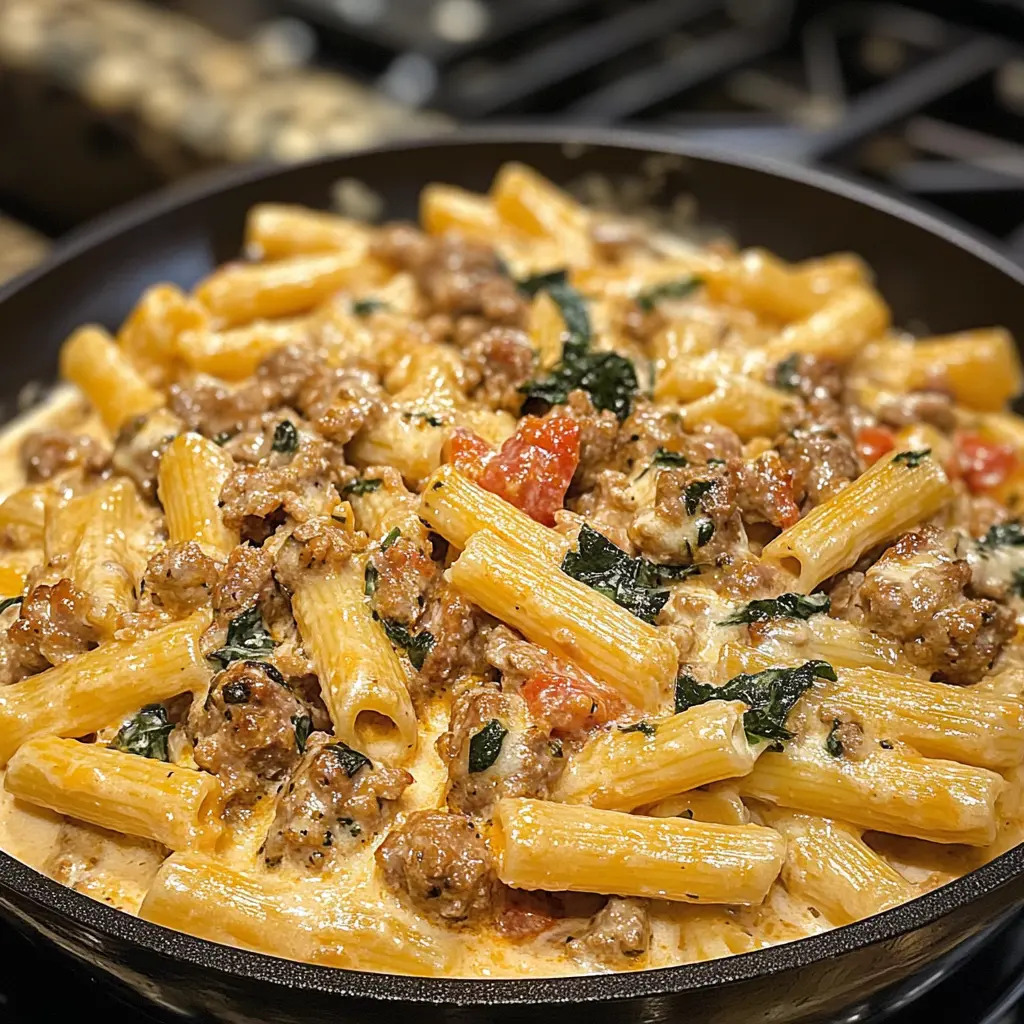
Creamy Tuscan Sausage Pasta: A Restaurant-Quality Meal in 30 Minutes
Creamy Tuscan Sausage Pasta brings the rustic charm of Italian countryside cooking directly to your dinner table. This indulgent one-pan dish combines savory Italian sausage, vibrant sun-dried tomatoes, fresh spinach, and a luscious cream sauce that coats every strand of pasta perfectly. Whether you’re planning a cozy weeknight dinner or entertaining guests, this Creamy Tuscan Sausage Pasta delivers restaurant-quality flavors with minimal effort.
What Makes Creamy Tuscan Sausage Pasta Special
This beloved Italian-inspired dish stands out because it combines bold, complementary flavors in a single pan. Moreover, the combination of rich Italian sausage with tangy sun-dried tomatoes creates an incredible depth of flavor. The creamy sauce, infused with garlic and Italian herbs, binds all the ingredients together harmoniously.
Additionally, Creamy Tuscan Sausage Pasta exemplifies the simplicity central to Tuscan cooking philosophy. Traditional Tuscan cuisine emphasizes fresh, quality ingredients prepared without unnecessary complexity. This approach allows each component to shine while creating a satisfying, balanced meal.
Furthermore, the visual appeal of this dish makes it perfect for both family dinners and special occasions. The vibrant green spinach contrasts beautifully with the deep red sun-dried tomatoes and golden cream sauce.
Essential Ingredients for Authentic Flavor
Proteins and Base Components
The foundation of Creamy Tuscan Sausage Pasta starts with quality Italian sausage. You can choose mild, sweet, or hot varieties depending on your heat preference. Most recipes call for 1 to 1.5 pounds of sausage, which provides substantial protein and flavor.
Additionally, select 12 to 16 ounces of your preferred pasta shape. Popular choices include penne, rigatoni, fettuccine, or ziti. Each shape offers a different texture experience while holding the creamy sauce effectively.
Aromatic Vegetables and Herbs
Fresh garlic forms the aromatic backbone of this dish. Most recipes use 2 to 4 cloves of minced garlic to infuse the sauce with depth. Meanwhile, diced onions add sweetness and complexity to the overall flavor profile.
Italian seasoning, typically 1 to 3 teaspoons, brings together oregano, basil, thyme, and other Mediterranean herbs. Fresh basil adds a bright, peppery note that elevates the finished dish.
Creamy Sauce Components
Heavy cream creates the luxurious, velvety texture that defines this recipe. You’ll need 1 to 2 cups of heavy whipping cream for optimal richness. Additionally, freshly grated Parmesan cheese thickens the sauce while adding nutty, salty notes.
Furthermore, chicken broth helps balance the richness and creates a more nuanced sauce. Typically, recipes call for 1/2 to 2 cups depending on desired consistency.
Signature Tuscan Ingredients
Sun-dried tomatoes provide concentrated, tangy-sweet flavor that’s essential to the Tuscan character. Use 1/4 to 1/2 cup of julienned sun-dried tomatoes packed in oil. These tomatoes deliver an intense umami quality that fresh tomatoes simply cannot match.
Fresh baby spinach adds nutritional value, color, and a subtle earthy taste. Most recipes incorporate 2 to 6 ounces of spinach, which wilts down considerably during cooking. The spinach contributes vitamins and minerals while maintaining the dish’s authentic Tuscan inspiration.
Step-by-Step Cooking Instructions
Preparing Your Ingredients
First, bring a large pot of generously salted water to a rolling boil. This step ensures your pasta cooks properly and absorbs flavor from the water. Meanwhile, gather all your ingredients and prep them beforehand for smooth cooking.
Next, mince your garlic, chop onions, and drain your sun-dried tomatoes. This mise en place approach prevents scrambling during the cooking process.
Cooking the Pasta
Add your pasta to the boiling water and cook according to package directions until al dente. Typically, this takes 8 to 12 minutes depending on the shape. Before draining, reserve at least 1 cup of starchy pasta water. This liquid helps adjust sauce consistency later if needed.
Browning the Sausage
While the pasta cooks, heat olive oil or butter in a large, deep skillet over medium-high heat. Add the Italian sausage, breaking it into bite-sized pieces with a wooden spoon. Cook for 6 to 8 minutes until the sausage develops a golden-brown exterior and cooks through completely.
If using sausage links rather than ground sausage, remove casings first. Then, crumble the meat as it cooks. Once browned, drain excess grease if necessary before continuing.
Building the Sauce Base
Add diced onions to the pan with the cooked sausage and sauté for 2 to 3 minutes until softened. Next, stir in minced garlic and cook for 1 minute until fragrant. Be careful not to burn the garlic, as it can turn bitter.
Subsequently, sprinkle flour over the mixture and stir constantly for 1 minute. This step creates a roux that thickens your cream sauce. Then, gradually add chicken broth while whisking to prevent lumps.
Creating the Creamy Tuscan Sauce
Pour in the heavy cream and stir until well combined. Add sun-dried tomatoes, Italian seasoning, salt, and black pepper. Bring the mixture to a gentle simmer, then reduce heat to medium-low.
Allow the sauce to simmer for 2 to 3 minutes, stirring occasionally. During this time, the sauce will thicken slightly. Additionally, stir in grated Parmesan cheese until it melts completely into the sauce.
Finishing Touches
Add fresh baby spinach to the pan and stir until wilted. This typically takes just 1 to 2 minutes. Next, fold in fresh basil for brightness.
Finally, add the drained pasta to the skillet and toss everything together. If the sauce seems too thick, gradually add reserved pasta water until you achieve the desired consistency. Taste and adjust seasoning with additional salt and pepper if needed.
Choosing the Right Pasta Shape
Best Pasta Options
Penne works exceptionally well for Creamy Tuscan Sausage Pasta because its tubular shape captures the sauce inside. The ridged exterior also helps the cream cling to each piece. Similarly, rigatoni offers larger tubes that hold chunks of sausage and sun-dried tomatoes.
Fettuccine provides a different experience with its long, flat ribbons that wrap around the other ingredients. This shape creates an elegant presentation. Meanwhile, ziti offers smooth tubes that work perfectly in baked versions.
Cooking Pasta Al Dente
Always cook pasta until al dente, meaning it has a slight firmness when bitten. This texture prevents mushiness when combined with the hot sauce. Furthermore, al dente pasta maintains better structure and provides a more satisfying eating experience.
Test pasta 1 to 2 minutes before the package’s suggested time. The pasta should have a tiny white center when broken open. Remember that pasta continues cooking slightly after draining, especially when added to hot sauce.
Understanding Tuscan Cuisine Traditions
Simplicity and Quality
Tuscan cuisine revolves around simplicity and showcasing high-quality ingredients. This cooking philosophy emphasizes letting natural flavors shine without excessive manipulation. Traditional Tuscan dishes feature locally sourced ingredients including fresh vegetables, herbs, and legumes.
Moreover, Tuscan cooks historically used readily available countryside ingredients. This practical approach created hearty, satisfying meals from simple components. Creamy Tuscan Sausage Pasta honors this tradition by combining just a handful of fresh, flavorful ingredients.
Classic Tuscan Flavor Profiles
Garlic, basil, and tomatoes form the holy trinity of Tuscan flavoring. These ingredients appear repeatedly throughout traditional recipes. Additionally, high-quality extra virgin olive oil serves as the foundation for most Tuscan preparations.
Fresh herbs like basil and thyme add aromatic complexity without overpowering delicate flavors. Meanwhile, the Mediterranean diet’s focus on vegetables aligns perfectly with the spinach in this pasta dish.
Health Benefits of Key Ingredients
Sun-Dried Tomato Nutrition
Sun-dried tomatoes pack concentrated nutrition into every bite. They provide an excellent source of lycopene, a powerful antioxidant that helps reduce cancer risk. One cup delivers 23% of the daily recommended vitamin C intake.
Additionally, these intensely flavored tomatoes supply vitamin A and E, along with folic acid and potassium. The drying process concentrates these nutrients while removing water content. Furthermore, vitamin C in sun-dried tomatoes supports immune system function and helps prevent complications from respiratory infections.
Spinach Nutritional Value
Fresh spinach contributes significant vitamins and minerals to this dish. This leafy green contains iron, calcium, and vitamins A, C, and K. Moreover, spinach adds volume and nutrition without many calories, making the pasta more balanced.
The vegetable also provides dietary fiber and antioxidants. These compounds support digestive health and overall wellness. Incorporating spinach aligns with the Mediterranean diet’s emphasis on fresh vegetables.
Expert Tips for Perfect Results
Sausage Selection and Preparation
Choose high-quality Italian sausage for the best flavor. Sweet Italian sausage offers mild, fennel-forward notes, while hot varieties add spicy heat. You can also mix both types for balanced complexity.
Remove sausage from casings easily by slicing lengthwise with a sharp knife. Then, peel away the casing and crumble the meat. Alternatively, use bulk Italian sausage that’s already removed from casings.
Cream Sauce Consistency
Avoid boiling the cream sauce, as high heat can cause separation. Instead, maintain a gentle simmer to achieve smooth, silky texture. If the sauce becomes too thick, thin it gradually with reserved pasta water.
Conversely, if your sauce seems thin, continue simmering for a few extra minutes. The cream will reduce and thicken naturally. Additionally, Parmesan cheese helps thicken the sauce as it melts.
Timing and Temperature Control
Add spinach at the very end of cooking since it wilts quickly. Overcooking spinach causes it to become slimy and lose its bright color. Similarly, fresh basil should be added just before serving to preserve its aromatic oils.
Furthermore, toss pasta with sauce immediately after draining. This ensures the pasta absorbs maximum flavor while still hot. Serve the dish right away for the best taste and texture.
Common Mistakes to Avoid
Overcooking the Pasta
One of the most frequent errors is overcooking pasta beyond al dente. Mushy pasta cannot hold sauce properly and creates an unpleasant texture. Always set a timer and test pasta before the package’s recommended time.
Remember that pasta continues softening after draining, especially when combined with hot sauce. Therefore, err on the side of slightly firmer rather than softer.
Using Low-Quality Ingredients
Since this recipe contains few components, ingredient quality dramatically impacts the final result. Opt for authentic Italian sausage with good seasoning rather than bland alternatives. Similarly, use real Parmesan cheese instead of pre-grated products, which often contain anti-caking agents.
Choose sun-dried tomatoes packed in oil for superior flavor and texture. Oil-packed varieties taste richer and have better consistency than dry-packed versions.
Not Reserving Pasta Water
Forgetting to save pasta water before draining represents a missed opportunity. This starchy liquid helps adjust sauce consistency perfectly. The starch content also helps sauce adhere better to pasta.
Always reserve at least 1 cup of pasta water. You can always discard unused water, but you cannot recreate it once poured down the drain.
Variations and Substitutions
Protein Alternatives
Replace Italian sausage with chicken sausage for a lighter version. Chicken sausage provides similar flavors with reduced fat content. Alternatively, use ground turkey or chicken seasoned with Italian herbs.
For a vegetarian option, substitute sliced mushrooms or chickpeas for the meat. Baby bella mushrooms offer meaty texture and umami flavor. Additionally, white beans provide protein while maintaining the Tuscan character.
Vegetable Additions
Enhance nutritional value by adding extra vegetables. Sliced bell peppers, zucchini, or cherry tomatoes complement the existing flavors beautifully. You can also incorporate kale instead of spinach for a heartier green.
Mushrooms add earthy depth and substantial texture. Use cremini, baby bella, or even wild mushrooms for elevated flavor. Meanwhile, artichoke hearts bring tangy, tender bites that pair wonderfully with the cream sauce.
Lighter Sauce Options
Reduce the cream amount and replace it partially with chicken broth for a lighter sauce. This modification cuts calories while maintaining good flavor. You could also use half-and-half instead of heavy cream, though the sauce will be less thick.
For an even lighter approach, use milk thickened with a flour roux. This creates a cream-style sauce without actual heavy cream. Additionally, incorporating cream cheese adds richness without requiring as much heavy cream.
Storage and Reheating Guidelines
Refrigeration Methods
Store Creamy Tuscan Sausage Pasta in an airtight container in the refrigerator for up to 3 days. Allow the pasta to cool completely before sealing to prevent condensation. Proper storage maintains food safety and quality.
For best results, store pasta and sauce separately when possible. This prevents the pasta from absorbing too much liquid and becoming mushy. However, if already combined, the dish still stores well in a single container.
Freezing Instructions
Freeze the pasta in airtight containers or heavy-duty freezer bags for up to 2 months. Leave about an inch of headspace to allow for expansion. Label containers with the date to track storage time.
Note that cream-based sauces may separate slightly after freezing. This doesn’t affect safety or taste significantly. Stir well during reheating to restore smooth texture.
Reheating Techniques
Reheat refrigerated pasta in the microwave for 1 minute, then check and continue in 30-second intervals. Add a splash of chicken broth or cream to restore moisture. Cover the dish during microwaving to prevent drying.
Alternatively, reheat on the stovetop in a large skillet over low-medium heat. This method provides better control and texture. Stir frequently and add liquid as needed to prevent sticking. The pasta should reach an internal temperature of 165°F for food safety.
Serving Suggestions and Pairings
Bread Accompaniments
Serve Creamy Tuscan Sausage Pasta with crusty Italian bread for soaking up the delicious sauce. Garlic bread complements the dish’s flavors perfectly. Additionally, focaccia or ciabatta provide excellent vehicles for enjoying every last drop of cream sauce.
Bruschetta topped with fresh tomatoes and basil makes an ideal appetizer. This classic Tuscan preparation prepares the palate for the main course.
Salad Pairings
Balance the richness with a crisp green salad dressed in lemon vinaigrette. The acidity cuts through the cream and refreshes the palate. Simple mixed greens with shaved Parmesan work wonderfully.
Alternatively, serve a classic Caesar salad or arugula salad with balsamic dressing. These lighter sides provide textural contrast to the creamy pasta.
Vegetable Sides
Roasted vegetables like asparagus, Brussels sprouts, or broccoli complement the pasta beautifully. Their caramelized flavors add depth to the meal. You could also serve sautéed green beans or roasted cherry tomatoes.
These vegetable additions align with Tuscan cuisine’s emphasis on fresh, seasonal produce. They also increase the meal’s nutritional value substantially.
Frequently Asked Questions
Can I make Creamy Tuscan Sausage Pasta ahead of time?
Yes, you can prepare components in advance to save time. Cook the sausage and make the sauce up to 2 days ahead, storing separately in the refrigerator. Cook pasta fresh when serving for best texture. Alternatively, fully prepare the dish and reheat using the methods described above.
What’s the best way to prevent the cream from curdling?
Maintain gentle heat and avoid boiling the cream sauce. High temperatures cause dairy to separate and curdle. Additionally, temper the cream by warming it slightly before adding to hot ingredients. Stir constantly and remove from heat once the sauce reaches desired consistency.
Can I substitute half-and-half for heavy cream?
You can use half-and-half, though the sauce will be thinner and less rich. Add extra Parmesan cheese or a flour roux to compensate for reduced fat content. Keep in mind that half-and-half curdles more easily than heavy cream, so monitor heat carefully.
How do I make this recipe spicier?
Use hot Italian sausage instead of mild or sweet varieties for significant heat. Additionally, add red pepper flakes to taste when cooking the garlic. You can also incorporate diced jalapeños or a pinch of cayenne pepper. Adjust spice levels gradually to find your perfect heat level.
What if I don’t have sun-dried tomatoes?
While sun-dried tomatoes provide authentic Tuscan flavor, you can substitute with cherry tomatoes or diced regular tomatoes. However, these won’t deliver the same concentrated, intense taste. Roasting fresh tomatoes beforehand helps intensify their flavor. Alternatively, use tomato paste for concentrated tomato notes.
Is Creamy Tuscan Sausage Pasta gluten-free?
The traditional recipe contains wheat pasta and flour, making it unsuitable for gluten-free diets. However, simply substitute gluten-free pasta and use cornstarch or gluten-free flour for thickening. All other ingredients are naturally gluten-free.
How many servings does this recipe make?
Most recipes yield 4 to 6 servings depending on portion sizes. Using 1 pound of pasta typically serves 4 people generously. For larger gatherings, double the recipe and use a very large skillet or divide between two pans.
Creamy Tuscan Sausage Pasta delivers impressive flavors with straightforward preparation, making it perfect for both busy weeknights and special occasions. The combination of savory Italian sausage, tangy sun-dried tomatoes, fresh spinach, and rich cream sauce creates a restaurant-quality meal you can easily master at home. By following these detailed instructions and expert tips, you’ll achieve perfectly balanced, delicious results every single time.
Print
Creamy Tuscan Sausage Pasta
Description
Creamy Tuscan Sausage Pasta
Servings: 4
Calories: ~620 kcal per serving
Prep Time: 10 mins
Cook Time: 20 mins
Total Time: 30 mins
Ingredients
-
12 oz (340 g) penne or fettuccine pasta
-
1 lb (450 g) Italian sausage (mild or spicy), casings removed
-
1 tbsp olive oil
-
3 cloves garlic, minced
-
1 small onion, finely chopped
-
1 cup sun-dried tomatoes, sliced
-
2 cups fresh spinach
-
1 cup heavy cream
-
½ cup chicken broth
-
¾ cup grated Parmesan cheese
-
1 tsp Italian seasoning
-
Salt and black pepper, to taste
-
Optional: red pepper flakes for a little heat
Instructions
-
Cook the Pasta:
Boil pasta in salted water according to package directions. Drain and set aside, reserving ½ cup of the pasta water. -
Cook the Sausage:
In a large skillet, heat olive oil over medium heat. Add sausage and cook until browned, breaking it into crumbles. Remove and set aside. -
Sauté Aromatics:
In the same skillet, add onion and garlic. Sauté until fragrant and soft, about 2 minutes. -
Add Tomatoes and Sauce Base:
Stir in sun-dried tomatoes, chicken broth, heavy cream, and Italian seasoning. Bring to a gentle simmer. -
Combine:
Add cooked sausage back to the skillet, then stir in Parmesan cheese until melted and smooth. Add spinach and cook until wilted. -
Mix with Pasta:
Toss in the cooked pasta, adding a splash of pasta water as needed to loosen the sauce. -
Season:
Taste and adjust with salt, pepper, and red pepper flakes if desired.