

Crispy, Creamy Chicken Cordon Bleu
Introduction
Crispy, creamy Chicken Cordon Bleu represents the perfect marriage of textures and flavors. This classic dish features tender chicken breast stuffed with savory ham and melted Swiss cheese, all wrapped in a golden, crunchy coating. Furthermore, it’s surprisingly simple to prepare at home with the right technique.
Many people think this elegant entrée requires professional culinary skills. However, anyone can master Chicken Cordon Bleu with proper instruction and a bit of patience. Moreover, homemade versions often surpass restaurant quality because you control every ingredient. This comprehensive guide will walk you through each step, ensuring crispy perfection every single time.
Interestingly, despite its French name, this dish likely originated in Switzerland. Nevertheless, it has become a beloved comfort food worldwide. Additionally, the combination of chicken, ham, and cheese creates an irresistible flavor profile that appeals to all ages.
What Makes Chicken Cordon Bleu Special
The Perfect Texture Contrast
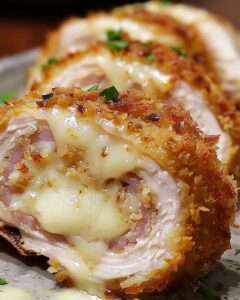
Crispy, creamy Chicken Cordon Bleu delivers an exceptional textural experience. The outer coating shatters with each bite, revealing tender chicken inside. Meanwhile, the melted cheese creates pockets of creamy richness throughout.
This texture contrast is what makes the dish truly memorable. Additionally, the slight saltiness from the ham balances the mild chicken beautifully. Therefore, every element works together harmoniously.
A Crowd-Pleasing Classic
This dish works equally well for weeknight dinners and special occasions. Furthermore, it looks impressive on the plate without requiring complex plating skills. Consequently, home cooks love serving it to guests.
Children and adults alike appreciate the familiar flavors. Moreover, the presentation makes dinner feel special and celebratory. Thus, it’s perfect for family gatherings and dinner parties.
Versatility in Preparation
You can bake, pan-fry, or air-fry Chicken Cordon Bleu successfully. Each method produces excellent results with slight variations. Similarly, you can prepare components ahead of time for easier weeknight cooking.
The recipe also adapts well to different dietary preferences. For instance, you can use turkey instead of chicken or swap cheese varieties. Therefore, it’s highly customizable to suit your tastes.
Essential Ingredients and Tools
Main Ingredients
Chicken Breasts: Choose boneless, skinless breasts of similar size. Look for pieces weighing 6-8 ounces each. Additionally, organic or free-range chicken offers superior flavor.
Ham: Deli-sliced ham works perfectly for this recipe. Moreover, honey ham adds subtle sweetness, while smoked ham provides deeper flavor. Aim for thin slices that fold easily.
Swiss Cheese: Traditional Chicken Cordon Bleu uses Swiss cheese exclusively. However, Gruyère offers a more sophisticated flavor profile. Additionally, these cheeses melt beautifully without becoming greasy.
Breadcrumbs: Panko breadcrumbs create the crispiest coating possible. Alternatively, regular dried breadcrumbs work well too. Furthermore, you can make your own from stale bread.
Flour: All-purpose flour forms the first layer in breading. This helps the egg wash adhere properly. Moreover, it creates a barrier that keeps moisture inside.
Eggs: Beaten eggs act as the glue for breading. Additionally, they add richness to the coating. Use 2-3 eggs depending on batch size.
Seasonings: Salt, pepper, garlic powder, and paprika enhance flavor. Furthermore, dried herbs like thyme or parsley complement the dish nicely. Therefore, don’t skip this crucial step.
Essential Tools
You’ll need a meat mallet for pounding chicken. Additionally, plastic wrap protects your countertop during this process. Moreover, three shallow dishes work best for the breading station.
A sharp knife helps butterfly the chicken cleanly. Furthermore, toothpicks secure the rolled bundles effectively. Lastly, a meat thermometer ensures perfect doneness every time.
Preparing the Chicken
Butterflying Technique
Start with room-temperature chicken for even cooking. Place one breast on a cutting board horizontally. Next, position your palm flat on top of the chicken.
Carefully slice through the thickest part horizontally. However, stop before cutting all the way through. Subsequently, open the chicken like a book. This creates a larger, thinner piece.
Pounding for Even Thickness
Cover the butterflied chicken with plastic wrap. Then, use a meat mallet to pound it gently. Work from the center outward with even pressure.
Aim for approximately ¼-inch thickness throughout. Moreover, consistent thickness ensures uniform cooking. Additionally, thinner chicken cooks faster and stays more tender.
Seasoning the Foundation
Season both sides of the pounded chicken generously. Use salt, pepper, and garlic powder liberally. Furthermore, this base seasoning enhances the overall flavor significantly.
Don’t be afraid to be generous with seasoning. Additionally, the cheese and ham add their own flavors. Therefore, well-seasoned chicken creates better balance.
Creating the Perfect Filling
Layering Ham and Cheese
Place 2-3 slices of ham on each chicken breast. Arrange them to cover most of the surface area. However, leave a small border around the edges.
Next, add 2-3 slices of Swiss cheese on top of the ham. Similarly, avoid overstuffing, which makes rolling difficult. Moreover, too much filling can leak during cooking.
Rolling and Securing
Starting from the short end, roll the chicken tightly. Tuck in the sides as you roll to enclose the filling. Subsequently, use 2-3 toothpicks to secure the bundle.
Make sure the seam faces down when breading. Additionally, tight rolling prevents cheese from oozing out. Therefore, take your time with this crucial step.
Alternative Stuffing Methods
Some cooks prefer cutting a pocket instead of rolling. Slice horizontally into the thickest part of the chicken. Then, stuff the pocket with ham and cheese carefully.
This method works well for thicker chicken breasts. Furthermore, it creates a more dramatic presentation when sliced. However, rolling generally contains the filling more effectively.
Breading Techniques for Maximum Crispiness
Setting Up Your Breading Station
Arrange three shallow dishes in a row. Place flour in the first dish. Next, add beaten eggs to the second dish. Finally, combine breadcrumbs with seasonings in the third.
This assembly-line approach streamlines the process significantly. Moreover, keeping one hand dry prevents clumping. Therefore, use your left hand for wet ingredients and right for dry.
The Three-Step Process
First, coat the chicken roll completely in seasoned flour. Shake off excess flour gently. Additionally, this creates a dry surface for the egg.
Second, dip the floured chicken into beaten egg. Ensure complete coverage of all surfaces. Furthermore, let excess egg drip off briefly.
Third, roll the chicken in seasoned breadcrumbs thoroughly. Press breadcrumbs gently to help them adhere. Moreover, make sure no bare spots remain visible.
Double-Breading Method
For extra-crispy results, repeat the breading process. Dip the breaded chicken back into egg. Then, roll it in breadcrumbs once more.
This double layer creates an exceptionally crunchy coating. Additionally, it provides better protection against moisture. Therefore, the chicken stays crispier longer after cooking.
Resting Before Cooking
Let breaded chicken rest for 15-30 minutes. Place it on a wire rack during this time. Meanwhile, the coating adheres better to the chicken.
This resting period makes a significant difference. Furthermore, it prevents the breading from falling off during cooking. Therefore, never skip this important step.
Cooking Methods Compared
Baking Method
Preheat your oven to 375°F for optimal results. Line a baking sheet with parchment paper. Next, place the breaded chicken on the prepared sheet.
Brush or spray the chicken lightly with oil. This helps achieve golden color and crispiness. Additionally, it prevents the coating from drying out.
Bake for 30-35 minutes until golden brown. The internal temperature should reach 165°F. Moreover, the cheese should be melted and bubbly inside.
Advantages: Hands-off cooking, less oil, and even results. Furthermore, you can cook multiple portions simultaneously. Additionally, baking produces consistent results every time.
Pan-Frying Method
Heat ¼ inch of oil in a large skillet. Test the oil temperature with a breadcrumb. When it sizzles immediately, the oil is ready.
Carefully place chicken in the hot oil. Cook for 5-6 minutes per side until golden. Subsequently, transfer to a baking sheet.
Finish cooking in a 350°F oven for 10-15 minutes. This ensures the chicken cooks through completely. Moreover, it prevents the coating from burning.
Advantages: Exceptionally crispy coating and faster cooking time. Additionally, the stovetop method creates deeper golden color. However, it requires more attention and uses more oil.
Air Fryer Method
Preheat the air fryer to 375°F. Spray the basket lightly with cooking spray. Then, place the breaded chicken inside carefully.
Cook for 12 minutes, then flip carefully. Continue cooking for another 10-12 minutes. Furthermore, spray with oil halfway through for extra crispiness.
Advantages: Significantly less oil and faster cooking. Moreover, cleanup is much easier than traditional methods. Additionally, the texture rivals deep-frying without the added fat.
Serving Suggestions and Side Dishes
Classic Accompaniments
Crispy, creamy Chicken Cordon Bleu pairs beautifully with mashed potatoes. Additionally, roasted vegetables provide color and nutrition. Furthermore, a simple green salad lightens the rich main course.
Try serving it with garlic green beans or asparagus. Moreover, buttered egg noodles make an excellent side dish. Similarly, rice pilaf complements the flavors nicely.
Sauce Options
A creamy mustard sauce elevates this dish significantly. Combine Dijon mustard with cream and chicken broth. Then, simmer until thickened slightly.
Alternatively, try a simple pan gravy. Use the drippings from pan-frying if applicable. Furthermore, mushroom sauce adds earthiness and depth.
Some people prefer the dish without sauce. Indeed, the melted cheese provides sufficient moisture. Therefore, sauce remains optional based on preference.
Presentation Tips
Slice the chicken at an angle to reveal layers. This showcases the ham and cheese beautifully. Additionally, arrange slices slightly overlapping on the plate.
Garnish with fresh parsley or chives for color. Moreover, a lemon wedge adds visual appeal. Therefore, simple touches make the presentation restaurant-worthy.
Storage and Reheating Tips
Proper Storage Methods
Allow cooked Chicken Cordon Bleu to cool completely first. Then, wrap individual pieces in aluminum foil tightly. Store in an airtight container for up to 3 days.
Alternatively, freeze cooked chicken for up to 3 months. Wrap pieces individually in plastic wrap first. Then, place them in a freezer-safe bag or container.
Reheating for Best Results
The oven method preserves crispiness best. Preheat to 350°F and place chicken on a baking sheet. Heat for 15-20 minutes until warmed through.
Avoid microwaving if possible because it makes breading soggy. However, if you must microwave, use 50% power. Additionally, place a paper towel underneath to absorb moisture.
For frozen chicken, thaw overnight in the refrigerator. Then, reheat using the oven method described above. Furthermore, never refreeze previously frozen chicken.
Make-Ahead Strategies
You can bread the chicken rolls up to 24 hours ahead. Store them covered in the refrigerator until ready to cook. Moreover, this actually helps the coating adhere better.
Alternatively, freeze breaded uncooked chicken for convenience. Cook directly from frozen, adding 10-15 minutes to cooking time. Therefore, this makes weeknight dinners incredibly easy.
Common Mistakes to Avoid
Overstuffing the Chicken
Using too much filling causes problems during cooking. The cheese leaks out and burns on the pan. Additionally, overstuffed rolls won’t stay closed properly.
Stick to 2-3 slices each of ham and cheese. Moreover, leave space around the edges when filling. Therefore, less is definitely more in this case.
Underseasoning
Bland chicken disappoints despite perfect technique. Season generously at every step of the process. Furthermore, add herbs and spices to the breadcrumbs.
Remember that cheese and ham add saltiness. However, the chicken itself needs adequate seasoning too. Therefore, taste and adjust before coating.
Cooking at Wrong Temperature
Too high heat burns the coating before chicken cooks through. Conversely, too low heat produces soggy breading. Maintain proper temperature throughout cooking.
Use a meat thermometer to verify doneness. The internal temperature must reach 165°F safely. Moreover, visual cues alone can be misleading.
Skipping the Resting Period
Cooking immediately after breading causes coating to fall off. The breading needs time to set properly. Additionally, cold chicken from the refrigerator works better.
Let breaded chicken rest at room temperature briefly. However, don’t leave it out longer than 30 minutes. Therefore, plan your timing accordingly.
Variations and Creative Twists
Protein Alternatives
Turkey cutlets work excellently in place of chicken. Additionally, they provide similar texture and flavor. Moreover, turkey is often more affordable.
Pork cutlets create a traditional European variation. Pound them thin and prepare identically. Furthermore, pork pairs beautifully with ham and cheese.
Cheese Variations
Gruyère offers a more sophisticated flavor profile. This Swiss cheese melts perfectly and tastes incredible. Additionally, it’s traditional in authentic French cooking.
Try provolone for Italian-inspired Chicken Cordon Bleu. Moreover, mozzarella creates ultra-gooey results. Similarly, fontina cheese adds nutty richness.
Ham Alternatives
Prosciutto creates an upscale version of this classic. Use thin slices for best results. Additionally, its delicate flavor enhances rather than overwhelms.
Canadian bacon provides leaner results. Moreover, it’s less salty than regular ham. Therefore, adjust seasoning accordingly when using it.
Coating Innovations
Add grated Parmesan cheese to breadcrumbs for extra flavor. Furthermore, crushed cornflakes create exceptional crunchiness. Similarly, almond flour works for low-carb versions.
Mix dried herbs into the breading mixture. Try Italian seasoning, herbs de Provence, or simply parsley. Moreover, these additions elevate the dish significantly.
Miniature Versions
Cut chicken breasts into strips for bite-sized pieces. Layer ham and cheese, then roll into small bundles. Additionally, these make excellent appetizers.
Cooking time decreases significantly for smaller portions. Check them after 15-20 minutes in the oven. Moreover, they’re perfect for parties and gatherings.
Nutritional Information
Calorie and Macro Breakdown
One serving of crispy, creamy Chicken Cordon Bleu contains approximately 450-550 calories. This varies based on cooking method and portions. Furthermore, baked versions contain fewer calories than fried.
The protein content ranges from 40-50 grams per serving. Additionally, you’ll get 20-30 grams of fat. Carbohydrates typically amount to 25-35 grams from breading.
Nutritional Benefits
Chicken provides lean protein essential for muscle maintenance. Moreover, it contains important B vitamins and minerals. Additionally, protein keeps you feeling satisfied longer.
Swiss cheese offers calcium for bone health. Furthermore, it provides phosphorus and vitamin A. Similarly, ham contributes protein and various minerals.
Making It Healthier
Choose organic chicken when possible for better quality. Additionally, use whole wheat breadcrumbs for extra fiber. Moreover, baking or air-frying reduces fat content significantly.
Serve with plenty of vegetables to balance the meal. Furthermore, watch portion sizes to control calorie intake. Therefore, moderation remains key for healthy eating.
According to Harvard Health Publishing, lean proteins like chicken support overall health when prepared properly. Moreover, incorporating vegetables increases nutritional value substantially.
Frequently Asked Questions
Can I make Chicken Cordon Bleu ahead of time?
Yes, absolutely! You can prepare breaded chicken rolls up to 24 hours in advance. Store them covered in the refrigerator until ready to cook. Additionally, they can be frozen for up to 3 months before cooking.
How do I prevent the cheese from leaking out?
Roll the chicken tightly and secure with toothpicks properly. Moreover, avoid overstuffing with too much cheese. Additionally, ensure the breading covers all areas completely.
What’s the best way to ensure crispy coating?
Use panko breadcrumbs and let the breaded chicken rest before cooking. Furthermore, brush or spray with oil before baking. Additionally, avoid overcrowding the pan, which creates steam.
Can I use pre-packaged cordon bleu?
Yes, however homemade versions taste significantly better. Moreover, you control ingredients and quality. Additionally, fresh preparation ensures optimal texture and flavor.
How do I know when Chicken Cordon Bleu is fully cooked?
Use a meat thermometer to check internal temperature. The chicken must reach 165°F for food safety. Moreover, juices should run clear when pierced.
What should I serve with this dish?
Classic sides include mashed potatoes, rice, or pasta. Additionally, roasted vegetables complement the rich main course. Moreover, a light salad balances the meal nicely. Check out our guide on [perfect side dishes for chicken] for more ideas.
Can I make this gluten-free?
Absolutely! Use gluten-free flour and breadcrumbs instead. Moreover, ensure your other ingredients are certified gluten-free. Additionally, many stores carry excellent gluten-free panko now.
Why is my breading falling off during cooking?
This usually happens when you skip the resting period. Additionally, make sure the chicken is dry before breading. Moreover, press breadcrumbs firmly to help them adhere better.
Conclusion
Crispy, creamy Chicken Cordon Bleu transforms ordinary chicken into an extraordinary meal. This comprehensive guide covers everything from preparation to serving suggestions. Moreover, you now have the knowledge to create restaurant-quality results at home.
The key to success lies in proper technique and attention to detail. Furthermore, don’t rush through the breading and resting steps. Additionally, monitor cooking temperature carefully for perfect results every time.
This versatile dish works beautifully for any occasion. Whether you’re cooking for family or entertaining guests, it always impresses. Moreover, the combination of crispy coating and creamy filling satisfies everyone.
Remember that practice makes perfect with this recipe. Your first attempt might not be flawless, but you’ll improve quickly. Therefore, don’t be discouraged if things aren’t perfect initially.

Crispy, Creamy Chicken Cordon Bleu
Description
Crispy, Creamy Chicken Cordon Bleu
Ingredients:
-
4 boneless, skinless chicken breasts
-
4 slices ham
-
4 slices Swiss or Gruyère cheese
-
1 cup all-purpose flour
-
2 large eggs, beaten
-
1 ½ cups breadcrumbs (panko for extra crispiness)
-
1 teaspoon garlic powder
-
1 teaspoon paprika
-
Salt & pepper, to taste
-
2 tablespoons Dijon mustard (optional)
-
2–3 tablespoons olive oil or melted butter (for baking/frying)
For Creamy Sauce (Optional but Delicious):
-
1 tablespoon butter
-
1 tablespoon flour
-
1 cup milk
-
1 teaspoon Dijon mustard
-
Salt & pepper, to taste
-
¼ cup grated Parmesan (optional)
Instructions:
-
Prep Chicken
-
Place chicken breasts between two pieces of plastic wrap or parchment paper.
-
Pound to about ½ inch thick using a meat mallet.
-
-
Assemble Cordon Bleu
-
Place a slice of ham and a slice of cheese on each chicken breast.
-
Roll up tightly and secure with toothpicks if needed.
-
Optional: Brush lightly with Dijon mustard before rolling for extra flavor.
-
-
Coat the Chicken
-
Set up a dredging station: flour in one bowl, beaten eggs in another, and breadcrumbs mixed with garlic powder, paprika, salt, and pepper in a third.
-
Dredge each chicken roll in flour, then egg, then breadcrumb mixture. Press crumbs gently to stick.
-
-
Cook
-
Oven-Baked Version: Preheat oven to 375°F (190°C). Place chicken rolls on a baking sheet. Drizzle with olive oil or melted butter. Bake 25–30 minutes until golden and cooked through (internal temp 165°F / 74°C).
-
Pan-Fried Version: Heat oil in a skillet over medium heat. Brown chicken rolls on all sides, then finish in oven if needed.
-
-
Optional Creamy Sauce
-
Melt butter in a small saucepan. Stir in flour and cook 1–2 minutes.
-
Gradually whisk in milk and cook until thickened.
-
Stir in Dijon mustard, Parmesan, salt, and pepper. Pour over sliced chicken rolls.
-
-
Serve
-
Slice each roll into pinwheels if desired.
-
Serve with mashed potatoes, steamed veggies, or a crisp salad.
-