
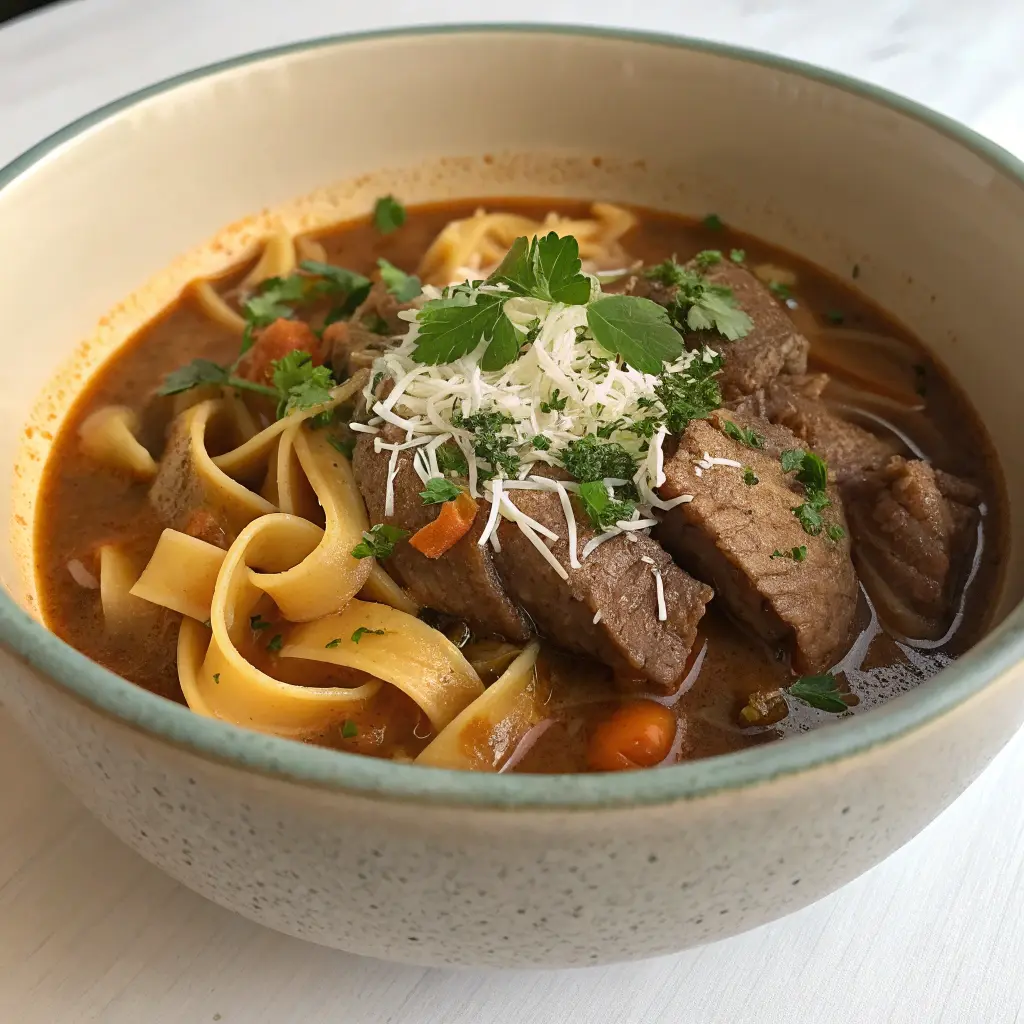
Crock Pot Beef and Noodles: The Ultimate Comfort Food Recipe
There’s something magical about coming home to the rich, savory aroma of Crock Pot Beef and Noodles simmering away in your slow cooker. This classic comfort dish transforms simple ingredients into a hearty, soul-warming meal that’s perfect for busy weeknights or cozy weekend dinners. With tender chunks of beef, silky egg noodles, and a velvety gravy, this one-pot wonder delivers maximum flavor with minimal effort.
Why Crock Pot Beef and Noodles Is a Family Favorite
The Appeal of Slow Cooker Comfort Food
Slow cooker beef and noodles ranks among the most beloved comfort food recipes for good reason. This dish combines convenience with incredible taste. The slow cooking process breaks down tough cuts of meat into fork-tender pieces while developing deep, complex flavors.
Families appreciate this recipe because it requires minimal hands-on time. You can start it in the morning and return home to a complete meal. The aroma alone makes everyone eager for dinner.
Budget-Friendly and Satisfying
This recipe stretches your food budget without sacrificing quality. Affordable cuts of beef become incredibly tender through slow cooking. The addition of egg noodles creates a filling meal that feeds a crowd.
One batch easily serves six to eight people. Leftovers taste even better the next day. This makes meal planning simpler and reduces food waste.
Versatility for Different Occasions
Crock pot beef and noodles works for various occasions. Serve it for casual family dinners, potlucks, or holiday gatherings. The recipe scales up easily for larger groups.
You can adapt the flavors to suit different preferences. Add vegetables for extra nutrition. Adjust seasonings to match your family’s taste. This flexibility makes it a go-to recipe year-round.
Essential Ingredients for Perfect Beef and Noodles
Choosing the Right Cut of Beef
The foundation of excellent beef and noodles starts with selecting the proper meat. Chuck roast stands out as the ideal choice. This cut contains enough marbling to stay moist during long cooking times.
Stew meat works well as a convenient alternative. Look for pieces with some fat content. Avoid extremely lean cuts that become dry and tough.
Aim for two to three pounds of beef for a standard recipe. Cut larger roasts into two-inch chunks. This ensures even cooking and easy serving.
The Best Noodles for This Dish
Wide egg noodles are traditional and highly recommended. Their flat shape holds gravy beautifully. The texture complements tender beef perfectly.
Choose quality noodles that maintain structure when cooked. Avoid thin pasta varieties that become mushy. Extra-wide egg noodles create an authentic, satisfying bite.
Plan on 12 to 16 ounces of noodles. You’ll add these near the end of cooking. This prevents overcooking and preserves texture.
Building Flavor with Aromatics and Seasonings
Yellow onions provide sweetness and depth. Dice one large onion for optimal flavor distribution. Garlic adds aromatic complexity—use four to six cloves.
Beef broth forms the cooking liquid base. Choose low-sodium varieties to control salt levels. You’ll need approximately four cups for proper consistency.
Season generously with black pepper, garlic powder, and onion powder. Bay leaves contribute subtle herbal notes. Fresh or dried thyme enhances the savory profile.
Creating the Perfect Gravy
A rich, velvety gravy distinguishes exceptional beef and noodles. Cream of mushroom soup creates body and creaminess. Use two cans for standard recipes.
Worcestershire sauce adds umami depth without overpowering other flavors. Two tablespoons provide the right balance. Soy sauce offers additional savory notes.
Consider adding sour cream at the end for tanginess. This creates a stroganoff-style variation. Mix it in just before serving to prevent curdling.
Step-by-Step Instructions
Preparing Your Ingredients
Start by cutting beef into uniform two-inch cubes. Pat pieces dry with paper towels. This helps achieve better browning if you choose to sear first.
Dice onions into medium pieces. Mince garlic cloves finely. Measure out all seasonings and liquids before beginning. This organization streamlines the cooking process.
Optional Browning for Enhanced Flavor
Browning beef before slow cooking remains optional but recommended. Heat a large skillet over medium-high heat. Add a tablespoon of oil once hot.
Work in batches to avoid crowding. Brown beef pieces on multiple sides for two to three minutes per side. This develops deeper flavor through caramelization.
Transfer browned beef directly to the slow cooker. Don’t worry about cooking it through. The slow cooker finishes the job.
Assembling in the Slow Cooker
Place beef chunks in the bottom of your crock pot. Add diced onions and minced garlic on top. Sprinkle seasonings evenly over everything.
Pour beef broth over the ingredients. Add cream of mushroom soup. Stir gently to combine while keeping beef submerged.
Drop in bay leaves. Cover with the lid and set your desired cooking time. Avoid lifting the lid during cooking—this releases heat and extends cooking time.
Setting the Right Cooking Time
Choose your cooking schedule based on availability. Cook on low for seven to eight hours for optimal tenderness. This setting works perfectly for workday preparation.
Alternatively, cook on high for four to five hours. This faster method still produces tender results. The meat should pull apart easily when ready.
Test beef for doneness by pulling a piece apart with forks. It should shred effortlessly. If still tough, continue cooking for another 30 minutes.
Adding Noodles at the Right Moment
Add egg noodles during the final 30 to 45 minutes of cooking. Submerge them in the liquid. Stir gently to separate and prevent clumping.
The noodles absorb liquid as they cook. This thickens the gravy naturally. Monitor consistency and add more broth if needed.
Cook noodles until tender but not mushy. Taste test to determine doneness. They should have a slight bite without being crunchy.
Final Touches and Serving
Remove bay leaves before serving. Taste and adjust seasonings as needed. Add salt and pepper to preference.
Stir in sour cream if desired. This creates extra richness and tang. Mix thoroughly until evenly distributed.
Garnish with fresh parsley for color and freshness. Serve immediately while hot. Ladle generous portions into bowls.
Pro Tips for the Best Results
Enhancing Flavor Development
Season beef generously before cooking. Salt draws out moisture and concentrates flavors. Allow seasoned meat to rest for 15 minutes before cooking.
Add a splash of balsamic vinegar for subtle acidity. This brightens the overall flavor profile. One tablespoon makes a noticeable difference.
Use homemade beef broth when possible. The superior flavor elevates the entire dish. Store-bought works fine but choose quality brands.
Achieving Perfect Texture
Don’t overcook the noodles. They continue absorbing liquid after cooking stops. Slightly undercook if making ahead for reheating.
Maintain proper liquid levels throughout cooking. Check periodically if cooking on high. Add broth if contents look dry.
Let the dish rest for five minutes after cooking. This allows flavors to meld and gravy to thicken slightly. Patience improves the final result.
Making It Your Own
Customize vegetables to suit preferences. Mushrooms add earthiness and pair beautifully with beef. Carrots provide natural sweetness and color.
Add vegetables based on cooking times. Hardy vegetables like carrots go in at the start. Tender options like peas join during the last 15 minutes.
Experiment with different herbs. Rosemary offers a pine-like aroma. Italian seasoning creates a more Mediterranean profile.
Time-Saving Strategies
Prep ingredients the night before. Store cut beef and vegetables separately in the refrigerator. Combine in the morning for quick assembly.
Use frozen diced onions to skip chopping. Pre-minced garlic from jars saves additional time. These shortcuts maintain quality while increasing convenience.
Consider browning meat in advance. Store browned beef in the refrigerator overnight. Add to the slow cooker cold the next morning.
Nutritional Information
Calorie and Macronutrient Breakdown
A standard serving of crock pot beef and noodles contains approximately 450 to 550 calories. This varies based on beef fat content and portion size.
Each serving provides 30 to 35 grams of protein. The beef contributes most of this muscle-building macronutrient. Egg noodles add moderate protein amounts.
Carbohydrate content ranges from 35 to 45 grams per serving. Noodles supply the majority of carbs. This provides sustained energy throughout the day.
Fat content typically falls between 18 to 25 grams. Beef contributes saturated fat while cream soup adds some fat. Choose lean beef to reduce this number.
Vitamins and Minerals
Beef and noodles deliver several essential nutrients. Iron from beef supports healthy blood production. One serving provides roughly 20% of daily iron needs.
B vitamins, particularly B12, come from the beef. These support energy metabolism and nervous system function. Enriched egg noodles contribute additional B vitamins.
The dish provides moderate amounts of zinc and selenium. These minerals support immune function. Onions and garlic contribute antioxidants and trace minerals.
Making It Healthier
Reduce calories by using lean beef cuts. Trim visible fat before cooking. This significantly decreases saturated fat content.
Switch to whole wheat egg noodles for added fiber. This increases nutritional value and promotes better digestion. The taste difference remains minimal.
Add extra vegetables to boost vitamin content. Spinach, green beans, or bell peppers work beautifully. These additions increase fiber while reducing calorie density.
Use reduced-fat cream soup or replace with Greek yogurt. This cuts fat and calories while maintaining creaminess. Greek yogurt adds beneficial probiotics.
Common Mistakes to Avoid
Overcooking the Noodles
The most frequent error involves mushy noodles. Adding pasta too early destroys texture. Egg noodles need only 30 to 45 minutes in the slow cooker.
Monitor noodles closely during cooking. Test frequently for desired doneness. Remember they continue softening slightly after cooking stops.
Consider cooking noodles separately for leftovers. This prevents them from absorbing all the liquid. Combine just before serving for best results.
Using the Wrong Beef Cut
Choosing lean cuts like sirloin leads to dry, tough results. These cuts lack sufficient fat for slow cooking. They become stringy rather than tender.
Avoid pre-cut stew meat from unknown sources. Quality varies dramatically between packages. Buy whole chuck roast and cut it yourself when possible.
Don’t trim all fat from the meat. Some marbling keeps beef moist and flavorful. Remove large external fat pieces but preserve internal marbling.
Insufficient Liquid Levels
Starting with too little liquid results in burning and uneven cooking. Beef and vegetables need adequate moisture to cook properly. The noodles require liquid for cooking.
Check liquid levels when adding noodles. Add extra broth if contents look dry. The mixture should resemble thick soup consistency.
Don’t add all liquid at once when adjusting. Pour gradually while stirring. This prevents over-diluting the flavors you’ve developed.
Lifting the Lid Too Often
Curiosity leads many cooks to check progress repeatedly. Each lid lift releases significant heat. This extends cooking time by 15 to 20 minutes.
Trust the process and resist peeking. Modern slow cookers maintain temperature effectively. Check only when necessary for adding ingredients.
If you must check, do so quickly. Replace the lid immediately to minimize heat loss. Wait until the end of cooking for major adjustments.
Over-Seasoning or Under-Seasoning
Adding too much salt early leads to oversalted results. Liquids reduce during cooking, concentrating flavors. Season moderately at first.
Taste before serving and adjust then. This allows accurate seasoning based on final flavors. Keep salt and pepper nearby for individual preferences.
Balance seasonings carefully with cream soup. These products contain sodium already. Read labels and adjust accordingly.
Serving Suggestions and Side Dishes
Perfect Pairings
Crusty bread makes an ideal accompaniment. Use it to soak up the delicious gravy. Garlic bread adds extra flavor dimension.
A simple green salad provides fresh contrast. The crisp vegetables balance the rich, hearty main dish. Light vinaigrette dressing works best.
Steamed green beans offer nutritious simplicity. Season with butter and garlic for complementary flavors. They add color to the plate.
Vegetables That Complement
Roasted Brussels sprouts bring earthy notes. Their slight bitterness contrasts nicely with savory beef. Caramelize them for added sweetness.
Glazed carrots provide natural sweetness. Their soft texture matches the tender beef. A touch of honey enhances their flavor.
Sautéed asparagus adds elegance to the meal. Quick cooking preserves its bright green color. Lemon zest brightens the overall presentation.
Creating a Complete Meal
Start with a light soup course. Tomato soup or vegetable broth-based options work well. This stimulates appetite without filling up guests.
Offer cornbread as a regional twist. Its slightly sweet flavor pairs wonderfully. Serve warm with butter for maximum enjoyment.
Finish with a light dessert. Fruit cobbler or apple crisp complements the hearty main course. These options feel satisfying without being heavy.
Storage and Reheating Guidelines
Proper Storage Methods
Allow beef and noodles to cool before refrigerating. Transfer to airtight containers within two hours of cooking. This prevents bacterial growth.
Store in the refrigerator for up to four days. Separate noodles from gravy if possible. This maintains better texture when reheating.
Label containers with the date. This helps track freshness and prevents waste. Use the oldest portions first.
Freezing for Later Use
Beef and noodles freeze reasonably well. Freeze the beef in gravy separately from cooked noodles. This produces better results when thawed.
Use freezer-safe containers or heavy-duty freezer bags. Remove excess air to prevent freezer burn. Freeze for up to three months.
Thaw overnight in the refrigerator before reheating. Never thaw at room temperature. This ensures food safety.
Reheating Best Practices
Reheat on the stovetop for best results. Add a splash of broth to restore moisture. Stir frequently over medium heat.
Microwave individual portions for convenience. Cover loosely to prevent splattering. Heat in 90-second intervals, stirring between.
Add fresh noodles to frozen beef mixture. This creates better texture than reheating cooked noodles. The noodles stay firm and absorb flavors beautifully.
Recipe Variations to Try
Mushroom Lover’s Version
Double the mushrooms for an earthy, umami-rich variation. Fresh mushrooms work better than canned. Slice cremini or button mushrooms thickly.
Add mushrooms at the beginning with the beef. They release moisture and flavor during cooking. Their texture becomes silky and tender.
Use cream of mushroom soup as the base. This intensifies the mushroom flavor throughout. Garnish with fresh thyme for herbal notes.
Vegetable-Packed Adaptation
Transform this into a complete one-pot meal by adding vegetables. Carrots, celery, and peas create classic pot pie flavors. Cut vegetables into similar-sized pieces.
Add hardy vegetables like carrots at the start. Include tender vegetables like peas during the final 15 minutes. This preserves their texture and color.
Increase broth slightly to accommodate vegetables. They absorb liquid during cooking. The extra vegetables boost nutritional value significantly.
Creamy Stroganoff Style
Create a stroganoff-inspired version with sour cream. Stir in one cup of sour cream after cooking completes. This adds tangy richness.
Include sliced mushrooms for authentic stroganoff flavor. Fresh dill enhances the Eastern European profile. A touch of paprika adds color and warmth.
Serve over extra-wide egg noodles for traditional presentation. The wide noodles showcase the creamy sauce perfectly. Top with additional fresh dill.
Herb-Infused Version
Fresh herbs transform the flavor profile completely. Add fresh rosemary and thyme to the slow cooker. These woody herbs withstand long cooking times.
Finish with fresh parsley and chives before serving. These delicate herbs add brightness and color. Their fresh taste contrasts with rich, slow-cooked flavors.
Consider adding fresh sage for fall variations. Its earthy flavor complements beef beautifully. Use sparingly as sage can overpower other ingredients.
Frequently Asked Questions
Can I make crock pot beef and noodles without browning the meat first?
Absolutely. Browning remains optional for this recipe. The slow cooker produces tender, flavorful beef even without searing. Browning does add extra depth through caramelization. Choose based on your available time and preference.
What can I substitute for cream of mushroom soup?
Several alternatives work well. Cream of celery soup provides similar texture with different flavor. Make a homemade cream sauce using butter, flour, and milk. Greek yogurt mixed with beef broth creates a lighter option. Each substitution changes the final flavor profile slightly.
How do I prevent the noodles from getting mushy?
Add noodles only during the final 30 to 45 minutes. Monitor them closely and test frequently. Cook noodles separately and add just before serving for firm texture. This method works especially well for leftovers and meal prep situations.
Can I use a different type of pasta?
Yes, though egg noodles work best for traditional results. Pappardelle or fettuccine provide similar wide shapes. Avoid small pasta shapes that overcook easily. Adjust cooking times based on pasta package directions.
How can I thicken the gravy if it’s too thin?
Create a slurry with cornstarch and cold water. Mix two tablespoons cornstarch with equal parts water. Stir into the hot mixture and cook for five minutes. Alternatively, mash some of the beef to naturally thicken the gravy.
Is this recipe good for meal prep?
This dish works excellently for meal prep. Store components separately for best results. Freeze beef in gravy and add fresh noodles when reheating. Portion into individual containers for grab-and-go convenience throughout the week.
Conclusion
Crock pot beef and noodles delivers everything you want in comfort food: tender meat, satisfying noodles, and rich gravy that brings it all together. This straightforward recipe transforms simple ingredients into a memorable meal through the magic of slow cooking. The hands-off preparation makes weeknight dinners stress-free while delivering restaurant-quality results.
Whether you follow the classic recipe or explore creative variations, this dish consistently pleases crowds. The affordable ingredients and make-ahead friendly nature make it practical for busy families. Master this recipe and you’ll have a reliable favorite for years to come.
Crock Pot Beef and Noodles
Description
Ingredients:
-
2 lbs beef chuck roast
-
1 packet onion soup mix
-
1 can (10.5 oz) cream of mushroom soup
-
3 cups beef broth
-
1 tsp garlic powder
-
1 tsp onion powder
-
Salt and black pepper, to taste
-
12 oz egg noodles (cooked separately)
-
2 tbsp butter
-
Fresh parsley, chopped (for garnish)
Instructions:
-
Prepare the beef:
Season roast with salt, pepper, garlic powder, and onion powder. -
Layer in the slow cooker:
Place seasoned beef in your Crock Pot. Top with onion soup mix, cream of mushroom soup, and beef broth. -
Cook low and slow:
Cover and cook on LOW for 8 hours or HIGH for 4–5 hours, until the beef is fall-apart tender. -
Shred and thicken:
Shred the beef in the slow cooker using two forks. Stir the sauce to combine — it should be thick and savory. (If it’s too thin, simmer uncovered for 10–15 minutes or add a cornstarch slurry.) -
Add the noodles:
Cook egg noodles separately according to package directions. Drain, toss with butter, and stir into the slow cooker with the beef and sauce. -
Serve:
Spoon into bowls, garnish with parsley, and serve warm!