Four Cheese Baked Macaroni: The Ultimate Comfort Food Guide
Introduction
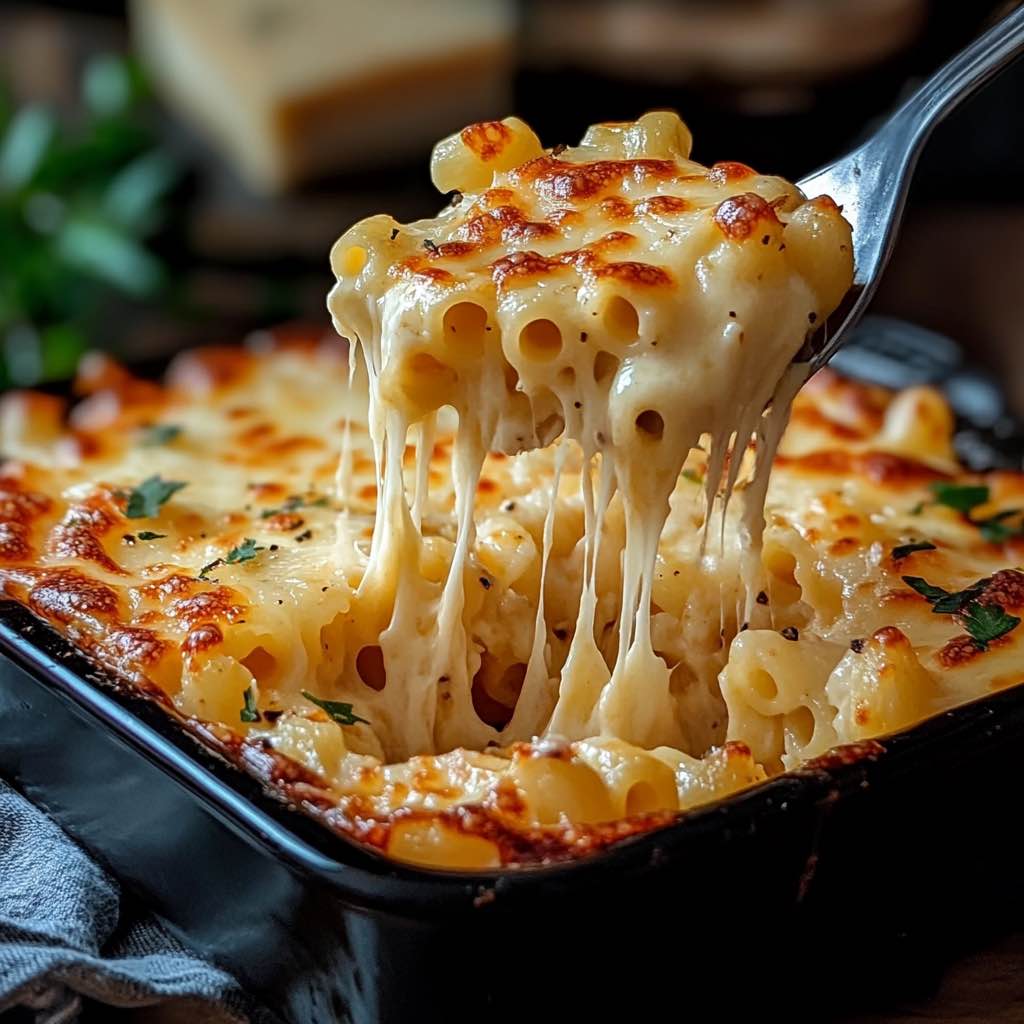
Four Cheese Baked Macaroni is the ultimate comfort food that brings together creamy, gooey cheese and perfectly cooked pasta. This dish elevates traditional mac and cheese to gourmet status. Moreover, it’s perfect for family dinners, potlucks, and special occasions.
The magic happens when four distinct cheeses melt together. Each cheese contributes unique flavors and textures. Additionally, baking creates a golden, bubbly top that contrasts beautifully with the creamy interior.
This comprehensive guide covers everything you need to know. From choosing the right cheeses to mastering the perfect sauce, you’ll become a mac and cheese expert. Furthermore, we’ll share storage tips, variations, and troubleshooting advice.
Why Four Cheese Baked Macaroni Stands Out
Superior Flavor Complexity
Four Cheese Baked Macaroni offers unmatched depth compared to single-cheese versions. Each cheese brings distinct characteristics to the dish. Sharp cheddar provides tangy boldness, while mozzarella adds stretchy creaminess.
The combination creates layers of flavor that single-cheese recipes can’t match. Consequently, every bite delivers complex, satisfying taste. Gruyère or Gouda adds nutty undertones that complement the sharper cheeses.
Restaurant-Quality at Home
This dish rivals expensive restaurant versions. However, it costs significantly less to make at home. Additionally, you control ingredient quality and portion sizes.
The impressive presentation makes it perfect for entertaining. Golden-brown tops and bubbling cheese create visual appeal. Furthermore, the aroma alone will have guests asking for seconds.
Versatility for Any Occasion
Four Cheese Baked Macaroni works for casual weeknight dinners. It also shines at holiday gatherings and potlucks. Moreover, it’s equally suitable for kids and adults.
The recipe scales easily for different serving sizes. You can make individual portions or large casserole dishes. Additionally, it pairs well with various proteins and vegetables.
The Best Cheese Combinations
Classic Four Cheese Blend
The traditional combination includes sharp cheddar, mozzarella, Gruyère, and Parmesan. Sharp cheddar delivers the classic mac and cheese flavor profile. Mozzarella provides the signature cheese pull everyone loves.
Gruyère adds sophisticated nuttiness and melts beautifully. Parmesan contributes salty umami notes that enhance other flavors. Together, these four create perfect balance.
Alternative Cheese Combinations
Smoked Gouda Variation: Replace Gruyère with smoked Gouda for deeper flavor. This combination offers subtle smokiness without overpowering the dish. Additionally, Gouda melts exceptionally smoothly.
Cream Cheese Addition: Swap Parmesan for cream cheese for extra creaminess. This creates an ultra-velvety texture. Moreover, cream cheese adds mild tanginess that brightens the dish.
White Cheddar Option: Use white cheddar instead of yellow for elegant presentation. White cheddar provides sharp flavor without artificial coloring. Furthermore, it creates a lighter-colored sauce.
Cheese Selection Tips
Always buy block cheese and shred it yourself. Pre-shredded cheese contains anti-caking agents that prevent smooth melting. Consequently, homemade shredding produces superior results.
Choose cheeses with different melting properties. Combine good melters like Gouda with sharper, more flavorful varieties. Additionally, ensure all cheeses are at room temperature before use.
Avoid cheeses that don’t melt well, such as feta or aged Parmesan alone. These can create grainy textures. Therefore, stick with proven melting cheeses for best results.
Essential Ingredients Breakdown
Pasta Selection
Elbow Macaroni: This classic choice provides perfect size for cheese coating. The hollow tubes trap sauce inside. Moreover, elbow macaroni offers ideal pasta-to-sauce ratio.
Alternative Shapes: Cavatappi, shells, or penne work excellently. These shapes have ridges or curves that grab sauce. Additionally, larger shapes create heartier texture.
Cook pasta to al dente, slightly firm to the bite. It will continue cooking during baking. Therefore, undercooked pasta prevents mushy results.
Dairy Components
Heavy Cream: Creates rich, luxurious sauce texture. Heavy cream has high fat content that prevents curdling. Furthermore, it produces smooth, stable sauce.
Half-and-Half: Offers lighter alternative with good results. It contains less fat than heavy cream but still creates creamy sauce. Additionally, half-and-half reduces overall calories.
Milk Options: Whole milk works for lighter versions. However, avoid skim milk as it produces thin sauce. Moreover, whole milk provides adequate fat for smooth texture.
Butter and Flour
Butter forms the base of the roux. Use real butter, not margarine, for best flavor. Additionally, butter contributes to golden color and rich taste.
All-purpose flour thickens the sauce properly. It creates smooth consistency when combined with butter. Moreover, proper roux ensures sauce won’t separate during baking.
Seasonings and Spices
Garlic: Fresh minced garlic adds aromatic depth. Use 2-3 cloves for noticeable flavor. Additionally, garlic powder provides backup flavor boost.
Spices: Include garlic powder, onion powder, and paprika. Smoked paprika adds subtle complexity. Furthermore, a pinch of nutmeg enhances cheese flavors.
Salt and Pepper: Season generously throughout cooking. Cheese sauces need adequate salt to prevent blandness. Moreover, freshly ground black pepper adds pleasant heat.
Kitchen Tools You’ll Need
Essential Equipment
Large Pot: Boil pasta in 6-8 quart pot with plenty of water. Large pots prevent pasta from sticking together. Additionally, adequate water ensures even cooking.
Heavy-Bottomed Saucepan: Make cheese sauce in 3-4 quart saucepan. Heavy bottoms distribute heat evenly and prevent burning. Moreover, quality pans produce smoother sauces.
Whisk: Essential tool for lump-free sauce. Wire whisks incorporate ingredients thoroughly. Additionally, constant whisking prevents flour from clumping.
Baking Essentials
9×13 Baking Dish: Standard size for family portions. Glass or ceramic dishes work best. Furthermore, proper size ensures even baking.
Cheese Grater: Box grater or rotary grater for fresh cheese. Fresh-grated cheese melts better than pre-shredded. Moreover, it contains no additives.
Colander: Drain pasta quickly and thoroughly. Good drainage prevents watery sauce. Additionally, don’t rinse pasta as starch helps sauce adhere.
Optional But Helpful
Kitchen Scale: Measure cheese accurately for consistent results. Weight measurements prove more reliable than volume. Additionally, scales ensure proper cheese ratios.
Meat Thermometer: Check internal temperature reaches 165°F. This ensures food safety. Moreover, it prevents overbaking.
Step-by-Step Preparation Guide
Preparing the Pasta
Bring large pot of salted water to rolling boil. Use approximately 1 tablespoon salt per quart. Additionally, salted water enhances pasta flavor.
Add 16 ounces pasta and stir immediately. Cook for 2 minutes less than package directions. Furthermore, maintaining boil ensures even cooking.
Drain pasta thoroughly but don’t rinse. Starch coating helps sauce adhere to pasta. Moreover, hot pasta blends better with cheese sauce.
Making the Roux
Melt 1/2 cup butter in heavy saucepan over medium heat. Add 3 tablespoons minced garlic and cook 30 seconds. Additionally, garlic should be fragrant but not browned.
Sprinkle 1/4 cup flour over melted butter. Whisk constantly for 2-3 minutes until mixture becomes paste-like. Moreover, cooking flour removes raw taste.
The roux should be light golden, not brown. Cook slowly to prevent burning. Furthermore, proper roux creates smooth, thick sauce.
Building the Cheese Sauce
Gradually add 4 cups liquid (cream, half-and-half, or milk combination). Pour slowly while whisking constantly. Additionally, gradual addition prevents lumps.
Continue whisking until sauce thickens, approximately 5-7 minutes. It should coat the back of a spoon. Moreover, proper thickness ensures creamy final result.
Add seasonings: 1 tablespoon each garlic powder and onion powder. Include 1 tablespoon smoked paprika and pinch of nutmeg. Furthermore, season with salt and pepper to taste.
Incorporating the Cheese
Remove saucepan from heat before adding cheese. High heat can cause cheese to separate. Additionally, off-heat melting produces smoother texture.
Add cheese gradually in batches, stirring after each addition. Start with sharp cheddar (2 cups), then Gouda (1 cup). Moreover, patience ensures even melting.
Continue with mozzarella (1 cup) and finish with Parmesan (1/2 cup). Stir until completely smooth and creamy. Furthermore, reserve some cheese for topping.
Assembly
Pour cheese sauce over drained pasta in large bowl. Fold gently to coat every piece evenly. Additionally, thorough mixing ensures consistent flavor throughout.
For extra indulgence, add cubed cream cheese or mozzarella chunks. These create pockets of melted cheese. Moreover, they add textural interest.
Transfer mixture to greased 9×13-inch baking dish. Spread evenly and smooth the top. Furthermore, even distribution ensures uniform baking.
Perfecting the Cheese Sauce
Achieving Ideal Consistency
The sauce should be slightly thinner than desired final texture. It will thicken during baking. Additionally, too-thick sauce becomes dry and clumpy.
Test consistency by coating the back of a spoon. The sauce should cling but still drip slowly. Moreover, proper consistency creates creamy, not gluey, texture.
Add liquid if sauce becomes too thick. Incorporate small amounts of milk or cream while stirring. Furthermore, adjust gradually to avoid over-thinning.
Preventing Sauce Separation
Temperature Control: Never add cheese to boiling sauce. High heat causes proteins to seize and separate. Additionally, medium-low heat produces best results.
Cheese Temperature: Bring cheese to room temperature before use. Cold cheese takes longer to melt and can shock hot sauce. Moreover, room-temperature cheese incorporates smoothly.
Gradual Addition: Add cheese in small batches while stirring constantly. This prevents clumping and ensures even melting. Furthermore, patience produces superior texture.
Flavor Balance
Taste sauce before baking and adjust seasonings. Cheese sauces often need more salt than expected. Additionally, balanced seasoning enhances cheese flavors.
Add acid if sauce tastes flat. Small amount of mustard or hot sauce brightens flavor. Moreover, acid cuts through richness without making sauce tangy.
Consider umami boosters like chicken stock in the roux. This adds depth without competing with cheese. Furthermore, stock creates more complex flavor profile.
Baking Techniques for Golden Perfection
Oven Preparation
Preheat oven to 350-375°F for standard baking. Higher temperatures risk burning before interior heats through. Additionally, moderate heat ensures even cooking.
Position rack in center of oven. This provides even heat distribution from all sides. Moreover, center position prevents excessive browning on top or bottom.
Covered vs. Uncovered Baking
Covered First: Bake covered with foil for first 15 minutes. This traps moisture and prevents drying. Additionally, covered baking heats interior thoroughly.
Uncovered Finish: Remove foil and bake 10-15 minutes more. This creates golden-brown top. Moreover, uncovered baking develops desirable crust.
Broiler Optional: Finish with 2-3 minutes under broiler for extra-crispy top. Watch carefully to prevent burning. Furthermore, broiling creates restaurant-quality appearance.
Doneness Indicators
Visual Cues: Edges should bubble vigorously. Top should be golden brown with darker spots. Additionally, cheese should appear melted and slightly crispy.
Temperature Check: Internal temperature should reach 165°F. Use meat thermometer in center of dish. Moreover, proper temperature ensures food safety.
Texture Test: Gently shake pan; center should jiggle slightly. Completely firm texture indicates overbaking. Furthermore, slight jiggle promises creamy interior.
Resting Period
Let baked mac and cheese rest 10-15 minutes before serving. This allows sauce to thicken and set. Additionally, resting prevents burns from extremely hot cheese.
During resting, sauce continues to thicken. The dish becomes easier to portion and serve. Moreover, flavors meld together during this time.
Cover loosely with foil during resting to retain heat. Don’t seal tightly as this creates condensation. Furthermore, loose covering maintains temperature without making top soggy.
Flavor Variations and Add-Ins
Protein Additions
Chicken: Add 2 cups shredded rotisserie chicken for complete meal. Mix chicken into cheese sauce before combining with pasta. Additionally, chicken adds protein without overpowering cheese flavor.
Bacon: Crumbled crispy bacon provides smoky, salty contrast. Sprinkle on top before final baking. Moreover, bacon adds textural crunch.
Lobster: Fold in cooked lobster meat for luxurious version. Use 8-12 ounces cooked, chopped lobster. Furthermore, lobster creates special-occasion dish.
Vegetable Options
Broccoli: Steam broccoli florets and mix into pasta before baking. This adds nutrition and color. Additionally, broccoli’s mild flavor complements cheese.
Tomatoes: Layer sliced tomatoes between pasta and cheese. Tomatoes add freshness and acidity. Moreover, they create visual appeal.
Caramelized Onions: Sweet onions add depth and complexity. Cook onions slowly until golden brown before adding. Furthermore, onions provide sophisticated flavor.
Spicy Variations
Add diced jalapeños for heat without overwhelming dish. Use fresh or pickled according to preference. Additionally, jalapeños provide bright flavor.
Include pepper jack cheese in your four-cheese blend. This adds subtle spice throughout. Moreover, pepper jack melts beautifully.
Sprinkle red pepper flakes into cheese sauce. Start with 1/4 teaspoon and adjust to taste. Furthermore, controlled heat enhances rather than dominates.
Topping Options
Breadcrumb Crust: Mix panko breadcrumbs with melted butter and Parmesan. Sprinkle over top before baking. Additionally, breadcrumbs create crunchy contrast.
Crushed Crackers: Ritz crackers provide buttery, crispy topping. Crush crackers and mix with melted butter. Moreover, crackers add nostalgic flavor.
Fried Onions: Top with French fried onions for savory crunch. Add during last 10 minutes of baking. Furthermore, fried onions prevent burning.
Serving Suggestions
Side Dishes
Green Salad: Fresh salad with vinaigrette cuts richness. Include mixed greens, tomatoes, and cucumbers. Additionally, salad adds nutritional balance.
Roasted Vegetables: Serve alongside roasted Brussels sprouts or green beans. Vegetables provide color and textural contrast. Moreover, roasting adds complementary caramelization.
Garlic Bread: Warm, crusty bread completes the comfort food experience. Garlic bread also helps soak up extra cheese sauce. Furthermore, it adds carbohydrate satisfaction.
Main Course Pairings
Four Cheese Baked Macaroni works as side dish or main course. Pair with grilled chicken, steak, or pork chops. Additionally, it complements barbecue beautifully.
Serve alongside simple proteins to avoid competing flavors. Let the mac and cheese be the star. Moreover, balance rich cheese with lean proteins.
Portion Sizes
Standard serving size equals approximately 1 cup per person. A 9×13 dish serves 8-10 as main course. Additionally, calculate 1/2 cup portions when serving as side.
For buffets or potlucks, account for generous appetites. People often take seconds of mac and cheese. Furthermore, prepare extra when serving large groups.
Storage and Reheating Tips
Refrigerator Storage
Cool completely before refrigerating to prevent condensation. Store in airtight container within 2 hours of baking. Additionally, proper cooling prevents bacterial growth.
Refrigerate for up to 4 days in sealed container. The cheese sauce may thicken during storage. Moreover, flavors often improve after a day.
Portion leftovers into individual containers for easy reheating. This speeds lunch preparation during busy weeks. Furthermore, single portions reheat more evenly.
Freezer Storage
Freeze unbaked or baked Four Cheese Baked Macaroni for up to 3 months. Wrap tightly in plastic wrap, then aluminum foil. Additionally, label with date and contents.
For best texture, freeze before baking. Assemble completely, then freeze without baking. Moreover, frozen-then-baked versions maintain better consistency.
Thaw frozen mac and cheese in refrigerator overnight. Never thaw at room temperature. Furthermore, gradual thawing preserves texture.
Reheating Methods
Oven Method: Best method for maintaining texture. Reheat at 350°F for 20-30 minutes covered. Additionally, add splash of milk to restore creaminess.
Microwave Method: Quick option for single portions. Heat on 50% power in 1-minute intervals. Moreover, stir between intervals for even heating.
Stovetop Method: Add leftover mac and cheese to pan with splash of milk. Heat over low, stirring frequently until warmed through. Furthermore, stovetop method prevents drying.
Common Mistakes to Avoid
Overcooking the Pasta
Mushy pasta ruins the entire dish. Cook pasta 2 minutes less than package directions. Additionally, remember pasta continues cooking during baking.
Overcooked pasta absorbs too much sauce and becomes soggy. Al dente pasta maintains structure and texture. Moreover, properly cooked pasta provides better mouthfeel.
Using Pre-Shredded Cheese
Pre-shredded cheese contains cellulose to prevent caking. This coating interferes with smooth melting. Additionally, freshly grated cheese delivers superior results.
Block cheese costs less per ounce than pre-shredded. Grating takes only minutes with box grater. Moreover, fresh-grated cheese has better flavor.
Insufficient Seasoning
Cheese sauces require generous seasoning. Plain cheese sauce tastes flat and boring. Additionally, salt enhances cheese flavors rather than overpowering them.
Season throughout cooking process, not just at end. Layer flavors by seasoning roux, sauce, and final assembly. Moreover, taste frequently and adjust.
Baking at Wrong Temperature
Too-high temperature causes edges to dry before center heats. Too-low temperature results in greasy, separated sauce. Additionally, moderate temperature ensures even baking.
Oven thermometers ensure accurate temperature. Many ovens run hot or cool. Furthermore, proper temperature control prevents common failures.
Skipping the Resting Period
Cutting immediately causes sauce to run out. The dish needs time to set properly. Additionally, extremely hot cheese can cause burns.
Resting allows sauce to thicken to perfect consistency. It also makes portion cutting cleaner. Moreover, patience improves presentation.
Nutritional Information
Calorie Content
Standard serving (1 cup) contains approximately 450-550 calories. Exact amount varies based on cheese types and quantities. Additionally, using cream versus milk affects calorie count.
The dish provides substantial calories from fat and carbohydrates. It’s meant as occasional indulgence, not everyday food. Moreover, portion control helps manage calorie intake.
Macronutrient Breakdown
Protein: Each serving provides 20-25 grams of protein from cheese. This makes it surprisingly protein-rich. Additionally, adding chicken increases protein content.
Fat: Contains 25-35 grams of fat per serving from cheese and cream. Most fat comes from dairy sources. Moreover, fat provides richness and satisfaction.
Carbohydrates: Pasta contributes 35-45 grams of carbohydrates per serving. This provides energy and substance. Furthermore, whole wheat pasta increases fiber content.
Vitamins and Minerals
Cheese provides significant calcium for bone health. Each serving delivers approximately 400-500mg calcium. Additionally, dairy supplies vitamin D.
The dish also contains vitamin A from butter and cheese. Phosphorus supports bone health alongside calcium. Moreover, cheese provides small amounts of B vitamins.
Making It Lighter
Use reduced-fat cheese to cut calories by 20-30%. However, texture and flavor may suffer slightly. Additionally, mix full-fat and reduced-fat cheeses for balance.
Substitute milk for cream to reduce fat content. The sauce will be lighter but still creamy. Moreover, increasing vegetable content adds nutrition.
Replace some pasta with cauliflower for lower-carb version. Steam cauliflower and mix with reduced pasta amount. Furthermore, this adds vitamins and fiber.
Frequently Asked Questions
Can I make Four Cheese Baked Macaroni ahead of time?
Yes, assemble the dish completely up to 24 hours before baking. Cover tightly and refrigerate until ready to bake. Additionally, add 10-15 minutes to baking time for cold dish.
Prepare sauce and cook pasta separately, then combine just before baking. This prevents pasta from absorbing too much sauce. Moreover, fresh assembly produces better texture.
What’s the best way to prevent dry mac and cheese?
Ensure sauce is slightly thin before baking as it thickens in oven. Don’t overbake; remove when center still jiggles slightly. Additionally, cover with foil during most of baking time.
Add extra splash of cream or milk if mixture seems too thick. Reserve some cheese sauce to add when reheating. Moreover, proper sauce-to-pasta ratio prevents dryness.
Can I use different pasta shapes?
Absolutely! Shells, cavatappi, penne, or rigatoni work excellently. Choose shapes with ridges or hollows that trap sauce. Additionally, larger shapes create heartier texture.
Adjust cooking time based on pasta shape. Larger shapes may need slightly longer boiling. Moreover, maintain al dente texture regardless of shape.
How do I fix grainy cheese sauce?
Grainy texture results from overheating or using wrong cheese types. Remove from heat immediately and whisk vigorously. Additionally, add splash of warm cream while whisking.
Prevent graininess by adding cheese off heat gradually. Use good-melting cheeses like cheddar, Gouda, and mozzarella. Moreover, avoid high heat throughout cooking.
Can I make this recipe gluten-free?
Use gluten-free pasta and substitute cornstarch for flour in roux. Mix 2 tablespoons cornstarch with cold milk before adding to butter. Additionally, ensure all cheese products are gluten-free.
Many Four Cheese Baked Macaroni recipes adapt well to gluten-free versions. Texture remains creamy and delicious. Moreover, gluten-free pasta quality has improved significantly.
What cheeses should I avoid in Four Cheese Baked Macaroni?
Avoid cheeses that don’t melt smoothly like feta, aged Parmesan alone, or fresh mozzarella. These create grainy or watery textures. Additionally, very soft cheeses like Brie can become oily.
Stick with proven melting cheeses such as cheddar, Gouda, Gruyère, and low-moisture mozzarella. These provide creamy, smooth results. Moreover, combining different melt rates creates ideal texture.
Conclusion
Four Cheese Baked Macaroni represents the pinnacle of comfort food excellence. This dish combines creamy cheese sauce, perfectly cooked pasta, and golden-brown baked top. Additionally, the four-cheese blend creates unmatched flavor complexity.
Success requires attention to key details. Use freshly grated cheese for smooth sauce. Cook pasta al dente to prevent mushiness. Moreover, proper seasoning elevates good mac and cheese to extraordinary.
The recipe adapts beautifully to personal preferences and dietary needs. Add proteins, vegetables, or spices to make it your own. Furthermore, make-ahead convenience supports busy schedules.
Master this classic dish to impress family and friends. Four Cheese Baked Macaroni delivers every single time. Moreover, it creates memories around the dinner table.
Print
Four Cheese Baked Macaroni
Description
Four Cheese Baked Macaroni
Ingredients
For the Pasta:
-
1 lb (450 g) elbow macaroni or pasta of choice
-
2 tbsp butter
-
Salt, for boiling water
For the Cheese Sauce:
-
4 tbsp unsalted butter
-
4 tbsp all-purpose flour
-
3 cups milk (whole or 2%)
-
1 cup heavy cream
-
1 tsp garlic powder
-
½ tsp paprika
-
Salt and pepper, to taste
Cheeses (about 4 cups total):
-
1 cup sharp cheddar cheese, shredded
-
1 cup mozzarella cheese, shredded
-
1 cup Monterey Jack or provolone, shredded
-
1 cup Parmesan cheese, grated
Topping (optional but delicious):
-
1 cup panko breadcrumbs
-
2 tbsp melted butter
-
2 tbsp grated Parmesan
Instructions
-
Cook the Pasta
Boil macaroni in salted water until al dente (about 1 minute less than package instructions). Drain and set aside. -
Make the Cheese Sauce
-
In a large saucepan, melt butter over medium heat.
-
Whisk in flour and cook for 1 minute to form a roux.
-
Gradually whisk in milk and cream, stirring constantly until smooth and thickened.
-
Stir in garlic powder, paprika, salt, and pepper.
-
-
Add the Cheeses
-
Lower heat and stir in cheddar, mozzarella, Monterey Jack, and Parmesan until melted and creamy.
-
Taste and adjust seasoning.
-
-
Combine with Pasta
Add cooked macaroni to the cheese sauce and stir to coat evenly. -
Bake It
-
Preheat oven to 375°F (190°C).
-
Pour mac and cheese into a greased 9×13-inch baking dish.
-
In a small bowl, mix breadcrumbs, melted butter, and Parmesan; sprinkle over top.
-
Bake for 20–25 minutes, or until golden and bubbly.
-
-
Serve
Let it rest for 5 minutes before serving — that creamy, cheesy goodness will thicken beautifully.