
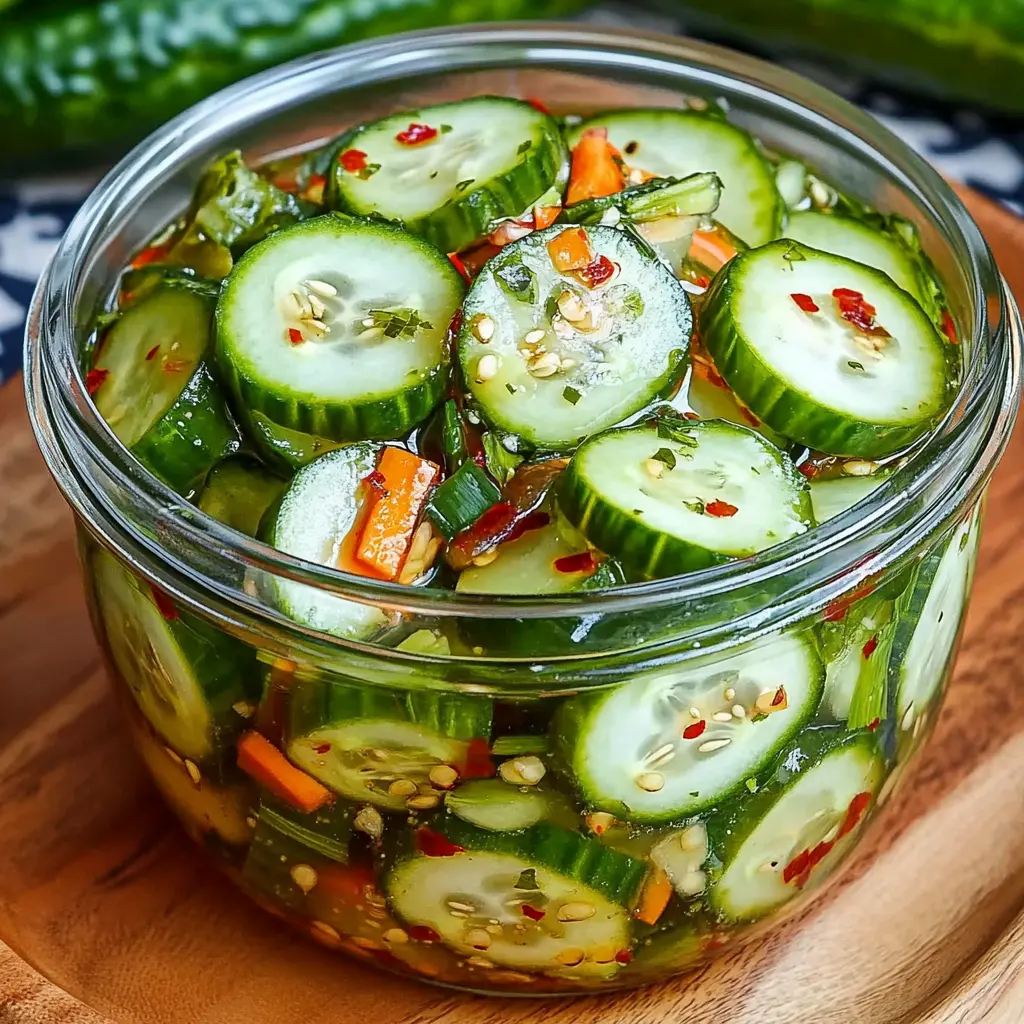
Fresh Pickled Cucumber Salad: A Crisp, Tangy Side Dish for Any Occasion
There’s something irresistibly refreshing about a fresh pickled cucumber salad—crisp cucumbers swimming in a tangy, slightly sweet brine that transforms an ordinary vegetable into an extraordinary side dish. This classic preparation combines the satisfying crunch of fresh cucumbers with a bright, acidic dressing that makes it the perfect accompaniment to grilled meats, sandwiches, or summer barbecues. Whether you’re looking for a quick refrigerator pickle recipe or planning your meal prep for the week, this versatile salad delivers maximum flavor with minimal effort.
What Makes Fresh Pickled Cucumber Salad Special
Fresh pickled cucumber salad stands apart from traditional canned pickles because it maintains that perfect balance between crispy texture and tangy flavor. Unlike fermented pickles that require weeks of processing, this quick-pickle method takes just hours to develop its signature taste.
The beauty of this dish lies in its simplicity. You’re essentially creating a refrigerator pickle that retains the cucumber’s natural crunch while infusing it with a flavorful brine. This technique preserves the vegetable’s nutritional value better than traditional canning methods.
Moreover, fresh pickled cucumbers offer incredible versatility. They work equally well as a standalone side dish, a topping for burgers and sandwiches, or a refreshing addition to grain bowls and wraps. The tangy-sweet profile cuts through rich, fatty foods while complementing lighter fare beautifully.
The History Behind Pickled Cucumbers
Pickling cucumbers dates back thousands of years. Ancient civilizations discovered that submerging vegetables in acidic solutions preserved them for extended periods. According to the National Center for Home Food Preservation, quick pickling became popular in American households during the 20th century as a faster alternative to traditional fermentation.
This refrigerator pickle method gained traction because it required no special equipment. Home cooks could create restaurant-quality pickled vegetables using ingredients already in their pantries.
Essential Ingredients for Perfect Pickled Cucumbers
Creating an exceptional fresh pickled cucumber salad requires selecting quality ingredients. Each component plays a crucial role in the final flavor profile.
Cucumbers
Choose firm, fresh cucumbers without soft spots or blemishes. English cucumbers work exceptionally well because they contain fewer seeds and have thinner skins. Persian cucumbers are another excellent choice due to their compact size and crisp texture.
For traditional pickled cucumber recipes, Kirby cucumbers (pickling cucumbers) deliver the best results. Their firm flesh holds up beautifully in brine without becoming mushy.
Vinegar Base
White vinegar provides the classic sharp tang associated with pickles. It’s clear, allowing the cucumber’s natural color to shine through. Apple cider vinegar adds a slightly fruity undertone and contains beneficial compounds according to Healthline.
Rice vinegar offers a milder, slightly sweet alternative. It’s particularly good if you prefer a gentler acidity in your pickled cucumber salad.
Sweetener Options
Granulated sugar is the traditional choice, creating that characteristic sweet-and-sour balance. Honey adds depth and a floral note to the brine. For lower-glycemic options, coconut sugar or monk fruit sweetener work well without compromising flavor.
Aromatic Additions
Fresh dill is the quintessential herb for pickled cucumbers. Its bright, slightly grassy flavor complements the tangy brine perfectly. Garlic cloves add pungent depth, while onions (red, white, or yellow) contribute sweetness and complexity.
Spices like mustard seeds, black peppercorns, coriander seeds, and red pepper flakes elevate the flavor profile. Each spice introduces unique notes that transform simple cucumbers into something special.
Step-by-Step Recipe Instructions
Ingredients
For the Cucumbers:
-
4 medium cucumbers (about 2 pounds), thinly sliced
-
1 medium red onion, thinly sliced
-
2 teaspoons kosher salt
For the Pickling Brine:
-
1 cup white vinegar or apple cider vinegar
-
½ cup water
-
⅔ cup granulated sugar
-
1 tablespoon mustard seeds
-
1 teaspoon black peppercorns
-
½ teaspoon celery seeds
-
3 garlic cloves, smashed
-
¼ cup fresh dill, chopped
-
¼ teaspoon red pepper flakes (optional)
Instructions
Step 1: Prepare the Cucumbers
Wash cucumbers thoroughly under cold running water. Pat them dry with paper towels. Using a mandoline slicer or sharp knife, cut cucumbers into thin, uniform slices about ⅛-inch thick. Consistent thickness ensures even pickling.
Place sliced cucumbers and onions in a large bowl. Sprinkle with kosher salt and toss to combine. Let stand for 30 minutes. This process draws out excess moisture, preventing a watery brine later.
Step 2: Create the Pickling Brine
While cucumbers rest, combine vinegar, water, and sugar in a medium saucepan. Add mustard seeds, peppercorns, celery seeds, and garlic. Place over medium-high heat, stirring occasionally until sugar dissolves completely.
Bring the mixture to a gentle boil, then reduce heat and simmer for 2 minutes. Remove from heat and let cool for 10 minutes. The brine should be warm but not scalding when poured over cucumbers.
Step 3: Drain and Rinse
After 30 minutes, drain cucumbers and onions in a colander. Rinse thoroughly under cold water to remove excess salt. This step is crucial—skipping it results in overly salty pickles. Gently squeeze out remaining moisture using your hands or a clean kitchen towel.
Step 4: Combine and Refrigerate
Transfer drained cucumbers and onions to a large glass jar or airtight container. Add fresh dill and red pepper flakes if using. Pour warm brine over vegetables, ensuring they’re completely submerged. Tap the container gently to release air bubbles.
Seal tightly and refrigerate immediately. For best flavor, let the pickled cucumber salad marinate for at least 4 hours. However, overnight refrigeration yields optimal results.
Step 5: Serve and Enjoy
Give the jar a gentle shake before serving. Use a slotted spoon to transfer pickled cucumbers to a serving bowl, allowing excess brine to drain. Garnish with additional fresh dill if desired.
Variations and Flavor Combinations
Asian-Inspired Pickled Cucumbers
Replace white vinegar with seasoned rice vinegar. Add fresh ginger slices, sesame oil (1 teaspoon), and a pinch of red pepper flakes. Include scallions instead of regular onions. This variation pairs beautifully with Asian-inspired dishes and sushi.
Sweet and Tangy Version
Increase sugar to 1 cup for a sweeter profile. Add ½ teaspoon ground turmeric for color and a mild, earthy flavor. Include sliced bell peppers (red or yellow) for added crunch and visual appeal.
Mediterranean-Style Pickles
Incorporate fresh oregano, thyme, and bay leaves. Add kalamata olives and a splash of olive oil to the brine. Include lemon zest for bright citrus notes. This version complements Mediterranean and Middle Eastern cuisines.
Spicy Jalapeño Cucumber Salad
Add 2-3 sliced jalapeños to the brine. Include ½ teaspoon cayenne pepper and extra garlic. Use cilantro instead of dill for a completely different flavor profile. This spicy variation works wonderfully in tacos and on burgers.
Bread and Butter Style
Increase sugar significantly and add ground turmeric for that characteristic golden color. Include sliced bell peppers and adjust spices to create that familiar sweet pickle flavor.
Storage and Meal Prep Tips
Proper Storage Guidelines
Fresh pickled cucumber salad stores beautifully in the refrigerator for up to 2 weeks. Always use clean, airtight glass containers or jars. Glass is preferable to plastic because it doesn’t absorb flavors or odors.
Ensure cucumbers remain fully submerged in brine throughout storage. If brine levels drop, prepare a quick additional batch by combining equal parts vinegar and water with a tablespoon of sugar. Heat until dissolved and pour over cucumbers.
Meal Prep Strategy
This recipe is ideal for meal prep because it actually improves with time. Make a double batch on Sunday and enjoy throughout the week. The flavors deepen and develop as cucumbers continue marinating.
Divide into smaller containers for grab-and-go portions. Add to lunch boxes, include in weekly meal prep containers, or keep a jar ready for impromptu gatherings.
Signs of Spoilage
While the acidic environment inhibits bacterial growth, always check for signs of spoilage before consuming. Discard if you notice off odors, mold growth, or slimy texture. Cloudiness in brine is normal and doesn’t indicate spoilage.
Serving Suggestions and Pairings
Main Dish Accompaniments
Fresh pickled cucumber salad complements grilled meats beautifully. Serve alongside barbecued chicken, grilled pork chops, or seared salmon. The tangy acidity cuts through rich, fatty proteins perfectly.
Include this salad with slow-cooked dishes like pot roast or braised short ribs. The bright, crisp pickles provide textural contrast to tender, fall-apart meats.
Sandwich and Burger Topping
Layer pickled cucumbers on sandwiches, burgers, and wraps. They add crunch, moisture, and flavor without making bread soggy. Check out our guide on [building the perfect sandwich] for more inspiration.
Use them in bánh mì sandwiches, pulled pork sliders, or grilled cheese for elevated flavor. The pickles prevent rich sandwiches from feeling heavy.
Grain Bowl Addition
Top grain bowls with pickled cucumber salad for brightness. They work particularly well with quinoa, brown rice, or farro bowls. Combine with roasted vegetables, protein, and a drizzle of tahini for complete meals.
Appetizer Presentations
Serve as part of a mezze platter alongside hummus, olives, and fresh vegetables. Include in charcuterie boards for a refreshing counterpoint to cured meats and cheeses. Present in small bowls at barbecues and potlucks.
Nutritional Benefits
Low-Calorie Vegetable
Cucumbers are naturally low in calories, with just 16 calories per cup according to the USDA FoodData Central. The pickling process doesn’t significantly increase caloric content, making this an excellent choice for weight-conscious eaters.
Hydration Support
Cucumbers contain approximately 95% water, contributing to daily hydration needs. This high water content makes pickled cucumber salad particularly refreshing during hot summer months.
Vitamins and Minerals
Cucumbers provide vitamin K, potassium, and manganese. The vinegar in pickling brine may offer additional health benefits, including blood sugar regulation support according to nutritional research.
Probiotic Potential
While this quick-pickle method doesn’t produce fermented pickles with live cultures, the vinegar still supports digestive health. For probiotic benefits, consider trying naturally fermented pickles alongside this recipe.
Antioxidant Properties
Cucumbers contain antioxidants including beta-carotene and flavonoids. The fresh herbs and spices in pickling brine add additional antioxidant compounds, enhancing nutritional value.
Common Mistakes to Avoid
Using Overripe Cucumbers
Soft, overripe cucumbers become mushy in brine. Always select firm, crisp cucumbers for optimal texture. Avoid cucumbers with soft spots or yellowing skin.
Skipping the Salt Step
Drawing moisture from cucumbers before pickling prevents watery brine. This 30-minute salting process is essential—don’t skip it. However, always rinse thoroughly afterward to prevent overly salty results.
Incorrect Brine Temperature
Pouring boiling-hot brine over cucumbers can cook them, resulting in limp pickles. Let brine cool slightly before adding to vegetables. Warm brine still pickles effectively without compromising texture.
Insufficient Marinating Time
While you can eat fresh pickled cucumbers after just a few hours, they taste significantly better after overnight marinating. Patience yields superior flavor development.
Using the Wrong Container
Metal containers can react with acidic brine, affecting flavor. Always use glass, ceramic, or food-grade plastic containers. Ensure lids seal properly to maintain freshness.
Crowding Cucumbers
Leave some space in containers for brine circulation. Packed too tightly, cucumbers won’t pickle evenly. The brine needs to reach all surfaces for consistent flavor.
Frequently Asked Questions
How long does fresh pickled cucumber salad last?
When properly stored in an airtight container in the refrigerator, fresh pickled cucumber salad remains good for up to 2 weeks. Always ensure cucumbers stay submerged in brine for maximum freshness. Use clean utensils when removing portions to prevent contamination.
Can I use English cucumbers instead of regular cucumbers?
Absolutely! English cucumbers work wonderfully in fresh pickled cucumber salad recipes. They have thinner skins, fewer seeds, and consistent flavor. There’s no need to peel them, and they maintain excellent crunch in brine.
Do I need to peel cucumbers before pickling?
Peeling is optional and depends on personal preference. Cucumber skins contain nutrients and fiber, plus they add visual appeal with their green color. However, some people prefer peeled cucumbers for a more delicate texture. For conventional cucumbers, peeling removes potential pesticide residues.
Can I reduce the sugar in this recipe?
Yes, you can adjust sugar to taste. Start with half the recommended amount and taste the brine before adding to cucumbers. Keep in mind that sugar balances vinegar’s acidity, so reducing it significantly will result in a more sour pickle. Alternative sweeteners like honey or stevia work well.
What’s the difference between quick pickles and fermented pickles?
Quick pickles (like this recipe) use vinegar brine and refrigeration for preservation. They’re ready within hours and have a bright, tangy flavor. Fermented pickles rely on natural bacteria to create lactic acid through fermentation, a process taking several weeks. Fermented varieties contain beneficial probiotics that quick pickles don’t.
Can I freeze pickled cucumbers?
Freezing isn’t recommended for pickled cucumbers. The freezing process damages cell structure, resulting in mushy texture upon thawing. The brine also affects freezing properties. It’s best to make smaller batches and enjoy them fresh from the refrigerator.
Why did my pickled cucumbers become soft?
Soft pickles usually result from using overripe cucumbers, pouring boiling brine directly over vegetables, or storing at room temperature. Always use firm, fresh cucumbers, let brine cool slightly before adding, and refrigerate immediately. The salting step also helps maintain crispness.
Can I reuse the pickling brine?
You can reuse brine once for a second batch of cucumbers. However, the flavor will be less intense, and the brine may become diluted. Bring used brine to a boil, add fresh seasonings, and pour over new cucumber slices. Don’t reuse brine more than once.
Conclusion
Fresh pickled cucumber salad represents the perfect balance of simplicity and sophistication. This versatile side dish transforms everyday cucumbers into something extraordinary with just a few pantry staples and minimal effort. The crisp texture, tangy-sweet flavor profile, and refreshing quality make it an ideal accompaniment to countless meals.
Whether you’re serving it alongside grilled proteins, layering it on sandwiches, or enjoying it straight from the jar, this quick-pickle recipe delivers consistent results every time. The beauty lies in its adaptability—adjust spices, herbs, and sweetness levels to suit your preferences and the season’s offerings.
By following the techniques outlined in this guide, you’ll master fresh pickled cucumber salad preparation and avoid common pitfalls that lead to disappointing results. From selecting the right cucumbers to achieving optimal flavor development through proper marinating time, each step contributes to the final delicious outcome.
Start your fresh pickled cucumber salad journey today and discover why this classic recipe has remained a staple in kitchens worldwide. Your taste buds will thank you for the bright, crispy, tangy addition to your culinary repertoire.
Fresh Pickled Cucumber Salad
Description
Fresh Pickled Cucumber Salad
Ingredients
• 3 large cucumbers, thinly sliced
• 1 small red onion, thinly sliced
• 1/4 cup fresh dill, chopped
• 1 cup water
• 1/2 cup white vinegar
• 1/4 cup sugar
• 1 tsp salt
• 1/2 tsp black pepper
• Optional: 1–2 garlic cloves (thinly sliced), red pepper flakes for heat
Instructions
-
Stir water, vinegar, sugar, salt, and pepper together until sugar dissolves completely. This is your quick-pickle magic.
-
Toss cucumbers, red onion, and dill into a bowl or mason jar.
-
Pour the brine over the veggies until fully covered.
-
Cover and refrigerate at least 30 minutes to let the flavors fall in love. Even better after 4 hours.