The Ultimate Guide to Fried Potatoes and Onions: A Timeless Comfort Food Classic
Introduction
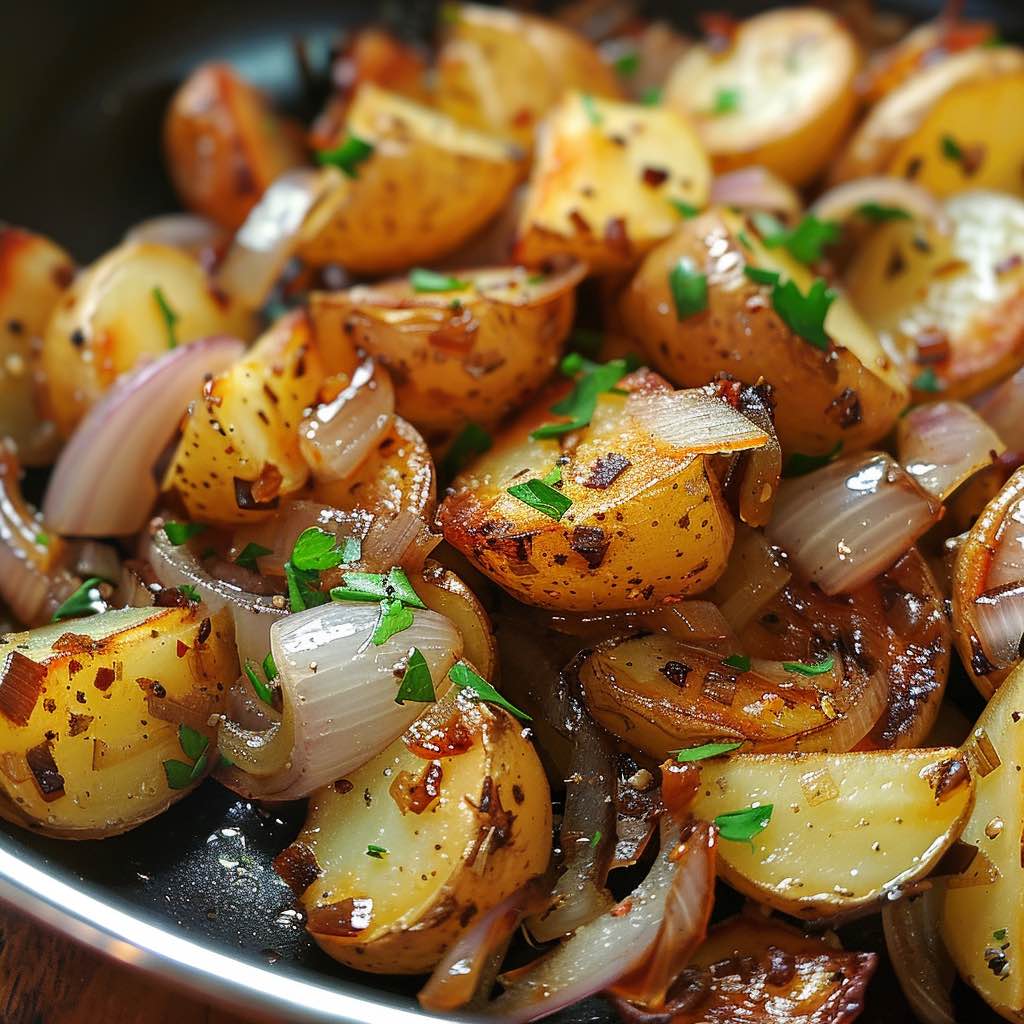
Fried potatoes and onions represent the essence of comfort food at its finest. This beloved dish has graced dinner tables across America for generations. Moreover, it transforms simple ingredients into something truly extraordinary. The combination of crispy, golden potatoes with sweet, caramelized onions creates a symphony of flavors and textures.
Furthermore, this versatile dish serves multiple purposes. It works perfectly as a hearty breakfast side, a satisfying dinner accompaniment, or even a standalone meal. Additionally, the simplicity of ingredients makes it accessible to home cooks of all skill levels.
The History and Origins
American Comfort Food Heritage
Fried potatoes and onions trace their roots deep into American culinary history. Consequently, this dish became a staple during the Great Depression era. Families needed affordable, filling meals that could stretch limited budgets. Therefore, potatoes and onions provided the perfect solution.
The dish gained popularity across various regions. However, each area developed its own unique preparation methods. For instance, Southern cooks often added bacon fat for extra flavor. Meanwhile, Midwestern families preferred using butter or vegetable oil.
Cultural Significance in Home Cooking
Throughout the decades, this simple combination maintained its appeal. In fact, it represents the heart of home cooking philosophy. The dish proves that extraordinary flavors can emerge from ordinary ingredients. Additionally, it connects generations through shared cooking experiences.
Many families pass down their specific techniques through oral tradition. These methods often include secret ingredients or special preparation steps. As a result, each family’s version carries its own distinct character and flavor profile.
Essential Ingredients and Equipment
Core Ingredients
The beauty of fried potatoes and onions lies in its simplicity. However, selecting quality ingredients makes a significant difference in the final result.
Potatoes:
-
Russet potatoes work excellently for their starchy content
-
Yukon Gold potatoes provide a creamy texture
-
Red potatoes offer a waxy consistency that holds shape well
-
Choose firm potatoes without green spots or sprouting
Onions:
-
Yellow onions provide the classic sweet flavor when caramelized
-
White onions offer a sharper, more pungent taste
-
Sweet onions like Vidalia create exceptionally mild results
-
Red onions add color and a slightly different flavor profile
Cooking Fat:
-
Vegetable oil provides neutral flavor and high smoke point
-
Butter adds richness but requires careful temperature control
-
Olive oil contributes Mediterranean flavor notes
-
Bacon fat delivers traditional Southern-style taste
Essential Equipment
Proper equipment ensures consistent, professional results. Therefore, investing in quality tools pays dividends in cooking success.
Skillet Selection:
-
Cast iron skillets provide excellent heat retention
-
Non-stick pans prevent sticking but may not achieve optimal browning
-
Stainless steel pans offer superior heat distribution
-
Size matters – use a large enough pan to avoid overcrowding
Additional Tools:
-
Sharp chef’s knife for efficient prep work
-
Cutting board with adequate workspace
-
Spatula for gentle turning and flipping
-
Kitchen towel for drying potatoes
Step-by-Step Cooking Method
Preparation Phase
Proper preparation sets the foundation for success. Therefore, attention to detail during prep work pays off significantly.
Potato Preparation:
-
Wash potatoes thoroughly under cold running water
-
Peel if desired, though skin-on provides extra nutrition
-
Cut into uniform pieces (½ to ¾ inch thick)
-
Rinse cut potatoes to remove excess starch
-
Pat completely dry with kitchen towels
Onion Preparation:
-
Remove outer papery layers
-
Cut off root and stem ends
-
Slice into uniform pieces for even cooking
-
Separate rings if using ring-style cuts
Cooking Process
The cooking technique determines the final texture and flavor. Furthermore, proper timing ensures both ingredients cook perfectly.
Step 1: Heat the Pan
Begin with medium-high heat in your chosen skillet. Add cooking fat and allow it to heat properly. The oil should shimmer but not smoke.
Step 2: Add Potatoes First
Place potato pieces in a single layer. Avoid overcrowding, which causes steaming instead of frying. Cook without moving for 3-4 minutes to develop golden crust.
Step 3: Initial Potato Cooking
Turn potatoes carefully to brown all sides evenly. This process takes approximately 10-12 minutes total. Season with salt and pepper during cooking.
Step 4: Add Onions
When potatoes achieve golden color, add sliced onions. Stir gently to combine ingredients. Continue cooking for additional 8-10 minutes.
Step 5: Final Seasoning
Adjust seasoning to taste preferences. Add herbs like thyme or rosemary if desired. Remove from heat when onions become tender and caramelized.
Pro Tips for Perfect Results
Temperature Control Mastery
Managing heat levels separates amateur from expert results. Additionally, proper temperature control prevents common cooking mistakes.
Heat Management:
-
Start with medium-high heat for initial browning
-
Reduce to medium when adding onions
-
Lower heat further if browning occurs too quickly
-
Maintain consistent temperature throughout cooking
Visual Cues:
-
Listen for gentle sizzling sounds
-
Watch for golden-brown coloration
-
Notice when onions become translucent
-
Observe steam patterns for doneness indicators
Texture Optimization Techniques
Achieving the perfect texture requires understanding ingredient characteristics. Moreover, different techniques produce varying results.
For Crispy Potatoes:
-
Dry potatoes thoroughly before cooking
-
Use higher heat initially
-
Avoid stirring too frequently
-
Allow adequate browning time
For Tender Potatoes:
-
Cut into smaller, uniform pieces
-
Use medium heat throughout
-
Cover pan briefly if needed
-
Add small amounts of liquid if necessary
Flavor Enhancement Strategies
Simple additions can elevate this basic dish significantly. However, balance remains key to maintaining the classic appeal.
Herb Additions:
-
Fresh thyme complements both ingredients perfectly
-
Rosemary adds Mediterranean flair
-
Sage provides earthy, autumn-like notes
-
Parsley brightens the overall flavor profile
Spice Variations:
-
Smoked paprika creates depth and complexity
-
Garlic powder enhances savory elements
-
Black pepper adds warmth and bite
-
Onion powder intensifies the onion flavor
Popular Variations and Flavor Combinations Regional Adaptations
Different regions have developed unique approaches to fried potatoes and onions. Consequently, these variations reflect local tastes and available ingredients.
Southern-Style Preparation:
This version typically incorporates bacon fat for cooking. Additionally, Southern cooks often add bell peppers for extra vegetables. The cooking time extends longer for deeply caramelized results.
Midwest Comfort Style:
Midwestern versions frequently include butter for richness. Moreover, they often incorporate fresh herbs from kitchen gardens. The preparation emphasizes hearty, filling portions.
Western Ranch Adaptation:
Western variations might include jalapeños for heat. Furthermore, they often use beef fat or lard for authentic ranch flavor. These versions pair excellently with grilled meats.
Creative Flavor Combinations
Modern home cooks continue innovating with new flavor profiles. Therefore, traditional recipes evolve while maintaining their essential character.
Mediterranean Influence:
-
Add olives and sun-dried tomatoes
-
Include fresh basil and oregano
-
Use olive oil exclusively
-
Incorporate feta cheese at the end
Mexican-Inspired Version:
-
Include diced jalapeños and bell peppers
-
Add cumin and chili powder
-
Top with fresh cilantro
-
Serve with salsa and sour cream
German-Style Preparation:
-
Use caraway seeds for authentic flavor
-
Include bacon pieces throughout
-
Add sauerkraut near the end
-
Serve with mustard on the side
Protein Additions
Adding protein transforms this side dish into a complete meal. However, timing becomes crucial for proper integration.
Popular Protein Options:
-
Bacon pieces added during cooking
-
Leftover ham incorporated near the end
-
Cooked sausage slices mixed throughout
-
Scrambled eggs folded in for breakfast versions
Nutritional Information and Health Benefits
Nutritional Profile
Understanding the nutritional content helps with meal planning. Additionally, this information supports dietary goal achievement.
Per Serving (1 cup):
-
Calories: 180-220 (depending on cooking fat)
-
Carbohydrates: 28-32 grams
-
Protein: 4-6 grams
-
Fat: 6-10 grams
-
Fiber: 3-4 grams
Vitamin and Mineral Content:
-
Vitamin C from potatoes supports immune function
-
Potassium aids in blood pressure regulation
-
Folate contributes to cellular health
-
Antioxidants from onions provide anti-inflammatory benefits
Health Considerations
This dish offers several nutritional advantages. Furthermore, preparation methods can enhance health benefits.
Positive Aspects:
-
High fiber content supports digestive health
-
Potassium helps regulate blood pressure
-
Antioxidants from onions provide cellular protection
-
Complex carbohydrates offer sustained energy
Modification Options:
-
Use olive oil for heart-healthy fats
-
Reduce salt for lower sodium content
-
Add vegetables for increased nutrition
-
Control portion sizes for weight management
Serving Suggestions and Pairings
Breakfast Applications
Fried potatoes and onions make an excellent breakfast side dish. Moreover, they complement various morning meal components perfectly.
Classic Breakfast Pairings:
-
Scrambled or fried eggs create a traditional combination
-
Bacon or sausage adds protein and flavor
-
Toast provides additional carbohydrates
-
Fresh fruit balances the savory elements
Weekend Brunch Ideas:
-
Serve alongside pancakes or waffles
-
Include in breakfast burrito fillings
-
Top with cheese for extra richness
-
Pair with fresh orange juice
Dinner Combinations
This versatile dish complements numerous dinner entrées. Therefore, it works well in diverse meal planning scenarios.
Meat Pairings:
-
Grilled chicken breasts benefit from the hearty side
-
Pork chops pair naturally with potato dishes
-
Meatloaf and potatoes create comfort food perfection
-
Fish preparations contrast nicely with the earthy flavors
Vegetarian Meal Ideas:
-
Serve with grilled vegetables for complete nutrition
-
Pair with fresh salads for balanced meals
-
Include in grain bowls for modern presentations
-
Top with cheese and herbs for protein addition
Storage and Reheating Guidelines
Proper Storage Techniques
Correct storage methods preserve quality and safety. Additionally, proper techniques extend the dish’s useful life significantly.
Refrigeration Guidelines:
-
Cool completely before refrigerating
-
Store in airtight containers
-
Use within 3-4 days for best quality
-
Label containers with preparation dates
Freezing Options:
-
Freeze for up to 3 months maximum
-
Use freezer-safe containers or bags
-
Portion into meal-sized servings
-
Thaw completely before reheating
Reheating Methods
Different reheating methods produce varying results. Therefore, choosing the right technique maintains food quality.
Stovetop Reheating:
-
Use medium heat in a skillet
-
Add small amounts of oil if needed
-
Stir occasionally for even heating
-
Heat until steaming throughout
Oven Reheating:
-
Preheat oven to 350°F
-
Spread in single layer on baking sheet
-
Cover with foil to prevent drying
-
Heat for 10-15 minutes until hot
Microwave Method:
-
Use microwave-safe dishes only
-
Add small amounts of water if dry
-
Heat in 30-second intervals
-
Stir between heating sessions
Troubleshooting Common Issues
Texture Problems
Achieving perfect texture requires attention to detail. However, common issues have straightforward solutions.
Soggy Potatoes:
-
Ensure potatoes are completely dry before cooking
-
Avoid overcrowding the pan
-
Use adequate cooking fat
-
Maintain proper heat levels
Undercooked Centers:
-
Cut potatoes into smaller, uniform pieces
-
Use medium heat for thorough cooking
-
Cover pan briefly if needed
-
Test doneness with fork
Overly Crispy Exterior:
-
Reduce cooking temperature
-
Add small amounts of liquid
-
Cover pan to create steam
-
Monitor more closely during cooking
Flavor Enhancement Issues
Sometimes the dish lacks expected flavor depth. Fortunately, several techniques address this concern.
Bland Results:
-
Season throughout cooking process
-
Use quality ingredients
-
Allow proper caramelization time
-
Add herbs and spices gradually
Burnt Flavors:
-
Control heat more carefully
-
Use adequate cooking fat
-
Stir more frequently
-
Start over if severely burnt
Frequently Asked Questions
How do I prevent my fried potatoes and onions from sticking to the pan?
Proper preparation prevents sticking issues effectively. First, ensure your pan is adequately heated before adding ingredients. Additionally, use sufficient cooking fat to create a barrier. Cast iron and well-seasoned pans perform better than newer cookware. Finally, avoid moving potatoes too early in the cooking process.
What’s the best potato variety for frying?
Russet potatoes work excellently due to their high starch content. They create crispy exteriors while maintaining fluffy interiors. However, Yukon Gold potatoes offer creamier results. Red potatoes hold their shape well but provide different texture. Choose based on your preferred final texture.
Can I make this dish ahead of time?
Yes, you can prepare fried potatoes and onions in advance. However, the texture changes slightly upon reheating. For best results, slightly undercook the initial preparation. This prevents overcooking during the reheating process. Store properly refrigerated and reheat using stovetop methods for optimal texture.
How can I add more vegetables to this dish?
Bell peppers complement potatoes and onions perfectly. Add them when you add the onions. Mushrooms work well but release moisture during cooking. Zucchini and yellow squash provide interesting variations. However, add watery vegetables last to prevent soggy results.
What seasonings work best with fried potatoes and onions?
Classic seasonings include salt, pepper, and garlic powder. Herbs like thyme, rosemary, and sage enhance the earthy flavors. Paprika adds color and mild heat. However, avoid overwhelming the simple, clean flavors. Start with small amounts and adjust gradually.
Why do my onions burn before the potatoes are done?
This common issue occurs due to timing problems. Start cooking potatoes first, allowing them to develop color. Then add onions when potatoes are nearly done. Alternatively, cut onions larger than potato pieces. This ensures more even cooking times.
Conclusion
Fried potatoes and onions represent timeless comfort food at its finest. This versatile dish transforms simple ingredients into something truly satisfying. Moreover, mastering the basic technique opens doors to countless variations and creative adaptations.
The key to success lies in proper preparation and temperature control. Additionally, quality ingredients make a noticeable difference in final results. Whether served for breakfast, lunch, or dinner, this classic combination never disappoints.
Furthermore, the dish’s simplicity makes it accessible to cooks of all skill levels. However, attention to detail separates good results from exceptional ones. Practice these techniques to develop your own perfect version of fried potatoes and onions.
Fried Potatoes and Onions
Description
Fried Potatoes and Onions
Ingredients
-
2 pounds Yukon gold or Russet potatoes, peeled and sliced (about 1/4 inch thick)
-
1 large Vidalia or yellow onion, sliced
-
2 tablespoons vegetable oil (canola, peanut, or avocado oil)
-
1/2 teaspoon garlic powder
-
1/2 teaspoon salt (adjust to taste)
-
1/2 teaspoon ground black pepper
-
Optional: 1/4 teaspoon paprika or fresh chopped parsley for garnish
Instructions
-
Prepare potatoes: Place sliced potatoes in cold water for 5 minutes to remove excess starch, then drain and pat dry with a clean towel.
-
Heat oil: In a large skillet over medium heat, warm the vegetable oil until shimmering.
-
Cook potatoes: Add the potatoes to the skillet in a single layer. Cook undisturbed for 5-7 minutes until the bottoms are golden brown. Flip or stir gently to cook the other sides, continuing to cook for 10-15 minutes until golden and mostly tender.
-
Add onions and seasonings: Add sliced onions, garlic powder, salt, pepper, and paprika (if using) to the skillet. Stir to combine with the potatoes and cook for an additional 5-10 minutes until onions are soft and caramelized and potatoes are crispy on the edges.
-
Serve: Transfer to a serving dish. Sprinkle with fresh chopped parsley if desired. Serve hot as a delicious side dish for breakfast or dinner.
This simple recipe yields perfectly crispy potatoes and sweet caramelized onions, ready in about 25-30 minutes and serves 4.