
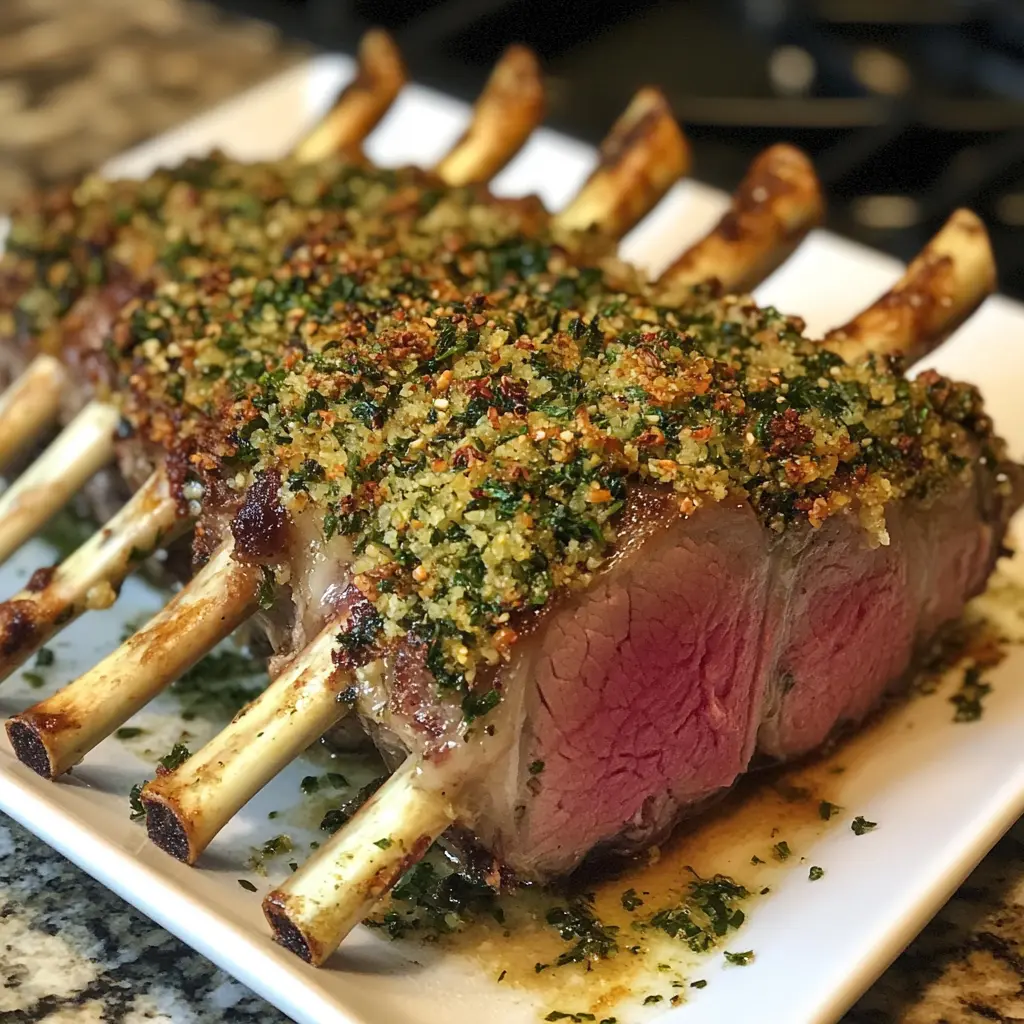
Garlic Herb Crusted Rack of Lamb: Complete Guide to a Perfect Centerpiece
When garlic herb crusted rack of lamb comes out of the oven, crackling and fragrant, it instantly turns any meal into a special occasion. This impressive but surprisingly simple dish combines a tender lamb rack with a crisp, golden crust packed with fresh herbs, garlic, and savory seasoning. The result is a restaurant-worthy centerpiece that feels luxurious yet accessible enough for home cooks of all levels.
In this guide, you will learn how to choose a great rack of lamb, build a flavorful herb crust, cook it to the ideal internal temperature, and serve it with sides that complement every bite. You will also discover tips to avoid common mistakes, storage guidelines, and answers to the most frequent questions home cooks have about this dish.
What Is Garlic Herb Crusted Rack of Lamb?
Garlic herb crusted rack of lamb is a roasted lamb rack coated in a flavorful mixture of fresh herbs, garlic, fat, and breadcrumbs or nut crumbs that turn crisp and golden in the oven. The meat stays juicy and tender, while the exterior develops a crunchy, aromatic crust that adds both texture and intense flavor.
A rack of lamb typically consists of eight ribs and is often “frenched,” meaning the bones are cleaned of excess fat and meat for a more refined presentation. This cut cooks quickly and is ideal for special dinners, holidays, or date-night meals because it looks elegant but requires relatively simple preparation.
Why You’ll Love This Recipe
Garlic herb crusted rack of lamb stands out because it delivers big flavor without complicated techniques. The garlic and herbs perfume the meat while the crust protects it from drying out during roasting.
Key reasons this dish is so popular include:
-
Minimal hands-on time once the rack goes into the oven.
-
An impressive presentation that looks like fine dining at home.
-
Flexible seasoning options to suit Mediterranean, French, or modern styles.
Because the rack cooks quickly, it works well for both holiday feasts and smaller gatherings, making it a versatile centerpiece to add to your regular entertaining rotation.
Choosing the Best Rack of Lamb
The quality of your garlic herb crusted rack of lamb starts with choosing the right cut. Good meat makes the rest of the process much easier and more predictable.
Look for these features when buying a rack of lamb:
-
Frenched bones: Clean, exposed bones for a neat, professional presentation.
-
Even thickness: A rack with uniform thickness will cook more evenly and help you hit the perfect internal temperature.
-
Bright, fresh color: Fresh lamb should be a rosy pink to light red with creamy white fat, not gray or dull.
Most racks weigh between 1.5 and 2 pounds and serve two to three people, depending on appetite and side dishes. For larger gatherings, you can roast multiple racks at once, arranging them in a “guard of honor” by interlacing the bones for dramatic presentation.
Essential Ingredients for the Herb Crust
A great garlic herb crust relies on a balance of aromatic herbs, pungent garlic, fat to help everything adhere, and some kind of crumb or binder to create a crispy texture.
Typical components for a classic crust include:
-
Fresh rosemary and thyme
-
Flat-leaf parsley
-
Garlic cloves
-
Olive oil and sometimes softened butter
-
Breadcrumbs or panko for crunch
-
Salt and freshly ground black pepper
This combination creates a savory, fragrant coating that caramelizes in the oven and locks in moisture while adding a satisfying crunch to each bite.
Fresh Herbs to Use
Choosing the right herbs is important for building layered flavor without overpowering the lamb. Mediterranean-style herbs pair especially well with this cut.
Excellent herb options include:
-
Rosemary: Strong, piney, and classic with lamb.
-
Thyme: Earthy and subtle, it rounds out the blend.
-
Parsley: Bright and fresh, it lightens the crust’s flavor and color.
-
Oregano or marjoram: Optional, but both contribute a slightly floral note.
Fresh herbs provide more vibrant flavor and color than dried options in this type of crust. However, if needed, you can substitute dried herbs at roughly one-third the amount of fresh, since dried herbs are more concentrated.
Garlic, Fats, and Seasoning
Garlic is a star ingredient in garlic herb crusted rack of lamb, but it must be balanced so it enhances the lamb rather than overwhelming it.
Key supporting elements include:
-
Minced or grated garlic cloves for intense aroma.
-
Olive oil to help the crust cling and promote browning.
-
Optional softened butter for extra richness and a softer, more cohesive crust texture.
-
Salt and freshly ground pepper to bring out all the flavors.
Some recipes also add lemon zest to the crust for a bright, citrusy note that cuts through the richness of the lamb. This subtle acidity helps keep the dish feeling vibrant and well-balanced.
Kitchen Tools You’ll Need
Having the right tools makes cooking garlic herb crusted rack of lamb straightforward and efficient. Most of these items are standard in a home kitchen.
Helpful tools include:
-
Sturdy roasting pan or rimmed baking sheet
-
Oven-safe skillet or cast iron pan for searing
-
Sharp chef’s knife for trimming and carving
-
Cutting board with a groove to catch juices
-
Small food processor or mini chopper to blend the herb crust
-
Instant-read meat thermometer to check internal temperature
A dependable thermometer is especially important, because it allows you to remove the lamb at just the right moment for medium-rare or medium doneness without guessing.
Step-by-Step: Garlic Herb Crusted Rack of Lamb
This section walks through the process from raw rack to beautifully crusted centerpiece. Following each step carefully improves your chances of perfect results every time.
Prepping the Rack
Proper preparation sets the stage for even cooking and a crust that adheres well.
-
Pat the rack dry with paper towels to remove excess surface moisture.
-
Trim any excessively thick fat cap, leaving a thin, even layer to baste the meat as it roasts.
-
If needed, score the fat lightly in a crosshatch pattern to encourage rendering and help the seasoning penetrate.
-
Season generously with salt and pepper on all sides and let the rack sit at room temperature for about 30 to 60 minutes.
Allowing the lamb to stand at room temperature before cooking helps it cook more evenly and reduces the risk of a cold center when the crust is already browned.
Making the Garlic Herb Crust
The garlic herb crust can be prepared while the rack rests. Using a food processor streamlines the process and chops the herbs uniformly.
Basic crust method:
-
Place peeled garlic cloves, fresh rosemary, thyme, and parsley in a food processor.
-
Add olive oil, a pinch of salt, pepper, and breadcrumbs or panko.
-
Pulse until the mixture forms a coarse paste that holds together when pressed.
-
Taste and adjust seasoning if necessary.
If the mixture seems too dry, add a little more olive oil. If it feels too loose, pulse in more breadcrumbs until it easily forms a cohesive layer when pressed onto the meat.
Searing and Roasting
Many cooks sear the rack before roasting to develop a deeper brown crust and richer flavor. Others roast directly, relying on the oven’s high heat to brown the surface. Both approaches can yield excellent results.
A common sequence looks like this:
-
Preheat the oven to around 400–425°F (200–220°C).
-
Heat a film of olive oil in an oven-safe skillet over medium-high heat.
-
Sear the rack, fat-side down first, until nicely browned, then sear the remaining sides for even color.
-
Transfer the rack to a baking sheet or leave it in the skillet, fat side up.
-
Spread the garlic herb crust evenly over the fat side, pressing firmly so it adheres.
-
Roast until the internal temperature reaches your desired doneness, typically medium-rare to medium.
Many recipes estimate about 15–25 minutes of roasting time, depending on the oven, the size of the rack, and whether the meat was seared first.
Resting and Carving
Resting is essential for juicy garlic herb crusted rack of lamb. Cutting too soon causes the juices to run out, leaving the meat drier than it should be.
Follow these steps:
-
Remove the rack from the oven when it is 5–10°F (about 3–5°C) below your target temperature, since carryover cooking will raise the internal temperature as it rests.
-
Tent the rack loosely with foil and let it rest for 10–15 minutes.
-
Transfer it to a cutting board and use a sharp knife to slice between the bones into individual chops or double chops.
-
Arrange the slices on a platter so the herb crust is visible for maximum visual impact.
Serving the chops with the bones exposed and the green flecks of herbs visible makes the dish visually striking and perfect for entertaining.
Cooking Times and Internal Temperatures
Because lamb is most tender when cooked to medium-rare or medium, paying attention to internal temperature is far more reliable than relying on time alone.
Many sources recommend the following internal temperatures for rack of lamb:
| Doneness Level | Internal Temperature (Approx.) | Description |
|---|---|---|
| Rare | 120–125°F (49–52°C) | Very red center, very soft texture. |
| Medium-rare | 130–135°F (54–57°C) | Warm pink center, juicy and tender. |
| Medium | 140–145°F (60–63°C) | Light pink center, still moist and tender. |
| Medium-well | 150°F (66°C) and above | Slightly pink to mostly gray, firmer texture. |
For most people, medium-rare to medium (about 130–145°F) offers the best balance of tenderness and juiciness for a rack of lamb. Always insert the thermometer into the thickest part of the meat, avoiding the bones, for the most accurate reading.
Serving Ideas and Side Dishes
Garlic herb crusted rack of lamb pairs wonderfully with fresh, vibrant, and comforting sides that complement its rich flavor and crispy crust.
Classic side ideas include:
-
Roasted potatoes or root vegetables for a satisfying, hearty element.
-
Creamy mashed potatoes or a parsnip and potato mash.
-
Steamed or roasted green beans, asparagus, or Brussels sprouts for color and freshness.
-
Simple leafy salads with lemon-based dressings to cut through the richness.
For more ideas and general guidance on healthy side dishes, resources like the American Heart Association offer helpful tips on building balanced plates with vegetables, lean proteins, and wholesome fats.
You can also serve the lamb over a bed of couscous, quinoa, or herbed rice for a Mediterranean-style presentation that feels both rustic and elegant.
Flavor Variations and Substitutions
One of the advantages of garlic herb crusted rack of lamb is its flexibility. Small adjustments to the crust ingredients, aromatics, and finishing touches can yield very different flavor profiles while keeping the core method the same.
Some variation ideas include:
-
Lemon and herb: Add lemon zest and a small splash of lemon juice to the herb mixture for bright, citrusy notes.
-
Dijon-infused crust: Spread a thin layer of Dijon mustard over the lamb before pressing on the herb crust to create a tangy, savory base.
-
Nut-enhanced crust: Replace part of the breadcrumbs with finely chopped pistachios or almonds for added crunch and flavor.
-
Mediterranean-style: Include oregano, mint, and a pinch of red pepper flakes for a bold, sunny profile.
Substitutions can also make the dish more accessible:
-
Use gluten-free breadcrumbs to keep the crust crisp while avoiding gluten.
-
Swap parsley for cilantro if you prefer a slightly different herbal character.
-
Replace some olive oil with a neutral oil if desired, keeping enough olive oil to preserve its signature flavor.
Make-Ahead, Storage, and Reheating
Planning ahead is important, especially when serving garlic herb crusted rack of lamb for holidays or special occasions. Thankfully, parts of the recipe can be prepared in advance.
Helpful make-ahead strategies:
-
Prepare the herb crust mixture up to one day ahead and store it in an airtight container in the refrigerator.
-
Season and trim the rack earlier in the day and keep it refrigerated; let it stand at room temperature before cooking.
Storage and reheating tips:
-
Store leftover cooked lamb in an airtight container in the refrigerator for up to three to four days.
-
Reheat gently in a low oven (around 275–300°F or 135–150°C) until just warmed through to avoid overcooking the meat.
-
Alternatively, enjoy leftover lamb chops at room temperature, thinly sliced over salads or grain bowls.
Freezing a fully cooked rack is possible, but the crust may lose some of its crispness. Reheating from frozen should be done slowly, ideally wrapped in foil, then crisping the crust briefly under a hot broiler if needed.
Common Mistakes and How to Avoid Them
Even though garlic herb crusted rack of lamb is approachable, a few common pitfalls can get in the way of flawless results. Fortunately, simple adjustments help avoid these problems.
Mistake 1: Overcooking the lamb
-
Solution: Use an instant-read thermometer and start checking the temperature earlier than you expect. Remove the rack when it is several degrees below the target, then let it rest.
Mistake 2: Crust falling off
-
Solution: Pat the meat dry, press the crust firmly onto a slightly tacky surface (like a thin layer of mustard or fat), and avoid moving the rack excessively once the crust is applied.
Mistake 3: Uneven cooking
-
Solution: Bring the lamb to room temperature before roasting and ensure the oven is fully preheated. Use a pan large enough so air can circulate around the rack.
Mistake 4: Fat not properly rendered
-
Solution: Either sear the fat side in a hot pan before roasting or ensure your oven is hot enough (around 400–425°F) to encourage proper browning.
Nutrition Overview
Nutrition for garlic herb crusted rack of lamb varies based on portion size, amount of fat trimmed, and specific crust ingredients. However, general guidelines can still be helpful.
A typical serving of lamb rack:
-
Provides high-quality protein, which supports muscle repair and satiety.
-
Contains vitamins and minerals such as iron, zinc, and vitamin B12.
-
Includes fat, including both saturated and unsaturated types, depending on how much of the visible fat is trimmed.
To make the dish feel lighter, you can:
-
Trim excess surface fat before cooking.
-
Pair the lamb with plenty of vegetables and fiber-rich sides.
-
Use olive oil as the primary fat in the crust, which fits into many heart-conscious eating patterns when consumed in moderation.
For more detailed nutritional guidance on red meats and balanced meals, organizations such as the American Heart Association provide evidence-based recommendations on portion sizes, cooking methods, and plate composition.
FAQs About Garlic Herb Crusted Rack of Lamb
1. How do you keep garlic herb crusted rack of lamb juicy?
Keeping the meat juicy depends on not overcooking it and allowing it to rest before slicing. Cooking to medium-rare or medium (about 130–145°F) and resting for 10–15 minutes helps the juices redistribute. Starting with a rack that has a thin, even fat layer also adds moisture and flavor as it renders during roasting.
2. Can you prepare the herb crust in advance?
Yes, the garlic and herb mixture can be made ahead and refrigerated for up to 24 hours. Let it warm slightly at room temperature so it spreads more easily over the lamb before roasting.
3. What internal temperature is best for garlic herb crusted rack of lamb?
Many cooks prefer medium-rare to medium for tenderness and flavor. That usually means removing the lamb from the oven when it reads around 130–140°F and letting it rest so carryover cooking brings it closer to the final temperature. Always use a thermometer to avoid guesswork.
4. Do you have to sear the rack before roasting?
Searing is not strictly required, but it develops deeper flavor and color on the lamb before the crust goes on. If you prefer a simpler method, you can skip searing and roast at higher heat, though the flavor and browning may be slightly less intense.
5. How many people does one rack of lamb serve?
A standard rack with eight ribs usually serves two to three people, depending on appetite and side dishes. For a larger group, plan on one rack for every two to three guests and roast multiple racks together.
6. Can you grill garlic herb crusted rack of lamb instead of roasting?
Yes, lamb racks can be cooked on the grill using indirect heat to mimic oven roasting. You can sear briefly over direct heat for color, then move the rack to a cooler zone, cover, and cook until a thermometer reads your preferred temperature.
7. What are good non-dairy options for the crust?
If you prefer to avoid dairy, you can skip butter and rely on olive oil to bind the crust. Use a generous amount of oil and breadcrumbs or nut crumbs to maintain a crisp texture without any cheese or butter.
Conclusion
Garlic herb crusted rack of lamb offers an ideal balance of elegance and simplicity, turning a relatively quick-cooking cut into a showstopping centerpiece with minimal stress. The combination of fragrant garlic, fresh herbs, and a crisp, golden crust transforms tender lamb into a dish worthy of holidays, celebrations, and special family dinners.
Print
Garlic Herb Crusted Rack of Lamb
- Total Time: 45
- Yield: 4-6 1x
Ingredients
-
1 (1.5–2 lb) rack of lamb, frenched
-
4 cloves garlic, minced
-
2 tbsp fresh rosemary, finely chopped
-
2 tbsp fresh thyme, finely chopped
-
1/4 cup Dijon mustard
-
1/4 cup breadcrumbs (panko or fresh)
-
2 tbsp olive oil
-
Salt and black pepper to taste
Instructions
-
Preheat oven to 450°F (230°C).
-
Season the rack of lamb generously with salt and black pepper.
-
In a small bowl, mix garlic, rosemary, thyme, and olive oil to make an herb paste.
-
Rub Dijon mustard over the lamb, then press the garlic-herb mixture onto the mustard-coated surface. Sprinkle breadcrumbs evenly on top.
-
Place lamb on a roasting pan, bone-side down, and roast in the oven for 15 minutes.
-
Reduce oven temperature to 375°F (190°C) and continue roasting for 10–15 minutes for medium-rare, or until internal temperature reaches 130–135°F (54–57°C). Adjust time for desired doneness.
-
Remove lamb from oven and let rest for 10 minutes before slicing between the bones into individual chops.
-
Serve with roasted vegetables, mashed potatoes, or a fresh herb salad.
Notes
-
Use a meat thermometer for precise doneness.
-
For extra flavor, sear the lamb in a hot skillet for 2–3 minutes before roasting.
-
Leftover lamb can be sliced thin for sandwiches or salads.
- Prep Time: 15
- Cook Time: 30
Nutrition
- Calories: 450