
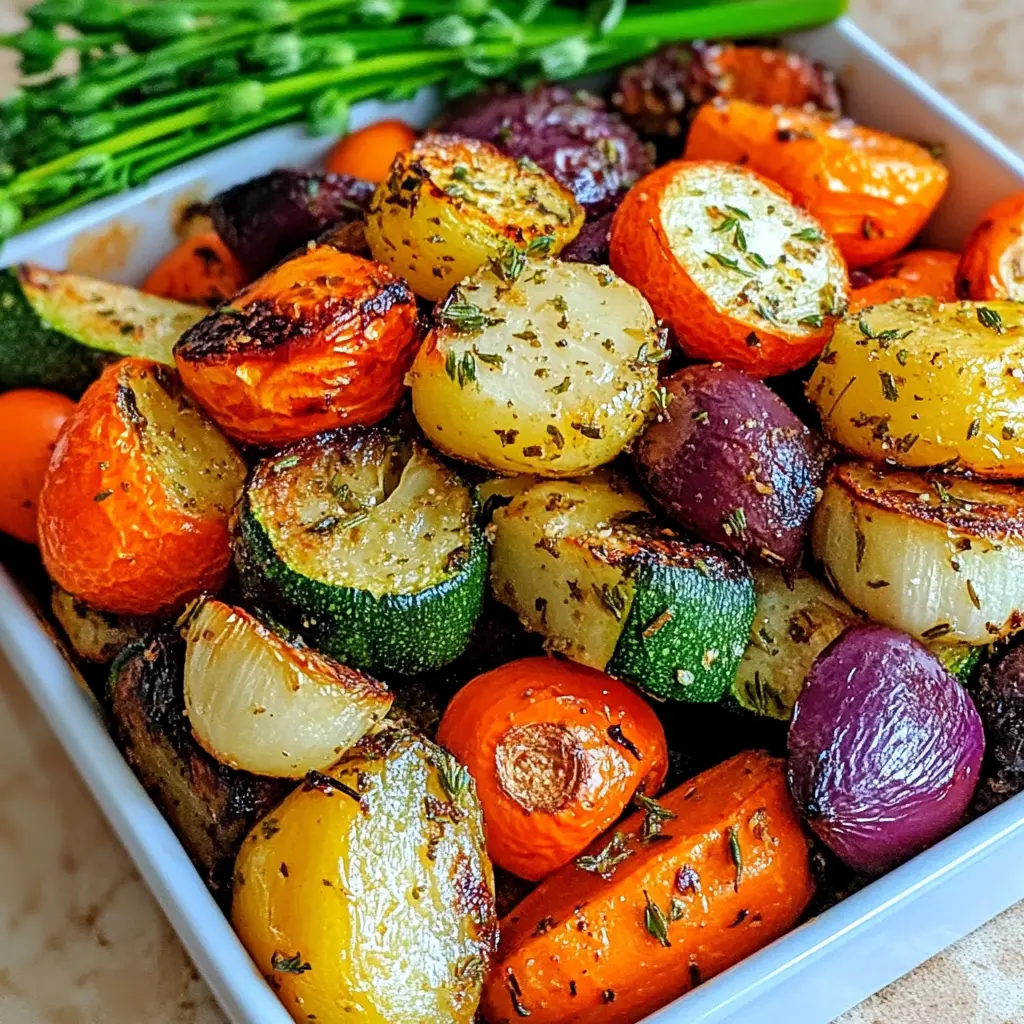
Garlic Herb Roasted Veggies: The Ultimate Guide to Perfect Oven-Roasted Vegetables
Garlic herb roasted veggies transform ordinary vegetables into extraordinary side dishes that steal the show at any meal. This simple cooking method brings out natural sweetness, creates crispy edges, and infuses every bite with aromatic flavors. Whether you’re preparing a weeknight dinner or hosting a holiday feast, mastering the art of roasted vegetables will elevate your cooking game instantly.
Why Garlic Herb Roasted Veggies Are a Kitchen Essential
Roasted vegetables with garlic and herbs have become a staple in home kitchens worldwide. This cooking method offers numerous benefits that make it worth mastering.
Nutritional Benefits
Roasting vegetables preserves most nutrients while enhancing flavor. The high heat caramelizes natural sugars, creating depth without adding excessive fats or sodium. Research from the USDA FoodData Central shows that roasted vegetables retain significant amounts of vitamins and minerals. Additionally, the herbs and garlic provide antioxidants and anti-inflammatory compounds.
Time-Saving Advantages
One major advantage of roasted veggies is hands-off cooking time. Simply toss your vegetables with seasonings, spread them on a pan, and let the oven do the work. This frees you to prepare other meal components simultaneously.
Versatility for Every Occasion
These vegetables work perfectly as side dishes, meal prep components, or standalone meals. They complement proteins beautifully and satisfy vegetarians and vegans alike. The flavor combinations are endless, allowing you to customize based on preferences and available ingredients.
Best Vegetables for Roasting
Choosing the right vegetables ensures perfect texture and flavor. Not all vegetables roast equally well, so understanding which ones work best is crucial.
Root Vegetables
Root vegetables excel in the oven due to their sturdy structure and natural sweetness.
Carrots become candy-like when roasted, with crispy edges and tender centers. Cut them into uniform pieces for even cooking.
Potatoes of all varieties roast beautifully. Yukon Gold and red potatoes maintain creaminess, while russets become fluffy inside with crispy exteriors.
Sweet potatoes caramelize exceptionally well. Their natural sugars create delicious browning without any additions.
Beets develop concentrated sweetness and earthy flavors. Wrap them in foil initially, then unwrap for the final browning.
Cruciferous Vegetables
These vegetables develop nutty flavors and satisfying textures when roasted properly.
Broccoli transforms into crispy, flavorful florets with charred edges. The stems roast beautifully too when sliced thinly.
Cauliflower becomes golden and tender with a slightly sweet taste. It’s one of the most popular roasted vegetables.
Brussels sprouts shed their bitter reputation when roasted. They develop caramelized outer leaves and creamy centers.
Squashes and Peppers
Butternut squash cubes become tender with crispy edges. The natural sweetness intensifies during roasting.
Zucchini and yellow squash require higher temperatures and less time. They can become mushy if overcooked.
Bell peppers of all colors develop sweetness and smoky flavors. They add beautiful color to any roasted vegetable medley.
Alliums
Onions caramelize beautifully, becoming sweet and tender. Red, yellow, and white varieties all work well.
Shallots offer delicate sweetness and become jammy when roasted whole or halved.
Essential Ingredients and Tools
Gathering the right ingredients and equipment sets you up for success with garlic herb roasted veggies.
Core Ingredients
Olive oil serves as the primary fat for roasting. It helps vegetables brown and prevents sticking. Extra virgin olive oil adds flavor, while regular olive oil has a higher smoke point.
Fresh garlic provides aromatic depth and flavor. Use whole cloves or minced garlic depending on your preference.
Fresh herbs create the signature flavor profile. Rosemary, thyme, and oregano are classic choices that withstand high heat well.
Salt and black pepper are essential seasonings. Kosher salt is ideal for even distribution and proper seasoning.
Optional Flavor Enhancers
Lemon zest brightens flavors without adding moisture that could prevent crisping.
Parmesan cheese can be added during the last few minutes for extra richness.
Balsamic vinegar drizzled after roasting adds tangy sweetness. According to Healthline, balsamic vinegar contains beneficial antioxidants.
Necessary Equipment
Rimmed baking sheets are essential for proper roasting. The raised edges prevent vegetables from sliding off while allowing air circulation.
Parchment paper or silicone mats make cleanup easier and prevent sticking. However, vegetables brown better directly on the pan.
Large mixing bowls help coat vegetables evenly with oil and seasonings.
Sharp knives and cutting boards ensure uniform vegetable pieces for even cooking.
Step-by-Step Roasting Instructions
Following a systematic approach guarantees consistently delicious results with your garlic herb roasted veggies.
Preparation Phase
Start by preheating your oven to 425°F (220°C). This high temperature is crucial for achieving crispy exteriors while maintaining tender interiors.
Wash and dry all vegetables thoroughly. Excess moisture prevents proper browning and creates steam instead of roasting. Pat vegetables completely dry with clean kitchen towels.
Cut vegetables into uniform sizes, approximately 1 to 1.5-inch pieces. Consistent sizing ensures everything cooks evenly. Larger pieces take longer to cook, while smaller pieces may burn before others finish.
Seasoning Process
Place prepared vegetables in a large mixing bowl. This method ensures even coating and prevents crowding on the baking sheet.
Drizzle vegetables with olive oil, using approximately 2-3 tablespoons per pound of vegetables. Toss thoroughly to coat every surface. The oil creates the golden, crispy exterior everyone loves.
Add minced garlic, chopped fresh herbs, salt, and black pepper. Season generously, as vegetables can absorb quite a bit of seasoning. Mix everything together until herbs and seasonings distribute evenly.
Roasting Technique
Spread seasoned vegetables in a single layer on your prepared baking sheet. Avoid overcrowding, which causes steaming instead of roasting. Use multiple pans if necessary to maintain proper spacing.
Place the pan in the preheated oven on the center rack. This position ensures even heat distribution for optimal browning.
Roast for 25-40 minutes, depending on vegetable types and sizes. Check vegetables halfway through cooking time. Flip or stir them gently to promote even browning on all sides.
Watch for visual cues indicating doneness. Vegetables should have golden-brown edges and tender centers. A fork should pierce them easily while maintaining some structure.
Temperature and Timing Guide
Understanding proper temperatures and cooking times ensures perfect garlic herb roasted veggies every time.
Optimal Temperature Range
The sweet spot for roasting vegetables falls between 400°F and 450°F (200°C to 230°C). Most home cooks find 425°F (220°C) ideal for achieving crispy exteriors without burning.
Higher temperatures create more caramelization and crispiness. However, delicate vegetables may burn at temperatures above 425°F. Lower temperatures result in softer vegetables with less browning.
Vegetable-Specific Timing
Dense root vegetables like potatoes, carrots, and beets require 35-45 minutes at 425°F. Cut them smaller to reduce cooking time.
Medium-density vegetables including cauliflower, broccoli, and Brussels sprouts need 25-35 minutes. They develop the best texture in this timeframe.
Quick-cooking vegetables such as zucchini, bell peppers, and asparagus finish in 15-25 minutes. Watch them carefully to prevent overcooking.
Testing for Doneness
Insert a fork or knife into the thickest part of a vegetable piece. It should slide in easily with slight resistance. Vegetables continue cooking slightly after removal from the oven due to residual heat.
Taste-test a piece before removing the entire pan. The texture should be tender but not mushy, with caramelized edges providing contrast.
Herb Combinations That Work Best
Choosing the right herbs elevates your garlic herb roasted veggies from good to extraordinary.
Classic Mediterranean Blend
Combine fresh rosemary, thyme, and oregano for timeless flavor. This trio complements virtually all vegetables and provides aromatic depth.
Use approximately 1 tablespoon of fresh chopped herbs per pound of vegetables. Fresh herbs offer superior flavor compared to dried versions.
Italian-Inspired Mix
Blend basil, oregano, and parsley for Italian-style roasted vegetables. Add a pinch of red pepper flakes for subtle heat.
This combination pairs exceptionally well with tomatoes, zucchini, and bell peppers. Finish with a drizzle of balsamic glaze for restaurant-quality results.
French Herb Collection
Mix tarragon, chervil, and chives for elegant French-inspired vegetables. This delicate combination works beautifully with carrots and potatoes.
These herbs provide subtle, sophisticated flavors without overwhelming the natural vegetable taste.
Bold and Spicy Options
Try sage and thyme for earthy, warming flavors perfect for autumn vegetables. This combination complements butternut squash and root vegetables excellently.
Experiment with cilantro and lime zest for a fresh, bright finish. This works particularly well with roasted sweet potatoes and bell peppers.
Herb Substitution Tips
When fresh herbs aren’t available, dried herbs work in a pinch. Use one-third the amount of dried herbs compared to fresh, as dried versions have concentrated flavors.
Add dried herbs before roasting, but add delicate fresh herbs like basil or cilantro after cooking to preserve their bright flavors.
Common Mistakes to Avoid
Even experienced cooks make errors when preparing roasted vegetables. Knowing these pitfalls helps you achieve perfect results consistently.
Overcrowding the Pan
This is the most common mistake with garlic herb roasted veggies. When vegetables touch too closely, they steam instead of roast. This prevents the desired caramelization and crispy edges.
Use multiple baking sheets if necessary. Proper spacing allows hot air to circulate around each piece, creating even browning.
Using Insufficient Oil
While you don’t want vegetables swimming in oil, too little prevents proper browning. Vegetables need enough oil to coat their surfaces completely.
A good rule is 2-3 tablespoons of oil per pound of vegetables. This amount provides adequate coverage without making vegetables greasy.
Skipping the Preheating Step
Adding vegetables to a cold oven prevents proper caramelization. The temperature must be high from the start to trigger the Maillard reaction that creates browning.
Always preheat your oven fully before adding vegetables. This small step makes a significant difference in final texture and flavor.
Cutting Vegetables Unevenly
Inconsistent sizing results in some pieces burning while others remain undercooked. Take time to cut vegetables into uniform pieces.
Invest in a sharp knife and practice consistent cutting techniques. This skill improves all aspects of cooking, not just roasted vegetables.
Adding Garlic Too Early
Fresh minced garlic can burn easily at high roasting temperatures. Burnt garlic tastes bitter and unpleasant.
Add minced garlic during the last 10-15 minutes of roasting, or toss it with vegetables that cook quickly. Alternatively, use whole garlic cloves that roast more slowly.
Forgetting to Stir
Vegetables brown unevenly if left untouched throughout roasting. The sides touching the pan brown while upper sides remain pale.
Flip or stir vegetables halfway through cooking time. This simple action ensures even caramelization on all surfaces.
Serving Suggestions and Pairings
Garlic herb roasted veggies complement countless dishes and can even stand alone as satisfying meals.
As Side Dishes
Roasted vegetables pair perfectly with grilled or baked proteins. Serve them alongside chicken, fish, or beef for balanced meals. The vegetables’ robust flavors complement simple protein preparations beautifully.
They also work wonderfully with pasta dishes. Toss roasted vegetables with cooked pasta, olive oil, and fresh herbs for quick dinners.
In Grain Bowls
Build nutritious grain bowls featuring roasted vegetables as the star component. Layer them over quinoa, brown rice, or farro. Add chickpeas or white beans for protein, and drizzle with tahini or lemon vinaigrette.
These bowls make excellent meal prep options. Prepare components separately and assemble throughout the week for varied meals.
In Salads
Add warm roasted vegetables to fresh salad greens for satisfying contrast. The warm vegetables slightly wilt the greens while maintaining textural interest.
Combine roasted vegetables with arugula, spinach, or mixed greens. Top with nuts, seeds, and a simple vinaigrette for complete meals.
As Sandwich Fillings
Layer roasted vegetables in sandwiches or wraps for robust vegetarian options. They pair excellently with hummus, pesto, or herbed cream cheese.
Press sandwiches in a panini maker for warm, melty results. The roasted vegetables hold up well to heating and add substantial texture.
Standalone Meals
Serve generous portions of mixed roasted vegetables as complete vegetarian meals. Include various types for nutritional balance and visual appeal.
Top with fried eggs or crumbled feta cheese for added protein and richness. Serve with crusty bread for soaking up flavorful oils.
Storage and Reheating Tips
Proper storage and reheating techniques maintain the quality of your garlic herb roasted veggies for future enjoyment.
Short-Term Storage
Cool roasted vegetables completely before storing. This prevents condensation that makes vegetables soggy.
Transfer vegetables to airtight containers and refrigerate for up to 5 days. Glass containers work particularly well for maintaining freshness.
Store different vegetable types separately when possible. Some vegetables deteriorate faster than others, and separate storage prevents cross-contamination.
Freezing Instructions
Most roasted vegetables freeze well for up to 3 months. Notable exceptions include vegetables with high water content like zucchini, which become mushy when thawed.
Spread cooled vegetables in a single layer on a baking sheet. Freeze until solid, then transfer to freezer bags. This prevents vegetables from clumping together.
Reheating Methods
Oven reheating produces the best results for maintaining texture. Spread vegetables on a baking sheet and warm at 375°F (190°C) for 10-15 minutes. This method restores some crispiness.
Stovetop reheating works well for quick warming. Heat a skillet over medium-high heat with a small amount of oil. Add vegetables and cook, stirring occasionally, until heated through.
Microwave reheating is fastest but produces softer results. Use a microwave-safe dish and heat in 30-second intervals, stirring between sessions.
Refreshing Leftovers
Add fresh herbs and a squeeze of lemon juice to refresh leftover roasted vegetables. This brightens flavors that may have dulled during storage.
Consider repurposing leftovers into new dishes rather than simply reheating. Blend them into soups, fold them into omelets, or toss with pasta for completely different meals.
Frequently Asked Questions
Can I make garlic herb roasted veggies ahead of time?
Yes, you can prepare vegetables up to 24 hours in advance. Cut and season vegetables, then store them covered in the refrigerator. Roast them just before serving for best results. You can also fully roast vegetables ahead and reheat them using the methods described above.
What’s the best oil for roasting vegetables?
Olive oil is the most popular choice due to its flavor and health benefits. However, avocado oil works excellently at high temperatures due to its higher smoke point. Coconut oil provides unique flavor but may not suit all vegetable types. The American Heart Association recommends using oils high in monounsaturated fats for heart health.
How do I keep vegetables from sticking to the pan?
Use parchment paper or silicone baking mats for easy cleanup. Alternatively, ensure your baking sheet has adequate oil coating. Avoid moving vegetables too soon after placing them in the oven, as they need time to develop a crust that naturally releases from the pan.
Can I roast frozen vegetables?
Fresh vegetables produce better results, but frozen vegetables can work in a pinch. Thaw and drain frozen vegetables thoroughly before roasting to remove excess moisture. Increase roasting time by 5-10 minutes to compensate for lower starting temperature.
Why are my roasted vegetables soggy instead of crispy?
Sogginess typically results from overcrowding the pan, insufficient oil, or excess moisture on vegetables. Ensure vegetables are completely dry before seasoning. Spread them in a single layer with space between pieces. Use adequate oil to promote browning rather than steaming.
What temperature should I use for different vegetables?
Most vegetables roast well at 425°F (220°C). Delicate vegetables like asparagus and tomatoes benefit from slightly lower temperatures around 400°F (200°C). Dense root vegetables can handle up to 450°F (230°C) for extra crispiness. Adjust based on your oven’s tendencies and personal preferences.
How do I prevent garlic from burning?
Add minced garlic during the last 10-15 minutes of roasting, or use whole garlic cloves that roast more slowly. You can also toss garlic with vegetables that cook quickly, ensuring it doesn’t have excessive heat exposure. Consider using garlic powder mixed with fresh herbs as an alternative that won’t burn.
Conclusion
Garlic herb roasted veggies represent one of the simplest yet most rewarding cooking techniques in any home cook’s repertoire. By selecting quality vegetables, using proper temperatures, avoiding common mistakes, and experimenting with herb combinations, you’ll create consistently delicious results. These versatile vegetables enhance countless meals while providing excellent nutrition and satisfying flavors.
The beauty of roasted vegetables lies in their adaptability. Start with basic recipes, then customize based on seasonal availability and personal preferences. Master this fundamental technique, and you’ll always have a reliable, healthy, and delicious dish ready for any occasion.
Ready to elevate your vegetable game? Gather your favorite vegetables, preheat that oven, and start roasting today. Your taste buds will thank you for discovering the transformative power of high heat, aromatic garlic, and fresh herbs.
Print
Garlic Herb Roasted Veggies
Description
Garlic Herb Roasted Veggies
Ingredients:
-
2 cups broccoli florets
-
2 cups cauliflower florets
-
1 red bell pepper, chopped
-
1 yellow bell pepper, chopped
-
1 zucchini, sliced
-
1 red onion, cut into wedges
-
3 tbsp olive oil
-
4 cloves garlic, minced
-
1 tsp dried Italian seasoning (or a mix of thyme, oregano, and basil)
-
½ tsp salt
-
½ tsp black pepper
-
1 tbsp fresh parsley, chopped (for garnish)
-
Optional: ½ tsp red pepper flakes or a squeeze of lemon juice for brightness
Instructions:
-
Preheat oven: Set oven to 425°F (220°C). Line a large baking sheet with parchment paper.
-
Prepare veggies: Place all the vegetables in a large bowl.
-
Season: Drizzle with olive oil, then add minced garlic, Italian seasoning, salt, and pepper. Toss well until evenly coated.
-
Roast: Spread veggies in a single layer on the baking sheet. Roast for 20–25 minutes, stirring halfway through, until tender and slightly golden around the edges.
-
Finish and serve: Remove from oven, sprinkle with fresh parsley (and lemon juice if using), and serve warm.