
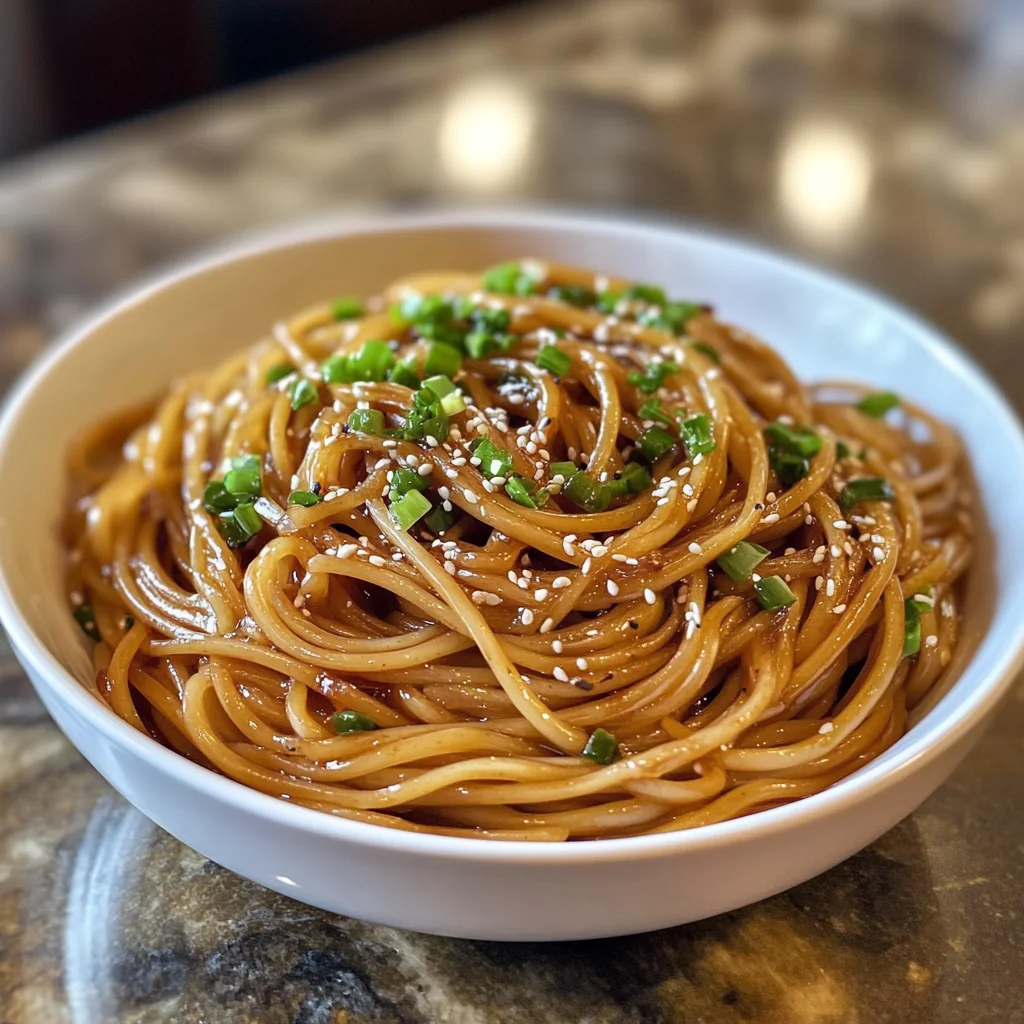
Garlic-Soy Sauce Noodles: The Ultimate Guide to Making This Irresistible Asian Dish
Introduction
Garlic-Soy Sauce Noodles represent one of the most satisfying and flavor-packed dishes you can prepare in under 20 minutes. This beloved Asian-inspired recipe combines the bold, savory depth of soy sauce with the aromatic punch of fresh garlic, creating a meal that’s both simple and extraordinary. Furthermore, this versatile dish works perfectly as a quick weeknight dinner or as an impressive side dish for gatherings. Whether you’re a seasoned cook or just starting your culinary journey, mastering Garlic-Soy Sauce Noodles will add an essential recipe to your repertoire.
The beauty of this dish lies in its simplicity. Additionally, you need only a handful of ingredients to create a restaurant-quality meal at home. The combination of butter, garlic, and umami-rich sauces creates layers of flavor that coat every strand of noodle perfectly.
What Are Garlic-Soy Sauce Noodles?
Origins and Cultural Background
Garlic-Soy Sauce Noodles draw inspiration from various Asian culinary traditions. Specifically, this dish represents a fusion of Chinese, Japanese, and Korean cooking techniques. The recipe combines the umami-rich flavors that are highly valued throughout Asian cuisine with Western ingredients like butter and Parmesan cheese. Moreover, the dish showcases how fermented soy products deliver intense savory flavors that elevate simple ingredients.
The Flavor Profile
The taste of Garlic-Soy Sauce Noodles is characterized by its rich umami depth. In particular, the combination of soy sauce, oyster sauce, and fish sauce creates multiple layers of savory complexity. The garlic adds aromatic intensity, while butter provides richness and helps the sauce coat the noodles evenly. Additionally, a touch of sweetness from brown sugar balances the salty elements perfectly.
Key Ingredients You’ll Need
Essential Components
Creating authentic Garlic-Soy Sauce Noodles requires several key ingredients. First and foremost, you’ll need quality noodles as your foundation. The sauce components include regular soy sauce, dark soy sauce, oyster sauce, and fish sauce. Furthermore, fresh garlic is absolutely essential—this recipe typically calls for 6-8 cloves.
Sauce Building Blocks
The sauce for Garlic-Soy Sauce Noodles combines multiple umami-rich ingredients. Specifically, you’ll need:
-
Regular soy sauce (2-3 tablespoons) for base saltiness
-
Oyster sauce (1-2 tablespoons) for depth
-
Fish sauce (1-2 teaspoons) for complexity
-
Worcestershire sauce (1-2 teaspoons) for tanginess
-
Sesame oil (1/4-1 teaspoon) for nutty aroma
Additionally, brown sugar helps balance the savory elements. The combination of these ingredients creates the signature umami flavor that makes this dish so addictive.
Aromatics and Finishing Touches
Beyond the sauce, several ingredients add texture and visual appeal. Importantly, unsalted butter (4 tablespoons) enriches the sauce and helps it cling to noodles. Fresh green onions provide color and a mild onion flavor. Moreover, grated Parmesan cheese adds another layer of umami and creaminess. Finally, red pepper flakes and sesame seeds make excellent optional garnishes.
Types of Noodles to Use
Best Noodle Varieties
Choosing the right noodles significantly impacts your final dish. Asian-style noodles are traditionally used and can be categorized into three main types: wheat noodles, rice noodles, and glass noodles. Each type brings unique characteristics to Garlic-Soy Sauce Noodles.
Wheat-Based Options
Wheat noodles work exceptionally well for this recipe. For instance, fresh egg noodles provide a bouncy, satisfying texture. Regular spaghetti or angel hair pasta serves as an excellent substitute. Additionally, Japanese udon noodles offer a thick, chewy consistency. Chinese lo mein noodles also work beautifully.
Rice Noodle Alternatives
Rice noodles present a gluten-free option for this dish. Specifically, flat rice noodles have a springy, slippery texture that readily absorbs sauces. Rice vermicelli offers a delicate, thin alternative. Moreover, these noodles have a neutral flavor that complements the bold garlic-soy sauce perfectly.
Other Noodle Choices
Japanese somen noodles provide a very fine, delicate option. These thin wheat noodles cook quickly and soak up sauce efficiently. Furthermore, Korean kal-guksoo noodles offer a doughy, bouncy consistency. Glass noodles made from mung bean starch create a unique, slippery texture.
The Perfect Garlic-Soy Sauce Combination
Balancing Flavors
Creating the ideal sauce requires understanding flavor balance. The soy sauce provides the salty, umami foundation. Meanwhile, oyster sauce adds sweetness and depth. Fish sauce contributes a subtle fermented complexity. Together, these ingredients create a harmonious blend.
The Role of Garlic
Garlic serves as the star aromatic in this dish. Specifically, cooking garlic in butter until lightly caramelized releases its sweet, nutty qualities. This process takes about 5 minutes over medium heat. Additionally, the caramelized garlic slices become crispy, adding textural interest.
Umami Enhancement
The concept of umami is central to Asian cooking. Notably, umami refers to the fifth taste alongside sweet, sour, bitter, and salty. Fermented soy products like soy sauce are rich in glutamate, which creates this savory depth. Furthermore, combining multiple umami sources—soy sauce, oyster sauce, fish sauce, and Parmesan cheese—intensifies this flavor.
Step-by-Step Cooking Instructions
Preparation Phase
Begin by gathering all your ingredients before cooking. This practice, known as mise en place, ensures smooth execution. First, mince or thinly slice 6-8 cloves of fresh garlic. Next, chop green onions and measure out all sauce ingredients. Additionally, grate Parmesan cheese if using.
Cooking the Noodles
Start by bringing a large pot of salted water to a rolling boil. Once boiling, add your chosen noodles and cook according to package directions. For fresh noodles, this may only require blanching. Dried pasta typically needs 7-10 minutes. Importantly, reserve about 1 cup of pasta cooking water before draining. The starchy water helps thin the sauce if needed.
Creating the Sauce
While noodles cook, prepare your sauce components. In a small bowl, combine soy sauce, oyster sauce, fish sauce, Worcestershire sauce, sesame oil, brown sugar, and white pepper. Stir until the sugar dissolves completely. This step ensures even distribution of flavors.
Caramelizing the Garlic
Heat 4 tablespoons of unsalted butter in a large skillet over medium heat. Once melted, add the sliced garlic. Cook the garlic for approximately 5 minutes, stirring occasionally. The garlic should turn golden and become fragrant. Be careful not to burn it, as burnt garlic tastes bitter.
Combining Everything
Add the prepared sauce mixture to the garlic butter in the skillet. Stir for about 1 minute to combine. Next, add the drained noodles directly to the sauce. Toss everything together, ensuring each noodle strand gets coated. If the sauce seems too thick, add reserved pasta water one tablespoon at a time.
Final Touches
Remove the skillet from heat and sprinkle grated Parmesan cheese over the noodles. Toss again to incorporate the cheese, which will melt from the residual heat. Finally, garnish with chopped green onions, red pepper flakes, and sesame seeds. Serve immediately while hot.
Variations and Customizations
Protein Additions
Transform Garlic-Soy Sauce Noodles into a complete meal by adding protein. Grilled chicken strips complement the savory sauce beautifully. Alternatively, sautéed shrimp cooks quickly and adds seafood flavor. Tofu cubes provide a vegetarian protein option. Moreover, soft-boiled eggs create a creamy richness when mixed with the noodles.
Vegetable Enhancements
Adding vegetables increases nutritional value and color. Blanched broccoli florets provide a healthy addition. Snap peas add sweetness and crunch. Furthermore, mushrooms contribute extra umami flavor. Bell peppers offer vibrant color and a slight sweetness. Bean sprouts create textural contrast.
Spice Level Adjustments
Customize the heat level to your preference. Red pepper flakes provide gentle warmth. Sriracha sauce adds tangy heat. Additionally, fresh sliced chilies deliver intense spiciness. Korean gochugaru offers a unique, slightly sweet heat.
Vegetarian and Vegan Options
Adapt this recipe for plant-based diets easily. Vegetarian oyster sauce replaces regular oyster sauce. Skip the fish sauce or substitute with additional soy sauce. Use olive oil or coconut oil instead of butter. Moreover, nutritional yeast can replace Parmesan cheese for a vegan option.
Health Benefits of This Dish
Garlic’s Nutritional Properties
Garlic offers numerous health benefits beyond its flavor. Research shows that garlic supplements can reduce blood pressure in people with hypertension. Furthermore, garlic improves cholesterol levels, potentially lowering heart disease risk. The compound allicin in garlic provides many of these benefits.
Additionally, garlic may help detoxify heavy metals from the body. A 2012 study found that garlic reduced blood lead levels by 19%. Garlic also appears to support bone health by reducing oxidative stress. Moreover, it may boost immune function and help fight common colds.
Soy Sauce Benefits
Fermented soy products like soy sauce offer health advantages. Research indicates that fermented foods improve gut bacteria balance. This balance supports overall digestive health. Furthermore, soy sauce may reduce inflammation in the body.
Some evidence suggests fermented soy products might protect against chronic illnesses. Specifically, soy sauce may reduce IL-6, a protein that causes inflammation. Lower inflammation potentially decreases cancer risk. Additionally, soy products might help treat insulin resistance.
Portion Control Considerations
While Garlic-Soy Sauce Noodles provide satisfaction, moderation matters. The dish contains significant sodium from soy sauce and other condiments. Consider using low-sodium soy sauce alternatives if watching salt intake. Furthermore, adding plenty of vegetables increases fiber and nutrients.
Serving Suggestions and Pairings
As a Main Course
Garlic-Soy Sauce Noodles work wonderfully as a standalone main dish. Serve generous portions in large bowls. Top with your choice of protein and vegetables for a complete meal. Additionally, garnish abundantly with fresh herbs like cilantro, mint, or basil.
Side Dish Applications
This recipe also excels as a side dish. Pair it with grilled meats or seafood. Furthermore, it complements stir-fried vegetables perfectly. The noodles work well alongside crispy spring rolls. Moreover, they pair nicely with fresh salads.
Complementary Dishes
Create a complete Asian-inspired meal by serving multiple dishes. Steamed dumplings make an excellent appetizer. Hot and sour soup provides contrasting flavors. Additionally, cucumber salad offers refreshing balance. Kimchi adds probiotic benefits and spicy notes.
Storage and Reheating Tips
Proper Storage Methods
Store leftover Garlic-Soy Sauce Noodles in airtight containers. Refrigerate within 2 hours of cooking. The noodles will keep for 3-4 days when properly stored. However, the texture changes slightly as noodles absorb sauce.
Reheating Techniques
Reheat noodles gently to prevent overcooking. The microwave works for quick reheating—use 30-second intervals. Add a splash of water or broth to restore moisture. Alternatively, reheat in a skillet over medium heat. Stir frequently to distribute heat evenly.
Freezing Guidelines
While possible, freezing this dish isn’t ideal. Noodles become mushy when frozen and thawed. If you must freeze, use freezer-safe containers. Consume frozen noodles within 1 month. Thaw overnight in the refrigerator before reheating.
Common Mistakes to Avoid
Overcooking the Noodles
One frequent error is overcooking noodles past al dente. Overcooked noodles become mushy and won’t hold sauce well. Follow package directions carefully. Moreover, remember that noodles continue cooking slightly after draining.
Burning the Garlic
Burnt garlic creates an acrid, bitter flavor. Cook garlic over medium, not high, heat. Stir frequently to ensure even cooking. Additionally, watch the color carefully—aim for golden, not brown.
Using Too Much Sauce
Drowning noodles in excess sauce makes them soggy. Start with less sauce than you think necessary. You can always add more. Furthermore, the sauce should lightly coat noodles, not pool at the bottom.
Skipping the Pasta Water
Discarding all pasta water eliminates a useful tool. The starchy water helps thin and emulsify sauce. Always reserve at least 1 cup before draining. Add it gradually if your sauce needs adjustment.
FAQs
Can I make Garlic-Soy Sauce Noodles ahead of time?
While best served fresh, you can prepare components ahead. Cook and store noodles separately from sauce. Combine and heat together just before serving. This method prevents noodles from absorbing too much sauce.
What can I substitute for oyster sauce?
If oyster sauce isn’t available, use hoisin sauce as an alternative. Hoisin provides similar sweetness and depth. Additionally, a mixture of soy sauce and a bit of sugar works. Vegetarian oyster sauce exists for those avoiding seafood products.
How do I make Garlic-Soy Sauce Noodles gluten-free?
Use gluten-free tamari instead of regular soy sauce. Choose rice noodles or gluten-free pasta. Additionally, verify that all other sauces are certified gluten-free. This simple substitution maintains the dish’s authentic flavor.
Can I use pre-minced garlic from a jar?
Fresh garlic provides the best flavor for this dish. Jarred garlic lacks the aromatic intensity of fresh. However, if necessary, use jarred garlic in equal amounts. The dish will still taste good, just less vibrant.
What’s the best way to slice garlic for this recipe?
Thinly slice garlic cloves rather than mincing them. Sliced garlic caramelizes better and provides textural interest. Use a sharp knife for even, thin slices. Additionally, uniform slices ensure even cooking.
How can I reduce the sodium content?
Use low-sodium soy sauce as your base. Reduce the amount of fish sauce and oyster sauce. Furthermore, skip added salt when cooking noodles. These adjustments significantly lower sodium without sacrificing much flavor.
Conclusion
Garlic-Soy Sauce Noodles deliver exceptional flavor with minimal effort and time investment. This versatile dish combines the aromatic power of garlic with umami-rich soy sauce to create an unforgettable meal. Whether you serve it as a quick weeknight dinner or dress it up for entertaining, this recipe consistently impresses.
The beauty of Garlic-Soy Sauce Noodles lies in their adaptability. You can customize ingredients, adjust spice levels, and add your favorite proteins or vegetables. Moreover, the basic technique remains simple enough for beginners while offering depth for experienced cooks.
Print
Garlic-Soy Sauce Noodles
Description
Garlic-Soy Sauce Noodles
Prep Time: 10 minutes
Cook Time: 10 minutes
Total Time: 20 minutes
Servings: 2
Calories: ~420 per serving
Ingredients
-
8 oz noodles (ramen, lo mein, or spaghetti)
-
2 tbsp butter
-
1 tbsp sesame oil
-
6 garlic cloves, minced
-
3 tbsp soy sauce
-
1 tbsp oyster sauce (optional but recommended)
-
1 tbsp brown sugar or honey
-
1 tsp rice vinegar or lime juice
-
½ tsp red pepper flakes (optional)
-
2 green onions, sliced
-
Sesame seeds for topping
Optional Add-ins:
Chicken, shrimp, broccoli, mushrooms, or fried eggs.
Instructions
-
Cook noodles: Boil noodles according to package directions. Drain and set aside.
-
Make the garlic sauce: In a large skillet, melt butter with sesame oil over medium heat. Add minced garlic and cook 1 minute until fragrant.
-
Add sauces: Stir in soy sauce, oyster sauce, brown sugar, and rice vinegar. Let it simmer 1–2 minutes.
-
Combine: Add the cooked noodles and toss until fully coated in the sauce.
-
Finish: Stir in green onions and red pepper flakes.
-
Serve: Top with sesame seeds and extra green onions.