
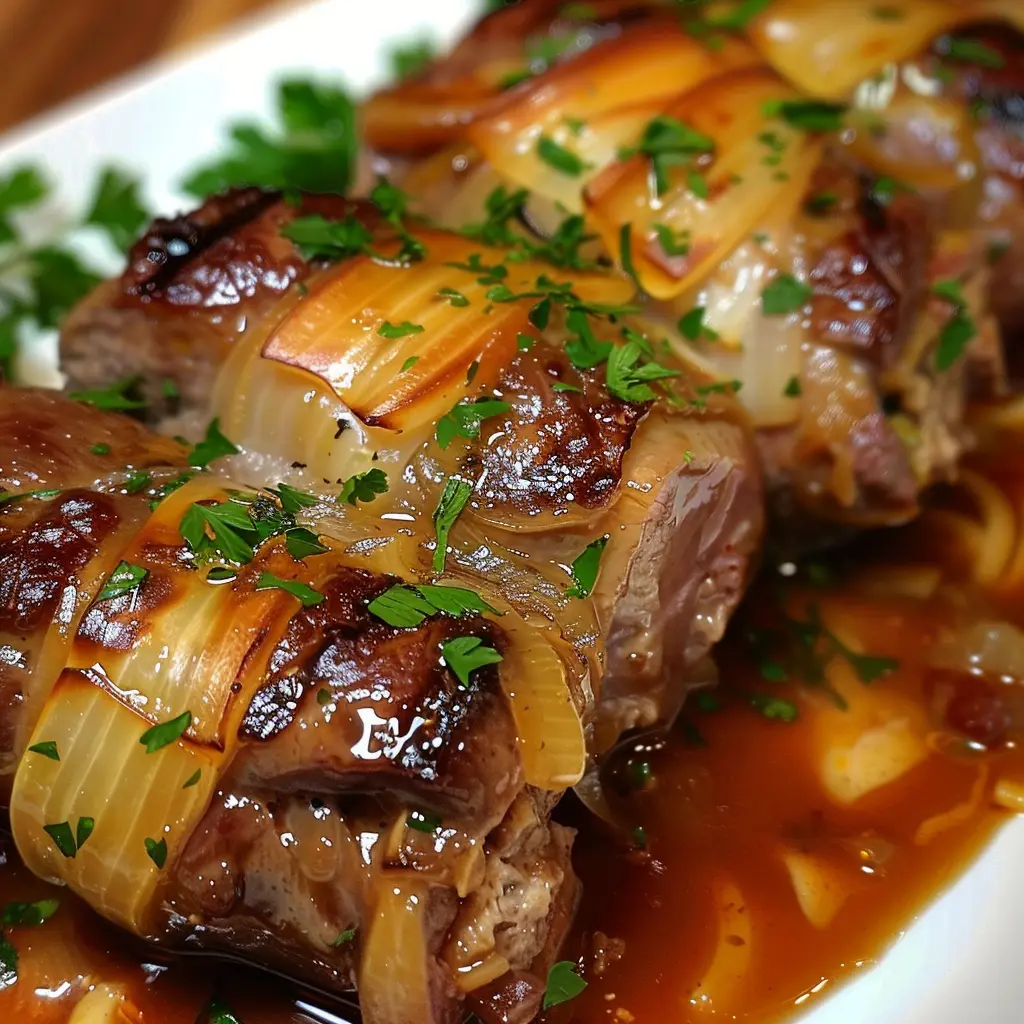
The Ultimate Guide to Authentic German Beef Rouladen
Before we dive into the rich history and intricate flavors, let’s set the table for what’s to come. This article is your definitive passport to mastering German Beef Rouladen. We’ll embark on a savory journey, unraveling the dish’s humble origins and its esteemed place as a national treasure. Furthermore, we’ll explore the fascinating regional twists that make this recipe a tapestry of German culture. Then, we’ll get our hands dirty with a detailed, step-by-step guide to creating the most tender, flavorful Rouladen in your own kitchen. Finally, we’ll discuss the all-important art of serving and pairing, ensuring your culinary creation is nothing short of perfection. So, grab your rolling pin and your appetite—let’s begin!
Introduction & Deep Dive into Tradition
German Beef Rouladen: A Savory Journey into the Heart of German Cuisine
Ah, German cuisine. Often, it’s immediately associated with hearty sausages and pretzels the size of your head; however, nestled within its robust culinary landscape lies a true crown jewel: Beef Rouladen. Imagine this: tender, whisper-thin slices of beef, lovingly wrapped around a pungent, savory filling, then slowly braised until they practically melt in your mouth. Ultimately, this dish is a masterpiece of texture and taste, a comforting embrace on a plate that speaks volumes about German family tradition.
More Than Just a Meat Roll: Unwrapping a National Treasure
Now, don’t let its simple appearance fool you. This isn’t just some random meat roll! Conversely, Rouladen represent something far greater. They are a culinary heirloom, a dish steeped in generations of Sunday dinners and festive gatherings. In essence, each roll tells a story of resourcefulness, family, and the profound comfort of slow-cooked food.
What Are Rouladen? A Definition of Deliciousness
So, what exactly are we talking about? Fundamentally, German Beef Rouladen (or Rinderrouladen) are a classic comfort food dish. Traditionally, they consist of thin slices of beef—often top round or bottom round—that are pounded even thinner. Subsequently, each slice is slathered with a good, strong mustard, then topped with strips of bacon, chopped onions, and a tangy pickle spear. After that, the magic happens: the whole thing is carefully rolled up, secured with kitchen twine or toothpicks, and seared to a beautiful brown. Finally, and this is the most crucial step, the rolls are gently braised in a rich broth for hours until they achieve a state of sublime tenderness. The result? A spectacularly flavorful main course, famously served with a glorious, gravy-soaked mountain of potato dumplings or buttery mashed potatoes and a side of sweet-and-sour red cabbage. Honestly, it’s a symphony on a fork.
The Cultural Significance of Rouladen in Germany
Beyond the ingredients, Rouladen hold a deep cultural significance in Germany. For countless families, this dish is the undisputed star of the Sonntagsbraten, or Sunday roast. Picture this: the family gathered around the table, the air filled with the incredible aroma of braised meat and spices, a weekly ritual of togetherness. Moreover, during the colder months and around holidays like Christmas, this meal transforms into a centerpiece of celebration. Interestingly, while it’s a dish known across the country, its preparation is a topic of friendly debate—a testament to its beloved status. From the Rhineland to Bavaria, every Oma (grandmother) has her own “secret” method, making it a truly personal and cherished recipe passed down through the generations. It’s not just food; it’s a taste of home.
History, Regional Variations, and Ingredients
The History and Evolution of a German Classic
From Humble Beginnings to National Icon
Believe it or not, this regal dish likely started with remarkably humble beginnings. Originally, it was a brilliant example of nose-to-tail cooking and frugality. Butchers and home cooks discovered that tougher, less expensive cuts of beef could be transformed into something extraordinary. How? By pounding them thin, stuffing them with flavorful yet inexpensive ingredients like onions and pickles, and then cooking them low and slow. This method tenderized the meat and created an incredibly rich sauce—a true two-for-one triumph! Over time, as its popularity soared, it shed its purely practical skin and evolved into the celebrated national icon it is today, a staple on restaurant menus and home tables alike.
A Tapestry of Taste: Regional Variations of Rouladen Across Germany
One of the most fascinating aspects of this dish is its lack of a single, rigid recipe. In fact, traveling across Germany is like unwrapping different versions of the same delicious gift. The core concept remains, but the fillings sing with regional accents.
The Rhineland Rouladen: A Touch of Sweetness
Heading to the western regions like the Rhineland, you might encounter a surprising, sweet twist. Here, it’s not uncommon to find a few raisins or even a very thin slice of apple nestled inside the roll alongside the savory bacon. This addition provides a subtle, fruity sweetness that beautifully cuts through the richness of the meat and gravy, showcasing the region’s inventive palate.
Swabian and Bavarian Influences: Hearty and Robust
Down south in Swabia and Bavaria, the approach is typically hearty and robust. While the classic ingredients remain, some cooks might add a smear of liverwurst for an even deeper, earthier flavor. Others might be far more generous with their mustard application, ensuring each bite has a serious, pungent kick. It’s a bold, no-nonsense style that matches the character of the Alpine regions perfectly.
Northern German Styles: Often Simpler, Always Savory
Conversely, Northern German styles often favor a simpler, more straightforward approach. The focus is squarely on the savory notes of the mustard, bacon, and onions, sometimes omitting the pickle entirely or using a different type of vinegar-based condiment. The gravy, however, remains non-negotiable—it’s always rich, dark, and plentiful.
Beyond Beef: The Pork Rouladen (Rinderrouladen vs. Schweinerouladen)
Wait, is it always beef? Absolutely not! While Rinderrouladen (from Rind, meaning beef) is the most famous version, Schweinerouladen (from Schwein, meaning pork) is also a beloved variant, especially in areas where pork is predominant. These are often made with thin pork cutlets and can be just as delicious, sharing a close relation to dishes like the Czech Španělský ptáček.
Deconstructing the Dish: The Essential Ingredients Breakdown
Alright, so you’re ready to cook. But first, let’s break down the cast of characters. Using the right ingredients isn’t just a suggestion; it’s the secret to authentic flavor.
The Foundation: Choosing the Right Cut of Beef
This is where everything begins. You simply cannot make great Rouladen with the wrong cut of meat.
Why Tenderness and Thinness are Non-Negotiable
The ideal cuts are lean, large, and thin. Top round (Oberschale) or bottom round (Unterschale) are the traditional champions. Luckily, many German butchers or specialty markets sell meat pre-sliced and labeled specifically as Rouladen or Rouladenfleisch. These slices are perfect—about ¼ inch thick and roughly the size of a large piece of paper. If you can’t find these, fear not! Simply buy a whole top-round roast and ask your butcher to slice it very thin for you, or carefully slice it yourself against the grain. Then, place the slices between two pieces of plastic wrap and gently pound them with a meat mallet until they are even thinner and larger. This step is crucial; it ensures tenderness and makes the beef pliable enough to roll without cracking.
The Flavorful Filling: A Symphony of Savory Notes
Now for the fun part: the filling! Each component plays a critical role in building layers of flavor that meld together during the long braise.
-
The Mustard: Sweet vs. Spicy German Mustard: This is your first layer of flavor. While Dijon works in a pinch, a good German mustard is truly what you want. Mittelscharf (medium hot) is a fantastic all-rounder, providing a sharp, tangy base without overwhelming heat. Some regions, however, prefer a sweeter variety. Honestly, the choice is yours—it’s a great way to personalize the dish!
-
The Bacon: The Key to Fat and Smokiness: Next up, bacon! Traditionally, Germans use geräucherter Speck (smoked bacon) or Bauchspeck (pork belly). Its job is twofold: it renders fat during cooking, basting the beef from the inside, and it provides an irreplaceable smoky, salty depth. If you can’t find German bacon, a good-quality, thinly sliced smoked bacon is a perfect substitute.
-
The Aromatic Trinity: Onions, Pickles, and More: Finely chopped yellow onions are essential for their sweet, aromatic quality. And then there’s the pickle—the real star of the show. You must use German Gewürzgurken (spicy pickles) or another firm, vinegar-brined pickle. Their tangy, crisp texture is iconic and prevents the dish from being too heavy. Some recipes also include a strip of carrot or even some minced meat for extra heartiness.
-
The Secret Weapons: Enhancing Your Rouladen: Feel like experimenting? A pinch of paprika sprinkled over the mustard adds a warm, subtle note. A few juniper berries tossed into the braising liquid can impart a classic, piney German flavor. Don’t be afraid to make it your own!
The Cooking Process & Recipe
Crafting Perfection: A Step-by-Step Guide to Authentic German Rouladen
Alright, enough talk—let’s get cooking! This process is a labor of love, but I promise you, the results are worth every single second.
Preparation: Assembling Your Culinary Masterpiece
First, lay your pounded beef slices on a clean work surface. Season both sides generously with salt and freshly ground black pepper. Then, spread a thin, even layer of mustard over one side of each slice, leaving a small border around the edges. Next, place one or two strips of bacon lengthwise on each slice, followed by a generous sprinkle of chopped onions. Finally, place one pickle spear (or a few cornichons if your slices are smaller) at one end. Now, carefully but firmly, roll up the beef jelly-roll style, starting from the end with the pickle. Tuck in the sides as you go to keep all those delicious fillings locked inside. Secure the rolls with kitchen twine or sturdy toothpicks. Seriously, don’t skip this step; a unraveled Roulade is a sad sight!
The Art of Browning: Building a Flavor Foundation
This step is non-negotiable. Why? Because browning equals flavor. Heat a tablespoon of oil or clarified butter in a heavy-bottomed, oven-safe pot or Dutch oven over medium-high heat. Once the oil is shimmering, add the rolls in batches—don’t crowd the pan! Sear them on all sides until they develop a beautiful, deep brown crust. This process, known as the Maillard reaction, creates a foundation of incredibly rich flavor that will infuse the entire dish and, most importantly, the gravy. This should take about 6-8 minutes total per roll. Once they’re all beautifully seared, set them aside on a plate.
The Low and Slow Braise: Where the Magic Happens
Here’s where the transformation happens. This slow cooking method turns a tough cut into a tender, succulent masterpiece.
Crafting the Perfect Braising Liquid
Using the same pot, toss in your remaining chopped onions and perhaps a chopped carrot and celery stalk. Sauté them for a few minutes until they soften and pick up all the browned bits (the fond) from the bottom of the pot. This fond is liquid gold! Now, pour in your liquid. A good beef broth is essential. For extra depth, you can use a combination of broth and a non-alcoholic substitute like a rich mushroom broth or even a little brewed black tea. Pour in enough liquid to come about halfway up the sides of the rolls when you return them to the pot.
The Traditional Cooking Vessel: From Stovetop to Oven
Now, gently place the seared Rouladen back into the pot, nestling them in snugly. Bring the liquid to a gentle simmer. Then, you have two fantastic options: you can cover the pot and let it simmer very gently on the stovetop for about 1.5 to 2 hours, or you can cover it and transfer it to a preheated oven at 150°C (300°F). The oven method provides wonderfully even, all-around heat, preventing any hot spots.
How to Tell When Your Rouladen Are Perfectly Tender
You’ll know they’re done when a fork or a skewer can be inserted into the meat with almost no resistance. The beef should be fork-tender, meaning it’s practically falling apart. At this point, carefully remove the rolls from the pot, place them on a platter, and tent them with foil to keep warm. Whatever you do, don’t throw out that braising liquid! It’s about to become the star of the show.
The Grand Finale: Creating the Iconic Gravy (Soße)
A Rouladen without its gravy is like a king without his crown—incomplete. This step is sacred.
First, strain the braising liquid through a fine-mesh sieve into a bowl, pressing on the vegetables to extract all their flavor. Discard the solids. Now, in the same pot, melt a few tablespoons of butter over medium heat. Whisk in an equal amount of all-purpose flour to create a smooth paste, or roux. Cook this roux for a few minutes until it turns a light golden color, whisking constantly to prevent burning. This cooks out the raw flour taste. Then, gradually whisk in the strained braising liquid. Bring this mixture to a simmer, and watch as it magically thickens into a luxurious, velvety gravy. Let it bubble gently for 5-10 minutes to reach the perfect consistency. For an extra layer of flavor, stir in a tablespoon of tomato paste or a splash of non-alcoholic grape juice for a touch of acidity and sweetness. Season generously with salt and pepper. Finally, return the Rouladen to the pot to warm through in that glorious sauce.
Part 4: Serving, Pairing, and FAQs
The Art of Serving: Traditional Pairings and Presentations
Presenting your Rouladen is the final act of this culinary play. Doing it right elevates the entire experience from a simple meal to a memorable feast.
The Perfect Plate: Classic German Accompaniments
The goal of the sides is to complement the rich, savory meat and, most importantly, to soak up every last drop of that incredible gravy.
-
Potatoes: The Undisputed Champion: This is non-negotiable. Creamy, buttery mashed potatoes(Kartoffelpüree) are a classic choice, creating the perfect bed for the gravy. Potato dumplings(Kartoffelklöße) are another iconic partner—their soft, pillowy texture is a heavenly contrast. Even simple boiled potatoes or buttery Spätzle (soft egg noodles) work beautifully.
-
Red Cabbage: A Sweet and Tangy Contrast: Braised red cabbage (Rotkohl or Blaukraut) is the traditional and perfect side. Its sweet, tangy, and spiced flavor profile cuts through the richness of the beef and gravy, cleansing the palate and providing a stunning pop of color on the plate.
-
Braised Cabbage: A Simple, Savory Alternative: If red cabbage isn’t your thing, simple braised green cabbage (Weißkohl) is a wonderful, savory alternative that still provides a lovely textural contrast.
-
A Modern Twist: Contemporary Serving Suggestions: While tradition is key, feel free to experiment! Roasted root vegetables like carrots and parsnips add a lovely caramelized sweetness. Buttered egg noodles or even a creamy polenta can be fantastic, non-traditional bases for your Rouladen and gravy.
Answering Your Rouladen Questions: The Ultimate FAQ
Frequently Asked Questions About German Beef Rouladen
Let’s tackle some of the most common questions that pop up when making this iconic dish.
What cut of meat is best for Rouladen?
The best cuts are lean, tough, and large enough to roll, such as top round or bottom round. These cuts have the perfect structure for pounding thin and become incredibly tender through the long braising process. You can often find them pre-sliced as “rouladen cuts” at specialty markets. For more details, you can check out this guide to choosing the best braising cuts of beef.
Can I make Rouladen ahead of time?
Absolutely! In fact, many argue they taste even better the next day. Simply let the cooked Rouladen cool in their gravy, then store them in an airtight container in the refrigerator for up to 3 days. To reheat, gently warm them in a covered pot on the stovetop over low heat, adding a splash of broth if the gravy has thickened too much.
How do you thicken Rouladen gravy?
The traditional and best method is to make a roux (a mixture of equal parts butter and flour cooked together) and then whisk in the strained braising liquid. This creates a smooth, lump-free, and richly flavored gravy. A cornstarch slurry (cornstarch mixed with cold water) can be used in a pinch, but it can sometimes give the gravy a slightly glossier, less velvety texture.
What is the difference between Rouladen and Braciole?
While they look similar, they are from different culinary traditions. Rouladen are German, typically filled with mustard, bacon, onion, and pickle, and braised in a brown gravy. Braciole is Italian-American, often filled with cheese, breadcrumbs, herbs, and raisins, and is simmers in a tomato-based sauce.
Can I cook Rouladen in a slow cooker or Instant Pot?
You can! These modern tools are great for this slow-cooked dish. For both methods, always sear the rolls on the stovetop first to develop flavor. For a slow cooker, transfer the seared rolls and braising liquid to the crock and cook on Low for 6-8 hours. For an Instant Pot, use the “Sauté” function to sear, then add liquid and cook on High Pressure for 45-50 minutes, followed by a natural pressure release for 15 minutes.
Print
German Beef Rouladen
Description
German Beef Rouladen
Ingredients
For the rouladen:
-
6 thin slices beef top round (about ¼-inch thick, 6–8 inches long)
-
3 tbsp Dijon or German mustard
-
6 strips bacon
-
1 large onion, thinly sliced
-
3–4 dill pickles, sliced into thin spears
-
Salt & black pepper, to taste
-
2 tbsp vegetable oil (for browning)
For the gravy:
-
2 tbsp butter
-
1 carrot, chopped
-
1 celery stalk, chopped
-
1 onion, chopped
-
2 tbsp tomato paste
-
3 cups beef broth
-
1 cup red wine (optional, can sub more broth)
-
2 bay leaves
-
1 tsp dried thyme
To finish:
-
1 tbsp cornstarch mixed with 2 tbsp water (slurry, optional for thickening)
-
Fresh parsley, chopped (for garnish)
Instructions
-
Prepare the rouladen:
-
Lay beef slices flat, season with salt and pepper.
-
Spread each slice with mustard.
-
Place a strip of bacon, a few onion slices, and a pickle spear on each.
-
Roll tightly and secure with kitchen twine or toothpicks.
-
-
Brown the rouladen:
-
Heat oil in a large Dutch oven or heavy pot.
-
Brown beef rolls on all sides, then remove and set aside.
-
-
Make the braising base:
-
In the same pot, melt butter. Add carrot, celery, and onion, and cook until softened.
-
Stir in tomato paste and cook for 2 minutes.
-
Pour in red wine (if using) to deglaze, scraping up browned bits.
-
Add beef broth, bay leaves, and thyme.
-
-
Braise the rouladen:
-
Return beef rolls to the pot.
-
Cover and simmer gently for 1 ½ to 2 hours, until beef is tender.
-
-
Finish the gravy:
-
Remove rouladen and keep warm.
-
Strain the braising liquid, discard solids, and return liquid to the pot.
-
If desired, thicken with cornstarch slurry. Season with salt and pepper.
-
-
Serve:
-
Remove toothpicks/twine from rouladen.
-
Serve warm with gravy spooned on top.
-
Traditional sides: red cabbage, sauerkraut, spaetzle, or potato dumplings.
-