
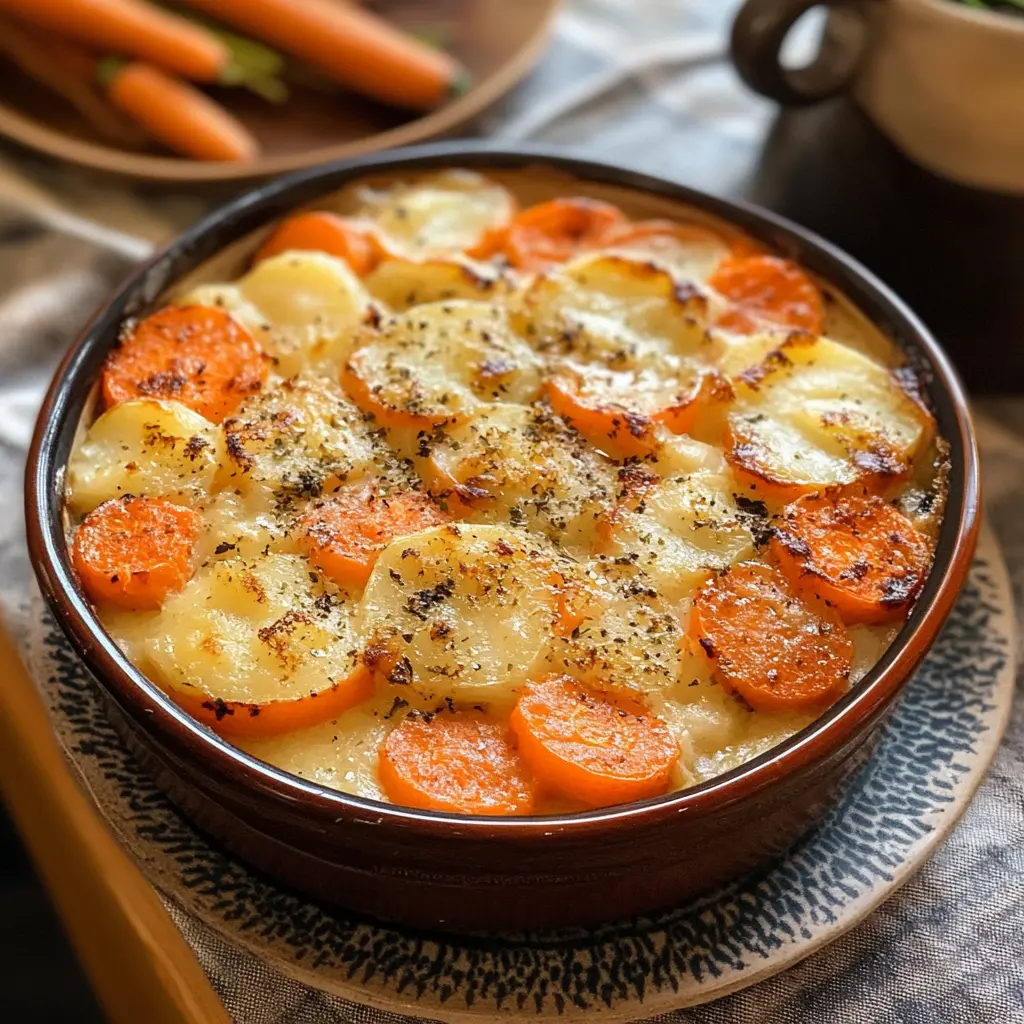
Gratin of Carrots & Root Vegetables: The Ultimate Comfort Food
Introduction: Why Make Gratin of Carrots & Root Vegetables?
Looking for a heartwarming, nutritious dish that celebrates the bounty of the season? Gratin of carrots & root vegetables is the ideal recipe for cozy dinners, festive gatherings, or anytime you crave comfort food with a feel-good twist. This timeless casserole transforms humble roots into a bubbling, golden masterpiece—developing deep, sweet flavors and luscious textures guaranteed to impress your family and guests. Root vegetable gratins are trending for fall and winter menus, making them a top choice for busy cooks and hearty appetites.
Not only do root vegetable gratins look gorgeous on the table, but they also pack a nutritional punch, thanks to the vitamins, minerals, and fiber found in each layer. Get ready to discover how to make the most of carrots, sweet potatoes, parsnips, beets, and more in this easy, satisfying, and SEO-optimized recipe guide.
What Is Gratin of Carrots & Root Vegetables?
Gratin of carrots & root vegetables is a classic baked dish rooted in French cooking. The word “gratin” describes the technique of baking ingredients with a topping—usually breadcrumbs or cheese—until golden and crispy. In our modern version, layers of sliced root vegetables are nestled in a creamy sauce, seasoned with herbs, and topped with a savory crust.
Key Features
-
Showcases seasonal vegetables like carrots, parsnips, sweet potatoes, rutabagas, and turnips.
-
Baked in a creamy mixture with cheese, garlic, and herbs for rich flavor.
-
Features a crisp, browned topping for contrast and extra appeal.
-
Adaptable to different dietary needs by swapping ingredients as needed.
Root vegetable gratin is beloved for its satisfying taste and elegant appearance—perfect for special occasions yet simple enough for a weeknight meal.
Essential Ingredients & Equipment
Choosing Your Root Vegetables
The beauty of gratin is its flexibility. The most popular roots for baking include:
-
Carrots: Add sweetness and vibrant orange color.
-
Sweet potatoes: Provide rich texture and a boost of beta-carotene.
-
Parsnips: Offer subtle earthiness and natural sweetness.
-
Beets: Add color and a hint of earth.
-
Rutabaga and turnips: Deliver mild sharpness and creamy texture in the final dish.
-
Potatoes: Offer familiar texture and help bind the layers.
Aim for a mix that balances flavors and colors. Choose roots that are firm, unblemished, and similar in size for even baking.
Other Must-Have Ingredients
A classic gratin also calls for:
-
Onion or leeks: Sauté for a sweet, aromatic base.
-
Garlic: Intensifies the savoriness.
-
Cheese: Parmesan, cheddar, provolone, or gruyere melt beautifully.
-
Cream or a cream-milk blend: Provides richness; use low-fat or dairy-free options if needed.
-
Herbs: Thyme, rosemary, and parsley pair well with roots.
-
Nutmeg or smoked paprika: Subtle but lifts overall taste.
-
Salt and black pepper: Essential for seasoning.
-
Breadcrumbs or panko (optional): Add crunch to the golden topping.
The Best Tools for Perfect Gratin
-
Sharp knife or mandoline slicer: For uniform slices.
-
Mixing bowls: For tossing vegetables with cream and seasonings.
-
Deep baking dish: Preferably ceramic or glass for even cooking.
-
Large sauté pan: To soften onions and leeks before assembling the gratin.
-
Aluminum foil: To prevent over-browning while baking.
Step-by-Step Recipe
Preparation Steps
-
Preheat oven to 375°F (190°C).
-
Wash, peel, and thinly slice all root vegetables—aim for 1/4-inch thickness for even cooking.
-
Finely slice onions and mince the garlic.
-
Sauté onion in olive oil until soft and golden.
-
In a large bowl, toss the root vegetable slices with half of the cream, garlic, salt, pepper, and chopped herbs.
-
Mix cheese and additional herbs into the remaining cream.
Layering and Baking Tips
-
Lightly grease a large baking dish with butter or olive oil.
-
Arrange a single layer of mixed root vegetables, slightly overlapping.
-
Sprinkle sautéed onions and a little cream-cheese mixture over the layer.
-
Repeat layering until all vegetables are used.
-
Pour remaining cream mixture evenly on top.
-
Sprinkle more cheese and, if using, seasoned breadcrumbs for extra crunch.
-
Cover dish loosely with foil.
Baking Instructions
-
Bake covered for 35–40 minutes, until vegetables are nearly tender.
-
Remove foil. Bake 20 minutes more, or until casserole is bubbling and the top is golden brown.
-
If desired, broil for 2–3 minutes for added crispness.
-
Let gratin rest for 10 minutes before serving—it cuts better and ensures flavors develop.
Variations and Creative Twists
Dairy-Free & Vegan Options
-
Replace cream with unsweetened oat, soy, or cashew creamer.
-
Use plant-based butter and cheese, or skip cheese altogether in favor of seasoned breadcrumbs.
Extra Flavor Ideas
-
Swap in leeks, fennel bulbs, or thinly sliced celery root for subtle differences.
-
Sprinkle ground mustard, nutmeg, or cumin for a twist on classic flavor.
-
Add thinly sliced apples or pears for a hint of sweetness.
Making It Kid-Friendly
-
Cut vegetables into fun shapes using small cookie cutters.
-
Reduce garlic if kids prefer milder flavors.
-
Use milder cheeses such as mozzarella for sensitive palates.
Nutrition Facts & Health Benefits
Macro and Micronutrient Highlights
Root vegetable gratin is as nourishing as it is delicious.
-
Rich in dietary fiber, supporting digestion and satiety.
-
Packed with vitamins A and C for immune support and skin health.
-
Delivers potassium, folate, and calcium to aid overall wellness.
-
Cheeses add some protein, while cream gives energy-boosting fats.
-
Colorful layers reflect a diversity of antioxidants—especially in carrots, sweet potatoes, and beets.
How Root Vegetable Gratin Supports Wellness
-
Sweet potatoes: High in beta-carotene for healthy vision.
-
Carrots: Excellent source of vitamin A and potassium.
-
Parsnips: Offer vitamin C and potassium.
-
Beets: Provide folate, iron, and antioxidants.
-
Provolone and cheddar: Add calcium for bone health.
If you need to reduce saturated fat, simply lighten the cream or use lower-fat cheese!

Serving Suggestions
Main Course vs Side Dish
-
Enjoy as a vegetarian main by pairing with a crisp salad and hearty bread.
-
Serve as a side alongside roasted meats, lentil loaf, or bean-based mains.
Pairing with Other Foods
-
Complement with bright green vegetables like Brussels sprouts or green beans.
-
Serve with tangy yogurt or herbed sour cream for contrast.
-
Round out a holiday table with cranberry sauce or a roasted apple compote.
Seasonal and Entertaining Tips
Make-Ahead and Freezer Strategies
-
Prepare the gratin up to 2 days ahead; store, tightly wrapped, in the refrigerator.
-
To freeze, assemble without baking, wrap tightly in plastic, and freeze up to one month. Thaw overnight in the fridge before baking as directed.
-
Reheat leftovers in a 325°F (160°C) oven until hot.
How to Present Gratin Beautifully
-
Use a decorative oven-to-table dish for visual impact.
-
Garnish with fresh chopped parsley or thyme after baking.
-
Serve in neat portions with a thin spatula for clean lines.
Troubleshooting & Gratin Mastery
Common Issues and Solutions
-
Soggy layers: Slice veggies thinly and don’t add too much liquid.
-
Uneven cooking: Use similar-sized slices and layer evenly.
-
Burned top: Cover loosely with foil after browning to prevent over-browning.
-
Watery texture: Salt vegetables lightly and allow to sit 10 minutes before baking.
Expert Tips for Success
-
Taste and adjust seasoning before baking; roots can be bland without enough salt.
-
For extra decadence, layer in small cubes of softened goat cheese or a sprinkle of gruyere.
-
Apply a light drizzle of olive oil to breadcrumbs for exceptional crunch.
Frequently Asked Questions (FAQs)
What is the best mix of root vegetables for gratin?
A great mix combines carrots, sweet potatoes, parsnips, and beets; add rutabaga or turnip for variety.
Can you make gratin ahead of time?
Yes! Assemble the gratin in advance and bake when needed. Leftovers reheat beautifully, making it perfect for meal prep.
How do you keep gratin from being watery?
Slice vegetables thinly, use firm roots, and avoid adding too much cream; a light salt before baking helps draw out excess moisture.
Is gratin of carrots & root vegetables healthy?
Absolutely. It’s full of fiber, vitamins, and antioxidants, especially when loaded with a mix of colorful vegetables.
What alternatives exist for those with dairy allergies?
Use unsweetened non-dairy creamer and vegan cheese or increase the amount of seasoned breadcrumbs for a dairy-free version.
Conclusion: Why Gratin of Carrots & Root Vegetables Belongs at Your Table
Gratin of carrots & root vegetables is more than a recipe—it’s a celebration of flavor, color, and nutrition that brings people together at the table. Every bite reveals creamy, comforting layers punctuated by a crisp golden top, making it a go-to dish in every season. By following the tips and variations provided, anyone can master this meal, whether seeking a hearty vegetarian main or a vibrant, crowd-pleasing side.
Print
Gratin of Carrots & Root Vegetables
Description
Gratin of Carrots & Root Vegetables
Ingredients
-
3 medium carrots, peeled and thinly sliced
-
2 medium parsnips, peeled and thinly sliced
-
1 medium sweet potato, peeled and thinly sliced
-
1 small turnip, peeled and thinly sliced (optional)
-
1 small onion, thinly sliced
-
2 cloves garlic, minced
-
1 cup heavy cream (or half-and-half for lighter version)
-
½ cup milk
-
1 tsp Dijon mustard
-
1 tsp fresh thyme leaves (or ½ tsp dried thyme)
-
½ tsp nutmeg
-
Salt & pepper to taste
-
1 cup grated Gruyère or Swiss cheese (or mix with Parmesan)
-
2 tbsp butter, for greasing
-
Optional topping: ¼ cup panko breadcrumbs mixed with 1 tsp olive oil
Instructions
-
Preheat oven:
Preheat to 375°F (190°C). Grease a 9×13-inch baking dish with butter. -
Prepare cream mixture:
In a bowl, whisk together cream, milk, Dijon mustard, garlic, thyme, nutmeg, salt, and pepper. -
Layer vegetables:
Arrange sliced carrots, parsnips, sweet potato, turnip, and onion in overlapping layers in the baking dish. Pour cream mixture evenly over vegetables. -
Add cheese & topping:
Sprinkle grated Gruyère over the top. Add breadcrumbs if using for a crunchy topping. -
Bake:
Cover with foil and bake 25 minutes. Remove foil and bake an additional 20–25 minutes until vegetables are tender and the top is golden and bubbling. -
Serve:
Let rest 5 minutes before serving. Garnish with fresh thyme if desired.
Cooking Time
-
Prep: 15 minutes
-
Cook: 45–50 minutes
-
Total: 60–65 minutes
Calories (Approx.)
250–300 calories per serving (serves 6)