
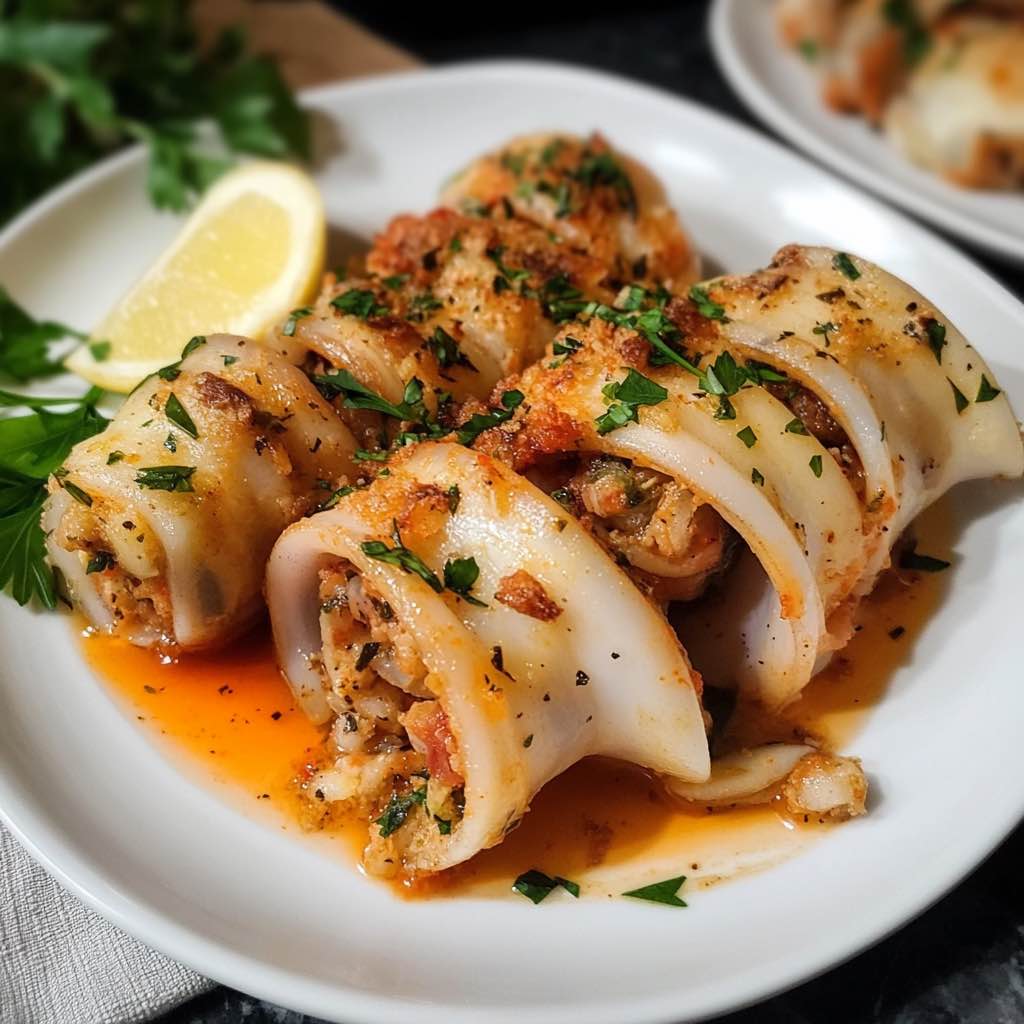
Greek Stuffed Calamari: The Ultimate Mediterranean Delight
Greek stuffed calamari represents one of the Mediterranean’s most cherished seafood traditions. This exquisite dish combines tender squid with aromatic herbs, rice, and traditional Greek ingredients. Moreover, it showcases the culinary artistry that has made Greek cuisine famous worldwide. The preparation of Greek stuffed calamari requires patience and skill. However, the results are absolutely worth the effort for any home cook.
Table of Contents
History and Origins of Greek Stuffed Calamari
Greek stuffed calamari has deep roots in ancient Mediterranean cooking traditions. Therefore, understanding its history enriches the cooking experience significantly. The dish originated in coastal Greek islands where squid was abundantly available. Ancient Greeks developed sophisticated techniques for preparing seafood dishes.
Island communities, particularly in the Aegean Sea, perfected this culinary art. Furthermore, the combination of rice, herbs, and seafood reflects the agricultural and maritime heritage of Greece. Traditional fishing families passed down recipes through generations. Consequently, each family developed unique variations and secret ingredients.
Ancient Culinary Influences
The Romans also influenced Greek stuffed calamari preparation methods. However, Greek cooks maintained their distinctive approach to seasoning and stuffing. Archaeological evidence suggests that stuffed seafood dishes existed in ancient Greece. Additionally, trade routes brought exotic spices that enhanced traditional recipes.
Essential Ingredients for Authentic Greek Stuffed Calamari
Creating authentic Greek stuffed calamari requires specific ingredients that capture traditional Mediterranean flavors. Therefore, sourcing quality components is absolutely crucial for success. The foundation of any excellent recipe lies in fresh, high-quality squid. Additionally, aromatic herbs and proper rice selection make significant differences.
Primary Ingredients
-
Fresh squid (calamari) – 2 pounds medium-sized squid
-
Arborio or short-grain rice – 1 cup uncooked
-
Extra virgin olive oil – 1/2 cup high-quality Greek olive oil
-
Yellow onions – 2 medium onions, finely diced
-
Fresh tomatoes – 3 large ripe tomatoes, grated
-
Fresh parsley – 1/2 cup chopped
-
Fresh dill – 1/4 cup chopped
-
Fresh mint – 2 tablespoons chopped
Aromatic Components
The aromatic profile of Greek stuffed calamari depends heavily on traditional herbs. Moreover, these ingredients create the distinctive Mediterranean flavor profile. Fresh herbs always produce superior results compared to dried alternatives.
-
Pine nuts – 1/4 cup toasted
-
Garlic cloves – 4 large cloves, minced
-
Bay leaves – 2 whole leaves
-
Black pepper – freshly ground
-
Sea salt – coarse Greek sea salt preferred
-
Lemon juice – from 2 fresh lemons
Optional Flavor Enhancers
Some regional variations include additional ingredients for enhanced complexity. However, traditional recipes focus on simplicity and quality ingredients. These optional components can elevate your Greek stuffed calamari significantly.
Step-by-Step Preparation Guide
Preparing Greek stuffed calamari requires careful attention to detail and proper timing. Therefore, following systematic steps ensures consistently excellent results. The preparation process involves several distinct phases. Furthermore, each step contributes to the final dish’s success.
Cleaning and Preparing the Squid
First, proper squid preparation is absolutely essential for tender results. Moreover, thorough cleaning removes any unpleasant flavors or textures. Start by removing the tentacles from the squid body. Additionally, pull out the transparent quill from inside each squid.
Rinse the squid bodies under cold running water thoroughly. Then, remove the outer skin by gently peeling it away. Furthermore, check for any remaining cartilage or debris inside. Finally, pat the squid completely dry with paper towels.
Creating the Rice Stuffing
The stuffing represents the heart of authentic Greek stuffed calamari. Therefore, preparing flavorful filling requires proper technique and timing. Heat olive oil in a large skillet over medium heat. Then, sauté the diced onions until they become translucent.
Add minced garlic and cook for an additional minute. Next, incorporate the grated tomatoes and cook until reduced. Furthermore, add the rice and stir to coat with the aromatic mixture. Season with salt, pepper, and fresh herbs generously.
Assembly Process
Stuffing the squid requires gentle handling to prevent tearing. Moreover, proper filling technique ensures even cooking throughout. Fill each squid body about two-thirds full with the rice mixture. Then, secure the opening with toothpicks or small skewers.
Leave adequate space for the rice to expand during cooking. Additionally, avoid overstuffing which can cause the squid to burst. Handle the stuffed calamari carefully during transfer to cooking vessels.
Traditional Greek Stuffing Variations
Regional Greek variations of stuffed calamari reflect local ingredients and preferences. Therefore, exploring different stuffing options adds exciting diversity to your cooking. Island communities developed unique combinations based on available resources. Furthermore, seasonal ingredients influence traditional recipe variations significantly.
Aegean Island Style
Aegean island variations often include local cheeses and seafood additions. Moreover, these recipes reflect the abundant marine resources available. Some versions incorporate small pieces of local fish or shrimp. Additionally, island cooks frequently add crumbled feta cheese for extra richness.
Mainland Greek Variations
Mainland Greek versions typically emphasize agricultural products and herbs. However, the fundamental preparation methods remain consistent across regions. Some recipes include chopped almonds or walnuts for texture. Furthermore, certain areas add raisins for subtle sweetness contrast.
Modern Adaptations
Contemporary Greek cooks have adapted traditional recipes for modern kitchens. Therefore, some variations accommodate dietary restrictions and preferences. Vegetarian versions substitute pine nuts and vegetables for meat additions. Additionally, some recipes incorporate quinoa instead of traditional rice.
Cooking Methods and Techniques
Mastering proper cooking techniques is crucial for perfect Greek stuffed calamari. Therefore, understanding different methods helps achieve optimal results consistently. Traditional Greek cooks employ various approaches depending on available equipment. Furthermore, each technique produces slightly different textures and flavors.
Traditional Stovetop Method
The stovetop method represents the most traditional approach to cooking stuffed calamari. Moreover, this technique allows for precise temperature control throughout cooking. Place the stuffed squid in a heavy-bottomed pot with olive oil. Then, add enough water or broth to partially cover the calamari.
Bring the liquid to a gentle simmer over medium heat. Additionally, cover the pot to retain moisture during cooking. Cook for approximately 45-60 minutes, depending on squid size. Furthermore, turn the calamari occasionally to ensure even cooking.
Oven-Braised Technique
Oven braising produces exceptionally tender results with minimal hands-on attention. Therefore, this method works excellently for larger quantities or dinner parties. Preheat your oven to 350°F (175°C) for optimal results.
Place the stuffed calamari in a covered baking dish. Then, add olive oil, tomato sauce, and aromatics around the squid. Cover tightly with foil or a proper lid. Furthermore, braise for 60-75 minutes until completely tender.
Grilling Variations
Some Greek cooks prefer grilling stuffed calamari for smoky flavor enhancement. However, this method requires careful attention to prevent overcooking. Pre-cook the rice stuffing partially before stuffing the squid. Then, grill over medium heat for 15-20 minutes total.
Turn the calamari frequently to prevent burning or sticking. Additionally, brush with olive oil and lemon juice during grilling. Furthermore, monitor internal temperature to ensure proper doneness throughout.
Wine Pairings and Serving Suggestions
Greek stuffed calamari pairs beautifully with traditional Mediterranean wines and accompaniments. Therefore, proper pairing enhances both the dish and beverage significantly. The rich, herb-infused flavors complement various wine styles excellently. Furthermore, thoughtful presentation elevates the entire dining experience.
Traditional Greek Wine Pairings
Assyrtiko from Santorini provides excellent acidity to balance the rich stuffing. Moreover, this crisp white wine complements the seafood components perfectly. Roditis offers another excellent white wine option with herbal notes. Additionally, these indigenous Greek varieties authentically complement traditional flavors.
For red wine preferences, light Agiorgitiko works wonderfully with herb-heavy preparations. Furthermore, the wine’s moderate tannins don’t overpower the delicate squid flavors.
Serving and Presentation
Present Greek stuffed calamari on warmed plates for optimal temperature retention. Therefore, proper plating techniques enhance visual appeal significantly. Slice each stuffed squid into rounds to showcase the colorful filling. Then, arrange the pieces in an overlapping pattern on each plate.
Drizzle high-quality olive oil around the plate for added richness. Additionally, garnish with fresh herbs and lemon wedges for brightness. Furthermore, serve with crusty Greek bread to complete the traditional experience.
Complementary Side Dishes
Traditional Greek sides enhance the stuffed calamari experience significantly. Moreover, selecting appropriate accompaniments creates balanced, satisfying meals. Consider serving horiatiki (Greek village salad) for fresh contrast. Additionally, roasted vegetables with olive oil and herbs work excellently.
Simple Greek-style green beans provide excellent vegetable accompaniment options. Furthermore, creamy Greek yogurt with herbs offers cooling contrast to rich flavors.
Nutritional Benefits and Health Aspects
Greek stuffed calamari offers numerous nutritional benefits within Mediterranean diet principles. Therefore, understanding these advantages encourages regular inclusion in healthy meal planning. Squid provides high-quality protein with relatively low calories. Furthermore, the dish incorporates multiple beneficial Mediterranean ingredients.
Protein and Mineral Content
Fresh squid delivers complete protein with all essential amino acids. Moreover, it provides significant amounts of selenium, phosphorus, and vitamin B12. The rice component adds complex carbohydrates for sustained energy. Additionally, olive oil contributes healthy monounsaturated fats throughout.
Mediterranean Diet Benefits
This dish exemplifies healthy Mediterranean eating patterns perfectly. Therefore, regular consumption supports cardiovascular health and longevity. The abundant herbs provide antioxidants and anti-inflammatory compounds. Furthermore, the cooking methods preserve nutritional integrity effectively.
Caloric Considerations
Greek stuffed calamari provides satisfying nutrition without excessive calories when prepared traditionally. However, portion control remains important for weight management goals. A typical serving contains approximately 300-400 calories depending on preparation. Additionally, the high protein content promotes satiety and metabolic benefits.
Common Mistakes and How to Avoid Them
Understanding common preparation mistakes helps ensure consistent success with Greek stuffed calamari. Therefore, learning from typical errors saves time and prevents disappointment. Even experienced cooks occasionally encounter challenges with this dish. Furthermore, awareness of potential problems enables proactive solutions.
Overcooking Issues
Overcooking represents the most frequent mistake in calamari preparation. Moreover, tough, rubbery texture results from excessive cooking time or temperature. Monitor cooking progress carefully and test for doneness regularly. Additionally, squid cooks relatively quickly once proper temperature is reached.
Use gentle heat throughout the cooking process consistently. Furthermore, remember that squid continues cooking slightly after heat removal.
Stuffing Problems
Overstuffing causes squid to burst during cooking frequently. Therefore, fill each squid only two-thirds full maximum capacity. The rice expands significantly during cooking and needs adequate space. Additionally, secure openings properly but not too tightly.
Under-seasoning the stuffing creates bland, disappointing results unfortunately. Moreover, taste the filling before stuffing and adjust seasonings accordingly. Remember that flavors develop and concentrate during cooking processes.
Temperature Control
Excessive heat causes squid to become tough and unpalatable. However, insufficient cooking leaves the texture chewy and unappealing. Maintain steady, moderate temperatures throughout the cooking process. Additionally, avoid rapid temperature changes that stress the protein structure.
Regional Greek Variations
Different Greek regions have developed distinctive approaches to preparing stuffed calamari. Therefore, exploring these variations adds depth to your culinary repertoire. Island communities often emphasize local seafood and produce heavily. Furthermore, mainland regions incorporate agricultural products more prominently.
Cycladic Island Preparations
Cycladic islands frequently add local capers and sun-dried tomatoes to stuffing mixtures. Moreover, the abundant sunshine creates intensely flavored dried ingredients. Some variations include local cheese varieties for enhanced richness. Additionally, island cooks often use local wine in cooking liquids.
Crete’s Unique Approach
Cretan versions sometimes incorporate local rusks (paximadia) instead of rice. Furthermore, the island’s excellent olive oil features prominently in preparations. Some recipes add indigenous herbs found only on Crete. Additionally, Cretan cooks often include local graviera cheese in stuffing.
Peloponnese Variations
Peloponnese regions often emphasize agricultural ingredients like olives and nuts. Moreover, these variations reflect the area’s rich farming traditions. Some recipes incorporate local wine varieties in cooking processes. Furthermore, the region’s excellent olive oil enhances every component.
Storage and Reheating Tips
Proper storage techniques maintain quality and safety of prepared Greek stuffed calamari. Therefore, following correct procedures prevents foodborne illness and preserves flavors. Cooked calamari requires careful handling due to its seafood nature. Furthermore, reheating methods significantly impact final texture and taste.
Refrigeration Guidelines
Store leftover Greek stuffed calamari in refrigerator within two hours of cooking. Moreover, use airtight containers to prevent flavor absorption from other foods. Consume refrigerated leftovers within 2-3 days for optimal quality. Additionally, ensure proper refrigeration temperature of 40°F or below consistently.
Freezing Considerations
Freezing is possible but affects texture quality somewhat negatively. However, proper freezing techniques minimize quality degradation effectively. Wrap individual portions tightly in plastic wrap before freezing. Furthermore, use freezer bags to prevent freezer burn development.
Reheating Methods
Gentle reheating preserves texture better than high-heat methods. Therefore, use low oven temperatures or stovetop warming techniques. Add small amounts of liquid to prevent drying during reheating. Additionally, cover containers to retain moisture throughout the process.
Microwave reheating often produces uneven heating and tough textures. Furthermore, avoid this method when possible for best results.
Frequently Asked Questions
How do I know when Greek stuffed calamari is properly cooked?
Properly cooked Greek stuffed calamari should be tender when pierced with a fork. Moreover, the squid should have a slight translucent appearance rather than completely opaque. The stuffing should be heated through and the rice fully cooked. Additionally, internal temperature should reach 145°F for food safety.
Can I prepare the stuffing ahead of time?
Yes, you can prepare the rice stuffing up to one day in advance. However, store it in the refrigerator and bring to room temperature before using. This actually allows flavors to develop and meld together beautifully. Furthermore, advance preparation saves significant time during final assembly.
What size squid works best for Greek stuffed calamari?
Medium-sized squid, approximately 4-6 inches in body length, work ideally for stuffing. Moreover, these sizes provide adequate space for filling without being too large. Very small squid are difficult to stuff properly. Additionally, extremely large squid may require extended cooking times.
Is it necessary to remove the squid skin?
Removing the outer skin is highly recommended for better texture and appearance. Moreover, the skin can become tough during cooking if left on. However, some traditional preparations leave the skin intact. Furthermore, skinless squid absorbs flavors more effectively during cooking.
Can I substitute different grains for the rice?
Traditional Greek stuffed calamari uses short-grain rice for authentic texture. However, you can substitute quinoa, bulgur, or orzo pasta successfully. Moreover, cooking times may need adjustment with different grains. Furthermore, each substitution creates slightly different flavor and texture profiles.
Conclusion
Greek stuffed calamari represents a pinnacle of Mediterranean seafood cuisine that combines tradition, flavor, and nutritional benefits. This magnificent dish showcases the best of Greek culinary artistry through its careful balance of ingredients and techniques. Moreover, mastering this recipe connects you to centuries of coastal Greek cooking traditions.
The preparation process, while requiring patience and attention to detail, rewards home cooks with an exceptional dining experience. Furthermore, the versatility of Greek stuffed calamari makes it suitable for both casual family meals and elegant dinner parties. The combination of tender squid, aromatic rice stuffing, and traditional herbs creates unforgettable flavors.
Whether you choose traditional island variations or modern adaptations, this dish delivers authentic Mediterranean satisfaction. Additionally, the nutritional benefits align perfectly with healthy eating principles while providing indulgent flavors. The techniques and tips shared in this comprehensive guide enable consistent success in your kitchen.
We encourage you to try making Greek stuffed calamari at home and experiment with different regional variations. Share your cooking experiences and favorite modifications in the comments below. Furthermore, explore our related guides on Mediterranean seafood preparation for additional culinary inspiration. Your journey into authentic Greek cuisine starts with this remarkable dish that celebrates the sea’s bounty through time-honored traditions.
Greek stuffed calamari
Description
Ingredients
-
Cleaned calamari tubes (use extra tubes or tentacles for stuffing)
-
Medium grain rice, rinsed
-
Onion, finely diced
-
Garlic cloves, minced
-
Fresh tomatoes or tomato passata for sauce
-
Fresh herbs: parsley, mint, dill (chopped)
-
Lemon zest and juice
-
Olive oil
-
Salt, black pepper, dried oregano for seasoning
-
Water for baking sauce
Instructions
-
Prepare the Stuffing
-
Dice extra calamari tubes or tentacles into small pieces.
-
Sauté diced calamari with onions and garlic until fragrant and softened.
-
Add diced tomatoes, salt, pepper, oregano, rinsed rice, herbs, lemon zest, and lemon juice. Mix well and cook briefly to combine flavors.
-
-
Prepare the Sauce and Calamari
-
In a baking dish, mix tomato passata with olive oil and water to create a light sauce base.
-
Use toothpicks to seal the narrow open end of each cleaned calamari tube.
-
-
Stuff and Bake
-
Stuff each calamari tube with the prepared rice and calamari stuffing, leaving a little space for rice expansion.
-
Place stuffed tubes in the sauce, season with salt and pepper, and cover with foil.
-
Bake in a preheated oven at about 180°C (355°F) for 25 minutes. Remove foil and bake uncovered for another 15-20 minutes until tender.
-
-
Serve
-
Serve the stuffed calamari warm with plenty of the tomato sauce and crusty bread to soak it up.
-