
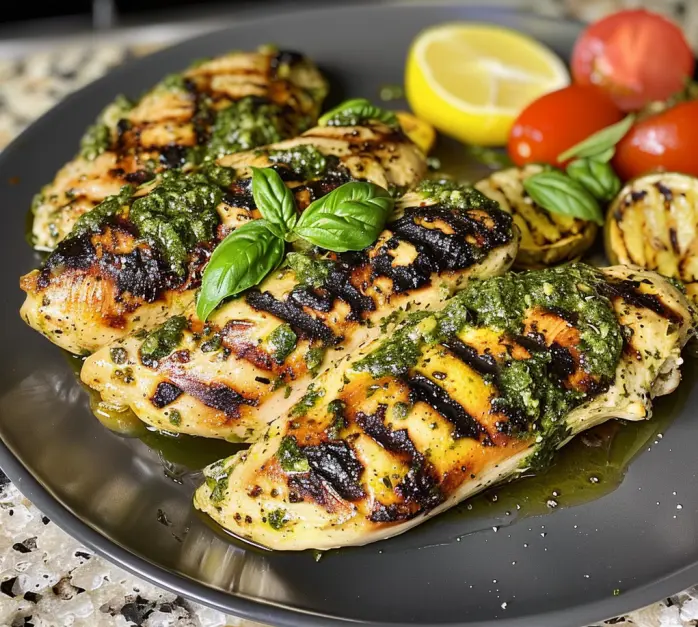
The Ultimate Guide to Grilled Pesto Chicken: Recipes, Tips & Tricks for Perfect Results
Ah, the sizzle of the grill. The unmistakable aroma of garlic and basil dancing on the summer breeze. That first bite of juicy, perfectly charred chicken, bursting with the vibrant, herbaceous flavor of pesto. This isn’t just another weeknight dinner; oh no, my friend, Grilled Pesto Chicken is a culinary experience—a stunningly simple yet impossibly delicious masterpiece that turns basic ingredients into something truly magical.
Frankly, this dish is the hero of summer gatherings and easy family meals alike. It combines lean, protein-packed chicken with the fresh, zesty punch of a classic Italian sauce, all kissed by that smoky flavor only a grill can provide. But how do you transform it from a good idea to a great plate of food? Well, that’s precisely why we’re here. This guide will walk you through every single step, unraveling the secrets to flawless execution, from crafting the perfect homemade pesto to mastering the grill like a seasoned pro. So, grab your apron, and let’s get started on this flavor journey.
Introduction and The Foundation of Flavor
Introduction: Why Grilled Pesto Chicken is a Culinary Masterpiece
Picture this: you’re at a backyard barbecue. The sun is warm, laughter fills the air, and then you hear it—the gentle hiss of grilled chicken meeting a vibrant, green pesto marinade. That sound, my friends, is the prelude to something extraordinary. This dish is far more than the sum of its parts; it’s a harmonious blend of simplicity and sophistication that deserves a standing ovation.
Firstly, it’s incredibly versatile. Whether you’re meal prepping for the week, impressing guests at a dinner party, or simply throwing together a quick dinner on a Tuesday, this recipe rises to the occasion. Moreover, it’s a fantastic healthy option, pairing lean protein with the good fats from olive oil and nuts. Ultimately, mastering Grilled Pesto Chicken means unlocking a world of flavor that feels both gourmet and utterly approachable. This guide promises to be your trusty companion, transforming you from a grilling novice into a bona fide backyard champion.
The Heart of the Dish: Deconstructing Pesto
Alright, let’s get to the soul of the operation: the pesto. You simply cannot talk about Grilled Pesto Chicken without paying homage to this magnificent sauce. Traditionally hailing from Genoa, Italy, pesto (which literally means “to pound” or “crush”) is a celebration of fresh, raw ingredients.
What is Pesto, Really?
At its core, authentic basil pesto is a vibrant emulsion—a glorious paste where each component plays a critical role. While that jar from the store is convenient, understanding the magic behind a homemade pesto recipe is a game-changer for your grilled chicken pesto recipe.
The Core Components of Traditional Basil Pesto
-
Fresh Basil: This is the undisputed star. For the best flavor, you absolutely must use fresh, vibrant leaves. Honestly, skip the dried stuff here; it just won’t pack the same aromatic punch. The quality of your basil directly dictates the vibrancy of your final dish.
-
Garlic: Next up, the pungent kick. Garlic provides that essential sharp, spicy backbone that cuts through the richness of the oil and cheese. Don’t be shy with it!
-
Pine Nuts: These little gems are all about adding richness and a creamy, almost buttery texture. Lightly toasting them beforehand, however, can unlock a deeper, nuttier flavor that elevates the entire sauce.
-
Parmesan Cheese: Welcome to the umami bomb. Parmesan cheese introduces a salty, savory depth that ties everything together. For the best results, always grate it yourself from a block—the pre-shredded stuff often contains anti-caking agents that can affect smoothness.
-
Extra Virgin Olive Oil: This is the liquid gold that binds the empire together. A good, fruity extra virgin olive oil doesn’t just create the sauce’s consistency; it also contributes its own distinct peppery flavor.
Store-Bought vs. Homemade Pesto: The Honest Truth
Now, let’s have a real talk. Using a store-bought pesto is undeniably convenient for a quick dinner. In a pinch, it’ll do the job. However, homemade is unquestionably superior in flavor and texture. You control the quality of every ingredient, the level of garlic, the saltiness—everything. For a truly show-stopping Grilled Pesto Chicken, taking those extra few minutes to make your own is the undisputed champion’s choice. The difference is night and day.
The Core Recipe and Cooking Methods
Your Step-by-Step Guide to the Perfect Grilled Pesto Chicken
Alright, enough talk—let’s get down to business! This step-by-step guide is your foolproof roadmap to grilling glory. Follow these instructions, and you’ll be serving up the most juicy, flavorful chicken of your life.
Gathering Your Arsenal: Ingredients & Equipment
First things first, you gotta have the right tools for the job. Here’s what you’ll need for four generous servings:
-
For the Chicken & Marinade:
-
4 boneless, skinless chicken breasts (or 6-8 thighs)
-
1 cup basil pesto (homemade or a high-quality store-bought brand), divided
-
2 tbsp lemon juice
-
1 tsp salt
-
½ tsp black pepper
-
-
Essential Equipment:
-
A gas grill or charcoal grill (a grill pan works in a pinch!)
-
Tongs (never pierce the chicken with a fork!)
-
Instant-read meat thermometer (your secret weapon for perfection)
-
Mixing bowls
-
Plastic wrap or a reusable zip-top bag
-
The Process: From Patio to Plate
-
Preparing the Chicken: This is the most crucial step for even cooking! Place your chicken breasts on a cutting board and cover them with plastic wrap. Using a rolling pin or meat mallet, gently pound them to an even ½-inch thickness. Not only does this prevent the dreaded dry-out, but it also creates more surface area for that delicious pesto to cling to. Afterwards, pat them completely dry with a paper towel—this is the key to getting a beautiful sear.
-
Marinating for Maximum Flavor: In a bowl, whisk together ¾ cup of the pesto with the lemon juice, salt, and pepper. Consequently, place the chicken in a dish or bag and pour the marinade over it, ensuring every inch is thoroughly coated. Now, cover it and let it hang out in the refrigerator. For optimal flavor, aim for at least 30 minutes, but honestly, even 15 will do something wonderful. You can marinate it for up to 4 hours, but be cautious—the acid in the lemon juice can start to break down the proteins and make the texture a bit mushy if you go much longer.
-
Prepping the Grill: Fire up your grill to a medium-high heat (around 375°F to 400°F). While it’s heating up, this is your moment—scrape those grates clean! Once they’re hot, carefully oil the grates by folding a paper towel, dipping it in a neutral oil like canola or avocado, and rubbing it over the grates with your tongs. This simple trick is your best defense against sticking.
-
The Grilling Process: Take the chicken from the marinade, letting any excess drip off. Discard the used marinade. Now, with confidence, place the chicken on the hot grill. Listen to that sizzle! Close the lid and let it cook for about 5-7 minutes. You’re waiting for those picture-perfect grill marks and for the chicken to release easily from the grates. Flip it once, then close the lid again and cook for another 5-7 minutes. Remember, we cook by temperature, not just time!
-
The Resting Period: This is non-negotiable! Use your instant-read meat thermometer to check that the thickest part of the chicken has reached an internal temperature of 165°F (74°C). Immediately upon reaching that temperature, take the chicken off the grill and transfer it to a clean plate. Tent it loosely with foil and let it rest for a full 5-10 minutes. This allows the juices to redistribute throughout the meat, guaranteeing every single bite is moist and tender.
Beyond the Grill: Alternative Cooking Methods
Don’t have a grill? No problem! This recipe is wonderfully adaptable.
-
Stovetop (Grill Pan or Skillet): Heat a tablespoon of olive oil in a cast-iron skillet or grill pan over medium-high heat. Cook the chicken for the same amount of time per side as you would on the grill, achieving a beautiful sear.
-
Oven-Baked Pesto Chicken: Preheat your oven to 400°F (200°C). Instead, sear the marinated chicken in a hot oven-safe skillet for 2-3 minutes per side to get some color. Then, transfer the entire skillet to the oven and bake for 15-20 minutes, or until the chicken reaches 165°F.
-
Air Fryer Pesto Chicken: For a quick and less messy option, your air fryer is a hero. Place the marinated chicken in the basket in a single layer. Cook at 375°F (190°C) for 12-15 minutes, flipping halfway through, until perfectly cooked through and slightly crispy on the edges.
Mastery, Variations, and Serving
Pro Tips for Grilled Pesto Chicken Perfection
You’ve got the basics down, but these pro tips will elevate your dish from “great” to “can I have your recipe?!”
-
How to Prevent Pesto from Burning: The herbs and garlic in pesto can burn easily over direct high heat. The solution? Use a two-stage approach. Use most of the pesto as a marinade, but save a portion of it (that fresh, uncooked pesto) to brush on the chicken after it has been flipped and is almost done cooking. This gives you that incredible fresh herb flavor without any bitterness from burning.
-
The Two-Stage Pesto Method: As mentioned, this is a game-changer. Marinate with one portion, then use reserved, fresh pesto as a finishing sauce. The flavor layers you get are incredible.
-
Using a Meat Thermometer: I cannot stress this enough. Guessing is a surefire way to end up with dry, overcooked chicken. A reliable digital thermometer is the only way to guarantee perfect doneness every single time. According to the official food safety guidelines for cooking poultry, 165°F is the safe internal temperature.
-
Letting the Chicken Rest: Seriously, don’t skip this! If you cut into the chicken immediately, all those precious juices you worked so hard to keep will just run out onto the cutting board. Patience is a virtue that is deliciously rewarded here.
Creative Variations to Keep It Exciting
Once you’ve mastered the classic, the world is your oyster! Here are some fantastic twists on the original Grilled Pesto Chicken.
-
Global Twist: Pesto Variations: The pesto world is your oyster!
-
Sun-Dried Tomato Pesto Chicken: Swap the basil pesto for a rich, tangy sun-dried tomato version. It’s a total flavor explosion.
-
Cilantro-Lime Pesto Chicken: Give it a Mexican flair by blending cilantro, lime juice, jalapeño, and pepitas (pumpkin seeds). It’s incredibly fresh and zesty.
-
Arugula and Walnut Pesto Chicken: Love a peppery kick? Arugula and walnuts make a brilliantly sharp and delicious pesto that stands up beautifully to the grill.
-
-
The Cheese Please: Turn your chicken into a melt-in-your-mouth experience. In the last minute of grilling, place a slice of mozzarella or provolone over each chicken breast, close the lid, and let it get all wonderfully melted and bubbly.
-
Pesto Chicken Skewers: Cut your marinated chicken into chunks and thread them onto skewers (if using wooden skewers, soak them in water for 30 minutes first!). They cook faster and are a huge hit at parties.
-
Stuff It: Feel like a real chef? Create a pocket in the side of a chicken breast and stuff it with a spoonful of pesto and a piece of mozzarella cheese. Secure it with a toothpick and grill as usual. You’ll be rewarded with a cheesy, herbaceous surprise in the center.
How to Serve Grilled Pesto Chicken: The Perfect Pairings
So your chicken is perfectly cooked—now what? Here’s how to build a memorable meal around it.
-
Side Dish Ideas:
-
Pasta: It’s a classic for a reason. Toss warm pasta or a cold pasta salad with a bit of olive oil or a dollop of pesto to complement the chicken.
-
Grilled Vegetables: Continue the grilling theme! Zucchini, bell peppers, asparagus, and red onions all caramelize beautifully alongside the chicken.
-
Fresh Salads: A simple Caprese salad (tomato, fresh mozzarella, basil) echoes the Italian flavors, or a light arugula salad with a lemon vinaigrette provides a refreshing contrast.
-
Grains: For a healthier option, serve it on a bed of fluffy quinoa, couscous, or farro. Don’t forget a hunk of crusty bread to sop up any extra pesto on the plate!
-
Practicalities and FAQs
Meal Prep and Storage Instructions
This recipe is a meal-prepper’s dream! Here’s how to keep your Grilled Pesto Chicken tasting fantastic.
-
How to Store Leftovers: Allow any leftover chicken to cool completely to room temperature. Then, store it in an airtight container in the refrigerator. It will stay fresh and delicious for 3 to 4 days.
-
How to Freeze It: Absolutely! Place cooled chicken in a single layer on a baking sheet to freeze individually, then transfer the frozen pieces to a freezer-safe bag or container. This prevents them from sticking together. It will keep well for up to 3 months. Thaw overnight in the refrigerator before reheating.
-
How to Reheat It Properly: The oven or air fryer is your best bet to avoid rubbery chicken. Reheat at 350°F (175°C) until just warmed through. You can also use the microwave, but do it in short bursts at a lower power setting to gently warm it without zapping all the moisture out.
Frequently Asked Questions (FAQs) About Grilled Pesto Chicken
Let’s tackle those burning questions you might have.
Can I use store-bought pesto for grilled chicken?
You absolutely can! It’s a great shortcut for a quick dinner. For the best results, look for a brand found in the refrigerated section, as it often has a fresher taste and better ingredient list than the shelf-stable jars.
How long should I marinate chicken in pesto?
For the best flavor, aim for at least 30 minutes and up to 4 hours. Marinating for much longer than that isn’t recommended because the acid in the lemon juice or vinegar in the pesto can start to break down the chicken proteins, giving it a mushy texture.
Why did my pesto burn on the grill? How can I prevent this?
Pesto burns easily because it contains fresh herbs and garlic that are sensitive to direct high heat. The best way to prevent this is to use the two-stage method: use pesto as a marinade, but then brush on a fresh, reserved portion of pesto in the last few minutes of cooking or even after the chicken comes off the grill.
What is the best cut of chicken to use for grilling with pesto?
Boneless, skinless chicken breasts are the most popular choice because they are lean and cook quickly. However, don’t overlook chicken thighs! They are more forgiving on the grill due to their higher fat content, resulting in incredibly juicy and flavorful meat every time.
Can I make this recipe dairy-free or vegan?
Yes, you can easily adapt it! For a dairy-free version, use a pesto made without Parmesan cheese (nutritional yeast is a great substitute for a cheesy flavor). For a vegan version, use a dairy-free pesto and substitute the chicken with thick slices of extra-firm tofu or cauliflower steaks. Marinate and grill using the same method!
What internal temperature should grilled chicken reach?
The USDA recommends that poultry should be cooked to a safe internal temperature of 165°F (74°C). This is the most accurate way to know your chicken is both safe to eat and perfectly cooked. Rely on a thermometer, not just the clock.
Conclusion: Your New Go-To Grilling Recipe
And there you have it! You are now armed with everything you need to know to conquer Grilled Pesto Chicken. From the secrets of a stellar homemade pesto to the foolproof grilling techniques and creative twists, this dish is ready to become a cornerstone of your cooking repertoire. It’s simple enough for a hectic weeknight yet impressive enough for your next summer soirée. So, fire up that grill, embrace the burst of fresh herbs, and get ready for the compliments to roll in. Your journey to grilling perfection starts now
Print
Grilled Pesto Chicken
Description
Grilled Pesto Chicken
Ingredients:
-
4 boneless, skinless chicken breasts (or thighs)
-
½ cup basil pesto (store-bought or homemade)
-
2 tbsp olive oil
-
1 tbsp lemon juice
-
2 cloves garlic, minced
-
Salt & black pepper, to taste
-
Optional garnish: fresh basil, Parmesan shavings, cherry tomatoes
Instructions:
-
Marinate chicken: In a bowl, mix pesto, olive oil, lemon juice, garlic, salt, and pepper. Coat chicken well and marinate for at least 30 minutes (up to overnight for best flavor).
-
Preheat grill: Heat to medium-high and lightly oil the grates.
-
Grill chicken: Cook chicken 5–6 minutes per side, until golden and internal temperature reaches 165°F (74°C).
-
Rest & serve: Let chicken rest 5 minutes before slicing. Garnish with fresh basil, Parmesan, and cherry tomatoes if desired.