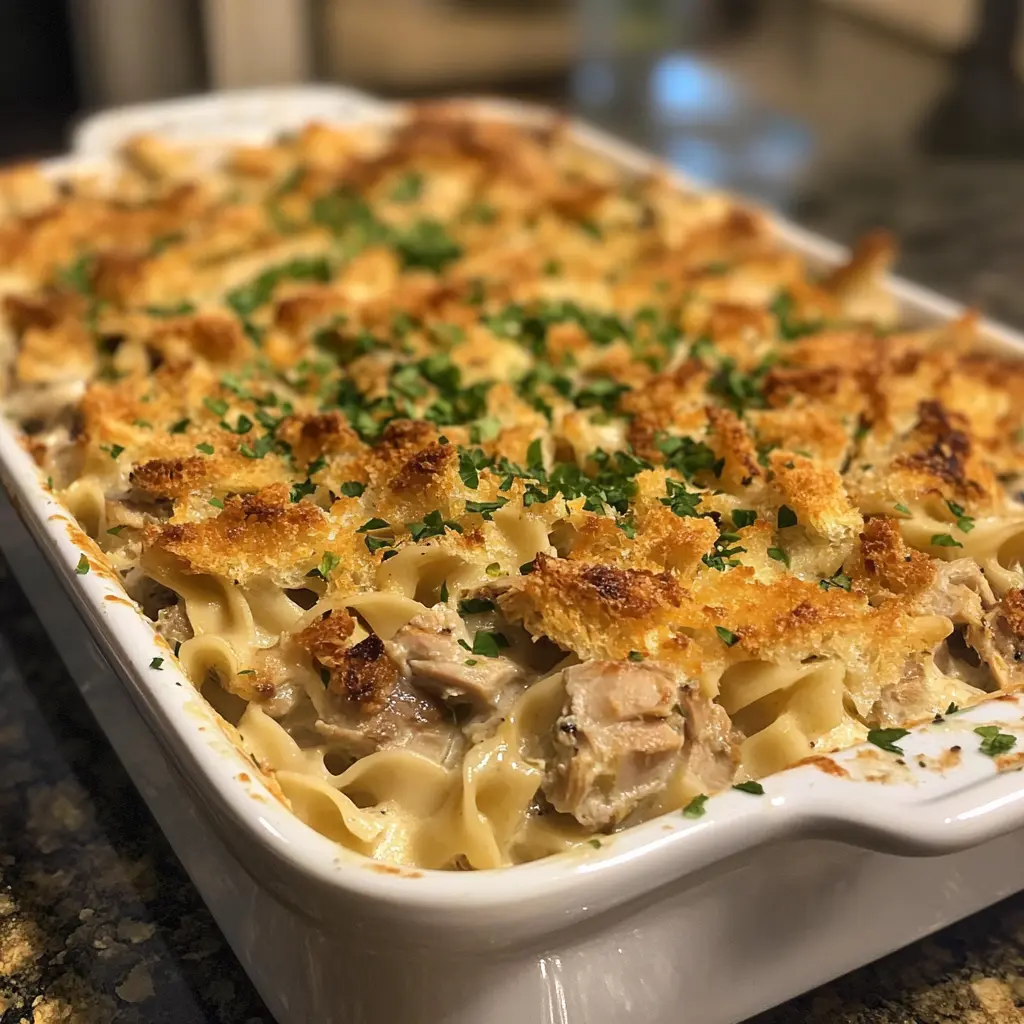
Healthy Tuna Noodle Casserole: A Nutritious Comfort Food Makeover
Healthy tuna noodle casserole transforms this beloved classic into a nutritious, family-friendly dinner without sacrificing the creamy, comforting flavors everyone loves. By swapping heavy ingredients for lighter alternatives and adding vegetables, you can enjoy this nostalgic dish guilt-free while boosting its nutritional value. Whether you’re feeding picky eaters or meal prepping for the week ahead, this upgraded version delivers on taste and health.
Why Choose Healthy Tuna Noodle Casserole
Traditional tuna casserole often relies on processed canned soups, which can contain high sodium levels and artificial additives. A healthy tuna noodle casserole recipe skips these shortcuts in favor of fresh, whole ingredients that you control. Additionally, making your sauce from scratch allows you to adjust the creaminess while reducing unnecessary fats and calories.
This lighter approach doesn’t mean compromising on flavor or comfort. You still get that rich, creamy texture that makes casseroles so satisfying. Furthermore, incorporating vegetables like spinach, bell peppers, and peas adds fiber, vitamins, and minerals to every serving.
Essential Ingredients for a Lighter Version
Creating a nutritious version starts with choosing the right components that balance health and taste.
Protein Foundation
Quality tuna serves as the protein cornerstone of this dish. Chunk light tuna packed in water provides lean protein while keeping calories low. Moreover, tuna delivers omega-3 fatty acids that support heart and brain health. Each serving typically contains around 20-27 grams of protein, making it filling and satisfying.
Smart Carbohydrate Choices
Whole wheat pasta or whole grain egg noodles replace refined white pasta, adding fiber and nutrients. These complex carbohydrates help maintain steady energy levels throughout the day. Alternatively, shell pasta, rotini, or penne work beautifully if you prefer different shapes.
Creamy Sauce Components
Building a from-scratch sauce requires just a few simple ingredients. Greek yogurt mixed with milk creates creaminess while adding protein and reducing fat. Low-sodium chicken broth dilutes the richness without compromising flavor. A small amount of butter or olive oil combined with flour creates the base for a smooth, velvety sauce.
Vegetable Add-Ins
Vegetables transform this casserole into a complete, balanced meal. Baby spinach wilts beautifully into the sauce, adding iron and vitamins. Frozen peas contribute sweetness and texture. Bell peppers and onions provide aromatic depth while increasing the vegetable content. Mushrooms offer an earthy, umami-rich element that many families love.
Flavor Enhancers
Simple seasonings make all the difference in this dish. Dijon mustard adds tanginess that brightens the creamy sauce. Garlic powder, black pepper, and fresh or dried thyme provide savory depth. Lemon juice brings acidity that balances the richness. Sharp cheddar cheese delivers bold flavor without needing excessive amounts.
Nutritional Benefits of This Dish
Healthy tuna noodle casserole offers impressive nutritional advantages that support overall wellness.
Omega-3 Fatty Acids for Heart Health
Tuna naturally contains EPA and DHA, two essential omega-3 fatty acids your body cannot produce. These compounds support cardiovascular health by helping maintain healthy blood pressure levels and promoting proper circulation. Research shows that consuming omega-3-rich fish twice weekly may reduce triglycerides and support heart rhythm regularity.
Brain Function Support
DHA, abundant in tuna, plays a crucial role in cognitive function and mental clarity. Regular omega-3 consumption has been linked to improved memory and focus. Additionally, studies suggest that adequate DHA intake may help protect against age-related cognitive decline.
Complete Nutrition Profile
A typical serving of healthy tuna casserole provides approximately 300-350 calories with balanced macronutrients. You’ll get around 23 grams of protein, 30 grams of carbohydrates, and 12 grams of fat per serving. The dish also delivers important micronutrients including vitamin A, vitamin C, calcium, iron, and potassium.
Muscle Recovery and Athletic Performance
The combination of lean protein and omega-3s makes this casserole excellent for post-workout recovery. Tuna provides approximately 25 grams of high-quality protein per serving, supporting muscle repair and growth. Furthermore, the anti-inflammatory properties of omega-3s help reduce muscle soreness and speed recovery time.
Step-by-Step Preparation Guide
Follow these straightforward steps to create your healthy casserole from scratch.
Prep Work
-
Preheat your oven to 375°F
-
Cook pasta according to package directions until al dente, then drain and rinse
-
Dice onions, celery, bell peppers, and mushrooms into small, uniform pieces
-
Drain canned tuna thoroughly and flake it with a fork
Building the Sauce
Heat olive oil in a large skillet over medium heat. Add diced vegetables and cook until softened, about 7-10 minutes. Season with salt, garlic powder, and pepper during this step.
Sprinkle flour over the cooked vegetables and stir for one minute to create a roux. Gradually whisk in chicken broth, ensuring no lumps form. Then add milk or a milk-yogurt combination, stirring constantly until the mixture thickens.
Combining Everything
Transfer cooked pasta to a large mixing bowl. Pour the vegetable sauce over the noodles, then fold in the flaked tuna. Add frozen peas, fresh spinach, Dijon mustard, and shredded cheese. Stir gently until all ingredients are evenly distributed.
Finishing Touches
Spray a 9×13-inch baking dish with cooking spray and pour in the mixture. For a crunchy topping, combine breadcrumbs with grated Parmesan cheese and melted butter. Sprinkle this mixture evenly over the casserole surface.
Bake uncovered for 15-20 minutes until bubbles form around the edges and the topping turns golden brown. Let the casserole rest for 5-10 minutes before serving to allow it to set properly.
Smart Ingredient Substitutions
Customizing your healthy tuna noodle casserole ensures it works for various dietary needs and preferences.
Dairy-Free Options
Replace regular milk with unsweetened almond milk or another plant-based alternative. Use dairy-free cheese brands like Violife for the cheesy element. Coconut milk creates an extra-rich, creamy texture if you prefer a fuller-bodied sauce.
Gluten-Free Adaptations
Swap regular pasta for gluten-free varieties made from chickpeas, lentils, or brown rice. Use gluten-free flour or cornstarch to thicken the sauce. Choose gluten-free breadcrumbs for the topping to keep the entire dish celiac-friendly.
Vegetarian Version
Omit the tuna and use vegetable broth instead of chicken stock. Add chickpeas or white beans for protein and substance. Increase the vegetable content with extra mushrooms, zucchini, or broccoli to compensate for the missing seafood.
Lower-Fat Alternatives
Use low-fat Greek yogurt for the entire dairy component instead of milk. Reduce the amount of cheese or choose a sharp variety so less delivers more flavor. Replace butter with additional olive oil or reduce the fat content by using cooking spray.
Creative Variations to Try
Experimenting with different ingredients keeps this classic dish exciting and personalized.
Mediterranean Style
Add sun-dried tomatoes, kalamari olives, and feta cheese for Greek-inspired flavors. Fresh dill or oregano brings authentic Mediterranean aromatics. Swap regular noodles for orzo pasta to complete the transformation.
Spicy Version
Incorporate diced jalapeños or red pepper flakes for heat. Mix pepper jack cheese into the sauce instead of cheddar. Top with crushed spicy tortilla chips rather than breadcrumbs for a Southwestern twist.
Mixed Seafood Casserole
Combine tuna with other canned fish like salmon, sardines, or crab for varied flavors and textures. This approach adds complexity while maintaining the convenience of shelf-stable ingredients. Smoked fish varieties create unique, bold flavor profiles worth exploring.
Loaded Veggie Version
Double or triple the vegetable content with additions like broccoli florets, diced carrots, or corn. Roasted red peppers contribute sweetness and color. Kale or Swiss chard can replace spinach for a heartier green vegetable option.
Storage and Meal Prep Tips
Proper storage extends the life of your casserole and maintains its quality for future meals.
Refrigerator Storage
Store leftover healthy tuna noodle casserole in a shallow, airtight container in the refrigerator for up to four days. Shallow containers allow the casserole to cool quickly, reducing bacterial growth. Note that the texture may become slightly drier over time as the pasta continues absorbing moisture.
Freezing Instructions
You can freeze this casserole either before or after baking. For unbaked versions, assemble in a disposable aluminum pan to avoid tying up your baking dish. Wrap tightly with two layers of aluminum foil and an additional layer of plastic wrap for extended storage.
Freeze for up to three months for best quality. Divide large casseroles into single-serving portions before freezing so you can reheat only what you need. Keep in mind that pasta texture changes slightly after freezing, becoming softer once thawed.
Reheating Methods
Thaw frozen casserole overnight in the refrigerator before reheating. For oven reheating, cover and bake at 350°F for 10-15 minutes until warmed through. This method revives the crispy topping better than microwaving. Microwave reheating works well for single portions, taking 2-3 minutes on medium power.
Serving Suggestions and Pairings
Complementary side dishes create a complete, satisfying meal alongside your casserole.
Light Vegetable Sides
Sautéed green beans tossed with olive oil and garlic provide a crispy, flavorful accompaniment. Grilled asparagus drizzled with lemon juice adds freshness that balances the casserole’s richness. Roasted Brussels sprouts or cauliflower offer hearty vegetable options that stand up well to the creamy main dish.
Salads and Fresh Options
A citrus salad with mixed greens, orange segments, and zesty vinaigrette complements the casserole’s savory notes. Avocado salad featuring diced avocado, cherry tomatoes, and red onion brings healthy fats and bright flavors. Simple Caesar salad provides classic appeal without overwhelming the meal.
Bread Options
Garlic bread offers a comforting, traditional pairing that everyone enjoys. Pesto garlic bread amplifies the flavor profile with herby notes. Whole grain dinner rolls provide a healthier bread option that still satisfies.
Creative Combinations
Serve your healthy tuna noodle casserole over baked sweet potatoes for an unexpected sweet-savory combination. This approach adds extra nutrients and makes the meal even more filling. Alternatively, serve smaller portions as a side dish alongside grilled chicken or fish for a complete protein-packed dinner.
Frequently Asked Questions
Can I make healthy tuna noodle casserole ahead of time?
Yes, you can assemble the entire casserole up to 24 hours before baking. Cover tightly with foil and refrigerate until ready to cook. Add 5-10 minutes to the baking time since it starts cold. This make-ahead approach saves time on busy weeknights.
What type of tuna is healthiest for this recipe?
Chunk light tuna packed in water contains less mercury than albacore while providing excellent omega-3 content. Choose brands that practice sustainable fishing methods. Skipjack tuna offers a good balance of nutrition, safety, and environmental responsibility.
How do I prevent my casserole from becoming dry?
Ensure your sauce is slightly thinner than desired before baking, as pasta continues absorbing liquid in the oven. Don’t overcook the pasta initially; al dente noodles hold up better during baking. Cover the casserole with foil for the first 10 minutes of baking to retain moisture, then uncover to brown the top.
Can I use fresh tuna instead of canned?
Fresh tuna works beautifully in this recipe, though it increases prep time and cost. Cook fresh tuna fillets until just done, then flake into chunks. You’ll need approximately 12-16 ounces of cooked fresh tuna to replace standard canned amounts. Fresh tuna delivers a more delicate flavor and firmer texture.
Is healthy tuna noodle casserole suitable for meal prep?
Absolutely, this casserole excels as a meal prep option. Divide into individual portions after baking and cool completely before storing. Portion control becomes easier, and you can grab single servings throughout the week. The dish reheats well and maintains good texture for 3-4 days refrigerated.
What can I add to boost the protein content further?
Cottage cheese mixed into the sauce adds extra protein and creaminess without excess calories. Hard-boiled eggs chopped and folded in provide additional protein and make the dish more substantial. Using protein-enriched pasta varieties like chickpea or lentil pasta significantly increases the protein per serving.
Healthy tuna noodle casserole proves that comfort food can align with wellness goals. This nutritious makeover maintains all the cozy, satisfying qualities of the original while delivering superior nutrition through whole ingredients, vegetables, and smart swaps. With proper storage techniques, you can enjoy this versatile dish throughout the week, making healthy eating convenient and delicious.
Print
Healthy Tuna Noodle Casserole
Description
Healthy Tuna Noodle Casserole
Ingredients
-
8 oz whole wheat or chickpea pasta (elbow or penne)
-
2 cans (5 oz each) tuna in water, drained
-
1 cup plain Greek yogurt
-
½ cup low-fat milk
-
1 cup frozen peas
-
1 cup finely chopped broccoli
-
½ cup grated carrots
-
½ cup shredded reduced-fat cheddar cheese
-
¼ cup grated Parmesan
-
1 small onion, finely chopped
-
2 cloves garlic, minced
-
1 tsp Dijon mustard
-
½ tsp paprika
-
Salt & pepper to taste
-
1 tbsp olive oil
Optional Topping:
-
½ cup whole wheat breadcrumbs or panko, toasted with 1 tsp olive oil
Instructions
-
Cook the pasta:
Boil pasta according to package directions until al dente. Drain and set aside. -
Prep the veggies:
In a large skillet, heat olive oil over medium heat. Sauté onion and garlic until fragrant (2–3 minutes). Add broccoli, carrots, and peas and cook 3–4 minutes until slightly tender. -
Make the sauce:
In a bowl, mix Greek yogurt, milk, Dijon mustard, paprika, salt, and pepper. -
Combine:
In the skillet or a large mixing bowl, combine cooked pasta, tuna, sautéed vegetables, and yogurt sauce. Mix well. -
Assemble casserole:
Transfer to a greased 9×13-inch baking dish. Sprinkle cheddar and Parmesan on top. Add optional toasted breadcrumbs for crunch. -
Bake:
Preheat oven to 375°F (190°C). Bake uncovered for 20–25 minutes, until cheese melts and casserole is bubbly. -
Serve:
Garnish with chopped parsley or a squeeze of lemon if desired.
Cooking Time
-
Prep: 15 minutes
-
Cook: 25 minutes
-
Total: 40 minutes
Calories (Approx.)
300–350 calories per serving (serves 6)