
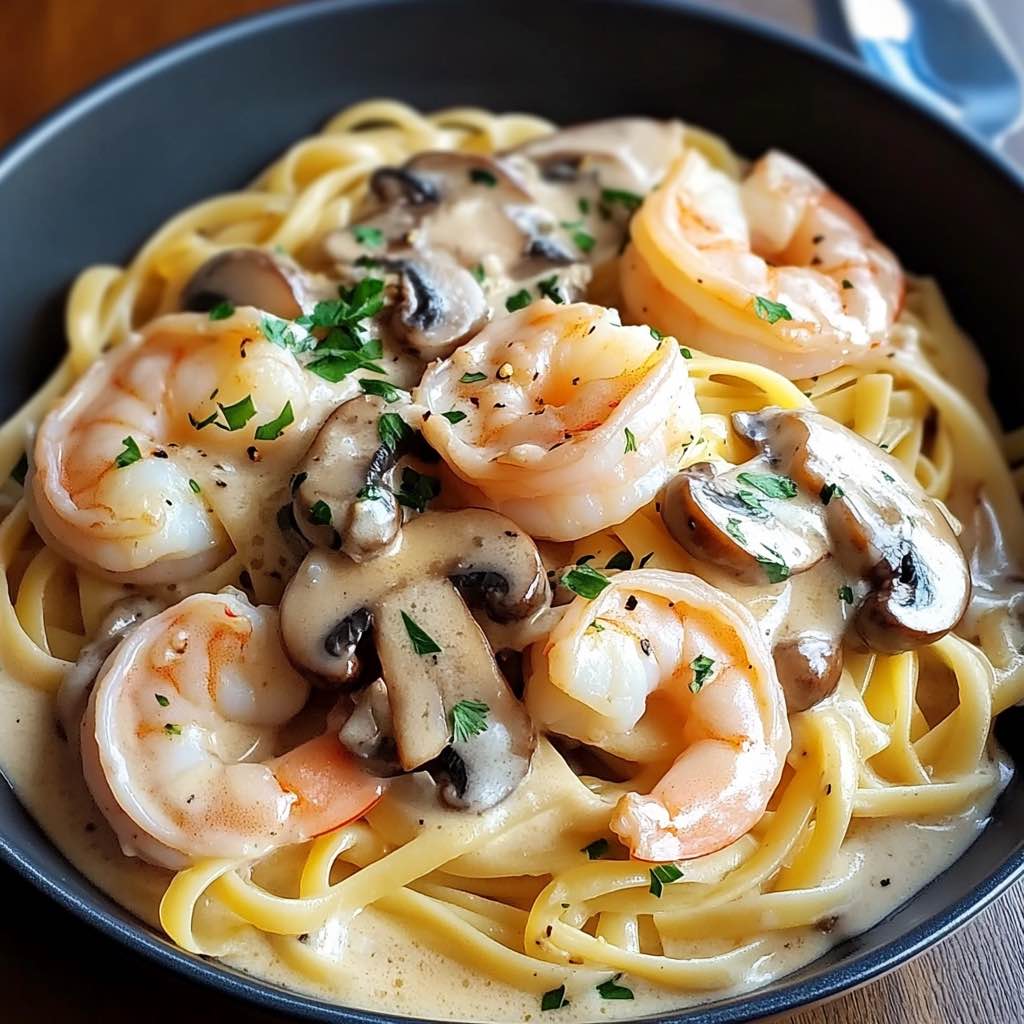
Heavenly Shrimp and Mushroom Alfredo Pasta: The Ultimate Comfort Food Recipe
Introduction
Heavenly shrimp and mushroom alfredo pasta represents the pinnacle of comfort food excellence. This luxurious dish combines succulent shrimp, earthy mushrooms, and silky alfredo sauce to create an unforgettable dining experience. Whether you’re cooking for a special occasion or craving restaurant-quality pasta at home, this recipe delivers extraordinary results every time.
The beauty of this heavenly shrimp and mushroom alfredo pasta lies in its perfect balance of flavors and textures. Moreover, the dish transforms simple ingredients into something truly spectacular. In addition, the cooking process is surprisingly straightforward, making it accessible to home cooks of all skill levels.
Table of Contents
-
What Makes This Heavenly Shrimp and Mushroom Alfredo Pasta Special
-
Essential Ingredients for Perfect Results
-
Step-by-Step Cooking Instructions
-
Pro Tips for Restaurant-Quality Results
-
Delicious Variations and Substitutions
-
Storage and Reheating Guidelines
-
Nutritional Information and Health Benefits
-
Troubleshooting Common Cooking Issues
-
Frequently Asked Questions
-
Conclusion
What Makes This Heavenly Shrimp and Mushroom Alfredo Pasta Special
The Perfect Flavor Combination
This heavenly shrimp and mushroom alfredo pasta stands out because of its exceptional flavor profile. The sweet, delicate taste of properly cooked shrimp pairs beautifully with the earthy, umami-rich mushrooms. Furthermore, the creamy alfredo sauce acts as the perfect binding agent, bringing all elements together harmoniously.
The secret lies in the layering of flavors. First, the mushrooms develop deep, caramelized notes when properly sautéed. Then, the shrimp adds a subtle sweetness that complements the richness. Finally, the alfredo sauce provides the luxurious texture that makes every bite memorable.
Restaurant-Quality Techniques at Home
Professional chefs use specific techniques to elevate this dish beyond ordinary pasta. For example, they toast the garlic to develop complex flavors before adding other ingredients. Additionally, they deglaze the pan with white wine to capture all the browned bits, creating a more flavorful base.
The temperature control throughout cooking also makes a significant difference. However, home cooks can easily master these techniques with proper guidance. Therefore, this recipe includes all the professional secrets to ensure exceptional results.
Texture Balance
The textural contrast in this dish creates an incredibly satisfying eating experience. The tender pasta provides the perfect base, while the firm shrimp offers a pleasant chew. Meanwhile, the mushrooms add another layer of texture that varies depending on the variety chosen.
Essential Ingredients for Perfect Results
Premium Protein Selection
Fresh Shrimp (1.5 pounds, large, peeled and deveined)
-
Choose 16-20 count shrimp for optimal size
-
Fresh is always preferred over frozen when available
-
Look for firm texture and sweet smell
-
Avoid shrimp with ammonia odors or slimy texture
Mushroom Varieties (12 ounces total)
-
Baby bella mushrooms provide excellent flavor
-
Shiitake mushrooms add sophisticated depth
-
Button mushrooms work well for budget-conscious cooks
-
Wild mushrooms create gourmet results
Pasta Foundation
Fettuccine Pasta (1 pound, dried)
-
High-quality durum wheat pasta holds sauce better
-
Fresh pasta cooks faster but requires timing adjustments
-
Linguine or pappardelle work as excellent substitutes
-
Gluten-free options available for dietary restrictions
Alfredo Sauce Components
Heavy Cream (2 cups)
-
Full-fat cream creates the richest texture
-
Avoid ultra-pasteurized cream when possible
-
Room temperature cream incorporates more easily
-
Heavy whipping cream works perfectly
Parmesan Cheese (1.5 cups, freshly grated)
-
Parmigiano-Reggiano provides the best flavor
-
Pre-grated cheese doesn’t melt as smoothly
-
Aged varieties offer more complex taste
-
Pecorino Romano adds sharpness if desired
Butter (6 tablespoons, unsalted)
-
European-style butter contains higher fat content
-
Unsalted allows better seasoning control
-
Room temperature butter incorporates easily
-
Quality matters significantly in simple sauces
Aromatic Enhancement
Fresh Garlic (6 cloves, minced)
-
Fresh garlic provides the best flavor
-
Avoid pre-minced garlic in jars
-
Remove green germ for milder taste
-
Roasted garlic creates sweeter notes
Fresh Herbs
-
Italian parsley (1/2 cup, chopped)
-
Fresh thyme (2 tablespoons)
-
Chives for garnish
-
Basil as optional enhancement
Step-by-Step Cooking Instructions
Preparation Phase
Start by gathering all ingredients and preparing them completely. This technique, called mise en place, ensures smooth cooking without rushed moments. Therefore, measure all ingredients beforehand and arrange them within easy reach.
Shrimp Preparation:
-
Pat shrimp completely dry with paper towels
-
Season generously with salt and pepper
-
Let shrimp come to room temperature (15 minutes)
-
Keep refrigerated until ready to cook
Mushroom Preparation:
-
Clean mushrooms with damp paper towel
-
Slice into uniform 1/4-inch pieces
-
Separate into single layer for even cooking
-
Season lightly with salt to draw out moisture
Cooking the Foundation
Step 1: Pasta Water Setup
Fill a large pot with water and add generous salt. The water should taste like mild seawater. Furthermore, use at least 4 quarts of water for 1 pound of pasta. Bring to rolling boil before adding pasta.
Step 2: Mushroom Sauté
Heat 2 tablespoons olive oil in large skillet over medium-high heat. Add mushrooms in single layer without overcrowding. However, cook in batches if necessary to avoid steaming. Sauté for 4-5 minutes until golden brown. Season with salt and pepper, then remove to plate.
Step 3: Shrimp Cooking
In the same skillet, add remaining oil if needed. Cook shrimp for 2-3 minutes per side until pink and opaque. Therefore, avoid overcooking as shrimp becomes tough. Remove shrimp to separate plate immediately.
Creating the Heavenly Alfredo Sauce
Step 4: Aromatic Base
Reduce heat to medium and add butter to the same skillet. Add minced garlic and sauté for 30 seconds until fragrant. Consequently, be careful not to burn the garlic as it creates bitter flavors.
Step 5: Wine Deglaze
Add 1/2 cup white wine (optional) to deglaze pan. Scrape up all browned bits with wooden spoon. Let wine reduce by half, approximately 2-3 minutes. This step adds tremendous depth to the final sauce.
Step 6: Cream Integration
Slowly pour heavy cream while whisking constantly. Bring to gentle simmer, then reduce heat to low. In addition, never let the cream boil vigorously as it may curdle.
Step 7: Cheese Addition
Remove pan from heat temporarily. Add grated Parmesan cheese gradually while whisking continuously. The residual heat melts the cheese smoothly. Furthermore, return to very low heat if needed to finish melting.
Final Assembly
Step 8: Pasta Cooking
Cook pasta according to package directions minus 1-2 minutes for al dente texture. Reserve 1 cup pasta cooking water before draining. However, don’t rinse the pasta as the starch helps sauce adherence.
Step 9: Combination
Add drained pasta directly to the alfredo sauce. Toss gently to coat completely. Moreover, add pasta water gradually if sauce seems too thick. The starch in pasta water helps bind everything together.
Step 10: Final Touches
Return mushrooms and shrimp to the pan. Toss gently to heat through without overcooking the shrimp. Finally, taste and adjust seasoning with salt, pepper, and fresh herbs.
Pro Tips for Restaurant-Quality Results
Temperature Control Mastery
Temperature management separates good results from exceptional ones. Keep cream-based sauces at gentle heat to prevent breaking. Additionally, use a thermometer if needed to maintain 165°F maximum temperature.
The pasta water temperature also matters significantly. Therefore, time the sauce completion with pasta doneness for optimal integration. Hot pasta absorbs flavors better than cooled pasta.
Timing Coordination
Professional kitchens excel at timing multiple components perfectly. Start the mushroom cooking first since they take longest to develop proper color. Meanwhile, begin heating pasta water simultaneously for efficiency.
Cook shrimp just before assembling the final dish. However, slightly undercook initially since they’ll finish cooking in the hot sauce. This prevents the rubbery texture that ruins the dish.
Sauce Consistency Secrets
The perfect alfredo sauce coats pasta without being too thick or thin. Furthermore, use pasta cooking water to adjust consistency gradually. The starch content creates silky smoothness while thinning the sauce appropriately.
Cheese integration requires patience and technique. Add cheese off heat and whisk constantly to prevent clumping. Moreover, use finely grated cheese for easier melting.
Flavor Enhancement Techniques
Browning for Depth:
Proper browning of mushrooms creates complex flavors through the Maillard reaction. Therefore, avoid moving mushrooms too quickly in the pan. Let them develop golden color before stirring.
Herb Timing:
Add delicate herbs like parsley at the very end to preserve bright flavor. However, heartier herbs like thyme can withstand longer cooking times.
Acid Balance:
A splash of lemon juice brightens the rich sauce without curdling. Add just before serving for optimal impact on flavor balance.
Delicious Variations and Substitutions
Protein Alternatives
Chicken and Mushroom Alfredo:
Replace shrimp with 1.5 pounds boneless chicken thighs, cut into bite-sized pieces. Cook chicken thoroughly to 165°F internal temperature. Furthermore, chicken thighs remain more tender than breasts in cream sauces.
Seafood Medley:
Combine shrimp with scallops and crab meat for luxurious seafood alfredo. Adjust cooking times accordingly since scallops cook faster than shrimp. Additionally, fold in crab meat gently to maintain texture.
Vegetarian Options:
Create hearty vegetarian version using multiple mushroom varieties. Portobello, shiitake, and oyster mushrooms provide substantial texture. Moreover, add roasted vegetables like bell peppers or zucchini for additional nutrition.
Pasta Shape Variations
Penne or Rigatoni:
These tube-shaped pastas hold sauce beautifully inside their hollows. However, adjust cooking liquid amounts since different shapes absorb varying amounts of sauce.
Gnocchi Alternative:
Potato gnocchi creates an incredibly rich and satisfying version. Cook gnocchi according to package directions, then toss with sauce immediately. Furthermore, fresh gnocchi provides the best texture.
Sauce Modifications
Lighter Alfredo:
Substitute half the heavy cream with whole milk for reduced richness. Add cornstarch slurry to maintain proper thickness. However, expect slightly different mouthfeel compared to traditional version.
Herb-Infused Variations:
Create basil alfredo by adding fresh basil leaves during cooking. Similarly, sage alfredo pairs beautifully with mushrooms and creates sophisticated flavor profile.
Spicy Heat:
Add red pepper flakes or fresh jalapeños for heat lovers. Start with small amounts and adjust to taste preferences. Moreover, the cream tempers spiciness naturally.
Light Red Options
Pinot Noir:
Light-bodied Pinot Noir with earthy undertones complements the mushrooms without overwhelming the shrimp. Oregon Pinot Noirs often provide ideal balance for this pairing.
Beaujolais:
Chilled Beaujolais offers fruity notes that brighten the rich sauce. Moreover, the low tannins won’t clash with the cream-based preparation.
Storage and Reheating Guidelines
Proper Storage Techniques
Store leftover heavenly shrimp and mushroom alfredo pasta in refrigerator for maximum 3 days. Use airtight containers to prevent absorption of other flavors. Furthermore, cool completely before refrigerating to maintain food safety.
Divide large portions into smaller containers for faster cooling and easier reheating. However, avoid storing for longer periods since cream sauces don’t freeze well.
Reheating Methods
Stovetop Method (Recommended):
Heat gently in skillet over low heat with splash of cream or pasta water. Stir frequently to prevent sticking and ensure even heating. Moreover, add fresh herbs at the end to brighten flavors.
Microwave Method:
Use 50% power setting and heat in 30-second intervals, stirring between. Add small amounts of liquid if sauce appears too thick. However, expect slight texture changes compared to fresh preparation.
Oven Method:
Cover tightly with foil and heat at 325°F until warmed through. Add extra cream or stock to prevent drying out. This method works best for larger portions.
Food Safety Considerations
Never leave cream-based pasta at room temperature for more than 2 hours. The combination of dairy and seafood requires careful temperature management. Therefore, refrigerate promptly after serving.
Reheat leftovers to 165°F internal temperature for food safety. Use food thermometer to ensure proper heating throughout. Additionally, never reheat the same portion multiple times.
Nutritional Information and Health Benefits
Nutritional Breakdown (Per Serving)
-
Calories: Approximately 650-750 per serving
-
Protein: 35-40 grams from shrimp and cheese
-
Carbohydrates: 55-65 grams primarily from pasta
-
Fat: 35-45 grams from cream, butter, and cheese
-
Fiber: 3-4 grams depending on pasta choice
Health Benefits
High-Quality Protein:
Shrimp provides complete protein with all essential amino acids. Furthermore, it’s relatively low in calories compared to other protein sources. Additionally, shrimp contains selenium, which supports immune function.
Mushroom Nutrition:
Mushrooms offer valuable nutrients including potassium, selenium, and B vitamins. They’re also low in calories while providing umami flavor that enhances satisfaction. Moreover, some varieties contain beneficial compounds that support health.
Calcium Source:
Parmesan cheese provides significant calcium for bone health. However, it’s also high in sodium, so consider portion sizes for those watching sodium intake.
Healthier Modifications
Whole Grain Pasta:
Substitute whole wheat or legume-based pasta for increased fiber and protein. However, cooking times may vary from regular pasta. Furthermore, these alternatives provide more sustained energy.
Vegetable Additions:
Incorporate spinach, broccoli, or asparagus for additional nutrients and fiber. These vegetables blend well with the existing flavors while boosting nutritional value. Moreover, they add appealing color contrast.
Portion Control:
Serve smaller pasta portions with larger salads to increase vegetable intake while maintaining satisfaction. This approach provides better nutritional balance overall.
Troubleshooting Common Cooking Issues
Sauce Problems and Solutions
Broken or Curdled Sauce:
If alfredo sauce separates, remove from heat immediately. Whisk in cold cream gradually while off heat. Furthermore, strain through fine mesh if lumps persist. Prevention involves maintaining gentle heat throughout cooking.
Too Thick Consistency:
Add warm pasta cooking water gradually while whisking. The starch helps maintain smooth texture while thinning appropriately. However, add liquid slowly to avoid over-thinning.
Lack of Flavor:
Season adequately throughout cooking process rather than only at the end. Additionally, taste and adjust seasoning before serving. Moreover, fresh herbs brighten flavors significantly.
Protein Cooking Issues
Overcooked Shrimp:
Prevention is key since overcooked shrimp becomes rubbery. Cook just until pink and opaque, usually 2-3 minutes per side. Furthermore, remove from heat immediately when done.
Rubbery Texture:
This usually results from overcooking or cooking at too high temperature. Use medium heat and watch timing carefully. Additionally, let shrimp come to room temperature before cooking for even results.
Pasta Problems
Mushy Pasta:
Cook pasta 1-2 minutes less than package directions for proper al dente texture. Furthermore, it continues cooking when combined with hot sauce. Reserve pasta water before draining for sauce adjustment.
Clumpy Results:
Toss pasta immediately with sauce while both are hot. Don’t rinse pasta as the surface starch helps sauce adherence. Moreover, use adequate sauce to coat all pieces evenly.
Frequently Asked Questions
Can I make heavenly shrimp and mushroom alfredo pasta ahead of time?
While this dish is best served immediately, you can prepare components separately in advance. Cook and store shrimp and mushrooms separately, then make fresh sauce when ready to serve. However, complete assembly just before serving for optimal texture and flavor.
What’s the best substitute for heavy cream in alfredo sauce?
Half-and-half mixed with cream cheese creates similar richness with fewer calories. Alternatively, use whole milk with cornstarch for thickening. However, expect different mouthfeel compared to traditional heavy cream preparation.
How do I prevent the alfredo sauce from breaking?
Maintain gentle heat throughout cooking and never let the sauce boil vigorously. Add cheese gradually while off heat, whisking constantly. Furthermore, use freshly grated cheese rather than pre-shredded for better melting.
Can I freeze leftover heavenly shrimp and mushroom alfredo pasta?
Freezing isn’t recommended since cream-based sauces often separate when thawed. The texture changes significantly and rarely returns to original quality. Therefore, make smaller portions or plan to consume within 3 days.
What mushroom varieties work best in this recipe?
Baby bella mushrooms provide excellent flavor and availability. Shiitake mushrooms add sophisticated depth, while cremini offer mild earthiness. Moreover, mixing varieties creates complex flavor profiles that enhance the overall dish.
How can I make this recipe gluten-free?
Use certified gluten-free pasta and ensure all other ingredients are gluten-free certified. The cooking process remains the same, though gluten-free pasta may require different timing. Furthermore, some varieties hold sauce differently than wheat pasta.
Is it safe to eat leftover seafood pasta?
Yes, when stored properly in refrigerator and consumed within 3 days. Reheat to 165°F internal temperature for food safety. However, never leave at room temperature for more than 2 hours after cooking.
Can I use frozen shrimp instead of fresh?
Frozen shrimp works well when properly thawed and drained. Thaw overnight in refrigerator and pat completely dry before cooking. Furthermore, frozen shrimp often provides better value and availability than fresh options.
This heavenly shrimp and mushroom alfredo pasta recipe transforms your kitchen into a gourmet restaurant. The combination of perfectly cooked shrimp, savory mushrooms, and silky alfredo sauce creates an unforgettable dining experience that rivals the finest Italian establishments.
The key to success lies in attention to detail and proper technique execution. Moreover, using high-quality ingredients makes a noticeable difference in the final result. Therefore, invest in good Parmesan cheese, fresh shrimp, and quality pasta for optimal outcomes.
Remember that cooking is both art and science. However, don’t be afraid to adjust seasonings and techniques to match your preferences. Furthermore, practice makes perfect, so don’t be discouraged if your first attempt isn’t restaurant-perfect.
This recipe provides the foundation for countless variations and personal touches. Additionally, the techniques you’ll learn apply to many other pasta dishes, expanding your culinary repertoire significantly.
Heavenly Shrimp and Mushroom Alfredo Pasta
Description
Ingredients
-
1 lb (450g) shrimp, peeled and deveined
-
8 oz fettuccine pasta
-
8 oz mushrooms, thinly sliced
-
2 tbsp olive oil
-
3 cloves garlic, minced
-
1 cup half-and-half or 1 pint heavy cream
-
½ cup shredded Parmesan cheese
-
¾ cup shredded mozzarella cheese (optional)
-
½ tsp dried basil
-
½ tsp paprika
-
½ tsp crushed red pepper flakes (optional)
-
Salt and pepper, to taste
-
Optional: ¼ cup white wine
Instructions
-
Cook Pasta
-
Cook fettuccine according to package directions, then drain and set aside.
-
-
Cook Shrimp
-
Heat 1 tbsp olive oil in a large skillet over medium-high heat. Add garlic and shrimp; cook 1-2 minutes per side until pink.
-
Sprinkle shrimp with basil, paprika, crushed red pepper, salt, and pepper. Remove shrimp from skillet.
-
-
Sauté Mushrooms
-
In the same skillet, add remaining olive oil and mushrooms. Cook 2-3 minutes until soft and juices are released.
-
-
Combine Shrimp & Mushrooms
-
Add shrimp back to the skillet with mushrooms. Pour in half-and-half (or heavy cream) and bring to a boil.
-
If using, add white wine before the cream; let simmer for 2 minutes.
-
-
Make Alfredo Sauce
-
Stir in Parmesan and mozzarella. Bring to a gentle boil, then lower heat and simmer, stirring often, until cheese melts and sauce is creamy. Adjust salt, pepper, and chili flakes to taste.
-
-
Finish & Serve
-
Toss cooked pasta with sauce, shrimp, and mushrooms. If the sauce is too thick, use a splash of pasta water to loosen.
-
Serve hot and garnish with extra cheese or fresh herbs if desired.
-