
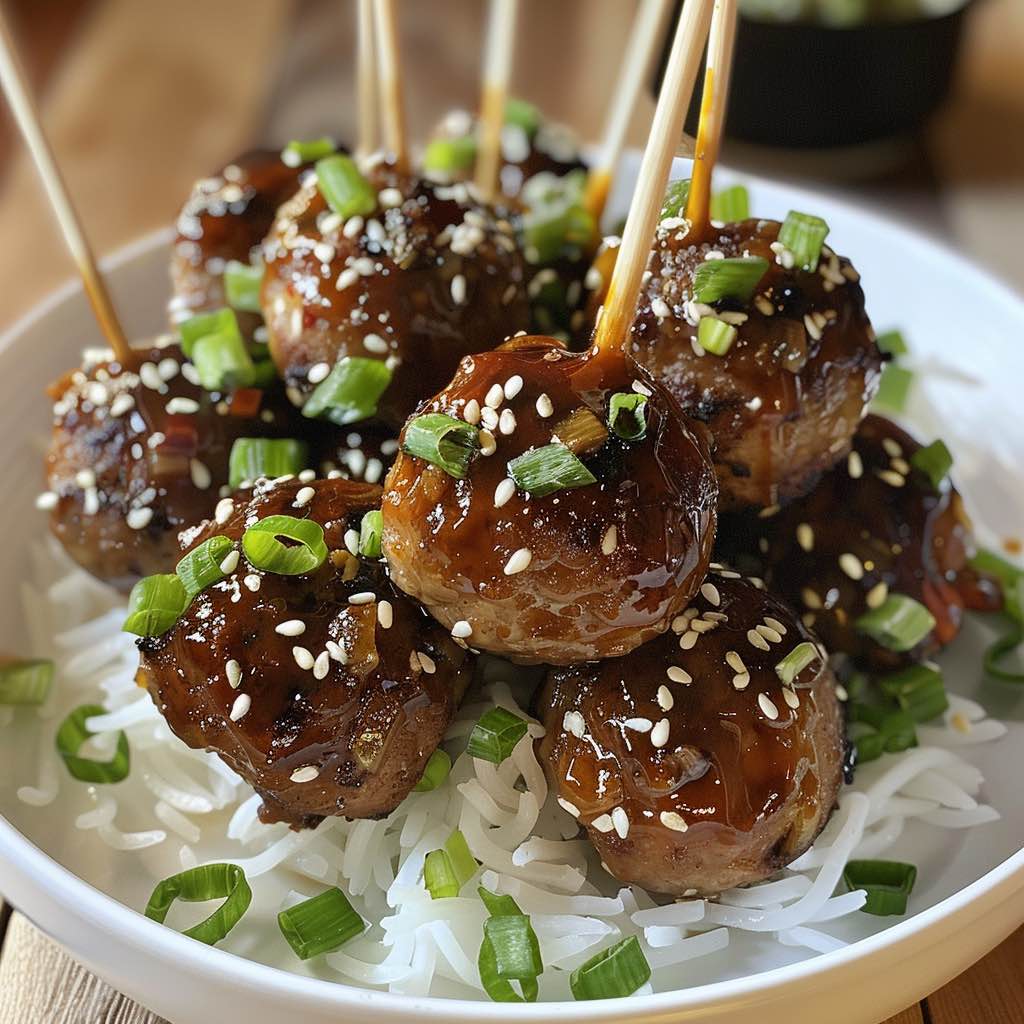
Hoisin Asian Meatballs: A Complete Guide to This Flavorful Dish
Introduction
Hoisin Asian Meatballs combine savory, sweet, and umami flavors in every bite. These tender, juicy meatballs are coated in a rich hoisin glaze that creates an irresistible appetizer or main course. Whether you’re hosting a party or planning a weeknight dinner, this dish delivers restaurant-quality results at home.
The popularity of Asian-inspired cuisine continues to grow across American kitchens. Furthermore, hoisin sauce provides a complex flavor profile without complicated preparation. As a result, these meatballs have become a go-to recipe for home cooks seeking bold, satisfying flavors.
This comprehensive guide covers everything you need to know about making Hoisin Asian Meatballs. Additionally, you’ll discover tips, variations, and serving suggestions to perfect this versatile dish.
What Are Hoisin Asian Meatballs?
Hoisin Asian Meatballs feature ground meat formed into balls and glazed with hoisin sauce. The sauce is a thick, fragrant condiment made from soybeans, garlic, and spices. Consequently, it provides a sweet-savory coating that caramelizes beautifully during cooking.
Understanding Hoisin Sauce
Hoisin sauce is often called “Chinese barbecue sauce.” However, it offers a unique flavor distinct from American barbecue varieties. The sauce typically contains:
-
Fermented soybeans
-
Garlic
-
Sugar
-
Vinegar
-
Spices like five-spice powder
-
Chili peppers
Moreover, this condiment adds depth and complexity to simple ingredients. Therefore, it transforms basic meatballs into an elevated dish with minimal effort.
Traditional vs. Modern Interpretations
Traditional Chinese cuisine doesn’t typically feature meatballs in hoisin sauce. Instead, this dish represents a fusion of Asian flavors with Western cooking methods. As a result, it appeals to diverse palates and dietary preferences.
Modern versions often incorporate ingredients like ginger, scallions, and sesame oil. Additionally, cooks experiment with different proteins and cooking techniques. Thus, the recipe continues to evolve while maintaining its signature flavor profile.
The History and Origins of Hoisin Sauce
Hoisin sauce originated in southern China, particularly in Cantonese cuisine. The name “hoisin” translates to “seafood” in Cantonese. Interestingly, the sauce contains no seafood ingredients despite its name.
Cultural Significance
Chinese cooks traditionally use hoisin sauce as a dipping sauce or glaze. For instance, it commonly accompanies Peking duck and spring rolls. Furthermore, it serves as a base for stir-fry sauces and marinades.
The sauce traveled to Western countries through Chinese immigration. Subsequently, it became a staple in Asian grocery stores and mainstream supermarkets. Today, hoisin sauce ranks among the most recognized Asian condiments globally.
Evolution in Western Cooking
Western cooks adapted hoisin sauce to suit local tastes and ingredients. As a result, fusion recipes like Hoisin Asian Meatballs emerged. These dishes blend Asian flavors with familiar Western cooking methods, creating accessible yet exciting meals.
Key Ingredients for Perfect Hoisin Asian Meatballs
Creating delicious Hoisin Asian Meatballs requires quality ingredients and proper proportions. Below are the essential components for this recipe.
For the Meatballs:
-
Ground meat: Beef, pork, chicken, or turkey work well
-
Breadcrumbs: Panko creates a lighter texture
-
Egg: Acts as a binding agent
-
Garlic: Freshly minced for best flavor
-
Ginger: Fresh grated ginger adds warmth
-
Soy sauce: Provides saltiness and umami
-
Scallions: Finely chopped green onions
-
Sesame oil: A small amount adds nutty flavor
For the Hoisin Glaze:
-
Hoisin sauce: The star ingredient
-
Soy sauce: Balances sweetness
-
Rice vinegar: Adds acidity
-
Honey or brown sugar: Enhances caramelization
-
Garlic: Minced or pressed
-
Ginger: Fresh or ground
-
Sesame oil: For finishing
-
Red pepper flakes: Optional heat
Optional Garnishes:
-
Sesame seeds (white or black)
-
Sliced scallions
-
Fresh cilantro
-
Crushed peanuts
Step-by-Step Recipe Guide
This section provides detailed instructions for making perfect Hoisin Asian Meatballs from start to finish.
Preparing the Meatball Mixture
First, combine all meatball ingredients in a large bowl. Then, mix gently with your hands until just combined. Importantly, avoid overmixing, which creates tough meatballs.
Next, test the seasoning by cooking a small portion. Subsequently, adjust salt, pepper, or other seasonings as needed. This step ensures perfectly seasoned meatballs before cooking the entire batch.
Roll the mixture into uniform balls, approximately 1.5 inches in diameter. Additionally, use a cookie scoop for consistent sizing. This ensures even cooking throughout.
Making the Hoisin Glaze
Whisk together all glaze ingredients in a medium bowl. Meanwhile, taste and adjust sweetness or acidity to your preference. The glaze should balance sweet, salty, and tangy flavors harmoniously.
For a thicker consistency, simmer the glaze in a small saucepan. Alternatively, add a cornstarch slurry for immediate thickening. However, the glaze naturally thickens during baking or cooking.
Cooking Process
Choose your preferred cooking method based on available time and equipment. Each method produces delicious results with slight textural differences.
Baking Method:
-
Preheat oven to 400°F (200°C)
-
Place meatballs on a lined baking sheet
-
Bake for 15-20 minutes until nearly cooked
-
Brush with glaze and bake 5 more minutes
-
Repeat glazing once more for best results
Pan-Frying Method:
-
Heat oil in a large skillet over medium-high heat
-
Brown meatballs on all sides
-
Reduce heat and add glaze
-
Simmer until meatballs are cooked through
-
Glaze should coat meatballs thickly
Slow Cooker Method:
-
Brown meatballs in a skillet first
-
Transfer to slow cooker
-
Pour glaze over meatballs
-
Cook on low for 3-4 hours
-
Stir occasionally for even coating
Cooking Methods: Baked, Pan-Fried, and Slow Cooker
Each cooking method offers unique advantages for preparing Hoisin Asian Meatballs. Therefore, choose based on your schedule and desired texture.
Baked Hoisin Asian Meatballs
Baking produces evenly cooked meatballs with minimal hands-on time. Moreover, this method requires less oil than pan-frying. As a result, it’s a healthier cooking option.
Advantages:
-
Hands-off cooking
-
Less fat needed
-
Even cooking throughout
-
Easy cleanup
Tips for Success:
-
Use parchment paper for easy removal
-
Space meatballs evenly for air circulation
-
Brush glaze in layers for maximum flavor
-
Broil briefly at the end for caramelization
Pan-Fried Method
Pan-frying creates a crispy exterior while keeping the interior tender. Additionally, the direct heat caramelizes the glaze beautifully. However, this method requires more attention during cooking.
Advantages:
-
Crispy, browned exterior
-
Rich, caramelized glaze
-
Faster than baking
-
More control over texture
Tips for Success:
-
Don’t overcrowd the pan
-
Maintain medium-high heat
-
Turn meatballs frequently
-
Add glaze after browning
Slow Cooker Approach
The slow cooker method works perfectly for parties and meal prep. Furthermore, it keeps meatballs warm throughout serving time. Consequently, this option suits busy cooks and entertaining scenarios.
Advantages:
-
Set-and-forget convenience
-
Keeps food warm for hours
-
Extremely tender results
-
Perfect for potlucks
Tips for Success:
-
Brown meatballs first for better texture
-
Use low setting for tenderness
-
Add glaze at the beginning
-
Stir gently to avoid breaking meatballs
Flavor Variations and Customizations
Hoisin Asian Meatballs adapt easily to different preferences and dietary needs. Below are popular variations worth trying.
Protein Options
Ground Pork: Traditional choice with rich flavor and tender texture. Additionally, pork meatballs stay moist during cooking.
Ground Chicken or Turkey: Leaner options for health-conscious eaters. However, add extra moisture through ingredients like grated zucchini.
Ground Beef: Creates hearty, substantial meatballs. Moreover, beef pairs exceptionally well with bold Asian flavors.
Plant-Based: Use impossible or beyond meat for vegetarian versions. Alternatively, try tofu or tempeh-based meatballs.
Mixed Meats: Combine pork and beef for complex flavor. This traditional approach balances fat content and taste.
Glaze Modifications
Spicy Hoisin Glaze: Add sriracha, gochujang, or red pepper flakes. Consequently, the heat complements the sweet-savory base.
Citrus Hoisin: Incorporate orange or lime juice for brightness. Furthermore, citrus zest adds aromatic complexity.
Peanut Hoisin: Mix in peanut butter or crushed peanuts. This creates a Thai-inspired variation with nutty undertones.
Sweet and Sour: Balance hoisin with extra vinegar and honey. As a result, you’ll achieve a tangy-sweet profile.
Dietary Adaptations
Gluten-Free: Use gluten-free breadcrumbs and tamari instead of soy sauce. Additionally, verify that your hoisin sauce is gluten-free.
Low-Carb: Replace breadcrumbs with almond flour or crushed pork rinds. Moreover, reduce sugar in the glaze.
Keto-Friendly: Choose fattier ground meat and sugar-free glaze ingredients. Furthermore, serve over cauliflower rice instead of regular rice.
Paleo: Use almond flour and coconut aminos. Additionally, sweeten with dates or pure maple syrup.
Serving Suggestions and Side Dishes
Hoisin Asian Meatballs work as both appetizers and main courses. Therefore, choose accompaniments based on your meal’s purpose.
As an Appetizer
Serve meatballs with toothpicks for easy handling at parties. Additionally, provide small plates and napkins for guests. Arrange them on a platter garnished with sesame seeds and scallions.
Place the serving dish near other appetizers for variety. Furthermore, keep meatballs warm in a slow cooker set to low. This ensures they remain at the perfect temperature throughout your event.
As a Main Course
Pair Hoisin Asian Meatballs with complementary side dishes for complete meals. Below are excellent accompaniment options:
Rice Options:
-
Steamed white rice
-
Brown rice for added nutrition
-
Fried rice with vegetables
-
Coconut rice for tropical flair
Noodle Dishes:
-
Lo mein noodles
-
Rice noodles
-
Soba noodles
-
Udon noodles
Vegetable Sides:
-
Stir-fried bok choy
-
Steamed broccoli with garlic
-
Asian-style coleslaw
-
Cucumber salad
Additional Options:
-
Spring rolls or egg rolls
-
Edamame
-
Wonton soup
-
Miso soup
Creative Serving Ideas
Meatball Subs: Serve in hoagie rolls with pickled vegetables. Additionally, top with extra glaze and fresh herbs.
Rice Bowls: Create grain bowls with rice, vegetables, and meatballs. Furthermore, drizzle extra hoisin sauce over the top.
Lettuce Wraps: Use butter lettuce leaves for low-carb wraps. Moreover, add shredded carrots and cucumber for crunch.
Over Noodles: Toss with lo mein noodles and vegetables. This creates a complete one-bowl meal.
Bento Boxes: Pack meatballs in compartmented containers with sides. Therefore, they work perfectly for meal prep lunches.
Check out our guide on [Asian-inspired side dishes] for more pairing ideas.
Storage and Meal Prep Tips
Proper storage extends the life of your Hoisin Asian Meatballs significantly. Additionally, these meatballs freeze exceptionally well for future meals.
Refrigerator Storage
Store cooled meatballs in airtight containers for up to 4 days. Moreover, keep the glaze separate if possible. This prevents meatballs from becoming soggy during storage.
Reheat meatballs in the microwave or oven before serving. Furthermore, add fresh glaze when reheating for best results. The meatballs may absorb some sauce during storage, so extra glaze helps.
Freezer Storage
Freeze uncooked or cooked meatballs for up to 3 months. First, arrange them on a baking sheet in a single layer. Then, freeze until solid before transferring to freezer bags.
Label bags with the date and cooking instructions. Additionally, remove as much air as possible before sealing. This prevents freezer burn and maintains quality.
Meal Prep Strategies
Batch Cooking: Double or triple the recipe for multiple meals. Subsequently, freeze portions for quick weeknight dinners.
Make-Ahead Components: Prepare meatballs and glaze separately. Then, store both in the refrigerator for up to 2 days before cooking.
Freezer-Friendly Assembly: Form uncooked meatballs and freeze immediately. Later, cook directly from frozen, adding extra time as needed.
Lunch Prep: Pack meatballs with rice and vegetables in containers. Therefore, you’ll have ready-made lunches for the entire week.
Reheating Instructions
Oven Method: Place meatballs in a baking dish at 350°F for 15-20 minutes. Additionally, cover with foil to prevent drying.
Microwave Method: Heat in 30-second intervals, stirring between. Moreover, add a splash of broth or water for moisture.
Stovetop Method: Warm in a skillet with extra glaze over medium heat. This method restores the caramelized exterior beautifully.
Nutritional Information and Health Benefits
Understanding the nutritional profile helps you make informed dietary choices. Below is approximate nutrition information per serving (4 meatballs).
Nutritional Breakdown
-
Calories: 280-320 (varies by meat type)
-
Protein: 22-25g
-
Carbohydrates: 18-22g
-
Fat: 12-16g
-
Fiber: 1-2g
-
Sugar: 12-14g
-
Sodium: 680-780mg
Health Benefits
High Protein Content: Meatballs provide substantial protein for muscle maintenance. Moreover, protein promotes satiety and helps with weight management.
Customizable Nutrition: Choose lean meats to reduce fat content. Additionally, adjust sugar in the glaze for lower carbohydrate options.
Rich in Minerals: Ground meat contains iron, zinc, and B vitamins. Furthermore, these nutrients support energy production and immune function.
Aromatic Ingredients: Garlic and ginger offer anti-inflammatory properties. According to Healthline, these ingredients support digestive health and immunity.
Making Healthier Versions
Reduce Sodium: Use low-sodium soy sauce and hoisin sauce. Additionally, limit added salt in the meatball mixture.
Lower Sugar: Replace sugar with natural sweeteners like dates. Alternatively, reduce the amount of sweetener in the glaze.
Increase Vegetables: Add finely grated zucchini or mushrooms to meatballs. This increases fiber and reduces calorie density.
Bake Instead of Fry: Choose baking over pan-frying to reduce fat content. Moreover, use minimal oil on the baking sheet.
Choose Lean Proteins: Opt for ground turkey or chicken breast. However, add moisture through grated vegetables to prevent dryness.
Common Mistakes to Avoid
Learning from common errors helps you achieve perfect Hoisin Asian Meatballs every time. Below are frequent mistakes and their solutions.
Overmixing the Meat
Excessive mixing creates dense, tough meatballs. Instead, mix ingredients until just combined. Additionally, use a light hand when forming balls.
Solution: Combine ingredients with a fork or your hands gently. Stop mixing as soon as ingredients are distributed evenly.
Incorrect Size
Oversized meatballs cook unevenly, while tiny ones dry out quickly. Therefore, aim for consistent 1.5-inch diameter balls.
Solution: Use a cookie scoop or measuring spoon for uniformity. Moreover, weigh each meatball for precision if desired.
Skipping the Browning Step
Browning develops flavor through the Maillard reaction. Additionally, it creates textural contrast between the exterior and interior.
Solution: Always brown meatballs before slow cooking or simmering. Furthermore, achieve a golden crust even when baking.
Using Too Much Glaze Too Soon
Adding glaze too early causes burning during cooking. Moreover, the sauce becomes bitter when overcooked.
Solution: Apply glaze during the final minutes of cooking. Then, add multiple thin layers for best results.
Not Testing Seasoning
Underseasoned meatballs lack flavor regardless of glaze quality. Therefore, always test the seasoning before forming all meatballs.
Solution: Cook a small portion first and taste. Subsequently, adjust seasonings in the remaining mixture as needed.
Crowding the Pan
Overcrowded pans trap steam and prevent browning. Additionally, this causes meatballs to steam instead of sear.
Solution: Work in batches if necessary. Moreover, leave space between each meatball for proper air circulation.
Frequently Asked Questions
Can I make Hoisin Asian Meatballs ahead of time?
Yes, you can prepare Hoisin Asian Meatballs up to 2 days in advance. Form the meatballs and store them uncooked in the refrigerator. Alternatively, cook them completely and refrigerate with the glaze. Reheat before serving for best results.
What’s the best meat for Asian meatballs?
Ground pork offers traditional flavor and tender texture. However, ground beef, chicken, or turkey work equally well. Consider mixing pork and beef for optimal flavor and moisture balance.
How do I prevent meatballs from falling apart?
Ensure you use enough binding agents like egg and breadcrumbs. Additionally, avoid overmixing and handle gently when forming. Let meatballs rest briefly before cooking for better structure.
Can I use store-bought hoisin sauce?
Absolutely! Store-bought hoisin sauce works perfectly for this recipe. Choose quality brands like Lee Kum Kee or Kikkoman. Moreover, taste different brands to find your preferred flavor profile.
How do I know when meatballs are fully cooked?
Use a meat thermometer to check internal temperature. Beef and pork should reach 160°F, while poultry requires 165°F. Furthermore, cut one open to verify no pink remains.
Can I make these in an air fryer?
Yes, air fryers work excellently for Hoisin Asian Meatballs. Cook at 380°F for 12-15 minutes, shaking halfway through. Then, toss with glaze and cook 2 more minutes for caramelization.
What can I substitute for hoisin sauce?
Combine soy sauce, peanut butter, honey, garlic, and five-spice powder. Alternatively, try oyster sauce mixed with sugar and vinegar. However, these substitutions won’t perfectly replicate authentic hoisin flavor.
Are Hoisin Asian Meatballs gluten-free?
Not traditionally, due to breadcrumbs and soy sauce. However, use gluten-free breadcrumbs and tamari instead. Additionally, verify your hoisin sauce is certified gluten-free.
Conclusion
Hoisin Asian Meatballs deliver incredible flavor with straightforward preparation. These versatile meatballs work perfectly as appetizers, main courses, or meal prep options. Moreover, the recipe adapts easily to various dietary preferences and protein choices.
The combination of savory meat and sweet-tangy hoisin glaze creates an irresistible dish. Furthermore, multiple cooking methods ensure you can prepare these meatballs regardless of available equipment. Whether baked, pan-fried, or slow-cooked, the results consistently impress.
Start with quality ingredients and proper technique for best results. Additionally, don’t hesitate to customize the recipe to your taste preferences. The beauty of Hoisin Asian Meatballs lies in their flexibility and crowd-pleasing appeal.
Try this recipe for your next gathering or weeknight dinner. You’ll discover why these flavorful meatballs have become a favorite in kitchens nationwide. Master this dish, and you’ll have a reliable recipe that satisfies every time.
Hoisin Asian Meatballs
Description
Hoisin Asian Meatballs
Ingredients
For the Meatballs:
-
1 lb (450 g) ground beef or ground pork (or a mix)
-
2 cloves garlic, minced
-
1 teaspoon fresh ginger, grated
-
2 green onions, finely chopped
-
1 egg
-
½ cup breadcrumbs
-
1 tablespoon soy sauce
-
1 tablespoon hoisin sauce
-
1 teaspoon sesame oil
-
Salt and pepper, to taste
For the Glaze:
-
⅓ cup hoisin sauce
-
2 tablespoons soy sauce
-
1 tablespoon honey (or brown sugar)
-
1 tablespoon rice vinegar (or lime juice)
-
1 teaspoon sesame oil
-
Optional: red pepper flakes for heat
Instructions
-
Preheat the Oven
Preheat oven to 400°F (200°C). Line a baking sheet with parchment paper. -
Make the Meatballs
In a large bowl, combine ground meat, garlic, ginger, green onions, egg, breadcrumbs, soy sauce, hoisin sauce, sesame oil, salt, and pepper.
Mix until just combined — don’t overwork it! -
Shape and Bake
Roll mixture into 1-inch balls and place on the prepared sheet.
Bake for 15–18 minutes, or until golden and cooked through. -
Make the Glaze
While the meatballs bake, whisk together hoisin sauce, soy sauce, honey, rice vinegar, sesame oil, and red pepper flakes in a saucepan.
Simmer over medium heat for 3–4 minutes, until thick and glossy. -
Coat the Meatballs
Toss the baked meatballs in the sauce until fully coated. -
Serve and Garnish
Garnish with sesame seeds and chopped green onions.
Serve over steamed rice, noodles, or as a party appetizer.