
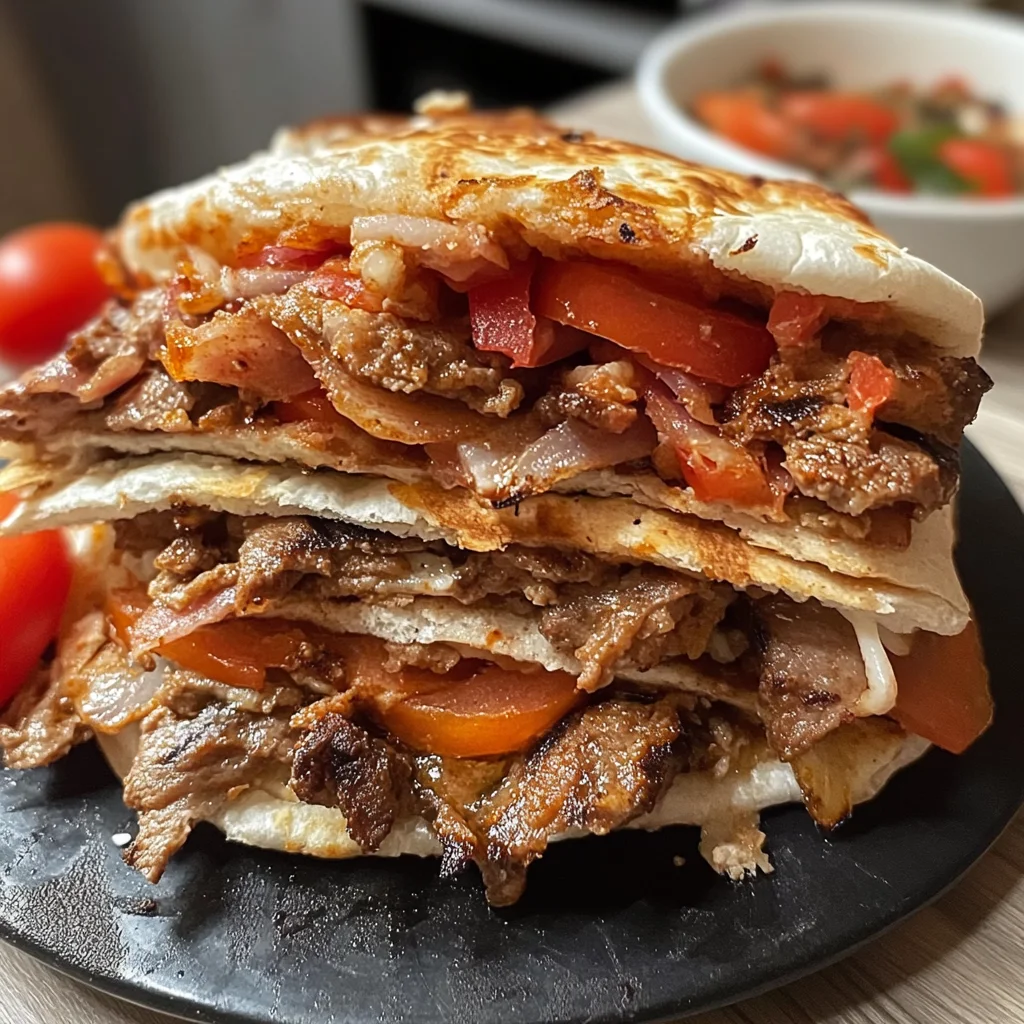
Homemade Doner Kebab: The Ultimate Guide to Making Authentic Turkish Street Food at Home
Making homemade doner kebab brings the iconic flavors of Turkish street food right into your kitchen. This beloved dish, which originated in 19th-century Turkey, features seasoned meat cooked to perfection and served in warm flatbread with fresh vegetables and creamy sauces. With the right spices and technique, you can create restaurant-quality doner kebab without needing special equipment.
What is Doner Kebab
Doner kebab is a Turkish dish consisting of seasoned meat traditionally cooked on a vertical rotisserie. The name “doner” comes from the Turkish word meaning “rotating” or “turning,” which describes how the meat slowly rotates while cooking. The outer layer becomes perfectly crispy while the inside stays tender and juicy, creating an irresistible texture contrast that has made this street food famous worldwide.
The History and Origins of Doner Kebab
The doner kebab originated in Bursa, Turkey, during the mid-19th century. According to historical accounts, İskender Efendi had the innovative idea of roasting lamb vertically rather than horizontally at his father’s restaurant in the 1850s. This vertical cooking method allowed the meat to self-baste naturally, resulting in more flavorful and tender results.
The phrase “döner kebap” wasn’t documented until 1908, though the cooking method evolved from earlier Ottoman traditions. Food historian Mary Işın traces the kebab’s roots back to 1433, when French traveler Bertrandon de la Broquière described Turkish nomads roasting sheep on spits. The dish gained international popularity when it was introduced in Istanbul in 1945 by Beyti Güler, whose restaurant served celebrities and dignitaries.
Essential Ingredients for Homemade Doner Kebab
Meat Selection
The foundation of authentic homemade doner kebab starts with selecting quality ground meat. Ground lamb provides the most traditional flavor profile, but ground beef, chicken, or turkey work equally well depending on your preference. For best results, choose meat with 80% lean to 20% fat ratio, as the fat content ensures moisture and flavor.
Core Ingredients
Creating delicious homemade doner kebab requires several key components that work together to build authentic flavor:
-
Onion paste created by grating fresh onion
-
Fresh garlic cloves for aromatic depth
-
Plain Greek yogurt to tenderize the meat
-
Comprehensive spice blend
-
Salt and freshly ground black pepper
Aromatic Spices
The signature taste of doner kebab comes from a carefully balanced spice mixture. Each spice plays a specific role in creating the complex flavor profile that makes this dish so memorable.
The Perfect Spice Blend
Traditional Doner Kebab Seasoning
A proper doner kebab spice blend combines multiple aromatic elements. The traditional mixture includes paprika for sweetness and color, cumin for earthy warmth, oregano for herbal notes, and garlic powder for savory depth. Ground coriander adds citrusy undertones while black pepper provides gentle heat.
Spice Ratios and Measurements
For optimal flavor balance, use five teaspoons each of paprika, oregano, and garlic powder. Add two and a half teaspoons each of black pepper, cumin, and coriander. Include half a teaspoon of cayenne pepper for mild heat and one and a half teaspoons of cinnamon for subtle warmth. This versatile blend can be prepared in advance and stored for future use.
Choosing the Right Meat
Lamb for Authenticity
Ground lamb delivers the most authentic homemade doner kebab experience. This meat offers rich, distinctive flavor that closely matches traditional Turkish preparations. Look for lamb with 10% fat content, which provides excellent taste without being overly greasy.
Beef as an Alternative
Ground beef serves as a practical substitute that many home cooks prefer. Select beef with 80-20 fat ratio to maintain juiciness during cooking. Some recipes combine equal parts beef and lamb for a balanced flavor profile that offers the best of both meats.
Poultry Options
Chicken and turkey provide leaner alternatives for homemade doner kebab. Boneless, skinless chicken thighs work particularly well because they stay moist during cooking. These lighter options absorb marinades beautifully while creating a healthier version of this classic dish.
Step-by-Step Preparation Methods
Mixing the Meat Mixture
Begin by combining 750 grams of lean ground meat with three teaspoons each of onion granules, garlic granules, ground cumin, and paprika. Add two teaspoons dried oregano, one teaspoon sea salt, and half a teaspoon black pepper. For enhanced tenderness, incorporate 40 grams of Greek yogurt and 50 grams of grated onion.
Use clean hands to knead all ingredients together thoroughly. Continue mixing until everything is fully combined and the meat becomes smooth in texture. This process typically takes three to five minutes of consistent kneading.
Creating Onion Paste
Grating fresh onion into a paste creates juicy, flavorful meat that stays tender throughout cooking. The moisture from the onion paste prevents the meat from drying out while adding natural sweetness. Keep a small bowl of water nearby to dip your fingers, which prevents the meat from sticking during handling.
Shaping Techniques
Two main methods exist for shaping homemade doner kebab. The first technique involves placing the meat mixture on parchment paper and shaping it into a thin, even rectangle. Roll the parchment over the meat repeatedly until it resembles a flat rope.
Alternatively, place the meat mixture on aluminum foil and shape it into a brick or log. Roll the foil tightly around the meat, twisting the ends like candy wrapper to secure it. This method creates a compact shape that cooks evenly.
Cooking Techniques for Home Kitchens
Slow Cooker Method
The slow cooker offers a convenient approach for making homemade doner kebab. Place the foil-wrapped meat into the slow cooker and cook on high for four to five hours. Add a whole bulb of garlic wrapped in foil alongside the meat for roasted garlic that becomes the base of the sauce.
Air Fryer Method
Air frying produces excellent results with crispy edges. Prick the wrapped meat several times with a sharp knife to allow steam to escape. Cook at 170°C for 30 minutes, then carefully open the foil top to expose the meat surface. Continue cooking for another 15 minutes until the exterior browns beautifully and the internal temperature reaches proper doneness.
Oven Baking Method
Preheat your oven to 400°F and place the wrapped meat portions on a baking sheet. Bake until cooked through, approximately 40 minutes. For extra moisture, place the loaf pan inside a larger pan and create a water bath by filling the outer pan halfway up the sides.
Remove from the oven and let cool slightly before unwrapping. For compressed texture, wrap a brick in foil and place it on top of the cooked meat for 15-20 minutes. This pressing technique creates denser meat that slices more easily.
Pan-Frying for Crispiness
After initial cooking and chilling, slice the meat and pan-fry on super high heat. This method creates irresistibly crispy edges that mimic the texture of rotisserie-cooked doner. Pour reserved cooking juices over the meat while frying so it absorbs the flavorful liquid.
Making Authentic Garlic Yogurt Sauce
Classic Yogurt Garlic Sauce
The creamy garlic yogurt sauce is essential for authentic homemade doner kebab. Combine one cup of Greek yogurt with one to two minced garlic cloves. Add two teaspoons dried mint, half a teaspoon each of salt and black pepper, and juice from half a lemon.
Whisk all ingredients together until the mixture becomes smooth and creamy. Taste and adjust seasoning as needed. For thinner consistency, add a splash of water and mix again.
Variations and Adjustments
Some recipes use 75 grams mayo combined with 100 grams Greek yogurt for richer texture. The addition of two teaspoons mint sauce provides refreshing herbal notes. Experiment with garlic quantities based on personal preference, keeping in mind that raw garlic intensifies in flavor over time.
Serving Suggestions and Assembly
Traditional Wrap Assembly
Warm your flatbread or pita until soft and pliable. Spread a generous amount of hummus over the surface. Layer shredded lettuce, sliced tomatoes, diced cucumber, and thinly sliced red onion across the center. Add the sliced homemade doner kebab meat and drizzle generously with garlic yogurt sauce.
Plate Presentation
For a more substantial meal, serve homemade doner kebab on a plate with accompaniments arranged separately. Include warmed flatbread on the side along with curried rice. Arrange fresh vegetables like shredded lettuce, tomatoes, cucumber, and red onion around the meat. Provide small bowls of garlic yogurt sauce and hummus for dipping.
Flatbread Options
Lebanese flatbread, also known as Arabic bread or Syrian bread, works best for wraps. This soft, slightly leavened bread becomes perfectly pliable when heated. Warm flatbreads by wrapping them in foil and heating in the oven for 8-10 minutes. Alternatively, place them directly on the grill for a few minutes, being careful not to overcook.
Storage and Meal Prep Tips
Refrigeration Guidelines
Store cooked homemade doner kebab in an airtight container in the refrigerator for up to four days. Keep the meat separate from vegetables and sauces to maintain optimal texture. The garlic yogurt sauce can be prepared up to three days in advance and stored in a sealed container.
Freezing Instructions
The prepared raw meat mixture freezes well for up to three months. Wrap tightly in plastic wrap, then aluminum foil before freezing. Thaw overnight in the refrigerator before cooking. Cooked meat can also be frozen, though texture may be slightly affected upon reheating.
Make-Ahead Strategies
Prepare the spice blend in bulk and store in an airtight jar for future batches. Mix the meat mixture the night before and refrigerate, allowing flavors to develop overnight. Pre-slice vegetables and store them separately in containers for quick assembly during busy weeknights.
Common Mistakes to Avoid
Using Lean Meat Only
Selecting meat that’s too lean results in dry, tough homemade doner kebab. The fat content provides essential moisture and flavor during cooking. Avoid ground meat with less than 10% fat content unless you’re willing to add yogurt and onion paste to compensate.
Insufficient Mixing
Failing to knead the meat mixture adequately leads to uneven seasoning distribution. The meat should become smooth and sticky from thorough mixing. Take time to work the ingredients together until they’re completely incorporated and the texture transforms.
Overcooking
Cooking the meat beyond 165°F causes it to become dry and crumbly. Use a meat thermometer to monitor internal temperature accurately. Remove from heat when it reaches 160-165°F, as it will continue cooking slightly during resting.
Frequently Asked Questions
Can I make homemade doner kebab without a rotisserie?
Yes, homemade doner kebab can be successfully prepared using conventional kitchen equipment. Slow cookers, air fryers, and ovens all produce excellent results that closely approximate traditional rotisserie cooking. The key lies in proper shaping, seasoning, and achieving crispy edges through high-heat finishing.
What meat works best for homemade doner kebab?
Ground lamb provides the most authentic flavor, though beef, chicken, and turkey all create delicious variations. For optimal results, choose meat with 80-20 fat ratio when using beef or lamb. Chicken thighs work better than breast meat because they contain more natural fat and stay moist during cooking.
How do I get crispy edges on homemade doner kebab?
Achieving crispy edges requires finishing the meat with high heat after initial cooking. Slice the cooked meat thinly, then pan-fry in a very hot skillet until the edges become golden and crispy. Alternatively, open the foil during the final cooking stage to expose the meat surface directly to heat.
Can I prepare the meat mixture in advance?
The meat mixture benefits from advance preparation, allowing flavors to meld and develop. Refrigerate the seasoned meat for three hours up to overnight before cooking. This resting period also helps the meat hold its shape better during the cooking process.
What can I serve with homemade doner kebab?
Traditional accompaniments include warm pita or flatbread, shredded lettuce, sliced tomatoes, diced cucumber, and thinly sliced red onion. Garlic yogurt sauce and hummus are essential condiments. Consider adding curried rice, French fries, or pickled vegetables for a complete meal experience.
Now you have everything you need to create authentic homemade doner kebab that rivals your favorite Turkish restaurant. The combination of perfectly seasoned meat, crispy edges, fresh vegetables, and creamy garlic yogurt sauce creates an unforgettable meal that’s surprisingly simple to prepare. Gather your ingredients and start making this delicious street food classic in your own kitchen today.
Print
Homemade Doner Kebab
Description
Homemade Doner Kebab
Ingredients
For the Meat
-
1 lb (450 g) lamb, beef, or chicken (thinly sliced)
-
3 tbsp plain yogurt
-
2 tbsp olive oil
-
2 garlic cloves, minced
-
1 tsp paprika
-
1 tsp ground cumin
-
1 tsp ground coriander
-
½ tsp turmeric
-
½ tsp chili flakes (optional)
-
½ tsp salt
-
¼ tsp black pepper
-
Juice of ½ lemon
For the Garlic Sauce
-
½ cup Greek yogurt
-
1 garlic clove, minced
-
1 tsp lemon juice
-
1 tsp olive oil
-
Salt to taste
For Serving
-
Pita bread or flatbreads
-
Sliced tomatoes, cucumbers, onions
-
Shredded lettuce or cabbage
-
Pickled vegetables (optional)
-
Fresh parsley
🍴 Instructions
1. Marinate the Meat
-
Mix yogurt, olive oil, garlic, paprika, cumin, coriander, turmeric, chili flakes, salt, pepper, and lemon juice in a bowl.
-
Add meat slices and toss until fully coated.
-
Cover and refrigerate for at least 2 hours, ideally overnight for maximum flavor.
2. Cook the Meat
-
Heat a skillet or grill pan over medium-high heat.
-
Cook meat slices in batches until nicely browned and cooked through, about 5–7 minutes per batch.
-
For extra authenticity: layer meat in a vertical rotisserie style (or skewer and bake in the oven at 400°F / 200°C for 15–20 minutes).
3. Make the Garlic Sauce
-
Mix Greek yogurt, minced garlic, lemon juice, olive oil, and salt. Chill until ready to serve.
4. Assemble Kebabs
-
Warm pita or flatbread.
-
Add a handful of shredded lettuce, sliced vegetables, and pickles.
-
Top with hot meat and drizzle with garlic sauce.
-
Sprinkle fresh parsley and optional chili flakes for extra kick.