Honey Garlic Butter Salmon and Veggies: A Complete Guide to This Irresistible, Healthy Meal
Introduction
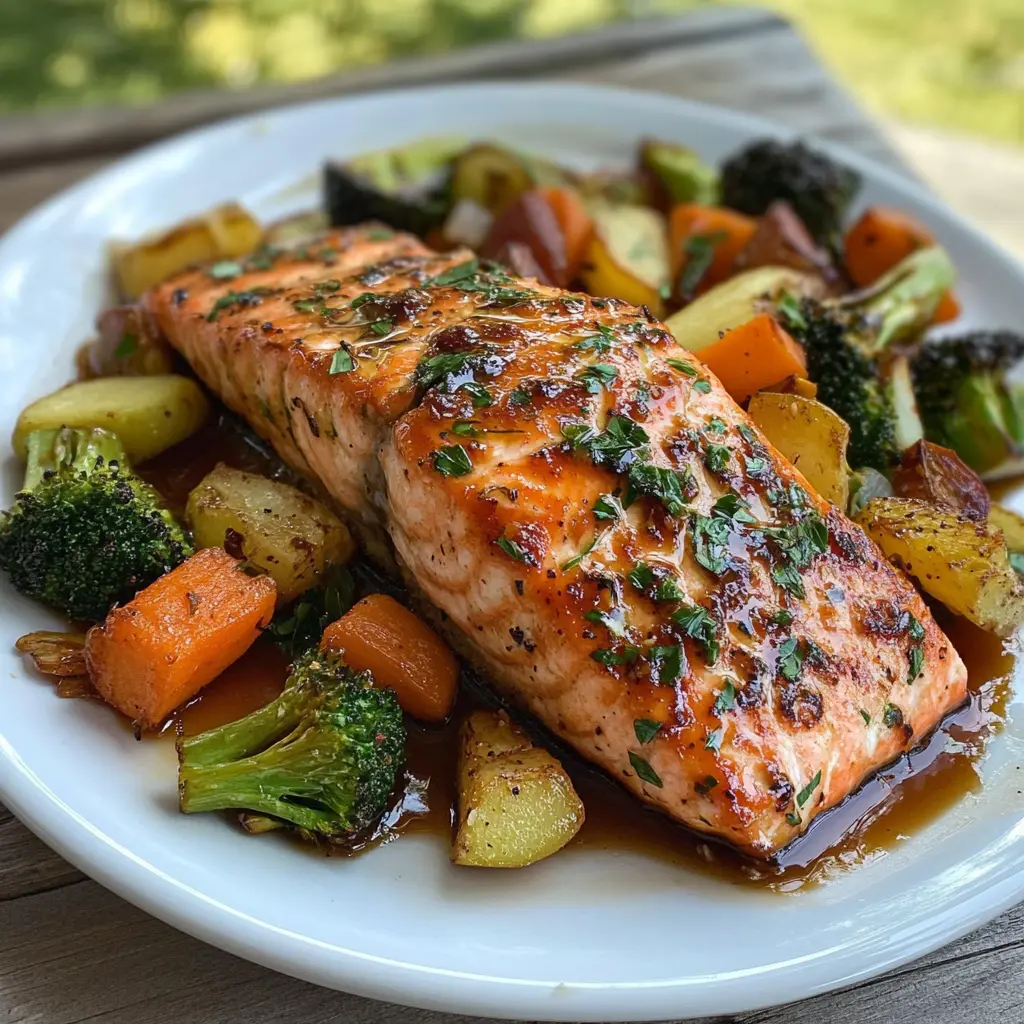
Honey garlic butter salmon and veggies represents the perfect combination of sweet, savory, and healthy eating. This dish brings together tender, flaky salmon fillets glazed with a rich honey garlic butter sauce alongside colorful roasted vegetables. Whether you need a quick weeknight dinner or want to impress guests with minimal effort, this one-pan meal delivers exceptional flavor and nutrition. Moreover, the recipe comes together in under 30 minutes, making it ideal for busy schedules.
The beauty of honey garlic butter salmon and veggies lies in its simplicity and versatility. You can customize the vegetables based on seasonal availability and personal preferences. Furthermore, the cooking method preserves the nutritional value while creating delicious caramelized edges on both the fish and vegetables.
What Makes Honey Garlic Butter Salmon and Veggies So Special
This dish stands out because it combines multiple nutritional powerhouses in one convenient meal. The salmon provides high-quality protein and omega-3 fatty acids, while the vegetables contribute essential vitamins, minerals, and fiber. Additionally, the honey garlic butter sauce transforms simple ingredients into a restaurant-quality experience at home.
The cooking technique matters significantly for this recipe. Using a sheet pan or single skillet means less cleanup and more even cooking. The vegetables roast alongside the salmon, absorbing the flavorful sauce while developing their own natural sweetness through caramelization. This method also allows busy home cooks to prepare a complete meal without juggling multiple pots and pans.
Nutritional Benefits of Salmon
Protein and Omega-3 Fatty Acids
Salmon serves as an excellent source of high-quality protein, providing substantial amounts in each serving. A typical 3-ounce portion delivers approximately 25 grams of protein, making it ideal for muscle maintenance and growth. Furthermore, salmon contains remarkable levels of omega-3 fatty acids, particularly EPA and DHA, which reduce inflammation and support heart health.
These omega-3 fatty acids play crucial roles in brain function, cardiovascular health, and reducing the risk of chronic diseases. Research shows that regular salmon consumption can improve heart health markers and support overall wellness.
Vitamins and Minerals
Salmon provides exceptional amounts of vitamin D, with a single serving offering 68% of the daily value. It also contains significant quantities of vitamin B12 (197% of daily value), selenium (76% of daily value), and potassium (11% of daily value). These nutrients support energy production, immune function, and bone health.
The fish also contains important B vitamins, including niacin, which provides 52% of the daily value, and vitamin B6, offering another 52%. These vitamins help convert food into energy and support nervous system function.
Low-Calorie, High-Nutrition Profile
Despite its rich flavor and satisfying texture, salmon remains relatively low in calories. A 3-ounce serving contains only about 180 calories, making it perfect for weight management goals. The honey garlic butter preparation adds approximately 77 calories per serving, bringing the total to around 257 calories for a complete portion.
This favorable calorie-to-nutrient ratio means you get maximum nutritional benefits without excessive caloric intake. The dish provides 39% of calories from healthy fats, 38% from protein, and 23% from carbohydrates.
Health Advantages of Garlic, Honey, and Butter
Garlic’s Medicinal Properties
Garlic offers numerous health benefits beyond its distinctive flavor. This aromatic ingredient contains compounds that may support immune function and cardiovascular health. When cooked with butter, garlic becomes mellow and sweet while retaining beneficial properties.
Using fresh garlic cloves provides the most potent flavor and health benefits. Minced or sliced garlic releases more of its beneficial compounds compared to whole cloves.
Honey’s Natural Sweetness
Honey contributes natural sweetness without refined sugar while providing trace minerals and antioxidants. It balances the savory garlic and rich butter perfectly, creating a complex flavor profile. The honey also helps the sauce achieve its characteristic sticky, glaze-like consistency that coats the salmon beautifully.
When selecting honey for this recipe, any variety works well, though lighter honeys provide a more delicate sweetness. Approximately one to two tablespoons suffices for achieving the ideal balance.
Butter’s Role in Flavor
Butter enhances the overall richness and helps create the signature glossy sauce. It also aids in conducting heat evenly during cooking and adds satisfying mouthfeel. Unsalted butter allows better control over the final sodium content of the dish.
The combination of honey, garlic, and butter creates what chefs call a “compound sauce” that perfectly complements the natural oils in salmon. This synergy elevates simple ingredients into something extraordinary.
Best Vegetables to Pair with Salmon
Cruciferous Vegetables
Broccoli stands as one of the top choices for pairing with honey garlic butter salmon. It roasts beautifully and develops slightly crispy edges while remaining tender inside. Brussels sprouts offer another excellent option, bringing nutty flavors that complement the sweet-savory sauce.
Both vegetables require similar cooking times to salmon, making them perfect for sheet pan preparations. Cut broccoli into uniform florets and quarter Brussels sprouts for even cooking.
Asparagus and Green Beans
Asparagus provides elegant presentation and cooks quickly alongside salmon. Trim the woody ends and cut spears into uniform lengths for consistent results. The tender vegetable absorbs the honey garlic butter sauce beautifully while maintaining a slight crunch.
Green beans offer similar benefits with a slightly firmer texture. Both vegetables add vibrant green color to the plate, creating visual appeal.
Root Vegetables
Sweet potatoes and purple yams bring natural sweetness and substantial texture to the meal. Cut them into uniform cubes to ensure they cook through in the same timeframe as the salmon. These starchy vegetables also provide additional fiber and complex carbohydrates.
Carrots represent another versatile choice. Slice them into rounds or sticks, adjusting thickness based on desired cooking time. Roasted carrots develop concentrated sweetness that pairs wonderfully with the honey garlic sauce.
Bell Peppers and Onions
Red, yellow, and orange bell peppers add color, sweetness, and vitamin C to the dish. Core and chop them into large pieces that hold their shape during roasting. Yellow or red onions contribute savory depth and become wonderfully sweet when roasted.
These vegetables require slightly less cooking time than root vegetables but more than delicate greens. Layer them strategically on your sheet pan for optimal results.
Essential Ingredients for Honey Garlic Butter Salmon and Veggies
For the Salmon
You need approximately 1 to 2 pounds of fresh salmon fillets, preferably skin-on or skinless based on preference. Wild-caught salmon offers higher omega-3 content, though farm-raised Atlantic salmon provides a milder flavor. Choose fillets of uniform thickness for even cooking.
Season the salmon with fine sea salt and freshly ground black pepper to taste. Some recipes add a pinch of cayenne pepper for subtle heat.
For the Honey Garlic Butter Sauce
The sauce requires 4 tablespoons of unsalted butter, 20 cloves of garlic confit or 6 fresh garlic cloves (minced or finely sliced), 1-2 tablespoons of honey, and 1 tablespoon of fresh lemon juice. Additionally, include 1 tablespoon of finely chopped fresh parsley for garnish and added freshness.
Some variations incorporate olive oil for initial cooking and to thin the sauce slightly. The combination creates a perfectly balanced glaze that coats everything beautifully.
For the Vegetables
Select 4-6 cups of mixed vegetables based on your preferences. Popular combinations include broccoli florets, asparagus spears, sliced carrots, cubed sweet potatoes, bell pepper chunks, and sliced onions.
Toss the vegetables with 2-4 tablespoons of olive oil or avocado oil, plus additional salt, pepper, and optional seasonings like lemon pepper, dried parsley, or ground ginger.
Step-by-Step Cooking Instructions
Preparation Phase
Begin by preheating your oven to 400-450°F (200-230°C), depending on your preferred method. Line a large sheet pan with parchment paper or aluminum foil for easy cleanup.
Wash and prepare all vegetables by cutting them into uniform sizes. This ensures even cooking across different vegetable types. Pat the salmon fillets dry with paper towels and season both sides with salt and pepper.
Making the Honey Garlic Butter Sauce
In a small bowl, whisk together the honey, water or lemon juice, and a pinch of salt until well combined. Set this mixture aside while you prepare the other components.
Heat a skillet over medium heat and add olive oil. Once hot, add the salmon and cook until nearly done. Add minced garlic to the pan and let it brown slightly. Pour in the honey mixture and reduce until the sauce becomes sticky and coats the salmon beautifully.
Roasting Method
For sheet pan preparation, start the vegetables first since they require longer cooking time. Toss them with oil and seasonings, spread in a single layer on the prepared pan, and bake for 10-15 minutes.
Push the partially roasted vegetables to the sides and place seasoned salmon fillets in the center. Drizzle the honey garlic butter sauce over everything. Return to the oven and continue baking for 12-15 minutes until the salmon reaches proper internal temperature.
Pan-Seared Method
For stovetop cooking, heat olive oil in a large skillet over medium-high heat. Add the salmon and cook for 4-5 minutes per side until nearly done. Remove the salmon temporarily and add butter to the pan.
Sauté minced garlic until fragrant, then add the honey mixture. Return the salmon to the pan and spoon the sauce over the fillets repeatedly. Add pre-cooked or quick-cooking vegetables around the salmon and let everything finish together.
Tips for Perfectly Cooked Salmon
Selecting Quality Fish
Choose salmon fillets with firm flesh, bright color, and fresh ocean smell. Avoid fish with brown spots, mushiness, or strong fishy odors. The thickness should measure at least 1 inch for optimal texture and easier temperature monitoring.
Wild-caught King salmon or Atlantic salmon provide the best results due to higher fat content, which keeps the fish moist during cooking. The natural oils in fatty salmon varieties complement the butter sauce perfectly.
Preventing Overcooking
The most common mistake involves overcooking salmon, which results in dry, tough texture. Monitor the internal temperature carefully and remove the fish from heat when it reaches 140-145°F (60-63°C).
Remember that carryover cooking continues to raise the temperature after removing from heat. Therefore, taking the salmon off heat at 140°F allows it to reach the perfect 145°F while resting.
Skin Management
If using skin-on salmon, place it skin-side down during cooking for crispy skin and easier flipping. The skin protects the delicate flesh from direct heat and helps hold the fillet together.
For skinless fillets, ensure your cooking surface has adequate oil or butter to prevent sticking. Handle the fish gently when flipping to maintain its shape.
Achieving the Ideal Internal Temperature
Understanding Doneness Levels
Salmon can be prepared to various doneness levels based on personal preference. Rare salmon reaches 120°F, medium-rare hits 125°F, medium achieves 130°F, medium-well ranges from 135-140°F, and well-done measures 140-145°F.
The FDA recommends cooking salmon to 145°F for food safety, which ensures elimination of potential harmful bacteria or parasites. At this temperature, the salmon displays an opaque, creamy white color throughout.
Using a Meat Thermometer
Insert an instant-read thermometer into the thickest part of the salmon fillet, avoiding contact with the pan. Check the temperature after about 10 minutes of cooking, then monitor every 2 minutes until reaching the target.
For sheet pan cooking, check the temperature when the salmon appears opaque on the outside but still slightly translucent in the center. This visual cue typically indicates the fish is nearly done.
Resting Period
Allow the cooked salmon to rest for 2-3 minutes before serving. This resting period permits juices to redistribute throughout the fish, resulting in more moist and flavorful results.
During resting, the internal temperature continues to rise by approximately 5 degrees. Plan accordingly when determining the ideal moment to remove your salmon from heat.
One-Pan and Sheet Pan Cooking Methods
Benefits of Sheet Pan Cooking
Sheet pan meals offer incredible convenience by cooking protein and vegetables together on a single surface. This method reduces cleanup time significantly while allowing flavors to mingle and develop.
The high heat of oven roasting creates caramelization on both salmon and vegetables, intensifying natural flavors and creating appealing texture contrasts. Additionally, sheet pan cooking requires minimal active cooking time, freeing you for other tasks.
Layering Strategy
Start by spreading vegetables that require longer cooking times on the sheet pan first. Give them a 10-15 minute head start before adding the salmon. This ensures everything finishes simultaneously without overcooking the fish.
Place heartier vegetables like potatoes, carrots, and Brussels sprouts on the pan initially. Add quicker-cooking items like asparagus, broccoli, and bell peppers alongside the salmon later.
Managing Different Cooking Times
Root vegetables need approximately 20-25 minutes total cooking time at 400°F. Salmon requires only 12-15 minutes, while delicate vegetables like asparagus need just 10-12 minutes.
Adjust vegetable sizes to manipulate cooking times. Cut slower-cooking vegetables smaller and faster-cooking ones larger to achieve simultaneous doneness.
Flavor Variations and Substitutions
Spice Additions
Enhance the basic recipe by incorporating additional spices and seasonings. Cayenne pepper adds subtle heat without overwhelming the sweet-savory balance. Lemon pepper seasoning contributes citrus brightness and peppery bite.
Ground ginger provides warmth and complexity, particularly complementing the honey. Dried herbs like parsley, dill, or thyme offer herbaceous notes that refresh the palate.
Citrus Variations
While lemon juice remains the classic choice, experiment with other citrus fruits. Orange juice or zest brings sweeter, more floral notes. Lime juice provides sharper acidity that cuts through the butter richness.
Add citrus slices directly to the sheet pan for visual appeal and concentrated flavor bursts when bitten. Blood oranges, Cara Cara oranges, or standard navel oranges all work beautifully.
Alternative Vegetables
Substitute or add cherry tomatoes for bursts of sweetness and acidity. Roast them whole on the vine for dramatic presentation. Zucchini and courgettes provide mild flavor and tender texture that absorbs the sauce well.
Consider adding butter beans or other legumes for additional protein and fiber. Cauliflower florets roast beautifully and offer a neutral canvas for the honey garlic butter flavors.
Dietary Modifications
For dairy-free versions, substitute butter with additional olive oil or coconut oil. The sauce will be thinner but equally flavorful. For lower-sugar options, reduce the honey quantity to one tablespoon or use a sugar-free honey substitute.
Those following specific diets can easily adapt this recipe. The basic preparation naturally fits gluten-free, dairy-free (with modifications), paleo, and keto eating patterns.
Meal Prep and Storage Guidelines
Advance Preparation
This dish tastes best when served immediately after cooking. However, you can prepare components up to 30 minutes ahead and keep them warm before serving.
Prepare and cut all vegetables in advance, storing them in airtight containers in the refrigerator for up to 2 days. Make the honey garlic butter sauce ahead and store it separately, reheating gently before use.
Refrigerator Storage
Store leftover honey garlic butter salmon and veggies in airtight containers in the refrigerator for up to 3-5 days. Keep the salmon and vegetables in the same container or separately based on preference.
The sauce may solidify when cold due to the butter content. This is normal and doesn’t affect quality. Reheat gently to restore the proper consistency.
Freezer Storage
Freeze portions in airtight, freezer-safe containers for up to 3 months. Label containers with contents and date for easy identification.
Thaw frozen salmon and vegetables in the refrigerator overnight before reheating. Avoid thawing at room temperature, which can promote bacterial growth.
Reheating Methods
Reheat refrigerated portions in the oven at 350°F for 10-12 minutes until warmed through. Cover with foil to prevent drying. Alternatively, reheat in the microwave on medium power in 1-minute intervals, checking between each cycle.
For frozen portions, thaw completely before reheating for best texture. Add a splash of water or additional sauce to restore moisture if needed.
Common Mistakes to Avoid
Overcrowding the Pan
Placing too many vegetables or salmon pieces on one sheet pan prevents proper browning and caramelization. Items steam instead of roast, resulting in soggy texture. Use multiple pans if necessary to maintain a single layer.
Leave space between vegetables and around the salmon for air circulation. This promotes even cooking and optimal texture development.
Not Adjusting for Vegetable Size
Cutting vegetables into uneven sizes causes some pieces to burn while others remain undercooked. Take time to cut vegetables uniformly for consistent results.
Match vegetable sizes to their natural cooking times. Dense vegetables like carrots need smaller cuts, while tender ones like zucchini can be larger.
Using High Heat Methods
While grilling and high-heat roasting create delicious results, they slightly reduce the omega-3 content in salmon. Lower-heat, moisture-based methods like poaching and steaming better preserve nutritional qualities.
Balance flavor preferences with nutritional goals. Even high-heat methods retain substantial omega-3 content, so cook using your preferred method.
Skipping the Thermometer
Relying solely on visual cues or timing often results in overcooked or undercooked salmon. An instant-read thermometer eliminates guesswork and ensures perfect results every time.
Insert the thermometer at an angle into the thickest part of the fillet for the most accurate reading. Clean it between uses when checking multiple pieces.
Serving Suggestions and Side Dishes
Presentation Ideas
Arrange the honey garlic butter salmon in the center of individual plates or a serving platter with roasted vegetables surrounding it. Drizzle any remaining sauce over everything for glossy finish.
Garnish with fresh chopped parsley, chives, or dill for color and freshness. Add lemon wedges on the side for those who prefer extra citrus brightness.
Complementary Starches
While the vegetables provide substantial volume, adding a starch creates a more filling meal. Serve over a bed of fluffy rice, quinoa, or couscous to soak up the delicious sauce.
Roasted potatoes cooked alongside other vegetables provide comfort food satisfaction. Baby potatoes work particularly well since they require similar cooking time to salmon.
Fresh Elements
Balance the rich honey garlic butter with fresh, crisp elements. Serve on a bed of baby spinach or mixed greens that slightly wilt from the hot salmon.
Add cucumber slices, cherry tomatoes, or a simple green salad on the side for refreshing contrast. These elements provide textural variety and lighten the overall meal.
Texture Additions
Sprinkle toasted pine nuts, sliced almonds, or pumpkin seeds over the finished dish for crunch. These additions also contribute healthy fats and protein.
Crumbled goat cheese or feta provides tangy creaminess that complements the sweet sauce beautifully, though this adds dairy for those avoiding it.
Frequently Asked Questions
Can I use frozen salmon for honey garlic butter salmon and veggies?
Yes, frozen salmon works well for this recipe. Thaw it completely in the refrigerator overnight before cooking. Pat the thawed fillets very dry with paper towels to remove excess moisture, which helps achieve better browning.
What vegetables cook in the same time as salmon?
Asparagus, broccoli florets, bell peppers, and thinly sliced zucchini cook in approximately the same timeframe as salmon. Root vegetables like potatoes and carrots need a head start of 10-15 minutes.
How do I know when my salmon is done without a thermometer?
Look for opaque flesh throughout with just a hint of translucency in the very center. The salmon should flake easily when pressed gently with a fork. However, using a thermometer provides the most reliable results.
Can I make this recipe dairy-free?
Absolutely. Replace the butter with additional olive oil, avocado oil, or coconut oil. The sauce will have slightly different consistency but remains delicious. Coconut oil adds subtle tropical notes that complement the honey.
How long does honey garlic butter salmon last in the fridge?
Properly stored in airtight containers, leftover salmon and vegetables keep for 3-5 days in the refrigerator. Reheat gently to preserve texture and moisture.
What’s the best way to reheat leftover salmon?
Reheat in a covered dish in the oven at 350°F for 10-12 minutes. The covering prevents drying. Alternatively, use the microwave on medium power in short intervals, checking frequently.
Can I prep honey garlic butter salmon and veggies ahead?
You can prep vegetables and make the sauce in advance, but cook the salmon fresh for best texture. If necessary, prepare the complete dish up to 30 minutes ahead and keep warm.
What type of honey works best?
Any honey variety works, though lighter honeys provide more delicate sweetness while darker ones offer stronger, more robust flavor. Choose based on personal preference and what you have available.
Conclusion
Honey garlic butter salmon and veggies delivers exceptional flavor, impressive nutrition, and remarkable convenience in one stunning dish. The combination of omega-3-rich salmon, vitamin-packed vegetables, and perfectly balanced sweet-savory sauce creates a meal that satisfies both taste buds and health goals. Whether you choose the sheet pan method for hands-off cooking or the stovetop approach for more control, this recipe adapts beautifully to your needs and schedule.
The versatility of this dish means you can customize it endlessly based on seasonal vegetables, dietary requirements, and flavor preferences. From meal prep enthusiasts to weeknight dinner seekers, everyone benefits from adding honey garlic butter salmon and veggies to their regular rotation. The recipe proves that healthy eating doesn’t require sacrificing flavor or spending hours in the kitchen.
Ready to transform your dinner routine? Gather your ingredients, preheat your oven, and experience how simple it is to create restaurant-quality honey garlic butter salmon and veggies in your own kitchen. Your taste buds and your body will thank you for this delicious, nutritious choice.
Print
Honey Garlic Butter Salmon and Veggies
Description
Honey Garlic Butter Salmon and Veggies
Servings: 4 people
Calories: ~450 per serving
Prep Time: 10 minutes
Cook Time: 20 minutes
Total Time: 30 minutes
Ingredients:
-
4 salmon fillets (6 oz each)
-
Salt and black pepper, to taste
-
2 tablespoons olive oil
-
4 tablespoons butter
-
4 cloves garlic, minced
-
3 tablespoons honey
-
1 tablespoon soy sauce
-
1 teaspoon lemon juice
-
1 teaspoon dried thyme (or fresh, chopped)
-
2 cups broccoli florets
-
1 cup baby carrots
-
1 cup zucchini slices
-
Lemon wedges, for serving
Instructions:
-
Preheat Oven:
Preheat oven to 400°F (200°C). Line a baking sheet with parchment paper. -
Prepare Vegetables:
Toss broccoli, carrots, and zucchini with 1 tablespoon olive oil, salt, pepper, and thyme. Spread on the baking sheet. -
Cook Salmon:
Heat 1 tablespoon olive oil in a skillet over medium-high heat. Season salmon with salt and pepper and sear for 2–3 minutes per side until golden brown. Remove from heat. -
Make Honey Garlic Butter Sauce:
In the same skillet, melt butter and add minced garlic. Sauté for 30 seconds, then stir in honey, soy sauce, and lemon juice. Cook for 1–2 minutes until slightly thickened. -
Combine and Bake:
Place seared salmon over the prepared vegetables on the baking sheet. Drizzle honey garlic butter sauce over salmon and veggies. Bake for 10–12 minutes, until salmon is cooked through and vegetables are tender. -
Serve:
Serve warm with lemon wedges on the side.