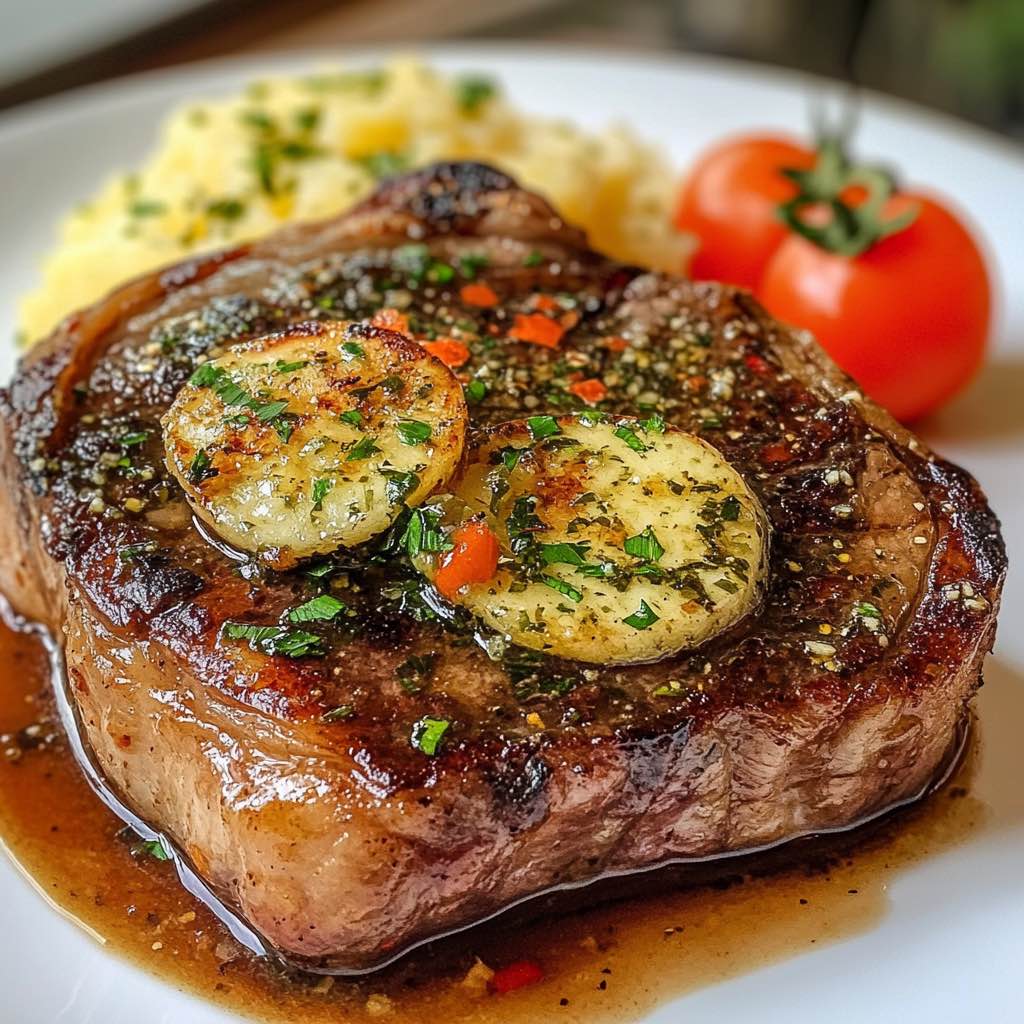
Juicy Garlic Butter Prime Rib: The Ultimate Guide to Perfect Holiday Roast
Introduction
Nothing captures the essence of a special celebration quite like a perfectly cooked juicy garlic butter prime rib. This magnificent roast represents the pinnacle of holiday cooking, combining tender, succulent beef with the rich, aromatic flavors of garlic and butter. Moreover, creating this masterpiece at home is entirely achievable with the right techniques and knowledge.
The art of preparing prime rib has been passed down through generations. Furthermore, this comprehensive guide will equip you with everything needed to create an unforgettable dining experience. Additionally, we’ll explore expert techniques that ensure your roast turns out perfectly juicy every single time.
What Makes Prime Rib Special
Prime rib stands as one of the most coveted cuts of beef available. This exceptional roast comes from the primal rib section of the cow, specifically ribs six through twelve. Consequently, this area produces incredibly tender and flavorful meat due to minimal muscle usage.
The Anatomy of Prime Rib
The prime rib consists of several distinct components that contribute to its exceptional quality:
-
The eye of the roast: The central portion delivers the most tender meat
-
The fat cap: This protective layer bastes the meat during cooking
-
The rib bones: These add flavor and help maintain moisture
-
Marbling: Intramuscular fat creates incredible tenderness and taste
Why Garlic Butter Enhances Prime Rib
Garlic butter creates the perfect complement to prime rib’s rich flavor profile. The combination works because:
-
Garlic adds aromatic depth without overpowering the beef
-
Butter provides additional richness and helps achieve golden browning
-
Together, they create a flavorful crust that seals in juices
-
The mixture penetrates into the meat during the cooking process
Choosing the Perfect Prime Rib Cut
Selecting the right prime rib is crucial for achieving exceptional results. Therefore, understanding what to look for will significantly impact your final dish.
Grade Classifications
Prime rib comes in different USDA grades that indicate quality:
Prime Grade: The highest quality with abundant marbling throughout. However, this grade can be expensive and may require special ordering.
Choice Grade: Excellent quality with good marbling. Additionally, this grade offers great value while maintaining superior taste and tenderness.
Select Grade: Leaner with less marbling. Nevertheless, proper cooking techniques can still produce delicious results.
Size Considerations
Planning the right size ensures everyone gets their fair share:
-
Two ribs: Serves 4-6 people (approximately 4-6 pounds)
-
Three ribs: Serves 6-8 people (approximately 6-8 pounds)
-
Four ribs: Serves 8-10 people (approximately 8-10 pounds)
Bone-In vs. Boneless
Bone-in prime rib offers several advantages. First, the bones act as a natural roasting rack. Second, they add flavor during cooking. Third, they help maintain moisture throughout the process.
Boneless prime rib provides easier carving and more consistent cooking. However, it may require additional attention to prevent overcooking.
Essential Ingredients for Garlic Butter Prime Rib
Creating the perfect juicy garlic butter prime rib requires quality ingredients and proper proportions. Therefore, gathering everything beforehand ensures smooth preparation.
For the Prime Rib
-
1 bone-in prime rib roast (4-8 pounds)
-
2 tablespoons kosher salt
-
1 tablespoon freshly ground black pepper
-
2 tablespoons fresh thyme leaves
-
2 tablespoons fresh rosemary, chopped
-
1 tablespoon garlic powder
For the Garlic Butter
-
8 tablespoons unsalted butter, softened
-
6 cloves fresh garlic, minced
-
2 tablespoons fresh parsley, chopped
-
1 teaspoon dried oregano
-
1/2 teaspoon smoked paprika
-
1/4 teaspoon cayenne pepper (optional)
Additional Seasonings
-
2 tablespoons olive oil
-
1 tablespoon Worcestershire sauce
-
1 teaspoon onion powder
-
Fresh herb sprigs for garnish
Preparation Techniques
Proper preparation sets the foundation for a successful juicy garlic butter prime rib. Furthermore, these steps ensure optimal flavor development and cooking results.
Bringing to Room Temperature
Remove the prime rib from refrigeration 2-3 hours before cooking. This step is crucial because:
-
Room temperature meat cooks more evenly
-
Cold meat can result in overcooked exteriors and undercooked centers
-
Even cooking produces consistent doneness throughout
Creating the Perfect Garlic Butter
Combine softened butter with minced garlic in a mixing bowl. Next, add parsley, oregano, and spices. Then, mix thoroughly until all ingredients are evenly distributed. Additionally, taste and adjust seasonings as needed.
Seasoning the Roast
Pat the prime rib completely dry with paper towels. This step removes excess moisture that can interfere with browning. Subsequently, brush the entire surface with olive oil.
Apply the dry seasoning mixture generously:
-
Start with the fat cap side up
-
Cover all surfaces evenly
-
Press seasonings gently to ensure adherence
-
Allow seasoning to penetrate for at least 30 minutes
Applying the Garlic Butter
Spread the garlic butter mixture over the entire roast. Focus particularly on:
-
The fat cap for maximum flavor penetration
-
Any exposed meat surfaces
-
Areas around the bones where flavor can concentrate
Step-by-Step Cooking Instructions
Following proper cooking techniques ensures your juicy garlic butter prime rib turns out perfectly every time. Moreover, these methods have been tested and refined for optimal results.
Oven Preparation
Preheat your oven to 450°F (232°C). Position the oven rack in the lower third of the oven. This placement allows proper air circulation and even browning.
Initial High-Heat Searing
Place the seasoned prime rib fat-side up in a roasting pan. Additionally, use a roasting rack if available for better air circulation.
Roast at 450°F for the first 15-20 minutes. This high heat:
-
Creates a beautiful golden-brown crust
-
Seals in natural juices
-
Develops complex flavors through the Maillard reaction
-
Sets the foundation for the garlic butter coating
Reducing Temperature for Even Cooking
After the initial searing period, reduce oven temperature to 325°F (163°C). This lower temperature ensures:
-
Even cooking throughout the roast
-
Prevents overcooking the exterior
-
Allows interior to reach desired doneness gradually
-
Maintains moisture and tenderness
Calculating Cooking Time
Cooking time depends on desired doneness and roast size:
For Rare (120-125°F internal temperature):
-
13-15 minutes per pound after temperature reduction
For Medium-Rare (130-135°F internal temperature):
-
15-17 minutes per pound after temperature reduction
For Medium (135-140°F internal temperature):
-
17-19 minutes per pound after temperature reduction
Monitoring Internal Temperature
Use a reliable meat thermometer for accurate results. Furthermore, insert the probe into the thickest part of the roast, avoiding bone contact.
Check temperature periodically during the final 30 minutes of cooking. Additionally, remember that temperature will continue rising during the resting period.
Temperature Guidelines and Doneness
Understanding proper temperature guidelines ensures your juicy garlic butter prime rib reaches perfect doneness. Moreover, these measurements account for carryover cooking during resting.
Target Internal Temperatures
Rare: 120-125°F (49-52°C)
-
Cool red center
-
Very juicy and tender
-
Requires confidence in meat quality
Medium-Rare: 130-135°F (54-57°C)
-
Warm red center
-
Optimal balance of flavor and juiciness
-
Most popular choice for prime rib
Medium: 135-140°F (57-60°C)
-
Warm pink center
-
Still juicy but firmer texture
-
Good option for those preferring less red meat
Using a Meat Thermometer
Insert the thermometer probe into the center of the roast. Additionally, ensure it doesn’t touch bone, which can give false readings.
For bone-in roasts, check temperature in multiple locations. Furthermore, the area near bones may cook differently than the center.
Carryover Cooking Considerations
Internal temperature continues rising after removing from oven. Therefore, remove the roast 5-10 degrees before target temperature.
Expected temperature rise during resting:
-
Small roasts (under 6 pounds): 5-7 degrees
-
Large roasts (over 6 pounds): 7-10 degrees
Resting and Carving Your Prime Rib
Proper resting and carving techniques are essential for serving the perfect juicy garlic butter prime rib. Furthermore, these final steps significantly impact the dining experience.
The Importance of Resting
Resting allows juices to redistribute throughout the meat. Additionally, this process prevents juice loss when carving begins.
Resting Guidelines:
-
Rest for 15-20 minutes minimum
-
Tent loosely with aluminum foil
-
Place on a cutting board with juice grooves
-
Resist the temptation to carve immediately
Preparing for Carving
Gather necessary equipment before beginning:
-
Sharp carving knife
-
Carving fork
-
Large cutting board
-
Serving platter
-
Clean kitchen towel
Carving Technique
Remove any kitchen twine before carving. Then, position the roast with bones facing away from you.
For Bone-In Prime Rib:
-
Cut along the bones to separate the meat
-
Set bones aside for serving alongside slices
-
Slice meat perpendicular to the grain
-
Maintain consistent thickness (approximately 1/2 to 3/4 inch)
Slicing Tips:
-
Use smooth, confident strokes
-
Don’t saw back and forth
-
Clean knife blade between cuts
-
Arrange slices attractively on serving platter
Serving Presentation
Arrange carved slices on a warmed serving platter. Additionally, include the bones for guests who enjoy them. Furthermore, drizzle any accumulated juices over the meat.
Garnish with fresh herb sprigs for visual appeal. Moreover, this adds aromatic elements that complement the garlic butter flavors.
Perfect Side Dishes
Selecting complementary side dishes enhances your juicy garlic butter prime rib dinner. Furthermore, these accompaniments should balance the rich flavors of the roast.
Classic Vegetable Sides
Roasted Root Vegetables
Carrots, parsnips, and potatoes roasted with herbs create perfect harmony. Additionally, they absorb flavors from the prime rib drippings.
Green Bean Almondine
Fresh green beans with toasted almonds provide textural contrast. Moreover, the bright color adds visual appeal to the plate.
Asparagus with Lemon
Simply prepared asparagus offers freshness that cuts through richness. Furthermore, lemon brightens the overall flavor profile.
Potato Preparations
Garlic Mashed Potatoes
Creamy mashed potatoes complement the garlic butter flavors perfectly. Additionally, they provide comfort food satisfaction.
Roasted Fingerling Potatoes
Crispy-skinned potatoes with herbs offer textural variety. Moreover, they’re easy to prepare alongside the roast.
Yorkshire Pudding
This traditional British accompaniment rises beautifully in prime rib drippings. Furthermore, it creates an impressive presentation.
Sauce Accompaniments
Horseradish Cream Sauce
Fresh horseradish mixed with sour cream provides sharp contrast. Additionally, this classic pairing enhances the beef’s natural flavors.
Au Jus from Drippings
Pan drippings create a simple yet elegant sauce. Moreover, this utilizes all the flavorful elements from cooking.
Check out our comprehensive guide on [holiday side dishes] for more inspiration and detailed recipes.
Storage and Reheating Tips
Proper storage and reheating preserve the quality of leftover juicy garlic butter prime rib. Furthermore, these techniques maintain flavor and texture for future meals.
Refrigeration Guidelines
Cool leftover prime rib to room temperature before refrigerating. Additionally, this prevents condensation that can affect meat quality.
Storage Methods:
-
Wrap tightly in plastic wrap or aluminum foil
-
Store in airtight containers
-
Keep refrigerated for up to 4 days maximum
-
Label with date for food safety
Freezing Options
Prime rib freezes well when properly wrapped. Therefore, consider freezing portions for future enjoyment.
Freezing Steps:
-
Wrap individual portions in plastic wrap
-
Place in freezer bags with dates
-
Remove excess air to prevent freezer burn
-
Freeze for up to 3 months
Reheating Methods
Oven Reheating (Recommended)
Preheat oven to 250°F (121°C). Place slices in a baking dish with a splash of beef broth. Cover tightly with foil and heat until warmed through.
Stovetop Method
Heat slices gently in a skillet over medium-low heat. Add a small amount of butter or beef broth to prevent drying.
Microwave Caution
While convenient, microwaving can quickly overcook prime rib. Use lower power settings and check frequently if this method is necessary.
Troubleshooting Common Issues
Understanding common problems helps ensure your juicy garlic butter prime rib turns out perfectly. Moreover, these solutions address typical challenges home cooks encounter.
Overcooked Exterior, Undercooked Interior
Cause: Oven temperature too high throughout cooking
Solution: Use high heat only for initial searing, then reduce temperature significantly
Prevention: Monitor internal temperature regularly and use proper cooking techniques
Dry or Tough Meat
Cause: Overcooking or insufficient resting time
Solution: Slice very thinly and serve with au jus or gravy
Prevention: Remove roast at proper temperature and allow adequate resting
Uneven Cooking
Cause: Roast not at room temperature before cooking
Solution: Next time, allow 2-3 hours for tempering
Additional Causes: Poor oven circulation or incorrect rack placement
Lack of Browning
Cause: Moisture on meat surface or insufficient searing time
Solution: Pat meat completely dry and ensure proper initial high-heat phase
Enhancement: Increase initial searing time by 5-10 minutes if needed
Garlic Butter Burns
Cause: Oven temperature too high or placement too close to heat source
Solution: Shield burned areas with foil and reduce temperature
Prevention: Monitor closely during high-heat searing phase
Frequently Asked Questions
How long should I cook juicy garlic butter prime rib?
Cooking time depends on size and desired doneness. Generally, plan 15-20 minutes per pound after the initial high-heat searing. Additionally, always use internal temperature as the primary guide rather than time alone.
Can I prepare garlic butter prime rib ahead of time?
Yes, you can season the roast up to 24 hours in advance. Store it covered in the refrigerator, then bring to room temperature before cooking. Furthermore, this advance preparation actually enhances flavor development.
What’s the best way to reheat leftover prime rib?
Gentle oven reheating at 250°F works best for maintaining quality. Place slices in a covered dish with a splash of broth. Additionally, avoid high heat that can quickly overcook the meat.
Should I remove the bones before cooking?
Keeping bones attached during cooking adds flavor and helps maintain moisture. However, you can ask your butcher to “french” the bones for easier carving later. Moreover, bones make excellent handles during carving.
How do I know when my prime rib is done?
Internal temperature is the most reliable indicator. Use a meat thermometer inserted into the thickest part, avoiding bone contact. Additionally, remember that temperature continues rising during resting.
Can I make this recipe without fresh herbs?
While fresh herbs provide the best flavor, you can substitute dried herbs. Use about one-third the amount of dried herbs compared to fresh. Furthermore, add them to the garlic butter mixture for even distribution.
Conclusion
Creating the perfect juicy garlic butter prime rib represents one of cooking’s greatest achievements. This comprehensive guide has provided all the essential knowledge, techniques, and tips needed for success. Moreover, following these proven methods ensures consistently excellent results every time you prepare this magnificent roast.
The combination of high-quality meat, proper seasoning, and careful attention to temperature creates an unforgettable dining experience. Additionally, the aromatic garlic butter enhances the natural flavors while creating an impressive presentation that will wow your guests.
Remember that practice makes perfect, and each time you prepare prime rib, you’ll gain more confidence and skill. Furthermore, don’t be afraid to adjust seasonings and techniques to match your personal preferences and those of your family.
Whether you’re planning a holiday celebration, special anniversary dinner, or simply want to treat yourself to something extraordinary, this juicy garlic butter prime rib recipe delivers exceptional results. The investment in quality ingredients and proper technique pays dividends in flavor, tenderness, and overall satisfaction.
Juicy Garlic Butter Prime Rib
Description
Juicy Garlic Butter Prime Rib
Ingredients
-
1 boneless or bone-in prime rib roast (4–7 lbs)
-
1/2 cup unsalted butter, room temperature
-
5-8 cloves garlic, minced
-
1 tablespoon coarse salt (kosher or sea salt)
-
1 tablespoon black pepper
-
1 tablespoon fresh rosemary, finely chopped
-
1 tablespoon fresh thyme, finely chopped
-
1–2 teaspoons olive oil (optional)
-
Optional: 2 heads garlic, halved horizontally, to roast with the beef
Instructions
-
Bring the Beef to Room Temperature: Remove the prime rib from the refrigerator at least 2–3 hours before cooking. Pat dry with paper towels.
-
Prepare Garlic Butter: In a bowl, mix the softened butter, minced garlic, chopped herbs, salt, and black pepper. (Add olive oil if needed to loosen the mixture.)
-
Coat the Roast: Tie roast with kitchen twine if untied. Rub the garlic butter mixture all over the beef, including the bottom, so the roast is fully coated.
-
Roast: Preheat oven to 450°F (230°C). Place the roast bone-side down (or fat-side up) on a rack in a roasting pan. For boneless, use a rack or place directly in the pan. Optional: Add halved garlic heads around the beef for extra aroma.
-
Roasting Times: Roast at 450°F for 20–30 minutes to create a crust, then reduce the oven temperature to 225–250°F (110–120°C) and roast until the internal temperature reaches 120–125°F (49–52°C) for rare or 130°F (54°C) for medium rare. Estimate 15–20 minutes per pound for the slow roast segment.
-
Rest: Remove from oven, tent loosely with foil, and rest for at least 20–30 minutes. The internal temperature will continue to rise 5–10°F.
-
Slice and Serve: Carve into thick slices and serve warm.