
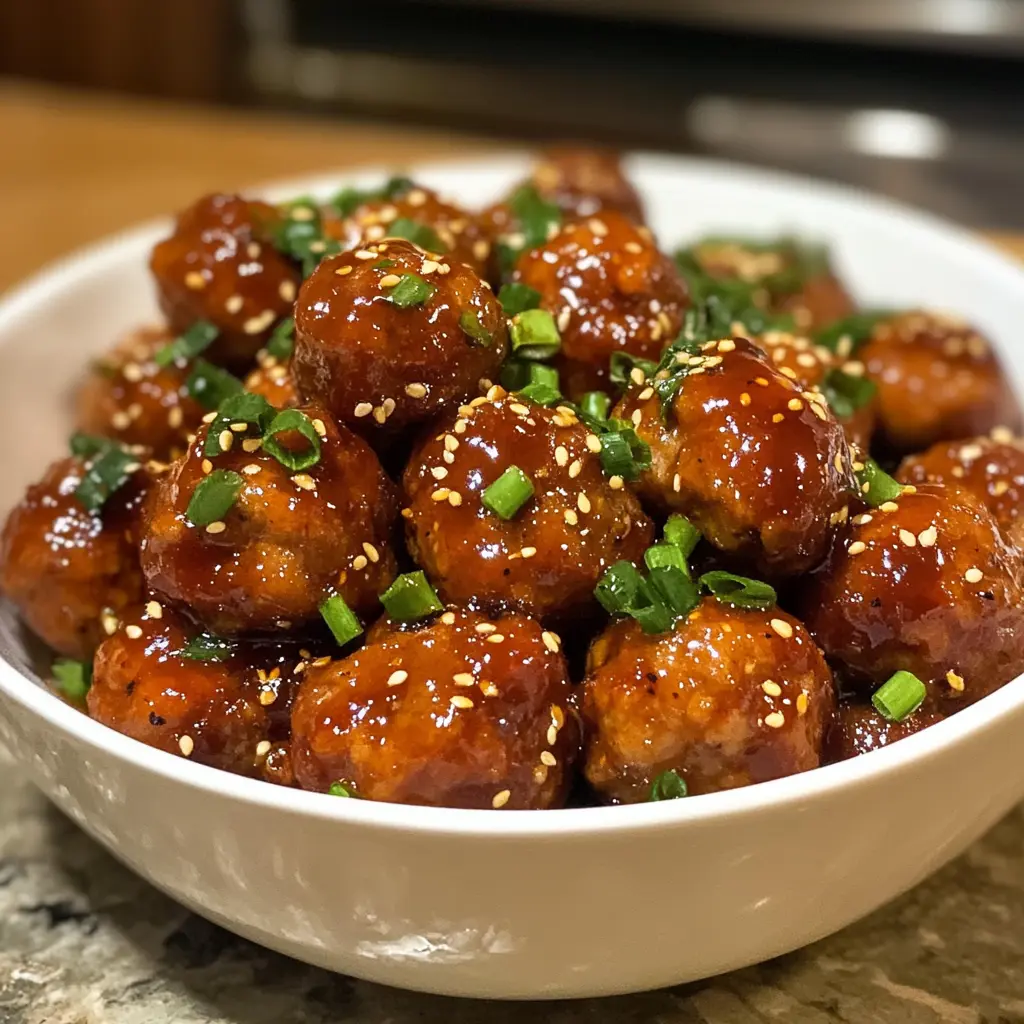
Korean BBQ Meatballs with Gochujang Glaze
Introduction
Korean BBQ Meatballs with Gochujang Glaze bring authentic Korean flavors to your dinner table with minimal effort. These tender, juicy meatballs feature a perfect balance of sweet, savory, and spicy notes that make them irresistible. Moreover, they’re incredibly versatile – serve them as an appetizer, main course, or meal prep option for busy weeknights.
The combination of ground meat, aromatic seasonings, and that signature gochujang glaze creates an unforgettable dish. Furthermore, this recipe requires simple ingredients you can find at most grocery stores. Whether you’re new to Korean cuisine or a seasoned enthusiast, these meatballs deliver restaurant-quality results at home.
What Makes Korean BBQ Meatballs Special
Korean BBQ meatballs stand out because they incorporate fermented ingredients that create complex flavor layers. The sweet-savory foundation typical of Korean cuisine distinguishes these from Italian or Swedish meatballs. Additionally, the use of fresh ginger, garlic, and green onions adds aromatic depth that elevates every bite.
The signature glaze transforms ordinary meatballs into something extraordinary. It caramelizes during cooking, creating a glossy coating that’s both visually appealing and delicious. Consequently, these meatballs offer a unique taste experience that combines traditional Korean BBQ elements with convenient meatball form.
Understanding Gochujang: The Star Ingredient
What Is Gochujang
Gochujang is a fermented Korean chili paste made from gochugaru (Korean chili powder), glutinous rice, fermented soybeans, and salt. The fermentation process creates beneficial probiotics that support gut health. Unlike other hot sauces, gochujang offers a complex flavor profile – simultaneously spicy, sweet, savory, and umami-rich.
This thick, red paste serves as a fundamental ingredient in Korean cuisine. It brings together multiple taste dimensions in one convenient condiment. Therefore, gochujang becomes the perfect base for glazes, marinades, and sauces.
Health Benefits of Gochujang
The fermentation process produces probiotics that promote digestive health. Capsaicin from the chili peppers provides antioxidant and anti-inflammatory properties. Additionally, gochujang contains vitamin A, which supports vision and immunity.
Iron content helps with hemoglobin production and oxygen transport. The paste also provides dietary fiber that aids digestion and prevents constipation. However, be mindful that gochujang is high in sodium due to the fermentation process.
Essential Ingredients Breakdown
For the Meatballs
Ground Meat: Use beef, pork, or a combination for optimal flavor and texture. Beef provides robust flavor, while pork adds moisture and tenderness. A 70-80% lean ratio works best for juicy results.
Panko Breadcrumbs: These Japanese-style breadcrumbs create lighter, fluffier meatballs compared to regular breadcrumbs. They absorb moisture while maintaining structure. Consequently, panko helps prevent dense, heavy meatballs.
Green Onions: Fresh scallions add mild onion flavor and bright color. They distribute evenly throughout the mixture. Use both white and green parts for maximum flavor.
Fresh Ginger: Minced ginger provides aromatic spice and helps tenderize the meat. It adds authentic Korean flavor that dried ginger cannot replicate. Use about 1-2 tablespoons for 2 pounds of meat.
Garlic: Fresh minced garlic contributes pungent, savory depth. It’s essential for authentic Korean BBQ flavor profiles. Three to four cloves work well for most recipes.
Eggs: Beaten eggs bind ingredients together and add moisture. They help meatballs maintain their shape during cooking. One to two eggs typically suffice for two pounds of meat.
Gochujang in Meatballs: Adding gochujang directly to the meat mixture infuses spicy-sweet flavor throughout. Use 2-4 tablespoons depending on your heat preference. This creates flavor from the inside out.
Gochugaru (Optional): These Korean chili flakes add extra heat and visual appeal. They’re more versatile than powder and don’t stick to teeth. Start with 1-2 teaspoons and adjust to taste.
For the Gochujang Glaze
Gochujang: This forms the flavor foundation of your glaze. Use 3-4 tablespoons for a balanced sauce. Quality matters, so choose authentic Korean brands when possible.
Soy Sauce: Provides saltiness and umami that complements the gochujang. It creates the savory backbone of the glaze. Low-sodium versions work if you’re watching salt intake.
Honey: Natural sweetness balances the heat and creates glossy caramelization. It contains enzymes that help tenderize meat. Brown sugar works as an alternative.
Rice Vinegar: Adds acidity that brightens the rich, sweet-savory flavors. It prevents the glaze from tasting one-dimensional. Apple cider vinegar can substitute in a pinch.
Sesame Oil: This nutty, aromatic oil adds authentic Korean flavor. Use toasted sesame oil for maximum impact. A little goes a long way – 1-2 teaspoons suffice.
Cornstarch Slurry: Mixing cornstarch with water creates a thickening agent. This transforms thin sauce into glossy glaze. Add it gradually to control consistency.
Step-by-Step Recipe Instructions
Preparing the Meatball Mixture
Start by placing ground meat in a large mixing bowl. Add panko breadcrumbs, beaten eggs, minced garlic, and grated ginger. Include thinly sliced green onions, reserving some for garnish.
Next, add gochujang, salt, and white pepper to the bowl. If using gochugaru, incorporate it now. Mix everything gently with your hands until just combined.
Avoid overworking the mixture, as this creates dense, chewy meatballs. Stop mixing once ingredients are evenly distributed. Remember, you’ll work the mixture again when shaping.
Shaping the Meatballs
Use a cookie scoop or tablespoon to portion equal amounts of mixture. This ensures even cooking times. Roll each portion between your palms to form smooth balls.
Make meatballs about 1.5 inches in diameter for appetizers. Create larger 2-inch balls for main course servings. Keep sizes consistent within each batch.
Place shaped meatballs on a prepared baking sheet or plate. Space them so they don’t touch. This prevents sticking and promotes even browning.
Cooking Methods
Baking Method
Preheat your oven to 400-425°F (200-220°C). Line a baking sheet with parchment paper or lightly grease it. Arrange meatballs with space between each one.
Bake on the middle rack for 15-18 minutes. Check internal temperature, which should reach 160°F. Remove from oven when meatballs are cooked through and starting to brown.
Turn oven to broil setting. Brush meatballs with prepared glaze. Return to oven for 2 minutes to caramelize the glaze.
Pan-Frying Method
Heat 2 tablespoons of neutral oil in a large skillet over medium heat. Add meatballs without overcrowding the pan. Work in batches if necessary.
Fry meatballs for 12-15 minutes, turning occasionally. All sides should become brown and caramelized. Transfer cooked meatballs to a plate and wipe out burnt bits.
Use the same pan to make the glaze. This captures fond (browned bits) for extra flavor. Return glazed meatballs to pan to coat thoroughly.
Perfecting the Gochujang Glaze
Making the Glaze
Place a small saucepan over low to medium heat. Add gochujang, soy sauce, honey, rice vinegar, and sesame oil. Whisk ingredients together until smooth and combined.
The mixture should become saucy within 30-60 seconds once heated. Bring to a gentle simmer, stirring occasionally. This allows flavors to meld together.
Create a cornstarch slurry by mixing 1 tablespoon cornstarch with 2 tablespoons cold water. Stir the slurry into the simmering glaze. Cook for 2 more minutes until thickened to desired consistency.
Achieving the Perfect Consistency
The glaze should coat the back of a spoon without running off immediately. If too thick, add water one tablespoon at a time. If too thin, simmer longer to reduce.
Test consistency by dipping a meatball – the glaze should cling nicely. The coating becomes glossy and sticky as it cools slightly. Therefore, prepare the glaze while meatballs finish cooking.
Glazing Techniques
Brush Method: Use a pastry brush to apply glaze to baked meatballs. This works best when broiling to caramelize. Apply a second coat after broiling for extra flavor.
Toss Method: Return pan-fried meatballs to the skillet with glaze. Toss gently to coat all surfaces evenly. Heat through for 1-2 minutes.
Serve-Side Method: Serve extra glaze in a small bowl alongside meatballs. This allows diners to control glaze amount. Keep remaining glaze warm for best results.
Serving Suggestions and Pairings
Traditional Korean Accompaniments
Serve Korean BBQ meatballs over steamed white rice or brown rice. The rice absorbs the delicious glaze drippings. This creates a complete, satisfying meal.
Garnish with sliced green onions and toasted sesame seeds. These add color, texture, and authentic Korean presentation. Fresh cilantro also works as an alternative garnish.
Modern Serving Ideas
As Appetizers: Thread meatballs on toothpicks for easy party food. Arrange on a platter with extra glaze for dipping. They disappear quickly at gatherings.
Rice Bowls: Create a Korean-inspired bowl with rice, meatballs, kimchi, and pickled vegetables. Add cucumber slices and shredded carrots for crunch. Drizzle extra glaze over everything.
Lettuce Wraps: Place meatballs in butter lettuce leaves. Add rice, fresh herbs, and cucumber. This creates a lighter, interactive meal.
Noodle Dishes: Serve over ramen noodles or rice noodles. The glaze becomes a flavorful sauce for the noodles. Add steamed broccoli or bok choy.
Side Dish Pairings
Kimchi: This fermented cabbage provides tangy contrast to sweet-savory meatballs. It’s a classic Korean side dish. Choose mild or spicy versions based on preference.
Stir-Fried Vegetables: Sauté snap peas, carrots, and bell peppers. Season with garlic and sesame oil. This adds color and nutrition to your plate.
Asian Slaw: Make a crunchy slaw with cabbage, carrots, and sesame-ginger dressing. The crisp texture complements tender meatballs. It provides refreshing contrast.
Meal Prep and Storage Tips
Preparing Ahead
Shape raw meatballs and refrigerate up to 24 hours before cooking. Cover tightly with plastic wrap to prevent drying. This makes weeknight dinners faster.
Alternatively, freeze uncooked meatballs for longer storage. Place shaped meatballs on a baking sheet and freeze for one hour. Transfer frozen meatballs to freezer bags.
Freezing Instructions
Freezing meatballs individually prevents them from forming one frozen block. This allows you to remove only the quantity needed. Label bags with date and cooking instructions.
Frozen raw meatballs keep for up to three months. Cook directly from frozen by adding 5-7 minutes to baking time. Alternatively, thaw overnight in the refrigerator.
Cooked meatballs also freeze well for up to three months. Cool completely before freezing to maintain texture. Reheat in oven or microwave until warmed through.
Refrigerator Storage
Store cooked meatballs in airtight containers for up to four days. Keep glaze in a separate container to prevent sogginess. Reheat gently to avoid drying out.
Lunch Box Ideas
Pack Korean BBQ meatballs in compartment-style lunch containers. Place rice in the largest section with meatballs on top. Use separate compartments for vegetables like carrots and snap peas.
Pack extra glaze in a small, leak-proof container. Add it just before eating to keep rice from getting soggy. Include an ice pack to maintain safe temperature until lunchtime.
Variations and Substitutions
Meat Options
Turkey Meatballs: Ground turkey creates a leaner version. Add extra sesame oil to compensate for less fat. Mix in dark meat turkey for better flavor and moisture.
Chicken Meatballs: Ground chicken works similarly to turkey. Season generously since chicken is mild. Consider adding a tablespoon of mayonnaise for moisture.
Pork and Beef Blend: Combine equal parts for optimal flavor and texture. Pork adds fat and tenderness, beef provides robust taste. This traditional combination yields the juiciest results.
Lamb Meatballs: Ground lamb offers distinctive, rich flavor. It pairs surprisingly well with Korean seasonings. Use 85% lean for best results.
Dietary Modifications
Gluten-Free: Replace panko with gluten-free breadcrumbs or almond meal. Use tamari instead of soy sauce. Check that your gochujang is certified gluten-free.
Low-Sodium: Choose low-sodium soy sauce and reduce salt in meatball mixture. Make your own gochujang to control sodium content. Add extra garlic and ginger for flavor compensation.
Dairy-Free: This recipe is naturally dairy-free. Ensure all purchased ingredients contain no milk products. Most traditional Korean ingredients are dairy-free.
Spice Level Adjustments
Mild Version: Reduce gochujang to 1-2 tablespoons in both meatballs and glaze. Omit gochugaru completely. Increase honey slightly to balance flavors.
Extra Spicy: Double the gochugaru in the meatball mixture. Add red pepper flakes to the glaze. Include fresh minced jalapeño for additional heat.
Sweet-Savory Balance: Increase honey or add a tablespoon of brown sugar. This creates more caramelization during cooking. The sweetness tempers heat without eliminating it.
Health Benefits and Nutritional Information
Protein Content
Each serving provides substantial protein from the ground meat. Protein supports muscle maintenance and keeps you feeling satisfied. A typical serving of 4-5 meatballs contains approximately 25-30 grams of protein.
Fermented Food Benefits
The gochujang contributes probiotics from the fermentation process. These beneficial bacteria support digestive health and gut microbiome. Fermented foods may also boost immune function.
Vitamins and Minerals
Garlic and ginger provide antioxidants and anti-inflammatory compounds. Green onions contribute vitamin K and vitamin C. Sesame oil offers vitamin E and healthy fats.
Iron from the meat helps prevent anemia. Vitamin A in gochujang supports vision and immune function. The combination creates a nutritionally balanced dish.
Calorie Considerations
Baking meatballs instead of frying reduces overall calorie content. Using leaner meat cuts decreases fat calories. However, some fat is necessary for flavor and juiciness.
A typical serving contains approximately 350-400 calories. This varies based on meat fat content and glaze quantity. Serving with vegetables and rice creates a complete, balanced meal.
Troubleshooting Common Issues
Dry, Crumbly Meatballs
This usually results from too much breadcrumb or overcooking. Use the correct panko-to-meat ratio. Don’t exceed recommended baking time.
Adding an extra egg or tablespoon of sesame oil increases moisture. Choose ground meat with at least 15-20% fat content. Let meatballs rest five minutes after cooking to reabsorb juices.
Dense, Heavy Texture
Overworking the meat mixture creates this problem. Mix only until ingredients combine. Handle gently when shaping.
Panko breadcrumbs help create lighter texture than regular breadcrumbs. Ensure eggs are properly incorporated throughout mixture. Don’t pack meatballs too tightly when forming.
Glaze Too Thin
Simmer longer to reduce and thicken naturally. Add more cornstarch slurry, one teaspoon at a time. Remember that glaze thickens as it cools.
Starting with less liquid prevents over-thinning. You can always add water if too thick. Cook the cornstarch slurry for at least 2 minutes to activate thickening.
Glaze Too Thick
Add water or broth one tablespoon at a time. Whisk thoroughly to incorporate. Heat gently to help thin the consistency.
Store leftover glaze with a splash of water on top. This prevents skin formation. Reheat and whisk before serving.
Burnt Exterior, Raw Interior
Lower oven temperature to 375°F and cook longer. This allows interior to cook without over-browning outside. Ensure meatballs are uniform size.
Use a meat thermometer to check doneness. Internal temperature should reach 160°F. Consider making smaller meatballs for faster, more even cooking.
Frequently Asked Questions
Can I make Korean BBQ meatballs with gochujang glaze in advance?
Yes, you can prepare both components ahead of time. Shape raw meatballs and refrigerate up to 24 hours or freeze up to three months. Make the glaze and store separately in the refrigerator for up to one week. Combine and heat when ready to serve.
What can I substitute for gochujang?
While nothing perfectly replicates gochujang’s unique flavor, you can mix sriracha with miso paste and a touch of honey. Another option combines red pepper flakes, soy sauce, and sugar. However, these substitutes lack the fermented complexity of authentic gochujang.
How do I adjust the spice level?
Reduce or increase gochujang quantity to control heat. Start with 2 tablespoons for mild, use 4-6 tablespoons for spicy. Add gochugaru for extra heat without changing glaze consistency. Increase honey to balance spiciness if needed.
Can I use frozen meatballs?
Pre-made frozen meatballs work in a pinch. Cook according to package directions, then coat with gochujang glaze. However, homemade meatballs with Korean seasonings incorporated throughout taste significantly better.
What sides go best with these meatballs?
Steamed rice is the traditional choice, absorbing the delicious glaze. Kimchi provides tangy contrast. Stir-fried vegetables, Asian slaw, or cucumber salad complement the rich flavors. Rice noodles or lettuce wraps offer creative alternatives.
How long do leftovers last?
Cooked meatballs keep refrigerated for 3-4 days in airtight containers. Store glaze separately to maintain best texture. Freeze cooked meatballs up to three months. Reheat gently in oven or microwave.
Can I make these in a slow cooker?
Yes, brown meatballs first for better texture and flavor. Transfer to slow cooker with glaze ingredients. Cook on low 2-3 hours until heated through and glazed. This method works great for parties.
Are Korean BBQ meatballs healthy?
They provide excellent protein and beneficial probiotics from gochujang. Using lean meat and baking instead of frying reduces fat content. However, the glaze contains sugar and sodium, so enjoy in moderation. Serving with vegetables creates a balanced meal.
Conclusion
Korean BBQ Meatballs with Gochujang Glaze deliver restaurant-quality flavor with home-cooked convenience. The combination of tender, seasoned meatballs and sticky-sweet glaze creates an irresistible dish. These meatballs work equally well as appetizers, main courses, or meal prep options.
The recipe’s versatility allows endless customization to suit your preferences. Whether you bake or pan-fry, use beef or turkey, go mild or spicy, the results consistently impress. Furthermore, the make-ahead and freezer-friendly nature makes weeknight dinners effortless.
Ready to bring Korean BBQ flavors to your kitchen? Gather your ingredients and try this recipe tonight. Your family will request these Korean BBQ meatballs with gochujang glaze again and again. Don’t forget to garnish with green onions and sesame seeds for authentic presentation.