
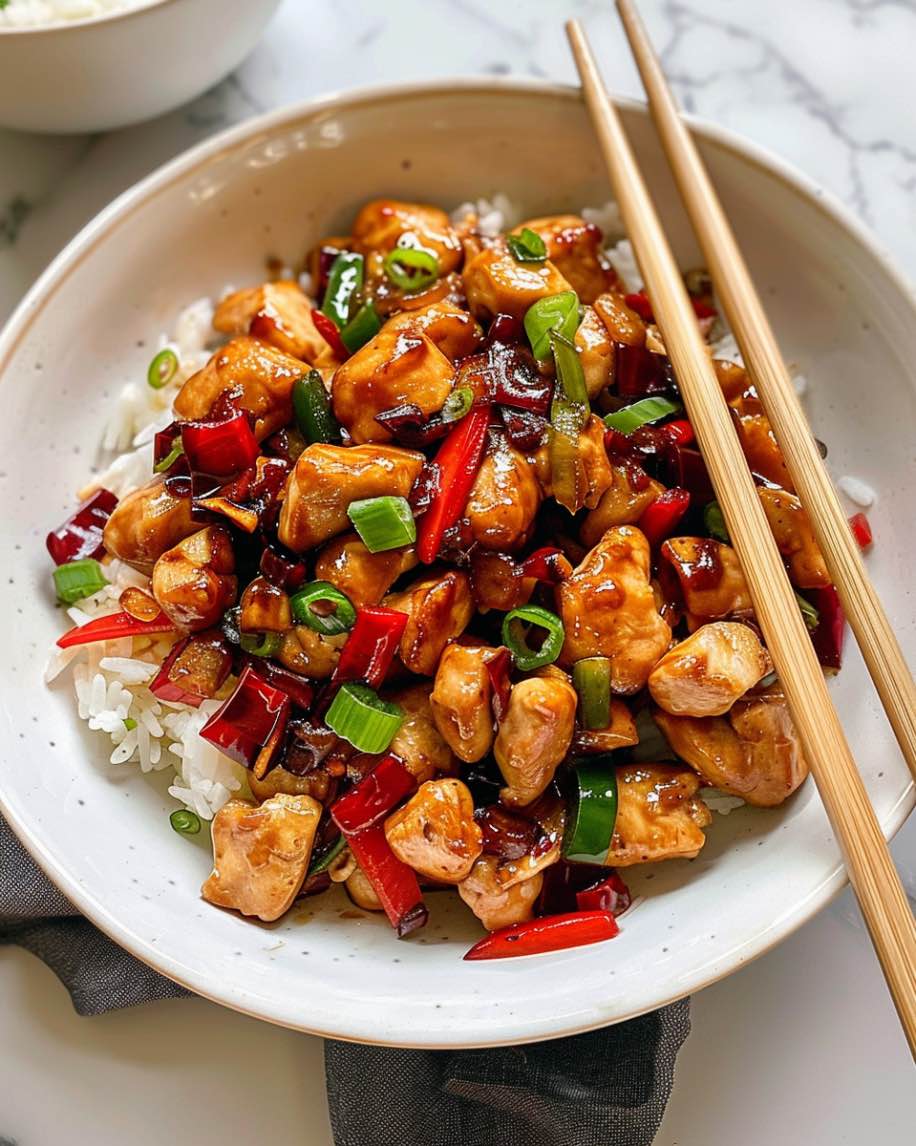
Kung Pao Chicken: The Ultimate Guide to This Spicy Chinese Classic
Introduction to Kung Pao Chicken
Kung Pao Chicken stands as one of the most beloved Chinese dishes worldwide. This iconic stir-fry combines tender chicken pieces with crunchy peanuts in a perfectly balanced sweet, savory, and spicy sauce. Moreover, this dish delivers restaurant-quality flavors right in your home kitchen.
The beauty of Kung Pao Chicken lies in its simplicity and bold flavors. Furthermore, you can customize the heat level to suit your preferences. Whether you’re a beginner cook or an experienced chef, this comprehensive guide will help you master this classic recipe. Additionally, you’ll learn authentic techniques that transform basic ingredients into an extraordinary meal.
In this article, you’ll discover everything about making perfect Kung Pao Chicken. From ingredient selection to cooking techniques, we cover every detail. Therefore, you’ll soon be creating this restaurant favorite with confidence.
What is Kung Pao Chicken?
Kung Pao Chicken is a traditional Sichuan stir-fry dish featuring diced chicken, peanuts, and vegetables. The sauce combines soy sauce, vinegar, sugar, and chili peppers. Consequently, you get a perfect balance of savory, tangy, and spicy flavors in every bite.
The dish typically includes dried red chilies that add heat and visual appeal. However, bell peppers and scallions provide freshness and crunch. Most importantly, roasted peanuts contribute a nutty richness that completes the flavor profile.
Key Characteristics
Kung Pao Chicken features several distinctive elements:
-
Tender, bite-sized chicken pieces
-
Crunchy roasted peanuts
-
Dried red chili peppers
-
Sweet and savory sauce
-
Quick stir-fry cooking method
-
Bold Sichuan peppercorn flavor
The authentic version uses Sichuan peppercorns, which create a unique numbing sensation. Nevertheless, many Western adaptations skip this ingredient. As a result, you can adjust the recipe to match your taste preferences.
The Rich History Behind This Iconic Dish
The origins of Kung Pao Chicken trace back to the Qing Dynasty in China. Specifically, the dish honors Ding Baozhen, a governor from Sichuan province. His official title was “Gong Bao,” which translates to “Palace Guardian.”
According to legend, Ding Baozhen loved this spicy chicken dish. Therefore, chefs named it after his title. Over time, the romanization became “Kung Pao.”
Evolution of the Recipe
Initially, the dish remained popular only in Sichuan province. However, Chinese immigrants brought the recipe to America in the 1960s. Subsequently, American Chinese restaurants adapted it for Western palates.
The Americanized version typically includes more vegetables and less heat. Furthermore, it often features a thicker, sweeter sauce. Nevertheless, both versions share the core elements: chicken, peanuts, and bold flavors.
Today, Kung Pao Chicken appears on menus worldwide. Additionally, countless home cooks prepare their own versions. As a result, this dish continues to evolve while honoring its traditional roots.
Essential Ingredients for Authentic Kung Pao Chicken
Creating authentic Kung Pao Chicken requires specific ingredients. Each component plays a crucial role in the final flavor profile. Therefore, understanding these ingredients helps you make informed substitutions if needed.
For the Chicken Marinade
-
Boneless chicken breast or thighs (1½ pounds): Thighs provide more flavor and tenderness
-
Soy sauce (2 tablespoons): Adds savory depth
-
Cornstarch (1 tablespoon): Creates a protective coating
-
Sesame oil (1 teaspoon): Enhances aroma
For the Sauce
-
Low-sodium soy sauce (3 tablespoons): Controls salt levels
-
Rice vinegar (2 tablespoons): Provides tangy brightness
-
Hoisin sauce (2 tablespoons): Adds sweetness and depth
-
Honey or sugar (1 tablespoon): Balances acidity
-
Chicken broth (¼ cup): Creates the right consistency
-
Cornstarch (1 teaspoon): Thickens the sauce
-
Sesame oil (1 teaspoon): Finishing touch
Main Ingredients
-
Roasted peanuts (¾ cup): Use unsalted for better control
-
Dried red chilies (8-10): Adjust for heat preference
-
Bell peppers (2 medium): Red and green for color
-
Scallions (4-5): White and green parts
-
Garlic (4 cloves): Freshly minced
-
Fresh ginger (1 tablespoon): Grated or minced
-
Sichuan peppercorns (1 teaspoon, optional): Authentic numbing flavor
-
Vegetable oil (3 tablespoons): For high-heat cooking
Ingredient Quality Matters
Always choose fresh, high-quality ingredients. Additionally, opt for organic chicken when possible. Furthermore, fresh garlic and ginger significantly impact the final taste. Therefore, avoid pre-minced versions stored in jars.
Similarly, use authentic Asian sauces from reputable brands. Consequently, your dish will taste more authentic. [Check out our guide on selecting quality Asian ingredients for best results.]
Kitchen Tools You’ll Need
Proper equipment makes cooking Kung Pao Chicken easier and more enjoyable. Fortunately, you don’t need specialized tools. However, certain items improve your results significantly.
Essential Tools
-
Large wok or skillet: 12-14 inches for proper heat distribution
-
Sharp knife: For precise chicken cutting
-
Cutting board: Preferably separate for raw meat
-
Mixing bowls: Multiple sizes for marinades and sauce
-
Measuring spoons and cups: For accurate proportions
-
Wooden spoon or spatula: For stirring and tossing
-
Small bowl: For cornstarch slurry
A wok provides the best results for stir-frying. Nevertheless, a large skillet works well too. Most importantly, ensure your cooking vessel retains high heat effectively.
Step-by-Step Kung Pao Chicken Recipe
Now let’s create this delicious dish step by step. Follow these instructions carefully for best results. Additionally, prepare all ingredients before starting to cook.
Preparation Time
-
Prep: 20 minutes
-
Cook: 15 minutes
-
Total: 35 minutes
-
Servings: 4-6
Step 1: Prepare the Chicken
First, cut the chicken into ¾-inch cubes. Then, place them in a medium bowl. Next, add the marinade ingredients: soy sauce, cornstarch, and sesame oil.
Mix thoroughly until the chicken is evenly coated. Afterward, let it marinate for 15-20 minutes. Meanwhile, prepare the remaining ingredients.
Step 2: Make the Sauce
In a small bowl, whisk together all sauce ingredients. Specifically, combine soy sauce, rice vinegar, hoisin sauce, honey, chicken broth, cornstarch, and sesame oil.
Stir until the cornstarch dissolves completely. Then, set the sauce aside. Importantly, keep it within reach during cooking.
Step 3: Prepare the Vegetables
Cut bell peppers into 1-inch pieces. Similarly, slice scallions into 1-inch segments. Additionally, mince garlic and grate fresh ginger.
Keep the white and green parts of scallions separate. Furthermore, arrange all ingredients near your cooking area. This preparation ensures smooth cooking.
Step 4: Start Cooking
Heat 2 tablespoons of vegetable oil in your wok over high heat. The oil should shimmer but not smoke. Then, add the marinated chicken in a single layer.
Cook without stirring for 2 minutes. This allows proper browning. Afterward, stir-fry for another 3-4 minutes until cooked through. Subsequently, remove the chicken and set aside.
Step 5: Cook the Aromatics
Add the remaining tablespoon of oil to the wok. Next, toss in dried chilies and Sichuan peppercorns. Stir-fry for 30 seconds until fragrant.
Then, add garlic and ginger. Cook for another 30 seconds. Be careful not to burn these ingredients. Therefore, keep stirring constantly.
Step 6: Add Vegetables
Immediately add bell peppers and white parts of scallions. Stir-fry for 2-3 minutes until slightly softened. However, maintain some crunch for texture.
Step 7: Combine and Finish
Return the cooked chicken to the wok. Then, add the peanuts. Next, pour in the prepared sauce.
Toss everything together for 1-2 minutes. The sauce should thicken and coat all ingredients. Finally, add green scallion parts and toss once more.
Step 8: Serve
Transfer the Kung Pao Chicken to a serving platter. Garnish with extra peanuts and scallions if desired. Serve immediately while hot.
Expert Tips for Perfect Results
Mastering Kung Pao Chicken requires attention to detail. Therefore, these professional tips ensure success every time. Additionally, small adjustments make significant differences.
Cooking Techniques
Use high heat: Stir-frying requires intense heat. Consequently, this creates the characteristic “wok hei” flavor. Furthermore, high heat prevents vegetables from becoming soggy.
Don’t overcrowd the pan: Cook chicken in batches if necessary. Otherwise, it will steam instead of sear. Therefore, maintain proper browning.
Prep everything first: Stir-frying happens quickly. Thus, having ingredients ready prevents burning. Additionally, this approach reduces stress during cooking.
Control the heat level: Adjust dried chilies to your preference. Moreover, remove seeds for less spice. Alternatively, increase quantity for more heat.
Toast peanuts before adding: This step enhances flavor significantly. However, watch carefully to prevent burning. Consequently, your dish gains extra depth.
Ingredient Modifications
Protein alternatives: Try shrimp, tofu, or turkey instead. Each variation offers unique flavors. Nevertheless, adjust cooking times accordingly.
Vegetable options: Add zucchini, snap peas, or carrots. Similarly, water chestnuts provide excellent crunch. Therefore, experiment with seasonal produce.
Sauce adjustments: Increase vinegar for tanginess. Alternatively, add more honey for sweetness. Thus, customize the flavor profile to your liking.
Cashew substitution: Use cashews instead of peanuts. This creates a slightly different but equally delicious version. However, cashews cost more than peanuts.
Delicious Variations to Try
Kung Pao Chicken adapts beautifully to various dietary needs. Furthermore, creative variations keep the dish exciting. Therefore, don’t hesitate to experiment with these ideas.
Spicy Kung Pao Chicken
Double the dried chilies for extreme heat. Additionally, add fresh Thai chilies or jalapeños. Moreover, include chili oil for extra kick. Consequently, spice lovers will rejoice.
Lighter Version
Use chicken breast instead of thighs. Furthermore, reduce oil to 1 tablespoon total. Additionally, serve over cauliflower rice. Therefore, you’ll cut calories significantly.
Vegetarian Kung Pao
Replace chicken with firm tofu or tempeh. Press tofu to remove excess moisture first. Then, follow the same cooking method. Similarly, add more vegetables for substance.
Kung Pao Shrimp
Substitute large shrimp for chicken. Cook shrimp for only 2-3 minutes total. Otherwise, they become rubbery. Additionally, this version cooks even faster.
Kid-Friendly Version
Omit dried chilies entirely. Furthermore, reduce soy sauce slightly. Then, add extra bell peppers for color. Consequently, children enjoy the mild flavors.
Meal Prep Version
Cook large batches for weekly meals. Then, store chicken and vegetables separately from sauce. Additionally, reheat gently to maintain texture. Therefore, you’ll have quick dinners ready.
What to Serve with Kung Pao Chicken
This versatile dish pairs well with various sides. Moreover, proper accompaniments create a complete meal. Therefore, consider these excellent options.
Rice Dishes
Steamed white rice: The classic choice absorbs sauce perfectly. Additionally, it’s budget-friendly and simple. Furthermore, jasmine rice adds aromatic qualities.
Fried rice: Creates a more substantial meal. Moreover, it adds another layer of flavor. However, avoid overly seasoned versions that compete with the chicken.
Brown rice: Provides healthier whole grains. Additionally, the nutty flavor complements the dish. Nevertheless, it requires longer cooking time.
Noodle Options
Lo mein noodles: Soft noodles soak up sauce beautifully. Furthermore, they add satisfying texture. Consequently, this combination creates restaurant-quality meals.
Rice noodles: Gluten-free alternative works wonderfully. Additionally, they’re lighter than wheat noodles. Therefore, consider them for dietary restrictions.
Chow mein: Crispy noodles provide textural contrast. Moreover, they add visual appeal. However, they may compete with peanut crunchiness.
Vegetable Sides
Steamed broccoli: Simple and nutritious addition. Furthermore, it adds green color to your plate. Additionally, it balances the richness.
Stir-fried bok choy: Light and healthy complement. Moreover, it cooks quickly. Therefore, it’s convenient for busy weeknights.
Cucumber salad: Refreshing contrast to spicy chicken. Additionally, it provides cooling relief. Furthermore, the crunch adds textural variety.
Soup Pairings
Hot and sour soup: Classic Chinese combination. Moreover, it warms the palate. Additionally, it starts the meal perfectly.
Egg drop soup: Lighter option that doesn’t overpower. Furthermore, it’s simple to prepare. Consequently, it works for any occasion.
Storage and Reheating Instructions
Proper storage keeps Kung Pao Chicken delicious for days. Furthermore, correct reheating maintains texture and flavor. Therefore, follow these guidelines carefully.
Refrigerator Storage
Allow the dish to cool completely first. Then, transfer to airtight containers. Specifically, separate containers work best for rice and chicken.
Store in the refrigerator for up to 4 days. Additionally, label containers with preparation dates. Therefore, you’ll track freshness easily.
Freezer Storage
Kung Pao Chicken freezes reasonably well. However, expect slight texture changes. Specifically, vegetables may soften more upon thawing.
Place cooled chicken in freezer-safe containers. Then, freeze for up to 3 months. Moreover, leave headspace for expansion. Consequently, containers won’t crack.
Reheating Methods
Stovetop method: Best for maintaining texture. Heat a wok or skillet over medium-high heat. Then, add 1 tablespoon water or broth. Next, add the chicken and stir frequently.
Microwave method: Quick but may affect texture. Place chicken in a microwave-safe dish. Then, cover loosely. Heat in 1-minute intervals, stirring between. Additionally, add a splash of water if needed.
Oven method: Good for larger portions. Preheat oven to 350°F. Then, place chicken in an oven-safe dish. Cover with foil and heat for 15-20 minutes.
Quality Tips
Reheat only what you’ll eat immediately. Furthermore, avoid multiple reheating cycles. Therefore, portion appropriately before storing.
Add fresh scallions and peanuts after reheating. Consequently, they’ll maintain their crunch. Additionally, this brightens the dish significantly.
Common Mistakes to Avoid
Even experienced cooks make errors with Kung Pao Chicken. However, awareness prevents these problems. Therefore, learn from these common pitfalls.
Cooking Errors
Using low heat: The biggest mistake home cooks make. Consequently, vegetables steam instead of sear. Therefore, always use high heat for stir-frying.
Overcooking chicken: Dry, tough chicken ruins the dish. Thus, watch cooking times carefully. Additionally, don’t skip the marinade step.
Adding sauce too early: The sauce needs high heat to thicken properly. However, adding it too soon creates soggy results. Therefore, wait until the final step.
Burning aromatics: Garlic and ginger burn quickly. Consequently, keep them moving constantly. Furthermore, have all ingredients ready before starting.
Ingredient Mistakes
Using the wrong chicken cut: Breast meat dries out easily. Therefore, thighs provide better results. However, either works with proper attention.
Skipping cornstarch: This ingredient keeps chicken tender. Additionally, it helps sauce adhere. Consequently, don’t omit this crucial step.
Using salted peanuts: Salted peanuts make the dish too salty. Furthermore, the sauce already contains soy sauce. Therefore, choose unsalted varieties.
Old dried chilies: These lose flavor over time. Additionally, they may taste stale. Therefore, use fresh dried chilies for best results.
Sauce Problems
Making sauce too thick: Excessive cornstarch creates gluey texture. Consequently, measure carefully. Additionally, you can thin with broth if needed.
Sauce too thin: Insufficient cornstarch or cooking time causes this. Therefore, let sauce bubble and thicken properly. Furthermore, a cornstarch slurry fixes thin sauce.
Imbalanced flavors: Too much of one element overpowers others. Thus, taste and adjust as needed. Additionally, start with less and add more gradually.
Frequently Asked Questions
What makes Kung Pao Chicken spicy?
The heat in Kung Pao Chicken comes primarily from dried red chili peppers. Additionally, Sichuan peppercorns contribute a unique numbing sensation. However, you can easily adjust spice levels. Simply reduce or increase dried chilies according to preference. Furthermore, removing chili seeds decreases heat significantly.
Can I make Kung Pao Chicken ahead of time?
Yes, you can prepare components in advance. Specifically, marinate chicken up to 24 hours ahead. Additionally, prepare the sauce and chop vegetables earlier. However, cook the dish just before serving for best texture. Consequently, the vegetables stay crisp and chicken remains tender.
What’s the difference between Kung Pao and General Tso’s Chicken?
While both are popular Chinese dishes, they differ significantly. Kung Pao Chicken features a lighter sauce with peanuts and dried chilies. Conversely, General Tso’s has a thick, sweet sauce without nuts. Furthermore, Kung Pao uses stir-fry technique, while General Tso’s chicken is typically battered and fried.
Is Kung Pao Chicken healthy?
This dish can be quite nutritious. It contains lean protein from chicken. Additionally, vegetables provide vitamins and fiber. However, restaurant versions often have excessive sodium and oil. Therefore, homemade versions allow better control. Furthermore, serve with brown rice for added nutrients.
Can I use chicken thighs instead of breast?
Absolutely! In fact, chicken thighs work excellently for Kung Pao Chicken. They contain more fat, which prevents drying. Additionally, thighs have richer flavor. However, they require slightly longer cooking time. Therefore, ensure they reach 165°F internal temperature.
Why do restaurants use different vegetables?
American Chinese restaurants often adapt recipes. Consequently, they include more vegetables like celery, zucchini, or water chestnuts. These additions increase volume and appeal to Western tastes. However, authentic Sichuan versions typically feature fewer vegetables. Therefore, feel free to customize based on preference.
How do I reduce the saltiness?
Use low-sodium soy sauce instead of regular. Additionally, reduce the amount of soy sauce overall. Furthermore, increase other sauce components proportionally. Consequently, you maintain flavor balance. Moreover, serve over plain rice to dilute saltiness.
Can I make this dish gluten-free?
Yes, with simple substitutions. Use tamari instead of soy sauce. Additionally, ensure hoisin sauce is gluten-free. Furthermore, check all packaged ingredients for hidden gluten. Consequently, the dish accommodates gluten-free diets perfectly.
Conclusion
Kung Pao Chicken represents the perfect balance of flavors and textures. Throughout this guide, you’ve learned authentic techniques and helpful tips. Moreover, you now understand the dish’s rich history and cultural significance.
This versatile recipe adapts to various preferences and dietary needs. Furthermore, it cooks quickly, making it ideal for busy weeknights. Additionally, the bold flavors satisfy even the pickiest eaters.
Start with the basic recipe, then experiment with variations. Similarly, adjust spice levels to suit your taste. Most importantly, don’t fear the high heat required for proper stir-frying.
The key to exceptional Kung Pao Chicken lies in preparation and timing. Therefore, gather all ingredients before starting. Additionally, cook with confidence and attention to detail.
Now you have everything needed to create restaurant-quality Kung Pao Chicken at home. Consequently, you’ll impress family and friends with this delicious dish. Furthermore, you’ll save money by skipping takeout.
Kung Pao Chicken
Description
Kung Pao Chicken
Ingredients:
For the Chicken:
-
1 ½ lbs (680g) boneless, skinless chicken breast or thighs, cut into bite-size cubes
-
2 tablespoons soy sauce
-
1 tablespoon cornstarch
-
1 tablespoon rice vinegar (or dry sherry)
For the Sauce:
-
3 tablespoons soy sauce
-
2 tablespoons hoisin sauce
-
1 tablespoon rice vinegar
-
1 tablespoon oyster sauce (optional, adds depth)
-
2 teaspoons cornstarch
-
2 teaspoons sesame oil
-
1–2 tablespoons sugar (adjust to taste)
-
½ cup chicken broth (or water)
For Stir-Frying:
-
2 tablespoons vegetable oil
-
6–8 dried red chilies (whole, adjust to spice level)
-
3 cloves garlic, minced
-
1 tablespoon fresh ginger, minced
-
1 red bell pepper, diced
-
1 green bell pepper, diced
-
½ cup roasted unsalted peanuts
-
2 green onions, sliced
Instructions:
-
Marinate the Chicken
-
In a bowl, toss chicken with soy sauce, cornstarch, and rice vinegar. Let marinate 15 minutes.
-
-
Make the Sauce
-
Whisk soy sauce, hoisin sauce, rice vinegar, oyster sauce (if using), cornstarch, sesame oil, sugar, and chicken broth together. Set aside.
-
-
Stir-Fry
-
Heat vegetable oil in a large wok or skillet over medium-high heat.
-
Add dried chilies and stir-fry for 30 seconds until fragrant (don’t burn).
-
Add chicken and cook 4–5 minutes until golden and nearly cooked through. Remove and set aside.
-
-
Cook Veggies
-
In the same pan, add garlic, ginger, and bell peppers. Stir-fry for 2–3 minutes.
-
-
Combine Everything
-
Return chicken to the pan.
-
Pour in the sauce and stir until thickened and glossy (about 2–3 minutes).
-
Toss in peanuts and green onions. Mix well.
-
-
Serve
-
Serve hot over steamed rice or noodles.
-
Garnish with extra peanuts and green onion if desired.
-