Loaded Baked Potato Soup: The Ultimate Comfort Food Recipe
Introduction
Loaded Baked Potato Soup transforms the classic baked potato experience into a warm, velvety bowl of comfort. This beloved dish combines tender potatoes, crispy bacon, melted cheese, and tangy sour cream in a rich, creamy base that satisfies on even the coldest days. Whether you need a quick weeknight dinner or impressive fare for guests, this soup delivers restaurant-quality results in your own kitchen. The beauty lies in its versatility and the satisfying blend of textures and flavors that keep you coming back for more.
What Is Loaded Baked Potato Soup
Origins and Popularity
Loaded Baked Potato Soup represents a creative evolution of traditional potato soups that have warmed homes for generations. The dish gained widespread popularity in American restaurants during the late 20th century, where it became a steakhouse staple. The concept cleverly reimagines all the elements of a loaded baked potato—the fluffy interior, crispy bacon bits, melted cheese, and cool sour cream—into a spoonable format. This transformation makes the dish easier to share and more versatile for different occasions.
What Makes It “Loaded”
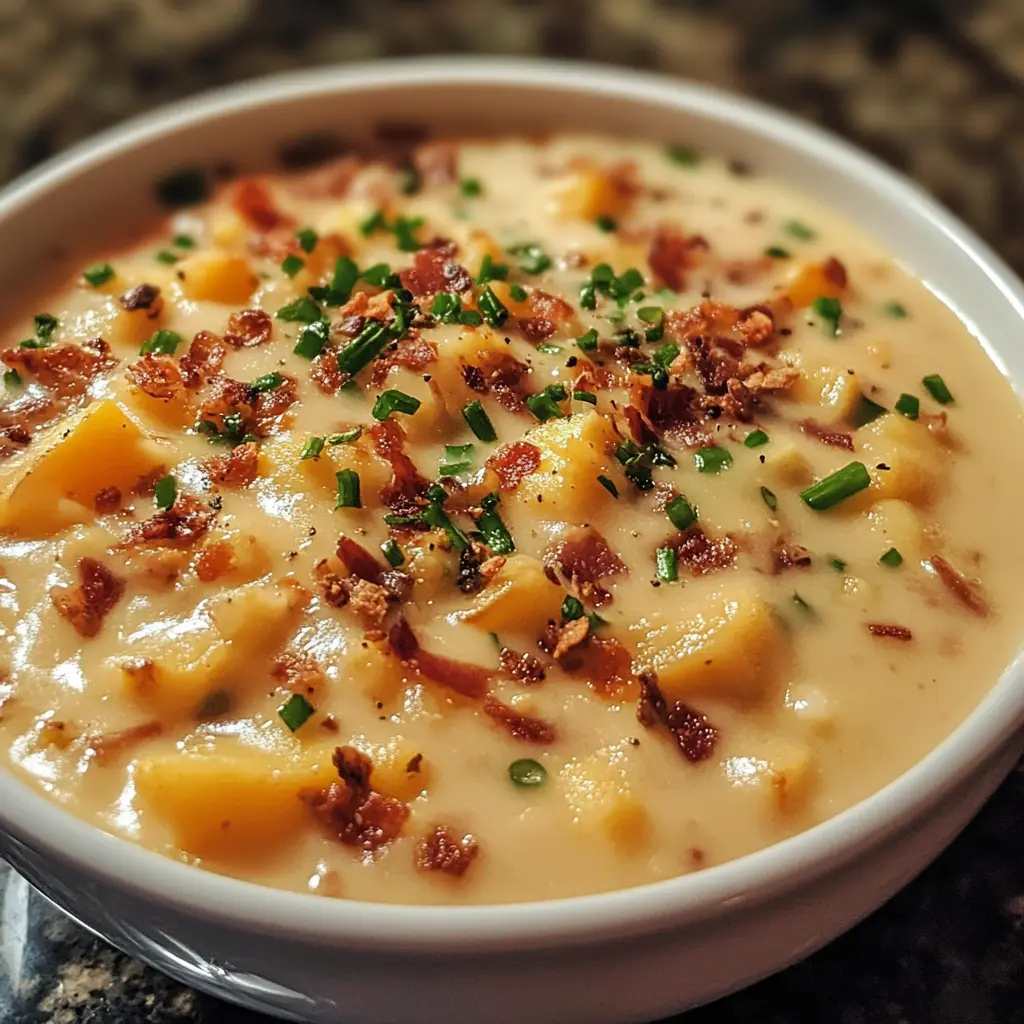
The term “loaded” refers to the generous toppings traditionally piled onto baked potatoes at restaurants and dinner tables. In soup form, these include crispy bacon pieces, sharp cheddar cheese, sour cream, and fresh green onions or chives. Each component adds distinct texture and flavor, creating layers of taste in every spoonful. The result is a hearty soup that feels indulgent while providing substantial nutrition.
Essential Ingredients for This Soup
Primary Components
Russet potatoes form the foundation of this recipe because their high starch content creates the thick, creamy texture that defines the dish. You need approximately four medium potatoes, which equals just under three pounds. These potatoes can be baked in the oven or microwaved to save time, then mashed into the soup base. The starch released during cooking naturally thickens the broth without requiring excessive amounts of flour or cornstarch.
Bacon provides the essential smoky, savory element that makes this soup truly loaded. Cook six to eight strips until crispy, then crumble them for mixing into the soup and reserving some for garnish. The rendered bacon fat can be used to sauté the aromatics, adding another layer of flavor.
Dairy and Thickening Agents
The creamy base requires a combination of dairy products for optimal richness and texture. Most recipes call for whole milk or two percent milk combined with heavy cream or half-and-half. This combination provides body without making the soup overly heavy. Sour cream adds tanginess and extra creaminess when whisked in at the end of cooking.
All-purpose flour creates a roux with butter that thickens the soup and prevents the dairy from separating. Use approximately one-third cup of flour whisked into melted butter before gradually adding the liquid ingredients. This technique ensures a smooth, lump-free consistency throughout.
Aromatics and Seasonings
Yellow or white onions provide sweetness and depth when sautéed until softened. Use about one-quarter to one-half cup of diced onion depending on your preference. Fresh garlic cloves add pungent, aromatic notes that complement the mild potatoes. Mince two to three cloves and cook them briefly with the onions to release their full flavor.
Chicken broth forms the liquid base of the soup, providing savory depth. Use two to four cups depending on how thick you prefer your final result. Salt and black pepper season the soup, with additional adjustments made after tasting the finished product.
Cheese and Toppings
Freshly grated sharp cheddar cheese melts smoothly into the soup while providing bold flavor. Avoid pre-shredded varieties, as they contain anti-caking agents that can make the soup grainy. Plan for approximately twelve ounces total, with half stirred into the soup and half reserved for topping individual bowls.
Fresh chives or green onions add bright color and mild onion flavor as a finishing touch. Chop them finely just before serving to maintain their vibrant appearance. Additional toppings can include extra sour cream, bacon bits, and cheese for customization.
Nutritional Benefits of Potatoes
Vitamin and Mineral Content
Potatoes deliver impressive nutritional value despite their reputation as a simple starch. One medium potato provides thirty percent of your daily vitamin C requirement, which supports immune function and promotes healthy skin. This antioxidant vitamin also aids in collagen production and helps your body absorb iron from other foods.
The same potato supplies fifteen percent of your daily potassium needs, an essential mineral for heart health and blood pressure regulation. Potassium helps balance sodium levels in your body and supports proper muscle and nerve function. Additionally, potatoes contain ten percent of your vitamin B6 requirement, which supports metabolism and helps convert food into energy.
Fiber and Energy
Potatoes provide complex carbohydrates that offer steady, sustained energy rather than quick spikes and crashes. These carbohydrates help stabilize blood sugar levels when consumed as part of a balanced meal. The fiber content, especially when you include the potato skins, aids digestion and promotes feelings of fullness. One serving of loaded baked potato soup typically contains two grams of dietary fiber.
Protein and Other Nutrients
While not a significant protein source on their own, potatoes contribute to the overall protein content when combined with dairy products, cheese, and bacon in this soup. One bowl typically provides eight grams of protein, which represents fifteen percent of your daily value. The soup also delivers calcium for bone health, iron for oxygen transport, and multiple B vitamins that support various metabolic processes.
Step-by-Step Cooking Instructions
Preparing the Potatoes
Begin by scrubbing four medium russet potatoes under cold running water to remove any dirt. Pierce each potato several times with a fork to allow steam to escape during cooking. Microwave on high for ten minutes, rotating halfway through, until the potatoes are fork-tender. Alternatively, bake them in a preheated 400°F oven for fifty to sixty minutes.
Once cooked, cut the potatoes in half and scoop the flesh into a bowl, discarding the skins or reserving them for another use. Mash the potato flesh with a fork or potato masher until mostly smooth with some small chunks remaining. Set aside while you prepare the soup base.
Cooking the Bacon
Place six to eight bacon strips in a large soup pot or Dutch oven over medium-high heat. Cook without stirring for three to four minutes, then flip and continue cooking until crispy and browned on both sides. The total cooking time typically ranges from eight to ten minutes depending on bacon thickness.
Transfer the cooked bacon to a paper towel-lined plate to drain excess grease. Once cooled, crumble or chop the bacon into small pieces. Reserve about two-thirds for mixing into the soup and one-third for garnishing individual servings.
Building the Soup Base
Drain most of the bacon grease from the pot, leaving approximately two tablespoons for flavor. Add four tablespoons of unsalted butter and allow it to melt over medium heat. Stir in one-quarter to one-half cup of diced yellow onion and cook for three to four minutes until softened and translucent.
Add two to three minced garlic cloves and cook for one additional minute, stirring constantly to prevent burning. The garlic should become fragrant but not brown.
Creating the Roux
Sprinkle one-third cup of all-purpose flour over the butter, onions, and garlic. Whisk continuously for one minute to cook out the raw flour taste and create a smooth paste. This roux will thicken your soup and provide a velvety texture.
Slowly pour in two cups of chicken broth while whisking constantly to prevent lumps from forming. The mixture will thicken into a smooth sauce as you incorporate the liquid. Add four cups of milk gradually, whisking after each addition.
Simmering and Thickening
Increase the heat to medium-high and bring the mixture to a gentle simmer while stirring occasionally. Do not allow the soup to reach a full boil, as this can cause the dairy to separate and become grainy. Once simmering, reduce the heat to medium or medium-low to maintain gentle bubbles.
Cook for three to four minutes, whisking slowly but constantly, until the soup has slightly thickened. Season with black pepper at this stage, but wait to add salt until after incorporating the cheese and bacon.
Adding the Finishing Touches
Turn off the heat completely before adding the cheese, sour cream, and mashed potatoes. Add half of your twelve ounces of grated sharp cheddar cheese and whisk until completely melted and smooth. Add the remaining cheese and repeat the whisking process.
Whisk in one cup of sour cream until fully incorporated. Add the mashed potatoes in two batches, whisking thoroughly after each addition to ensure even distribution. Stir in two-thirds of the crumbled bacon.
Blending for Texture
At this point, you can adjust the soup’s texture according to your preference. For a completely smooth soup, use an immersion blender directly in the pot or transfer batches to a regular blender. For a chunkier texture with pieces of potato throughout, skip this step or blend only half the soup.
If the temperature has dropped significantly during the addition of cold ingredients, return the pot to medium-low heat and warm gently while stirring until the soup is hot again. Taste and adjust salt and pepper as needed.
Tips for Making Creamy Potato Soup
Preventing Grainy Texture
Grainy soup is one of the most common complaints with potato-based recipes, but you can avoid this issue with proper technique. First, always use freshly grated cheese rather than pre-shredded varieties, which contain cellulose and other additives that prevent smooth melting. Second, turn off the heat before adding cheese and sour cream, as high temperatures can cause dairy proteins to separate.
Never let the soup reach a rolling boil after adding dairy products. Maintain a gentle simmer throughout the cooking process and stir frequently to distribute heat evenly. The gradual heating method ensures that milk proteins denature slowly without curdling.
Achieving Perfect Thickness
The consistency of your soup depends on the ratio of liquid to solids and the amount of starch released from the potatoes. For thicker soup, use more mashed potatoes or blend a larger portion of the finished soup. For thinner soup, reserve some milk and add it at the end until you reach the desired consistency.
The soup will naturally thicken as it cools, so consider making it slightly thinner than your target consistency. If reheating leftovers, you may need to add additional milk or broth to return it to the proper texture.
Flavor Enhancement Techniques
Build layers of flavor by properly browning the bacon and sautéing the aromatics until golden. Each cooking stage develops different flavor compounds that contribute to the overall taste. Consider adding dried herbs like thyme or fresh herbs like parsley for additional complexity.
Smoked paprika provides depth without adding heat, while a pinch of cayenne pepper offers subtle warmth for those who enjoy a spicy kick. Always season gradually and taste frequently, as the bacon and cheese both contain significant salt.
Common Mistakes to Avoid
Temperature Control Errors
Rushing the heating process is one of the biggest mistakes home cooks make with this recipe. Boiling dairy-based soups causes the proteins to seize and separate, resulting in an unappetizing, curdled appearance. Keep the heat at medium or below once you add milk and cream.
Similarly, adding cold ingredients like sour cream and cheese to a boiling soup shocks the mixture and increases the likelihood of breaking. Remove the pot from heat and let it stop bubbling before incorporating these delicate ingredients.
Overblending the Potatoes
Potatoes contain significant starch that becomes gluey and gummy when overworked. If you blend your soup too long or too vigorously, the texture transforms from creamy to sticky and unpleasant. Use short pulses with an immersion blender or process in quick bursts in a regular blender.
Leaving some small potato chunks provides textural interest and prevents the soup from becoming too homogeneous. The goal is a mostly smooth soup with occasional pieces, not a completely pureed mixture.
Inadequate Seasoning
Under-seasoning is a common problem because cooks forget to taste and adjust before serving. The bacon and cheese provide saltiness, but the large volume of potatoes and dairy requires adequate seasoning to bring all the flavors into balance. Always taste your soup after adding all the ingredients and adjust salt and pepper accordingly.
Black pepper should be freshly ground for maximum flavor impact. Consider keeping a pepper mill near your stove specifically for soup seasoning.

Storage and Freezing Guidelines
Refrigerator Storage
Store leftover soup in airtight containers in the refrigerator within two hours of cooking to maintain food safety. Properly stored soup remains fresh for three to four days. Transfer the soup to the refrigerator once it has cooled to room temperature, but don’t leave it sitting out longer than necessary.
When reheating refrigerated soup, add a splash of milk or broth to restore the proper consistency, as the soup thickens considerably when cold. Heat gently over medium-low heat, stirring frequently to prevent scorching on the bottom of the pot.
Freezing Instructions
Potato soup can be frozen successfully if you follow proper techniques. Allow the soup to cool completely to room temperature before transferring it to freezer-safe containers or resealable plastic bags. Leave about one inch of headspace in rigid containers to allow for expansion as the liquid freezes.
For bags, lay them flat in the freezer to save space and promote even freezing. Label each container with the date and contents for easy identification. Properly frozen potato soup maintains quality for two to three months.
Thawing and Reheating
Thaw frozen soup in the refrigerator overnight for the best results. You can also reheat it directly from frozen over low heat, stirring frequently as it melts. The texture may change slightly after freezing, with some separation occurring. Whisk the soup vigorously while reheating to re-emulsify the ingredients.
Add fresh dairy products like sour cream and extra cheese when serving thawed soup to restore the creamy, fresh-made quality. Garnish with freshly cooked bacon and chopped herbs for optimal flavor and presentation.
Creative Topping Ideas
Classic Toppings
Shredded cheddar cheese is the quintessential topping for loaded baked potato soup, providing sharp flavor and appealing visual contrast. Sprinkle a generous handful over each bowl just before serving so it melts slightly from the soup’s heat. Sharp or extra-sharp varieties offer the most pronounced flavor.
Crispy bacon bits add essential crunch and smoky richness to every spoonful. Reserve the best-looking bacon pieces for topping rather than stirring all of it into the soup. The textural contrast between crispy bacon and creamy soup is one of the dish’s signature characteristics.
Sour cream provides cool tanginess that balances the rich, savory base. Dollop a spoonful on top of each serving or offer it on the side for guests to add according to preference. Some cooks prefer mixing additional sour cream directly into individual bowls for extra creaminess.
Fresh Herb Garnishes
Chopped chives bring mild onion flavor and vibrant green color that makes the soup visually appealing. Snip them into small pieces using kitchen scissors directly over each bowl. Fresh chives maintain their bright flavor better than dried alternatives.
Green onions, also called scallions, offer a slightly stronger onion taste than chives while still providing the same colorful presentation. Slice both the white and green parts thinly and sprinkle over the finished soup. For added sophistication, sauté the green onions briefly in butter before using them as a topping.
Fresh parsley or dill can be used alone or combined with chives for an herb blend topping. These herbs add freshness and complexity without overwhelming the potato flavor.
Textural Additions
Croutons provide satisfying crunch and help stretch the soup into a more substantial meal. Make homemade croutons by tossing cubed bread with olive oil and garlic, then baking until golden and crispy. Store-bought croutons work well in a pinch.
Crispy fried onions, similar to those used on green bean casserole, add another dimension of texture and savory flavor. Purchase pre-made fried onions or make your own by coating thin onion slices in flour and frying until golden.
Potato skin chips made from the reserved potato skins offer a creative, waste-reducing topping option. Slice the skins thinly, toss with oil and salt, and bake until crispy. These provide an echo of the main ingredient with added textural interest.
Serving Suggestions and Pairings
Bread Accompaniments
Crusty bread is the perfect partner for loaded baked potato soup, providing a vehicle for soaking up every last drop. Choose a hearty sourdough, French baguette, or rustic country loaf with a chewy crust and open crumb structure. Toast the bread lightly and rub it with a cut garlic clove for extra flavor.
Cornbread offers a slightly sweet contrast to the savory soup and complements the American comfort food theme. Serve warm wedges with butter on the side for spreading. The crumbly texture of cornbread pairs well with the smooth soup consistency.
Homemade biscuits or dinner rolls provide a soft, buttery option that appeals to all ages. Split them while still warm and let the steam escape before serving alongside individual bowls.
Salad Pairings
A simple green salad with vinaigrette dressing provides refreshing contrast to the rich, creamy soup. Choose crisp lettuce varieties like romaine or butter lettuce and add fresh vegetables like cucumbers, tomatoes, and radishes. The acidity in the dressing cuts through the soup’s richness and cleanses the palate.
Caesar salad with crunchy croutons and Parmesan cheese echoes some of the soup’s flavors while adding variety to the meal. The garlicky, tangy dressing complements the potato and cheese flavors.
Coleslaw brings crunch and tang that balance the soup’s smooth, savory character. Choose a vinegar-based slaw rather than a creamy version to avoid having two heavy components in the same meal.
Complete Meal Ideas
Serve the soup as a starter before grilled steaks or roasted chicken for a hearty, satisfying dinner. The soup’s richness means you can serve smaller main course portions without leaving guests hungry.
Make the soup the centerpiece of a casual lunch by serving it in bread bowls made from hollowed-out round loaves. This presentation eliminates the need for dishes and creates an impressive, Instagram-worthy serving style.
For a soup-focused meal, offer several varieties so guests can sample different flavors. Pair loaded baked potato soup with tomato soup and a lighter broth-based option for variety.
Frequently Asked Questions
Can you make this soup in a slow cooker?
Yes, loaded baked potato soup adapts well to slow cooker preparation. Cook the bacon separately and set aside, then add diced raw potatoes, onions, garlic, chicken broth, and seasonings to your slow cooker. Cook on low for six to eight hours or high for three to four hours until the potatoes are tender. In the last thirty minutes, whisk together the milk, cream, and flour, then add to the slow cooker along with the mashed potatoes. Stir in cheese, sour cream, and bacon just before serving.
How do you make this recipe gluten-free?
Replace all-purpose flour with a gluten-free flour blend or cornstarch to thicken the soup. Use one-third cup of gluten-free flour or three tablespoons of cornstarch mixed with cold water to create a slurry. Ensure all other ingredients, including the chicken broth and bacon, are certified gluten-free, as some brands contain gluten-containing additives. The taste and texture remain virtually identical to the traditional version.
Can you substitute different types of potatoes?
Russet potatoes work best for loaded baked potato soup because their high starch content creates the thick, creamy texture that defines this dish. Yukon Gold potatoes can be substituted if necessary, though they contain less starch and produce a slightly thinner soup. Waxy potatoes like red potatoes are not recommended, as they hold their shape rather than breaking down to thicken the broth.
How can you make this soup healthier?
Reduce calories and fat by using low-fat milk instead of whole milk and substituting Greek yogurt for half of the sour cream. Choose turkey bacon instead of pork bacon to decrease saturated fat content. Increase the nutritional value by leaving the potato skins on for extra fiber and vitamins. Add vegetables like broccoli, cauliflower, or spinach to boost vitamin and mineral content.
What can you do if the soup is too thick?
Thin overly thick soup by gradually stirring in additional chicken broth or milk until you reach the desired consistency. Add liquid in quarter-cup increments, mixing thoroughly between additions to avoid making the soup too thin. Heat the soup gently after adding liquid to ensure all ingredients are evenly distributed and properly warmed.
Can you use pre-cooked bacon?
Pre-cooked bacon works in a pinch, though freshly cooked bacon provides superior flavor and texture. If using pre-cooked bacon, you’ll need to add butter or oil to the pot for sautéing the aromatics since you won’t have rendered bacon fat. Crisp the pre-cooked bacon briefly in a dry skillet before adding it to the soup to improve its texture.
Conclusion
Loaded Baked Potato Soup delivers all the comforting flavors of a classic baked potato in a warming, spoonable format perfect for any occasion. This creamy, satisfying dish combines tender potatoes, crispy bacon, sharp cheddar cheese, and tangy sour cream into a meal that pleases crowds and fills bellies. The recipe offers flexibility for customization with various toppings and modifications to suit dietary needs and personal preferences. With proper technique, you can create restaurant-quality soup in your own kitchen in less than an hour. Master this recipe once and it will become a regular rotation in your meal planning, bringing comfort and satisfaction throughout the cooler months. Gather your ingredients, follow the step-by-step instructions, and prepare to enjoy one of the most beloved comfort foods in American cuisine. Your family and friends will request this loaded baked potato soup again and again, making it a cherished addition to your recipe collection.
Print
Loaded Baked Potato Soup
Description
Loaded Baked Potato Soup
Ingredients:
-
4 large russet potatoes, peeled and diced
-
4 slices bacon, chopped
-
1 small onion, diced
-
3 cloves garlic, minced
-
4 cups chicken broth
-
1 cup heavy cream
-
1 cup shredded cheddar cheese
-
Salt and pepper, to taste
-
1/2 tsp smoked paprika (optional)
-
1/2 cup sour cream
-
2 green onions, chopped (for garnish)
-
Additional shredded cheddar cheese and bacon for topping
Instructions:
-
In a large pot, cook bacon over medium heat until crispy. Remove bacon and set aside, leaving some bacon fat in the pot.
-
Add onion and garlic to the pot and sauté until softened, about 2-3 minutes.
-
Add diced potatoes and chicken broth. Bring to a boil, then reduce heat and simmer 15-20 minutes until potatoes are tender.
-
Use a potato masher or immersion blender to mash some of the potatoes, leaving a few chunks for texture.
-
Stir in heavy cream, shredded cheddar cheese, sour cream, salt, pepper, and smoked paprika. Simmer 5 minutes until heated through and creamy.
-
Serve hot, topped with reserved bacon, additional cheddar cheese, and chopped green onions.