
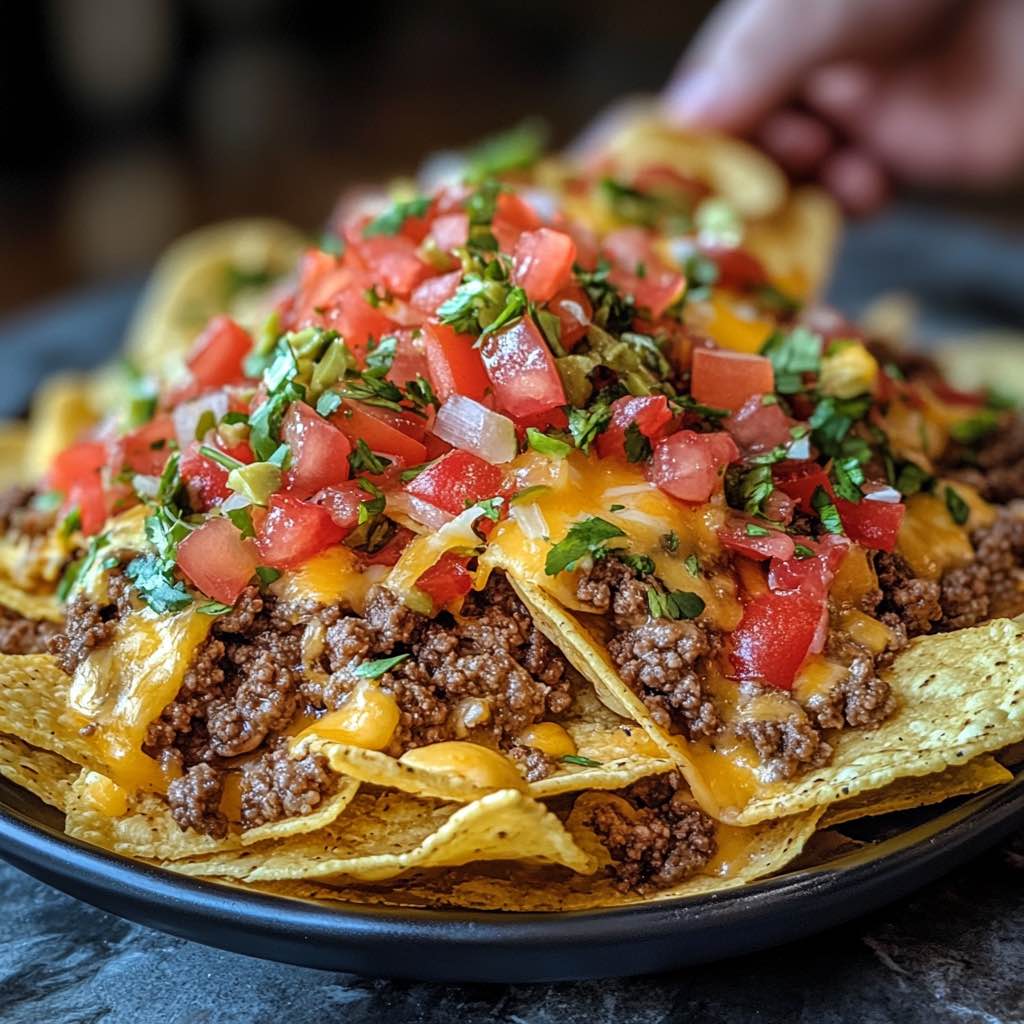
The Ultimate Guide to Loaded Nachos with Ground Beef and Cheese
Introduction to Loaded Nachos
Loaded nachos with ground beef and cheese represent the pinnacle of comfort food perfection. Furthermore, this beloved dish combines crispy tortilla chips with savory seasoned ground beef and melted cheese. Additionally, the result creates a crowd-pleasing appetizer or main course that satisfies every craving.
Originally, nachos were a simple combination of chips and cheese. However, modern loaded nachos have evolved into elaborate creations. Moreover, they feature multiple layers of ingredients that create complex flavors and textures. Subsequently, these hearty dishes have become staples at sports bars, family gatherings, and casual dining establishments.
The beauty of loaded nachos with ground beef and cheese lies in their versatility. Consequently, you can customize them to suit various dietary preferences and flavor profiles. Additionally, they serve as perfect party food because guests can easily share them. Furthermore, the preparation process allows for creativity and personal touches.
Essential Ingredients for Perfect Loaded Nachos
Base Components
The foundation of exceptional loaded nachos with ground beef and cheese starts with quality ingredients. First, you need sturdy tortilla chips that won’t break under the weight of toppings. Additionally, thick-cut restaurant-style chips work best for this purpose.
Ground beef serves as the protein centerpiece of this dish. Moreover, choosing the right fat content ensures optimal flavor and texture. Furthermore, 80/20 ground beef provides the perfect balance of taste and moisture.
Cheese selection significantly impacts the final result. Therefore, combining different cheese types creates depth and complexity. Additionally, using both shredded and queso-style cheeses adds variety to each bite.
Supporting Ingredients
Secondary ingredients elevate loaded nachos from good to extraordinary. First, fresh vegetables add color, nutrition, and crunch. Additionally, ingredients like diced tomatoes, jalapeños, and onions provide essential contrast.
Seasonings and spices transform ordinary ground beef into a flavorful topping. Moreover, cumin, chili powder, and paprika create authentic Mexican-inspired flavors. Furthermore, garlic powder and onion powder enhance the overall taste profile.
Sauces and condiments offer additional layers of flavor. Therefore, sour cream, guacamole, and salsa provide creamy and tangy elements. Additionally, these components help balance the richness of the cheese and beef.
Step-by-Step Recipe Guide
Preparation Phase
Creating perfect loaded nachos with ground beef and cheese requires careful preparation. First, gather all ingredients and equipment before starting. Additionally, preheating your oven ensures even cooking and proper cheese melting.
Begin by preparing your ground beef mixture. Initially, heat a large skillet over medium-high heat. Subsequently, add the ground beef and break it into small pieces. Furthermore, cook until the meat browns completely and no pink remains.
Season the ground beef generously with spices. Moreover, add salt, pepper, cumin, and chili powder to taste. Additionally, incorporate minced garlic and onion powder for enhanced flavor depth.
Assembly Process
Proper layering technique ensures every chip receives adequate toppings. First, spread tortilla chips evenly across a large baking sheet. Additionally, use a sheet pan with raised edges to prevent spillage.
Distribute the seasoned ground beef evenly over the chips. Moreover, ensure each area receives a fair portion of meat. Furthermore, this even distribution prevents some areas from being too loaded while others remain bare.
Add cheese as the next layer, covering both chips and beef. Therefore, use a combination of shredded cheddar and Monterey Jack cheeses. Additionally, sprinkle some queso cheese sauce for extra creaminess.
Baking Instructions
Oven temperature and timing affect the final texture of your loaded nachos. Initially, bake at 375°F for optimal results. Additionally, this temperature melts cheese without burning the chips.
Monitor the nachos carefully during the baking process. Moreover, they typically require 8-12 minutes in the oven. Furthermore, remove them when the cheese is fully melted and bubbly.
Add fresh toppings after removing from the oven. Therefore, ingredients like lettuce, tomatoes, and sour cream should go on last. Additionally, this prevents them from wilting or overcooking.
Choosing the Right Ground Beef
Fat Content Considerations
The fat content in ground beef significantly affects the final flavor of your loaded nachos. Generally, 80/20 ground beef provides the best balance for this dish. Moreover, the fat content ensures the meat stays moist and flavorful during cooking.
Leaner ground beef options like 90/10 can work but require careful handling. Additionally, these leaner cuts may become dry without proper cooking techniques. Furthermore, adding a small amount of olive oil can help maintain moisture.
Ground chuck offers excellent flavor and texture for nachos. Therefore, this cut typically contains the ideal fat ratio for comfort food dishes. Additionally, chuck provides rich, beefy flavor that complements the other ingredients.
Cooking Techniques
Proper cooking techniques ensure your ground beef develops maximum flavor. First, avoid overcrowding the pan when browning the meat. Additionally, working in batches allows for better browning and prevents steaming.
Break the meat into appropriately sized pieces during cooking. Moreover, smaller pieces distribute more evenly across the nachos. Furthermore, they’re easier to eat and provide better bite-sized portions.
Season the beef during the cooking process rather than after. Therefore, the spices have time to develop and penetrate the meat. Additionally, this technique creates more complex and integrated flavors.
Quality Considerations
Source your ground beef from reputable suppliers for best results. Moreover, freshly ground beef often provides superior flavor compared to pre-packaged options. Additionally, grass-fed beef offers enhanced nutritional benefits and taste.
Check the color and smell of ground beef before purchasing. Therefore, fresh beef should appear bright red with no off odors. Additionally, the packaging should be intact and properly refrigerated.
Consider grinding your own beef for ultimate control over quality. Furthermore, this allows you to select specific cuts and fat ratios. Moreover, freshly ground beef often tastes noticeably better than store-bought alternatives.
Best Cheese Combinations
Traditional Options
Cheddar cheese remains the classic choice for loaded nachos with ground beef and cheese. Moreover, its sharp flavor complements the seasoned beef perfectly. Additionally, cheddar melts well and provides excellent coverage.
Monterey Jack cheese offers a milder flavor profile that appeals to various tastes. Furthermore, it melts smoothly and creates an appetizing appearance. Additionally, Jack cheese pairs well with spicier ingredients.
Combining multiple cheese types creates more complex flavors. Therefore, using both sharp cheddar and mild Monterey Jack provides balance. Additionally, this combination ensures some areas have different flavor profiles.
Creative Variations
Pepper Jack cheese adds heat and complexity to your loaded nachos. Moreover, the embedded peppers provide visual appeal and spicy kicks. Furthermore, this cheese works especially well with Mexican-inspired toppings.
Queso fresco offers an authentic Mexican cheese option. Additionally, its crumbly texture provides interesting textural contrast. Moreover, the mild, fresh flavor doesn’t overpower other ingredients.
Mexican cheese blends specifically designed for nachos provide convenience. Furthermore, these pre-mixed combinations ensure compatible melting properties. Additionally, they often include authentic Mexican cheese varieties.
Melting Properties
Understanding how different cheeses melt improves your nacho quality. Generally, younger cheeses melt more smoothly than aged varieties. Additionally, processed cheeses often provide the most consistent melting results.
Avoid cheeses that separate or become grainy when heated. Moreover, some artisanal cheeses don’t perform well in high-heat applications. Therefore, stick with proven melting varieties for best results.
Pre-shredded cheese contains anti-caking agents that may affect melting. Furthermore, freshly shredded cheese often melts more smoothly. However, pre-shredded options offer significant convenience benefits.
Toppings and Variations
Fresh Vegetable Options
Fresh vegetables add color, nutrition, and textural contrast to loaded nachos. First, diced tomatoes provide acidity that cuts through rich cheese and beef. Additionally, they add vibrant color and fresh flavor.
Jalapeño peppers offer heat and crunch that enhance the overall experience. Moreover, you can adjust the spice level by including or removing seeds. Furthermore, pickled jalapeños provide tangy flavor in addition to heat.
Red onions contribute sharp flavor and appealing color contrast. Additionally, their natural sweetness balances the savory elements. Moreover, thin slices distribute evenly and don’t overwhelm individual bites.
Creamy Additions
Sour cream serves as a cooling element that balances spicy flavors. Moreover, its creamy texture provides pleasant contrast to crunchy chips. Additionally, sour cream helps bind other toppings together.
Guacamole adds richness and authentic Mexican flavor to your nachos. Furthermore, the avocado’s natural oils complement the cheese beautifully. Additionally, homemade guacamole tastes significantly better than store-bought versions.
Greek yogurt can substitute for sour cream while adding protein. Moreover, it provides similar cooling properties with enhanced nutritional benefits. Additionally, thick Greek yogurt maintains its texture better under heat.
Specialty Ingredients
Black beans add protein, fiber, and authentic Mexican flavors. Moreover, they provide textural variety and help make the dish more filling. Additionally, black beans complement the ground beef without competing for attention.
Corn kernels contribute sweetness and additional texture. Furthermore, charred corn adds smoky flavors that enhance the overall profile. Additionally, corn provides visual appeal with its bright yellow color.
Cilantro offers fresh, herbaceous notes that brighten heavy flavors. Moreover, its distinctive taste adds authenticity to Mexican-inspired dishes. However, use cilantro judiciously as some people find it overpowering.

Cooking Techniques and Tips
Oven vs. Broiler Methods
Oven baking provides even heat distribution for consistent results. Moreover, this method allows better control over the melting process. Additionally, oven baking reduces the risk of burning chips or overcooking toppings.
Broiler cooking creates more dramatic cheese browning and bubbling. Furthermore, the intense heat melts cheese quickly and efficiently. However, broiler cooking requires constant attention to prevent burning.
Combination methods often yield the best results for loaded nachos. Therefore, start with oven baking to melt cheese thoroughly. Additionally, finish with brief broiler exposure for attractive browning.
Layering Strategies
Proper layering ensures every bite contains optimal ingredient ratios. First, create a solid base layer of tortilla chips without gaps. Additionally, overlapping chips slightly helps distribute weight evenly.
Distribute ground beef in small, even portions across the chips. Moreover, avoid creating large clumps that make eating difficult. Furthermore, even distribution ensures consistent flavor in every bite.
Add cheese in multiple thin layers rather than one thick layer. Therefore, this technique promotes even melting and better coverage. Additionally, multiple layers help bind other ingredients together.
Temperature Control
Maintaining proper oven temperature prevents burning while ensuring thorough heating. Moreover, 375°F provides the ideal balance for most loaded nacho recipes. Additionally, this temperature melts cheese without overcooking other ingredients.
Use an oven thermometer to verify accurate temperature settings. Furthermore, oven temperatures can vary significantly from displayed settings. Therefore, accurate temperature monitoring improves consistency.
Allow nachos to rest briefly after removing from the oven. Additionally, this resting period allows temperatures to equalize and prevents burns. Moreover, it gives cheese time to set slightly for easier serving.
Nutritional Information
Caloric Content
Loaded nachos with ground beef and cheese are calorie-dense comfort food. Generally, a typical serving contains 400-600 calories depending on portion size. Additionally, the exact count varies based on specific ingredients and quantities used.
Ground beef contributes significant protein along with calories. Moreover, lean ground beef reduces overall caloric content while maintaining nutritional benefits. Furthermore, the protein helps create satiety and satisfaction.
Cheese adds both calories and essential nutrients like calcium. Additionally, cheese provides high-quality protein and various vitamins. However, it also contributes significant saturated fat content.
Macronutrient Breakdown
Protein content in loaded nachos primarily comes from ground beef and cheese. Moreover, a typical serving provides 20-30 grams of complete protein. Additionally, this protein content helps meet daily nutritional requirements.
Carbohydrates mainly derive from tortilla chips and any added beans. Furthermore, these carbohydrates provide energy for daily activities. However, most carbohydrates in nachos are simple rather than complex.
Fat content varies significantly based on ground beef fat percentage and cheese quantities. Additionally, using leaner ground beef and reducing cheese portions decreases total fat. Moreover, some fat is essential for flavor and satisfaction.
Healthier Modifications
Substituting baked tortilla chips reduces overall calorie content. Moreover, baked chips often contain less sodium than fried varieties. Additionally, they provide similar texture with improved nutritional profiles.
Using lean ground turkey instead of beef significantly reduces saturated fat. Furthermore, seasoned ground turkey can closely mimic beef flavors. Additionally, turkey provides similar protein content with fewer calories.
Adding more vegetables increases fiber and micronutrient content. Therefore, ingredients like bell peppers, onions, and tomatoes enhance nutritional value. Additionally, vegetables add volume without significantly increasing calories.
Serving Suggestions
Portion Control
Determining appropriate portion sizes helps manage calorie intake. Generally, loaded nachos work well as shared appetizers for groups. Additionally, individual portions should account for their role as appetizer or main dish.
Consider serving nachos family-style with individual plates. Moreover, this approach allows people to control their own portions. Furthermore, it creates a social dining experience that enhances enjoyment.
Pair smaller nacho portions with lighter side dishes for balanced meals. Therefore, fresh salads or fruit can complement the rich, heavy flavors. Additionally, these combinations provide more complete nutrition.
Complementary Dishes
Fresh salsa provides acidic contrast that balances rich cheese and beef. Moreover, the vegetables in salsa add freshness and nutrition. Additionally, different salsa heat levels accommodate various preferences.
Mexican rice serves as an excellent side dish for loaded nachos. Furthermore, the grains help absorb flavors and create a more complete meal. Additionally, rice provides additional carbohydrates for sustained energy.
Refried beans complement the ground beef protein while adding fiber. Moreover, beans create a more authentic Mexican dining experience. Additionally, they help make the meal more filling and satisfying.
Presentation Tips
Serve loaded nachos immediately after preparation for optimal quality. Moreover, the cheese is most appealing when hot and melted. Additionally, fresh toppings maintain their texture and appearance better when served promptly.
Use colorful garnishes to enhance visual appeal. Therefore, ingredients like diced tomatoes, green onions, and cilantro add vibrant colors. Additionally, attractive presentation increases overall dining satisfaction.
Provide serving utensils that make eating easier and neater. Furthermore, small spoons or forks help manage toppings effectively. Additionally, napkins are essential given the messy nature of loaded nachos.
Storage and Reheating
Proper Storage Methods
Leftover loaded nachos require careful storage to maintain quality. First, remove any fresh toppings like lettuce, tomatoes, and sour cream. Additionally, these ingredients don’t store or reheat well with the rest.
Store the chip, beef, and cheese components in airtight containers. Moreover, refrigeration prevents bacterial growth and extends shelf life. Furthermore, proper storage maintains flavor quality for several days.
Label containers with preparation dates to track freshness. Additionally, loaded nacho components typically stay fresh for 3-4 days when properly stored. Moreover, consuming them within this timeframe ensures food safety.
Reheating Techniques
Oven reheating produces the best results for leftover nachos. Moreover, low temperature heating prevents burning while ensuring thorough warming. Additionally, covering with foil helps retain moisture during reheating.
Microwave reheating offers convenience but may produce soggy chips. Furthermore, use short intervals and check frequently to prevent overcooking. Additionally, arrange nachos in single layers for more even heating.
Add fresh toppings after reheating to restore original flavors and textures. Therefore, ingredients like sour cream, guacamole, and fresh vegetables should be added last. Additionally, this approach maintains the contrast between hot and cold elements.
Quality Considerations
Reheated nachos never quite match the quality of freshly prepared versions. Moreover, tortilla chips lose some crispness during storage and reheating. Additionally, cheese texture changes slightly after cooling and reheating.
Plan nacho quantities carefully to minimize leftovers. Furthermore, fresh preparation always produces superior results. Additionally, making smaller batches multiple times often works better than reheating.
Consider transforming leftovers into new dishes rather than simply reheating. Therefore, leftover nacho components can become quesadilla fillings or taco ingredients. Additionally, this approach prevents waste while creating variety.
Troubleshooting Common Issues
Soggy Chip Solutions
Soggy chips result from excess moisture or inadequate drainage. First, ensure ground beef is properly drained after cooking. Additionally, excess grease can make chips soggy and unappetizing.
Use thicker, sturdier tortilla chips that resist moisture better. Moreover, restaurant-style chips typically perform better than thin varieties. Furthermore, quality chips maintain their texture longer under toppings.
Avoid adding high-moisture toppings before baking. Therefore, ingredients like tomatoes and sour cream should be added after cooking. Additionally, this prevents excess moisture from affecting chip texture.
Uneven Heating Problems
Uneven heating often results from improper layering or overcrowding. Moreover, thick piles of nachos don’t heat uniformly throughout. Additionally, using appropriately sized baking sheets ensures better heat distribution.
Rotate baking sheets halfway through cooking for more even results. Furthermore, different areas of ovens may have hot spots that affect cooking. Additionally, rotation helps compensate for these temperature variations.
Consider using multiple smaller pans instead of one large pan. Therefore, this approach often produces more consistent results. Additionally, smaller batches are easier to manage and serve.
Cheese Melting Issues
Cheese that doesn’t melt properly may be too old or the wrong variety. Moreover, some cheeses have poor melting characteristics for nacho applications. Additionally, extremely low temperatures may not provide enough heat for proper melting.
Shred cheese finely for faster, more even melting. Furthermore, smaller pieces melt more uniformly than large chunks. Additionally, fresh cheese typically melts better than cheese that’s been stored for extended periods.
Pre-warm cheese to room temperature before adding to nachos. Therefore, cold cheese requires more energy to melt completely. Additionally, room temperature cheese integrates more smoothly with other ingredients.
Frequently Asked Questions
How do you make loaded nachos with ground beef and cheese from scratch?
Making loaded nachos with ground beef and cheese from scratch involves several key steps. First, brown seasoned ground beef in a skillet until fully cooked. Additionally, layer tortilla chips on a baking sheet and top with the ground beef. Moreover, add shredded cheese and bake until melted, then finish with fresh toppings.
What’s the best ground beef to use for loaded nachos?
The best ground beef for loaded nachos is typically 80/20 chuck, which provides optimal flavor and moisture. Moreover, this fat content prevents the meat from drying out during cooking. Additionally, ground chuck offers excellent taste that complements cheese and other toppings perfectly.
How long do you bake loaded nachos in the oven?
Loaded nachos typically bake for 8-12 minutes at 375°F until cheese is fully melted and bubbly. Moreover, exact timing depends on the amount of toppings and cheese used. Additionally, watch carefully to prevent burning the chips or overcooking the ingredients.
Can you make loaded nachos ahead of time?
You can partially prepare loaded nachos ahead of time by cooking and seasoning the ground beef in advance. However, complete assembly and baking should happen just before serving. Moreover, pre-assembled nachos become soggy and lose their crispy texture when stored.
What toppings go well with loaded nachos?
Popular toppings for loaded nachos include diced tomatoes, jalapeños, sour cream, guacamole, and green onions. Additionally, black beans, corn, and cilantro add authentic Mexican flavors. Moreover, the key is balancing hot and cold, creamy and crunchy elements for optimal taste and texture.
How do you keep nachos from getting soggy?
Prevent soggy nachos by using sturdy tortilla chips and properly draining cooked ground beef. Moreover, add high-moisture toppings like tomatoes and sour cream after baking. Additionally, serve immediately after preparation to maintain optimal crispness.
What cheese melts best for nachos?
Cheddar, Monterey Jack, and Mexican cheese blends melt best for nachos. Moreover, these cheeses provide smooth melting and excellent flavor. Additionally, avoid aged or artisanal cheeses that may separate or become grainy when heated.
Conclusion
Loaded nachos with ground beef and cheese represent the ultimate comfort food experience that brings people together. Throughout this comprehensive guide, we’ve explored every aspect of creating perfect loaded nachos. Moreover, from selecting quality ingredients to mastering cooking techniques, each element contributes to exceptional results.
The versatility of loaded nachos makes them suitable for various occasions and preferences. Additionally, you can customize ingredients to create unique flavor combinations that suit your taste. Furthermore, the techniques and tips provided here ensure consistent, restaurant-quality results in your home kitchen.
Remember that the key to exceptional loaded nachos lies in using quality ingredients and proper preparation methods. Moreover, attention to details like layering, temperature control, and timing makes the difference between good and great nachos. Additionally, don’t be afraid to experiment with different toppings and variations to create your signature version.

Loaded Nachos with Ground Beef and Cheese
Description
Ingredients
For the Seasoned Ground Beef:
-
1 pound ground beef (70/30 ratio works best)
-
1/2 cup finely diced yellow or red onion
-
4 cloves garlic, minced
-
1 packet (1 ounce) taco seasoning
-
2 tablespoons tomato paste
-
3/4 cup water
-
1 can (16 ounces) refried beans (optional)
For the Nachos:
-
14 ounces sturdy restaurant-style corn tortilla chips
-
2-4 cups shredded cheese (sharp cheddar and Monterey Jack blend)
-
15-ounce jar nacho cheese sauce (optional)
-
1 can (15 ounces) black beans, rinsed and drained
For Toppings:
-
2-3 Roma tomatoes, diced
-
1/2 cup diced bell peppers (red and green)
-
1 jalapeño pepper, sliced
-
1/4 cup finely diced red onion
-
1/3 cup sliced black olives
-
2-3 green onions, sliced
-
3 tablespoons fresh cilantro, chopped
-
Sour cream, guacamole, and salsa for serving
Instructions
Prepare the Ground Beef:
-
Preheat oven to 350-400°F and line a large rimmed baking sheet with parchment paper.
-
Heat 1 tablespoon olive oil in a large skillet over medium-high heat. Add diced onion and cook for 3-5 minutes until soft and translucent.
-
Add ground beef and cook for 8-10 minutes, breaking it up with a spatula, until no longer pink and fully browned. Drain excess fat.
-
Add minced garlic, taco seasoning, and tomato paste, stirring for 1-2 minutes until fragrant. Add water and bring to a boil, then reduce heat and simmer for 5-10 minutes until liquid mostly evaporates.
-
If using refried beans, stir them in until well combined and heated through. Remove from heat and set aside.
Assemble the Nachos:
-
Arrange half of the tortilla chips in a single layer on the prepared baking sheet.
-
Distribute half of the seasoned ground beef mixture in scoops over the chips, then sprinkle with half of the shredded cheese.
-
Add remaining tortilla chips as a second layer, followed by remaining beef mixture and remaining cheese.
-
Top with bell peppers, jalapeño slices, red onion, and black olives before baking.
Bake and Serve:
-
Bake for 10-15 minutes until cheese is completely melted and bubbly.
-
Remove from oven and immediately top with diced tomatoes, green onions, and fresh cilantro.
-
Serve immediately while hot with bowls of sour cream, guacamole, and salsa on the side.